Cardinals sing a sweet song but are fierce fighters. Get to know NC’s state bird
READ MORE
Read more stories about birds
From hummingbirds to cardinals, bird feeders to bird flu — here are more stories about the winged creatures we love to see in our backyards (and beyond).
Expand All
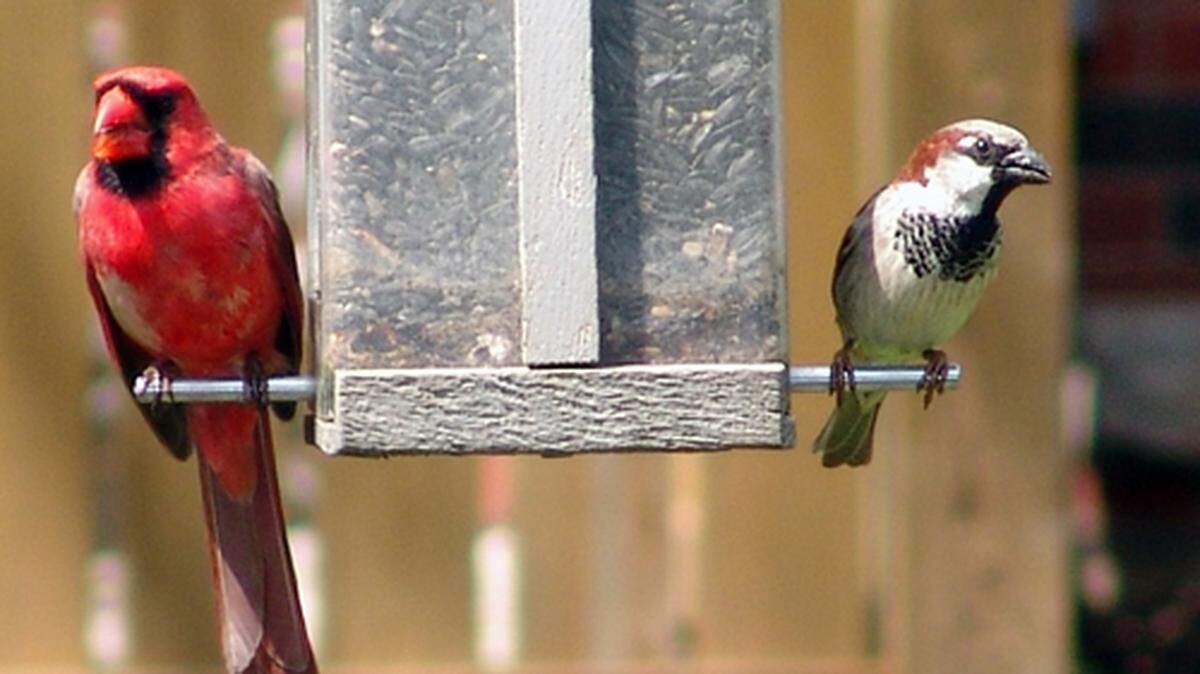
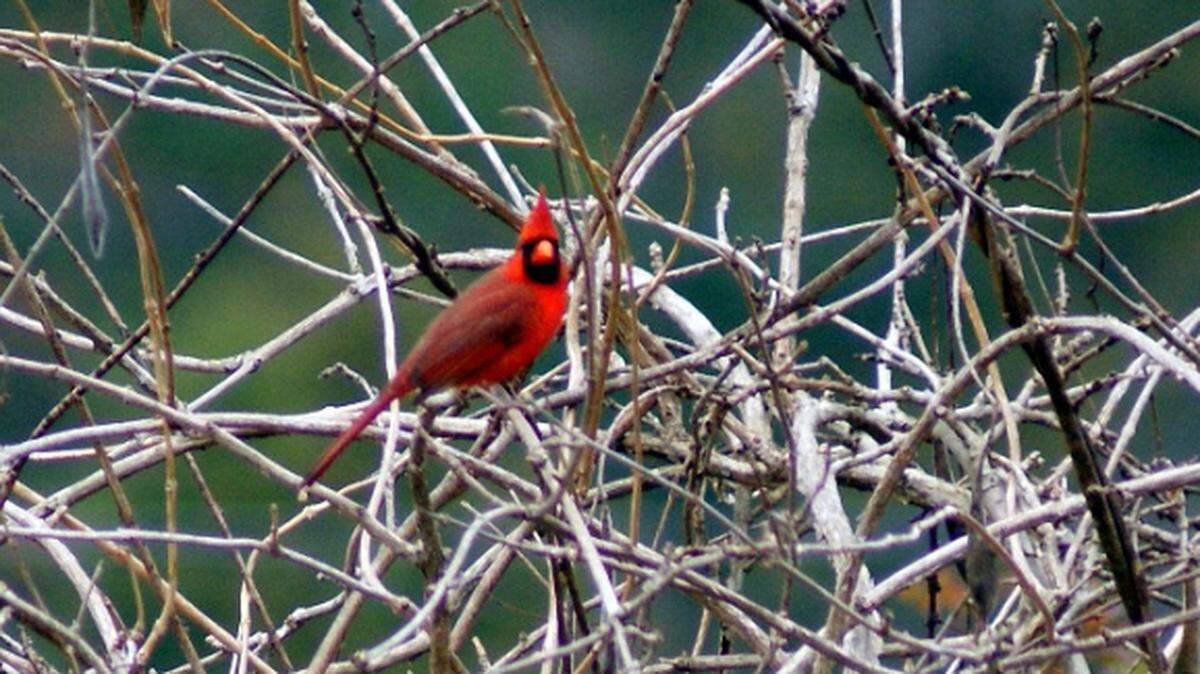
The male Northern Cardinal is hard to miss. Its vibrant red head and black eye mask stands in stark contrast to winter’s bleary hues, spring’s pastel florals and summer’s bright greens.
Once you learn its call, you’ll hear it everywhere you go.
There are more than 4.5 million Northern Cardinals all across North Carolina — it’s our state bird, in fact — and they can be spotted nearly everywhere.
“Learn the song and you’ll hear the Northern Cardinal everywhere. You’d be surprised at how much a bright red bird can go unnoticed,” said Scott Anderson of the NC Wildlife Resources Commission and NC Bird Atlas.
The female bird, on the other hand, is a “duller, rusty brown kind of color,” he said, and they may not even have bright pops of red on their bodies. Taking into account the females, you may be seeing and hearing more Northern Cardinals without even realizing.
Northern Cardinals are a “generalist species,” meaning they have a diverse diet and can thrive in changing landscapes, such as when forest land is being altered to create a greenway, Anderson said. This contributes to the species’ sheer number in North Carolina and elsewhere in the country.
Learn more about the Northern Cardinal below:
Northern Cardinal facts
All About Birds, a site by the Cornell Lab of Ornithology, features these “Cool Facts” about the Northern Cardinal:
▪ Sweet songs: Only a few female North American songbirds sing, but the female Northern Cardinal does, and often while sitting on the nest. This may give the male information about when to bring food to the nest.
A mated pair shares song phrases, but the female may sing a longer and slightly more complex song than the male.
▪ Self defense: Many people are perplexed each spring by the sight of a cardinal attacking its reflection in a window, car mirror or shiny bumper. Both males and females do this, and most often in spring and early summer when they are obsessed with defending their territory against any intruders.
Birds may spend hours fighting these intruders without giving up. A few weeks later, as levels of aggressive hormones subside, these attacks should end, though one female kept up this behavior every day or so for six months without stopping.
The male cardinal fiercely defends its breeding territory from other males. When a male sees its reflection in glass surfaces, it frequently will spend hours fighting the imaginary intruder.
▪ A popular choice: The Northern Cardinal is the state bird of seven states.
In addition to North Carolina, the Northern Cardinal is the state bird of Illinois, Indiana, Kentucky, Ohio, Virginia and West Virginia, according to 50States.com.
▪ Nearly 16: The oldest recorded Northern Cardinal was a female, and was 15 years, 9 months old when she was found in Pennsylvania.
(Source: allaboutbirds.org/guide/Northern_Cardinal)
Here’s what to feed Northern Cardinals
Northern Cardinals enjoy a variety of feeders, including a large tube, hopper or platform feeder. They also enjoy eating on the ground, according to the Cornell Lab of Ornithology’s Project FeederWatch.
“They’re common feeder birds. If you fill your feeder with their favorite stuff, you’ll see a lot of them,” NC Wildlife’s Anderson said.
Here’s what Northern Cardinals love to eat:
Hulled sunflower seeds
Millet
Peanut hearts
Cracked corn
Safflower
Milo
Black oil sunflower seeds
(Source: feederwatch.org/learn/common-feeder-birds)
This story was originally published March 17, 2023 at 7:47 AM.