
Why do we call our biggest retail holiday Black Friday? Here is the origin of the name.

READ MORE
Is Black Friday still a big deal?
As people feel the pinch of inflated prices, shoppers are expected to consider major cutbacks on buying holiday items in excess, splurging on expensive gifts and taking trips that require extra money on hotels or gas. In this special report, we look at what you can expect from the 2022 holiday shopping season, and also provide you with guides to Triangle malls and major stores.
Expand All
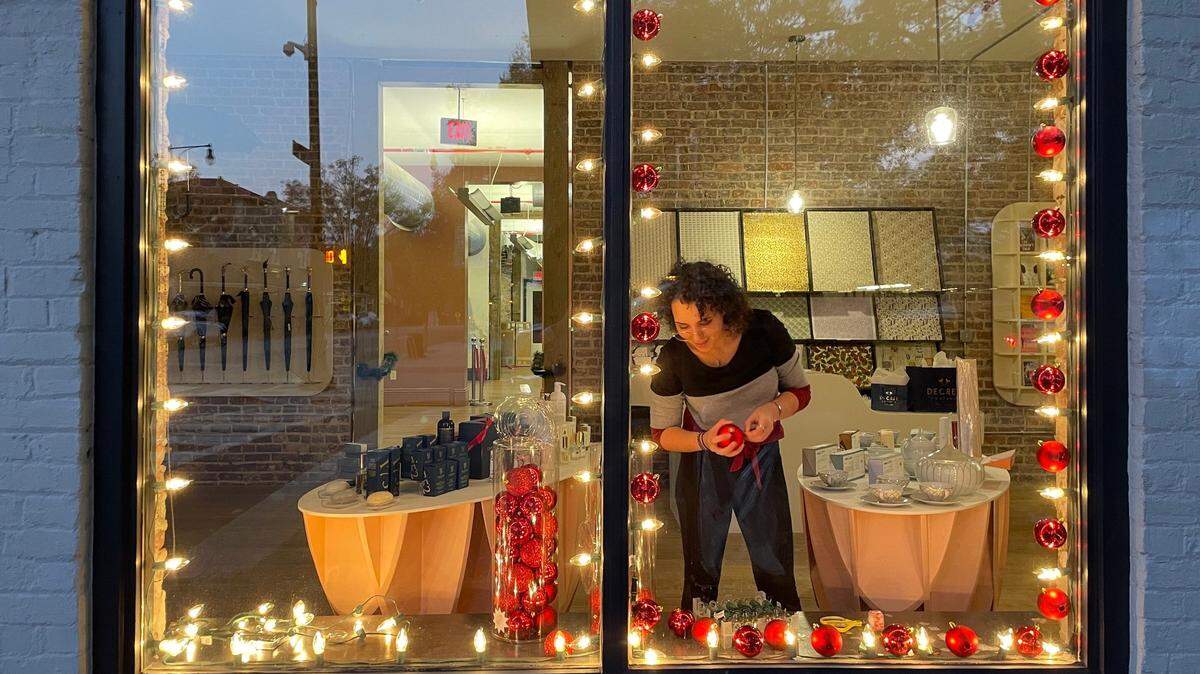
As retailers look to the 2022 holiday shopping season, is Black Friday still a big deal?
Ready, set, shop. Your Black Friday shopping guide to Triangle malls and major stores
Why do we call our biggest retail holiday Black Friday? Here is the origin of the name.
What Triangle grocery stores are open and closed on Thanksgiving Day? Here’s a list.
At this time of year, Black Friday ads are everywhere: during commercial breaks, woven through social media posts and on store windows.
For the past several decades, the day after Thanksgiving has been the official start of the holiday retail season and a universally accepted time to start playing Christmas music. It’s a day Americans know well.
But why do we call it Black Friday?
For years, many different myths circulated about the retail holiday’s origins.
In the 1960s, police officers began to describe the day after Thanksgiving as Black Friday due to the overwhelming amount of traffic.
The phrase “Black Friday” began in Philadelphia in the 1950s and ’60s, according to The New York Times. The city became an extremely popular tourist destination due to the annual hosting of the Army vs. Navy football game held the Saturday after Thanksgiving. Philadelphia police officers began referring to the day after Thanksgiving as the “Black Friday shift.”
Given the heavy street traffic on that day, retailers sought a way to attract customers, but they were hesitant to adopt the phrase “Black Friday.”
Previously, days deemed “Black” had extremely negative connotations, particularly “Black Tuesday,” the term used to describe Tuesday, Oct. 29, 1929, the day the U.S. stock market crashed and kicked off the Great Depression.
Retailers attempted to rebrand the day as “Big Friday” in 1961, but to no avail.
As the marketing tradition of day-after-Thanksgiving sales spread across the country, many stores jumped on the bandwagon of calling it Black Friday.
However, in the late ’80s, the urban myth soon rose up that “Black Friday” was the day that marked the transition from retailers operating at a loss (in the red) to profiting (in the black).
While many stores have consistently shown significant gains on Black Friday, this is not the origin of the phrase.
Meanwhile, other branded days around the holiday have arisen: Small Business Saturday, Cyber Monday, Giving Tuesday.
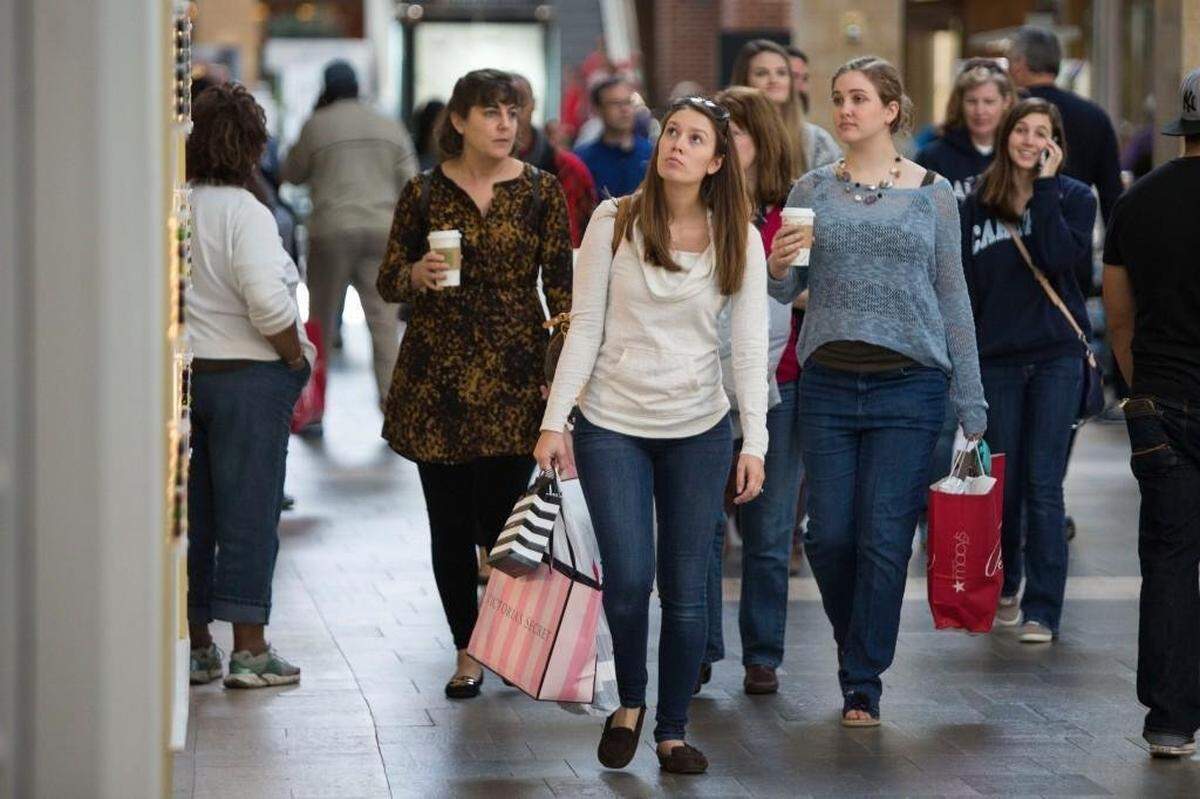
But Black Friday has always been a day of busy streets and overcrowded areas, anchored in the rush of the holiday season, much as it continues today.
This story was originally published November 22, 2022 at 6:00 AM.