
SAS left NC State 50 years ago with a deal that today would be hard to believe
AI-generated summary reviewed by our newsroom.
- In March 1976 NC State allowed SAS Institute to sell software under a worldwide license.
- NC State had SAS assume existing contracts, enabling immediate profit.
- SAS grew into a billion-dollar private company that shaped Cary’s local economy.
READ MORE
The State of SAS
SAS Institute is one of the world’s most valuable private software companies and a major economic and cultural force in Cary, North Carolina, which is home to its headquarters. One of its co-founders, Jim Goodnight, is ranked by Forbes as the No. 72 wealthiest American, with a net worth of $15.3 billion. As the company turns 50 this year, here’s a look at the company’s origin story and its future.
Expand All
Like many startups, SAS Institute began as an all-hands operation. Its small staff — future billionaires included — would line up bucket brigade-style to relay boxes of user manuals into its first office, inside a building on Hillsborough Street across from North Carolina State University.
Cofounder Jane Helwig directed where each box should go. At other times, everyone helped pack and ship reels of magnetic tape for customers to run on bulky IBM mainframe computers. Administrative assistants fueled their efforts with weekly snack runs for peanut butter, crackers and soda.
“It was very fast-paced,” said Dianne Johnson, who joined SAS in 1979 as Employee No. 14. “People were very excited about the product.”
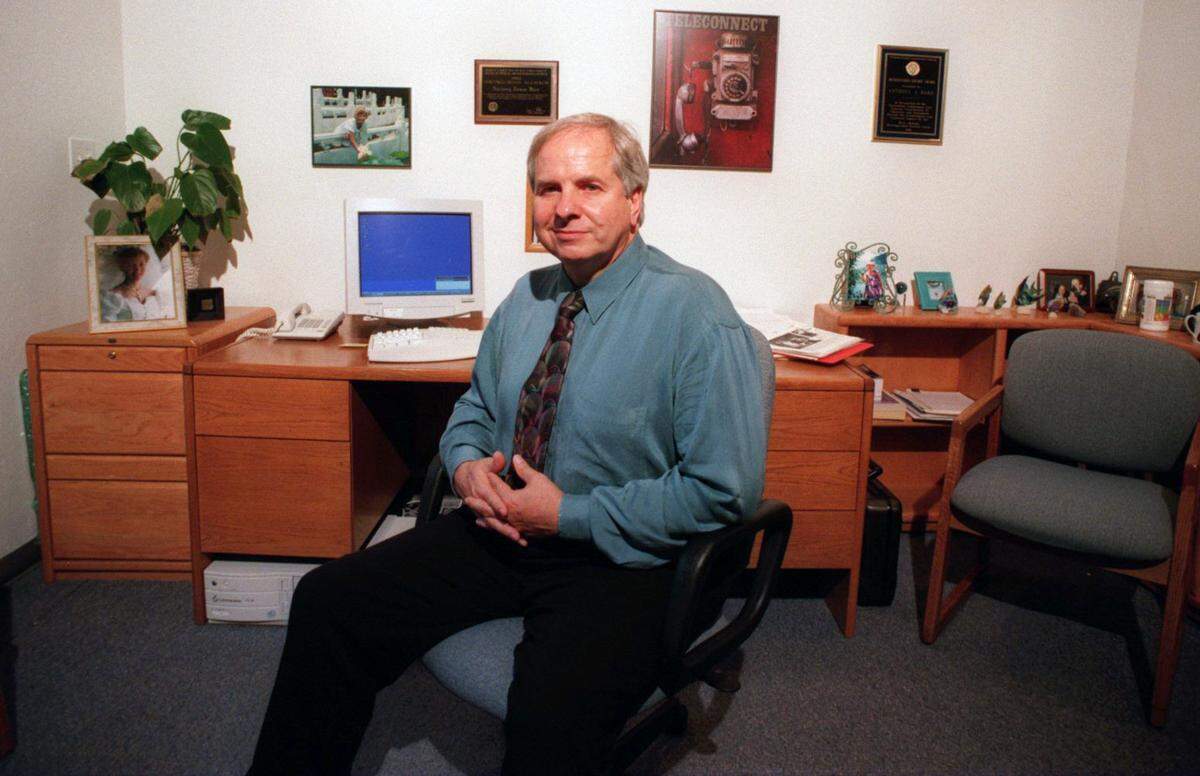
But while SAS was scrappy in appearance, the analytics company spun out of NC State 50 years ago with a financial security that would be the envy of tech entrepreneurs today. SAS left the university with a roster of customers and sought-after software. The university asked for no equity or future royalties in return. It isn’t clear if the two parties ever signed a written exit contract.
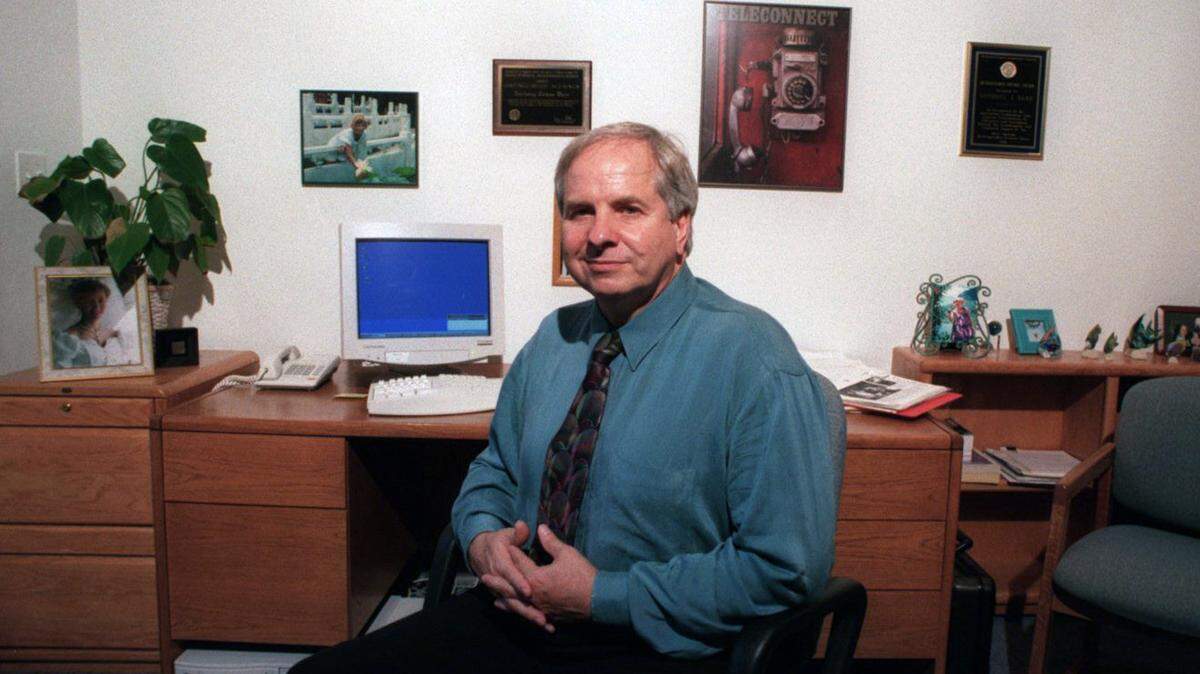
“It was the safest thing imaginable,” SAS cofounder Tony Barr said of the decision to incorporate in 1976.
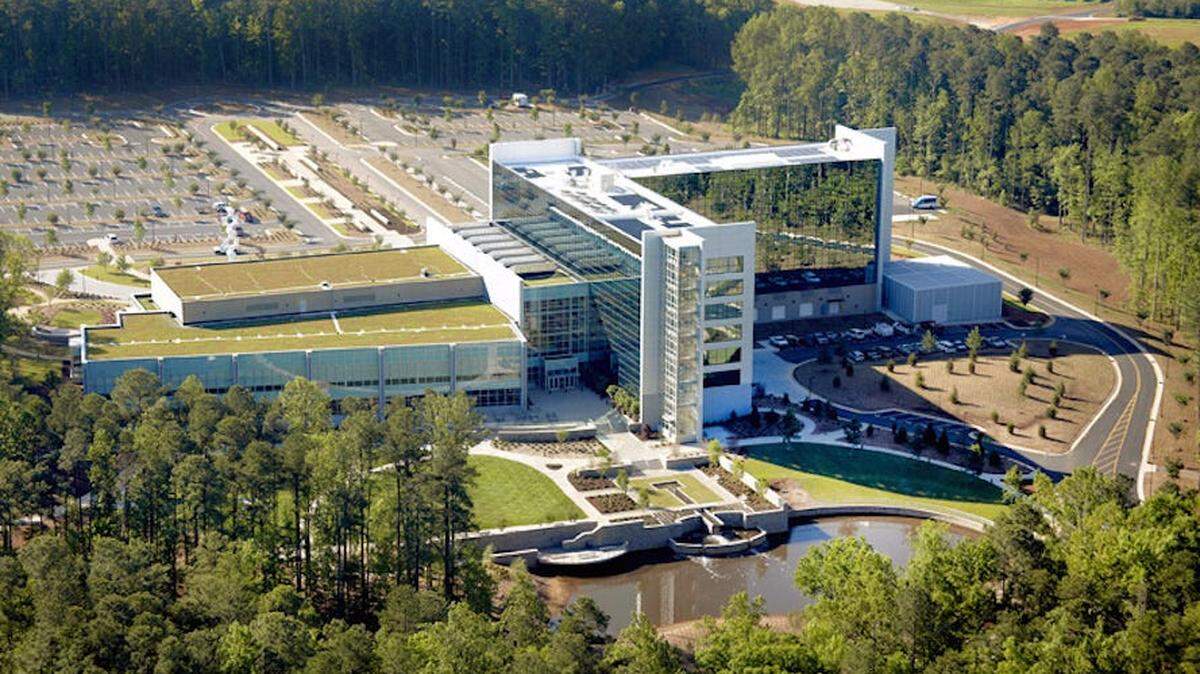
From this advantage, SAS grew into the world’s most valuable private software company and a major economic and cultural force in Cary, where it opened a bucolic main campus off Interstate 40 in 1980. Most Fortune 500 companies came to run its packages; many government agencies, too. Johnson said CIA representatives visited one year about using SAS services.
“Think of kudzu. It just takes over,” said Randy Betancourt, who began working at SAS Institute in 1984 and left in 2013. “That’s what SAS language did in terms of risk analysis and modeling. They dominated it completely.”
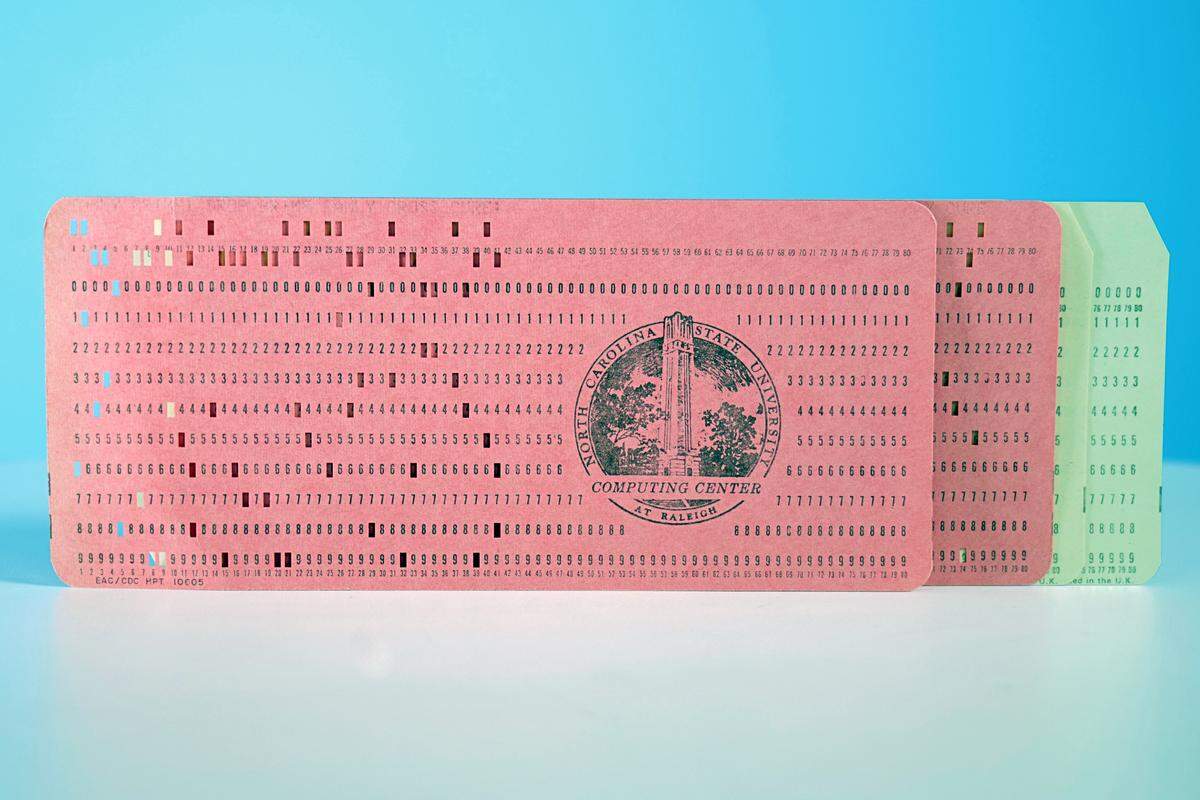
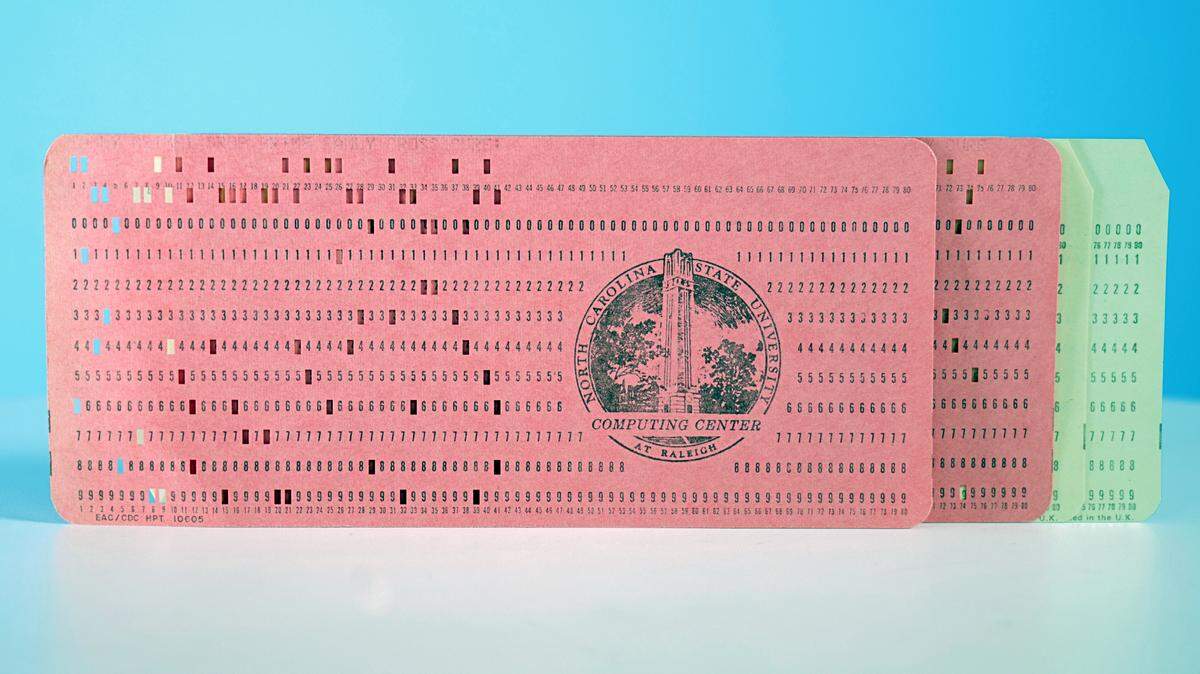
A decade before SAS the company began, a consortium of Southeastern universities had wanted to create a software package for analyzing agricultural data. NC State hired Barr to launch this Statistical Analysis System, or SAS, project. He went by his middle name, Jim, at the time and was soon joined by another Jim — NC State Ph.D. student James Goodnight. Barr wrote the original language; Goodnight contributed key predictive models.
NC State distributed the SAS program for free with support from the National Institutes of Health and a network of agricultural experiment stations across the Southeast. Then around 1973, the SAS team began charging customers maintenance fees to cover things like service and global shipping.
As demand for the software grew within and beyond agriculture, Barr, Goodnight, NC State graduate student John Sall and Helwig sought to make it a business. In March 1976, the university’s Institute of Statistics allowed their newly formed SAS Institute to sell SAS software, including the user guides published while the team was at NC State.
“The agreement covered the full duration of the copyright and any future renewals,” SAS spokesperson Shannon Heath wrote in an email to The N&O.
NC State declined to release any documents related to a 1976 agreement with SAS Institute, citing “exceptions to state public records laws” in an email to The N&O. The school shared that none of the documents contained “completed contracts.”
Heath wrote that the university gave SAS “a comprehensive, worldwide license to use, publish, manufacture and sell the SAS Software and documentation, including the original Users’ Guide to SAS.”
SAS did not make a copy of the agreement viewable to The N&O.
Barr does not remember ever signing a formal contract with the university. Now 85, he said NC State also gave his new company cash, from the revenue the SAS university project was making.
“We didn’t really suffer starting the company, because we had that yearly maintenance money,” he said.
“It was totally unexpected,” he added. “I think Jim and I felt we had put in the time doing what the university wanted us to do. And this was just a bonus.”
Coca-Cola from the jump
Rather than demand ownership shares, NC State was satisfied to have SAS Institute assume liability for the existing SAS System contracts. That, Heath said, gave the new company a client list that included Coca-Cola, Westinghouse, Abbott Laboratories, the Tennessee Valley Authority and several public research universities.
Thus, SAS was profitable from its first day.
“It’s an incredible advantage for a startup, to come out of the gate with an impressive roster of clients,” said Thom Ruhe, CEO of NC IDEA, a private foundation that awards grants to early-stage startups. “And not just for the obvious financial reasons, but also for the market validation that it demonstrates. So you essentially are born as an experienced company.”
Leaving NC State with immediate profits shaped SAS — and by extension its hometown of Cary. To this day, the company has never taken on debt or raised outside capital. It still has only two shareholders, a rarity for a tech operation of its size.
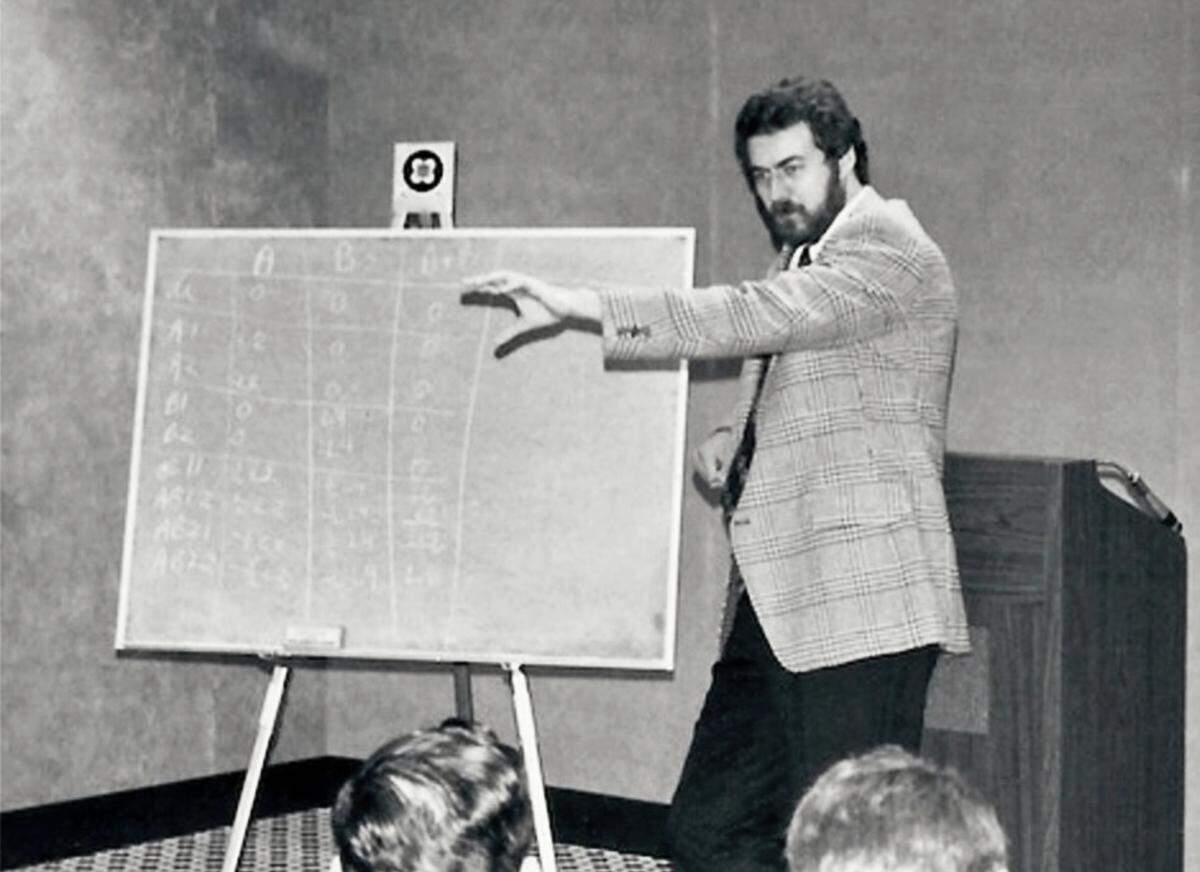
Barr clashed with Goodnight in their early years as cofounders, leading the former to sell his 40% ownership stake in 1979 for $340,000. Helwig left, too, to become a medical doctor, leaving Goodnight and Sall as SAS’ only owners. Today, they are the two richest people in North Carolina, according to Forbes, with Goodnight remaining CEO and two-thirds equity holder.
“We were very fortunate in that we started SAS over at NC State,” Goodnight told The News & Observer in 2003. “And when we left NC State, we had over 100 customers already.”
Revenue to make Cary ‘SASland’
Goodnight’s decision to license the software on an annual basis, rather than in perpetuity, produced a windfall. SAS did $10 million in sales in 1980, $60 million in 1985, and nearly $300 million in 1991. In its latest annual, SAS reported annual revenue above $3 billion.
Early profitability not only enabled Goodnight to forgo venture capital but also to afford employee benefits like on-site childcare and chef-cooked cafeteria meals that were the basis for SAS’ acclaimed work-life balance reputation.
“They had a hot bar,” recalled Brenda Bruce, SAS’ resident pianist who played during lunches. “They would have two entrées and four vegetables that you could choose from. They had a salad bar. That was just phenomenal. And then they had a sandwich area. You could have a sandwich meeting, if that’s what you wanted.”
Cary in 1980 had fewer than 22,000 residents. Local amenities like daycare and good restaurants were sparse.
“None of that was available,” said Keith Collins, a former SAS chief information officer who joined the company in 1984. “And we had cash flow. The advantage that came out of the university.”
The town boomed alongside its most prominent business. SAS employed both the town’s former and current mayors. It recruited from the local universities; recent graduates met at work, got married, and eventually enrolled their kids in SAS childcare. It was known for 35-hour work weeks when other tech companies demanded more. It didn’t go public when many others did. Goodnight even purchased local land and sold homes to workers at a discount.
“Some employees now live, work and shop almost entirely in what some called SASland,” The N&O wrote in 1996. “The company campus, its housing developments and its commercial property.”
Perhaps needing external investors or enduring a period of financial uncertainty would have put SAS on a different trajectory. But the company and its majority owner never had to find out.



.jpg)