
A half-century after SAS exit, Triangle universities demand more from spinoffs
AI-generated summary reviewed by our newsroom.
- Today universities typically insist on taking equity stakes rather than giving IP away.
- Universities' equity stakes typically top off at mid-single digits and usually dilute.
- SAS benefited from NC State’s 1976 support, an arrangement unlikely to happen today.
READ MORE
The State of SAS
SAS Institute is one of the world’s most valuable private software companies and a major economic and cultural force in Cary, North Carolina, which is home to its headquarters. One of its co-founders, Jim Goodnight, is ranked by Forbes as the No. 72 wealthiest American, with a net worth of $15.3 billion. As the company turns 50 this year, here’s a look at the company’s origin story and its future.
Expand All
Some look at the arrangement SAS Institute had with NC State 50 years ago as a steal.
The university let Jim Goodnight and Tony Barr incorporate their analytics project in 1976 without asking for equity or future royalties. NC State even gave SAS cash, Barr said.
“From the viewpoint of financial stability, it absolutely felt like an ongoing enterprise,” Michael Camp, one of SAS’ first executives, told The News & Observer in a recent phone interview.
Would such a deal happen today? Likely not without the school taking an equity stake, officials at the three biggest Triangle universities say.
“We have to be careful as far as the institution to say, ‘I’m just going to give (the intellectual property) away,’” said Kelly Parsons, director of technology commercialization at UNC-Chapel Hill. “Because, at the end of the day, most of our research is really paid for by Mr. and Mrs. Taxpayer.”
To be fair to NC State, few universities were licensing technologies in the late 1970s.
“Between the time that SAS formed until now, the culture around startups in academia has come a long way,” Parsons said. In 1997, Goodnight affirmed this view to The Associated Press, saying, “They just weren’t set up to run a commercial enterprise.”
It wasn’t until the Bayh–Dole Act of 1980 that U.S. research institutions could claim to own inventions created through federal grants. Then it took more than a decade for many schools to embrace their commercialization potential, said Robin Rasor, head of Duke University’s Office for Translation and Commercialization.
“Now we know all sorts of things,” she said. “We have standard agreements for taking equity. We know about anti-dilution. We have a better idea of what’s the appropriate percentage, all that kind of stuff, because we’ve been doing it for years and years.”
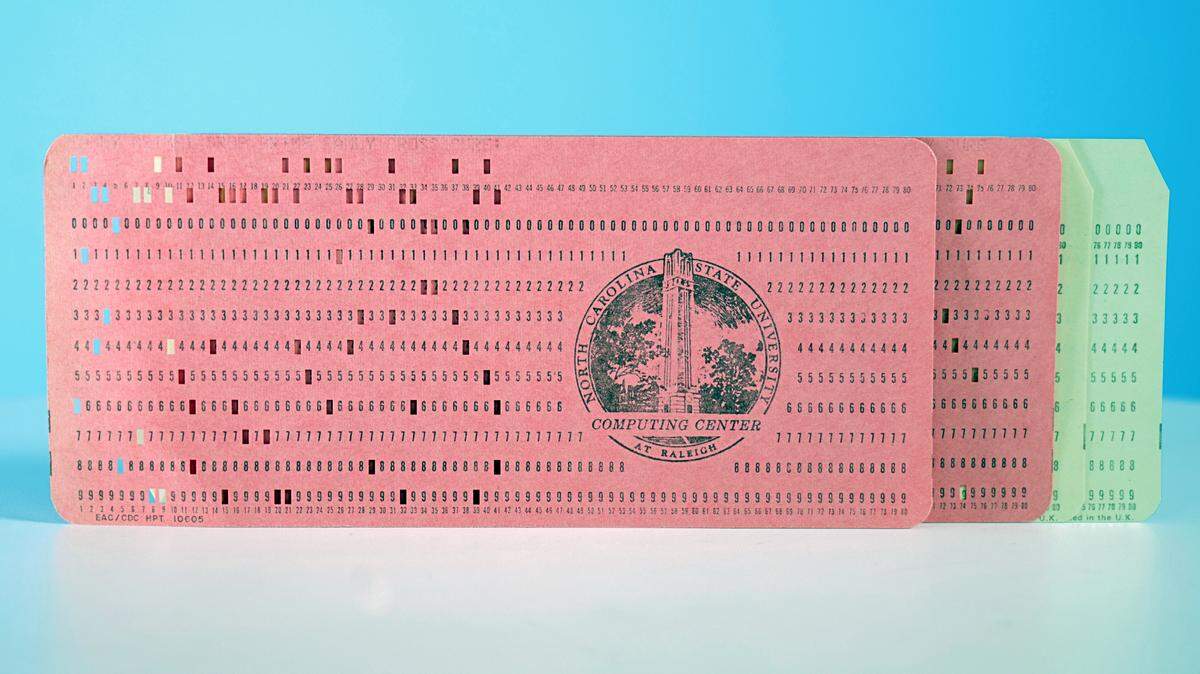
.jpg "SAS User Guides (3).jpg")
The equity percentage universities claim typically tops off at mid-single digits, Rasor said, and “almost always” gets further diluted as startups raise more capital. Deals are sector dependent, with schools typically demanding more from biotech spinoffs that leverage significant university resources. Their intention isn’t to hamstring startups; the money universities get back from these companies is used to support their next batch of startup candidates.
“Within the tech transfer office, we are able to file new patents and support intellectual property development based on the amount of money that comes back in royalties and equity,” said Tim Martin, associate director of new ventures at NC State. Martin also said it would be rare today for university projects to have paying clients, noting, “Typically, once anybody’s bringing in revenue from customers for a product, that usually translates to them starting a company.”
SAS’ NC State ties
It wouldn’t be correct to say NC State has not seen a return from the analytics software giant it developed. At 83, Goodnight is ranked by Forbes as the No. 72 wealthiest American, with a net worth of $15.3 billion. He and his wife, Ann, have been large donors to NC State, where they both graduated. Jim Goodnight earned his bachelor’s, master’s and Ph.D. from the institution. The Goodnights fund 28 endowed positions, a scholarship program, an award for early-career professors, and a hall for mathematics and statistics at their alma mater.
“He gave a lot of free software to State,” said Suzanne Gordon, who joined SAS in 1980 and retired 32 years later as the company’s chief information officer. “There were a lot of relationships with the economics department, with agriculture, with the chancellor.”
But it is fair to say NC State gave SAS a helpful start. It bridged the so-called “valley of death” — the perilous period many startups face between research grants and revenue — within the safe confines of a major research institution. As SAS weighs its Goodnight succession plan, whether that’s through going public or another avenue, the fact the company has made money from inception is a plus, SAS spokesperson Shannon Heath says.
“We know that we will be an attractive investment for investors,” she wrote in an email to The N&O last May. “Few companies have made it to the 50-year mark, but even fewer have done it how we have, which is debt free and profitable since day one.”
That profitability didn’t happen without the university it came from. And it wouldn’t have occurred the same way in 2026.
“(SAS is) a unicorn,” Thom Ruhe, CEO of the private foundation NC IDEA said. “And it’s a unicorn born of the time.”



.jpg)