Lawsuit risk from Family Fare operator puts Durham rezoning in limbo
I’m Brian Gordon, tech reporter for The News & Observer, and this is Open Source, a weekly newsletter on business, labor and technology in North Carolina.
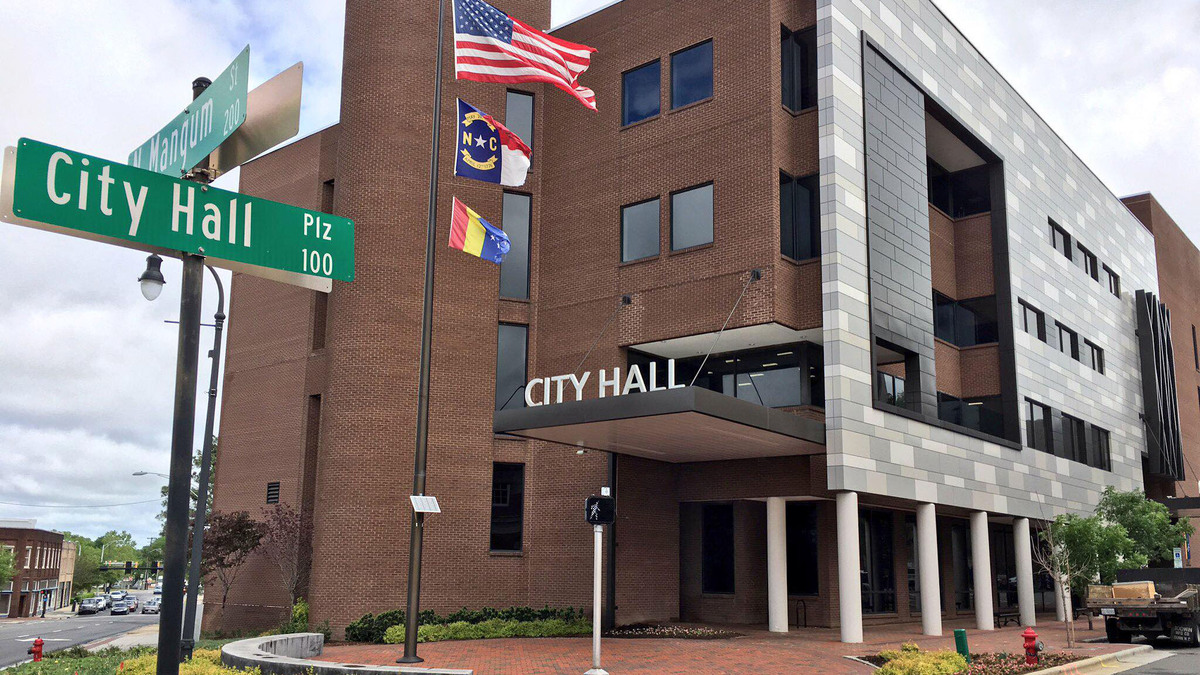
On Tuesday evening, residents packed into the Durham City Hall lobby to hear (and have their voices heard) about a rezoning plan that may never come to be.
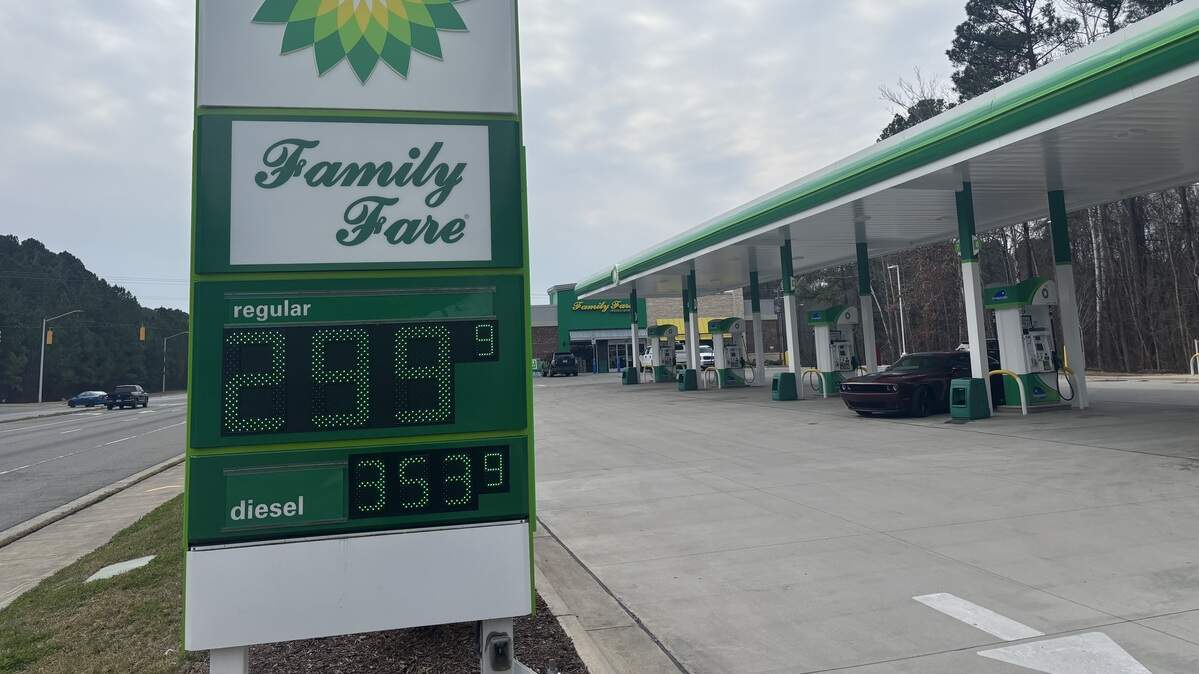
Local officials had intended this to be a formal hearing on proposed development codes, which fast-growing Durham hasn’t updated since 2006. But 11 days earlier, Durham attorneys received a letter from a lawyer representing Marvin Lee Barnes Jr., whose company oversees Family Fare franchises across Central and Eastern North Carolina, including more than 30 stores in Durham.
Barnes’s attorney threatened a lawsuit if the city and county proceeded with their joint rezoning rules, saying the codes “blatantly ignore” a 2024 state law that restricts local governments from downzoning properties — including reducing the number of allowable uses on land — without getting written approval from all affected property owners.
Last Friday, Durham responded by joining the list of North Carolina municipalities that have suspended their rezoning rewrites due to this controversial 2024 law. “We do not know at this point when the project will start back up again,” Durham planning director Sara Young informed the lobby crowd.
Barnes won’t be the only one pleased with this indefinite pause. While his concern was with downzoning of his properties, many Durham homeowners were upset with the sweeping upzonings the proposed Land Development Code contained to encourage more multi-family units in residential neighborhoods.
“I’d be more than happy to see the whole new zoning ordinances get trashed,” Benjamin Wright, a Durham homeowner, told me during Tuesday’s non-hearing event.
But the cause of Durham’s zoning disruption is not something to cheer, local governments across the state argue. Criticism of the 2024 downzoning limit, which the North Carolina General Assembly inserted at the very end of a 132-page bill, extends beyond major liberal urban centers. It is considered the strictest restriction on municipal downzoning in the nation.
“How many people in Raleigh fully get the effect of this?” asked Trey Ferguson, an alderman in the Eastern North Carolina city of New Bern, which began developing new zoning ordinances before the 2024 law change, then had to suspend them once property owner permission was required.
Last year in rural Western North Carolina, Henderson County Commissioners passed a resolution requesting the General Assembly to return more downzoning authority. In a section titled “Micromanagement of Zoning Decisions,” the commissioners said planning choices “should be made by local officials who are in a better position to amass the best and most information before making a decision.”
Will the zoning law be changed? And who got it passed in the first place?
Many expect the law to be adjusted, though when and to what extent remains unknown. In 2025, General Assembly members proposed both geographically specific and statewide reversals. One bill sought to return Henderson County’s power to downzone in areas designated as flood hazards. The State Senate unanimously approved giving back downzoning authority to all local governments.
“This legislation hasn’t been examined by a House committee yet,” Demi Dowdy, spokesperson for Republican House Speaker Destin Hall, wrote in an email last week. “But the Speaker believes any reform to this provision must protect the rights of property owners.”
There are still unanswered questions about how the downzoning provision became law in the first place. A Republican member of the General Assembly told me this week they still didn’t know the origin of the policy.
Dowdy said it was negotiated under Hall’s predecessor, Tim Moore, a fellow Republican who now serves in the U.S. House of Representatives. A spokesperson for Moore has not responded to my questions on the downzoning provision.
North Carolina Home Builders Association is a prominent lobbying force on development matters, but the organization last week said it “played no role in developing or advocating for the down-zoning provision”.
Then there is Lee Barnes Jr., the man behind Durham’s rezoning pause. In 2022, the General Assembly appointed him to fill a vacant seat on the UNC Board of Governors. He is also a major philanthropist through the Barnes Family Foundation, having donated to many North Carolina institutions (including the Carolina Theatre and Duke Gardens in Durham).
To pose a question I’ve heard several local government officials consider: Did he lobby lawmakers to include the 2024 downzoning restriction?
“We’re not able to comment on client matters,” Jamie Lunder, spokesperson for the Raleigh law firm Smith Anderson, wrote in an email. Smith Anderson represents Barnes businesses in the Durham rezoning matter. “But I appreciate the opportunity to connect. If that changes, I’ll be sure to follow up.”
I also asked this question to Barnes directly via email but have not gotten a response.
If Microsoft is serious about a Person County data center, it’s not saying so publicly
It’s unusual for a North Carolina county to speak on behalf of a company without that company speaking for itself. Yet, that’s what happened Tuesday when Person County confirmed what many long suspected: Microsoft will pursue building a data center on 1,350 acres north of the Triangle, not far from the Virginia border.
The company “plans to begin the permitting process for data center development later this year,” Person County spokesperson Kim Strickland wrote in a statement, which contained optimistic quotes from local officials.
And what does Microsoft have to say about this project? It twice declined to comment through a spokesperson. What’s there to take away from this communication dynamic, other than the awkward reporting of “Person County says Microsoft says”?
County officials had been encouraging the tech giant to confirm its data center intentions as residents’ questions about the campus and its potential resource consumption mounted. Perhaps Microsoft agreed to let Person County publicize the news now with a full-throated, corporate announcement to follow later.
But Microsoft, the world’s fourth-most valuable company, has shown hesitation toward rapid data center development. Last year, it delayed construction on a $1 billion data center project in Western North Carolina’s Catawba County (a project Microsoft had previously confirmed). This was part of a broader data center pause at the company. Analysts at the time said Microsoft reacted to an oversupply of these facilities, which power artificial intelligence and cloud computing. Then last month, Microsoft’s stock fell after the company reported spending more on data centers than investors expected.
On the other hand, Microsoft indicates it will forge ahead with data center build outs. In October, CEO Satya Nadella said his company expected to “roughly double” its data center space over the next two years. And Microsoft has resumed construction on its four-building campus in Catawba County, Scott Millar of the Catawba County Economic Development Corporation told me this week, after the county approved key permits.
Again, that’s all coming from Millar. Microsoft declined to give an update on this North Carolina development too.
Clearing my cache
- A sentence that would’ve been inscrutable 10 years ago: The prediction market Kalshi has fined and suspended a MrBeast editor for allegedly trading on MrBeast contracts while employed by the Greenville-based YouTube star. It’s the first time Kalshi has disclosed results of a market manipulation investigation. Public records show the accused editor is a 23-year-old North Carolina resident.
- More MrBeast news: We knew the YouTuber’s promised educational partnership with East Carolina University had stalled. But new emails I got from the public Greenville school show how ECU leaders tried to get the content creator training program off the ground — and how MrBeast’s team stopped responding. Other emails show how ECU has helped the Beast crew procure military-style equipment for past stunts.
- Waymo is coming to North Carolina, with drivers for now behind the wheel. The leading self-driving car company will begin mapping out Uptown Charlotte streets with the goal of adding autonomous rides to the Queen City. Will Raleigh be next?
- In the biggest NC jobs announcement of the young year, steel manufacturer US Forged Rings envisions creating 625 jobs in northeastern Hertford County.
- North Carolina pulled incentives for two gene therapy companies, CARsgen Therapeutics and Jaguar Gene Therapy, after each failed to hire 200 workers.
- AI jobs threat alert: North Carolina also ended its 2016 grant for the Morrisville health care training company Relias to create around 450 jobs locally. Relias instead hired 350 workers. “We, like many businesses in the area, began growing in our usage in the exciting area of generative AI, with a focus on automation, efficiency and innovation,” the company told the N.C. Department of Revenue last year to explain its hiring shortfall.
- Corning will shut its distribution center in Tarboro, impacting 123 workers, as the materials science company shifts site operations to the South Florida supply chain operator Ryder. Corning recently vowed to create several hundred other North Carolina jobs after inking a data center infrastructure deal with Meta.

National Tech Happenings
- FedEx has sued for refunds after the Supreme Court ruled the Trump administration’s tariffs illegal. L’Oreal and Bausch + Lomb are among other companies to have filed lawsuits. U.S. Treasury Secretary Scott Bessent told NBC News this week that FedEx should explain how any refunds would make their way to customers.
- “Can Ozempic Cure Addiction?” The New Yorker asked (and began to answer) this month. The article’s author was optimistic. Novo Nordisk currently produces GLP-1s for obesity and diabetes in the Triangle. Its chief rival, Eli Lilly, does too.
- The Pentagon and Anthropic are at loggerheads over access to the latter’s AI platform Claude, which the government wants more access to for all “lawful” purposes. Anthropic asserts it wants limits to Claude’s use for mass surveillance and autonomous weapons. The Pentagon has taken initial steps to blacklist Anthropic as a “supply chain risk,” Axios reported.
Thank you for reading this newsletter and for supporting local journalism. If you liked it, consider sharing it with a friend. If it was forwarded to you, sign up here to subscribe.
This story was originally published February 27, 2026 at 9:56 AM.