Sister Gary: This ‘powerful preacher’ was Raleigh’s first Black voice on the radio
READ MORE
The Triangle’s Black history
Black History Month is an opportunity to recall the people prominent in our past. It’s a way to recognize that their work, their contributions and their very existence are woven tightly into the tattered-but-intact American tapestry. Here are six stories — some familiar, others not as well known — of people in the Triangle who made a difference.
Expand All
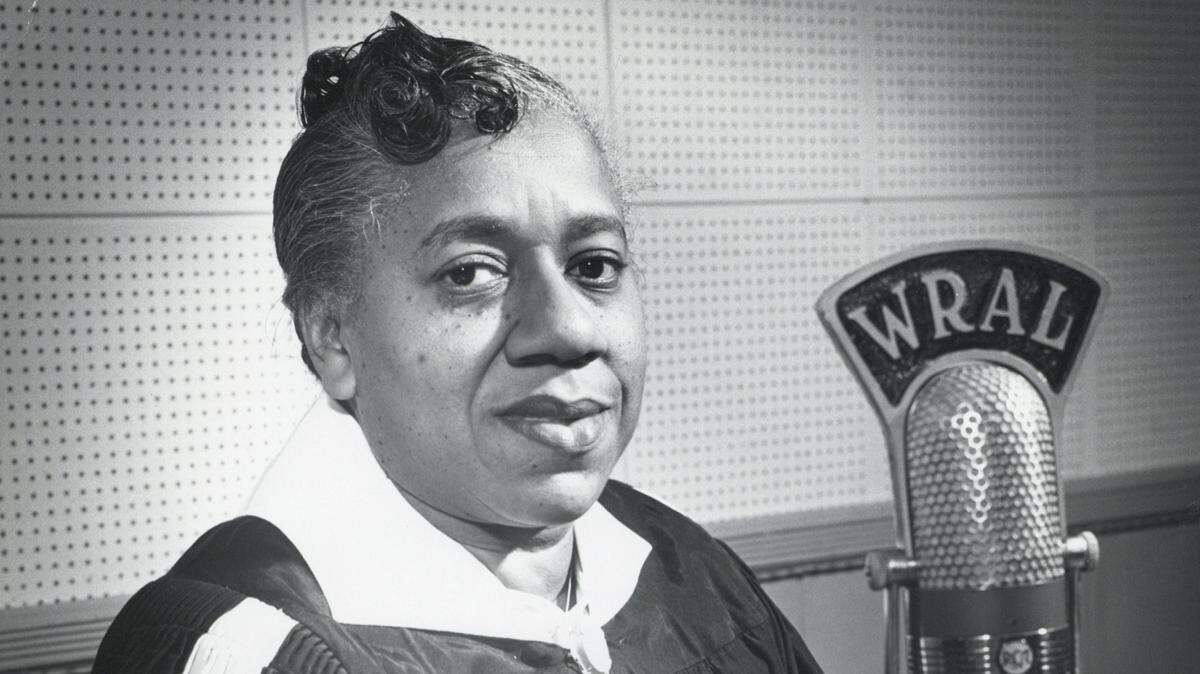
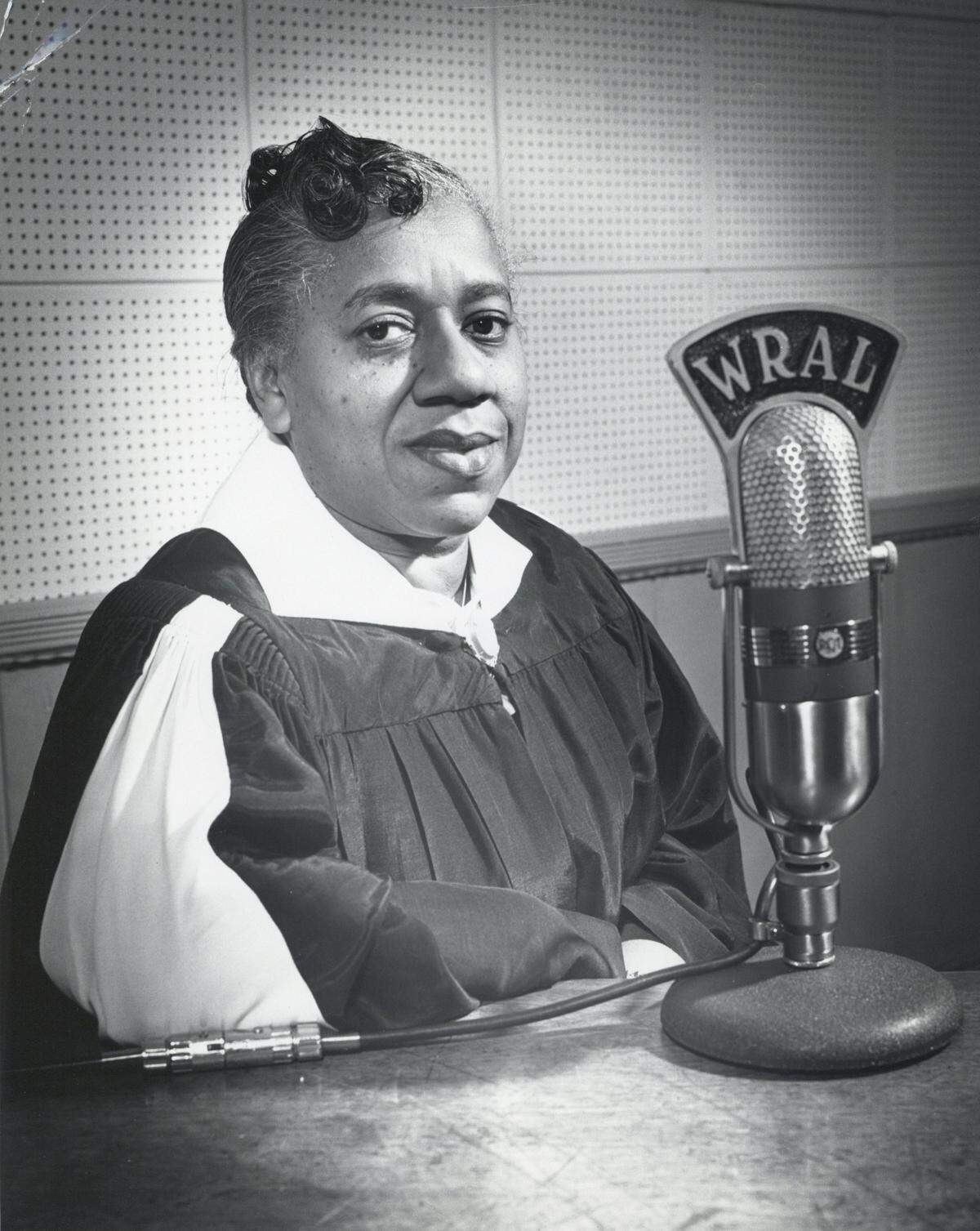
In the 1940s, WRAL added a gospel show to its Sunday-night lineup, inviting a fiery preacher whose voice shook the airwaves as she comforted the sick, propped up the poor and railed against whiskey.
Sister Mabel Gary Philpot stood only 4-foot-11, but she sermonized with the voice of a giant. And when broadcaster Fred Fletcher picked her for the slot she would fill for three decades, he gave Raleigh its first Black voice on the radio.
In his memoir “Tempus Fugit,” Fletcher describes “Sister Gary” being more popular on the air than ventriloquist Edgar Bergen and his dummy Charlie McCarthy.
“She was a powerful preacher, in the best traditions of her church, the same kind of style you still hear when Jesse Jackson gives a speech,” Fletcher wrote. “But Sister Gary was not political; she was religious.”
‘She puts her finger on sin’
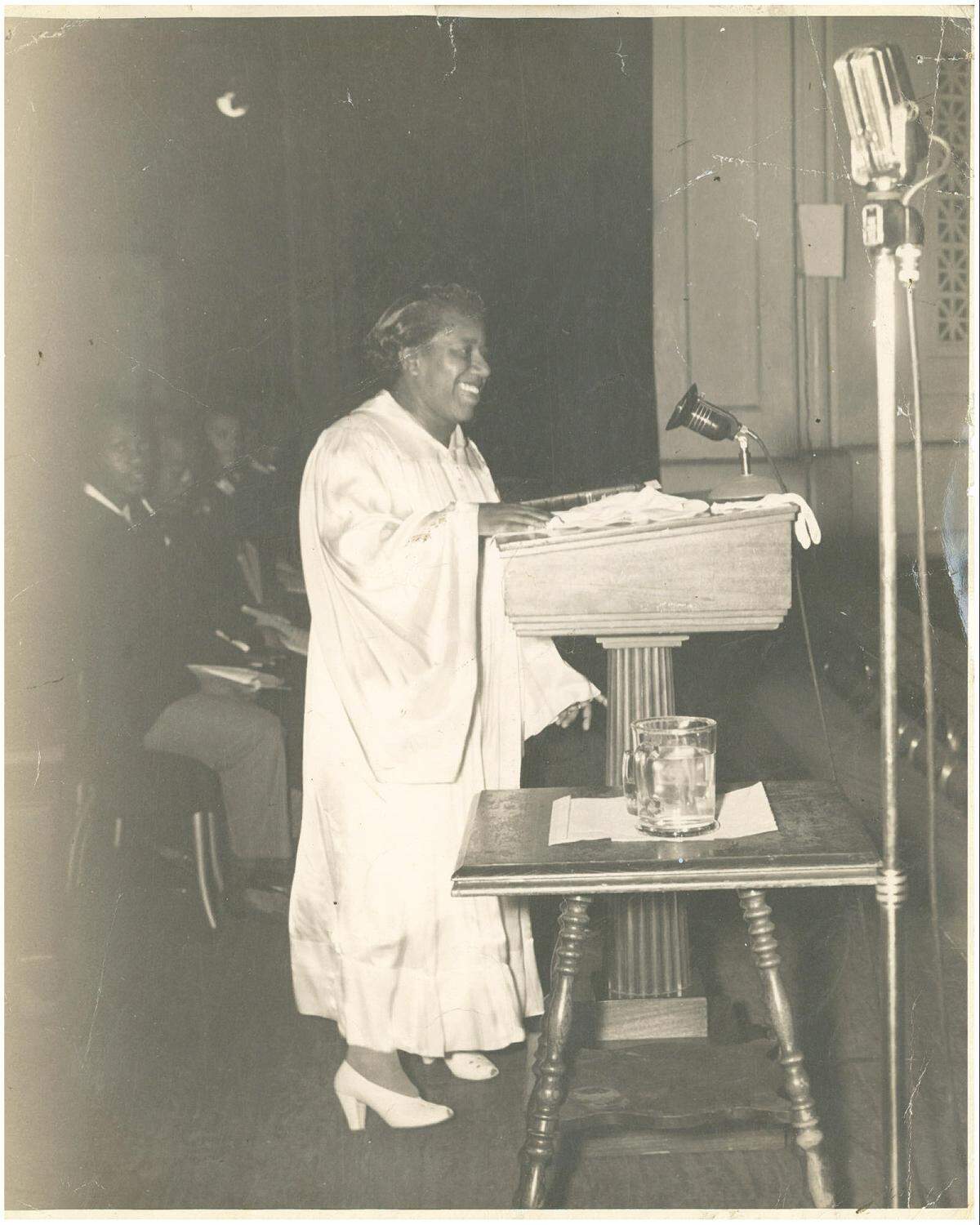
In a time when Raleigh was rigidly segregated, Sister Gary drew a multiracial audience on the airwaves and in the pews. She counted former N&O publisher Josephus Daniels among her regular listeners, and his pages offered glowing praise, though they reassured whites in Raleigh that her preaching did not venture into the politics of race.
“With sure insight she puts her finger on sin,” wrote N&O columnist Margarette Wood Smethurst in 1955, “and the wife-beater, the lazy housewife and negligent mother, the drunk, the double-dealer, the backslider — and the fair-weather Christians scorch and shout ‘Amen.’ ”
Sister Gary came to Raleigh in 1936, a native of Virginia assigned to Grace AME Zion on Boyer Street. To hear parishioners tell it, she found her house of God to be little more than a shack.
But she drew 350 people every Sunday, 20% of them white. At the time, Raleigh police credited her with cleaning up the neighborhood, which had been infested with liquor houses she disdained.
Her nephew Otis Byrd, also a pastor, recalled her staying up past midnight sewing clothes for children who lost their father, and delivering them any leftover food.
“There wasn’t anyone who didn’t have some knowledge of her at the time and say, ‘Yeah, this is somebody I want to get to know,” Byrd said. “She met no stranger.”
‘An awesome lady in her time’
Then in 1961, the AME Zion church reassigned Sister Gary to Fayetteville, a career mandate that would have forced her to leave her flock and radio fans.
Sister Gary refused to go, and when she arrived at the Raleigh church door, a sheriff’s deputy met her with legal documents forbidding her to enter. She scanned them, noting the names of high church officials.
“Why, it’s even some of those people from Washington, D.C.,” she told them, according to an account in the N&O. “Bless their hearts.
“I’m no lawyer,” she continued. “I’m just a preacher. You can’t lose when God is on your side. I’m going to turn my plate down and fast and pray.”
A year later, she opened a new church a block away, taking many of the congregants with her.
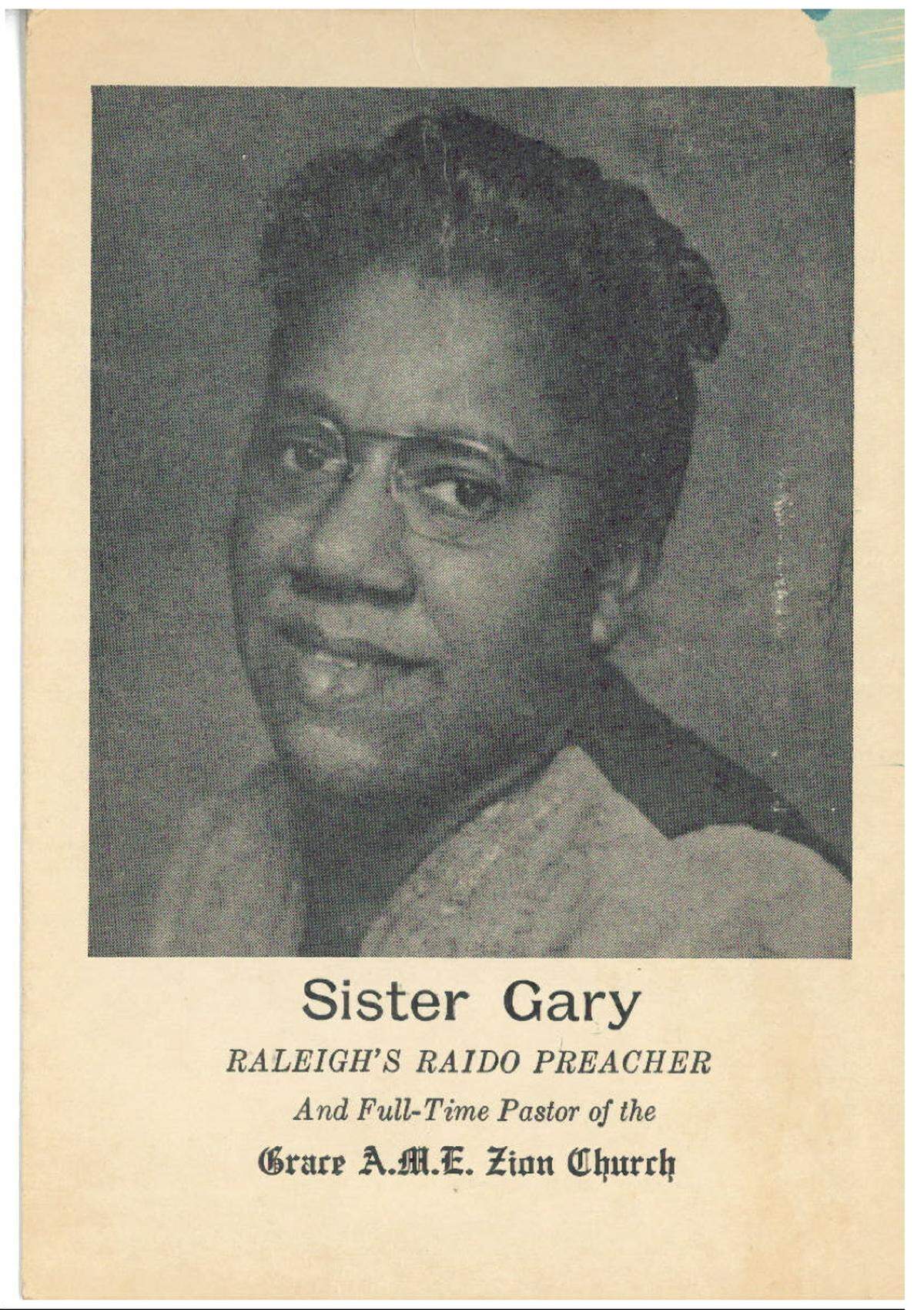
“She was an awesome lady in her time,” said Octavia Rainey, who lives in Sister Gary’s Southeast Raleigh neighborhood. “We do not honor her at all.”
In her final years, Sister Gary migrated from the radio waves to television, capturing a new audience. Raleigh’s TV guides from the 1970s show her appearing at 7 p.m. on Sundays, opposite Jimmy Swaggart and “The Jetsons.”
Sister Gary died of pneumonia at 72, and more than 600 people packed her funeral, recalling the preacher for whom faith was an uncomplicated business.
“There was a time in Wake County when late Sunday afternoon and Sister Gary were practically synonymous for many people,” wrote the N&O in an editorial. “A lot of citizens who knew too little in those days about the lives of blacks gained joyous insight when Sister Gary was on the air.”
News & Observer readers: Click here to read the next story in this series on Floyd McKissick Sr.
Durham Herald-Sun readers: Click here to read the next story in this series on Floyd McKissick Sr.
This story was originally published February 20, 2022 at 6:00 AM.