‘Baba Chuck’ Davis: He taught ‘peace, love and respect for everybody’ through dance
READ MORE
The Triangle’s Black history
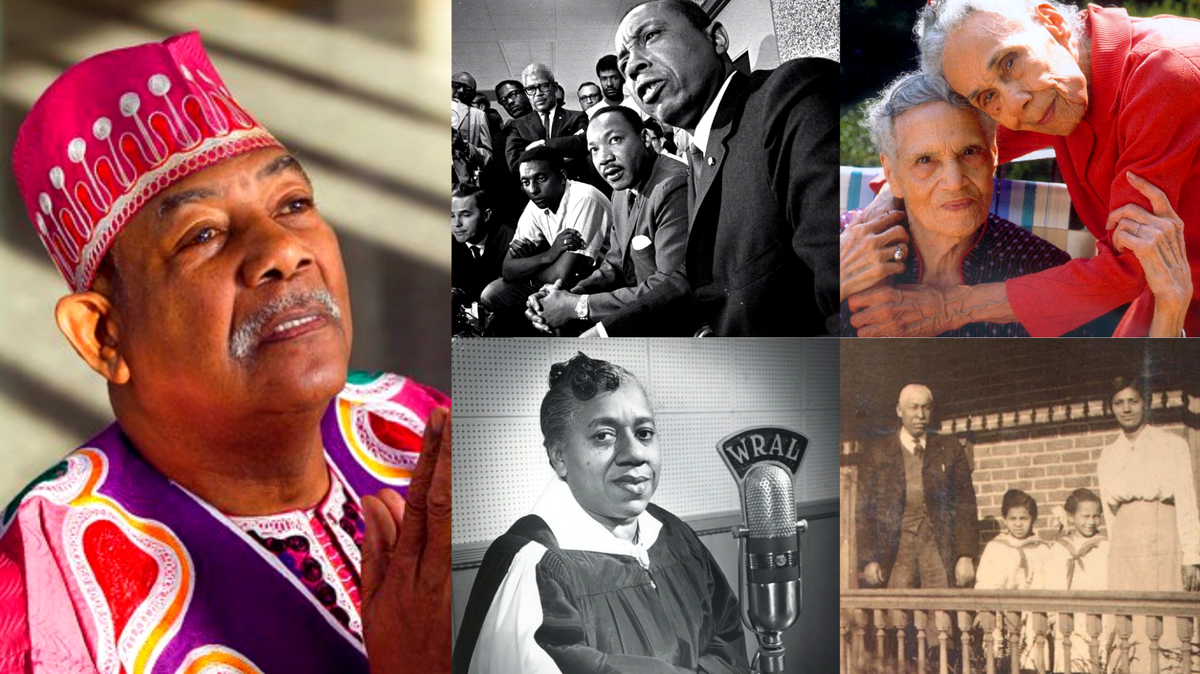
Black History Month is an opportunity to recall the people prominent in our past. It’s a way to recognize that their work, their contributions and their very existence are woven tightly into the tattered-but-intact American tapestry. Here are six stories — some familiar, others not as well known — of people in the Triangle who made a difference.
Expand All
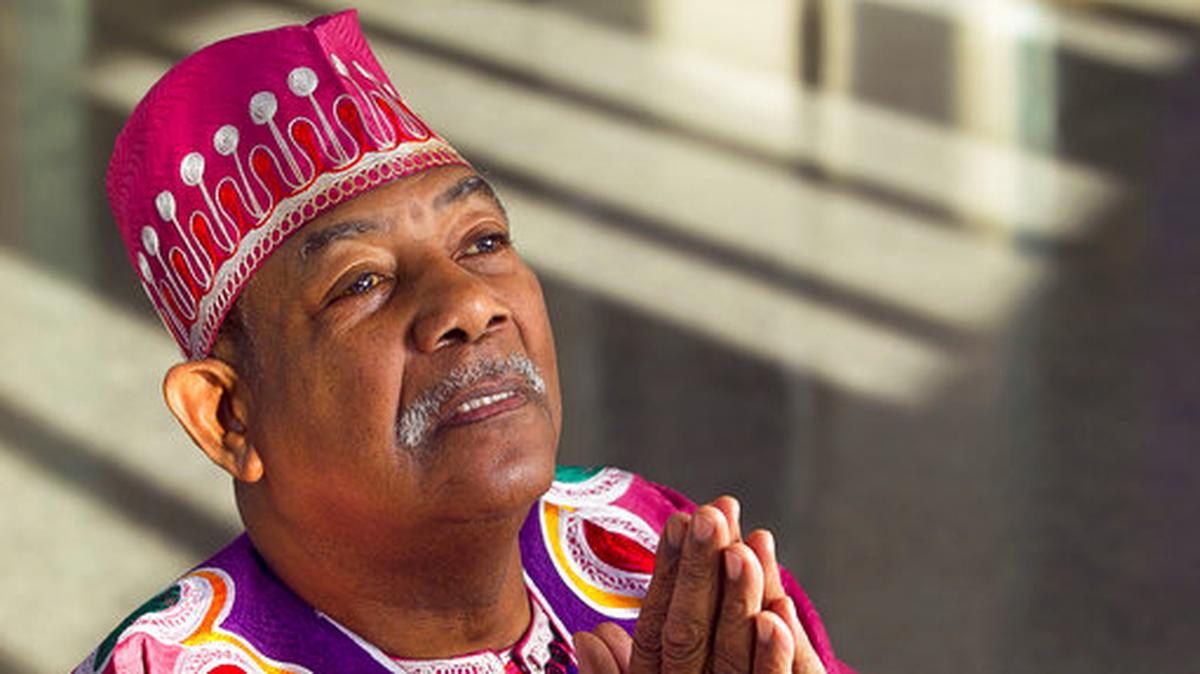
Charles “Baba Chuck” Davis spent more than half a century using modern interpretations of African dance to encourage audiences around the world to have “Peace, love and respect for everybody,” including themselves.
Dance was Davis’s jubilant, colorful, rhythmic way of fighting racism.
He was born in Raleigh on the first day of 1937, an only child. He joined the ROTC at his all-Black Ligon High School, served as a medical corpsman in the Navy and settled for a while in Washington, where he got nurses’ training at George Washington University Hospital.
‘Dance with the prevention’
But then he discovered the Afro-Cuban music that was drawing salsa- and mambo-dancing crowds to Washington-area bars and he signed up for dance classes.
Eventually, he decided to pursue dance as a career over nursing, saying nursing was the cure for what ails people but, “Dance was the prevention.”
He went to Howard University to study theater with ballet, jazz and tap.
In 1963, he was invited to New York to join the dance troupe of Nigerian drummer Babatunde Olatunji, which led to his being exposed to a range of American and African dancers. He started all over the continent of Africa to learn local dance forms and bring them back to the United States, teaching them to dancers here.
In 1977, he founded DanceAfrica, a festival of the Brooklyn Academy of Music featuring dance, art, film and an outdoor bazaar. He founded the African American Dance Ensemble in Durham in 1984, which he directed until 2015.
Bringing all people together
People who worked with Davis said he used dance and music to lift people and to build community. He was sometimes criticized for incorporating white musicians into his groups, but Davis, a big man with a broad smile and an all-encompassing hug, said it was his mission to bring all people together.
In his lifetime, Davis was recognized with two Bessie Awards, the dance equivalent of the Academy Award, and was named one of America’s 100 “irreplaceable dance treasures” by the Dance Heritage Coalition.
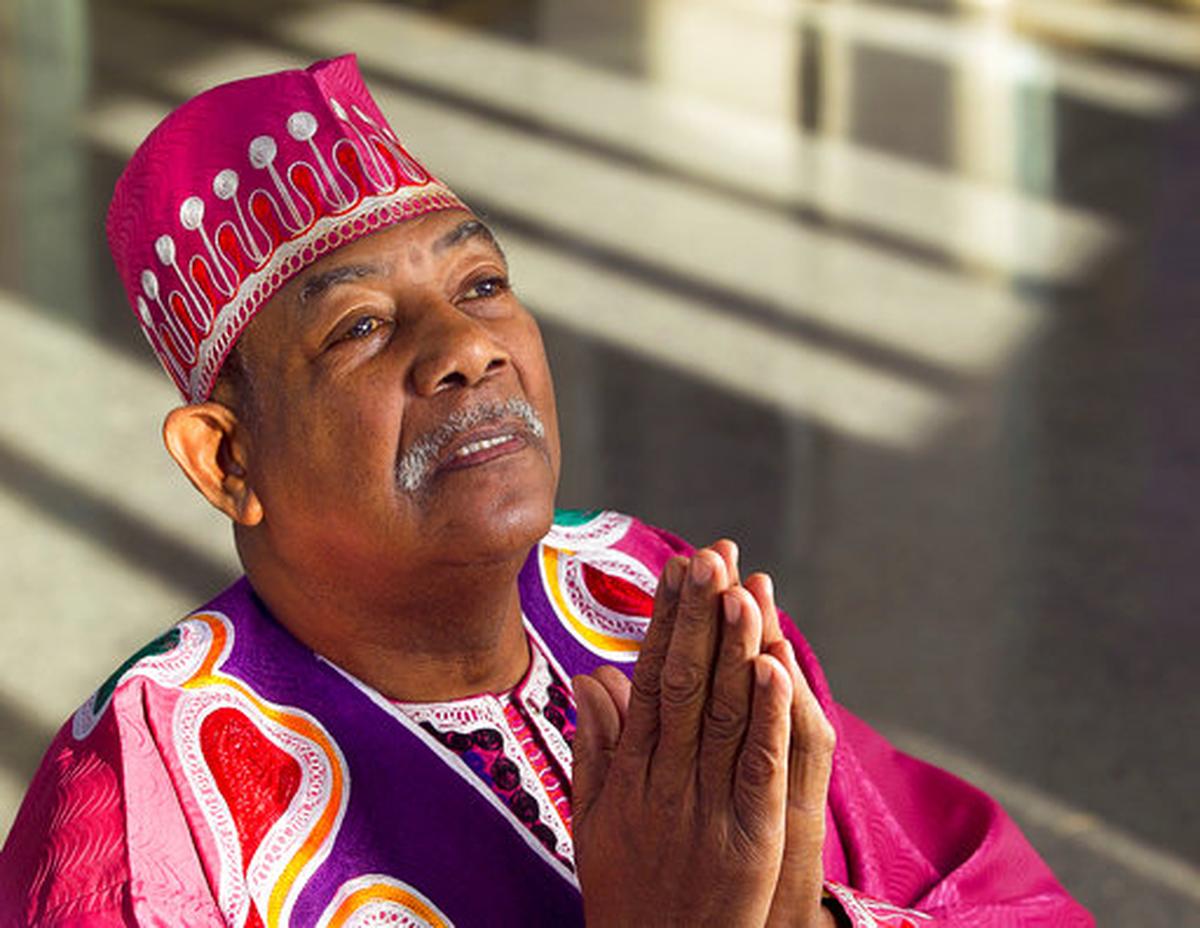
Davis died in Durham in 2017 at the age of 80. As he was prone to do, he once offered an audience in Durham some advice before bringing his dancers on stage.
“Live your life so the preacher will not have to lie at your funeral,” he told them.
No one had to lie at his.
News & Observer readers: Click here to read the next story in this series: The Delany sisters.
Durham Herald-Sun readers: Click here to read the next story in this series: The Delany sisters.
This story was originally published February 20, 2022 at 6:00 AM.