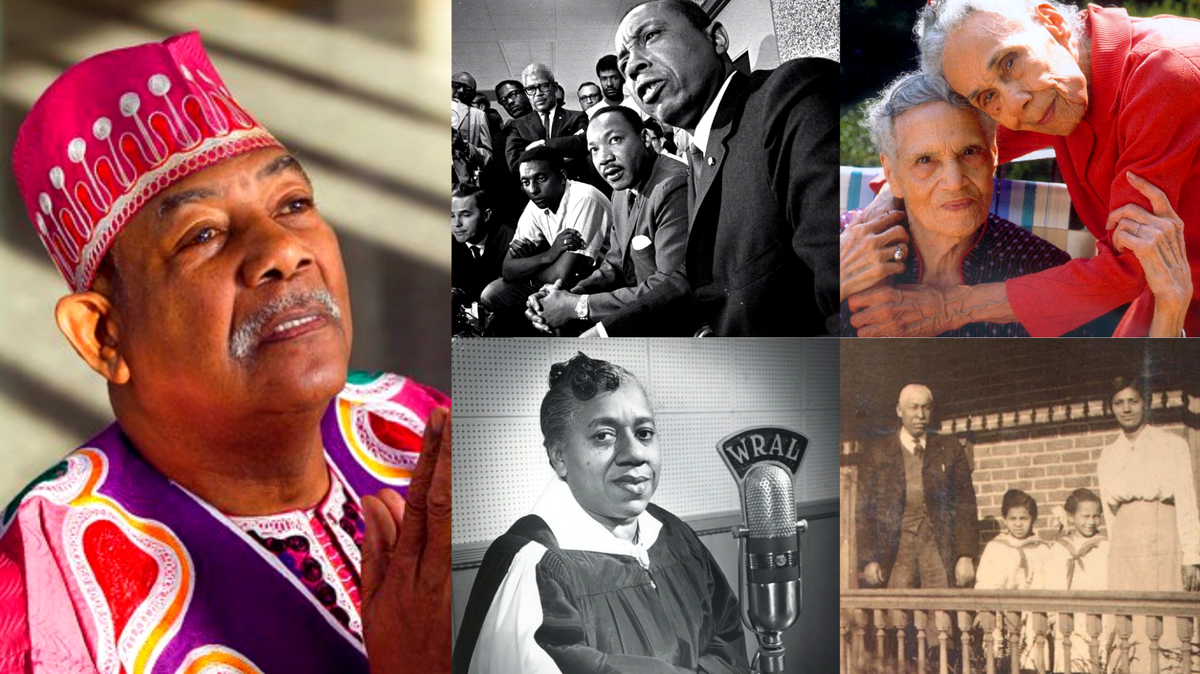
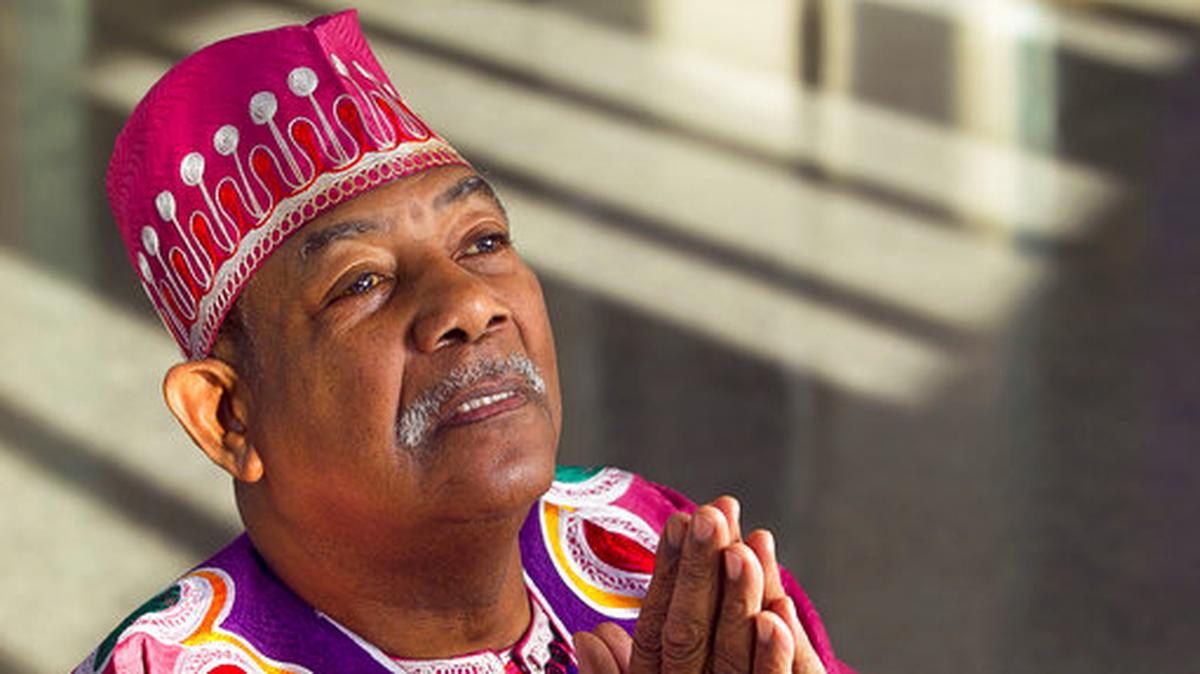
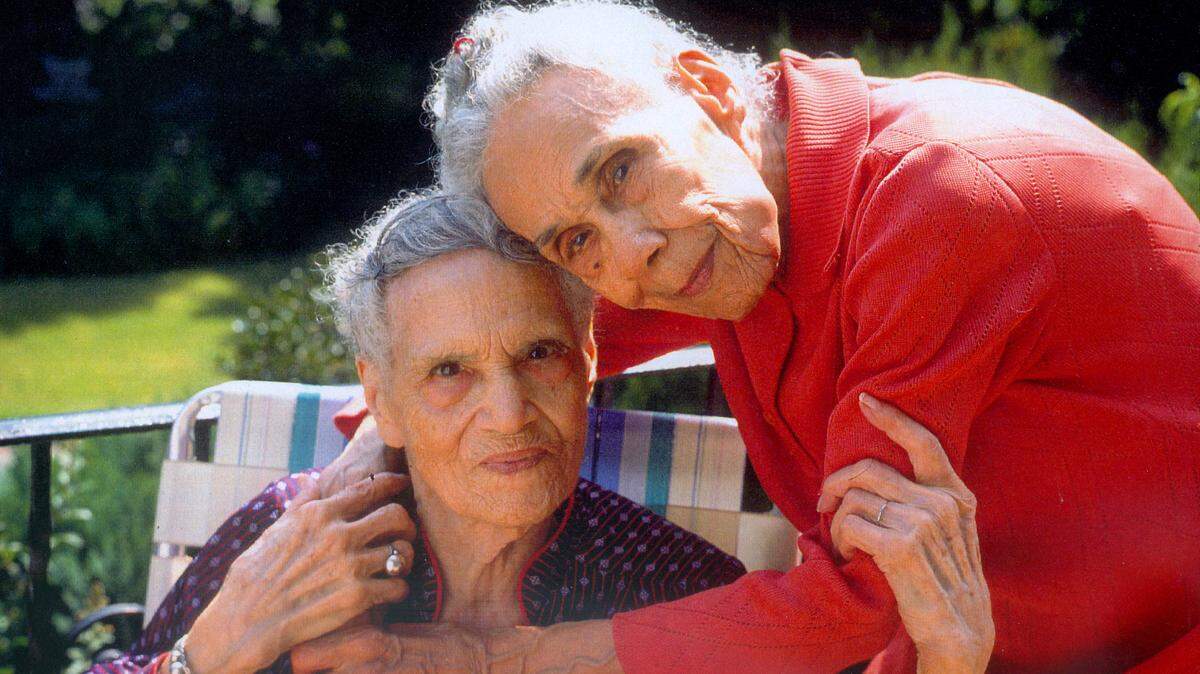
Floyd McKissick Sr.: He integrated UNC’s law school during a lifetime of civil rights work
READ MORE
The Triangle’s Black history
Black History Month is an opportunity to recall the people prominent in our past. It’s a way to recognize that their work, their contributions and their very existence are woven tightly into the tattered-but-intact American tapestry. Here are six stories — some familiar, others not as well known — of people in the Triangle who made a difference.
Expand All
As a civil rights advocate, Floyd B. McKissick Sr. was a groundbreaker: figuratively, in helping force the UNC School of Law to admit Black students, and literally, for turning the first shovelful of dirt on Soul City, the majority-Black community he envisioned in Warren County.
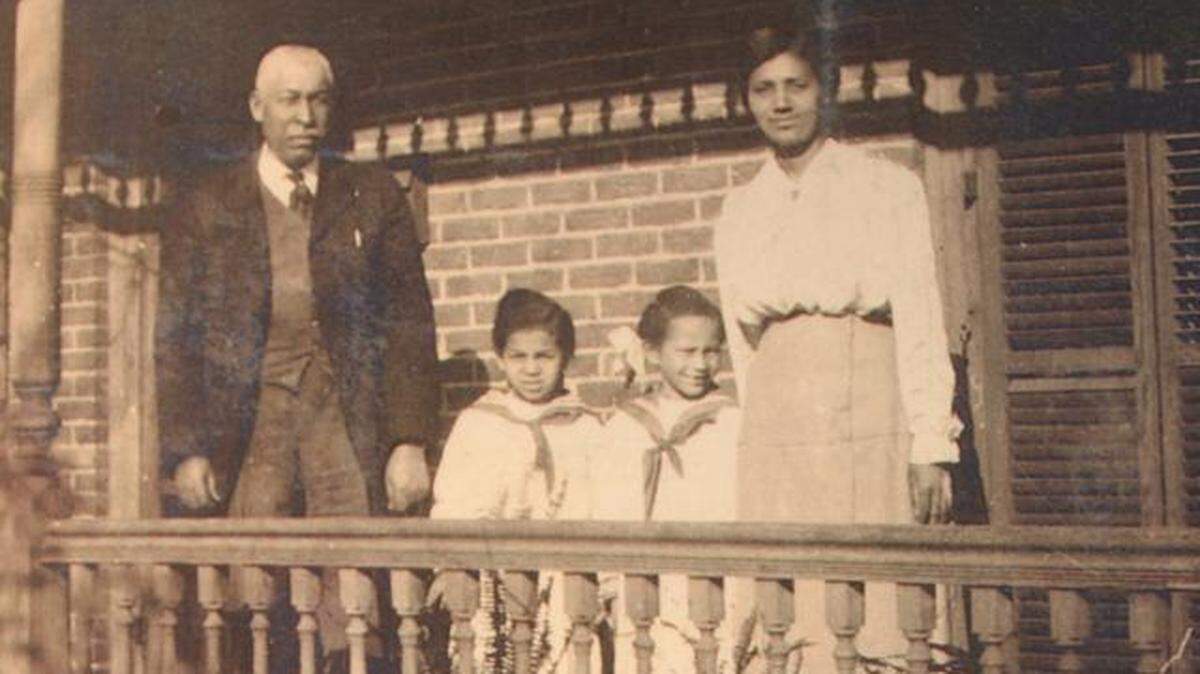
McKissick was born in Asheville in 1922 and traced his sense of urgency in pressing for equal rights for Blacks to an incident from his childhood there. At 13, he said, he was a Boy Scout helping direct traffic for a roller-skating tournament when a white police officer knocked him down.
After high school, McKissick started at Morehouse College before being drafted into the Army for service in Europe during World War II. After the war, he returned to Morehouse, graduating in 1948. He applied to the UNC School of Law but was turned down because the university served whites only.
The NAACP, with Thurgood Marshall as its attorney, sued UNC to force it to change its policy. The school lost on appeal and in 1951 accepted McKissick and three other Black men to the law school.
McKissick had already graduated from law school at what is now N.C. Central University in Durham, but took summer school classes at UNC.
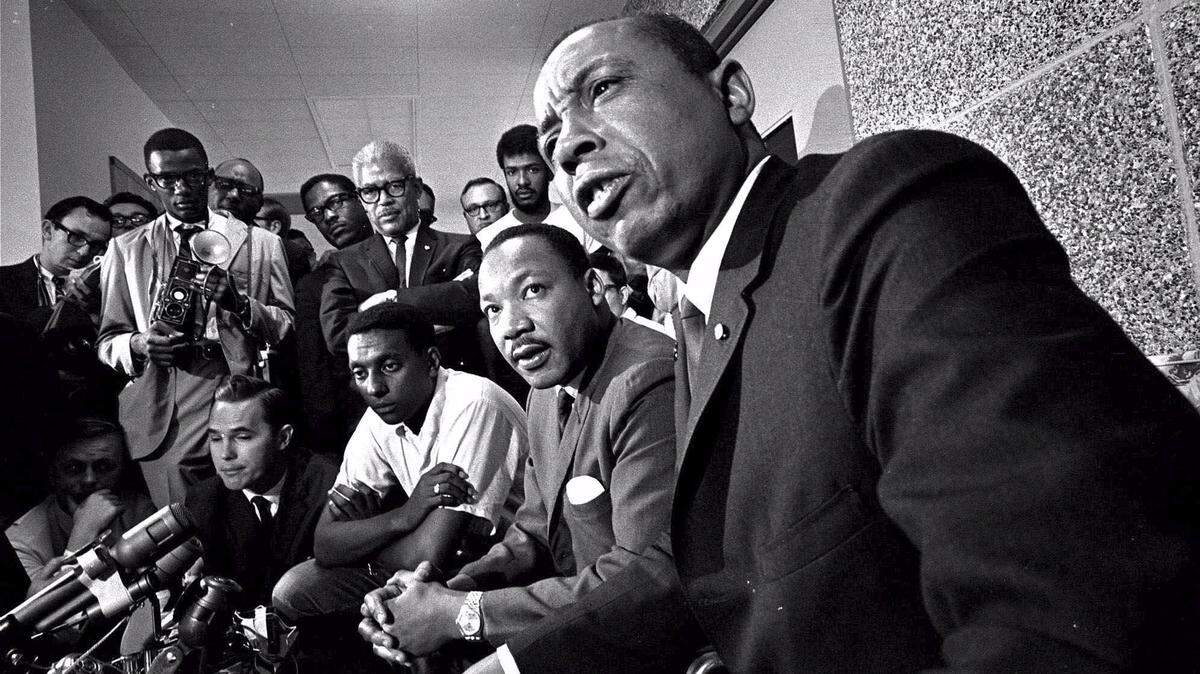
Working with King and other civil rights leaders
Some of McKissick’s early legal work was defending civil rights activists arrested during sit-ins aimed at segregating all-white lunch counters in the South, and pushing for his own children to be able to attend all-white public schools.
In 1966, McKissick became national director of CORE, the Congress of Racial Equality. In that job, the King Institute says, he sometimes disagreed with the Rev. Martin Luther King Jr. and leaders of other civil rights groups over strategy and tactics, with McKissick arguing that non-violent direct action should not have to mean protesters couldn’t defend themselves when others were violent against them.
In the early 1970s, McKissick got federal and state funding to develop Soul City on former farmland in Warren County as a predominantly Black town where residents could build wealth and economic self-sufficiency through affordable housing, jobs and self-government. Infrastructure and some homes were built, but an investigation by The News & Observer claimed financial mismanagement, prompting a federal audit of the project that stalled its progress.
McKissick and others were cleared but the government withdrew its funding, and the project effectively ended.
McKissick returned to law practice. In 1990, Gov. James G. Martin appointed McKissick as a judge in the state’s Ninth Judicial District. McKissick died a year later at age 69, and was buried in Soul City.
A family legacy, and work still to do
His son, Floyd McKissick Jr., also a lawyer in Durham, said civil rights advocacy was just a normal family activity in the McKissick household. Recently, McKissick came across a photo of himself as a child holding a sign during one of the protests at Royal Ice Cream in Durham, pushing for the shop to serve Black patrons.
McKissick Jr., now 69, served as a senator in the N.C. General Assembly, where he worked on voter rights legislation and sought to make sure the death penalty was not unfairly applied to Black defendants. McKissick also was a member of the Durham City Council and now serves on the N.C. Utilities Commission, a state judicial position.
Looking back on the progress he and his father have fought for, McKissick noted that Black Americans still don’t have equal access to capital, still are fighting efforts to restrict their voting power and still face discrimination.
“We have made tremendous progress in the last 60 years,” he said, “but we’re not where we need to be. We’re not yet that colorblind society where people are judged by the content of their character, not the color of their skin.
“We still have a lot of work to do.”
This story was originally published February 20, 2022 at 6:00 AM.