‘You have to figure it out on your own’: Single mom Bertha Mena, in her own words
READ MORE
Women and Children First?
Single mothers raising children under the age of 18 make up more than a third of the families meeting the federal poverty definition in North Carolina. That’s $20,030 a year, before taxes, for a mother with two children working 40 hours a week. This new project brings together advocates, public policy experts and others, while giving moms across the state a platform to tell their stories. Over the coming months, we hope to identify policies that N.C. and local government can enact to help families in need, including those that the official poverty definitions miss.
Expand All
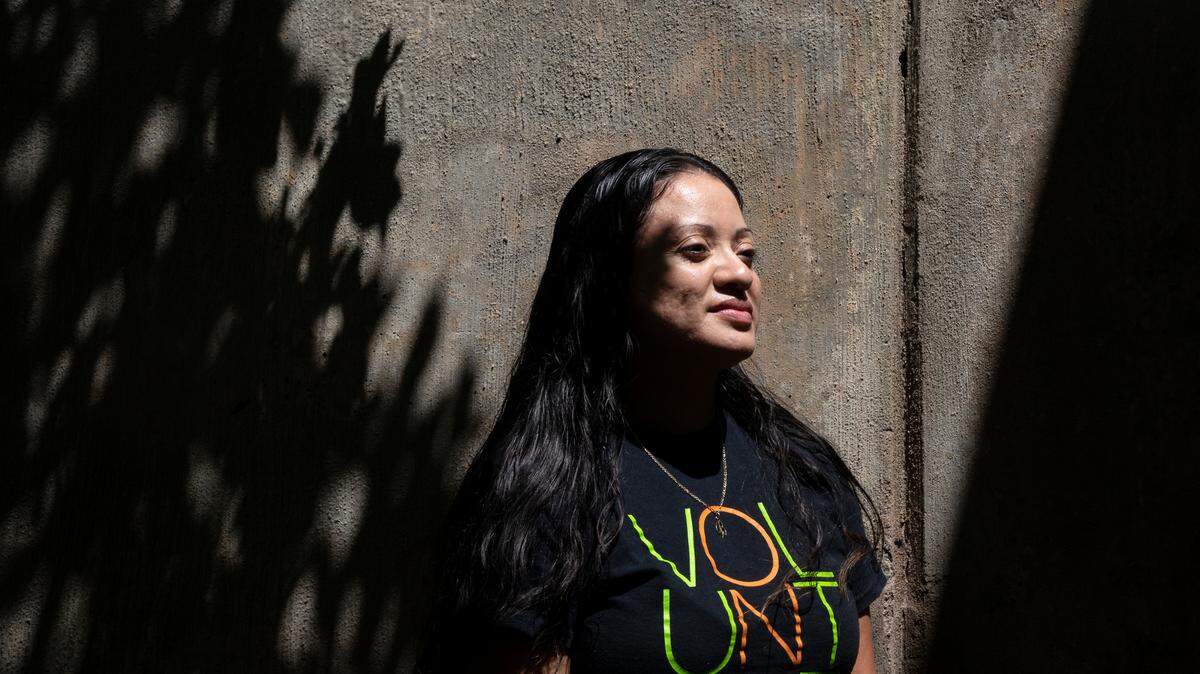
She found peace when she left her job with the Durham Public Schools to attend college full time, Bertha Mena said.
The 32-year-old mother of two sons, ages 4 and 15, earned her GED when she was 22, and now she is studying for an associate’s degree in business administration at Durham Tech.
As a data manager with the school system — her previous job — she barely earned enough to pay the bills and the work was not fulfilling, Mena told The News & Observer. She left her job and enrolled full time in school, using her savings, a Pell Grant, and a part-time, work-study job to pay the bills.
After watching family and friends fall into gangs and prison, she will be the first person in her family with a GED and a college degree.
I had my oldest son when I was 17, so I still lived at home with my mom and my brothers and my uncle — there was people around all the time to help me watch him, so I could get to work, so I could still go back to school, whatever, but now, it’s like, all right Bertha, you’re an adult now, you have to figure it out on your own.
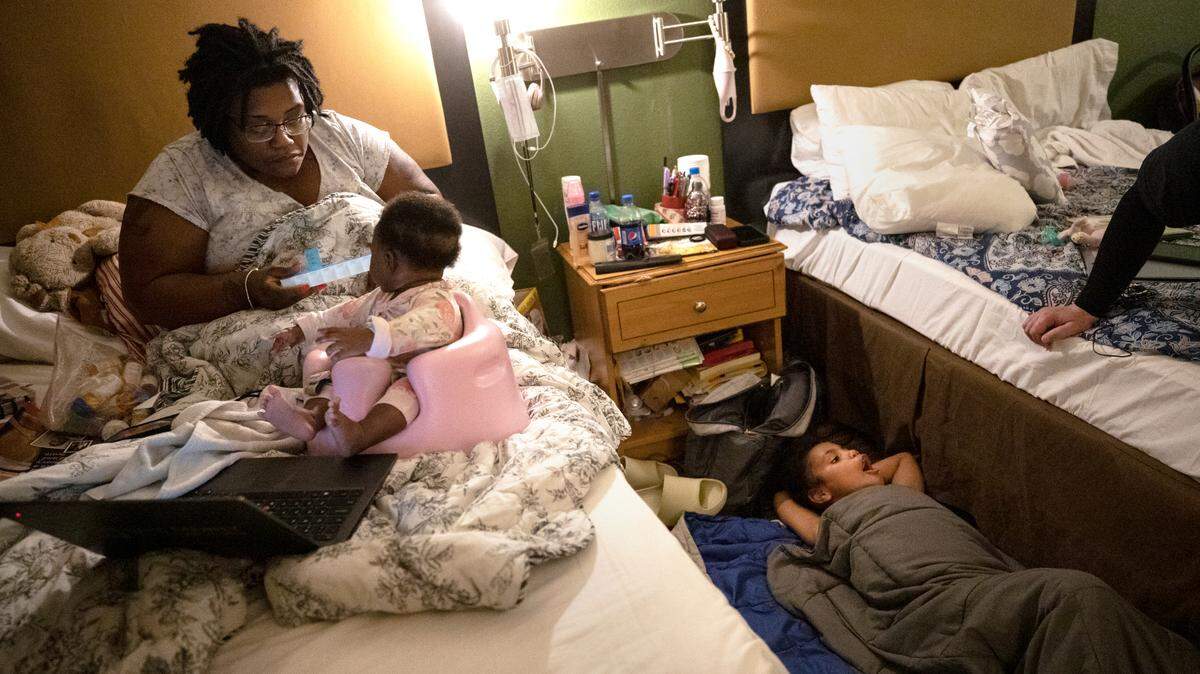
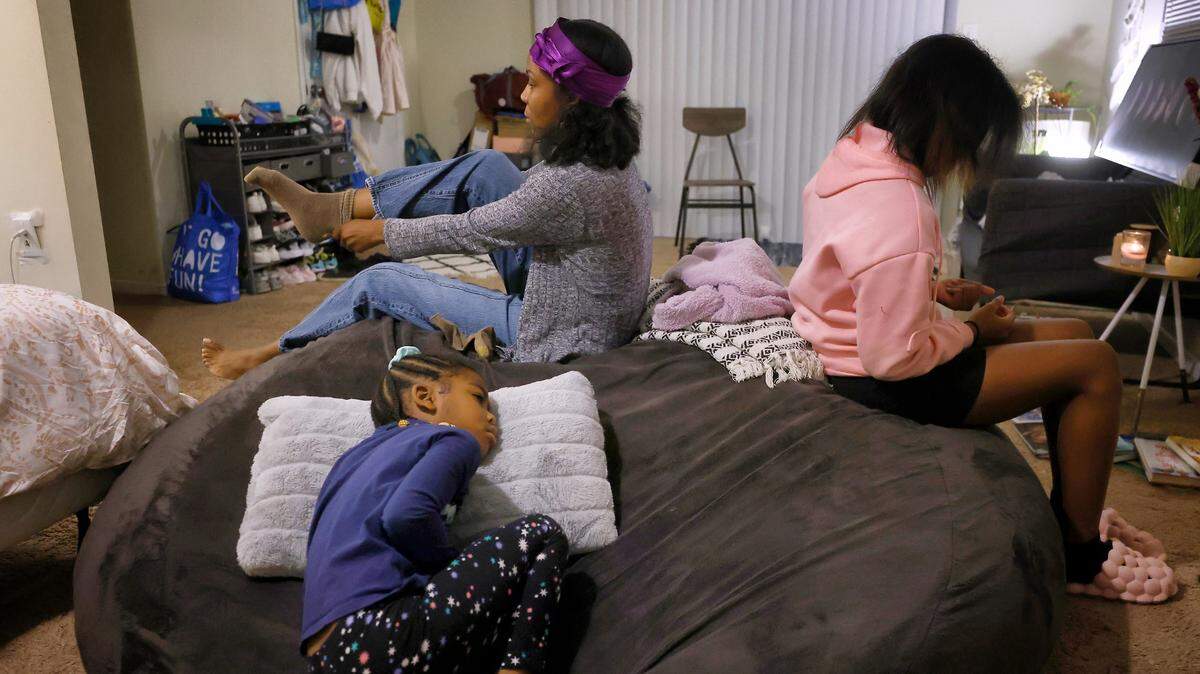
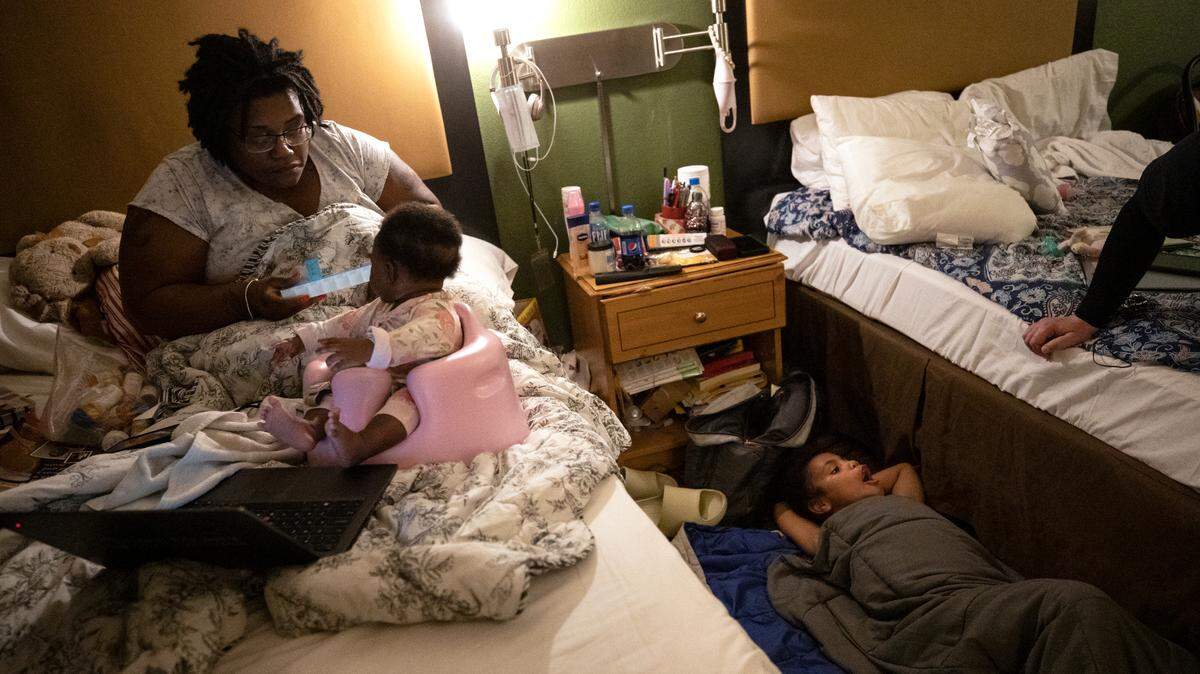
I have to get Johan to daycare on my own, because his dad has moved away now to another city, and I have to get Giovanni to school, too, because he does ride the bus sometimes, but it’s 10 minutes and Johan’s daycare is right there, so I just take both of them together, but any dentist appointments, any other extracurricular activities, my schedule has to revolve around their schedule. So at times, I think it’s tough, because it’s all on me. When I was younger, there was people that helped me. Now it’s not like that.
I am on assistance for EBT (food stamps), and that helps me get the food for my kids. It pushes me to cook at home more. I’m not going to say that I always cook. It could be two weeks in a row that I’m really good, I cook most of the days, and then there’s going to be a week that I eat out with the kids because my mindset is not where it needs to be.
Does that make me lazy? No. It’s just a lot going on, so the eating out is more convenient, you know, because even just trying to figure out what you’re going to make, it takes a lot out of you. Do I have the ingredients? No, now you have to go to the store, and now you’ve got to take the little one that’s crying, you know, and people are looking at you at the store, judging you. So what’s easier? Going through the drive-through, picking something up, where no one’s hearing him cry.
BEHIND THE STORY
MOREWhy we're doing this project
Single mothers raising children under age 18 make up more than a third of the families meeting the federal poverty definition in North Carolina. That’s $23,030 a year, before taxes, for a mother with two children working 40 hours a week.
The News & Observer’s “Women & Children First?” project will bring together advocates, public policy experts and others, while giving moms across the state a platform to tell their stories. We hope to identify policies over the coming months that North Carolina and local governments can enact to help families in need, including those that official poverty definitions miss.
If you think we are missing something, have information to share or ideas for our next stories, contact reporter Tammy Grubb at 919-829-8926 or tgrubb@heraldsun.com or deputy metro editor Mark Schultz at mschultz@newsobserver.com.
When I was working full time, I never qualified for food stamps, because for my family of three, I make too much money, which is not the case. I was barely making it, so the assistance that I get, it does help and I use it for what it is, which is food for my kids.
So when I say that I don’t consider myself poor, it’s because I look out for resources that are there for us, right? I make sure that I don’t take advantage of it. If I don’t need it anymore, that’s it, it’s someone else’s turn, but these programs are here for us when we need it at the time, but not to continuously stay on it.

How does your past influence the parent you want to be for your kids?
As a parent ... when I don’t know something, I go to someone I think will know the answer and I ask, and if that person I feel might not know or I want to hear someone else’s point of view — because we’re all different, we all grew up in different experiences — I go to someone else and ask. I read books.
I just really like to learn and grow, and being that parent. That means being there in the present with them, making sure I wasn’t working all the time when they were at home, so that was another change that I made.
When Giovanni started kindergarten, I was working in sales at Target. That meant afternoons. That meant evenings and weekends. I couldn’t spend time with him, so I made sure to change that job, so I was able to be with him in the afternoons and evenings when he got home from school so I could help him with his homework, you know?
My mom was never there. It’s not her fault. She was providing for us, so that was another thing.
I take them to museums. I take them to the zoo. I take them to all these places I didn’t have growing up, because she was working, and there were just so many situations that were happening with my brothers and police. I had to figure out a lot of stuff for myself.
Read more stories from the “Women and Children First?” project at newsobserver.com or heraldsun.com.
This story was originally published July 29, 2022 at 6:00 AM.