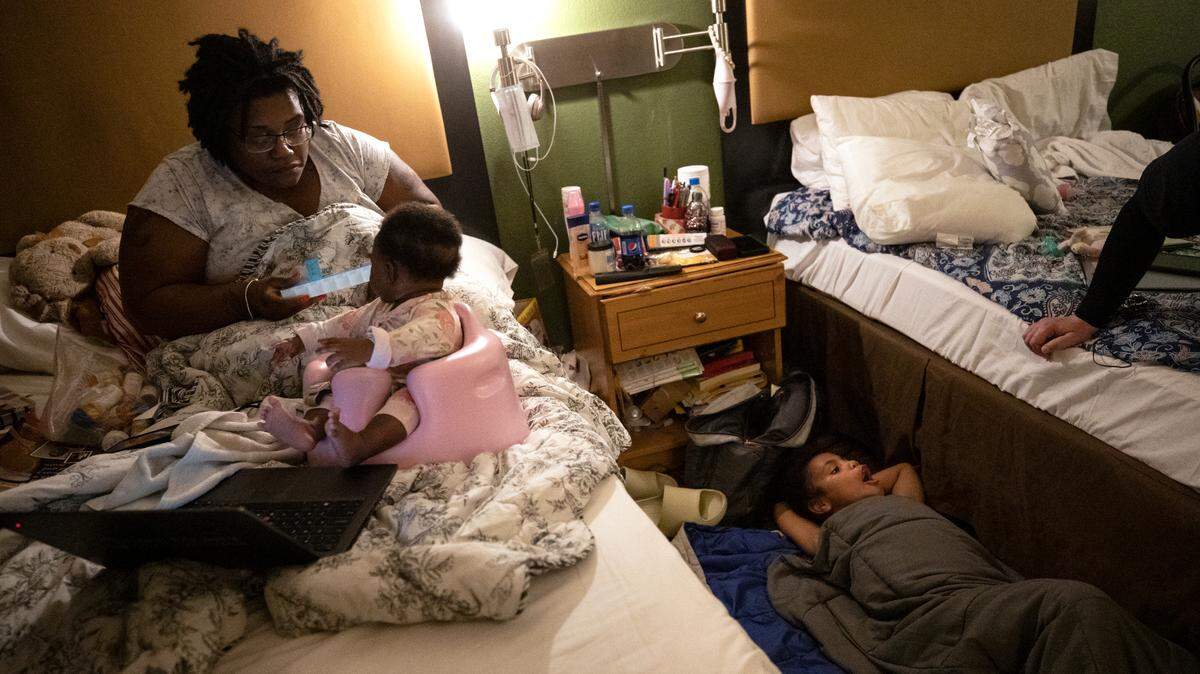
‘More than just a house’: In her own words, a single mom talks about facing eviction
READ MORE
Women and Children First?
Single mothers raising children under the age of 18 make up more than a third of the families meeting the federal poverty definition in North Carolina. That’s $20,030 a year, before taxes, for a mother with two children working 40 hours a week. This new project brings together advocates, public policy experts and others, while giving moms across the state a platform to tell their stories. Over the coming months, we hope to identify policies that N.C. and local government can enact to help families in need, including those that the official poverty definitions miss.
Expand All
UPDATE: The story was updated at 7:56 p.m. Nov. 18, 2022, in response to the Eno River Association’s decision to table the land transfer and meet with its tenants.
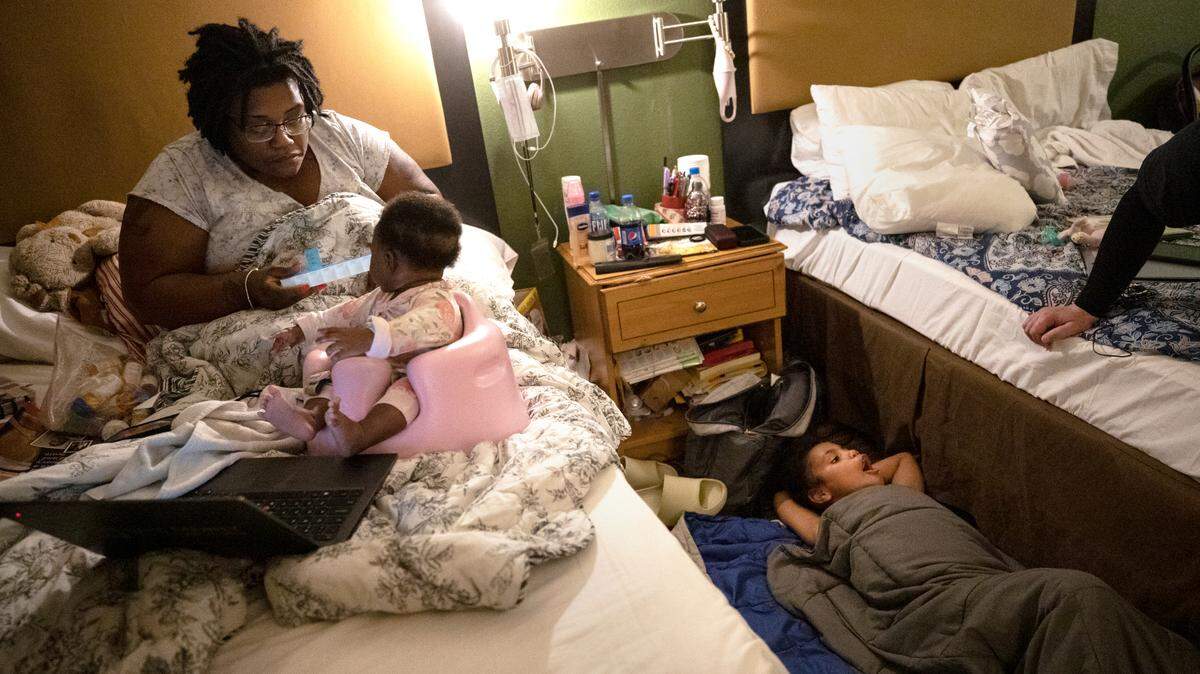
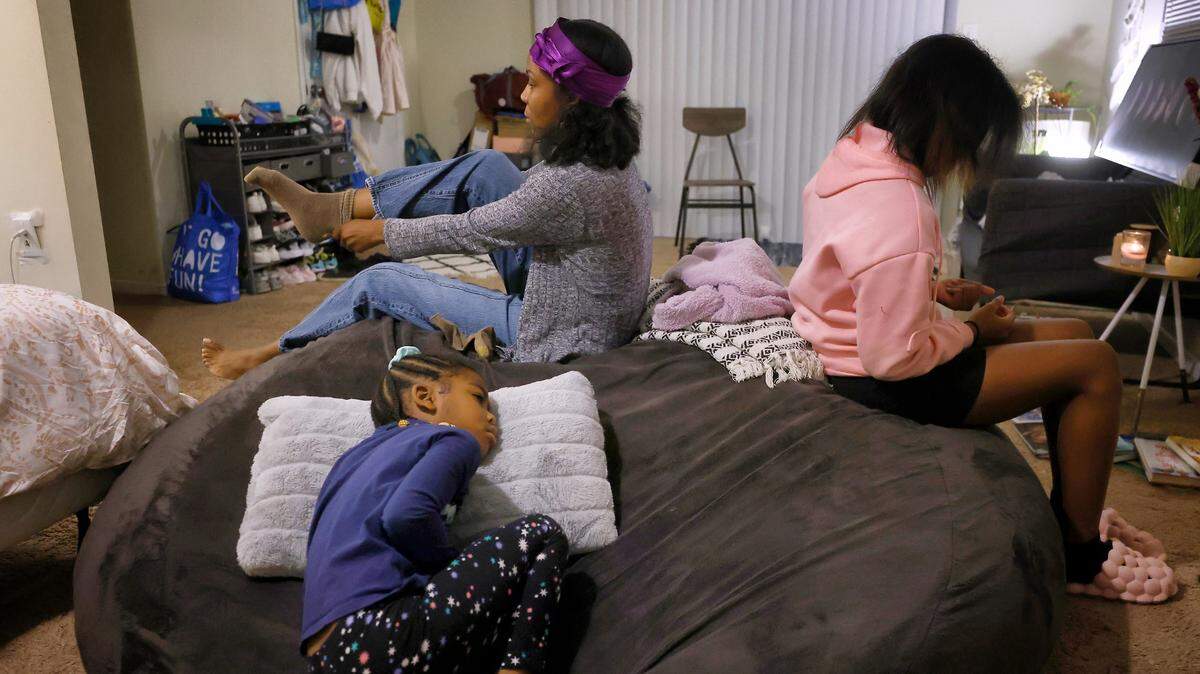
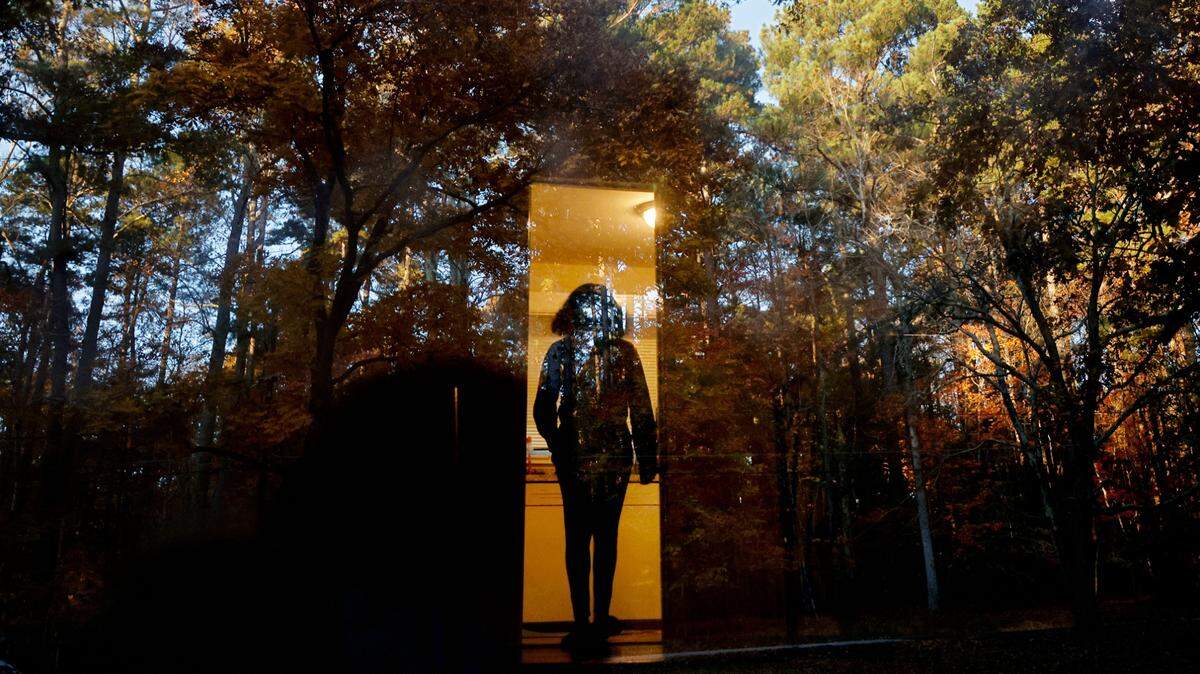
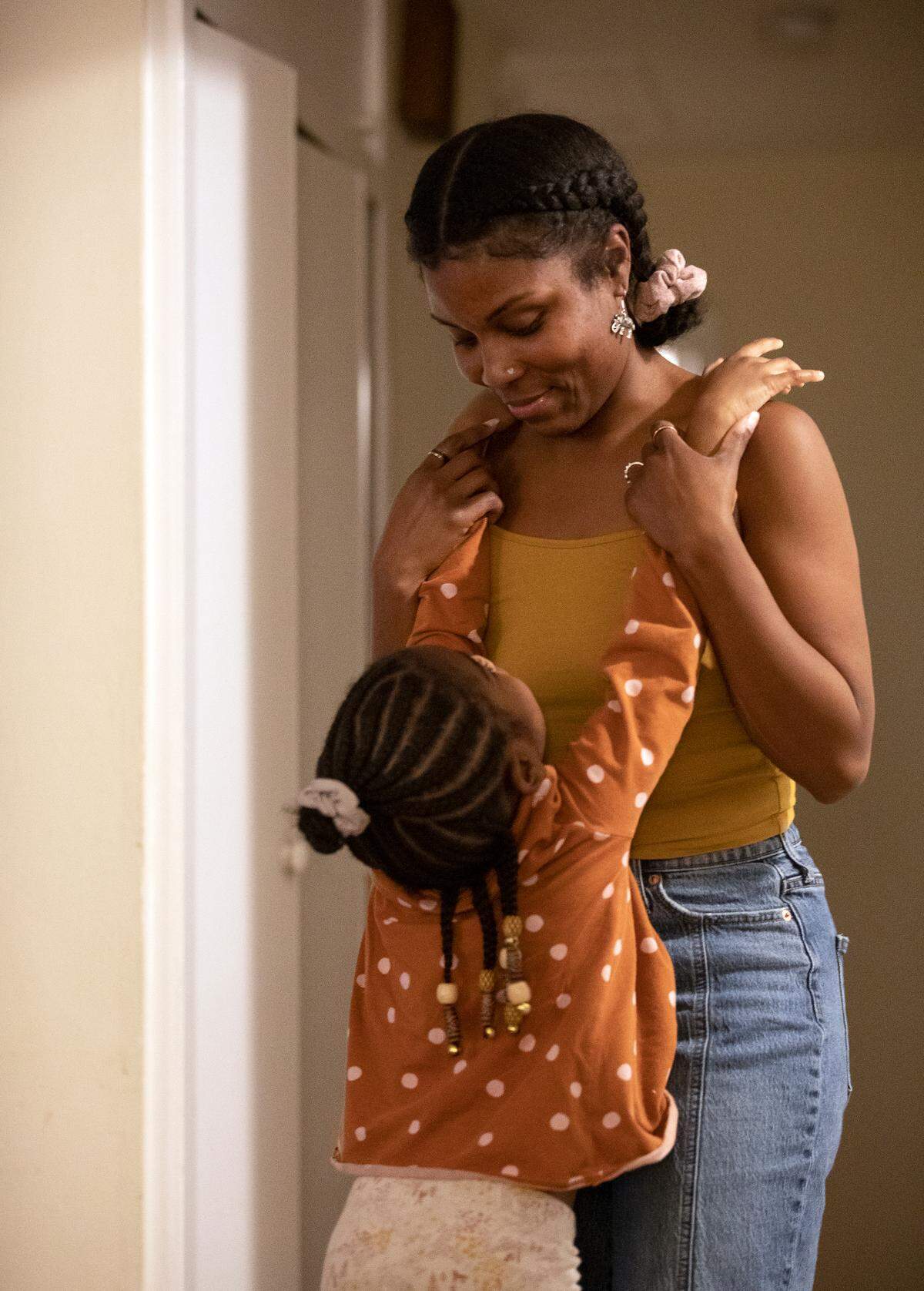
Sheba Everett, 36, left a toxic marriage in 2020, moving with her five daughters into a brick house owned by the Eno River Association in a wooded northern Durham neighborhood.
The house was the perfect solution until she could buy a home, Everett said. In September, her family and six others — 26 tenants in all — were told to be out in three months. Some have gotten that extended to May 31, 2023, while others have until July 31.
The association had planned to sell the properties to the N.C. State Parks system, which could offer the homes as a benefit for its employees. It’s now unclear what will become of the property or evictions.
On Nov. 18, ERA Executive Director Jessica Sheffield emailed an update to The News & Observer in response to the N&O’s story about Everett, which was published online Friday morning.
The Eno River Association has tabled the sale to the state parks system and is planning to employ a professional mediator “to find equitable outcomes for the people who live in these homes,” Sheffield said in the email Friday.
“We have made mistakes throughout this process,” Sheffield said. “We followed a traditional land trust model, whose practices focus exclusively on land resource protection. We apologize that we did not prioritize our tenants from the beginning. We are committed to doing better.”
Everett, a former literacy interventionist and instructional assistant at E.K. Powe Elementary School and now a teacher at Branches Community School, said in a text Friday that she is “so happy and thankful for all that is happening right now.”
It’s tough making ends meet on $40,000 a year, she told The N&O, but they qualified for food stamps during the pandemic and she’s seeking child support.
She also works part-time as a tutor, because teachers “always got to have a job on the side,” she said. Both jobs give her the flexibility to be there when her children are home and avoid the expense of child care. The rent where they now live is $1,460 a month.
She would love to move back to Birchwood Heights, her native east Durham neighborhood, she said, recalling how her grandfather instilled in her the spirit of an activist, while her mother was humble and nurturing. Her grandparents helped build the community.
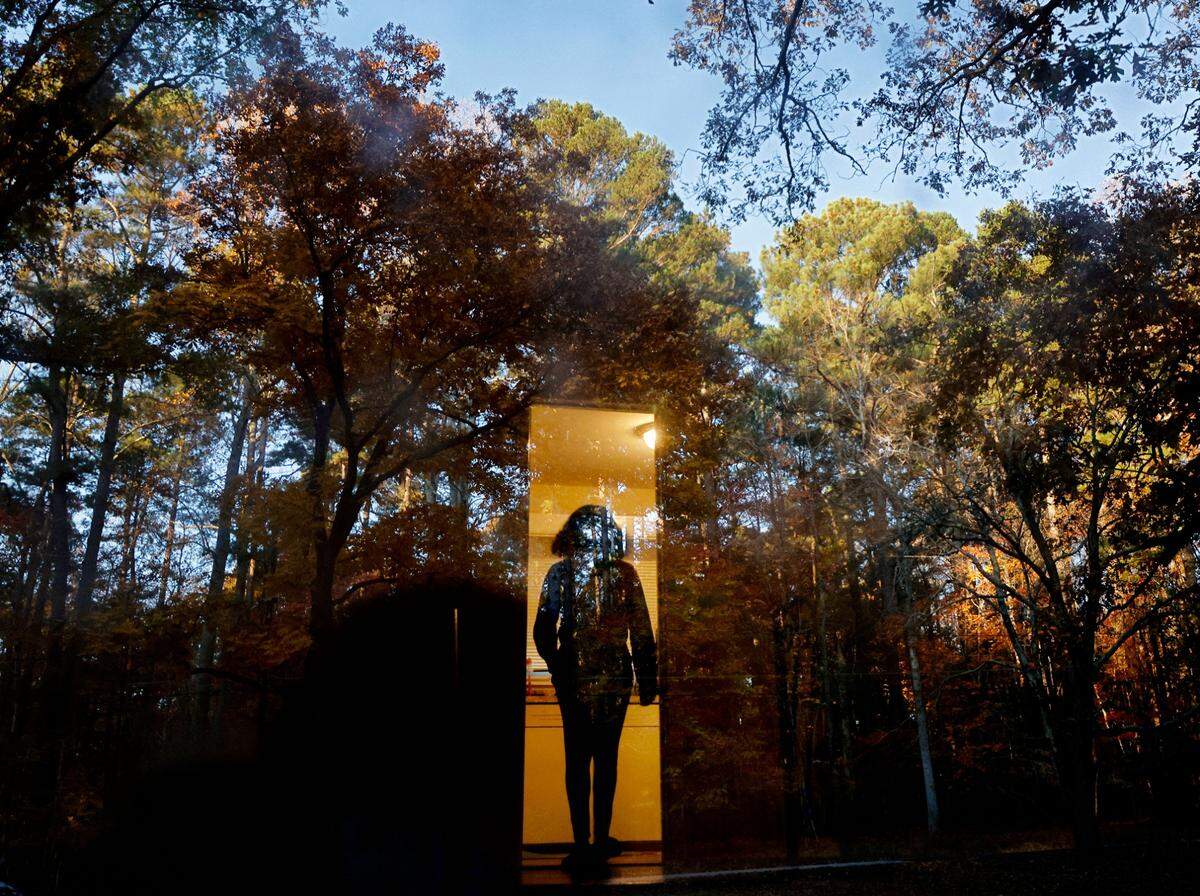
My granddad built a lot of houses in Durham. He built a lot of the buildings on Angier Avenue. … He was a technician, contractor. My granddaddy would have blueprints out on the table, a pencil in his ear, and he would build things, like he built two sections of my grandma’s house.
I remember there were some little houses at Northgate Mall, like dollhouses, but they were big … and we went in the mall and my granddaddy’s like, I made those. He worked on cars, he had a print shop. … He took people in. He had a trailer in the back and every time I turned around, someone was living in that trailer, because he was helping them out. He was also a reverend and he had his own church, too. That was his passion.
It was “the best childhood ever,” she said, but, “in retrospect, we were poor.”
(But) I didn’t notice it. We ate Oodles of Noodles every single day, but we loved it — breakfast, lunch and dinner — we ate Oodles of Noodles, so we had to be poor.
Do you still eat Oodles of Noodles?
No. Not at all, Everett said, laughing.
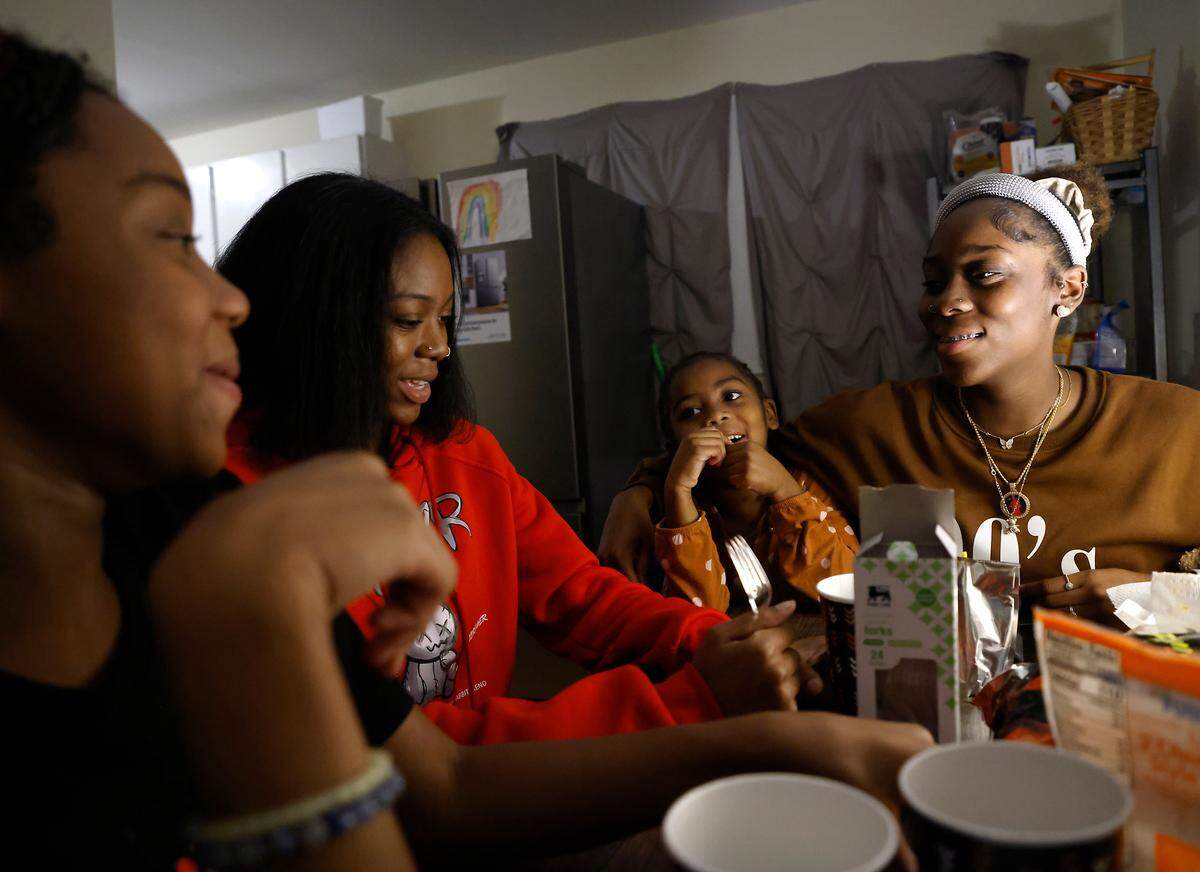
The September eviction letter caught them by surprise, she said, even though all the annual leases were converted in the last two years to month-to-month leases. Everett asked about it in March when her lease changed and said she was told it was to help tenants struggling in the post-pandemic economy.
Now, everyone is in dire straits, trying to find affordable housing when the only units available are condemned or too small, she said. It’s unclear how the tabled sale of the property will affect Everett’s or her neighbors’ housing situation. Everett did not respond to the N&O’s request for comment Friday evening. Below are her earlier comments on facing eviction from the ERA.
I’m trying my best to find another place, because where I am now is in a five-bedroom. I have five daughters, so I need a five-bedroom, and it’s really affordable for a five-bedroom, as a single mom. … It will be three years in March (since they moved into their current home), so the prices were still somewhat reasonable (before), and so I tried to find something similar, and it’s just like double the price, so there’s just no way I can survive or stay in Durham or any of that.
READ MORE: Stable housing a foundation for success, but single moms need more, cheaper options
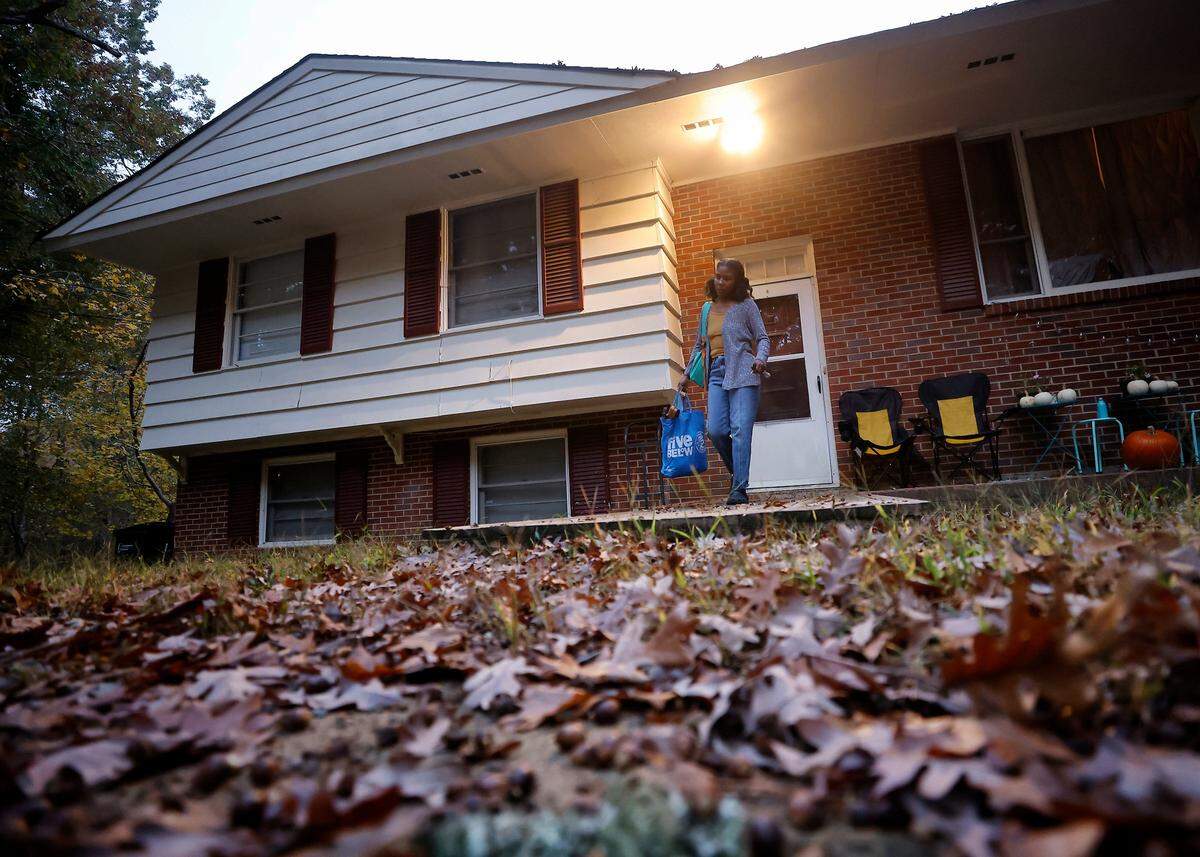
I don’t know what I’m going to do, and I tried to get a loan to buy a house. Actually, in my neighborhood that I grew up in, I found a house — a five-bedroom house; it was (roughly) 1,400 square feet — in my old neighborhood that I grew up in; I was ecstatic. It was $300,000 (but) I didn’t get approved for enough to buy that house. We’re basically stuck right now. … I just couldn’t believe I’m a teacher, and I can’t afford to even live in the neighborhood that I grew up in.
I’ve reached out to the housing agencies, but since we’re in a crisis right now — one of the worst that we’ve seen in our lifetime — they’re backed up. I am one of many numbers. I’ve gotten on a couple of waiting lists, and even those things, they definitely will keep a roof over our head, but it’s not anything that actually fits my family’s needs. It’ll keep us from being homeless.
Moving out of Durham is not an option, she said.
I’ll work five jobs and pay for a super-expensive place where I literally can barely breathe, but I can’t uproot my children from their home without giving it my all, because like I said, it’s way more than just a house. … I have five daughters, I have their mental health to think about. It’s a time when mental health is at its worst. I don’t want to leave one of my children behind or even — I’ll sacrifice my skin and bones and work them to death before I leave.
READ MORE: ‘Feeling less than.’ Evictions take more than a home away from single mothers.
Read more stories from the “Women and Children First?” project at newsobserver.com or heraldsun.com.
BEHIND THE STORY
MOREWhy we're doing this project
Single mothers raising children under age 18 make up more than a third of the families meeting the federal poverty definition in North Carolina. That’s $23,030 a year, before taxes, for a mother with two children working 40 hours a week.
The News & Observer’s “Women & Children First?” project will bring together advocates, public policy experts and others, while giving moms across the state a platform to tell their stories. We hope to identify policies over the coming months that North Carolina and local governments can enact to help families in need, including those that official poverty definitions miss.
If you think we are missing something, have information to share or ideas for our next stories, contact reporter Tammy Grubb at 919-829-8926 or tgrubb@heraldsun.com or deputy metro editor Mark Schultz at mschultz@newsobserver.com.
This story was originally published November 18, 2022 at 6:00 AM.