Raleigh hospital reports ‘significant’ increase in snake bite visits this summer
READ MORE
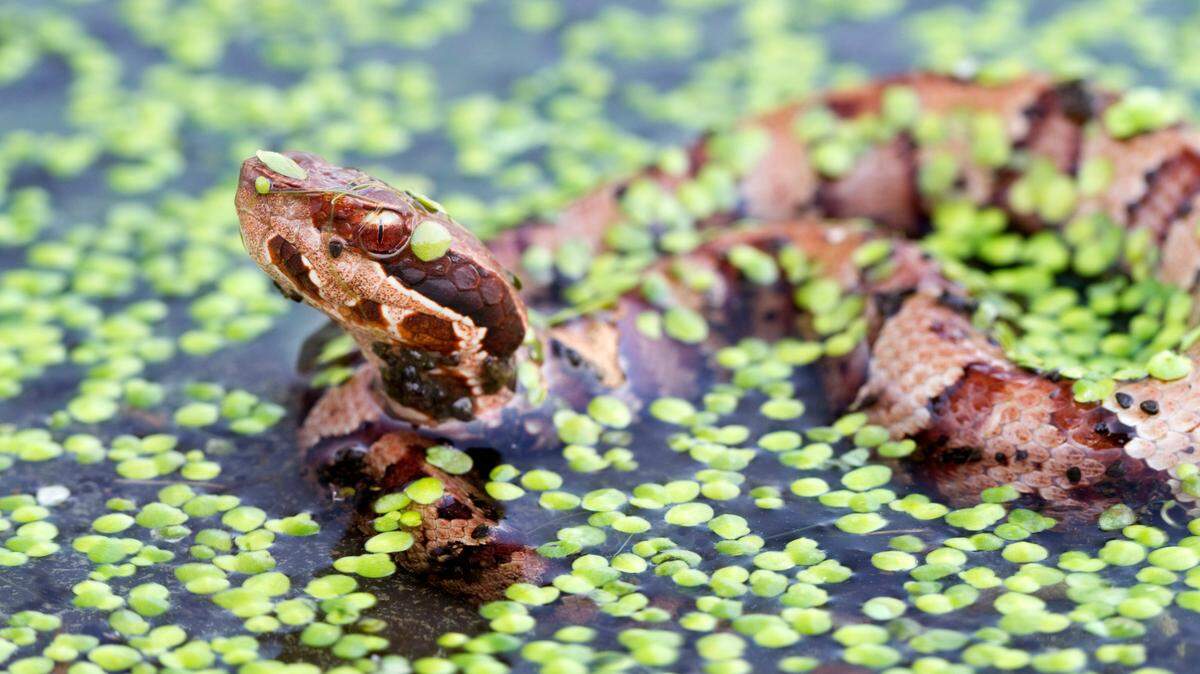
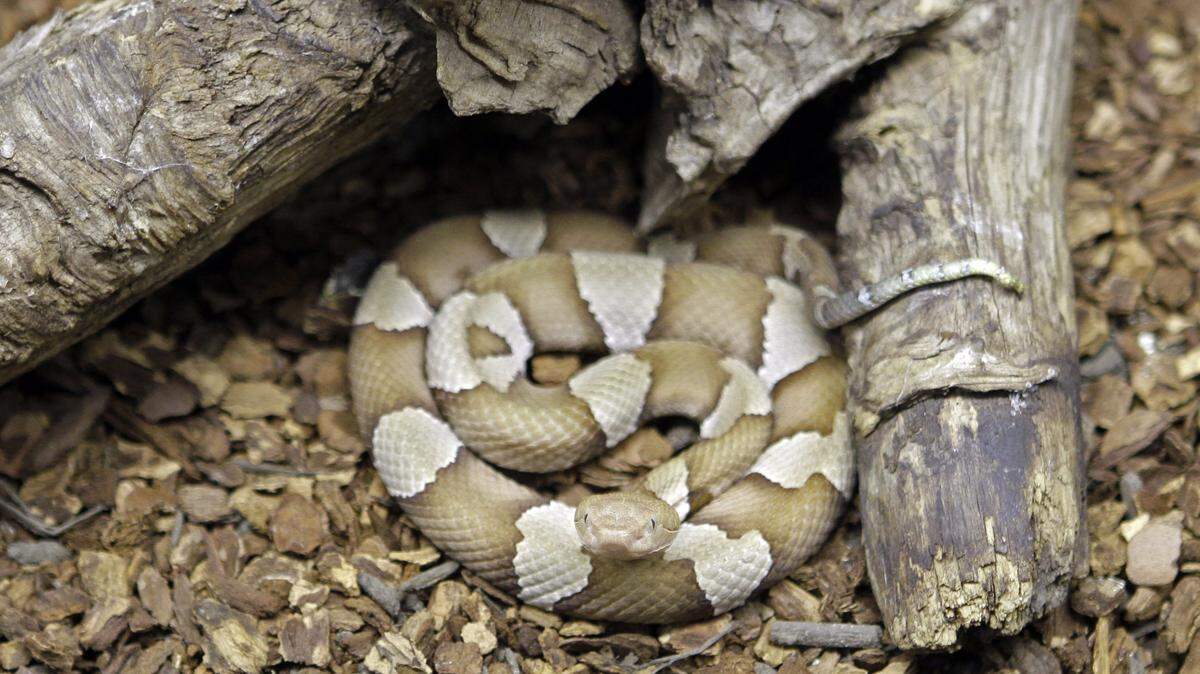
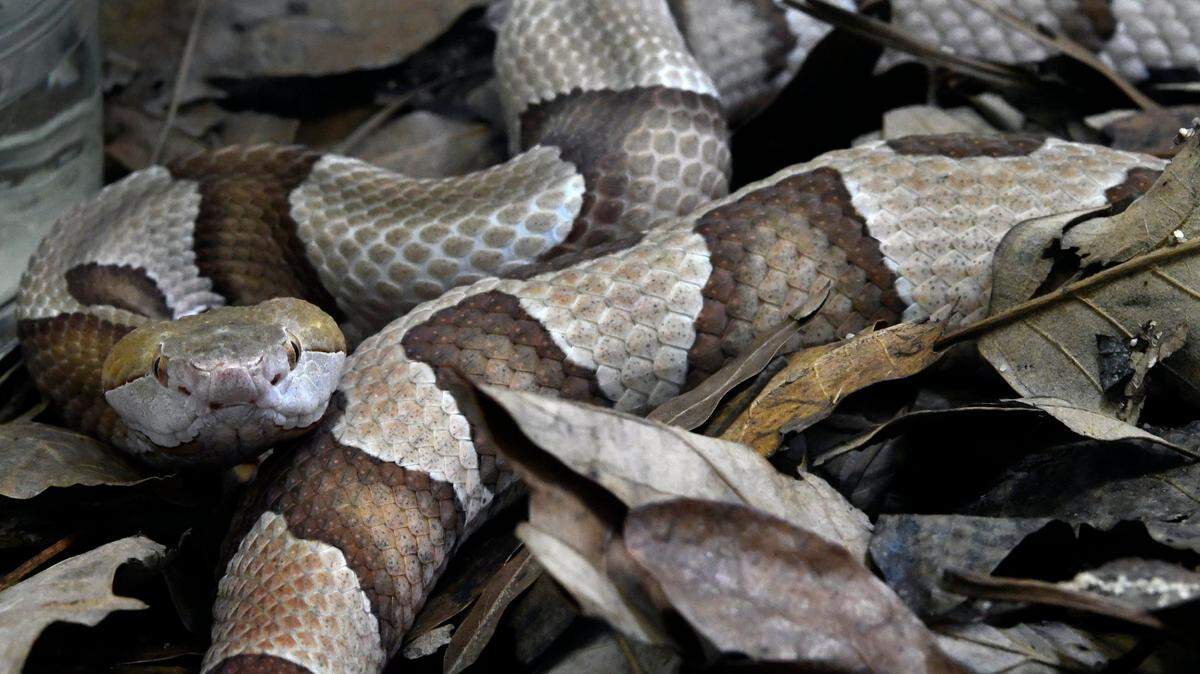
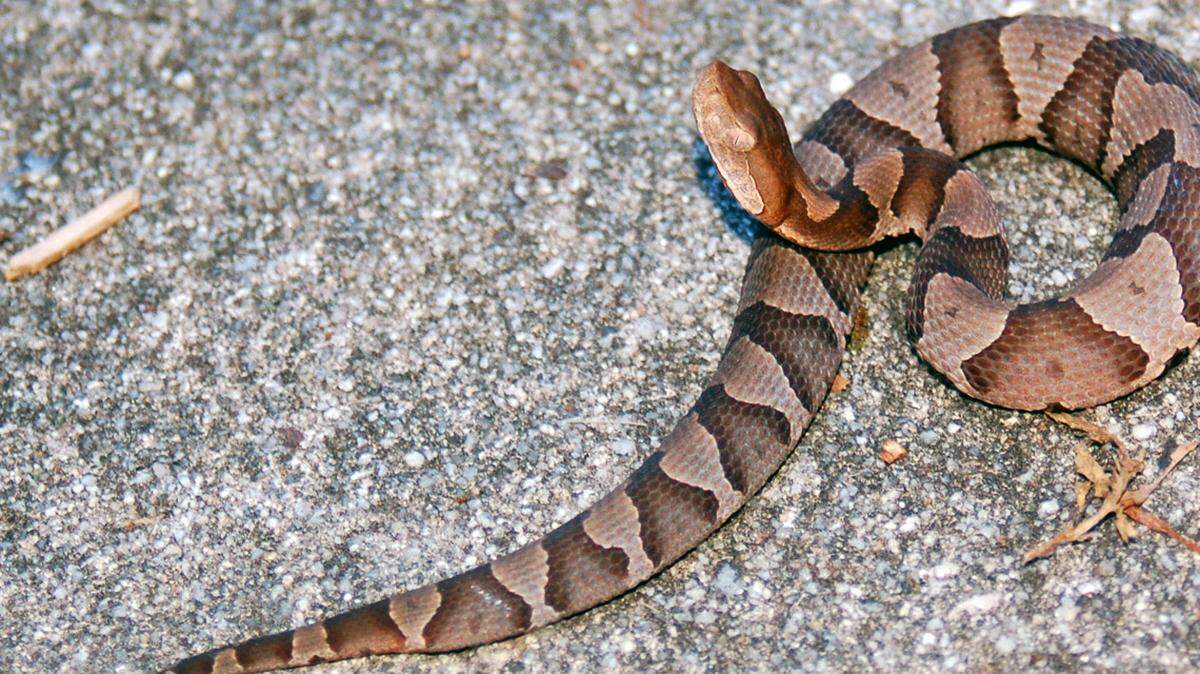
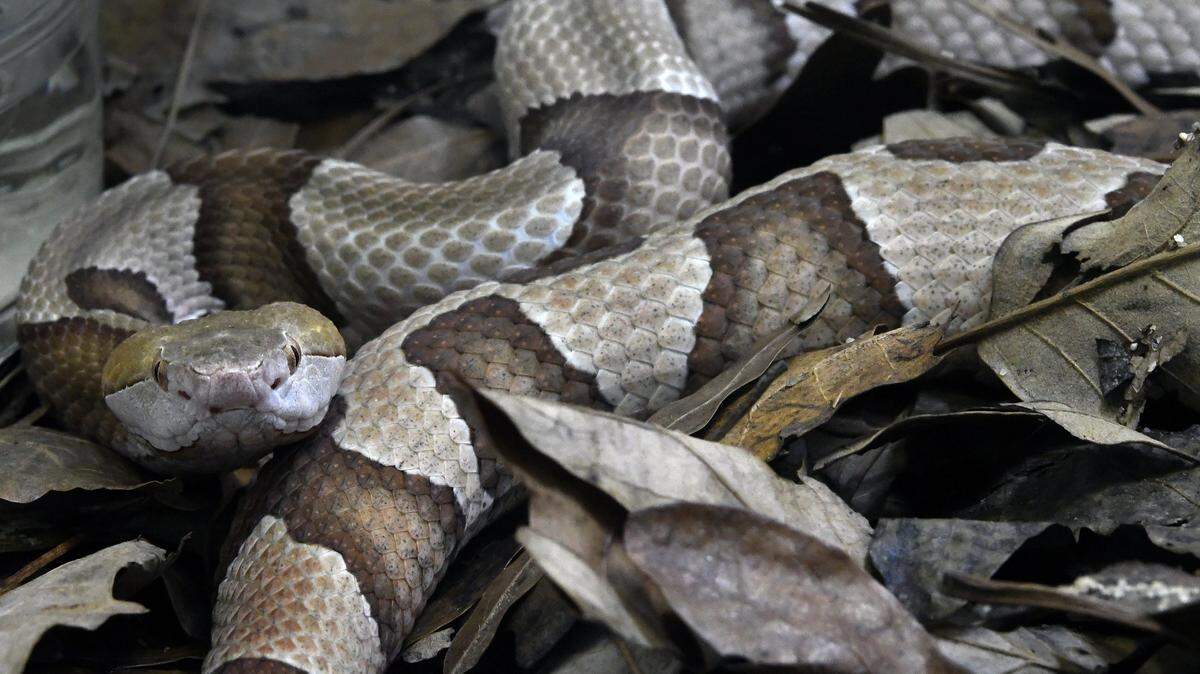
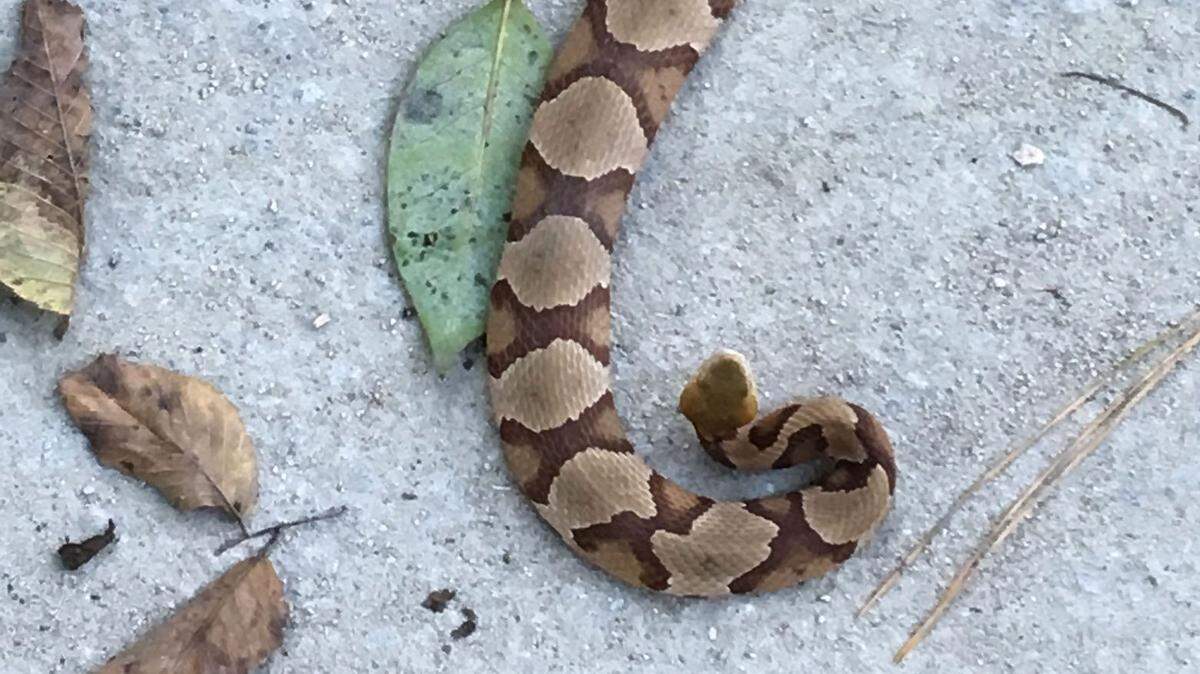
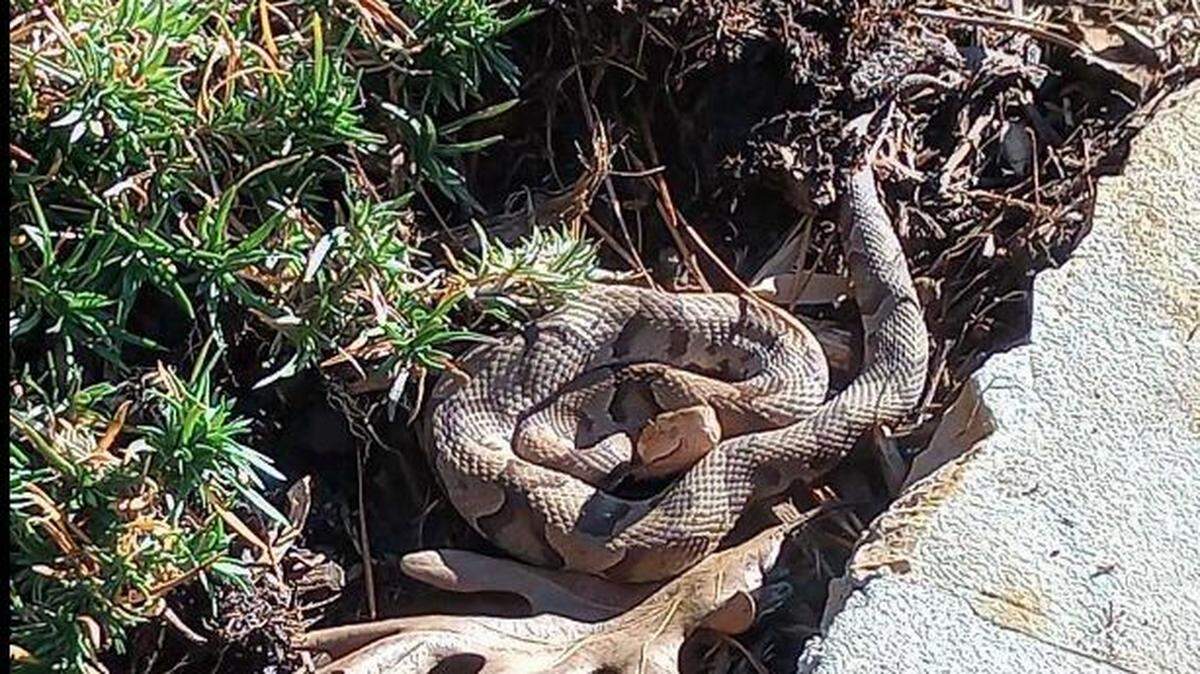
Copperheads and other Venomous Snakes in NC
Everything to know about copperhead snakes and other venomous snakes — how to identify them, how to avoid them, what to do if you (or your pet) are bitten, and more.
Expand All
The number of people seeking treatment for snake bites nearly doubled at one local hospital this summer, following an overall trend the hospital has tracked over the past several years.
WakeMed Emergency Department told The News & Observer that since July 1, 34 patients were treated at their hospitals for snake bites, and seven of those visits were in the first week of August. Last year, between July 1 and Aug. 7, WakeMed emergency departments treated 19 patients for snake bites.
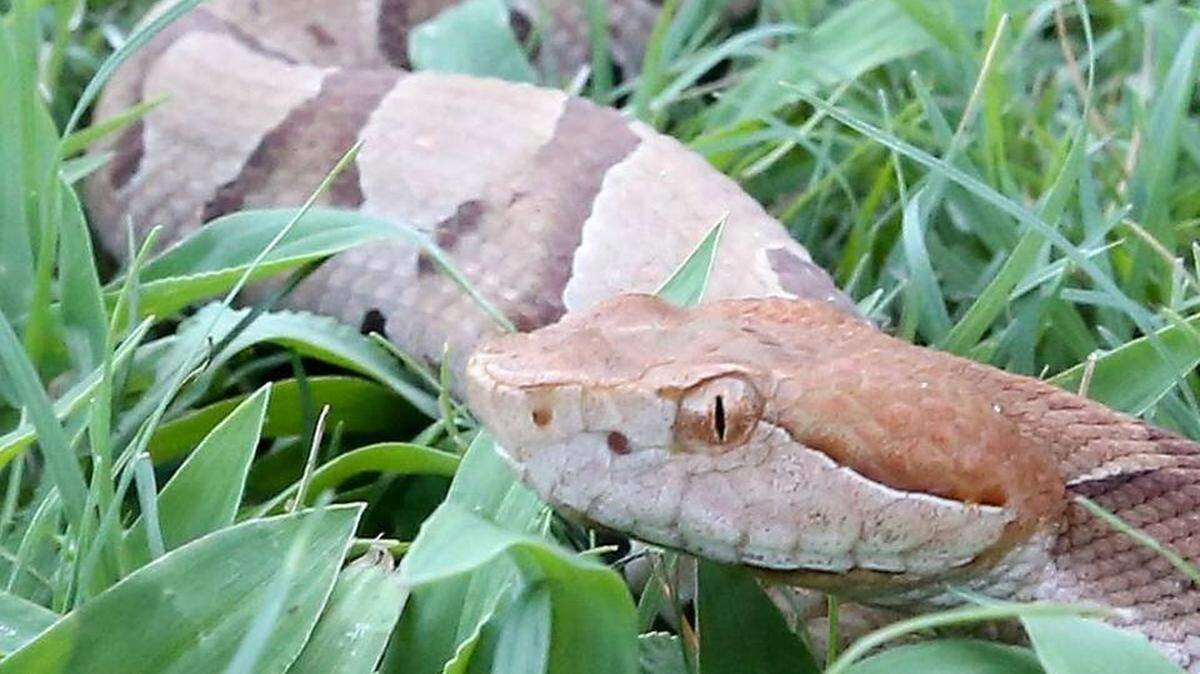
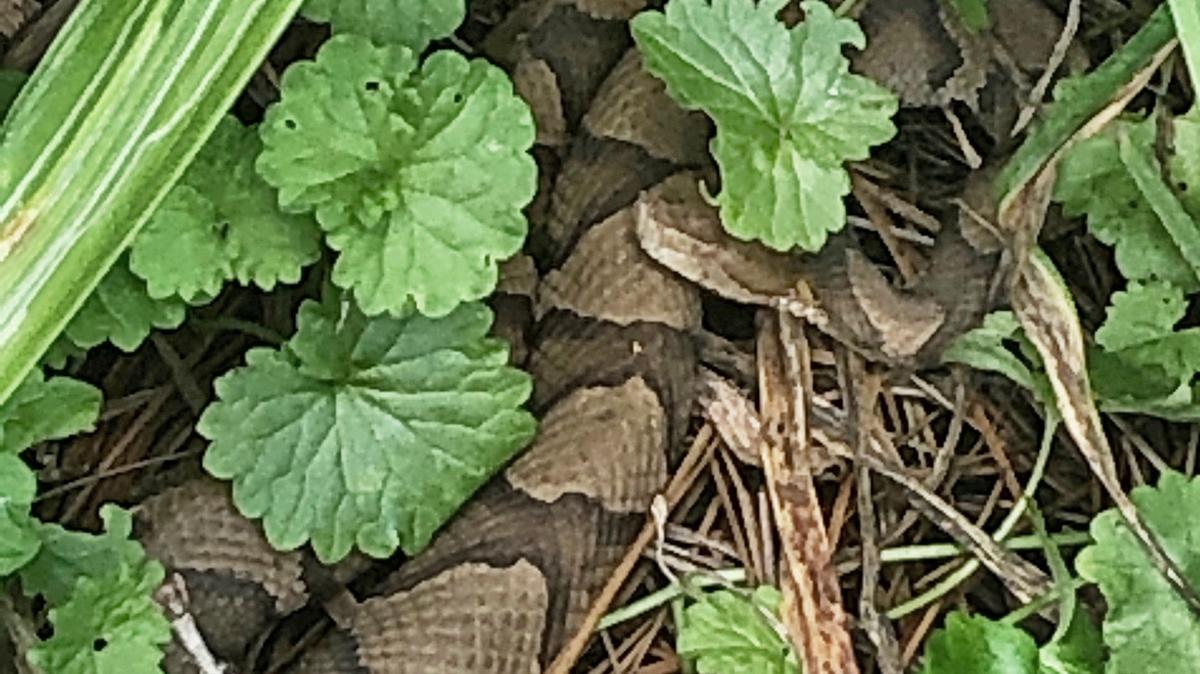
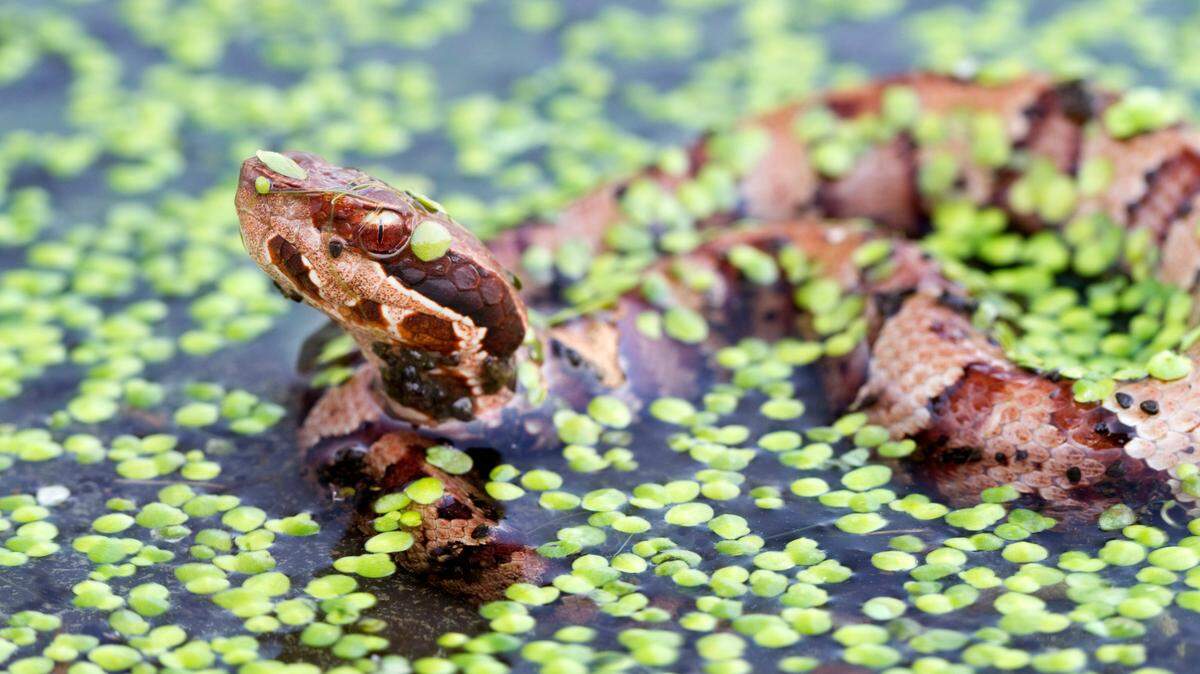
Nearly all of these bites were copperhead bites, said Dr. Ben German, an emergency department physician at WakeMed who specializes in snake bites.
“In a normal year, we see a lot of bites. This has been a theme for a long time, but the overall trend is increasing,” German said. “I’ve been here — at WakeMed and other hospitals in the Triangle — since 2006, and we’ve always seen the number increase over time. But this year’s increase is significant.”
Looking back, snake bites WakeMed treated in the region in 2017 doubled the number of bites in 2016, German wrote in a blogpost in May 2017.
Across UNC Health, there have been about 70 Emergency Department patients since July 1 with a chief complaint of snake bite, a UNC Health spokesperson said.
Duke Health saw as many as four snakebite patients present in a single 24-hour period, emergency medical specialist Dr. Charles Gerardo told The N&O.
“This is consistent with a heavy year, but it is always difficult to be certain until the season is over. This is because they present stochastically with periods of lots of patients and then periods of no bites.”
Snake bites consistent statewide, says NC Poison Control
Dr. Michael Beuhler, NC Poison Control’s medical director, told The N&O that bites statewide are on par with what the group normally sees at this time in the year.
As of Tuesday afternoon, NC Poison Control has helped manage 395 pit viper envenomations in 2022. The vast majority of these are copperhead bites, he said.
Last year, they helped manage 624 pit viper envenomations. In 2020, they helped manage over 100 more — 732. This is because about three-quarters of bites happen around the home, and more people were spending time at home during the pandemic, he said.
These numbers are based on calls to the NC Poison Control’s hotline across the state. The calls can come from individuals treating themselves at home or healthcare providers assisting poisoned patients.
“I don’t doubt they could have seen double,” Beuhler said of WakeMed’s numbers. “Let’s say they see 20 and they normally see 12. It’s not that extreme, but it’s about double.”
While numbers statewide might be a little ahead at this time in the year than previous years, it’s not by much, Beuhler said. Local hospitals might be seeing upticks if conditions are especially good for copperheads to meet up with humans.
“If it’s a nice day, you’ll want to spend it outside, and a copperhead will too,” Beuhler said. “If it’s colder and rainy, copperheads don’t want to be outside, and you don’t want to be either.”
You can contact NC Poison Control at their 24/7 hotline (1-800-222-1222) or by chatting on their website: ncpoisoncontrol.org.
Why WakeMed might be seeing more snake bites this year
The main reason for the increase in cases at WakeMed, German said, is that there are more people here for the snakes to bite — not that there are more snakes doing the biting.
Plus, with the tremendous growth in this area, people are moving into newly developed areas that were previously wooded areas occupied by copperheads.
“Copperheads are resilient snakes,” German said. “Lots of snakes don’t do well in habitats that get destroyed, like when forests are converted to residential neighborhoods. But copperheads do well even with human disturbance.”
Most bites happen in suburban areas, German said — Cary, Apex and northern Wake County are popular spots — but bites can happen anywhere.
“There’s also no place here in the Triangle where you don’t have the potential to see copperheads,” German said. “I wouldn’t expect to see them daily in downtown Raleigh where there’s mostly concrete, but we’ve seen a few bites pretty close to downtown. Anytime there’s an area with a natural habitat, like a drainage ditch or a creek, we expect to see some snakes.”
How to protect yourself from snake bites
Here’s what German recommends:
▪ Wear closed-toe shoes: Specifically ones that cover the ankle. Toes, bare feet and ankles are the most common spot for snake bites.
▪ Clean up your yard: Wood and brush piles are easy places for snakes to hide, so make your space uninviting.
▪ Don’t landscape in the evening: These snakes are most prevalent after dusk, and an easy way to get bit is reaching your hand inside your shrubs without inspecting the area first. Regular gloves won’t protect you much from these bites.
▪ Be careful after heavy rainfall: Rain typically pushes animals, including snakes, to higher ground. It’s more likely you’ll find snakes in your hard after significant rain.
▪ Back away: Snakes aren’t scheming to bite you. If you see one, don’t pester it. Just walk away, and it should leave you alone.
▪ And stay back: Snakes can still bite you even if you think they’re dead. In fact, a snake can still bite you for an hour or more after its head is severed from its body, German says.
This story was originally published August 9, 2022 at 1:06 PM.