What if a copperhead bites you and you don’t have cell service in NC? Here’s what to do
READ MORE
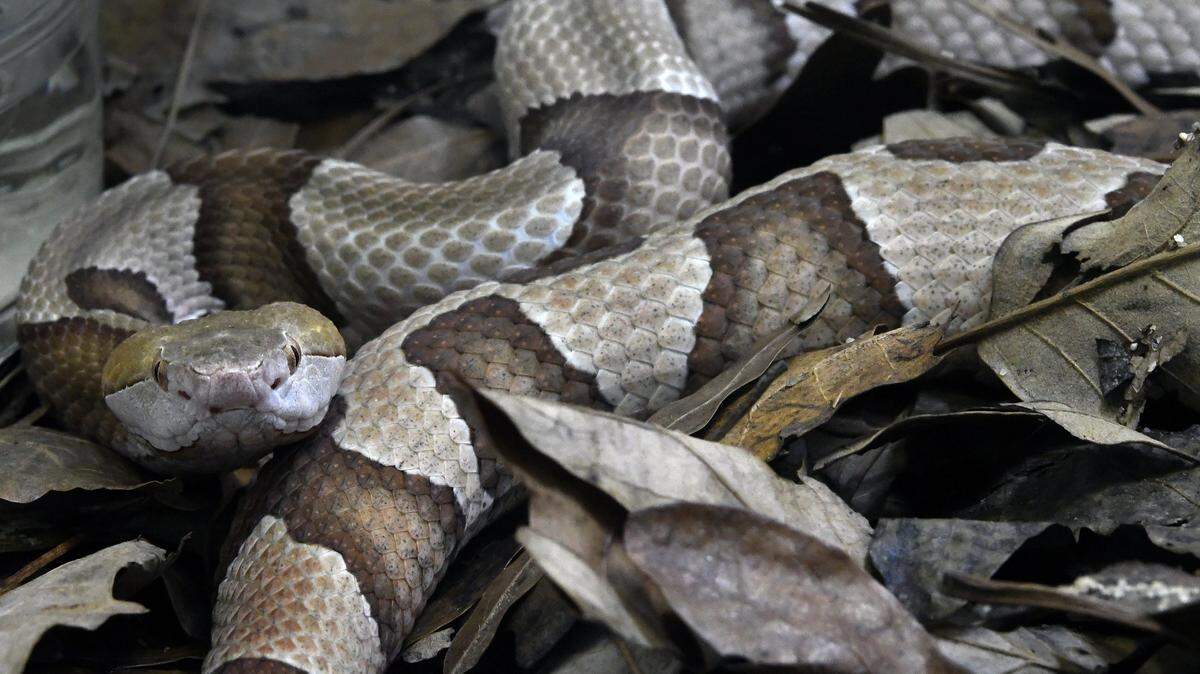
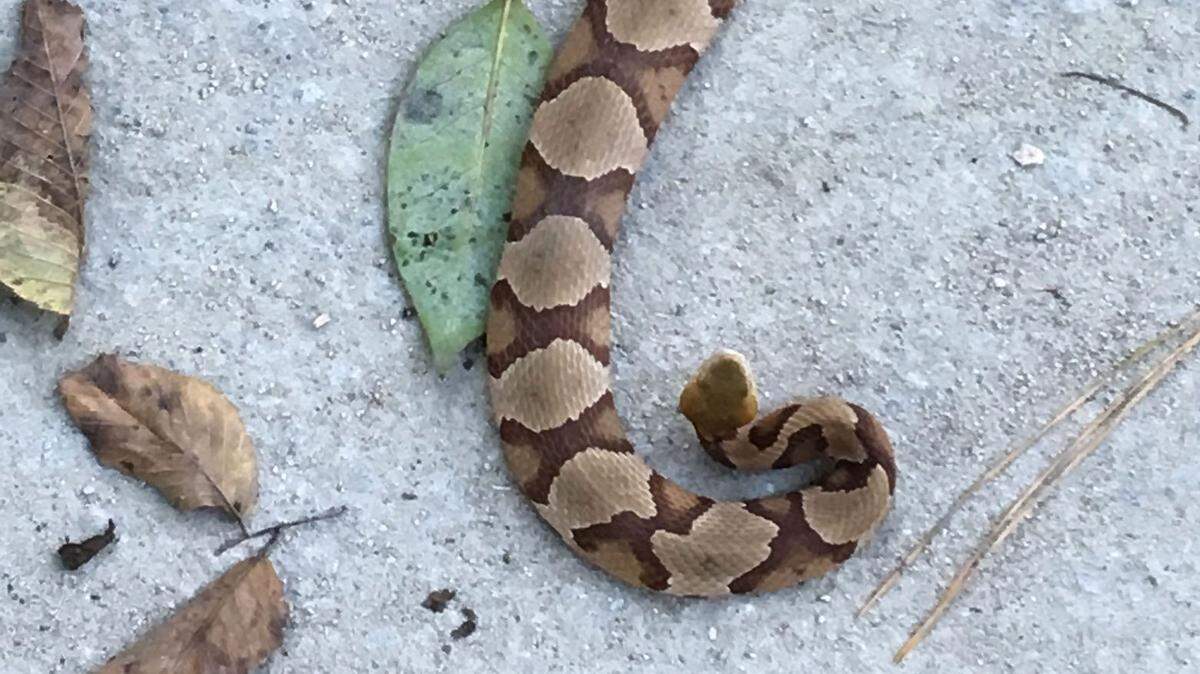
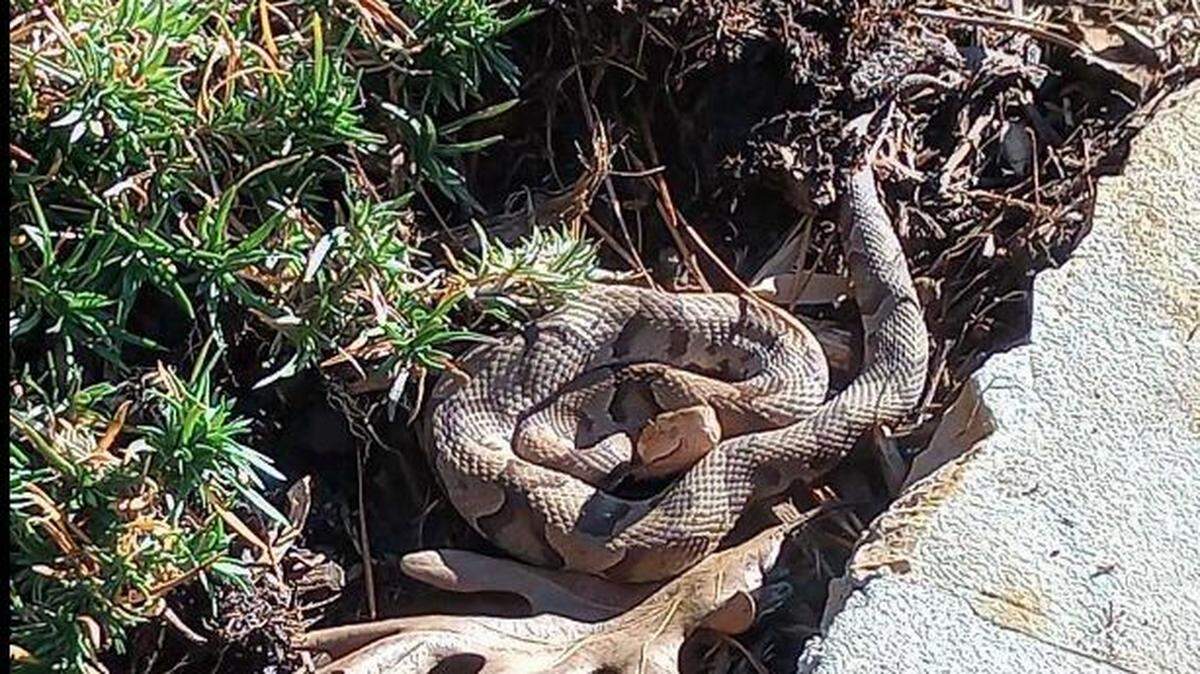
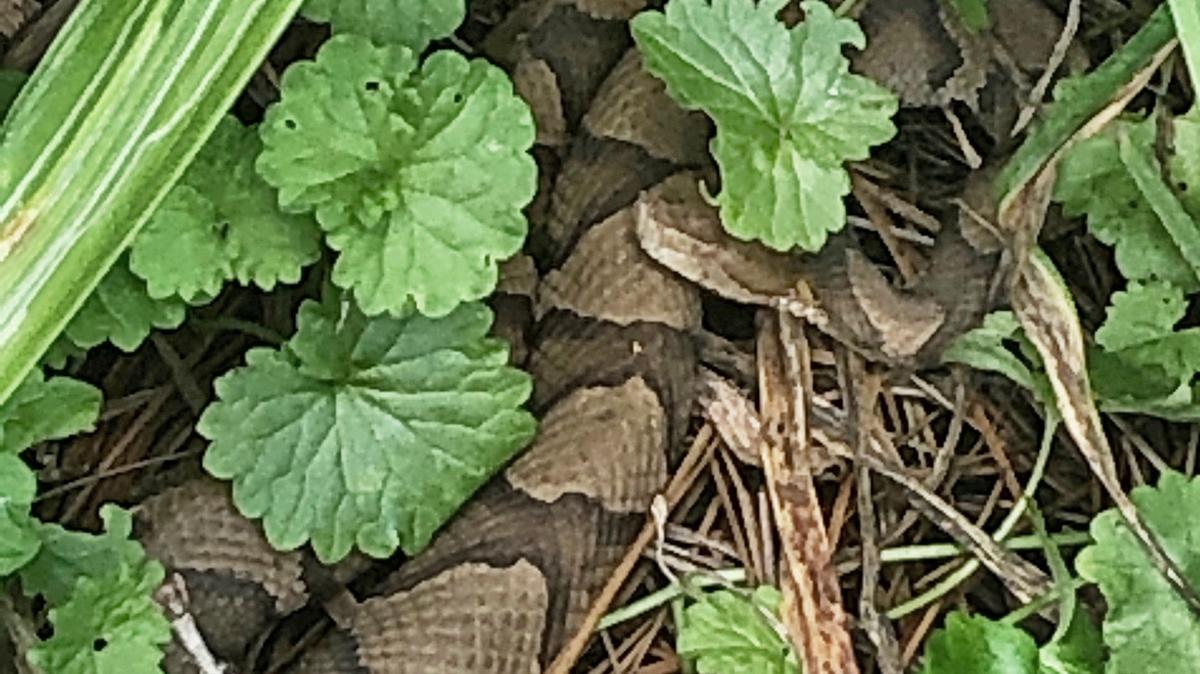
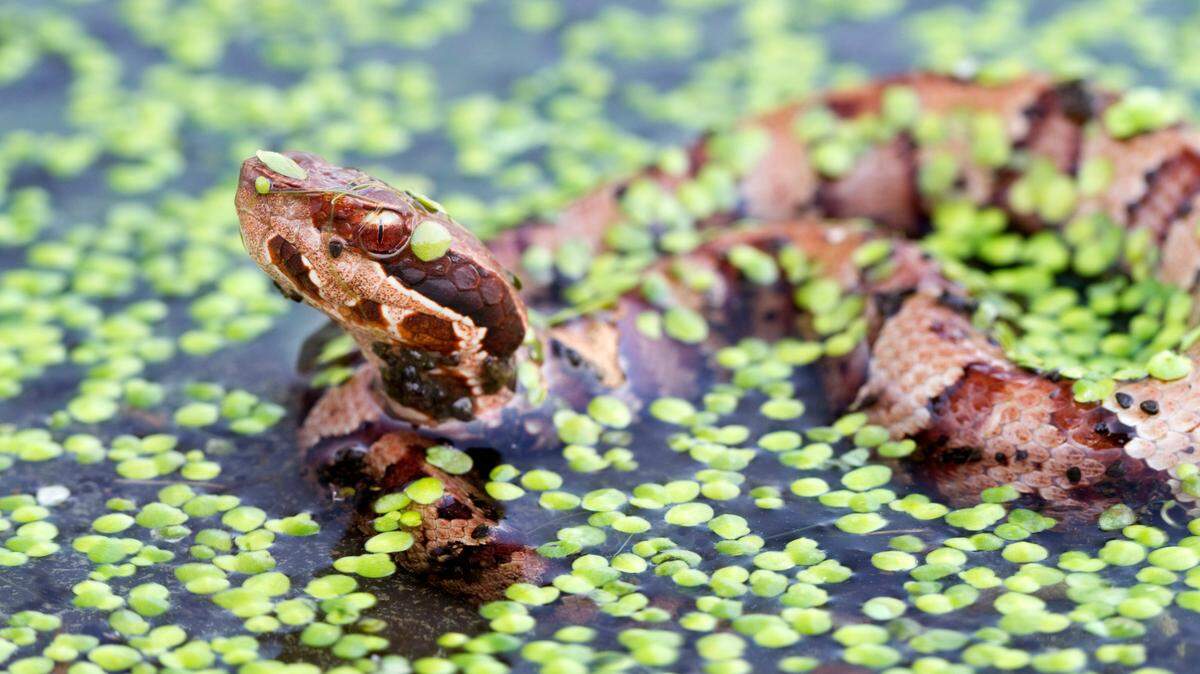
Copperheads and other Venomous Snakes in NC
Everything to know about copperhead snakes and other venomous snakes — how to identify them, how to avoid them, what to do if you (or your pet) are bitten, and more.
Expand All
North Carolina has lots of great hiking trails to explore during the warm weather months, but you should be prepared to be without cell service when exploring in remote areas.
Long-distance hiking that temporarily gets you off the grid can be a thrill, but it requires preparation before venturing out to a place where you can’t get in touch with anyone if emergency strikes.
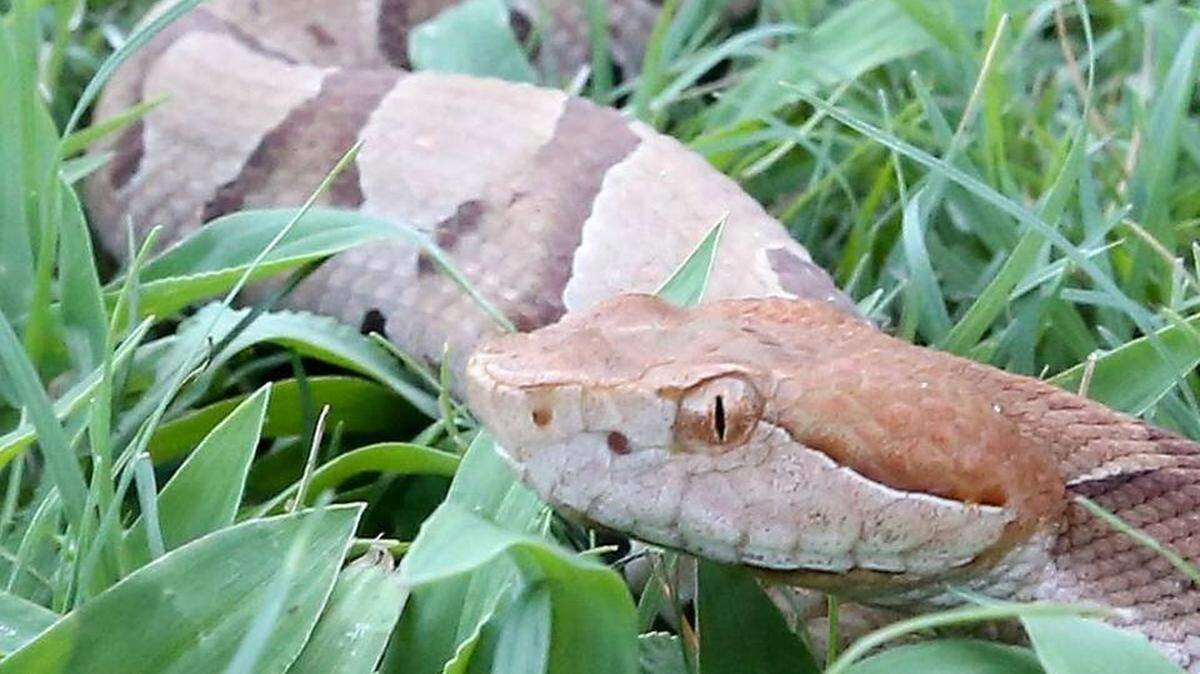
That emergency could include getting bitten by a venomous snake. Anywhere in North Carolina, it could be a copperhead.
The N&O spoke with Dr. Michael C. Beuhler, medical director of North Carolina Poison Control, so we can learn the basics on managing venomous snake bites without the ability to call for medical help.
Below you’ll find tips on how to avoid the snake in the first place and how to prepare for your hike — and then, what to do if the worst happens.
Note: Take a photo or a screenshot of this story, that way you have it in your camera roll for reference if you’re ever in an emergency situation without access to the internet. These are potentially life-saving tips from a snake bite healthcare professional that you should ensure you can reference at all times.
How to avoid a snake bite in NC
An estimated 7,000 to 8,000 people are bitten by venomous snakes each year, the Centers for Disease Control and Prevention reports. It’s extremely rare these bites are fatal. Of the thousands bitten, about five people die.
It’s much more common for people to suffer long-term injuries from their bites than to die from them.
Here’s how Beuhler recommends preparing for a hike with snake safety in mind:
• Stay in a group: Never hike alone.
• Consider a satellite phone: If you are planning on hiking in remote areas as part of a group, consider a solution for communication. This can be a satellite phone for all types of emergencies, such as seizures or other types of trauma.
• Alert loved ones: Make sure people know where you are going.
• Wear appropriate footgear: It is very rare for a bite to penetrate a boot, and it’s uncommon to see responsible, aware hikers bitten by pit vipers.
• Watch where you step and reach: Don’t put your hand or foot where you can’t see.
“That log across the trail? Look first. Stopping to rest? Look around very carefully before sitting. Slow down,” Beuhler said.
• Don’t move a snake: Go around it carefully. Stay on the path, and even if the snake is on the path, leave it there.
• Carry a flashlight: Sometimes one runs out of light faster on a hike than anticipated. If you are stuck somewhere waiting for help, a light will help.
Or if you are not bitten, not being able to see the trail very well in the evening puts you at a much higher risk of getting bitten. Snakes are more active in the evening.
• Bring emergency supplies: A whistle and rescue blanket are hiking essentials.
Bitten by a snake without cell reception? What to do.
Here’s what Beuhler wants us to know:
• Stay hydrated: If the victim is not nauseated and/or vomiting, suggest they drink fluids. Don’t overdo it, but often when hiking, we are a little dehydrated and a pit viper envenomation will make that worse. Take small, frequent sips.
• Remove jewelry, tight clothing: Get any jewelry or constricting clothing off that limb.
• If possible, hike toward help: “Waiting for help will mean hours of delay, and a copperhead hand bite that hiked out would already be at the emergency room receiving antivenom,” Beuhler said.
Ability to hike while envenomed will depend on a number of factors — the health victim, the bite location, the amount of venom, any past medical history, systemic symptoms (like dizziness or blood pressure), the distance needed to go and the difficulty of the hike.
“If the individual is otherwise healthy and is having minimal symptoms from the bite, it may be best to hike out if not too far — especially if it is an arm bite,” he said.
• If bitten on the arm: Keep the arm elevated to heart-level as much as possible, especially when hiking toward help.
“No choice is ‘the right choice,’ and it is impossible to commit to one answer because of all the variables,” he said.
Note: Over three-quarters of copperhead bites in North Carolina happen around the home. Nearly all the rest come from yard work or when walking in places you generally don’t expect a snake.
“Being bitten when hiking in NC is a rare event. Enjoy the outdoors responsibly and you are very unlikely to be bitten,” Beuhler said.
How quickly to seek medical care when bitten by copperhead, venomous snake?
There are dry copperhead bites — meaning venom does not get injected into the bite victim — and envenomations, which may require antivenom in an emergency department.
Here are some signs and symptoms of a venomous snake bite, according to the CDC:
Puncture marks at the wound
Redness, swelling, bruising, bleeding, or blistering around the bite
Severe pain and tenderness at the site of the bite
Nausea, vomiting, or diarrhea
Labored breathing (in extreme cases, breathing may stop altogether)
Rapid heart rate, weak pulse, low blood pressure
Disturbed vision
Metallic, mint, or rubber taste in the mouth
Increased salivation and sweating
Numbness or tingling around face and/or limbs
Muscle twitching
• If the copperhead bite is mild: You should receive medical care within a few hours of the bite. It will either not progress (in which no antivenom is needed) or it will worsen and require antivenom, Beuhler said.
“This makes it impossible to give a time, but in general as long as the individual is not having life threatening symptoms, being seen within six to eight hours of the bite will yield a similar outcome as to being seen earlier,” he said.
• If the copperhead bite is dry: You just need good wound care and a tetanus update within a few days.
“Of course, you don’t know what kind of bite it is initially, so treat every bite very seriously,” Beuhler said.
“There are a subset of copperhead bites that stay at home and have great outcomes. We do not encourage this behavior without medical oversight.”
Rattlesnake bite safety when you don’t have cell reception
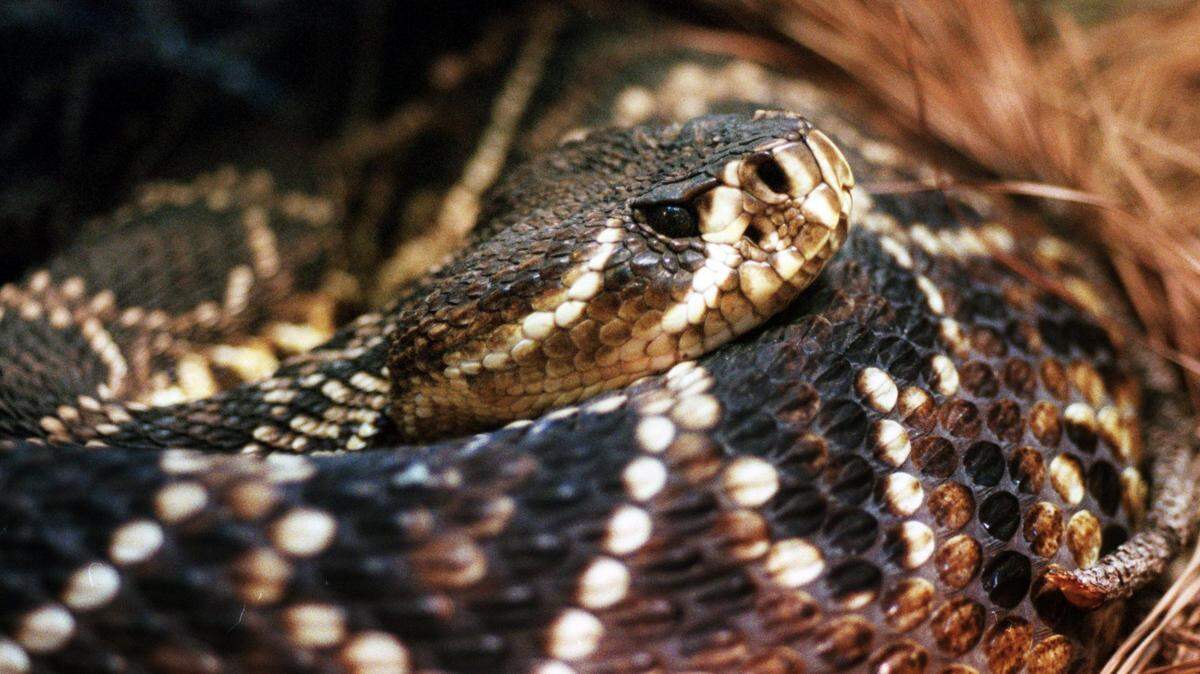
Rattlesnake bites are much more severe, and there should be a much stronger consideration to not hiking out with a leg bite.
“An arm bite you can try, but I would be concerned about pain, dizziness and your ability to actually hike well. You might hurt yourself worse if you stumble,” Beuhler said.
You want to get to care soon with a rattlesnake bite, but you’ll have to weigh options: Hike out yourself but possibly exacerbate the injury (while getting there sooner), or stay immobilized and wait for help.
“There is no answer here, as the variables are too many,” Beuhler said.
Being properly prepared — hiking in groups, having emergency supplies and learning in advance what to do and what not to do when dealing with snake bites — is your best tool in situations like this.
Note: A rattlesnake bite should always be evaluated in a healthcare facility.
In general, limb swelling and injury tends to be much more severe, and this can cause more systemic symptoms. Sooner is always better to start treatment, but you can expect a similar outcome with a six to eight hour delay in treatment as well, Beuhler said.
Call NC Poison Control (and other to do’s if bitten by a snake)
If you’re having life-threatening symptoms, such as difficulty breathing or unconsciousness, call 911 immediately.
If you are not having life-threatening symptoms following the bite, you can call NC Poison Control (1-800-222-1222), where you can speak with certified specialists to assist in all snake bite situations.
“We will be able to continue to assist during any hospitalization (we will call ahead for you, and will follow up until you are recovering,” Beuhler said.
Learn more at ncpoisoncontrol.org, where you can find a complete brochure with snake information tailored to North Carolina.
Here’s the information The News & Observer always provides for snake bite care:
IF YOU HAVE BEEN BITTEN BY A SNAKE, YOU SHOULD:
Sit down and stay calm.
Gently wash the bite area with warm, soapy water.
Remove any jewelry or tight clothing near the bite site.
Keep the bitten area still, if possible, and raise it to heart level.
Call the NC Poison Control: 1-800-222-1222.
Note: If a snakebite victim is having chest pain, difficulty breathing, face swelling or has lost consciousness, call 911 immediately.
IF BITTEN BY A SNAKE, YOU SHOULD NOT:
Cut the bitten area to try to drain the venom. This can worsen the injury.
Ice the area. Icing causes additional tissue damage.
Apply a tourniquet or any tight bandage. It’s actually better for the venom to flow through the body than for it to stay in one area.
Suck on the bite or use a suction device to try to remove the venom.
Attempt to catch or kill the snake.
Related story from The Sacramento Bee.
This story was originally published June 15, 2023 at 10:18 AM.