
We dig into road surveillance and DEI at colleges and remember a bat boy gone too soon
READ MORE
The unforgettable stories of 2024
N.C. State basketball. The election. Hurricane Helene. These are the stories that affected The N&O’s reporters, editors and photojournalists the most.
Expand All
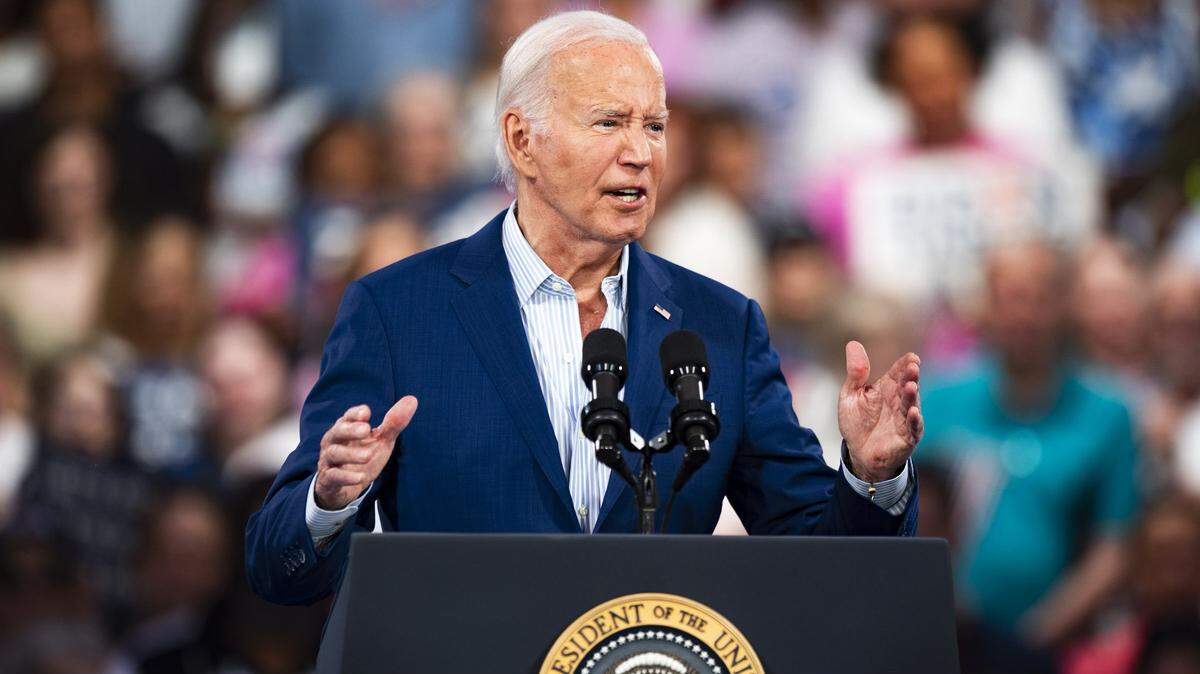
We watch a debate change an election, learn from a coach’s perseverance and study wolves
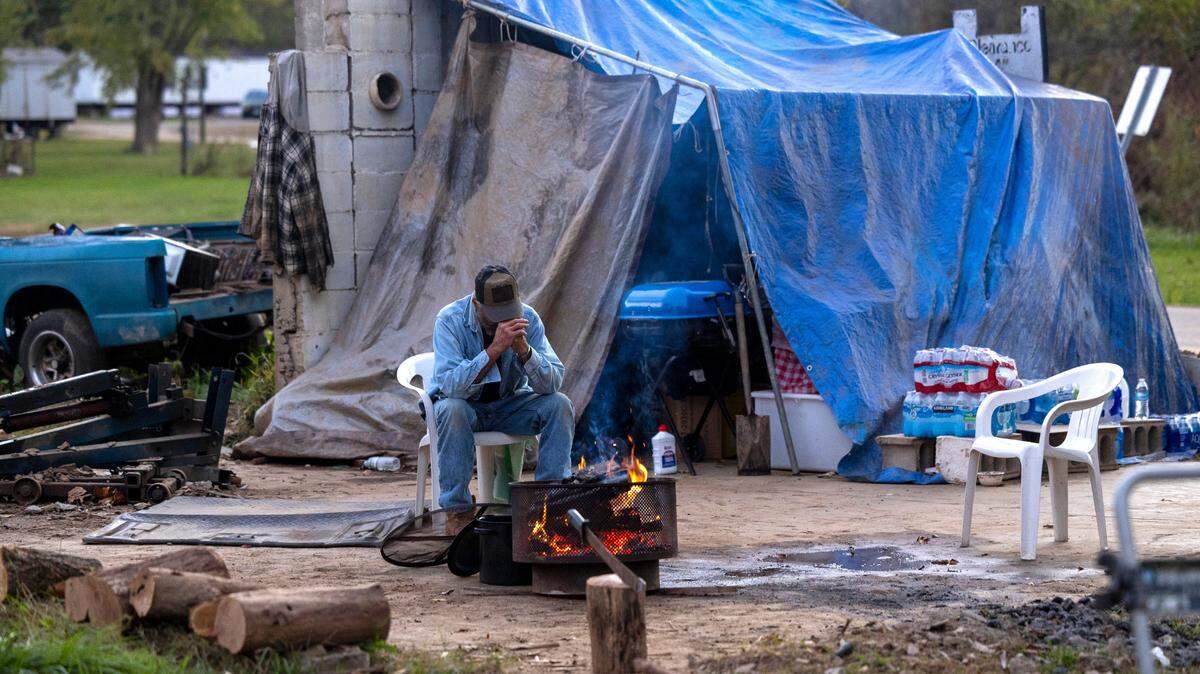
Stories of Helene, Chappell Roan’s rise and an NHL player’s gambling addiction stay with us
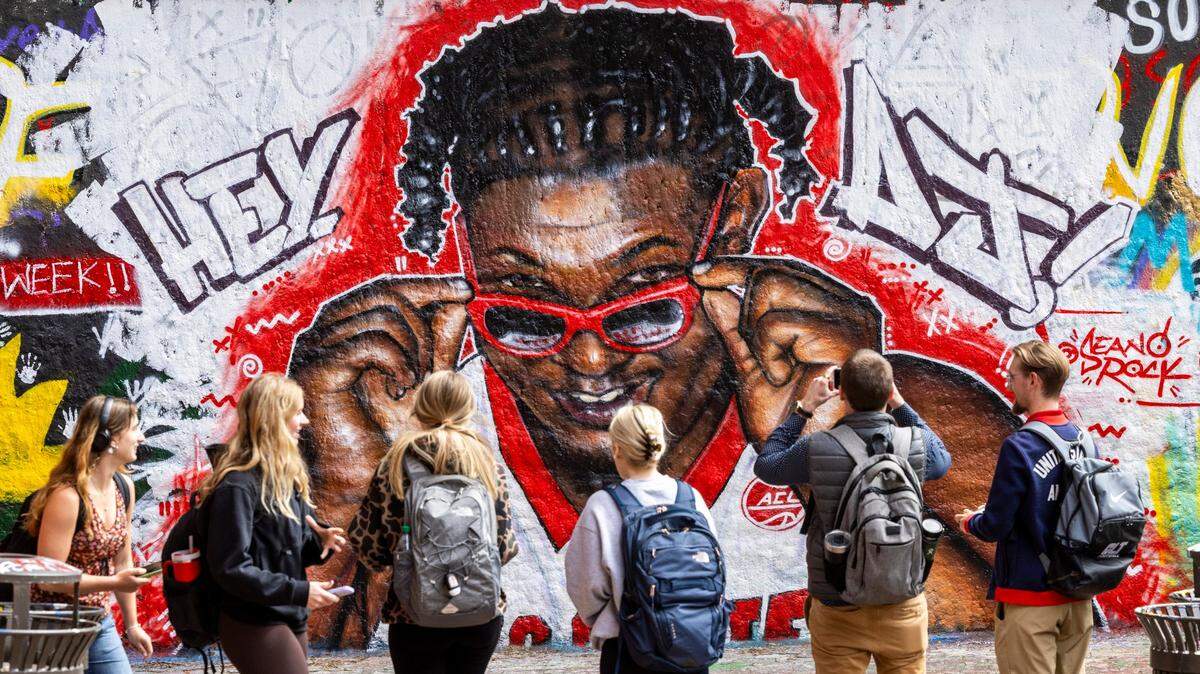
We embrace a Final Four run, help you save on groceries and warn of insurance rate hikes
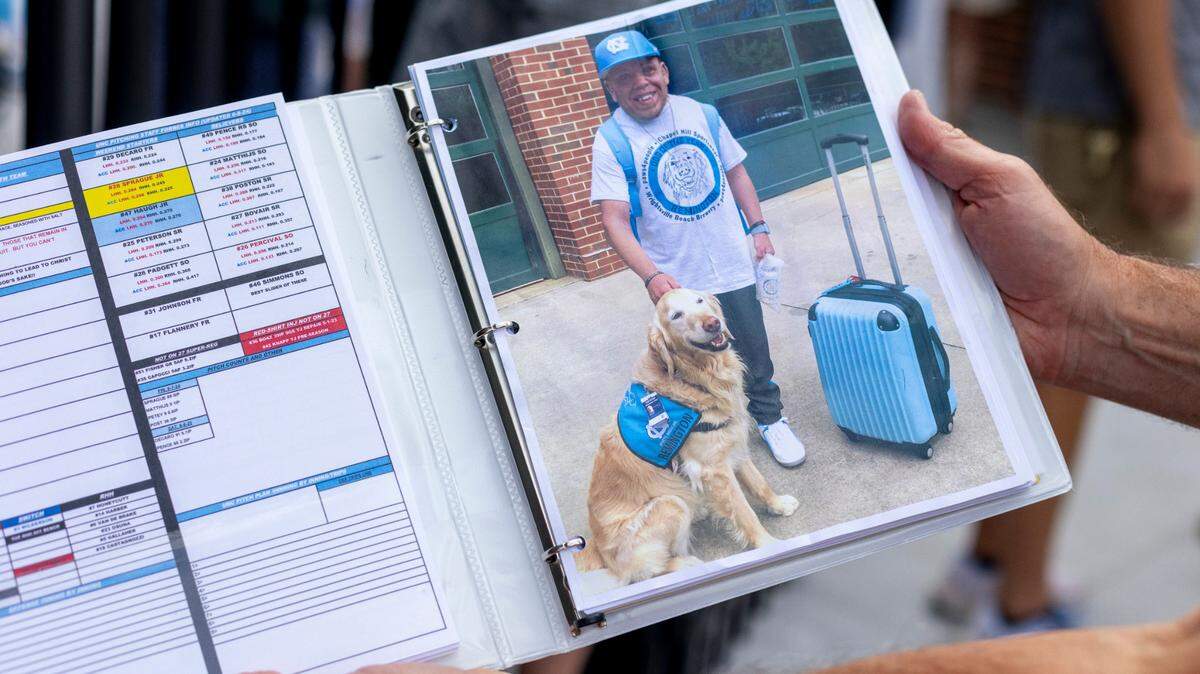
We dig into road surveillance and DEI at colleges and remember a bat boy gone too soon
As 2024 comes to a close, we, The N&O staff members, share the coverage that affected us the most professionally and personally.
These are those unforgettable stories.
This is Part 4 of a four-part series.
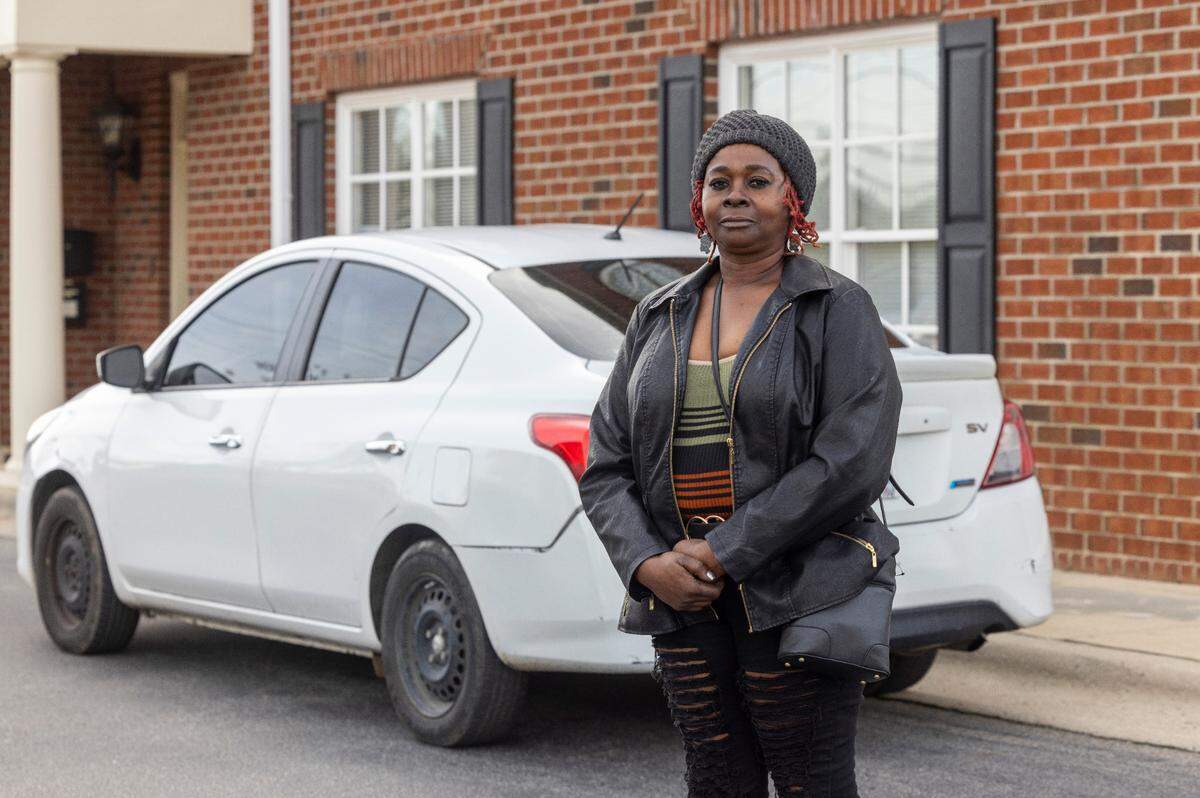
The growing scale of silent surveillance on NC roads
Tech makes many things easier, including police ramping up surveillance on public roads, former News & Observer reporter Tyler Dukes showed in his Private Eyes investigation.
Dukes captured surveillance growth across North Carolina and revealed how law enforcement across the country can easily tap into what cameras here capture.
The devices do help solve crimes. They cause problems too. Jacqueline McNeill learned that while driving home to prepare for her goddaughter’s funeral.
Cameras had recorded a white sedan near a shooting in Fayetteville days before. License plate readers spotted McNeill’s similar car a few minutes away too.
After cruisers surrounded McNeill, officers put her in handcuffs and accused her of a crime she had no link to.
She never reached the funeral.
Cathy Clabby is McClatchy’s Southeast investigations editor
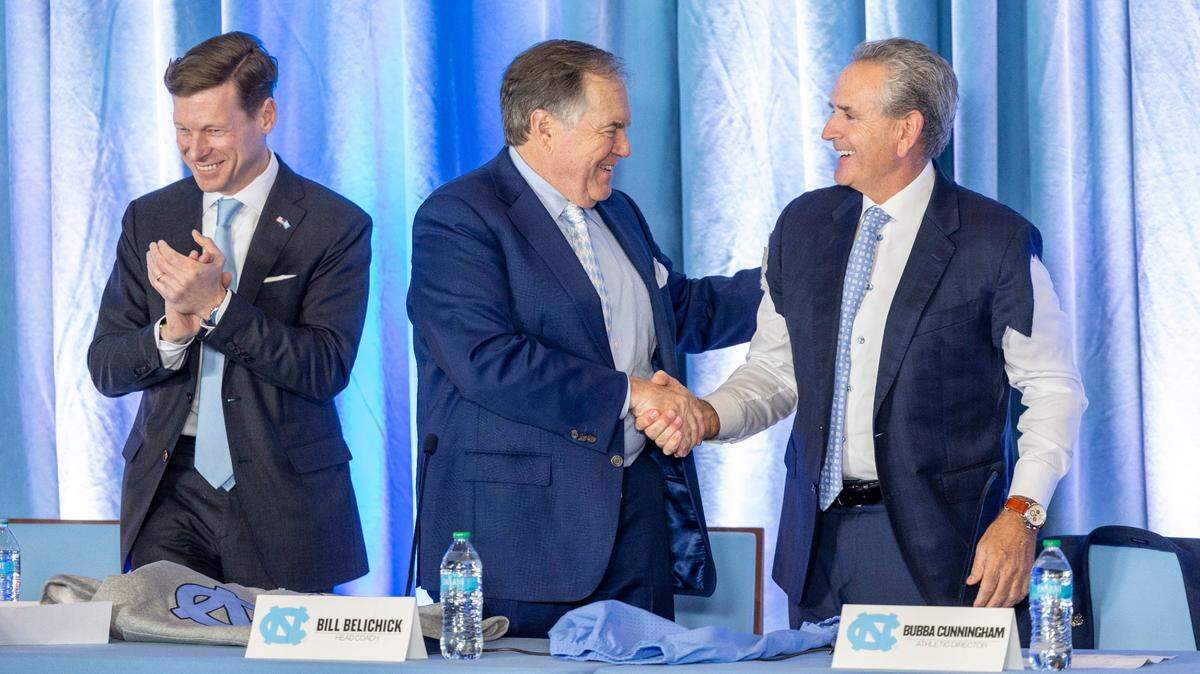
Bill Belichick and his cut sleeves now coaching at ... UNC?
I’ll be the first to admit that the sight of Bill Belichick in Carolina blue and athletic director Bubba Cunningham wearing a suit coat with the sleeves cut was not on my bingo card for the year, but we saw all of this last week with the six-time Super Bowl-winning coach being hired as UNC’s next head coach.
Throughout the year, our sports team focused on the changing landscape of college athletics, specifically in the ACC, as SMU, Stanford and Cal joined the conference and the lawsuits continued for Clemson and Florida State against the league. And now we have the addition of Belichick to college football, which will be a major storyline into the next year.
Andrew Carter’s recent Inside Look took us behind the scenes on how this historic hire came together. UNC has shown it’s ready to make a significant investment in the sport, and Belichick’s hire is arguably the boldest move of any school.
As a college football fan, I’m excited to see how this comes together.
Elizabeth Walters is the assistant managing editor

Sports betting puts pressure on athletes
On March 11, the day before the ACC Tournament began in Washington, D.C., sports betting became legal in North Carolina.
That’s not saying sports betting began that day because thousands of people had been placing bets illegally on games for decades.
But when North Carolina became the latest state to legalize sports gambling, allowing bettors to use their phones to place wagers, the atmosphere around sporting events here began to change.
For college athletes, it represented yet another form of pressure headed their way. Fans sitting in the stands, a few feet away from the action, can place bets on the outcome as they watch the games. Winning or losing as a basketball player at Duke or a football player at N.C. State brought enough vitriol from rabid supporters on either side.
Money offered something different.
“You get a few fans who are fans of other teams that are mad,” Ryan Young, a Duke basketball player from 2022-24, said last year. “But I think it’s like 70% to 80% of people that are mad on social media are mad about a bet not hitting because of something you or the team did.”
Thus far, thankfully, there haven’t been any reported cases of athletes facing the kind of harassment that crosses the line to become illegal. No scandals involving point shaving or sharing insider information have cropped up.
That’s good. As gambling supporters say, and research shows, legal sports betting makes things safer because it’s all above board. If the point spread on a certain game changes dramatically, or a game with seemingly little interest draws an unusual amount of action, security is in place to investigate and stop all related bets.
Still, the threat is out there and it’s not going away.
Steve Wiseman is a sports editor and reporter
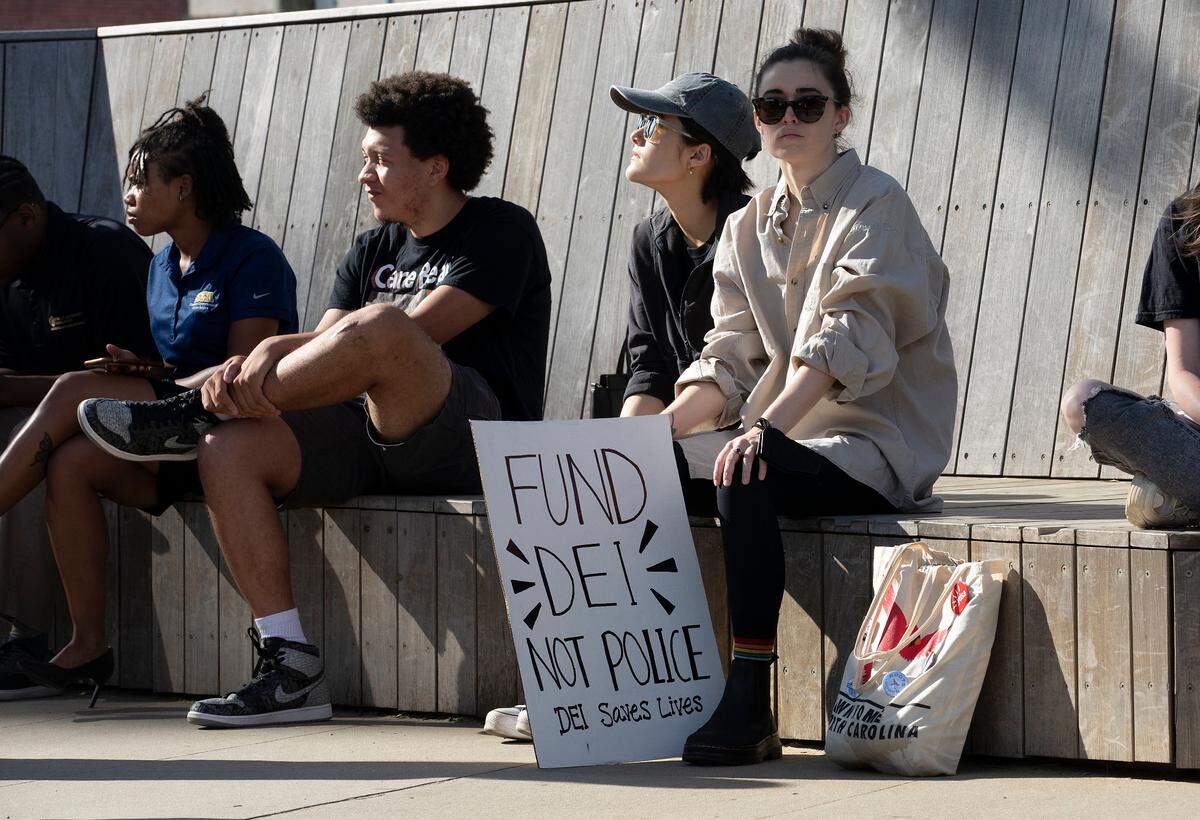
A snapshot of DEI initiatives at public universities in NC
North Carolina’s public universities aren’t always eager to volunteer information about their inner workings to the people who pay for them — you and me — but thankfully, their records belong to us as well.
And public records are essential in telling the story of dramatic changes happening in the UNC System right now.
North Carolina this year followed in the footsteps of Florida and Texas in banning DEI initiatives at public universities, but it wasn’t immediately clear what the impact of the UNC Board of Governors’ decision would be. Leading up to the board’s vote and for weeks afterward, officials kept the policy, and their comments on it, mostly vague. Even after more details emerged, it was uncertain exactly what programs would be affected.
Higher education reporter Korie Dean worked to find answers, from the beginning of the debate all the way up until her recent account of how the policy affected university mission statements. Especially memorable is one early story for which Korie obtained public records from 14 schools detailing their diversity, equity and inclusion programs.
We also published that data in a list and chart, providing a never-before-published snapshot of what DEI initiatives looked like before state leaders intervened.
Jordan Schrader is the politics editor
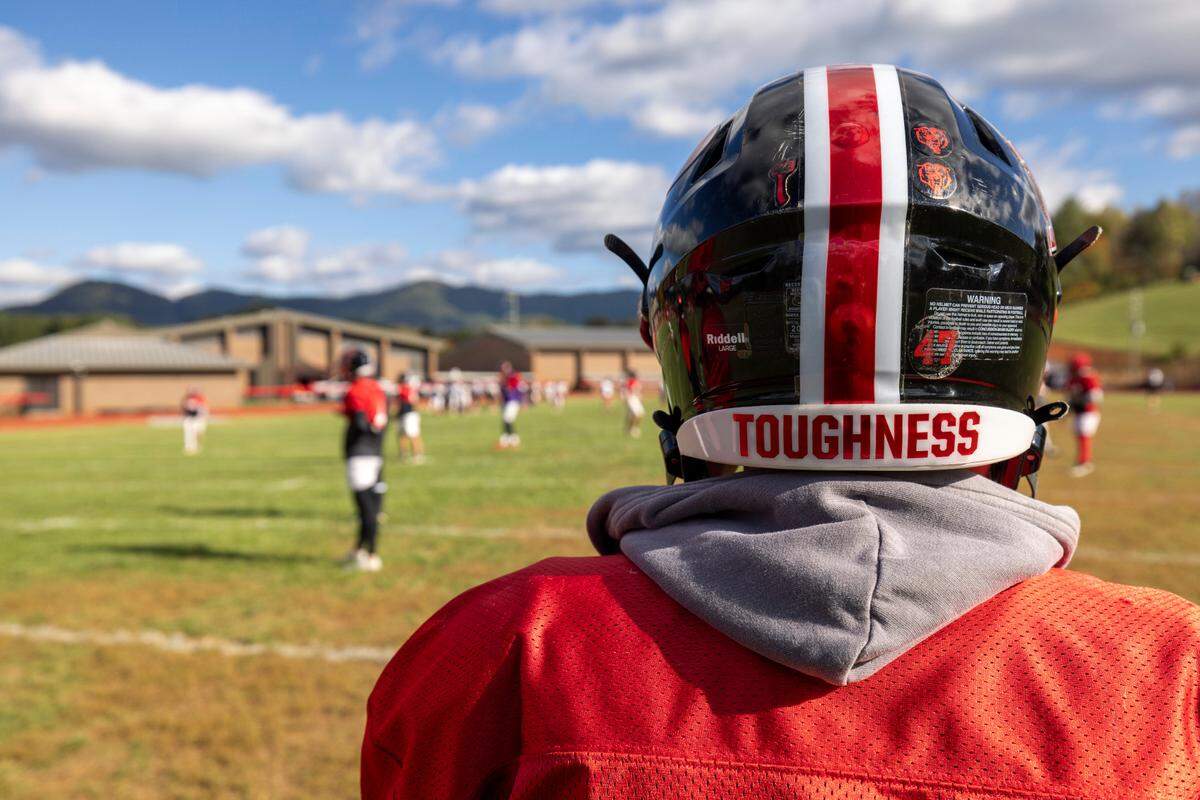
A football stadium becomes a symbol of hope, resiliency
High school football in North Carolina is not what it is in, say, Texas.
Except in parts of Western North Carolina. And except in Canton, especially.
For decades, Pisgah High’s Memorial Stadium, right off Main Street, has been a place of gathering and community on fall Friday nights. Crowds of more than 10,000 for bigger games are not uncommon and, at kickoff, they sound the old whistle from the paper mill that shut down after 115 years.
But several floods in recent years have left the beloved stadium underwater. And then came Helene. The storm left the field submerged and ruined. The field goal posts were pushed askew, the concession stands washed out. A thick layer of mud covered just about everything.
In the aftermath, it seemed impossible that the stadium would host another game this season. Locals were crushed that Pisgah would not be able to host rival Tuscola High in what’s annually the biggest rivalry game in the state. But crews worked for weeks, non-stop, to repair the damage. And days before that game was scheduled, Pisgah got word: the stadium was in shape, after all. The Tuscola game could go on.
Thousands came out in a moment of recovery, and hope. And that old whistle roared again.
Andrew Carter is a sports reporter

Trump’s back-to-back campaign stops in the final stretch
After losing North Carolina to Donald Trump twice, Democrats were cautiously optimistic about their chances of winning the state this year.
Heading into the final stretch before Election Day, most polls showed Trump with a slight lead that was well within the margin of error.
And then, with two weeks left to go, Trump began to rack up back-to-back visits to the state. He squeezed in three stops on Oct. 21, before returning the next day for a rally in Greensboro. Then again, the weekend before Nov. 5, Trump held three rallies across the state before finishing his campaign here the day before the election with a final rally on the state fairgrounds in Raleigh.
Democrats were buoyed by the Trump campaign’s push to spend so much time here in the final days, confident that it meant he was worried and trying to shore up support at the last minute, but Republicans maintained they felt good about the former president’s ability to produce another win in North Carolina.
In the end, Trump managed to win by more than three percentage points, improving on a narrower result in 2020. He also, for the first time, won more than 50% of the state’s vote.
Some of the Trump supporters I spoke with at these rallies weren’t sure if certain GOP candidates like Mark Robinson would be able to make it across the finish line. But they said they never doubted Trump’s chances.
Avi Bajpai is a politics reporter
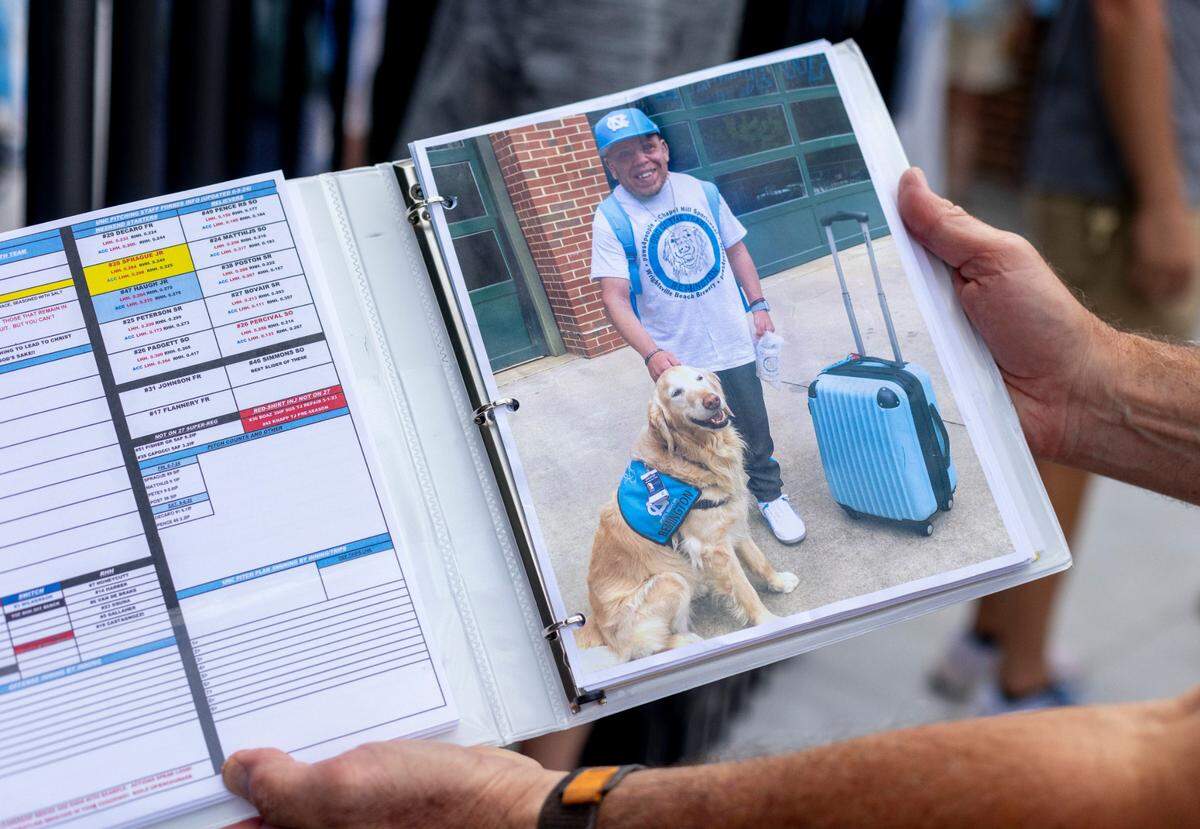
A bat boy’s profound effect on UNC baseball
Jacob Ray “J.R.” Anton wasn’t just a fan or a North Carolina bat boy; he was a part of the UNC baseball family. His life, filled with challenges posed by Hunter Syndrome, was also filled with joy, connection and his unwavering support for the Tar Heels.
What struck me most was how deeply Anton, who died on May 6 at 31, impacted everyone around him. From his insistence on using his own nicknames for the players, to the way he became a constant presence in the dugout, his story highlighted the power of inclusion.
Writing about Anton’s journey with UNC baseball — how he went from a 13-year-old boy in Omaha to an honorary team member — reminded me of the profound impact sports can have beyond the game itself.
Writing this story was a privilege. Anton’s legacy isn’t just about his love for baseball; it’s about how love, in any form, can bring people together, even in the most unexpected ways.
Shelby Swanson, a former intern, is a continuing sports freelancer
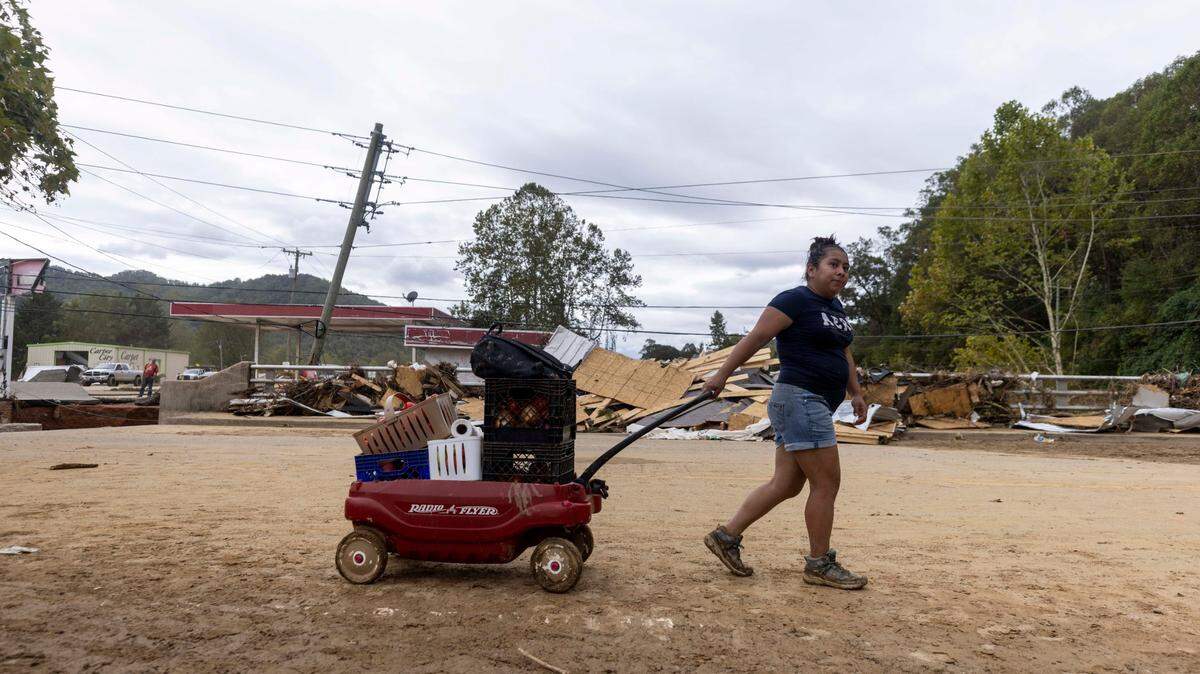
A unique perspective on covering a storm
Those words from The N&O’s Travis Long, one of the first visual journalists on the scene when the waters in Western North Carolina started to rise, summed up the devastation the mountain region experienced in the aftermath of Hurricane Helene.
Travis, who has covered more than 20 major storms, also has family in Cherokee, and was one of the many journalists on our staff who documented the heartbreaking impact of the storm in images and video on the ground and with his drone. He was also trying to survive in the harsh conditions left by the storm.
After a week of covering Helen’s destruction, growth producer Laura Brache caught up with Travis taking a much-needed break at his family’s place in Cherokee, where he shared his experiences on a video call.
Travis had a unique perspective of what folks were going through as they tried to dig out and survive. His insights were poignant and profound, and the story we were able to tell with his words, photos and video resonated with our readers.
Working with such talented people to tell stories from our community is why I love my job.
Kevin Keister is a video producer
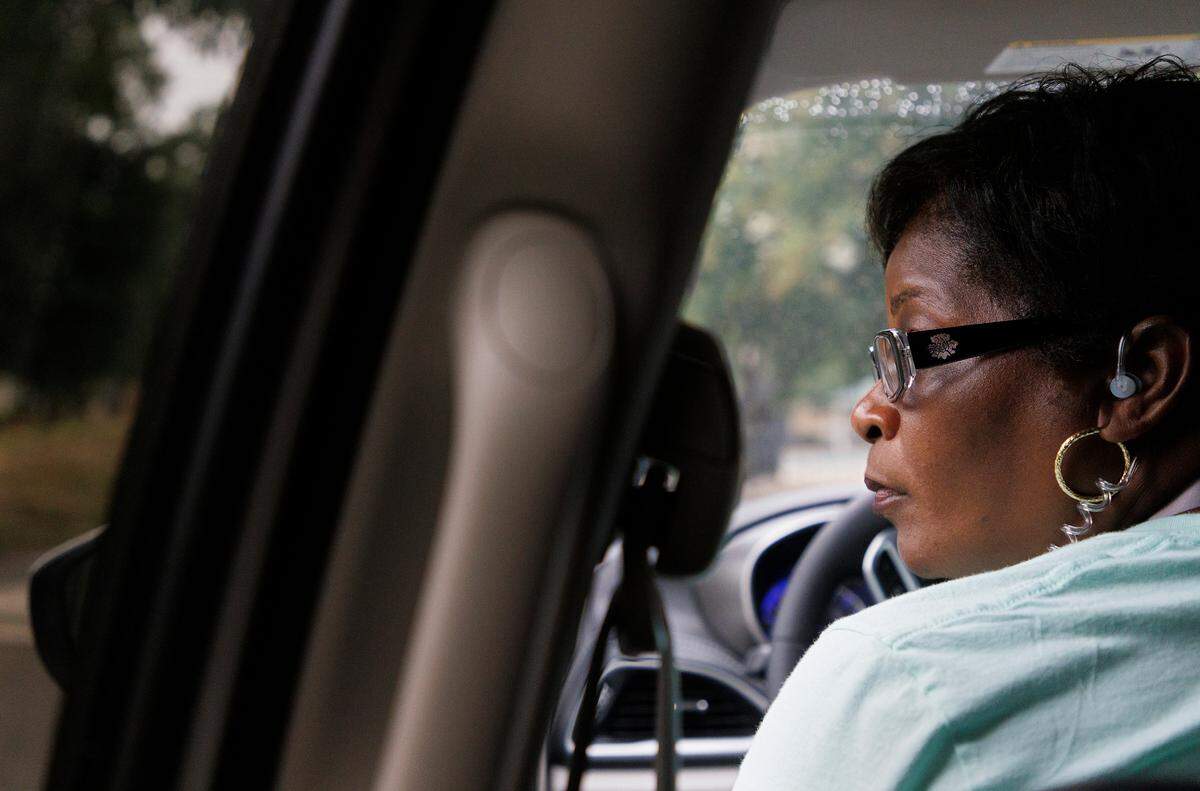
On the call with Durham’s HEART team during a life-threatening heat wave
During the hottest week of 2024, I went on a call with a team of social workers from Durham’s HEART program, an alternative to policing the city has embraced in the past two years.
My favorite days on the job are spent with people who love their work, so spending a shift with Tydricka Lewis, Gwen Baggett and Ivonne Saldana was moving, despite the grim circumstances we met with.
A chronically ill woman walking through Long Meadow Park was dangerously sick — perhaps from the heat; she slept outside — and the HEART clinicians gave her food, water and supplies, plus called EMTs over to check her vitals.
This holiday season, I feel so thankful Durham has these women, and dozens more like them, who spend their days working to improve the lives of our city’s most vulnerable.
Mary Helen Moore is a Durham reporter
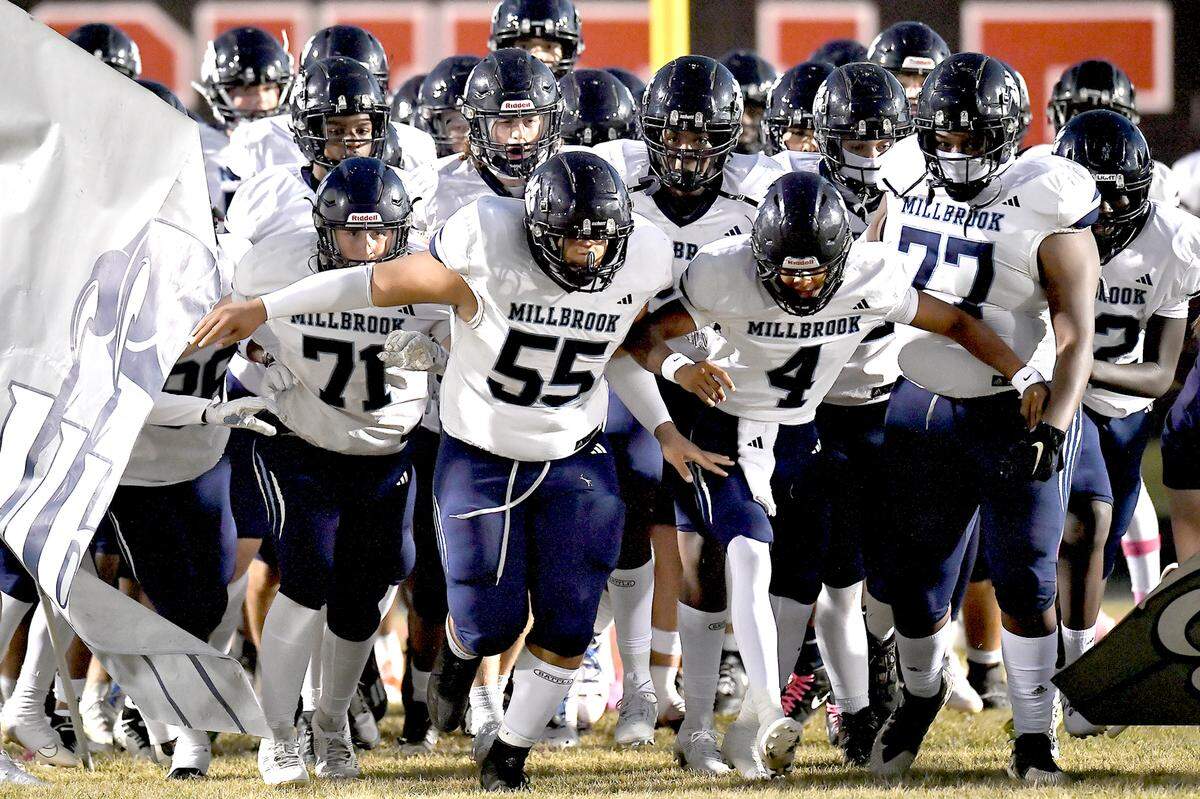
NIL deals await public high school athletes
After the ACC invited two California schools and one from Texas to join the conference last year, I posed this question: What’s in store for the “ACC” next year? For college sports in general? Who knows, but none of us will have predicted it.
Who would have predicted NC State’s men’s basketball ACC championship win and subsequent run to the Final Four? And did anyone see Florida State football dropping from first to last in the conference?
But I should have asked, “What’s in store for North Carolina high school sports?”
We got our answer in November when the State Board of Education gave preliminary approval to proceed with allowing North Carolina’s public school athletes to monetize their NIL rights.
Basically, this means public high school athletes, like their private school peers and college athletes, can now make money off of their name, image and likeness once the rule goes into effect for this school year on Feb. 13.
Reports show that college athletes are earning as little as $10 for public appearances and as much as a few million dollars for the star athletes from NIL deals.
So how much will NC high school athletes bring in next year for themselves and their families through deals with local businesses and various other entities and individuals? It’s not likely to be millions, but it might be much more than you’d ever think for a teenager who this summer cut your grass for $25.
David Raynor is a data reporter
Some lawmakers’ big spending with little scrutiny benefits insiders
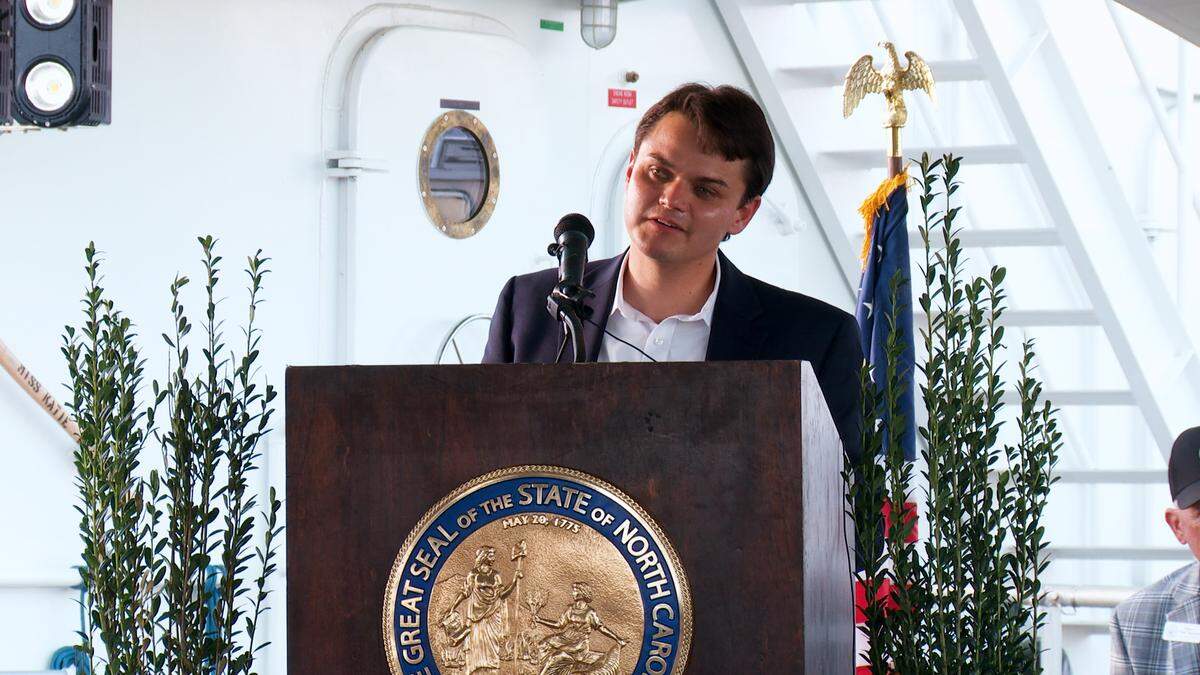
When a political party has so much power over the state legislature that its members can spend billions of your dollars with little scrutiny, it makes sense to try to find out who’s benefiting.
Hence our Power & Secrecy series which has reported several examples of lawmakers spending in ways that helped themselves or people with connections. What I didn’t know going in is that federal authorities were also seeking answers.
I found that out while reporting on the good fortunes of former legislative aide Jordan Hennessy, who had become the CEO of a new dredging business staked with $15 million in the 2018 state budget and a founder of a new affordable housing business staked with $35 million in the 2021 state budget (the latter was later rescinded). In both cases, state lawmakers gave the money to Dare County, under conditions that were favorable to both businesses.
Federal authorities are now investigating both expenditures after looking into another state legislative expenditure I wrote about in 2021 — $3.5 million to Caitlyn’s Courage, a nonprofit fighting domestic violence — that Hennessy was also involved in.
Dan Kane is an investigative reporter
An incredible story of escaping Helene’s floodwaters
When News & Observer photographer Robert Willett and I first saw Susan Figetakis, it took a few minutes to get her attention.
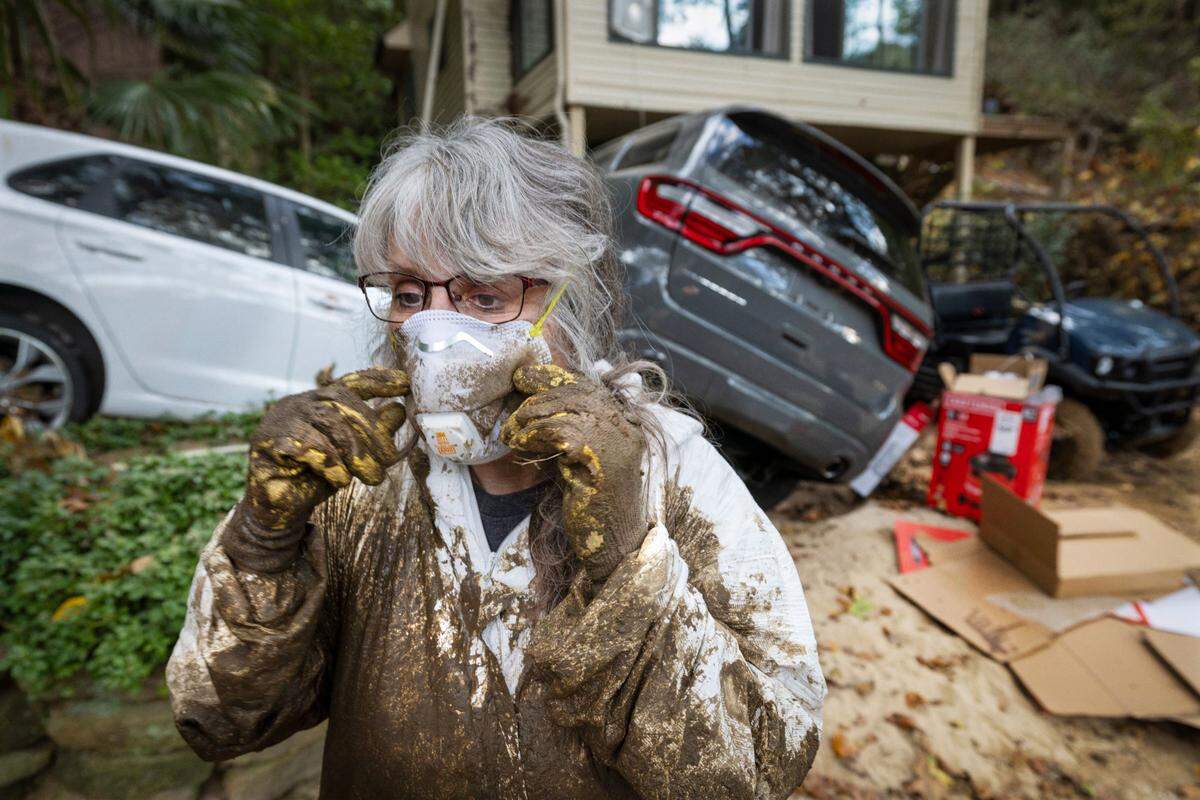
We called out, but it’s hard to raise your voice over the thrumming of generators and running fans that were drying out her home on Green River Cove Road outside of Saluda. And Figetakis, her white hazmat suit turned brown with slick mud from the shoulders down, was intent on clearing flood-sodden belongings out of her walk-in first floor.
We’d walked most of the way down Green River Cove Road, whose 17 switchbacks are tricky even in the best of times but more difficult to navigate when they’re slick with mud and the straightaways are marred by numerous landslides. At the bottom, the river basin was marred by what must have been thousands of fallen trees, with almost everything in sight covered in mud.
Figetakis lived on the southern side of Green River Cove Road. When we visited in the days after Helene, the northern side of the road and all of the houses that had been there were just gone. I couldn’t even begin to understand it until I returned to my computer and pulled it up on Google Maps, shocked to find that the river channel had once sat about 250 feet away from Figetakis’ home.
As the river swelled on that fateful Friday, Figetakis decided she had to get out. She bundled her cats into the third floor of the home, packed some things and started to climb the mountain. When Figetakis told us this story standing under a sunny sky days later, her eyes set on a point somewhere over my shoulder, seemingly a point somewhere in the past. She talked about the loud crashing of trees and landslides and about sending texts to her partner in case she didn’t make it.
Thankfully, Figetakis did make it. And when we talked in October, she was starting to think about how to rebuild despite lacking flood insurance.
In so many ways, Figetakis’ story has come to exemplify how I think about Helene. It was a storm whose impacts were more significant than so many could have imagined. It was one where so many, like Figetakis, found themselves taking extraordinary measures to survive. And it was one that has reshaped Western North Carolina, leaving uncomfortable open questions about the region’s future.
Adam Wagner is a climate and environmental reporter
Following the Wolfpack to the Final Four in Phoenix
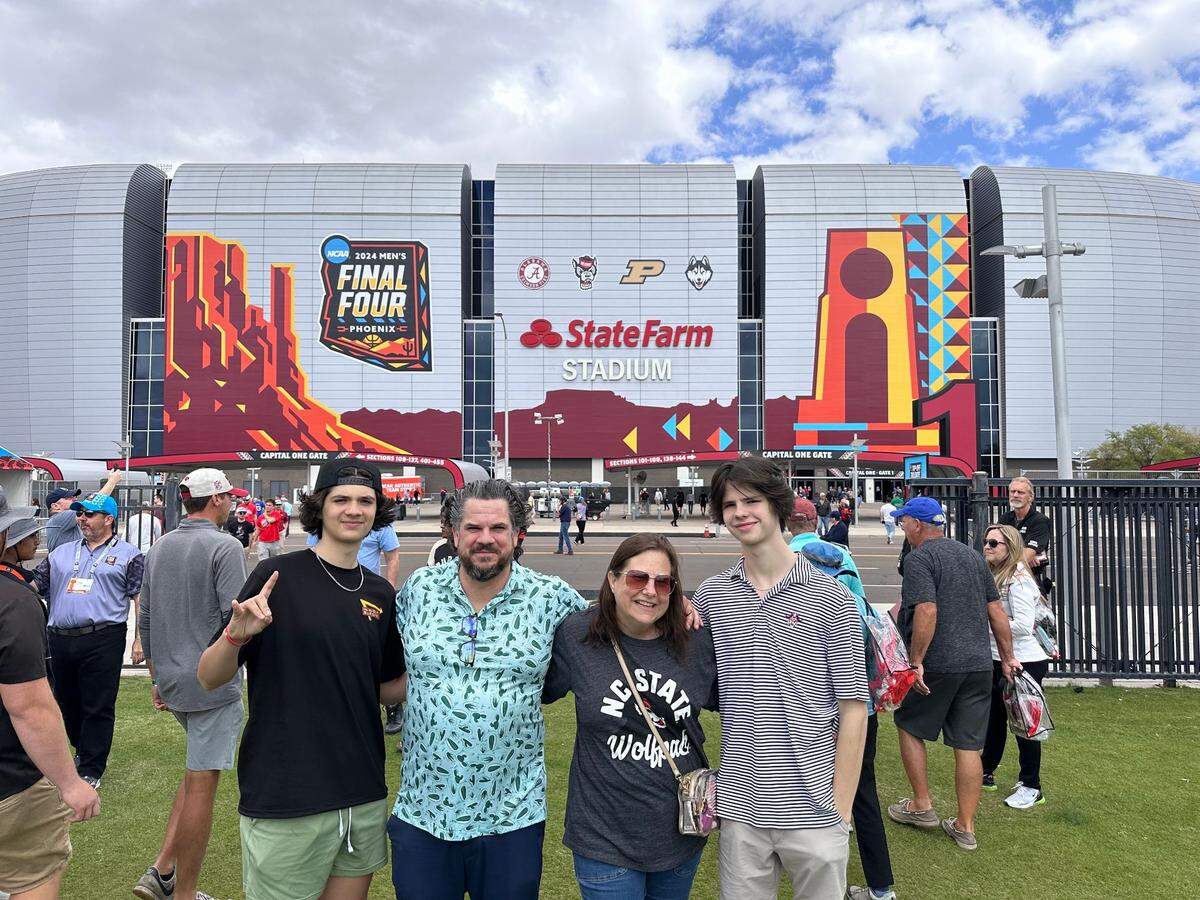
I started taking my kids to Wolfpack football, basketball and baseball games when they were small. My husband, Joe, an NC State grad, worked weekends, so it was an easy, fun thing for me to do with them.
When my oldest son James went off to East Carolina in 2023, Joe and I wanted to do something special with Jackson, our youngest.
So we got season tickets for NC State football. No longer an N&O sports editor, I embraced the tailgates, the atmosphere and the Wolfpack.
Fast forward to March, Jackson and I stressed through almost every shot of every ACC and NCAA tournament game from the same recliners while wearing the same unwashed outfits. We screamed at the TV. We paced. We took deep breaths. We laughed. And we cheered. HARD.
After the Wolfpack took down Duke in an Elite Eight nail-biter, we flew west.
Because when the Wolfpack makes it to the Final Four for the first time in 41 years, you go.
NC State lost to Purdue in that Final Four game, which happened to be on James’ 19th birthday.
But that loss didn’t matter. The experience with my family did. The emotions from that magical red-hot Wolfpack run and the trek to Phoenix will forever stay with me.
Jessaca Giglio is a flex editor with McClatchy and the editor of this project