
Stories of Helene, Chappell Roan’s rise and an NHL player’s gambling addiction stay with us
READ MORE
The unforgettable stories of 2024
N.C. State basketball. The election. Hurricane Helene. These are the stories that affected The N&O’s reporters, editors and photojournalists the most.
Expand All
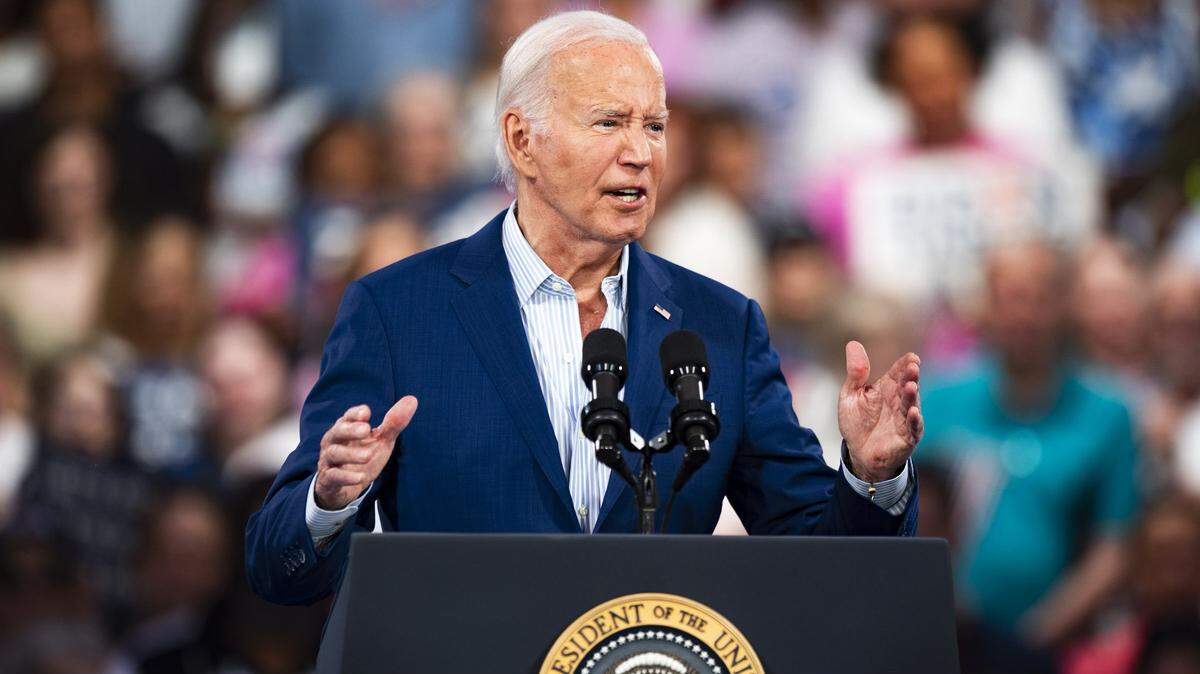
We watch a debate change an election, learn from a coach’s perseverance and study wolves
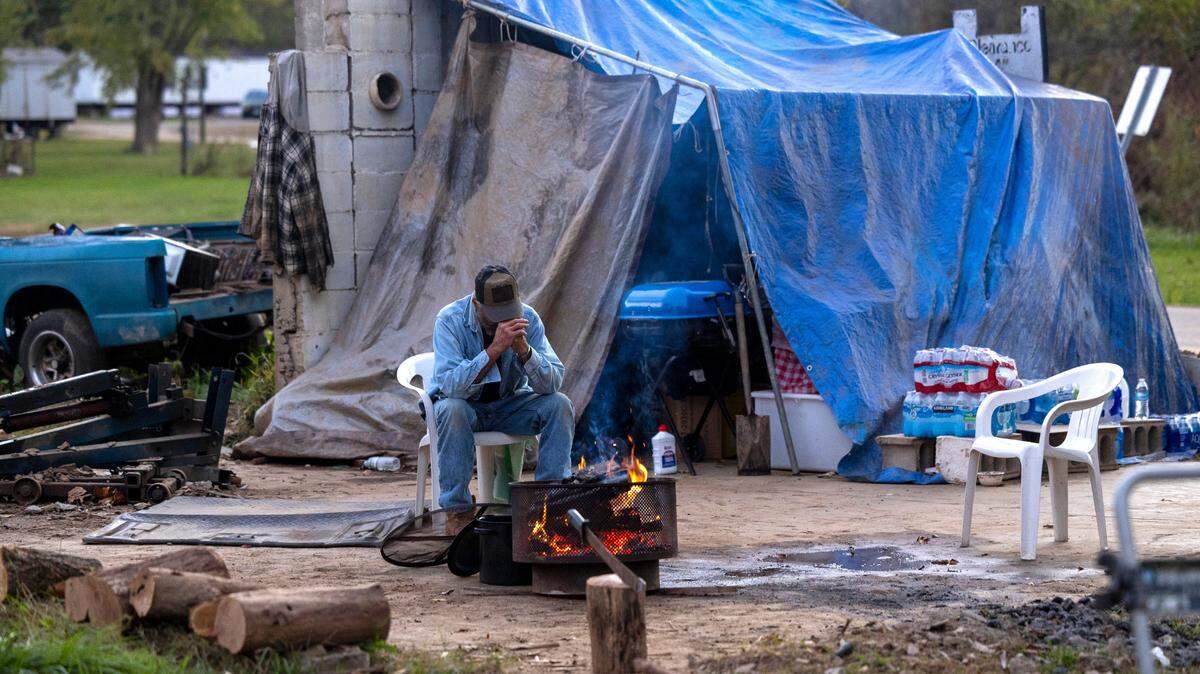
Stories of Helene, Chappell Roan’s rise and an NHL player’s gambling addiction stay with us

We embrace a Final Four run, help you save on groceries and warn of insurance rate hikes
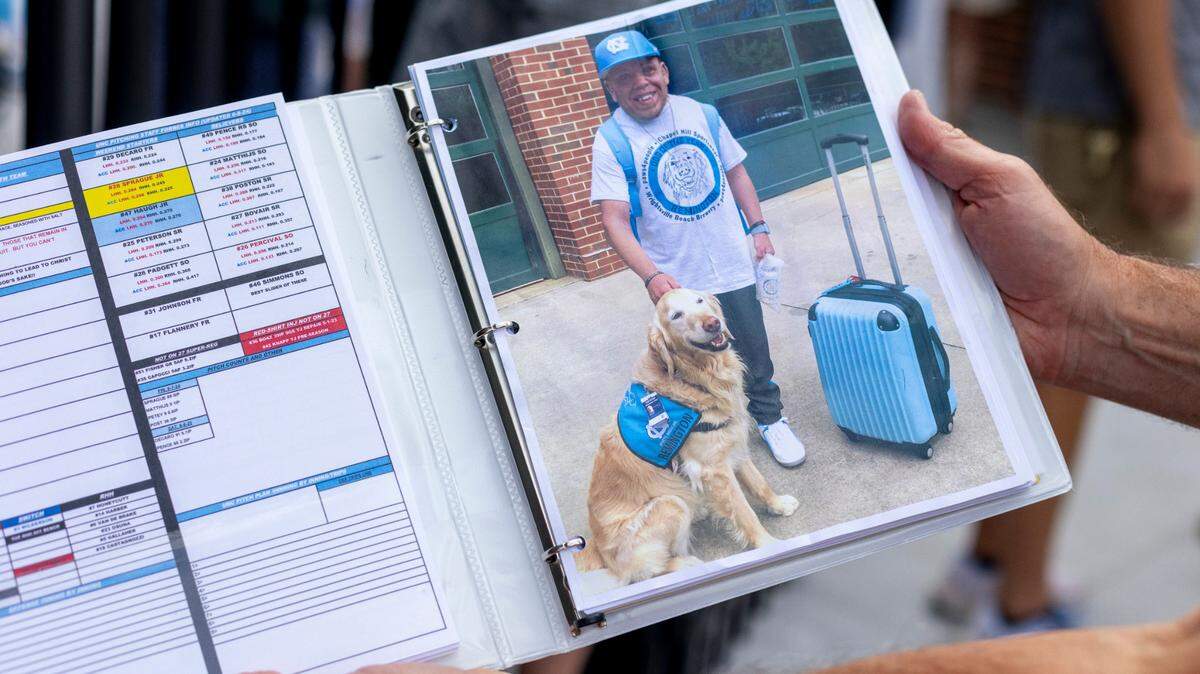
We dig into road surveillance and DEI at colleges and remember a bat boy gone too soon
As 2024 comes to a close, we, The N&O staff members, share the coverage that affected us the most professionally and personally.
These are those unforgettable stories.
This is Part 2 of a four-part series.
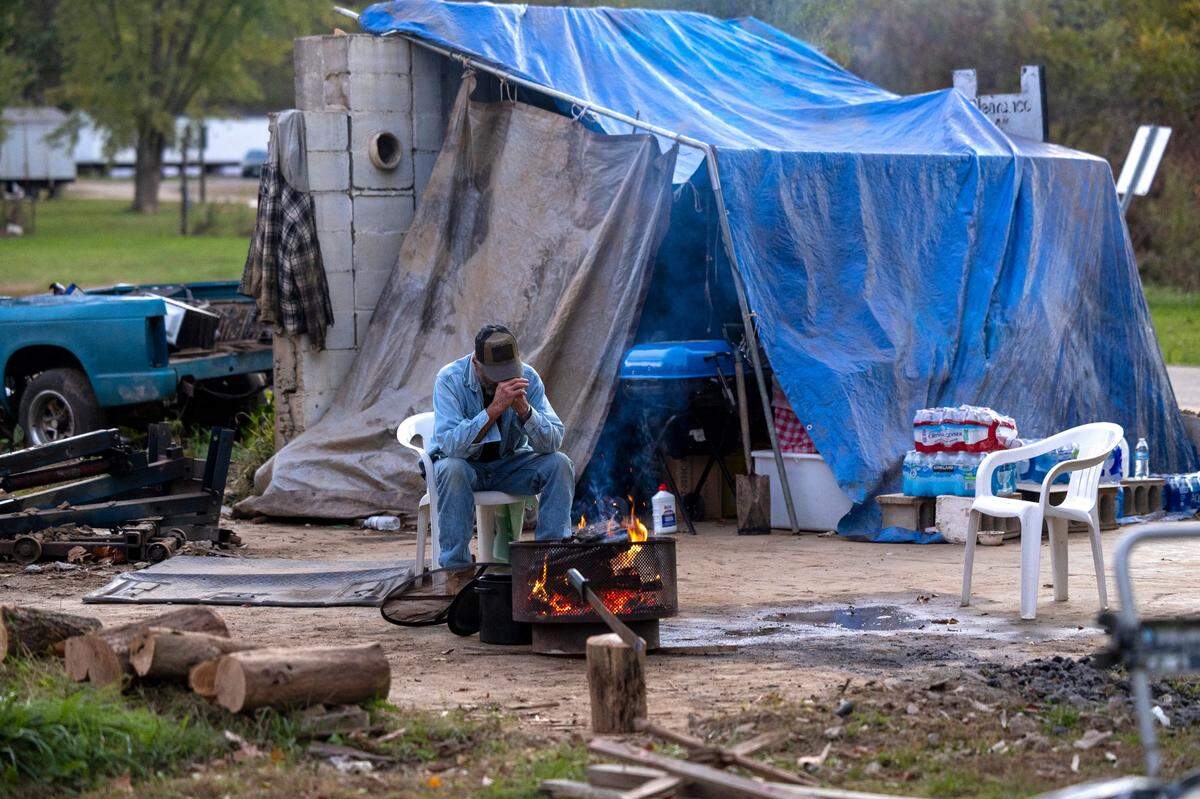
Helene’s flooding turns one NC small town to mud
In mid-October, I spent a couple of days working in Haywood County, documenting the damage from Hurricane Helene in the small town of Clyde. The Pigeon River, which runs adjacent to Broad Street crested at its highest level in nearly a century. More than 25.8 feet of water from the river flooded almost every structure along that road.
I first met Quint Earl Barker, who I found living in a tent, after the Pigeon River flooded his home at the height of the storm just two weeks earlier. He had built a fire to cut the chill of a cool October evening.
At the other end of Broad Street, I found a vehicle covered with several inches of mud, brought by the flood waters, and left to dry.
Robert Willett is a photojournalist
Fasting through a run to the Final Four
NC State’s run to the Final Four last season was nothing short of spectacular. No one, and I mean no one, thought they could string together that many wins and go on that kind of heater. And, if you say you did, I know you’re lying.
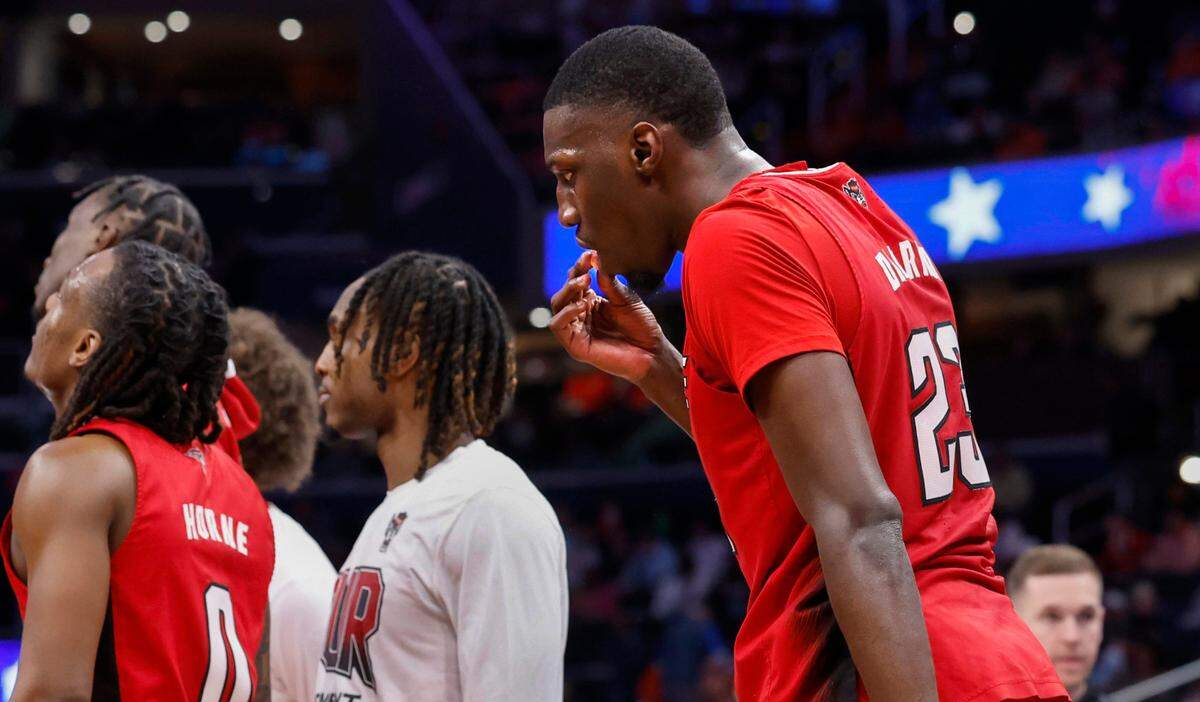
The NCAA tournament fell during Ramadan, though, and that’s where Luke DeCock’s story began. Luke wrote about how Mohamed Diarra, a Muslim, fasted during the tournament and how keeping his ability to play intact was a team effort. Diarra fasted from sunrise to sunset each day during Islam’s holiest month. And only after the sun went down was team nutritionist Jesse McGinley able to offer him some sustenance.
What impressed me was how consistently Diarra was able to be on the court without any food.
But, the French transfer forward told Luke, “I think I’m prepared for that.” “It’s not my first time doing it. I ask God for the strength to play and not be too tired. And I think I’m really in good shape.”
I love that while Diarra was so calm about it, the training staff worked with him to make sure he had a snack and a drink ready to go at sunset. Plus, his teammates saw him as an inspiration.
I appreciate Luke for telling the story of who Diarra is outside of being an athlete.
Drew Hill is an audience growth producer
Call for donations to NC’s only milk bank became personal
The word of the year for my family has been parenthood.
Specifically for me, motherhood and all things related to it, like breastfeeding. I knew from the moment I found out I was pregnant that I wanted to breastfeed my baby.
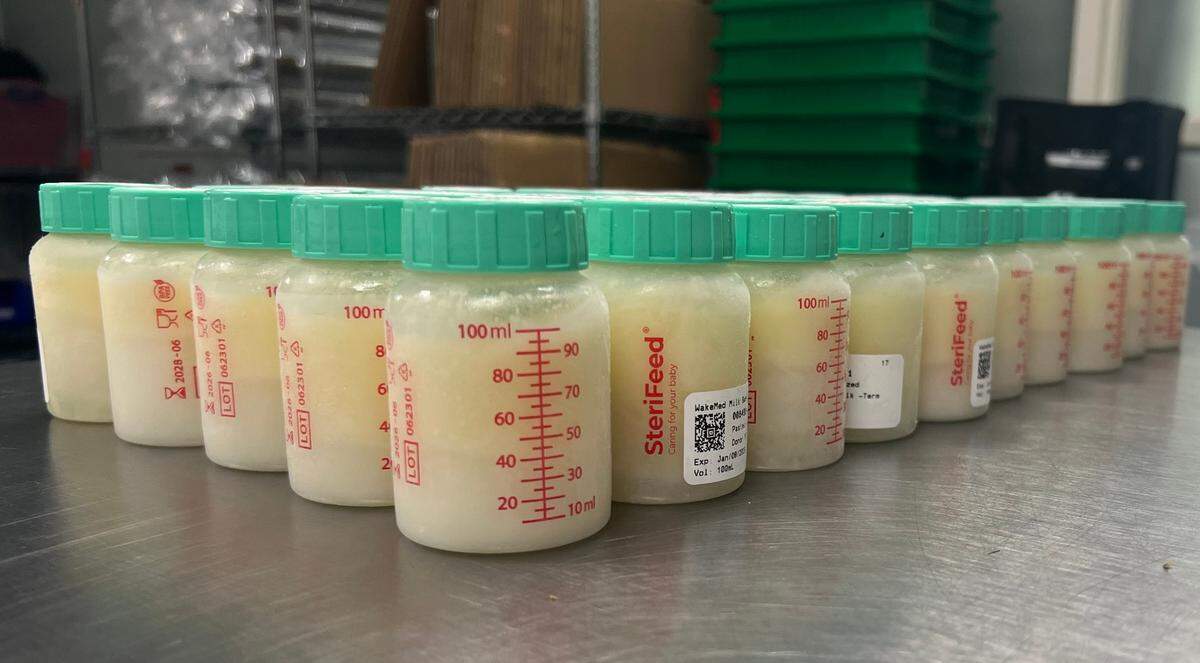
A few days leading up to my daughter’s birth on May 22, my colleague Kristen Johnson (who was also expecting her first child) wrote about the WakeMed Mother’s Milk Bank needing donations. That was the first time I’d ever heard of a milk bank, let alone that it was North Carolina’s only one.
After a complicated birth, Victoria Elise was born about two weeks before her due date. While she, thankfully, didn’t have to spend time in the NICU, my milk hadn’t come in and I wasn’t able to feed my baby on my own. Our providers offered formula or donor milk. I opted for the latter, thanks to my familiarity with the program through Kristen’s article. When the nurse brought the milk into the room, it came in one of the same containers pictured in Kristen’s story: a clear plastic bottle with a turquoise lid and a Milk Bank sticker on top.
Fast-forward five months later, my supply is fully established and I make more than what my baby needs. In what felt like a full-circle moment, I was able to donate 249 ounces of milk to the Milk Bank on Nov. 14 and plan to continue to donate for as long as I’m able.
I’m grateful Kristen was able to spread the word about this program.
Laura Brache is an audience growth producer
Capturing the rising star of Chappell Roan
This past summer, we had the honor of having UNC student Heather Diehl as our photo intern. Diehl came into the first day of her internship with a pitch to cover musician Chappell Roan in concert at Red Hat Amphitheater and to capture her resonance within the young LGBTQ community.
I try to keep up with music, but had to admit that I had no clue who Chappell Roan was, at least not at that point. Lesson learned — always trust a good intern, especially Heather.
At this point in the tour, Roan’s tour had stopped credentialing photographers, but Diehl worked all of the angles and then some, to get access as the only photographer covering the Raleigh show, and in the process, captured the energy of a rising star and the passionate fans.
Scott Sharpe is the visuals editor

Ham radio operators help when disaster strikes
I wasn’t among the journalists who ventured to Western North Carolina after Helene, so I didn’t see firsthand the damage the storm caused.
However, written and visual reports helped illustrate the depth of the devastation. With power gone and roads destroyed, families and friends were separated and unable to communicate with each other. I can’t imagine how horrifying that was.
It’s why hearing from ham radio operators about their contribution to recovery efforts was so illuminating. These hams didn’t hesitate to lend an ear and a voice to help with search-and-rescue and provide condition reports.
I had thought of ham radio as just a hobby. It’s old tech, sure, but old tech is exactly what you need when conveniences like cell signals and the internet fail.
Renee Umsted is a service journalism reporter

Resilience in the wake of two shooting deaths
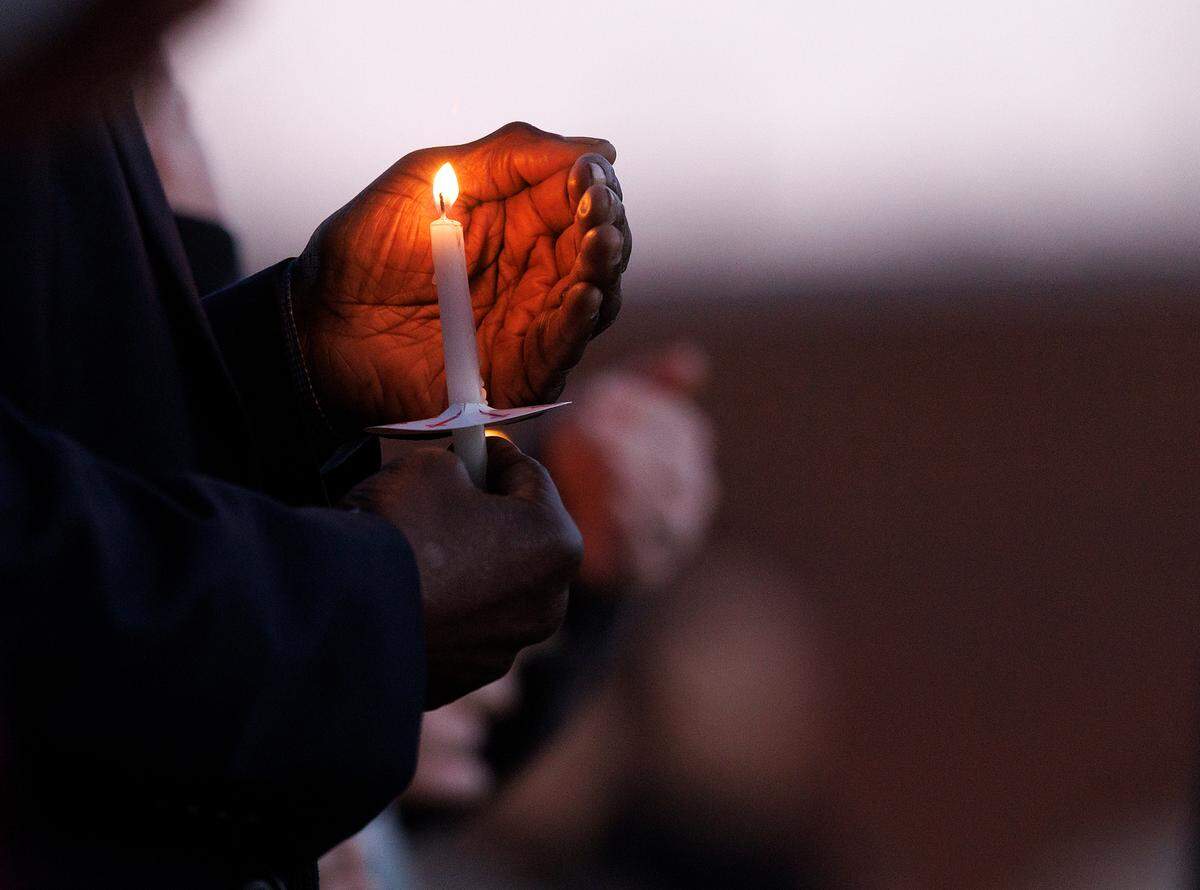
When Nancy Taylor, 69, and Gabrielle Raymond, 37, were shot and killed in Apex earlier this year, their deaths were felt across the Triangle.
The two were good friends. Nancy was a beloved grandmother and Gabrielle was a friend with an infectious smile.
It was heartwarming to see so many residents and friends show their support for Nancy and Gabrielle’s families at a vigil organized by the town. Apex is fast-growing but still a small, close-knit one so tragedies like this will always rock people.
In tragedies like this though, it’s good to see communities come together and show how resilient and helpful people can be.
Kristen Johnson is a Western Wake and breaking news reporter
A storm couldn’t stop the vote
At times, it feels like politics is the only thing anyone can talk about. It’s as if it’s the center of the universe. Or at least, that’s often how it feels to me as a politics reporter in North Carolina, a key swing state. This sensation was especially heightened in the months leading up to the 2024 election.
Then, suddenly, it wasn’t.
Hurricane Helene, whose remnants devastated Western North Carolina in late September, profoundly impacted the region and the lives of those in its path. Naturally, it dominated the news cycle and remains a key focus for our paper.
Still, just weeks after the storm, with many residents still reeling, the rest of the news didn’t stop. I found myself shifting my attention in large part back to political coverage, even as recovery efforts continued.
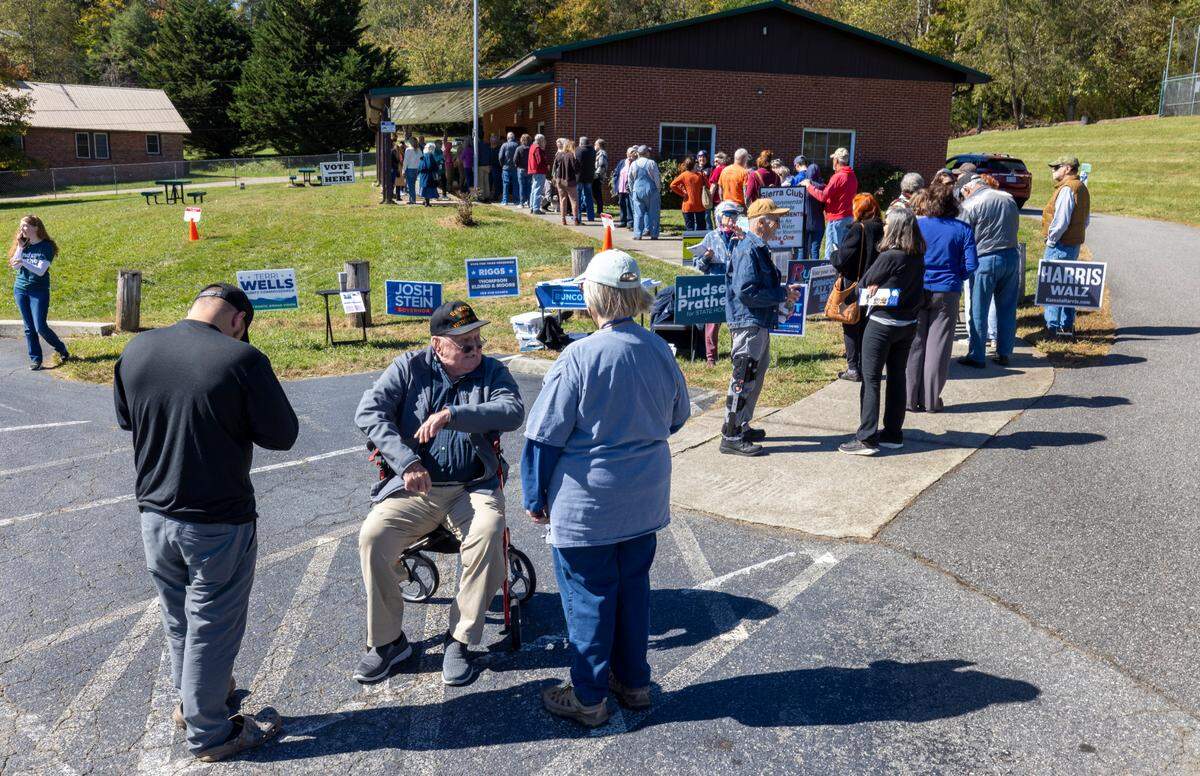
So when the opportunity arose to explore the intersection of politics and the aftermath of Helene, I took it. I launched myself into a story centered on whether people affected by Helene had already voted, were planning to vote, or were even able to.
During several days in Western North Carolina, I spoke with more than a dozen locals. Their stories revealed a steadfast commitment from voters on both sides of the aisle to casting their ballots, regardless of the obstacles.
One voter, 65-year-old Bruce Evans, encapsulated this sentiment while casting his ballot in Marion, even after losing his camper at Lake James. “There’s too much on the line,” he said.
Luciana Perez Uribe Guinassi is a politics reporter
More NC kids dying from abuse, neglect. What we can do about it
Three young children — Gunner Bliss, Vinil Tiwari and Karter Holloway — died late last year in Wake County.
They made headlines and were soon forgotten. Their parents were charged with murder. A few months later, I began looking into whether more N.C. children are dying from abuse and neglect.
The number is growing, and may actually be two to three times higher than reported, because of cracks in the state’s welfare and child fatality systems. Efforts are underway to get better data and address root causes, including poverty, mental health and drug abuse, but it’s not enough.
The village needs to step up, experts said, and offer help to struggling parents, report suspected cases of abuse and neglect, and support programs that put food on the table, pay for diapers and put a roof over families’ heads.
It won’t save every child, but it could give more of them a stable start to life, they said. And that’s how we remember Gunner, Vinil and Karter.
Tammy Grubb is an Orange County reporter
One man’s struggle with gambling in a newly gambling-saturated world
After Aaron Ward poured the first bottle of champagne into the Stanley Cup in the Carolina Hurricanes’ locker room in 2006, he looked around for someone to take the empty bottle and shoved it into my hands.
Which is to say, I’ve known Ward for a long time, since he was traded to the Hurricanes in 2001. But he seemed almost like a different person when we sat in the stands in an empty PNC Arena last spring to talk about his gambling addiction and all the other ways his life after hockey went wrong.
Ward’s openness about his attempts to make amends would have made for a good story by itself, but set against the backdrop of North Carolina’s recent legalization of sports gambling and the relentless barrage of advertising that came with it, it was both redemption song and cautionary tale.
I’m thankful Ward trusted me with his story, because I fear a lot of people here will need to hear it in years to come.
Luke DeCock is a sports columnist
A developer sues 87 homeowners in East Raleigh
Back in September, I covered the latest in a string of ongoing lawsuits triggered by the city’s 2021 “missing middle” housing reforms, underscoring the complex reality of implementing the controversial policy on the ground.
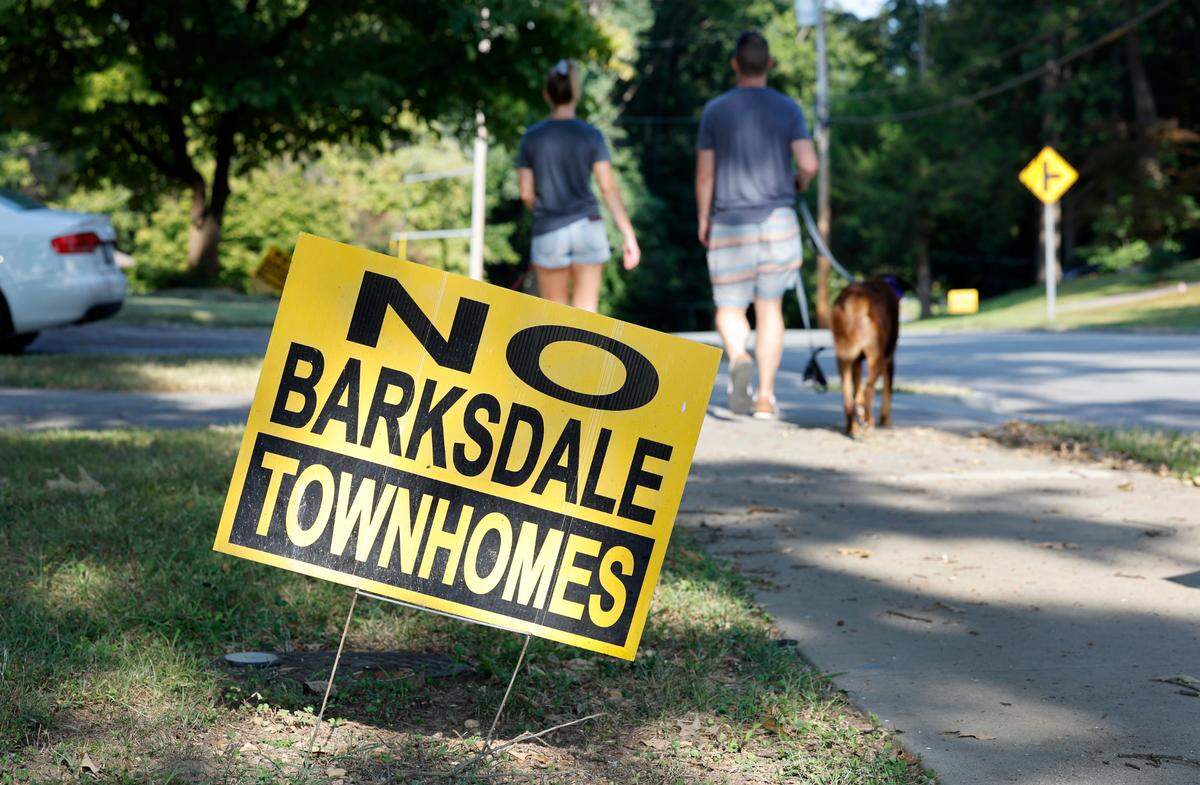
Raleigh developer Steve Sypher is suing 87 homeowners — roughly 58 households spread across four streets — in east Raleigh’s Woodcrest subdivision. He wants to build 12 four-story townhouses across about nine-tenths of an acre at 524 and 528 Barksdale Drive, which he owns.
The city gave the green light. But Sypher faces another hurdle: removing the subdivision’s decades-old covenant, tied to his properties as well as his neighbors’, that restricts the land’s use. “I’m really not trying to be the bad person in this situation,” he told The N&O. “I didn’t create the rezoning. This is what I’m allowed to do.”
In this mostly blue-collar neighborhood, residents are fighting back. “For a lot of us, it’s our only investment; we’ve got to protect our property values,” said Ann Sun, 47, who is among the defendants.
A judge is expected to rule on the case in early 2025. I will be watching closely to see if challenges to the city’s push for higher density hold up in court, and what Raleigh’s new mayor Janet Cowell will do next.
Chantal Allam is a real estate reporter
Mark Robinson’s troubled child care center
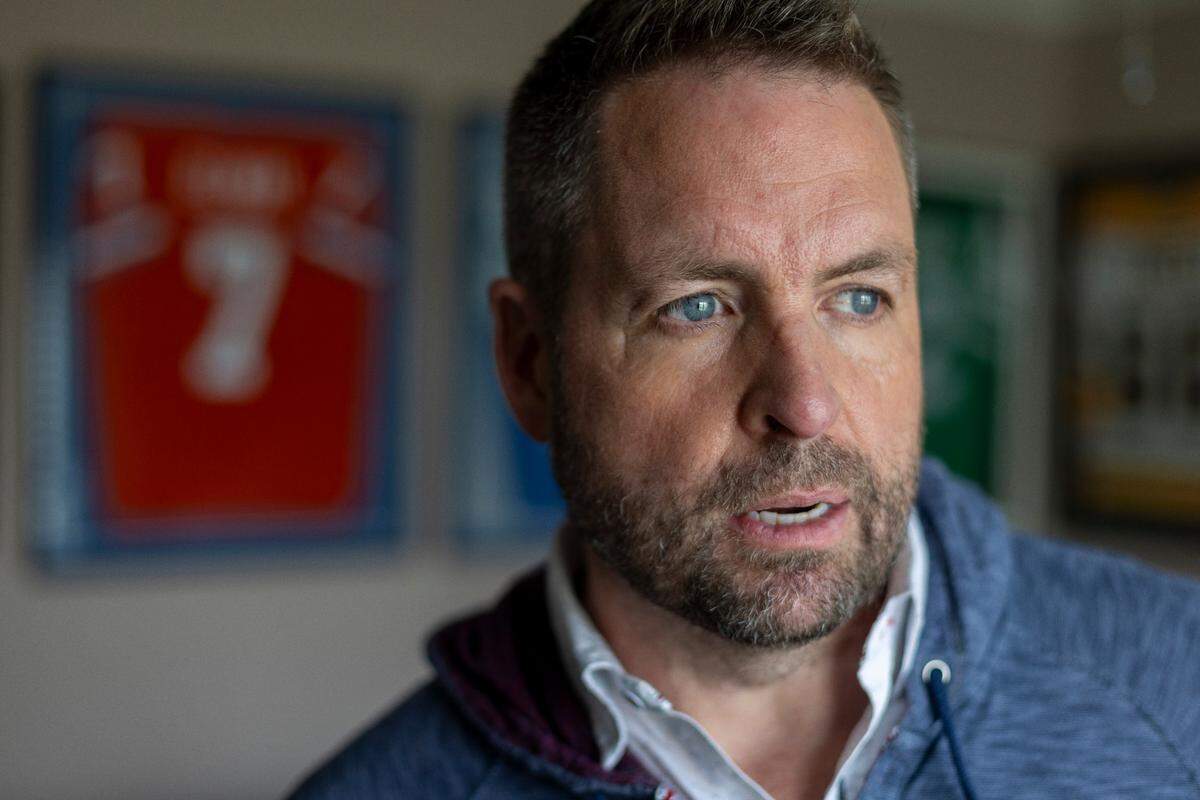
Mark Robinson came out of the political wilderness to become North Carolina’s lieutenant governor seemingly overnight. But the rapidness of his rise also left much about his past unexamined. That lack of vetting became more troubling as Robinson emerged as the leading Republican candidate for governor.
As an opinion writer, I tend to comment on the news rather than break it. But Robinson’s sudden emergence called out for scrutiny. I requested state regulatory records for a Greensboro daycare center Robinson and his wife operated in the early 2000s. What came back were multiple violations of state childcare regulations and an apparent falsification of documents. The records caused a stir in the gubernatorial campaign.
For me, it was a reminder that opinion writers should also do reporting, especially in a time when newspapers operate with fewer reporters.
Ned Barnett is an opinion editor
This story was originally published December 18, 2024 at 5:00 AM.