
We watch a debate change an election, learn from a coach’s perseverance and study wolves
READ MORE
The unforgettable stories of 2024
N.C. State basketball. The election. Hurricane Helene. These are the stories that affected The N&O’s reporters, editors and photojournalists the most.
Expand All
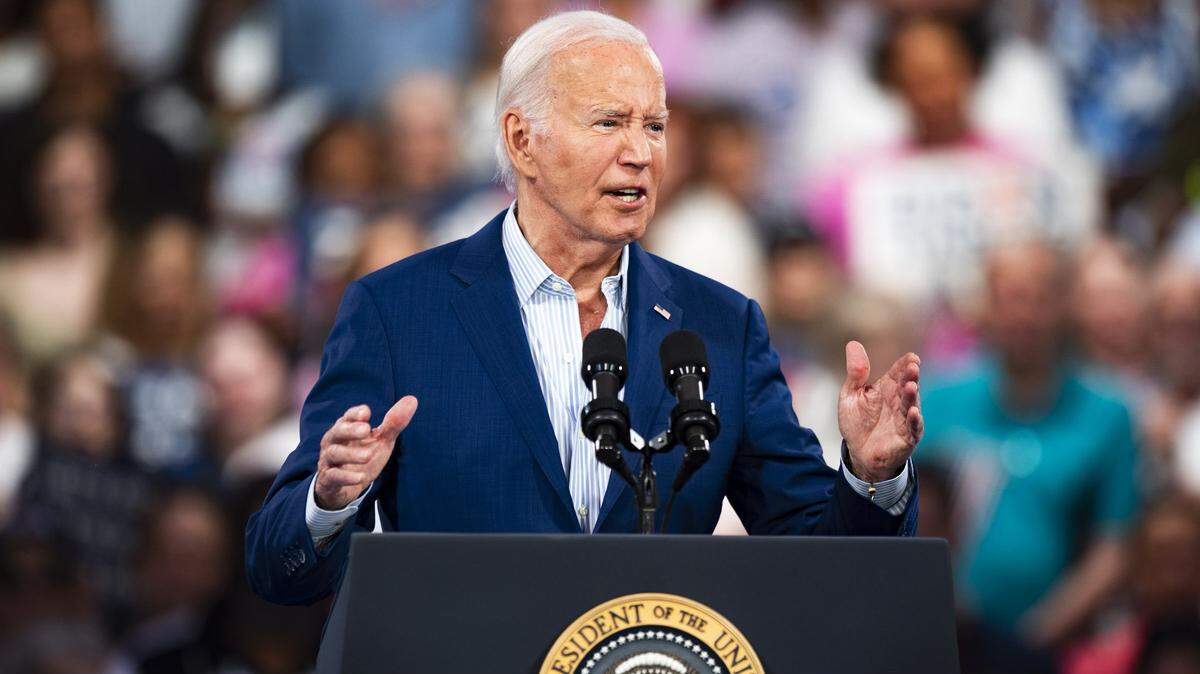
We watch a debate change an election, learn from a coach’s perseverance and study wolves
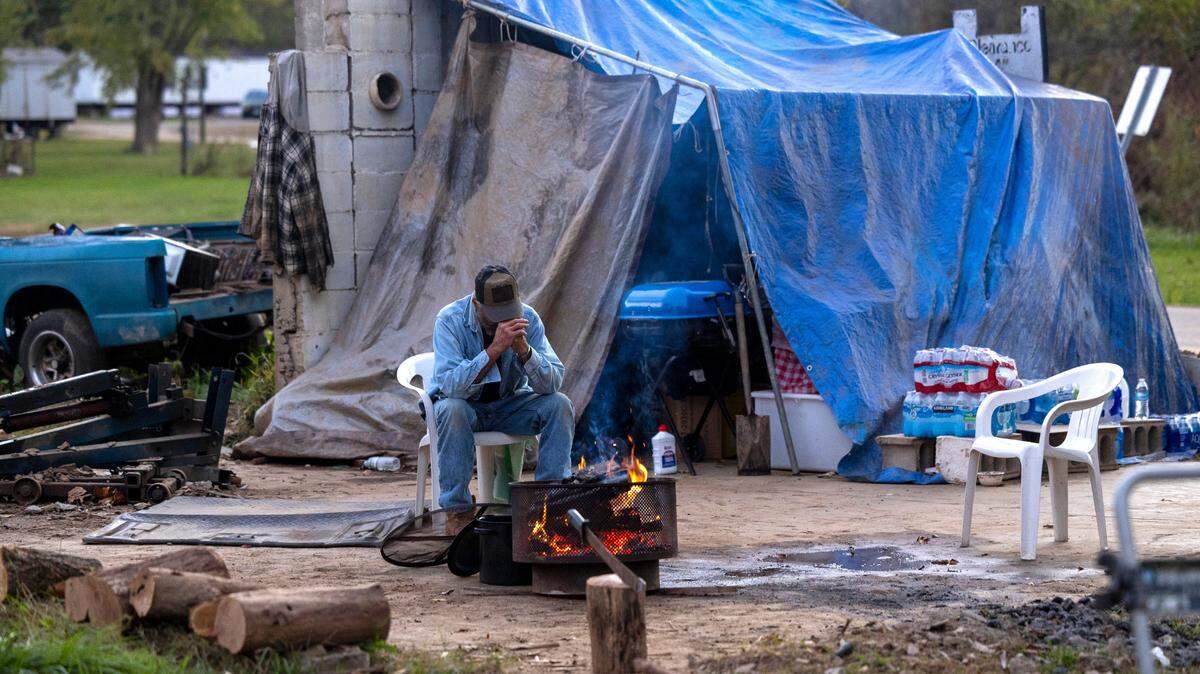
Stories of Helene, Chappell Roan’s rise and an NHL player’s gambling addiction stay with us

We embrace a Final Four run, help you save on groceries and warn of insurance rate hikes
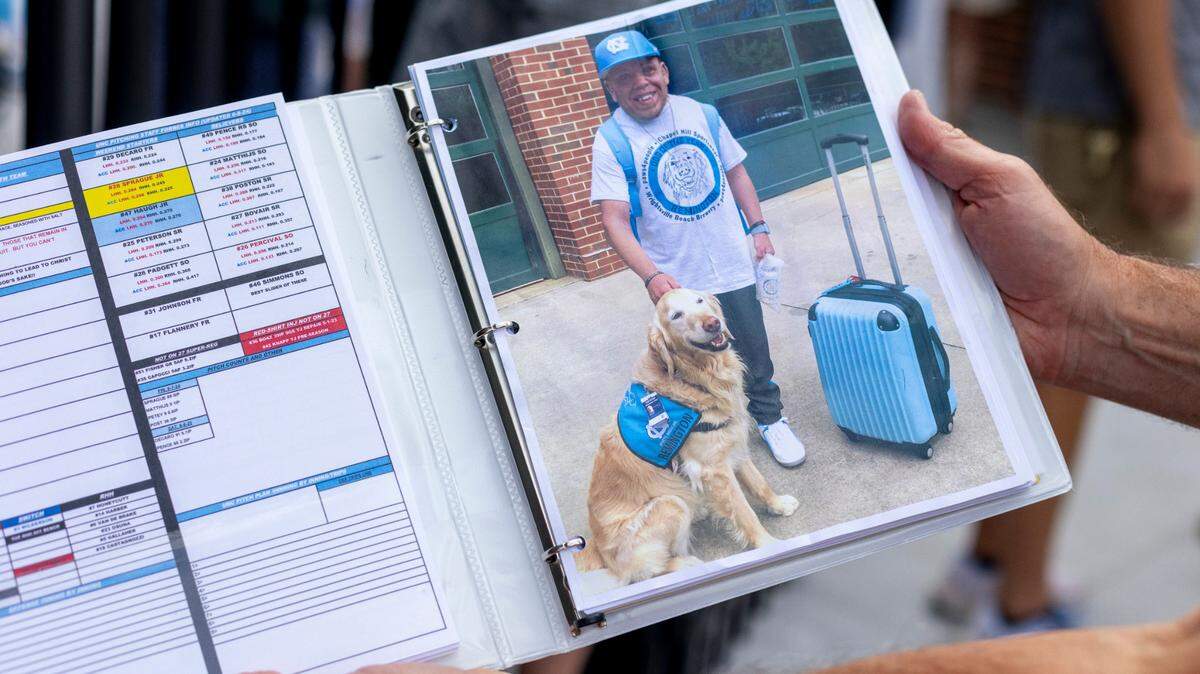
We dig into road surveillance and DEI at colleges and remember a bat boy gone too soon
From N.C. State basketball’s magical runs to the Final Four to the unprecedented presidential and state governor’s races, the devastation of Hurricane Helene and senseless violent crime, 2024 was a year of passion and resilience in North Carolina.
The News & Observer’s reporters, photographers and editors were there for all of it, telling memorable stories of heartbreak, elation and perseverance that reflected the best and worst of times for the people in our state.
We told the story of a larger-than-life mural of Wolfpack forward DJ Burns, inspired by a portrait taken by an N&O photojournalist. We told how a woman escaped the wrath of a hurricane by hiking over a mountain. We also told the story of how the shooting deaths of two women in Apex brought the community together.
As the year comes to a close, we, The N&O staff, share the coverage that affected us the most professionally and personally.
These are those unforgettable stories.
This is Part 1 of a four-part series.
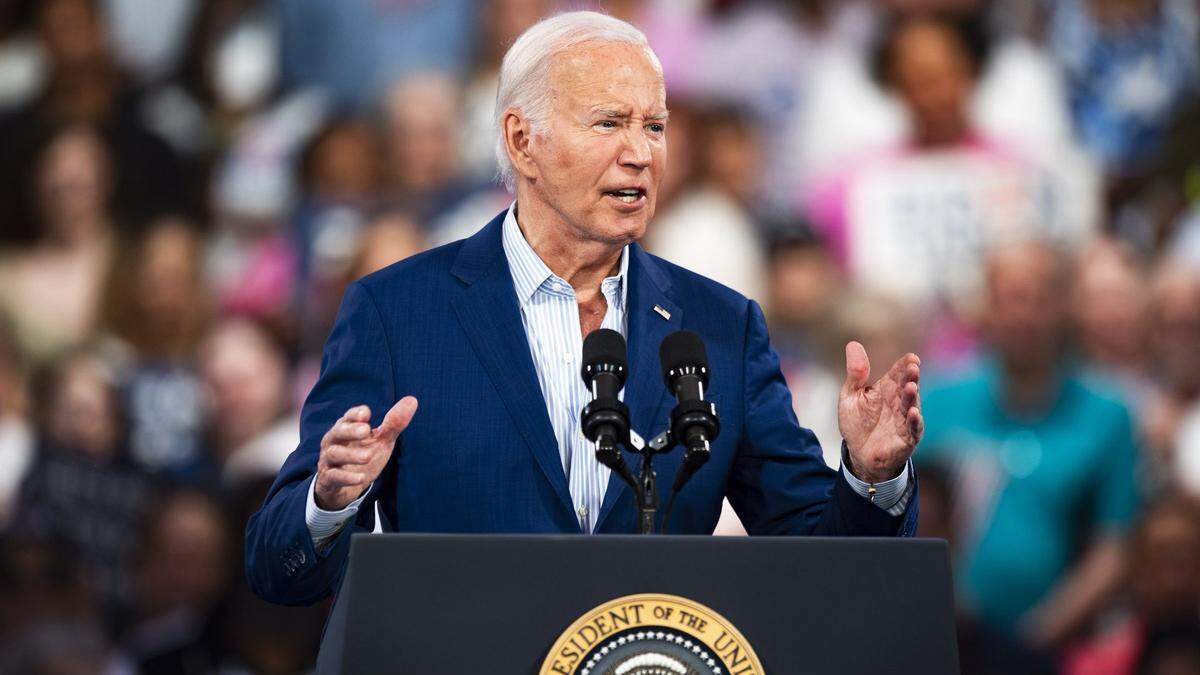
Election changes: Biden blows debate before NC rally
The 2024 presidential election was like no other.
The country was rattled by two attempts on former President Donald Trump’s life. Concerns of protests and violence breaking out as the election drew near continued to make headlines. And when I went into the field to speak with North Carolinians about who they planned to vote for, many were too scared to tell me and said they feared retaliation from their neighbor if they said the wrong name.
But if that wasn’t enough, nothing could have prepared me for the events of June 27. President Joe Biden was scheduled to debate Trump on CNN and then travel to North Carolina for a post-debate rally. It would be the first time, since President Barack Obama visited Asheville, that a president stayed in the state. We had a peppy little prewrite ready to post when the debate ended teasing Biden’s arrival and stay.
But as the night editor, Jessica Banov, and I watched Biden and listened as his voice weakened and his sentences trailed off, we knew we could not publish our original piece. You never saw it. Instead, we worked until the early morning hours rewriting how Biden would have to give Raleigh his all or risk never making it to the general election.
He pulled off the speech, but he never recovered from the debate. And that changed the entire course of the election.
Danielle Battaglia is a Washington correspondent
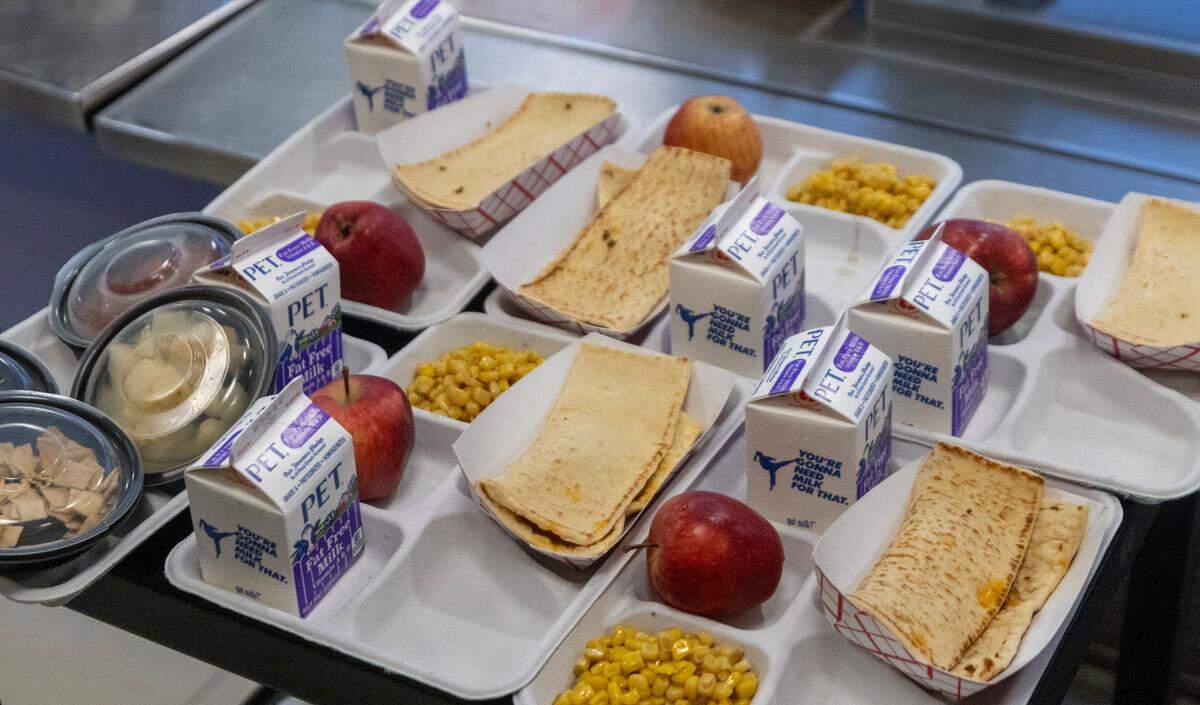
Wake Angels help ensure students get school lunches
A year ago, the story that most impacted me was the murder of a 15-year-old student during a fight at Southeast Raleigh High School.
So it was a welcome change this year to reflect on the community donating money to help pay for the school lunches of Wake County students who’ve run out of money in their meal accounts. Donations to the school system’s “Angel Fund” mean students are getting the regular school meal instead of a tray of only fruits and vegetables.
Some critics have said harsh things like parents shouldn’t have children if they’re not going to pay for their meals. But it was heartbreaking hearing teachers talk about how some of their students refuse to eat because they don’t want to be publicly shamed for not having enough money for the regular lunch.
It’s never a bad thing to think about Angels this time of the year.
Keung Hui is an education reporter
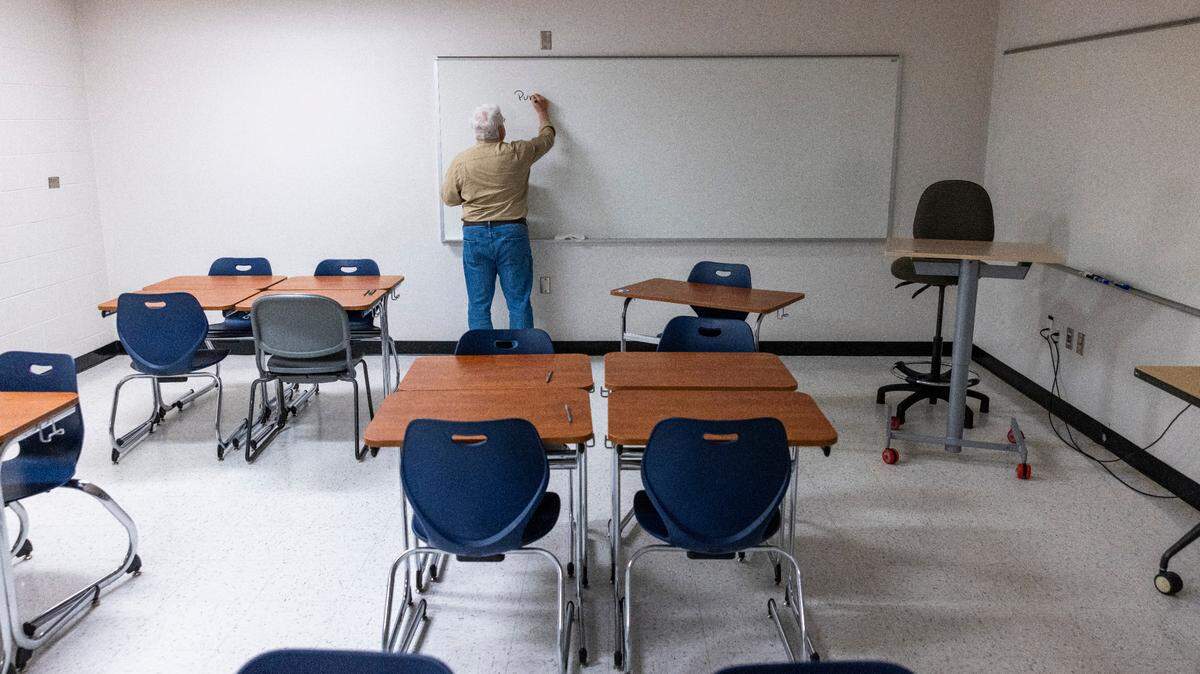
What’s next after UNC Asheville cuts ‘the heart of the liberal arts’?
What happens to a liberal arts university when leaders eliminate “the heart of the liberal arts?”
That was the first question that crossed my mind when UNC Asheville Chancellor Kimberly van Noort announced this summer that the university — historically designated as the public UNC System’s liberal arts institution — would eliminate four academic programs and reduce the concentrations available in a fifth program amid a major budget shortfall and a years-long decline in enrollment. The four programs included religious studies, philosophy and ancient Mediterranean studies, or classics — all generally considered key elements of the humanities, which are central to a liberal arts education.
News & Observer intern Emmy Martin and I spent much of the summer speaking to faculty and students impacted by the cuts. We also spoke to experts and observers of higher education, who gave context to the cuts, and van Noort, who outlined her vision for the university as it moves forward. The result was a three-story package that examined the issue from several angles.
There’s no question that the cuts caused many to wonder whether UNC Asheville can still be the champion of the humanities and liberal arts that it was historically intended to be. Emmy, especially, uncovered the adverse impacts that the cuts will have on students, with at least one student deciding to transfer after her major was cut.
But through our reporting, we also discovered that the liberal arts are vast and, in van Noort’s words, “evolving.”
UNC Asheville isn’t alone in making these cuts. UNC Greensboro cut 20 programs in February, and universities around the country made similar decisions throughout the year. Now, under a new policy, all UNC System schools are required to regularly examine their academic programs — and potentially make cuts.
UNC Asheville, to me, offered a case study in the complex web of impacts that these decisions can have, for better or worse.
Korie Dean is a higher education reporter
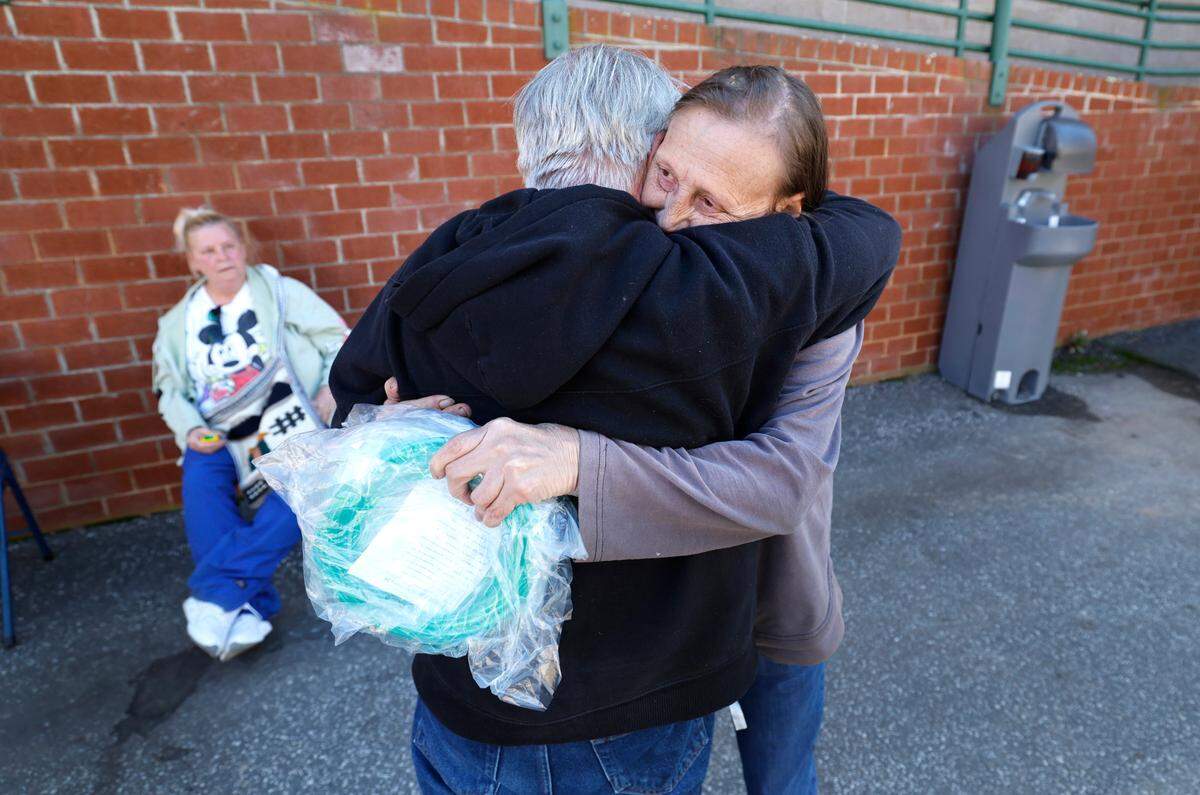
Helene took their homes, but not their love for Avery County
As I traveled through Avery County two weeks after Hurricane Helene, what stuck with me even more than the lives reduced to piles of rubble was the kindness I saw. Contrary to what you’d expect, these folks weren’t angry at the cub reporter trudging through the wreckage of their homes. They were happy to talk, and even happier to help one another, no matter how much they were struggling individually.
They offered me food, drinks and generosity that awed me. In the face of the seemingly insurmountable, they were proud to tell me about the mountains they loved — and I quickly learned how much they’d sacrifice just to stay there.
It was people like Paul Laws who taught me about the spirit of Avery County. Despite just losing the home he built from scratch, Laws already knew he’d rebuild. And even though he’d barely escaped with his life in the raging floodwaters a few weeks prior, he gave me a hug when I teared up at his story.
You make me proud to be a Tar Heel, Avery County.
Lexi Solomon is a breaking news reporter
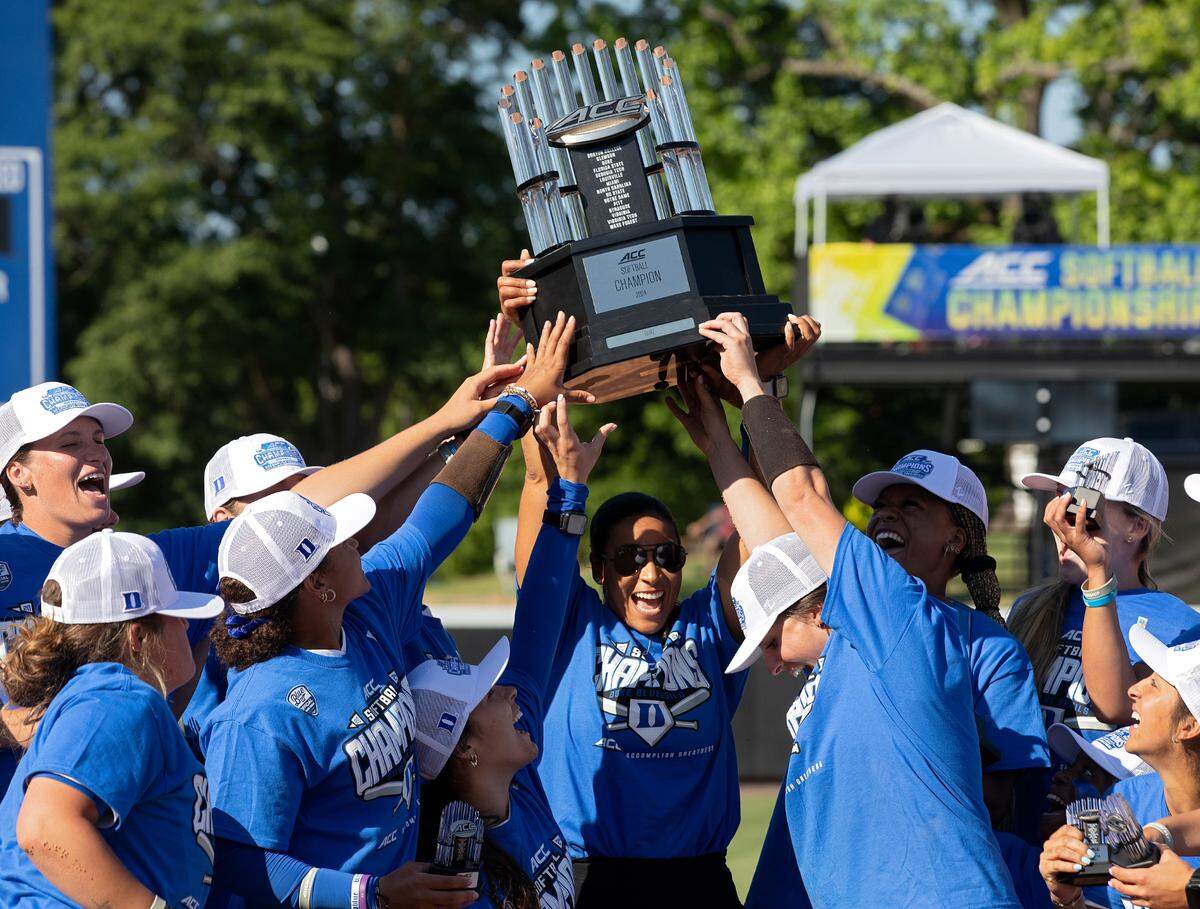
Duke softball coach inspires through hardships
I watched Duke softball coach Marissa Young look up into the stands at Devon Park in Oklahoma City, searching for her husband, James Lamar, and children before the Blue Devils played their second game at the Women’s College World Series. A little more than a year prior, Lamar had a severe heart attack, and his survival was uncertain.
There’s no cheering in the press box, but I can admit I like covering good people. Young is a woman I look up to. Through the reporting process, I learned how dedicated she is to her husband, her children, her team, her faith, Duke University, the local community and herself.
I admire how she balanced being a wife and mother with being an elite softball coach during an objectively difficult period in her life. No one I spoke to said anything bad. She’s kind and tenderhearted and possesses an undeniable toughness, work ethic and competitive spirit. She holds herself and others to the highest standards. Young showed her ability to push through hard times and ask for help.
Then, Young led Duke softball to its best season in its seven-year history. I will never know how one wins an ACC regular season title and ACC Championship, earns a spot in the Women’s College World Series, and becomes the first Black head coach at the postseason tournament, all while caring for her children and recovering husband.
But she did it.
Young accomplished those things through hard work, belief and leaning on those around her. I first met Young while I was going through my own tumultuous life experience. Telling her story was healing for me then, and it continues to be healing for me six months later.
Jadyn Watson-Fisher is a sports reporter
Red wolves study holds hope for the planet’s future
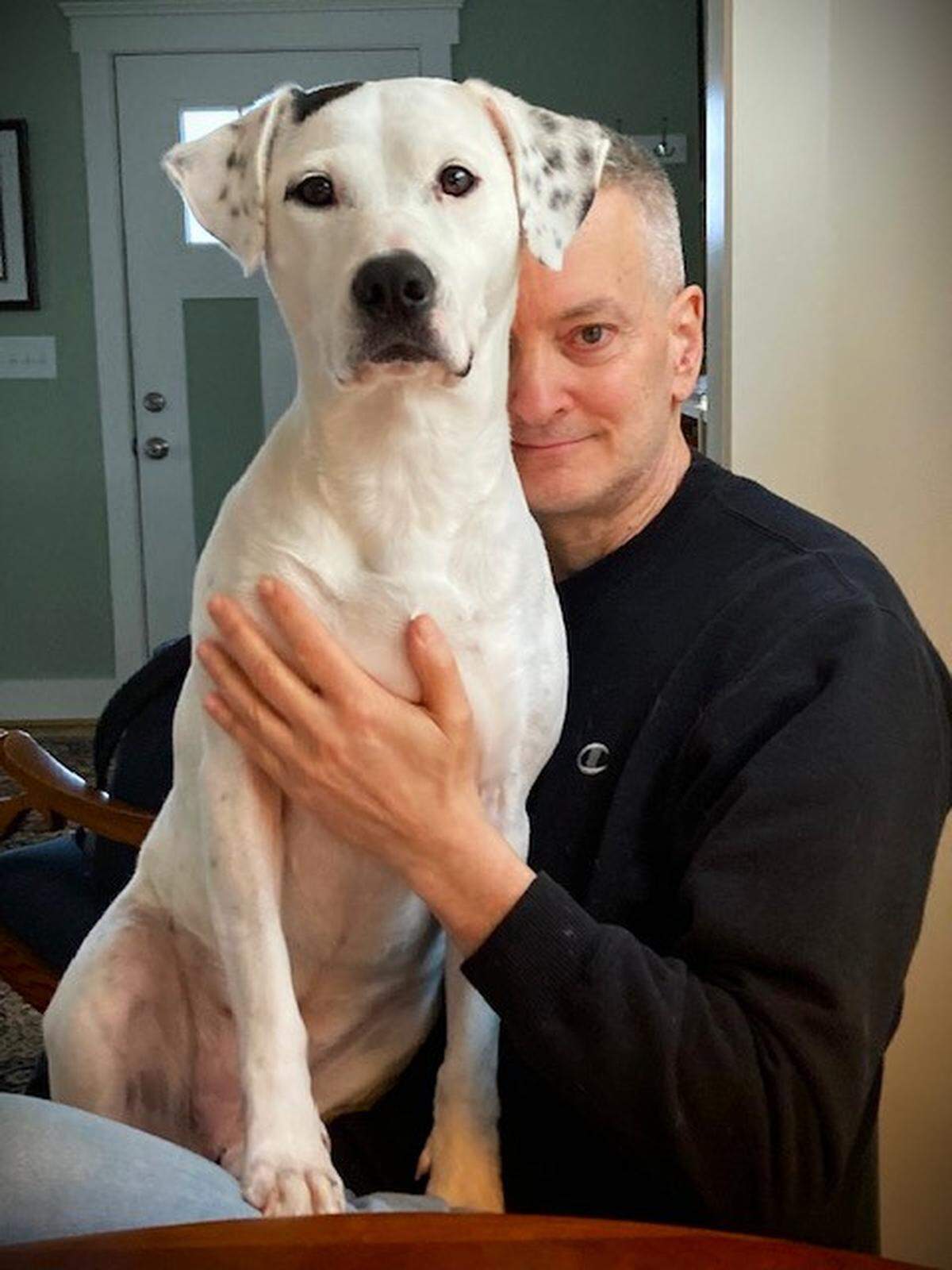
I can hear the coyotes yip and howl sometimes when I walk my dog, Blue, at night on Orange County’s Blackwood Mountain.
Sometimes she stops before we reach the end of the street, planting her paws. Even when it’s quiet, I figure she knows better, and we turn around.
So I read with interest Adam Wagner’s story in September “Can a lone wolf affect the environment? Red wolf researchers have surprising data.” We don’t have red wolves on our mountain, of course, but their similarity to coyotes has contributed to their decline, with people shooting the few dozen that live on the coast and others questioning whether the wolves are truly a separate species worth trying to save.
Adam’s story reported a study involving N.C. State researchers that found a decline in red wolves was accompanied by increases in species they eat — deer, raccoon, possums — and an increase in species they compete with for food, like bears and bobcats.
The researchers stressed caution, but Adam’s story reminded me of the impact gray wolves have in the wild. They affect not only prey species, but by moving prey around, change the environment. Land that elk overgraze sprouts anew. Birds and other species move back in. Vegetation stabilizes river banks, steadying the path of waterways.
Some think reintroducing an extinct species, the woolly mammoth, might someday bring cooling grasses back to the tundra and help save the planet from global warming.
We’re all connected.
Céline Dion, herself a comeback story, sings “Love Can Move Mountains.” And maybe it can. But nature, it seems, certainly can.
Mark Schultz is the metro editor
Confetti falling, anxiety about capturing Wolfpack celebration sets in
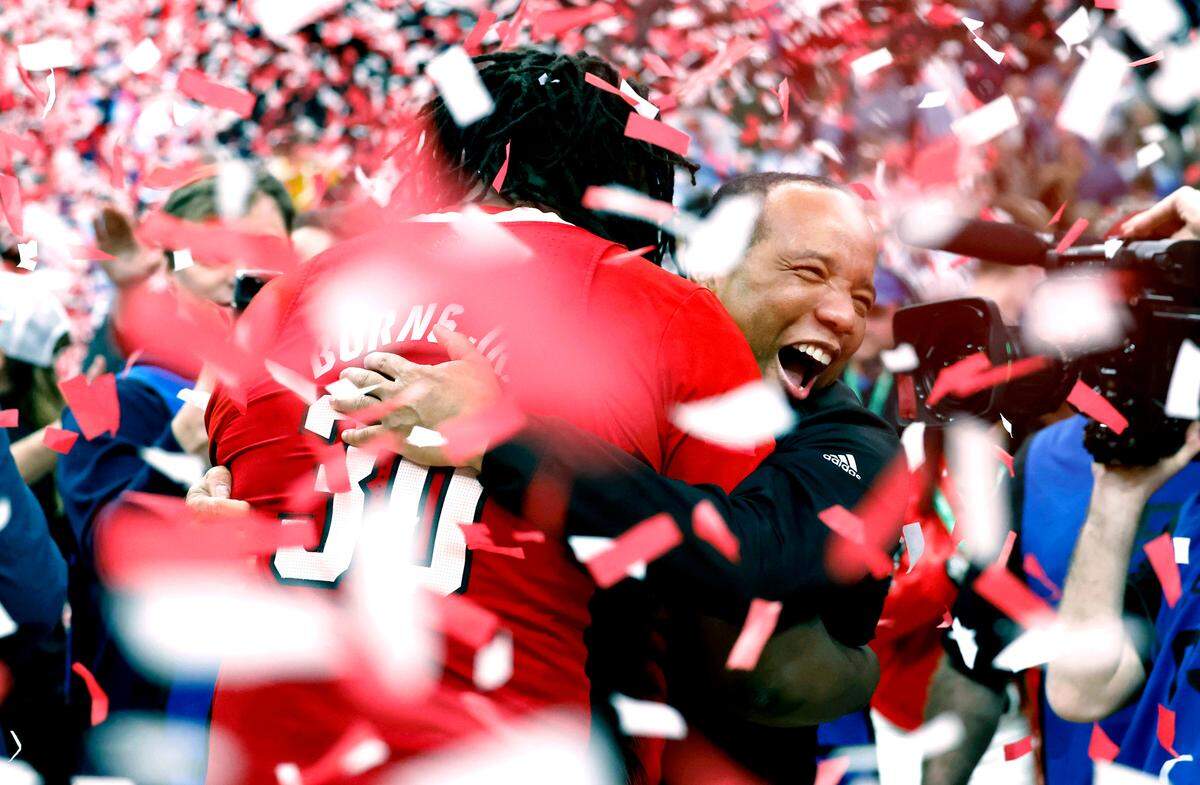
I was more nervous than I had ever been when the final buzzer sounded in N.C. State’s 84-76 victory over UNC to win the 2024 ACC Men’s Basketball Tournament.
I have seen big victories for the Pack since I started to cover them in 2005 — but nothing like this. Five games, five days. First ACC title since 1987. Could I get something, anything that would come close to capturing this moment?
The buzzer sounded. Confetti fell. I then realized it is really hard to get photos with so much confetti in the air. You can’t see faces. The camera wants to focus on confetti, not people.
Out of the corner of my eye, I saw head coach Kevin Keatts emerge. Can I get him in focus? Then out of nowhere came DJ Burns Jr. and the two embraced. Luckily it worked out for a frame and I got the photo of them celebrating together.

Ethan Hyman is a photojournalist

The joy of diving into the history of Epic Games’ Fortnite
For seven years, Fortnite has defined the video game industry. It’s dictated trends, spearheaded intellectual property crossovers, popularized dance moves, and made several people in the Triangle very rich.
Started as a sketchbook, it today has 800 million player accounts.
I loved diving into the history of this irreverent shooter game born at the Cary headquarters of Epic Games. In a multiple-part series produced by The N&O, former Epic employees take readers from the game’s origins through its wild successes and uneven turns. Our graphics team then produced a striking layout with interactive visuals. It looks like no other story we’ve published this year.
Fortnite has flourished for several reasons; among the most important has been its role as a social hub, a place where friends of all skill levels come together round after round. In this way, the goal-oriented survival competition is also a vehicle for something immeasurable. And that has been one of the Triangle’s greatest contributions.
Brian Gordon is a tech and business reporter
Solving a mystery: When a highway washed away, why did no cars go with it?
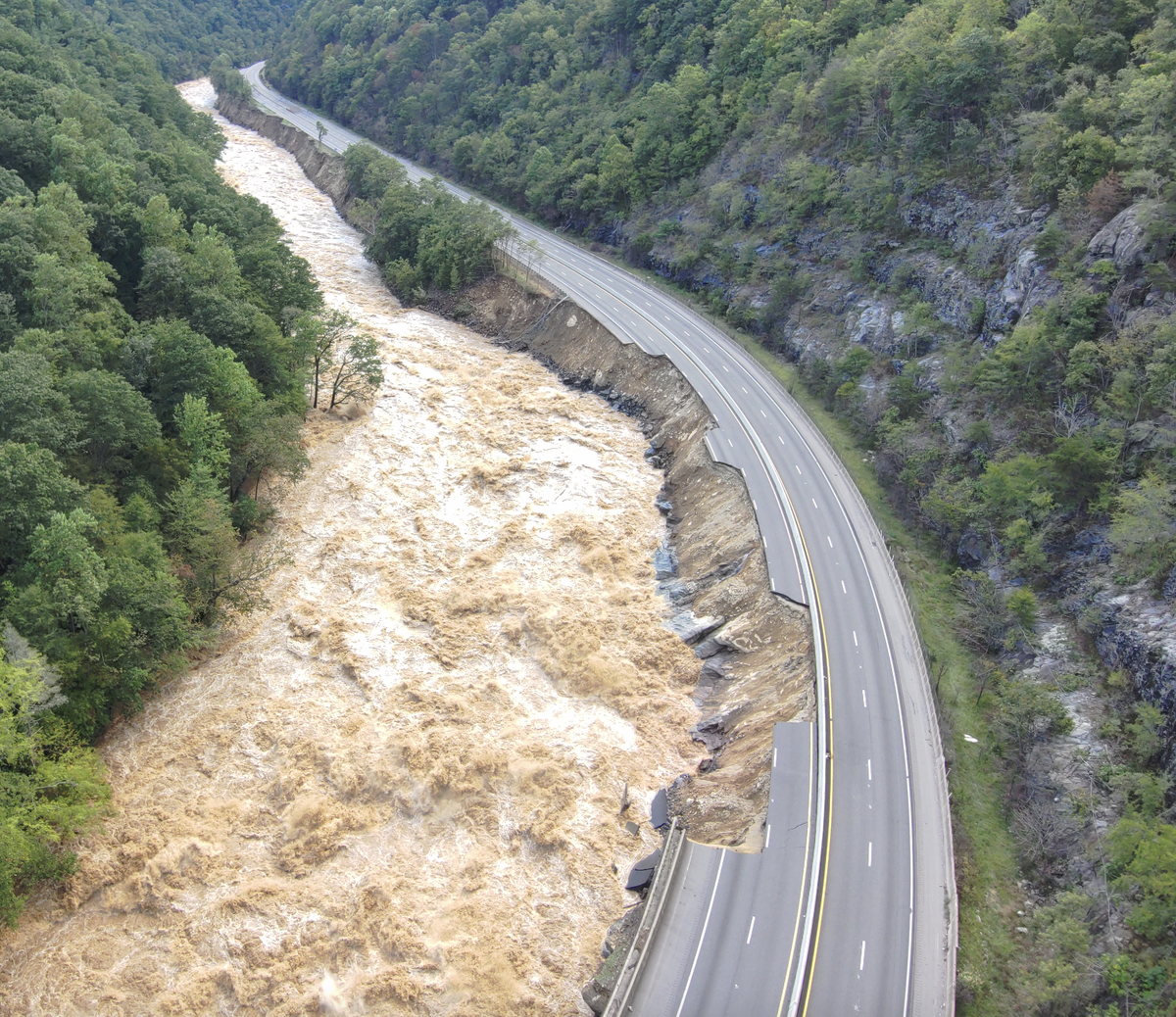
When I heard that the flooded Pigeon River had washed away sections of Interstate 40 after Helene blew through Western North Carolina, my first thought was: How many cars and trucks fell into the river?
When I learned the answer was none, I wanted to know how that could be.
It turns out there were dozens, if not hundreds, of cars and trucks on the highway when the eastbound lanes started to give way. There wasn’t time for a coordinated, thought-out plan for saving them.
Instead, several people, including employees of the state transportation departments in both North Carolina and Tennessee, followed their instincts and did their jobs, making sure every car and truck got to safety as the road collapsed around them. Telling their story was gratifying and made me think of the countless other untold stories of people helping people during and after the storm.
Richard Stradling is a transportation reporter
Cash settlements reveal patterns of police abuse, critics say
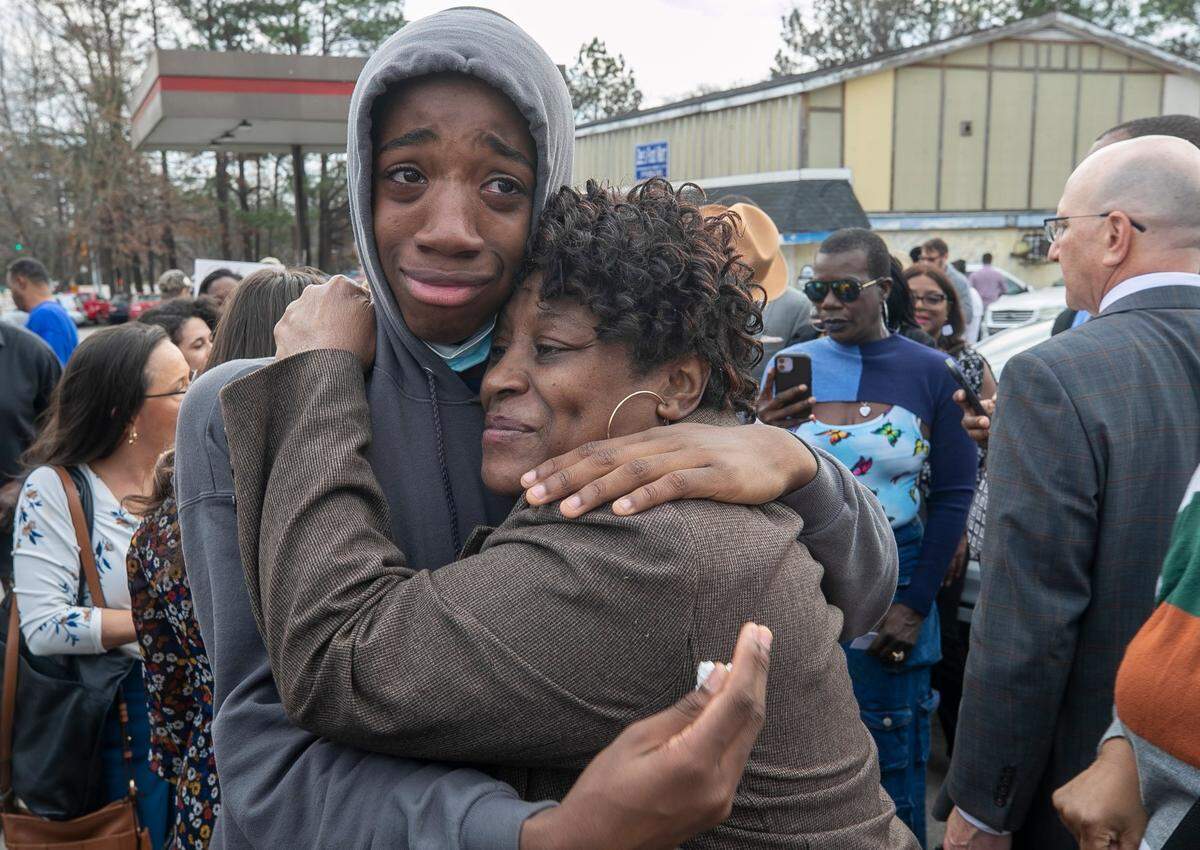
In March we published a series of stories, called Police Payouts, that explored patterns of excessive force, wrongful arrests and improper searches by Raleigh police in 16 settlements with 46 people. The city’s payments totaled $4.3 million.
Police Payouts shared unreported settlements that provided some validation of concerns of police abuse brought by some Raleigh residents for years. It also provided insight to the public and me on how the city stands by officers’ actions, even in the case where a mentally ill man died after police used a Taser on him at least 11 times.
I learned so much during the project. It led to other reports of alleged police abuse across the state, including with Tasers.
Virginia Bridges is a criminal justice reporter
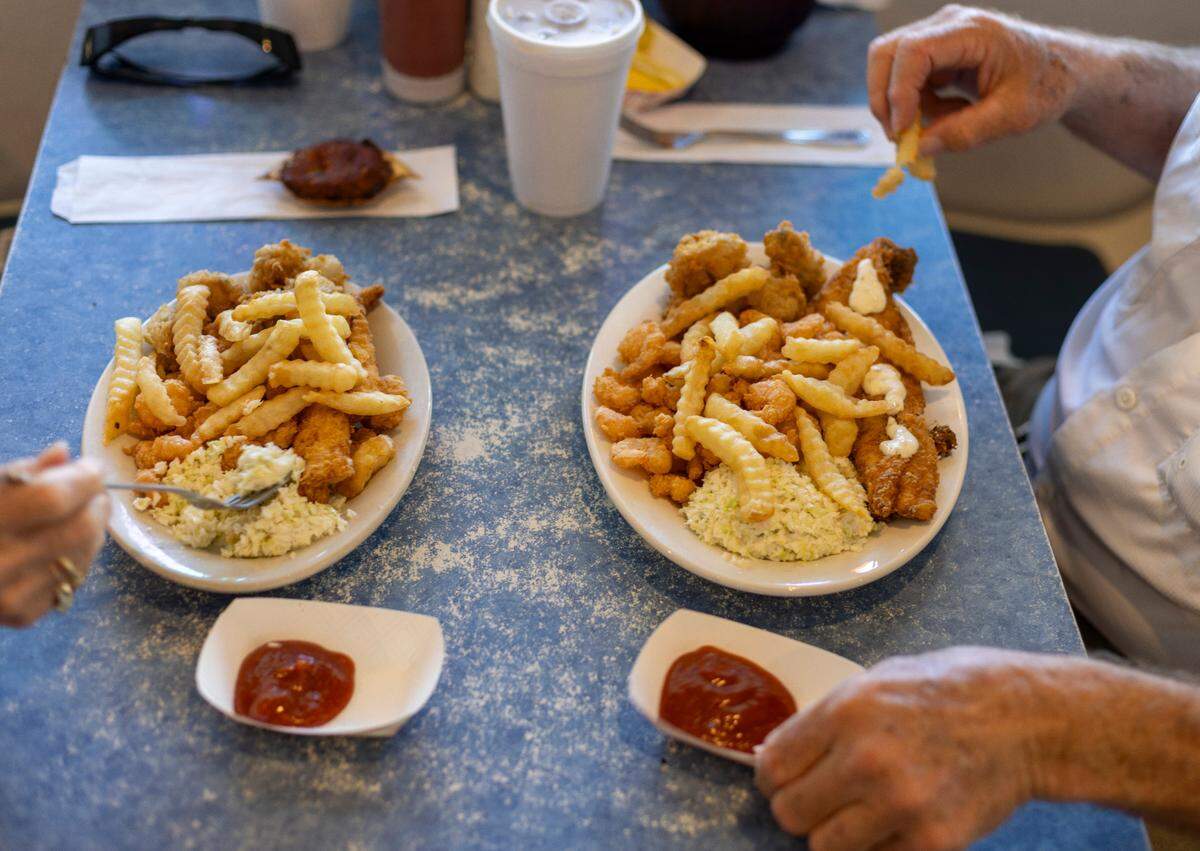
Discovering Calabash again, 30 years later
When I rolled into Calabash this summer for the first time in 30 years, Ella’s Restaurant, one of the town’s most famous seafood joints, lay in a pile of charred rubble. A fire in 2023 had devastated Ella’s, which was at the time Calabash’s oldest original restaurant.
This summer I traveled to this southernmost corner of North Carolina for the town’s famous fried fish and to understand how Calabash became synonymous with heaping platters of golden brown seafood. The first time I had ever heard of Calabash was about 30 years ago on a family vacation to Myrtle Beach. My parents devoted one night to dinner in Calabash, drawn by its lore of the world’s best fried seafood. We drove the swampy back roads, through spooky, moss-hanging trees and emerged in the town that slopes down to the water, the streets lined with seafood restaurants with crowds gathered by the doors.
That was then, three decades ago, and it remains true today. Calabash is a destination for food pilgrimages, a reputation that was built generations ago and is now baked into the annual traditions of countless beach-going families. In our story this summer, we chronicled what the last century has been for Calabash and why its name and bubbling deep fryers remain one of North Carolina’s greatest culinary draws.
Drew Jackson is a food and dining reporter
This story was originally published December 17, 2024 at 5:00 AM.