Triangle hospitals are seeing an increase in snake bite cases this year
AI-generated summary reviewed by our newsroom.
- Emergency departments report increased snake bite cases across the Triangle.
- Snake bites become more common as weather warms in spring and summer months.
- Prevent against snake bites by wearing protective shoes and being aware of surroundings.
Extreme heat has plagued the Triangle for several days already this year.
And as temperatures have risen, local emergency departments have reported an increase in visits from snake bite patients.
Snakes become more active during spring and summer months, said Dr. Ben German, an emergency department physician at WakeMed. Humans do, too, and that’s one of the reasons why more snake bites occur during warmer times of year.
On really hot days, though, snakes become more nocturnal, and people spend time outdoors later in the afternoons and evening.
“Around dusk seems to be the prime time for snake bites as we get into this time of year, because again, the snakes and people are more active together, and it’s harder to see them,” German said.
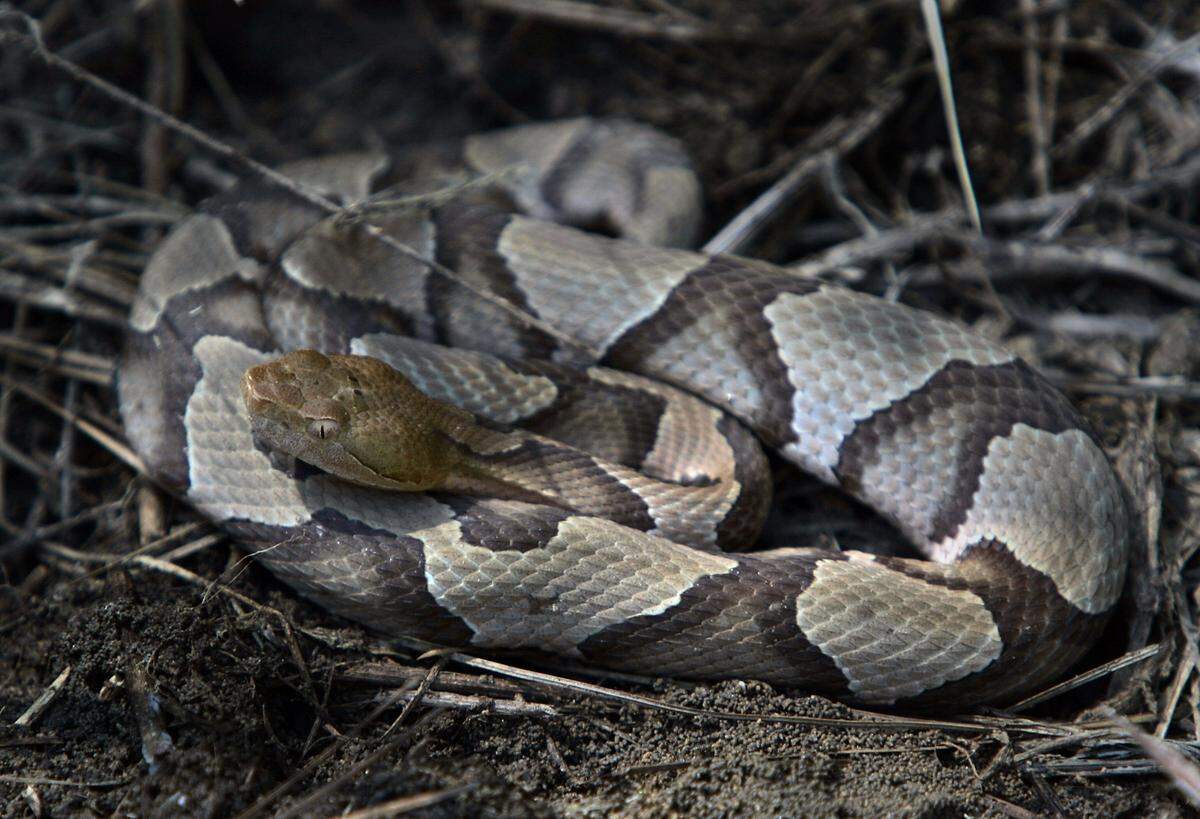
Some of these bites may be attributed to copperheads. The brown, Hershey’s Kiss-shaped patterned snakes are the most common venomous snakes Triangle residents are likely to come across, and are one of just a handful of venomous snakes that live in North Carolina.
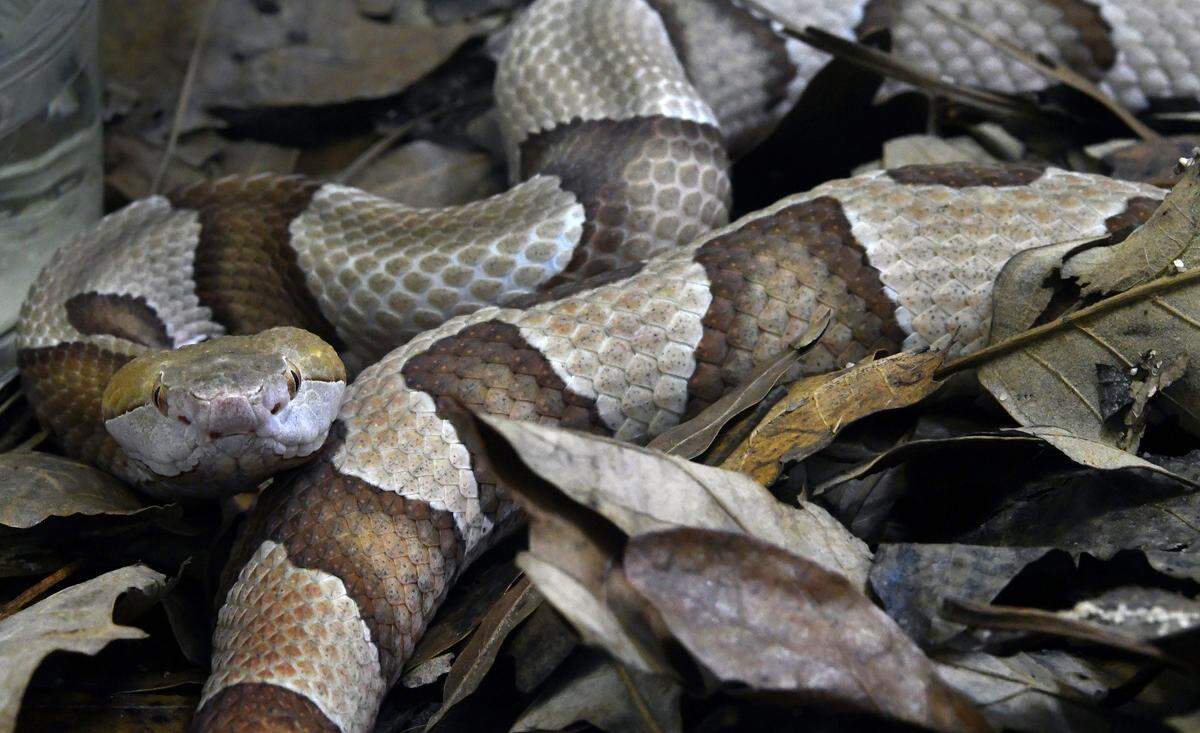
Copperhead bites are rarely fatal for humans, but they may need to be treated with antivenom.
The News & Observer asked WakeMed, UNC Health and Duke Health about how many patients with snake bites have been treated at their emergency departments so far this year.
Snake bite cases at WakeMed
So far this year, WakeMed has treated slightly more snake bite cases than the same period last year.
▪ From Jan. 1-July 6, WakeMed saw 59 patients with snake bites. Of those, 33 received antivenom.
▪ Over the same period in 2024, 55 people came to WakeMed Emergency Departments with a snake bite, and 31 of them were treated with antivenom.
German said snake bite cases have generally increased yearly since he began working at WakeMed in 2006, but he attributed that to an increase in the number of people moving to the area.
Snake bite cases at UNC Health
UNC Health emergency departments have treated 112 people for snake bites so far this year. The highest number of snake bite patients visited the facilities in May and June — 39 and 45, respectively. In some of these cases, copperheads were specifically named in the diagnosis.
Compared to last year, UNC Health Emergency Departments have treated more patients with snake bites so far this year.
▪ From January 2024 through early July 2024, UNC Health Emergency Departments saw 90 snake bite patients, including 45 in July.
▪ Across emergency departments, UNC Health treated at least one person with a snake bite each month in 2024. In five months — May through September — UNC Health Emergency Departments saw at least 20 people with snake bites, system-wide. And during fall and winter months, fewer patients visited emergency departments with snake bites.
Snake bite cases at Duke Health
Duke Health hospitals typically see more than 100 patients with snake bites each year, Duke Health said in an emailed statement Thursday, July 10. And the highest number of monthly cases usually falls during July.
So far this season, Duke Health has treated 33 patients with snake bites at emergency departments at three facilities — Duke University Hospital, Duke Regional Hospital and Duke Raleigh Hospital.
Of those 33 cases, 11 sought treatment at Duke Health emergency departments since Tuesday, June 17.
How to prevent snake bites
German, the WakeMed emergency physician, recommended three tips to avoid snake bites during this time of year:
▪ Wear good shoes outside. Sneakers are better than sandals, but leather shoes that cover above the ankle will work best to protect against bites to feet and lower legs.
▪ Be aware of your surroundings. Don’t reach under objects or into spaces that aren’t visible. Be careful when picking up debris, especially sticks, branches and mulch, which hide venomous copperheads well.
▪ If you’re walking, taking out the trash or are outside for another reason later in the day or early in the morning, bring a flashlight.
This story was originally published July 14, 2025 at 5:00 AM.