When will Roy Cooper next wear a tie? No neckwear is no accident.
I’m Brian Gordon, tech reporter for The News & Observer, and this is Open Source, a weekly newsletter on business, labor and technology in North Carolina.
It’s been a rough couple of years for men’s ties.
“We still carry them,” said George Knuckley of Kannons Clothiers in Raleigh, who counts North Carolina CEOs and politicians as clients. “Not at the volume we used to.”
Knuckley recalls a time when every white-collar male worker — from top executives to IBM CPAs — donned formal neckwear. And until recently, one person to uphold this tradition was the state’s newly former governor and current Senate candidate.
“Roy Cooper wore a tie every day, and Josh Stein almost never wears a tie,” Lee Lilley, a past Cooper adviser and the current state Commerce secretary, told me last month.
Stein’s sartorial selection seems to have won out. “Very few meetings that I show up to where a man on the other side is wearing a tie,” Lilley said.
Attribute it to the rise of casual Fridays, pandemic-inspired remote work shifts, and more relaxed tech company cultures. Asked if he sees many ties worn among local business leaders, Triangle entrepreneur Bill Spruill started his answer by texting “lol no.”
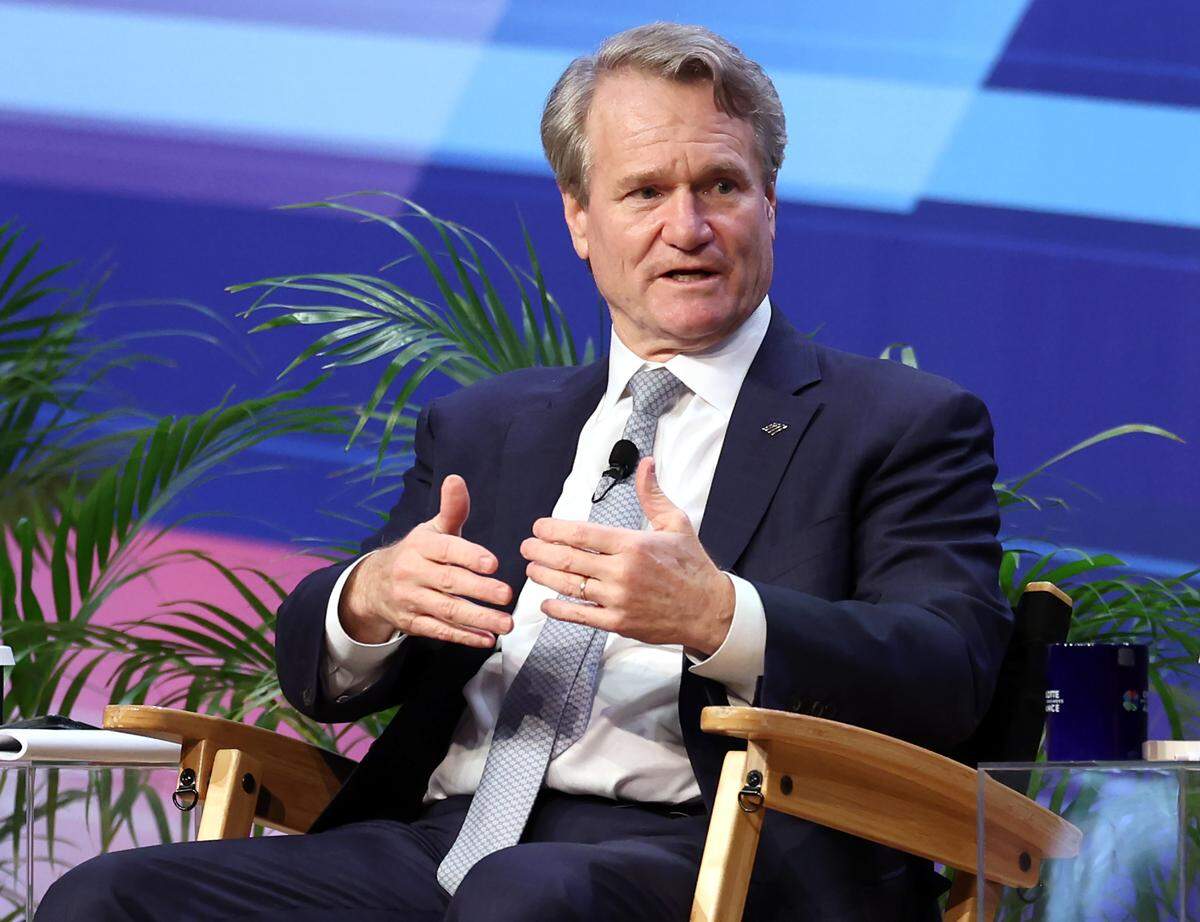
One place that still expects men to wears ties is the place Cooper next hopes to work. In 2023, the U.S. Senate codified a dress code that includes them.
Somewhat ironically, the former governor will try to get there sans tie. On Monday, Cooper officially kicked off his 2026 Senate campaign in an open top-button business shirt. It will be his look going forward.
“Roy wore a suit and tie 6-7 days a week most of his career,” Morgan Jackson, a Cooper political adviser, said via a text Thursday. “He’s said that the last few months of not wearing one have been a real game changer.”
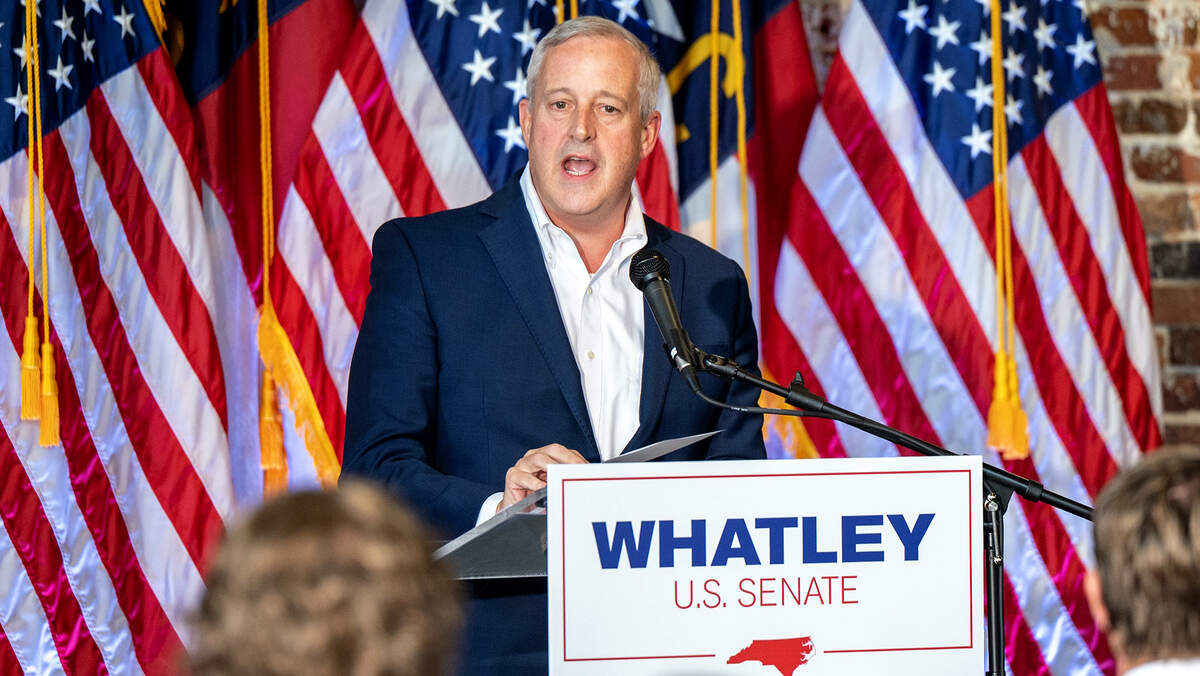
On Thursday, Michael Whatley, chairman of the Republican National Committee, made his U.S. Senate campaign official in an open-button shirt and jacket.
“Television and movies greatly exaggerate how much time political advisers spend on clients’ fashion and wardrobe choices,” said Jonathan Felts, a Republican strategist in Raleigh who is helping launch Whatley’s campaign.
Still, Felts acknowledged the tie — or lack of one — sends a message.
“I think if there was a criticism (of Cooper), it was that sometimes he can come across as too stiff,” he said. “And so a candidate like that might be trying to dress down a little bit.”
Felts foresees a time when the state General Assembly ditches its tie requirements for the House and Senate floors as younger leaders take power.
Not everyone will cheer.
“Trends are what they are, and we just go with the flow,” said Knuckley, who has worked at his family clothing store for 46 years. “But we do feel like there are certain times where they need to be wearing a tie and they’re not.”
How (and when) will Duke Health respond to Trump administration?
Duke Health was firm and direct in its defense of diversity ... in March 2024.
“Achieving health equity while recruiting diverse talent within our education and training programs allows us to deliver the highest quality care to our patients,” the Durham health system wrote after the likes of conservative commentator Ben Shapiro and tech billionaire Elon Musk lambasted its efforts to recruit medical residents from a broader demographical range as unsafe.
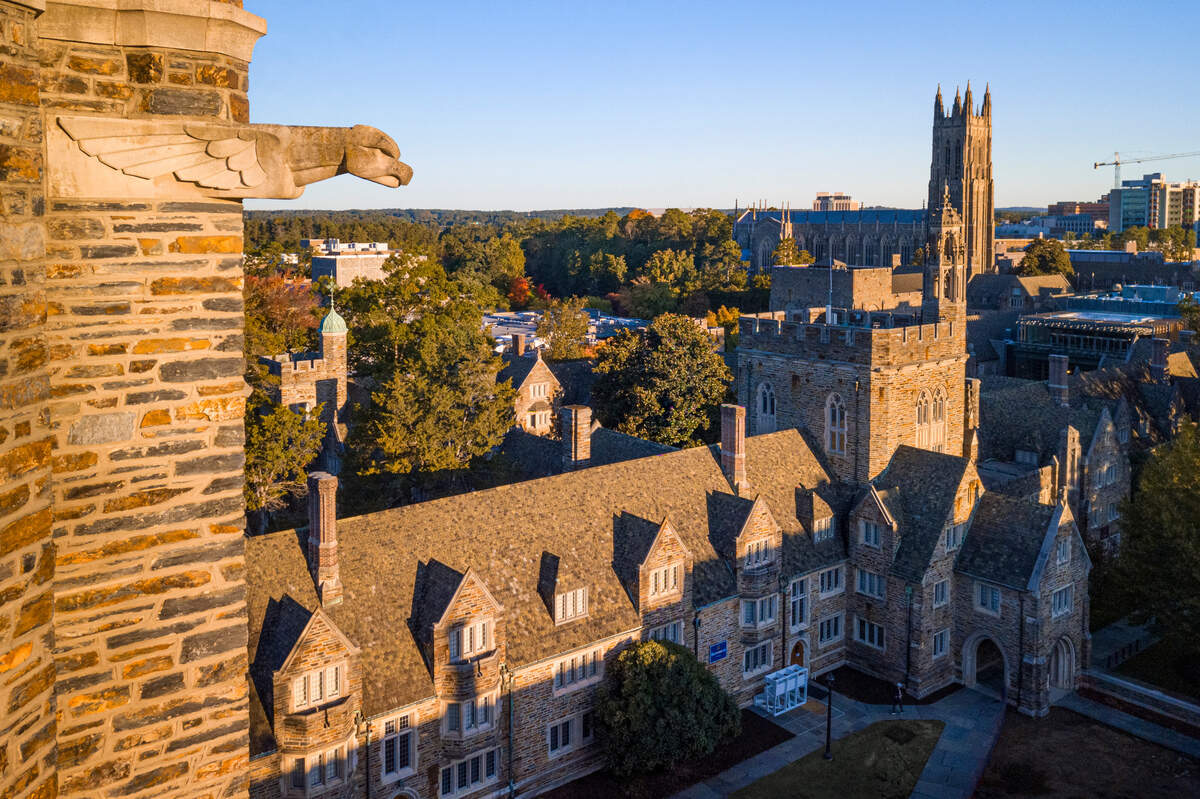
But now, 16 months and one massive presidential administration change later, Duke University hasn’t said a thing this week after two top Trump officials threatened to sever all of Duke Health’s federal funding over a new investigation into the health system’s DEI practices.
“This vile racism carries a host of excuses,” Health Secretary Robert Kennedy Jr. and Education Secretary Linda McMahon wrote in a letter to the university. “And hides behind a smug superiority that such ‘benefitted’ races cannot compete under merit-based consideration.”
Duke receives hundreds of millions yearly from the National Institutes of Health. The Trump administration this week froze $108 million in grants for the school, multiple national outlets report. It wouldn’t be the first elite university to face this type of action. Neither HHS nor Duke has confirmed the $108 million figure. “We can check on this and keep you updated once we have something to share,” Duke Health spokesperson Stephanie Lopez said in an email.
That has been Duke’s line this week — and for the past few months. When the university does respond, will it have the same fight as it did last year?
A farmworker fatality full of twists
From $187,500 to $3,750. That is how much North Carolina slashed the penalty a large, politically connected farm faced after an initial investigation into the 2023 death of migrant worker José Arturo Gonzalez Mendoza found multiple workplace safety violations.
But there is a lot of story behind this 98% fine reduction for Barnes Farming Corp.: extreme heat, 911 calls, surprise autopsy results, a new labor commissioner, a Republican state senator, and the recent death of that senator’s husband, the farm owner Johnny Barnes.
Was Barnes Farm the beneficiary of a generous settlement or, as the surviving family members contend, the victim of an overzealous labor department and political rivals?

Clearing my cache
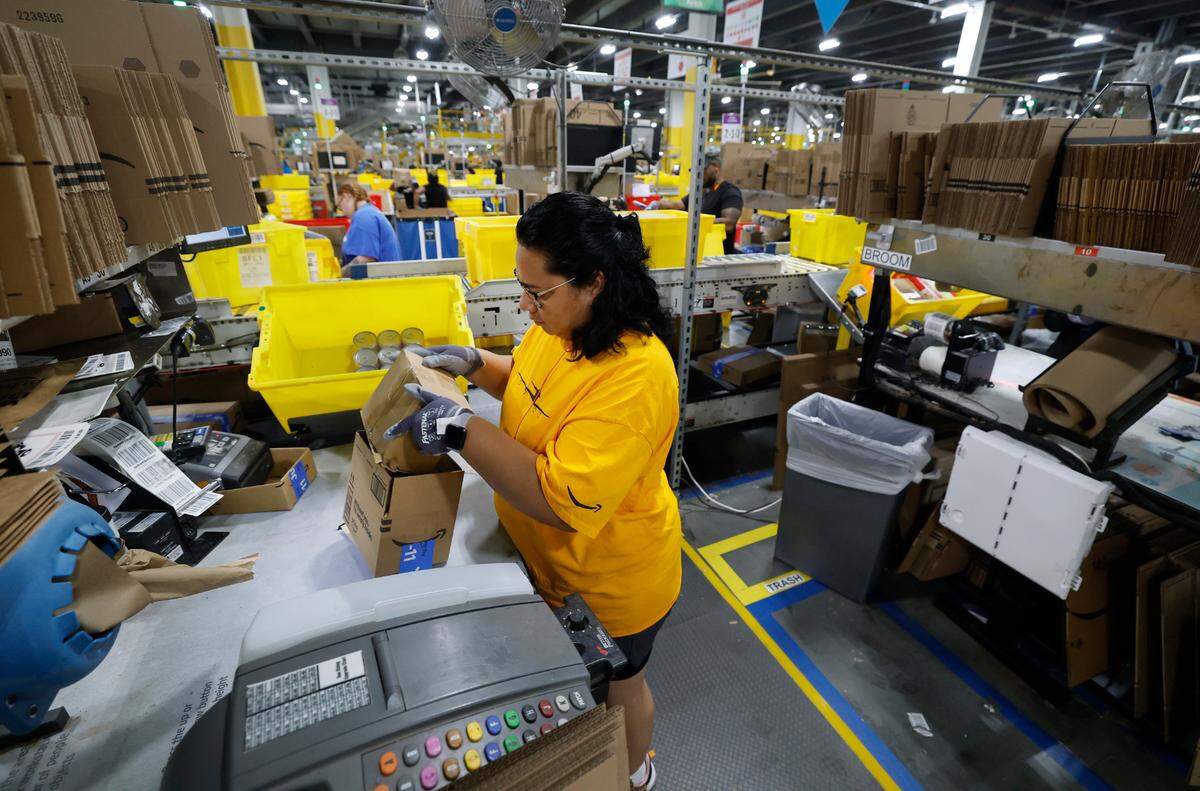
- What is North Carolina’s second-largest Amazon warehouse like? It’s vast and data-driven and increasingly full of robots. Workers inside are encouraged to stretch before resuming their shifts after breaks. The e-commerce giant operates a four-story fulfillment center in Garner, just south of Raleigh, where it leans on metrics to get packages out fast. We got a rare tour.
- What is the world’s largest shingles plant like? It’s hot and loud and getting a new neighbor. The 360-year-old (!) construction materials company Saint-Gobain is expanding its roofing shingles campus in the Granville County seat of Oxford. We got a sneak peek.
- More than 7,000 Indian nationals studied at North Carolina universities last year — the most of any foreign group. Some members of Congress, including Rep. Deborah Ross of Wake County, say visa delays could lower this number as the new academic year approaches.
- Hitachi Energy will grow its U.S. headquarters on NC State’s Centennial Campus in Raleigh. A Swiss-based energy systems provider, Hitachi said in an email it now occupies five floors on the campus, where it anticipates adding around 100 employees by year’s end.
- Cary-based Epic Games beat Google in court again, as the latter failed to convince judges to overturn a unanimous jury verdict in the long-running monopoly case over its app store. Epic CEO Tim Sweeney celebrated what he declared a “total victory.” Google will appeal once more.
- Another new Trump administration investigation into Duke University this week focuses on the diversity recruitment practices of the school’s law journal.
National Tech Happenings
- Microsoft became the world’s second $4 trillion company, joining Nvidia in the unprecedented club on Thursday. Each has offices in the Triangle.
- Meta CEO Mark Zuckerberg laid out a future where superintelligence, AI that exceeds human brain capabilities, will transform humanity. “Developing superintelligence is now in sight,” he wrote in an open letter.
- The world-building video game Roblox has been on a market hot-streak, with the stock of its development company (also named Roblox) rising 91% in the past six months behind robust user growth. Like the Cary-made Fortnite series from Epic Games, Roblox is geared toward younger players.
Wondering now if Epic will ever go public.
Thanks for reading!
This story was originally published August 1, 2025 at 8:33 AM.