Black bear spotted in a Durham neighborhood. What to do if you see one
AI-generated summary reviewed by our newsroom.
- A homeowner’s camera captured a bear roaming near Sandy Creek Park in Durham.
- Younger bears may briefly pass through the Triangle in the spring.
- Wildlife experts encourage people to remove food sources, such as bird feeders.
A mother and son were walking near their Durham home when they saw evidence of a bear — then video footage confirmed their instincts were spot-on.
The same day, a homeowner’s camera captured a bear roaming the area near Sandy Creek Park, prompting neighbors to spread the word about the sighting. But it’s rare to spot a bear in this part of North Carolina, and the ones you see won’t stick around for long.
“It’s not very common for most people to see one, but it is not uncommon for one to show up,” Joe Folta, District 5 wildlife biologist for the N.C. Wildlife Resources Commission, told The News & Observer in a Friday, April 24 phone interview. “It’s just a matter of they are often in a certain part of the Triangle for a very, very short period of time, and then they’re gone.”
Here’s what to know about the Durham sighting and what to do if you encounter a bear in the area.
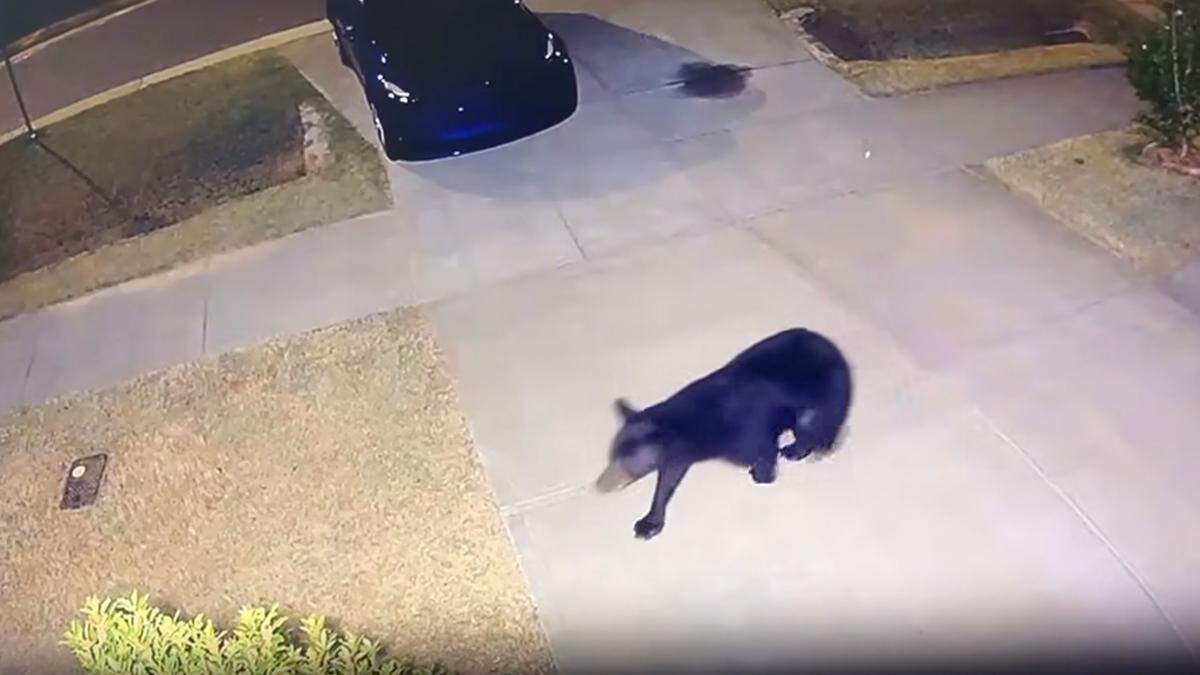
Durham black bear video
The mother and son saw signs of bear activity near popular trails southwest of downtown Durham. While walking through the woods in mid-April, the two saw scat and wondered if it came from a bear, the wildlife commission wrote in a news release and in emails to The N&O.
A video posted to Facebook showed the bear walking near a car in a subdivision. The commission urged people to not panic about the furry visitor, believed to be a younger black bear that weighed less than 100 pounds.
“This particular bear showed up one evening, and that was the last we heard of it,” Folta said. “Usually, if the bear stays in an area, we receive multiple calls about it, and that did not happen in this case. So I’m assuming that it found its way into this part of town, didn’t find what it was looking for, perhaps got scared and went back to a place that’s a little bit more suitable for their life.”
Where do bears live in NC?
In North Carolina, bears tend to live in vast stretches of woods or swamps near the mountains and the coast. That means the Triangle and other more developed areas aren’t as inviting to them.
So, what could have brought the bear to Durham? It turns out, bears that are just over 1 year old start to venture away from their mothers in the spring, often using streams as corridors to reach their destinations.
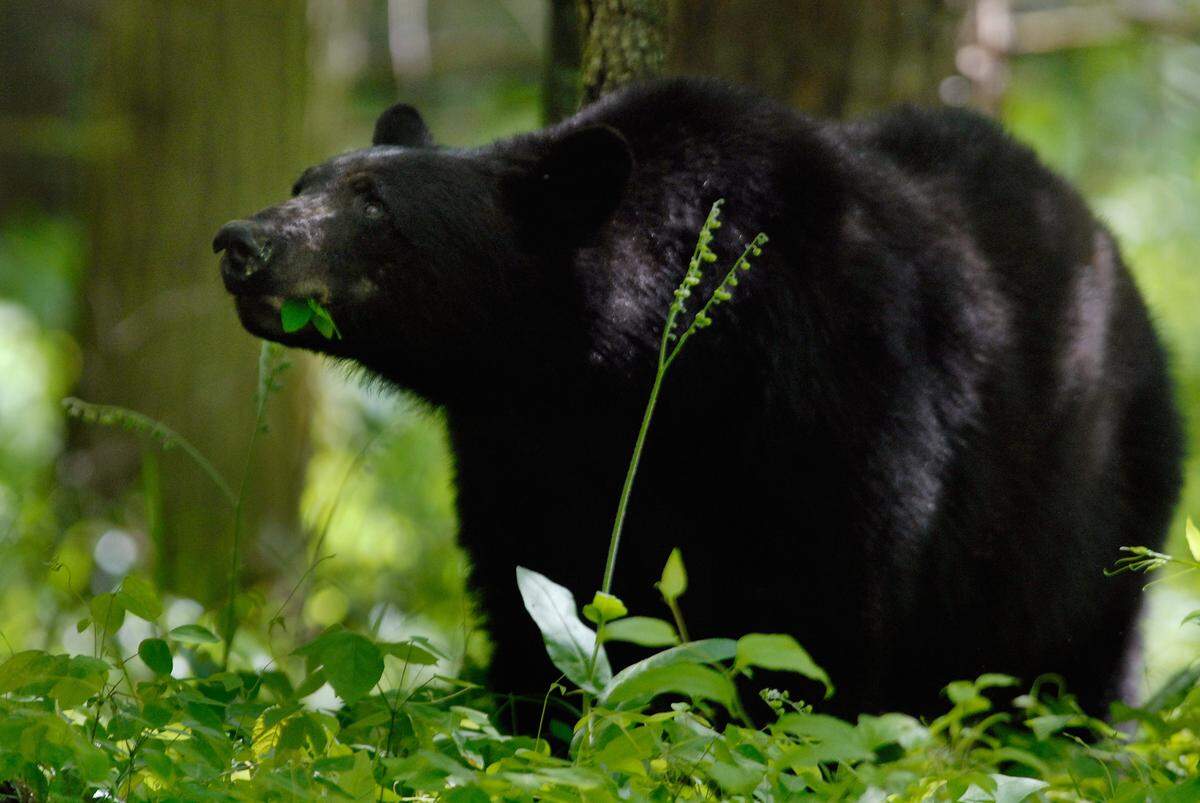
“They’ll come into an area because they might be looking for their own space to call home, to set up their own home range, and they may be chased by any number of different factors,” Folta said. “So a lot of times, as long as there isn’t an attractant available, they’re here today and gone tomorrow.”
One element that brings these transient bears near homes is food. So, if you want to keep the animals away, the wildlife commission suggests taking the following steps:
- Clean grills after each use.
- Get a bear-resistant trash can.
- Remove bird feeders.
- Avoid putting pet food outside.
What to do if you see a bear
If you think a bear may be in your area, signs to look out for include tipped grills and bird feeders. You also may see footprints on the ground or fur and claw marks on trees.
Black bears, the only species that lives in North Carolina, tend to be secretive and avoid humans. Though encounters are rare, here are some recommendations from the wildlife commission and the National Park Service’s website:
- Keep your distance and back off slowly.
- Use bear spray or a water hose.
- Throw rocks toward the bear.
- Try to appear bigger.
- Make loud noises.
- Fight back if you’re attacked.
- Don’t run or play dead.
“Don’t try to feed that bear, and let your neighbors know that you do see one so they can follow those same principles and remove food sources that they may potentially have in their yard,” Folta said.