Your complete guide to finding a good senior care facility in the Triangle
AI-generated summary reviewed by our newsroom.
- State data show 88 counties have more residents over 60 than under 18.
- Some CCRCs have long waitlists and entrance fees from $20,000 to $500,000.
- Medicare doesn't cover assisted living and covers skilled nursing fully for 20 days.
READ MORE
Start here: Senior living in the Triangle
Nearly a quarter of all North Carolina residents will be 65 or older by 2060. For many, remaining in their homes through old age is the primary goal, but it’s not always feasible. Aging experts encourage people to plan ahead to help with making tough decisions later in life. The News & Observer’s guide aims to help. Here’s how to begin that search and what to know to ensure loved ones have a safe place to live.
Expand All
N&O subscribers get exclusive first access to this special guide. Visit newsobserver.com/subscribe to become one of them.
Jesse Fearrington’s mother fell ill quickly.
No longer able to care for herself, Fearrington’s family had to work to find a place that could take her in. But space wasn’t available at the facilities the family preferred.
“She didn’t end up in the best situation,” Fearrington said.
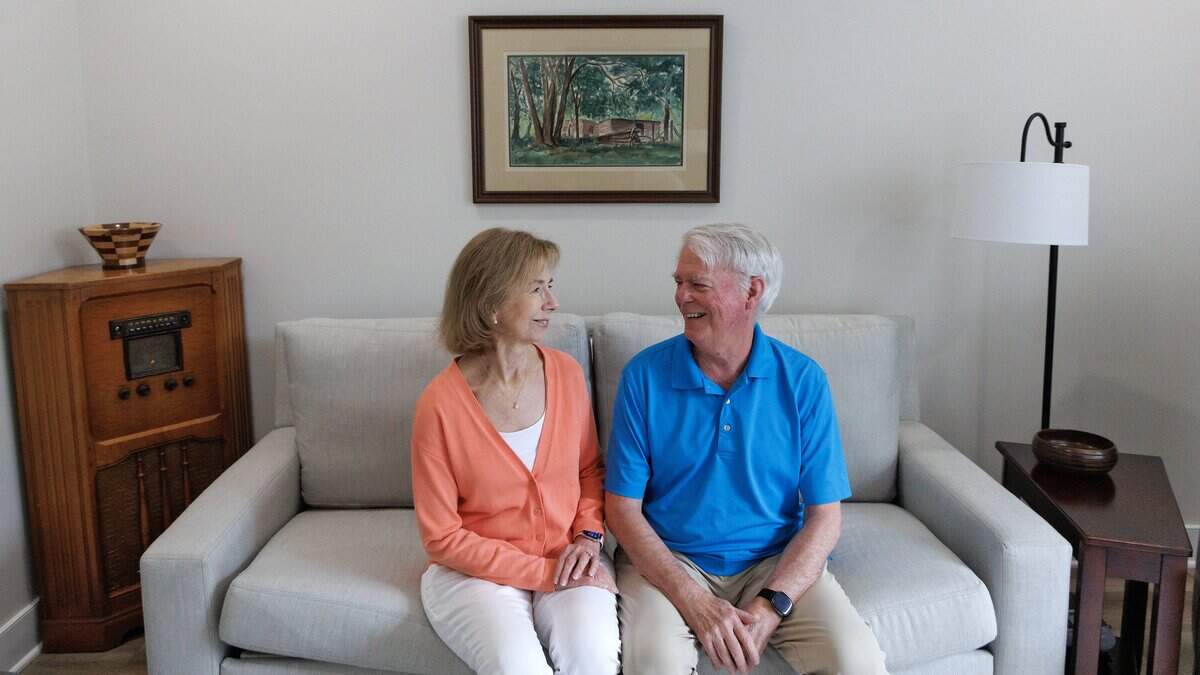
It’s a circumstance he and his wife, Barbara, wanted to avoid in their own lives.
“We had parents that did not plan ahead for their health care, and so we saw the challenges as children of parents who never gave it a thought,” he said. “They just thought, ‘We could live at home. Somebody will take care of us.’”

Nearly a quarter of all North Carolina residents will be 65 or older by 2060. Now, in 88 counties, there are more people over the age of 60 than there are people under the age of 18, according to state demographic data.
In 2023, people 85 and older were projected to be the fastest growing group in the state over the next 20 years.
For many, remaining in their homes through old age is the primary goal, but it’s not always feasible.
“Statistically we need some sort of care in the last few years of our lives,” said Rae Dawson, who teaches a popular course on the topic at the Osher Lifelong Learning Institute (OLLI) at Duke University.
The waitlists for facilities can be long, with some seniors waiting over a decade for some continuing care retirement communities, or CCRCs. And many aging experts warn too few seniors plan ahead, are forced to make quick decisions after a medical emergency, or are caught off-guard by the costs and to learn what isn’t covered by insurance.
One of the worst things you can have happen is somebody has a fall, the doctor comes in and tells the family they can’t go back to the home where they’ve lived for 50 years. What’s your next plan? What are you going to do?”
Mary Bethel
Chair of the North Carolina Coalition on Aging’s Board of Directors“One of the worst things you can have happen is somebody has a fall, the doctor comes in and tells the family they can’t go back to the home where they’ve lived for 50 years,” said Mary Bethel, chair of the North Carolina Coalition on Aging’s Board of Directors. “What’s your next plan? What are you going to do?
“And if people haven’t thought about this or haven’t planned ahead, then they have three or four days to mitigate this and figure out what’s going to happen with them for the rest of their life. That could be very daunting.”
The News & Observer interviewed aging, government, nonprofit and healthcare experts and advocates about how to begin the search for long-term care, and what to do if trying to find a facility quickly.
Types of senior living facilities
Some families and seniors aren’t aware of the different types of facilities available in North Carolina for long-term care, and the terms for different facilities can vary.
- Aging in place: Seniors continue to live in their homes for the rest of their lives. Housing and aging advocates have recommendations, including using at-home programs and following universal construction and design practices, that can make it easier for someone to remain in their homes as they get older. In 2025, the estimated annual cost of a private duty nurse in North Carolina was $6,760 a year or $563 a month, according to Genworth Cost of Care survey data.
- Skilled nursing facilities or nursing home: These 24-hour facilities provide medical care for long-term or rehabilitative stays for residents usually recovering from surgery, injury or severe illnesses. This can be the highest level of medical care a person can receive without going to a hospital. In 2025, the estimated annual cost of a private room at a skilled nursing facility in North Carolina was $129,575 a year or $10,798 a month, per Genworth Cost of Care.
- Adult care homes or assisted living facilities: These 24-hour facilities provide care to people who need assistance with their regular activities like eating, bathing and getting dressed, and supervision for people with cognitive impairments. In 2025, the estimated annual cost of a private room at an adult care home in North Carolina was $77,955 a year or $6,496 a month, according to Genworth Cost of Care.
- Continuing care retirement communities: These are often campuses that include multiple levels of care for people as their needs change, often including homes or apartments for independent living, nursing homes, assisted living facilities and memory care facilities. The costs vary widely depending on the type of contract, and entrance fees can range from $20,000 to more than $500,000, according to Wake County Senior and Adult Services’s website.
Finding a CCRC
Dawson was first a student in the “Stay Put or Move On” class at Duke’s lifelong learning institute that she has now taught for several years.
She moved to the Triangle from Silicon Valley in 2005, and took the class as a self-professed planner who wanted to start preparing for her senior years.
“I think it’s a very popular class because there’s so many people my age moving to the Triangle and looking at what we are going to do as we grow older,” Dawson, 71, said. “And also I think there’s a recognition that aging in place is everyone’s goal, but it’s the rare person who actually ends up doing that.”
In 2023, state data showed that nearly 50,000 people over the age of 60 moved to North Carolina from other states or countries.
The Duke course specifically presents two options for seniors: aging in place and continuing care retirement communities, but not standalone skilled nursing and assisted living facilities. The class, capped at 25 spots, tours several CCRCs in the Triangle.
“It’s much more than do they have good food? And do I like the apartment they offered me? It’s a much more complex decision than that,” Dawson said.
I tell my students that when you go visit and you talk to current residents, you need to determine, ‘Are these my people?’”
Rae Dawson
Instructor, Osher Lifelong Learning Institute at Duke UniversityAs much as people want to make an analytical decision, it’s often not one. There are financial and legal considerations, but in Dawson’s view, that’s not the biggest factor someone should consider.
“I tell my students that when you go visit and you talk to current residents, you need to determine, ‘Are these my people?’” she said. “If they are not, if you don’t feel comfortable, if you don’t feel at home there, if these are not your people, this is probably not the best place for you, no matter how highly rated it is. Each community has its own culture.”
The Fearringtons accepted a spot at Galloway Ridge, a CCRC in Pittsboro, during the COVID-19 pandemic.
“In our career, neither my wife nor I chose to buy long-term insurance,” Jesse Fearrington said. “So, with the pandemic, we kind of panicked a little bit, in all honesty. With not knowing what COVID was going to be or could do, we decided that we would go ahead and tell Galloway Ridge that we would like to move in.”
They took the smallest apartment available with the intention of moving in if they became ill, he said, adding they did move in two years later when a villa became available.
Types of CCRCs
There are just 66 continuing care retirement centers in North Carolina, with a quarter of those facilities in Wake, Durham, Orange or Chatham counties. Some are sprawling campuses with multiple restaurants, fitness and yoga centers, gardens and woodworking and art shops.
“A significant number of the CCRCs occupancy is high, and most of them have pretty extensive wait lists for people to get in, so there is a huge demand for it,” said Deputy Insurance Commissioner Jeff Trendel, who oversees the financial oversight and special entities division.
“Most CCRCs require a large entrance fee when the resident moves in, and some of those contracts are refundable,” he said. “Because of that large entrance fee that people are paying, there is a fair amount of risk that people are taking by paying that money, whether it’s refundable or not. They’re putting their confidence in the provider that they’re going to provide the goods and services they’re contracting for.”
The North Carolina Department of Insurance is responsible for licensing and regulating CCRCs, focused on the facility’s financial solvency and disclosures.
CCRCs are categorized by the type of contracts they offer residents.
- Type A (or life care) contracts: These types of facilities often require a substantial upfront entrance fee and then a flat, consistent monthly fee regardless of the type of care a person requires. The monthly fee is often more expensive than traditional independent living costs, but the fee is usually cheaper than the market rate cost of assisted living or skilled nursing facilities. These facilities can have more stringent health requirements for moving into the community. “Their financial models need for you to live independently for several years, so that they can build up a cushion for you when you need to move to a higher level of care,” Dawson said.
- Type C (or fee-for-service) contracts: These contracts have some of the lowest up-front costs but increased, market-rate fees for more advanced care like skilled nursing or assisted living. These facilities can also have less stringent health requirements. This option can be paired with long term-care insurance, which can drop the out-of-pocket costs.
- Type B (or modified) contracts: These contracts are usually a hybrid between Type A and Type C contracts. They usually have a lower initial fee and a period of time where advanced nursing or assisted living care is covered or discounted, but then the market rate of that advanced care kicks in.
- Rental Contracts: These are newer types of CCRCs, usually managed by a for-profit organization, and often don’t have entrance fees. However, the monthly rent can be quite high. And, if a person runs out of funds, they could be kicked out of the community where other CCRCs often have benevolence funds to cover costs for residents. The waitlists can also be much lower for rental contracts.
“People who move into a rental typically do that later in life,” Dawson said. “They haven’t made plans to go to a traditional CCRC, they’ve waited too late, or they might not really know if they want to stay in the Triangle.”
Much of the state’s growth in the CCRC market has been expansions for existing communities and newer for-profit rentals models, Trendel said.
How to evaluate long-term care facilities
Many families and seniors begin their search for a long-term care facility after a medical emergency.
“Most people don’t plan,” said William Lamb, 78, board member of Friends of Residents in Long Term Care. “The worst time in the world to try and make a decision is when you’re under the gun and you haven’t planned ahead of time, and you’re at the whim of either discharge planning people or almost the luck of the draw in terms of who you get engaged with.”
Lamb intends to move into a CCRC, partly so he doesn’t burden his son who lives in New Hampshire.
“We’re making decisions ahead of time so we know what’s going to happen and how it’s going to happen,” he said. “And my son is not placed in a position to try and make those decisions on our behalf from as far away as he is now.”
There are a number of databases and resources that can help people evaluate different long-term care facilities:
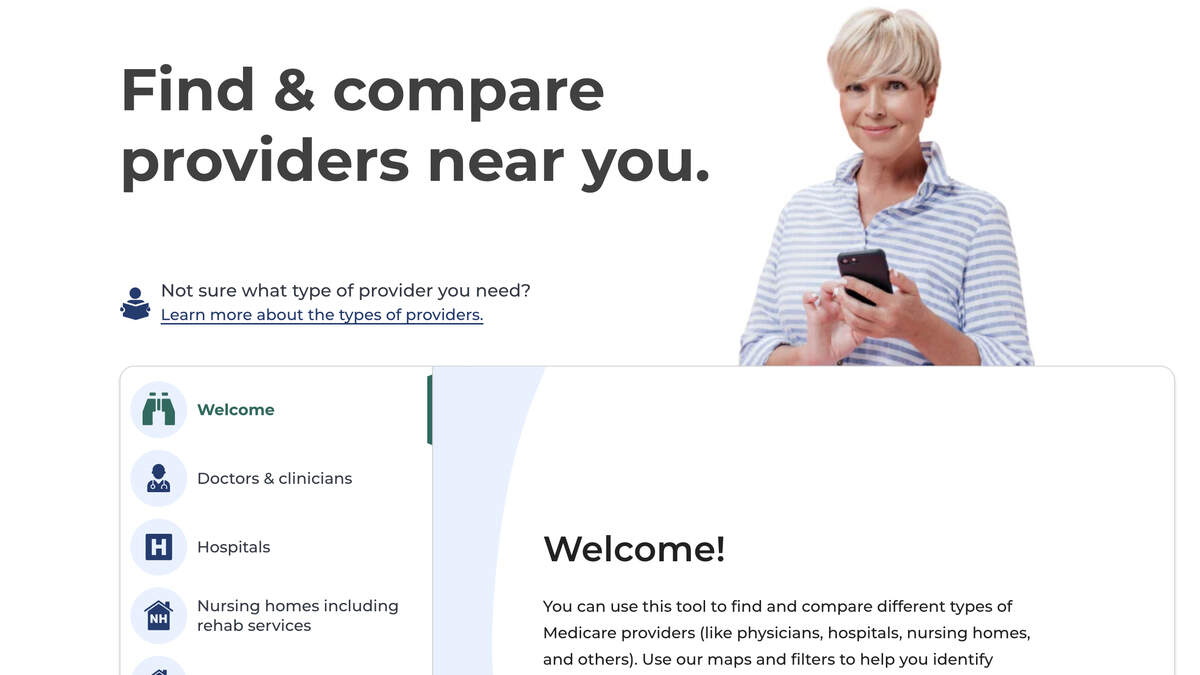
- Nursing Home Five-Star Quality Rating System: This federal database, found at medicare.gov/care-compare, compares health and fire safety inspections, complaint inspections, staffing levels and infection control inspections, among other information. But some of the information is self-reported by the facilities. Each nursing home is rated on a scale of 1 to 5 stars. People can search by name, ZIP code, city and state. There are red and yellow alerts for homes that have been cited for abuse or have a history of serious quality issues.
- North Carolina’s Adult Care Home (Assisted Living) Star Rating System: This state database rates assisted living facilities based on its compliance with the state’s minimum standards and includes statements of deficiencies by the state, the star rating and any corrective action reports that resulted in penalties, among others. Each facility starts with 100 points, which can be taken away for deficiencies. The highest rating a center can have is four stars, and people can search by facility name, county or city.
- NC Department of Insurance: The department has many consumer resources on its websites for reviewing CCRCs, including a database to review their financial disclosure statements. It also has a directory and comparison portal that provides a summary of contract options, occupancy and what services are offered by the facility.
- Long-Term Care Ombudsman Program: This ombudsman program helps residents living in long-term care investigate and resolve concerns, and provide advice on how to select a long-term care option.
What should you ask long-term care providers?
The following are questions or ideas to consider when visiting a long-term care facility or researching locations. Many advocates suggested visitors use all their senses during the visit.
- Take the scheduled tour, but follow-up with an unannounced visit. Try not only to visit during weekdays but also in the evenings and weekends.
- Ask to taste the food and participate in any activities going on. Talk to residents and family members visiting or those you see at the facility.
- Are you hearing call bells going off, and is the staff responding quickly? Are staff members talking about residents in hallways instead of in private areas? Are staff members calling residents by their name?
- Is there a smell of urine or feces? Is the smell lingering or cleaned quickly?
- Are the hallways cluttered? Are common areas generally clear and clean? Are the grounds maintained?
- Do you see safety features like handrails and call buttons? Ask about the center’s emergency plans for fires, hurricanes or other situations that might prompt a lockdown or evacuation.
- Read the contract and fine print to confirm it matches what you were told. It can be helpful to have an attorney or financial advisor review any contracts before signing.
- Ask for references from residents or family members who have been at the facility for an extended period.
- Ask about staff-to-resident ratios and how they change throughout the year. Is there a “consistent assignment” where the same attendant and aide is assigned to the same resident time?
- How do they accommodate resident preferences and routines? Does the facility offer memory care? How is informed consent obtained for administering drugs, like sedatives?
- Get a recommendation from a friend or acquaintance about how they like where they have stayed or intend to go.

How much does long-term care cost?
Autumn Cox fields the same calls over and over as regional ombudsman for Central Pines Regional Council’s Area Agency on Aging.
“Every day they call, and they’re like, ‘Oh, but mom has Medicare,’” Cox said. “It is a common misconception, because a lot of people assume that because you have Medicare, that’s going to just pay for it, and that’s not the case.”
Traditional Medicare usually requires a three-night inpatient qualifying hospital stay to cover the cost of a skilled nursing facility. But, even then, Medicare only covers the full cost of the first 20 days. Then the patient is responsible for covering a portion of the cost on day 21 and beyond. Residents who have a Medicare Advantage plan may need to confirm what their plan covers, and if the facility they’ve chosen is in-network.
Medicare doesn’t cover any costs associated with assisted living facilities with people either having to pay privately or, eventually, qualifying for Medicaid.
“Almost two-thirds of people in nursing homes in North Carolina are on Medicaid now,” Bethel said. “Most of them were not on Medicaid when they went into facilities, but it doesn’t take long for a person to spend down the little nest egg at $130,000 a year.”
Not all assisted living centers take Medicaid, and, those that do, tend to have “more complaints” based on public records, Cox said.
Sherry Henderson, regional director of care management at UNC Health, and other social workers help patients and their families who have to make a decision quickly because of a medical emergency.
“Really being in the moment with people keeps them from off the ledge,” Henderson said. “Where we say, ‘You’re going to do this first, this first and this first.’ I find that people start coming around and that the anxiety is easing off.”
There’s been a shift with many seniors having fewer resources, working longer into traditional retirement age and with adult children unable to take care of them, Henderson said.
“We’re always going to talk about a plan A,” Henderson said. “So plan A could be (your) wish list and my wish list too, because I want what you want. But then Plan B may be one piece of Plan A and we have to look at alternative plans, but we can still get through this.”
Every patient has a different set of circumstances, resources and priorities.
“You can have an extreme case where a person has a lot of financial resources and everybody now is at the hospital and everybody wants to have a say,” Henderson said. “So now you’re trying to decide and, first of all, legally who has the right to make decisions? And, if that is nobody, if this person doesn’t have capacity, I need to get DSS and the courts involved to help with the decision because I don’t want this person to be exploited.”
After her own father became ill, Henderson began having conversations about his wishes, including creating advance directives.
“I really had to help him understand what that meant,” she said. “So I don’t think there’s a lot of conversation about advanced care planning, asking people what they really want. … It is an emotional conversation, and I don’t think it happens as often as it should.”
This story was originally published June 11, 2026 at 5:00 AM.

.png)