How to check senior care facility inspections in North Carolina
AI-generated summary reviewed by our newsroom.
- Medicare Care Compare lists health and fire safety, complaint, staffing and infection.
- The state rates assisted living from 100 points up to four stars and lists deficiencies.
- Long-Term Care Ombudsman helps investigate and resolve concerns and advises on care.
READ MORE
Start here: Senior living in the Triangle
Nearly a quarter of all North Carolina residents will be 65 or older by 2060. For many, remaining in their homes through old age is the primary goal, but it’s not always feasible. Aging experts encourage people to plan ahead to help with making tough decisions later in life. The News & Observer’s guide aims to help. Here’s how to begin that search and what to know to ensure loved ones have a safe place to live.
Expand All
There are several databases and resources to help people make an informed decision about long-term care plans.
The state is projected to jump from 1.9 million to over 2.8 million people 65 years or older by 2042, according to state data. Right now, in 88 counties, there are more people over the age of 60 than there are people under the age of 18. Nearly 50,000 people over the age of 60 moved to North Carolina from another state or country in 2022.
These resources can help people navigate long-term care inspections and ratings.
Nursing Homes Five-Star Quality Rating System
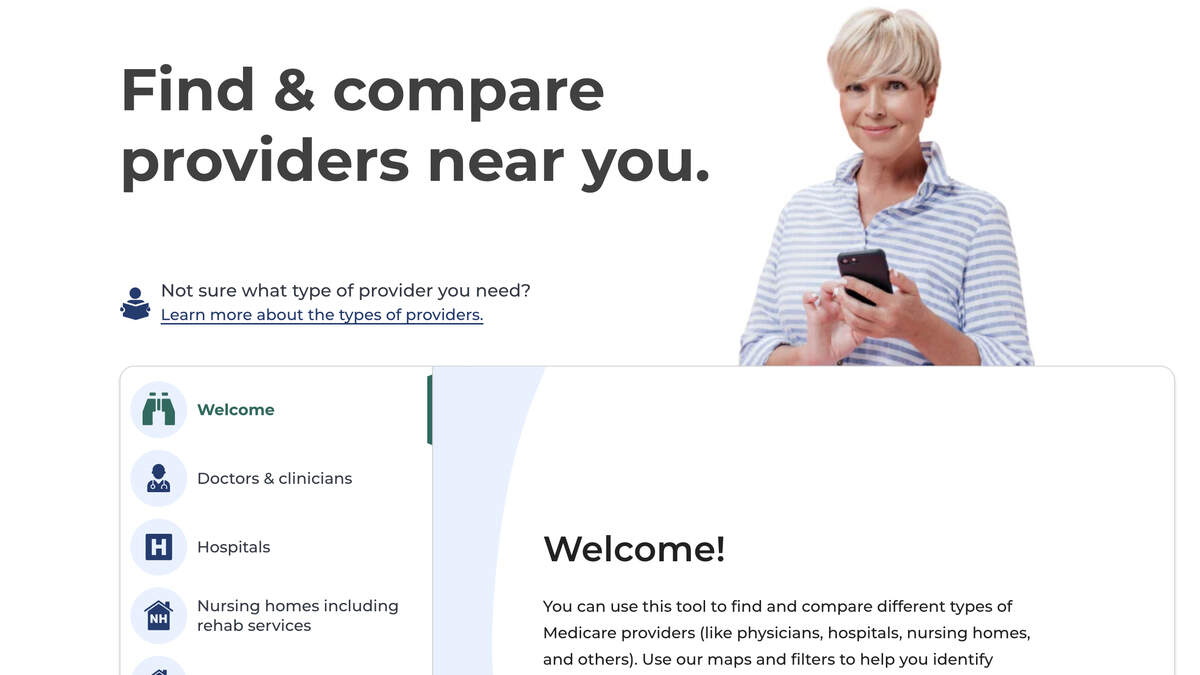
This federal database compares health and fire safety inspections, complaint inspections, staffing levels and infection control inspections, among other information. But some of the information is self-reported by the facilities. Each nursing home is rated on a scale of 1 to 5 stars. People can search by name, ZIP code, city and state, and there are red and yellow alerts for homes that have been cited for abuse or have a history of serious quality issues.
Search for yourself at medicare.gov/care-compare.
North Carolina’s Adult Care Home (Assisted Living) Star Rating System
This state database rates assisted living facilities based on its compliance with state’s minimum standards and includes statements of deficiencies by the state, the star rating and any corrective action reports that resulted in penalties, among others. Each facility starts with 100 points, which can be taken away for deficiencies. The highest rating a center can have is four stars, and people can search by facility name, county or city.
Search for yourself at info.ncdhhs.gov/dhsr.
N.C. Department of Insurance’s CCRC portal
The department has many consumer resources on its websites for reviewing continuing care retirement communities, including a database to review CCRC’s financial disclosure statements. It also has a directory and comparison portal that provides a summary of contract options, occupancy and what services are offered by the facility.
Search for yourself at ncdoi.gov/licensees and apps.ncdoi.net.
“Most CCRCs require a large entrance fee when the resident moves in, and some of those contracts are refundable,” said Deputy Insurance Commissioner Jeff Trendel, who oversees the financial oversight and special entities division. These are normally lifetime contracts, and people are trusting the CCRC will provide that higher level of care, if it is needed, he said.
“The provider has to operate the facility and operate their organization in a manner such that they’re going to be able to fulfill those contractual obligations and the (department of insurance) is just the backstop, making sure that they’re doing what they need to do to remain financially viable,” Trendel said. “If they’re not, the department can begin to intervene.”
The state has done this only once in 2023 with Aldersgate, a continuing care retirement community in Charlotte. The retirement community was “insolvent or in imminent danger of becoming insolvent,” NC Health News reported.
Long-Term Care Ombudsman Program
The Long-Term Care Ombudsman Program helps residents living in long-term care investigate and resolve concerns, and provide advice on how to select a long-term care option for seniors and their families.
Autumn Cox, regional ombudsman for Central Pines Regional Council’s Area Agency on Aging, helps seniors and their families evaluate different long-term care options, and works to address concerns from residents living in long-term care facilities.
“Confidentiality is the backbone of our program,” she said. “So they could talk to me on the phone for an hour and then say, ‘I don’t want you to do anything’ because they are scared of retaliation or fear of being kicked out. So I sometimes have to be creative with how I am able to address their concerns.”
The top five complaints and long-term care issues reviewed by the ombudsman program at Central Pines, which covers the Triangle, are:
- Care: Accidents or falls, staff members not responding to call lights, medication problems, access to health-related services and incontinence care, among others.
- Autonomy, choice, rights and privacy: Staff attitudes, retaliation, privacy of healthcare providers and dignity of residents.
- Admission, transfer and discharge: The admission and appeal process, the discharge or eviction of a resident and room change issues, among others.
- Financial, property: Insufficient notice of increase for rent and cost of care, incorrect billing and loss of personal items, among others.
- Environment: Disruptive noise, unpleasant odors, poor lighting, laundry mishaps, insect infestation and housekeeping issues, among others.
How to contact long-term care ombudsman
Here is the contact information for ombudsman in the Triangle (as of June 2026):
- Chatham County: Charlene Purkett, adult care homes and nursing homes, 919-558-9401, cpurkett@centralpinesnc.gov
- Wake County: Autumn Cox, adult care homes, 919-558-2719, acox@centralpinesnc.gov, and Angela Woodard, nursing homes, 919-558-9404, awoodard@centralpinesnc.gov
- Durham County: Tracy Burton, adult care homes and nursing homes, 919-558-2714, tburton@centralpinesnc.gov
- Orange County: Charlene Purkett, adult care homes and nursing homes, 919-558-9401, cpurkett@centralpinesnc.gov
- Johnston County: Carolyn Pennington, adult care homes and nursing homes, 919-558-2703, cpennington@centralpinesnc.gov
Here is the contact information for ombudsman in the Charlotte area (as of June 2026):
- Mecklenburg County: Kisha High, adult care homes, 704-688-6503, khigh@centralina.org, and Hillary Kaylor, 704-348-2724, hkaylor@centralina.org
- Cabarrus County: Rachel Kiel, adult care home and nursing homes, 704-348-2739, rkiel@centralina.org.
- Union County: Rochelle McIver, adult care homes and nursing homes, 704-348-2736, mciver@centralina.org
- Gaston County: Rochelle McIver, adult care homes and nursing homes, 704-348-2736, mciver@centralina.org
- Iredell County: Jeanette Mullies, adult care homes and nursing homes, 704-688-6504, jmullies@centralina.org
- Rowan County: Jeanette Mullies, adult care homes and nursing homes, 704-688-6504, jmullies@centralina.org
- Lincoln County: Jeanette Mullies, adult care homes and nursing homes, 704-688-6504, jmullies@centralina.org
- Catawba County: Michele Francois, adult care homes and nursing homes, 828-485-4271, michele.francois@wpcog.org.
How to report elder abuse
Elder abuse is the intentional act, or the failure to act, that causes harm to an older adult. That can include physical, sexual, emotional and financial abuse and neglect.
Approximately one in 10 older adults experience abuse every year, according to the National Center on Elder Abuse.
Signs of elder abuse can include:
- Dehydration or unusual weight loss
- Missing medication or medical aids
- Unexplained injuries and bruises
- Unexplained sexually transmitted diseases
- Torn, stained or bloody clothes
- Increased fear, anxiety or depression
- Isolation from family or friends
- Unusual changes in behavior or sleep
- Fraudulent signatures on financial documents
- Unpaid bills or sudden changes in spending patterns
If you suspect an older or disabled adult is in immediate danger, call 911.
How to reach Adult Protective Services in the Triangle
Other reports of suspected abuse or neglect can be reported to your local Adult Protective Services within your county’s Department of Social Services.
- Wake County: 919-212-7264, wake.gov/departments-government/health-human-services/programs-assistance/senior-and-adult-services/adult-protective-services
- Durham County: 919-560-8588, dconc.gov/Social-Services/Aging-and-Adult-Services/Adult-Protective-Services
- Orange County: 919-245-2800, orangecountync.gov/1857/Adult-Protective-Services
- Chatham County: 919-642-6988, chathamcountync.gov/government/departments-programs-i-z/social-services/adult-services-information
- Johnston County: 919-989-5300, johnstonnc.gov/dss/content.cfm?pageid=aps
- Franklin County: 919-496-5721, franklincountync.gov/307/Adult-Services
- Granville County: 919-693-1511, granvillecounty.org/481/Adult-Protective-Services-APS
- Nash County: 252-462-2711, nashcountync.gov/266/Social-Services
- Harnett County: 910-814-6640, harnett.org/dss/?btid=2&bid=445

.png)