What Chapel Hill-Carrboro families need to know before Thursday’s schools hearing
AI-generated summary reviewed by our newsroom.
- District staff recommended closing one school in April, not two.
- Speakers must sign up and will have two minutes each at the May 21 Smith Middle meeting.
- Closing one school could save about $1.7M yearly and $10-$15M in long-term maintenance.
If you’ve been holding your breath about which Chapel Hill-Carrboro elementary school might close, a decision is close.
A bit of good news: District staff told the school board in April that only one school might need to close now, not two. That sets the stage for a public hearing Thursday at Smith Middle School.
The board could make a final decision June 4.
Here’s what you need to know going into Thursday’s hearing.
Big changes are pending
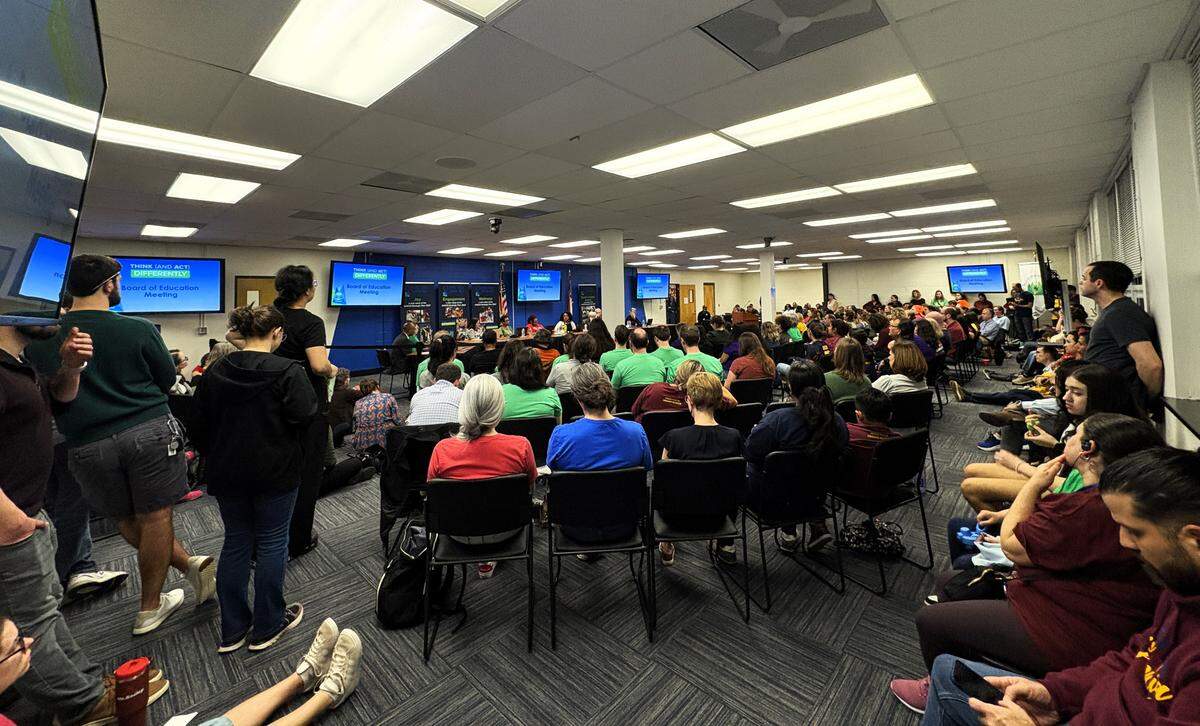
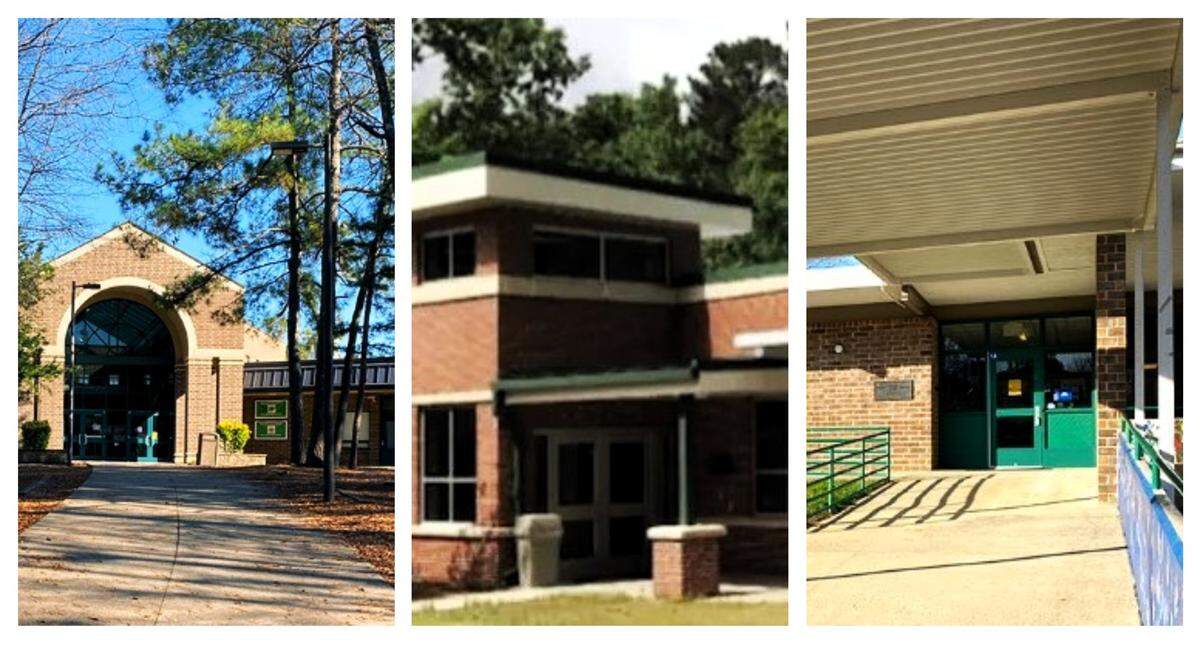
Since January, hundreds of parents, kids and teachers have packed school board meetings to support Ephesus, Glenwood and Seawell elementary schools. All three have been on the table for closure as the district wrestles with tight budgets and a steady drop in enrollment.
But updated enrollment numbers — the kind that factor in pending and future housing construction — painted a less alarming picture in April than earlier projections. Ephesus and Glenwood could reach about 100% capacity by 2036. Seawell trails at roughly 81%.
Al Ciarochi, deputy superintendent of operations, told the board he’d recommend closing just one school. After redistricting, that would push schools across the district to about 87% capacity — enough breathing room without overcorrecting.
“I do not recommend that you try to pass the closure of two schools,” Ciarochi said. “There are districts that have to do that, when they cannot make a payroll for people, and they have to do it. I don’t believe that we’re in that position.”
Mark your calendar: May 21
The public hearing is happening May 21 at Smith Middle School to accommodate the large number of people expected.
Speakers should sign up prior to the 7 p.m. meeting and will have two minutes each to make their comments. The school is located at 9201 Seawell School Road in Chapel Hill.
The meeting will be livestreamed for those who can’t attend, and written comments can be submitted to chccstogether.org/contact.
If you plan to speak, bring your story and your patience — these meetings tend to run long, and the room will likely be full.
Which school is most likely?
Board members are trying to minimize disruption — both in how many students get moved and how far they have to travel.
Board member Rani Dasi suggested taking a closer look at Glenwood, while keeping its popular world language and Mandarin magnet programs alive. Since few Glenwood students actually live in the neighborhood, closing it wouldn’t shake up bus routes as much.
But moving those language programs isn’t simple. If both programs land at a single new school, the students currently at that school might have to move somewhere else. The other option is splitting the programs — sending roughly 200 students from each program to different schools.
Ciarochi said Estes Hills, Northside and Rashkis elementary schools have the most room. But there’s a catch.
“When that time comes, there’s going to have to be a lot of work that’s done to preserve the culture of that school, but also to allow the school to embrace cultures of other schools that are kind of blending in with it,” he said. “You want to try to preserve the best of both.”
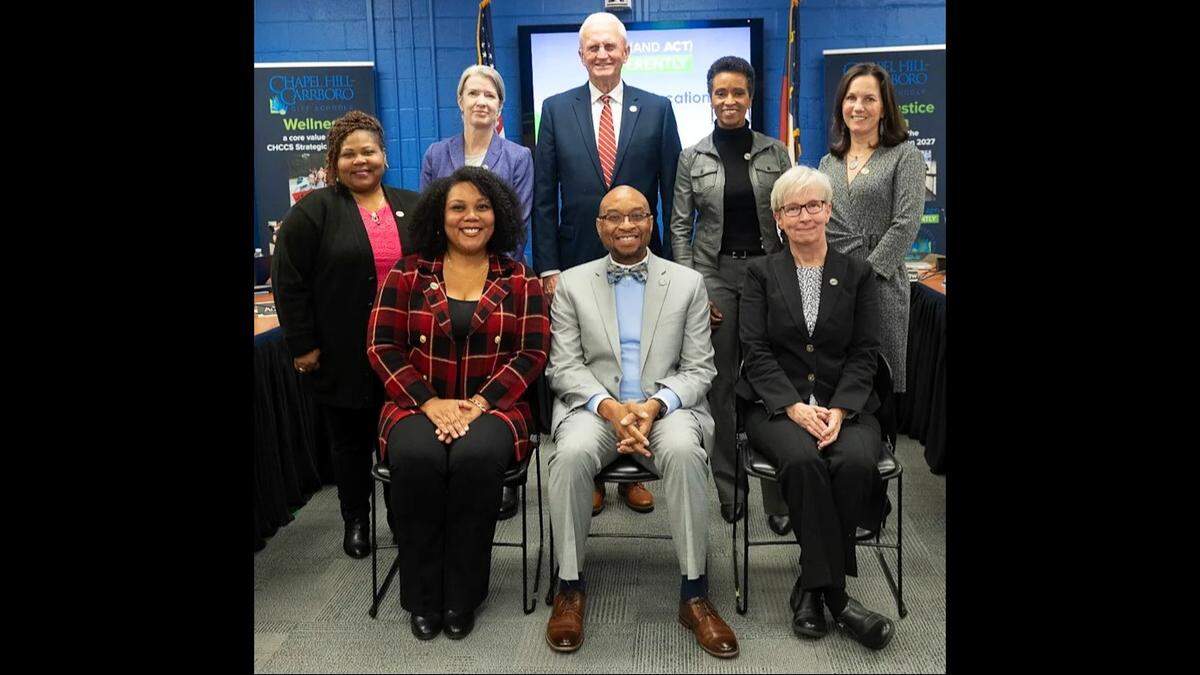
Board Chair Riza Jenkins emphasized she doesn’t want to create more upheaval than necessary, and limiting how many kids move — and how far — is the way to do that.
Why this is happening
The short version: fewer students, less money, same buildings to maintain.
Enrollment has dropped by 1,547 students since the 2020-21 school year, mostly in elementary grades. The district now serves roughly 11,114 students and could lose another 277 next year.
Every empty seat costs the district $17,286.96 in local, state and federal funding in 2025 dollars, according to N.C. Department of Public Instruction data. CHCCS is already bracing for a $2.43 million state budget cut next year.
Orange County’s proposed budget adds $1.55 million — roughly $5 million less than the district had hoped for.
Staffing cuts have already hit hard: more than 100 positions trimmed in 2024, 19 more in April, and next year’s budget eliminates 25 teachers and teaching assistants from elementary and high schools.
Closing a single school could save an estimated $1.7 million a year, plus $10 million to $15 million in long-term maintenance costs.
What’s driving the enrollment drop
It’s not just one thing. Some kindergarten families never enroll. Others leave for private, charter or home schools. And Nathan Dollar with Carolina Demography pointed to two bigger forces: declining birth rates and the high cost of housing in Chapel Hill and Carrboro.
That’s why Chapel Hill’s Town Council has been pushing for more three- and four-bedroom condos and townhomes — the kind of housing families with kids actually need.
Current projections show enrollment leveling off around 2035, with the district settling at roughly 9,500 students.
Looking ahead
Board member George Griffin said the bigger conversation isn’t just about closing a school — it’s about what the district wants to become.
“What’s our vision of where are we going in the next six to 12 months with our redistricting and our planning?” he asked. “Can we have some new programs?”
Superintendent Rodney Trice started that conversation late last year, but for families weighing all this, May 21 is an opportunity to be heard.
Read more about the criteria the district used in The News & Observer’s coverage of the closure discussion.
This story was originally published May 20, 2026 at 2:54 PM.