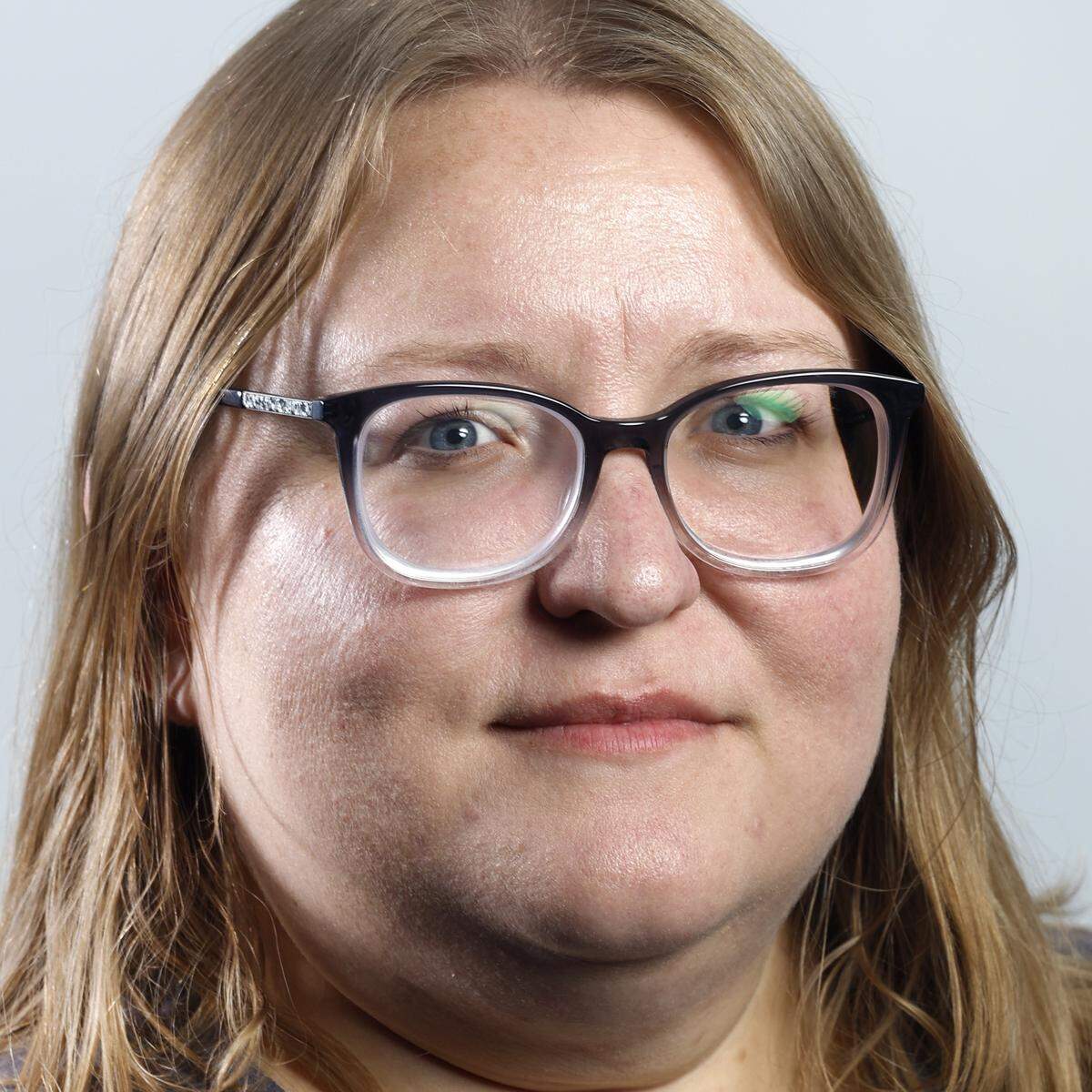
Jonathan Lambert-Melton, candidate for Wake County commissioner
READ MORE
WakeCommissionerNav
Seven candidates are seeking the Democratic nomination for two at-large seats that will expand the seven-person Wake County Board of Commissioners to nine. The winners of the March 3 primary will face Republicans Gary Dale Hartong and Kyle Stogoski in the Nov. 3 general election.
Expand All
The News & Observer is publishing questionnaires for candidates on the Wake County Board of Commissioners primary ballot to help voters learn where they stand on important policy issues.
Seven candidates are seeking the Democratic nomination for two at-large seats that will expand the seven-person board to nine. The winners of the March 3 primary will face Republicans Gary Dale Hartong and Kyle Stogoski in the Nov. 3 general election.
The Democratic primary is open to registered Democrats and the more than 380,000 unaffiliated Wake County voters. Early voting runs through Feb. 28 at a dozen locations.
Here are responses from Jonathan Lambert-Melton.
- Name: Jonathan Lambert-Melton
- Age: 40
- Occupation and employer: Lawyer/mediator, Gailor Hunt
- Education: NC State University, BA Political Science; North Carolina Central University, Juris Doctor
- Endorsement (limited to three): LGBTQ+ Victory Fund; Sierra Club; Raleigh-Wake Citizens Association (RWCA)
- Previous political or civic experience (limited to three): Raleigh City Council, at-large; former Raleigh Mayor Pro Tem; NC League of Municipalities Board Member
- Campaign website: jonathanmelton.com
- What is your favorite locally owned restaurant in Wake County? Centro (or any restaurant by Angela Salamanca)
- What is a piece of media (podcast, TV series, video game, book) that you recently finished and enjoyed: Heated Rivalry (I’m reading the books now too)
How do you identify your political ideology?
I’m a Democrat and a progressive local leader focused on delivering results, including expanding access to housing, investing in transit, protecting LGBTQ+ rights, and making sure Wake County grows in a way that works for everyone.
What perspective or life experience would you bring that’s missing from the Wake County Board of Commissioners now?
I think the entire existing board does good work and I know each of them. I would add local governance experience from Wake County’s largest municipality and the only LGBTQ perspective.
What issue personally motivated you to run for office, and what would you do about it if elected?
I first ran for office and was elected to the Raleigh City Council in 2019, because I personally experienced issues affecting the city, like housing affordability and access to transit, and I knew I could help be part of the solution. That sense of responsibility is the same reason I am running for the Wake County Board Commissioners. Wake County is facing a significant housing shortage, and our growth pressures demand coordinated, countywide leadership. If elected, I would serve as a champion and facilitator of zoning reform efforts, working with leaders in our municipalities to increase housing supply and to prevent sprawl. I would also prioritize fully funding and implementing the Wake County Transit Plan. Expanding frequent, reliable transportation options in the county is essential to improving mobility, reducing vehicle miles traveled and lowering greenhouse gas emissions.
Are there specific programs or services Wake County should add? If yes, please provide examples.
Yes, Wake County should add and expand programs that give residents more voice in local government and improve how we respond to community needs. I would add a Participatory Budgeting process, so residents have more direct impact on how county funds are allocated. Participatory Budgeting has been successful in many places, like Raleigh, in increasing civic engagement and transparency. I would also like Wake County to consider scaling and implementing a program similar to Raleigh CARES (or Durham HEART) where mental health professionals are sent to address certain calls for service with, and sometimes in place of, law enforcement. These programs have improved outcomes for individuals experiencing mental health crisis, reducing unnecessary arrests and jail admissions, and allowing law enforcement officers to focus on situations truly related to crime and public safety.
Are there specific programs or services that should be cut? If yes, please provide examples.
I can’t think of any specific programs or services that should be cut. Most of the county’s budget is allocated to public education, public safety, health and human services, and infrastructure; these are core needs affecting residents’ quality of life. As the county prepares for the possibility of federal cuts, it will be especially important to make sure these essential services remain stable and secure.
Is there something Wake County should be doing to support K-12 students and teachers that it’s not doing now?
Wake County already allocates the majority of its budget to public education, with a large portion used to supplement our K-12 schools because the North Carolina Legislature has failed to fund public education at adequate levels. Given the existing budget constraints, there are limits on what the county can do alone, but there are still a few additional steps the County should consider. Wake County should advance a school infrastructure bond to assist with improvements to our school facilities. I also support providing additional resources to Wake County Public Schools to help reduce IEP caseload caps below the state limit. Finally, I believe Wake County should fund universal, no-cost school meals. The cost to implement this program would be relatively modest compared to the overall education budget, and reducing food insecurity will improve student focus and performance, while removing stigmas for students.
What specific changes would you recommend to increase access to affordable housing in the county?
Wake County should make its vacant and underutilized land available for construction of new affordable housing, working in partnership with nonprofit housing providers. Public land is one of the most impactful tools the county has to lower development costs and to increase production of affordable housing. We have successfully implemented this approach in Raleigh, where partnerships with organizations like Raleigh Area Land Trust, Southeast Raleigh Promise and Habitat Wake have resulted in multiple affordable housing units under construction or completed in recent years. If elected, I will work to expand this strategy countywide, particularly near transit, jobs, and schools.
What separates you from your opponents and makes you the best choice for Wake County voters?
I have served as an at-large member of the Raleigh City Council since 2019 and previously served as Raleigh mayor pro tem. I have local governance experience on housing affordability, land-use, transportation and sustainable growth. I understand how the county government works in partnership with municipalities, our public schools, nonprofits, and the state government. Wake County’s biggest challenges require coordination across jurisdictions, and I have a proven track record of working collaboratively and delivering results. If elected, I would also be the only LGBTQ commissioner on the board. As the largest county in North Carolina and one of the fastest-growing counties in the country, visibility and representation are very important to ensure county policies reflect and serve the full diversity of Wake County. I am motivated by service and will provide thoughtful, collaborative leadership that delivers results for our county.
This story was originally published February 16, 2026 at 3:37 PM.