Why Raleigh voters have a primary this year for some City Council races
AI-generated summary reviewed by our newsroom.
- March 3 primary for at-large seats and District C (where applicable).
- Top four at-large and top two District C vote-getters advance.
- Council shifts to staggered four-year terms; some seats start as two-year first.
READ MORE
NC Primary Election 2026
North Carolina’s primary election is March 3, 2026, with early voting starting Feb. 11, 2026. Here are stories on candidates, voting and issues to help voters as they head to the polls.
Expand All
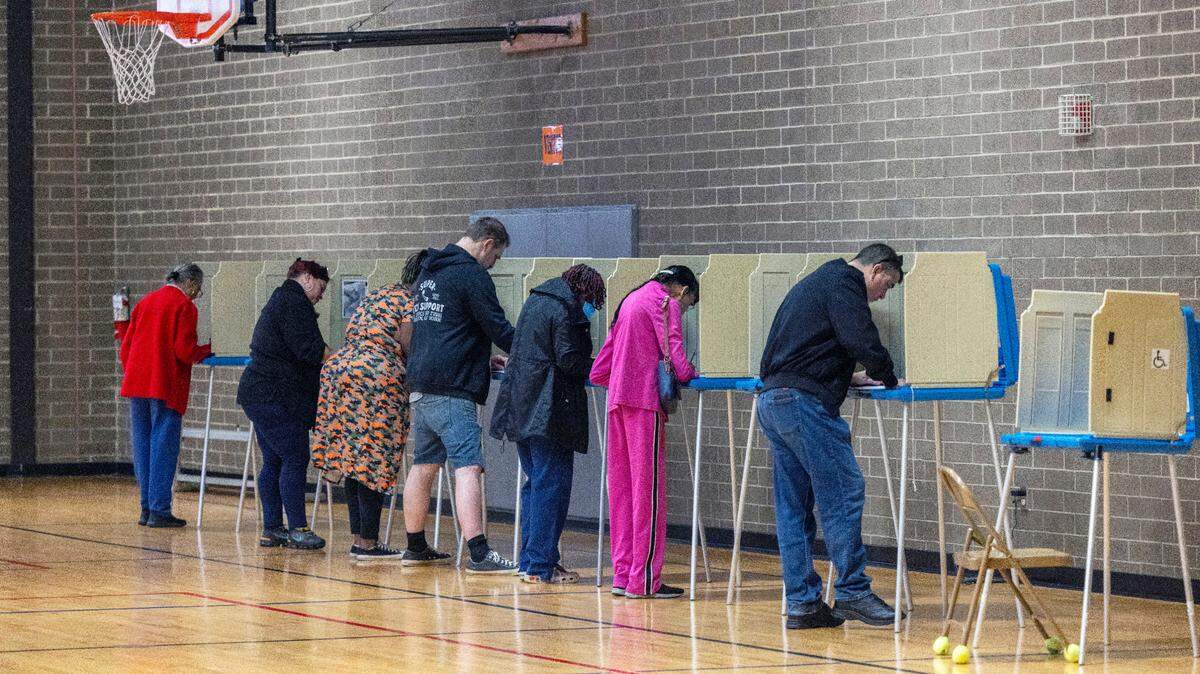
For the first time, Raleigh voters will need to narrow the candidate pool for some Raleigh City Council races during a primary.
There are two races Raleigh voters may see on the March 3 primary ballot, depending on where they live.
Every voter in the city of Raleigh will have the option to pick two candidates for two at-large seats on the council. Voters who live in District C, which covers southeast Raleigh, will also vote for one candidate for the District C spot.
Seven out of eight members of the Raleigh City Council are seeking re-election. Council member Jonathan Lambert-Melton isn’t seeking re-election to one of two at-large seats and is, instead, running for the Wake County Board of Commissioners.
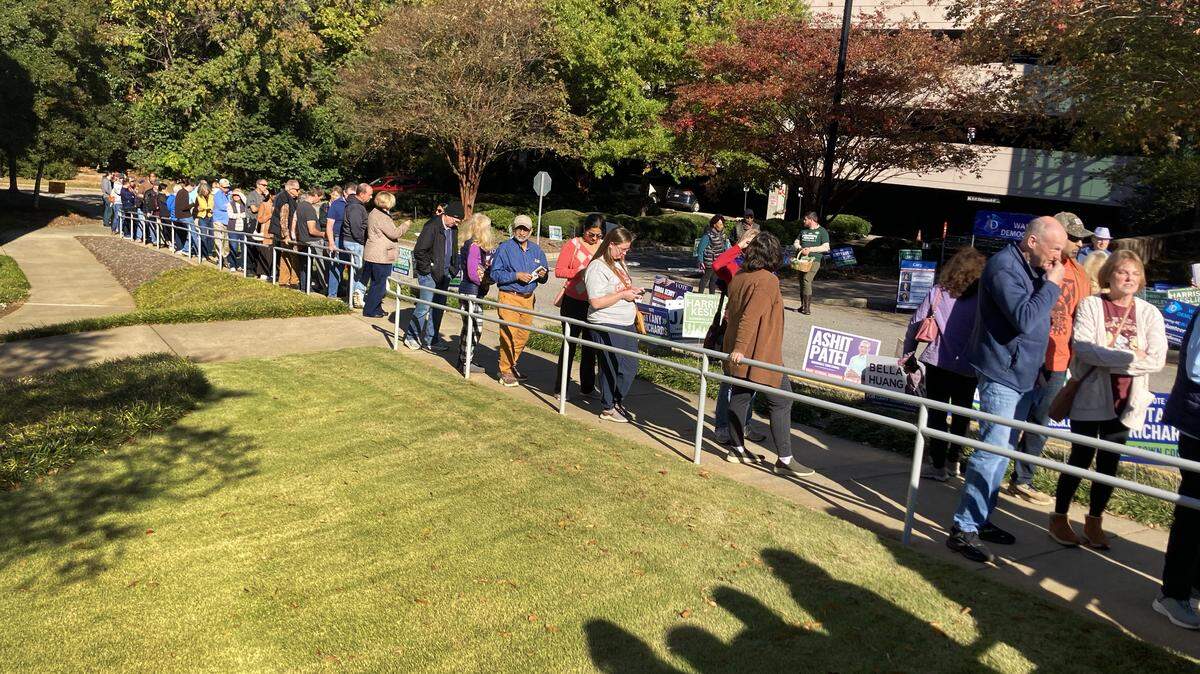
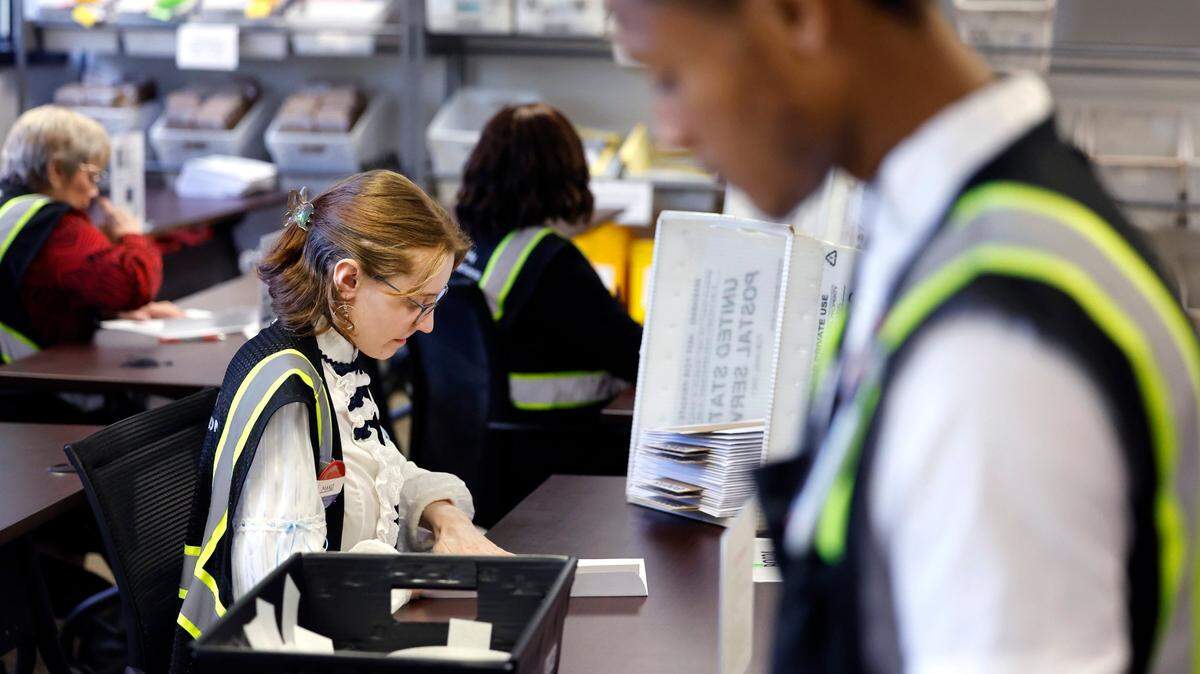
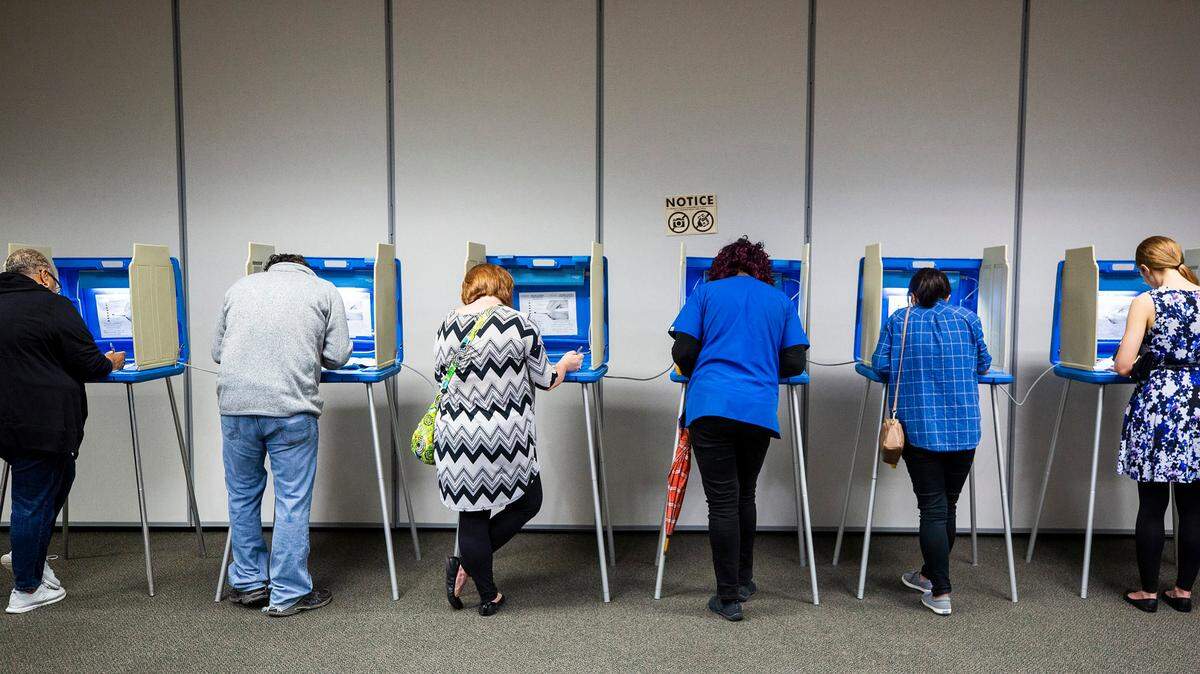
Early voting begins in Wake County at 8 a.m. Thursday, Feb. 12, and ends at 3 p.m. Saturday, Feb. 28. There are a dozen early voting sites throughout Wake County, while all 216 polling places will be open for the primary.
There are six candidates for the two at-large seats: James Bledsoe, Joshua Bradley, incumbent Stormie Forte, Clark Rinehart, Sana Siddiqui and Cameron Zamot. The top-four vote getters will move on to the general election.
There are four candidates for the District C seat: incumbent Corey Branch, Jared Ollison, Tolulope Omokaiye and Diana Powell. The top-two vote getters will move on to the general election.
Four-year terms
This election cycle will also be the first time Raleigh City Council candidates will be seeking four-year terms. The city chose which seats would start with four-year terms vs. two years by pulling pieces of paper out of a Carolina Hurricanes hat.
The at-large candidate who gets the most votes and the winners in the mayoral, District A and District B seats will be elected to four-year terms. Council member Megan Patton, who represents District B, is the only candidate to run unopposed.
The at-large candidate who receives the second most votes and winners in the District C, District D and District E races will be elected to two-year terms before the seats move to four-year terms in 2028.
Raleigh’s changing election cycle
When Raleigh residents vote for mayor and the City Council has changed multiple times in recent years.
The city used to hold nonpartisan elections with a runoff in odd-numbered years, with those elections taking place in October and a potential run-off in November. The last time that type of election was held for Raleigh leaders was in 2019.
In 2020, the city appointed 10 people to a study group to review City Council terms, salaries and voter engagement. That work was underway when Raleigh, Cary and other North Carolina municipalities had to postpone their 2021 elections because the COVID-19 pandemic delayed the release of needed U.S. Census data.
The City Council voted behind closed doors to ask the N.C. General Assembly to move the council’s elections to even-numbered years, starting in 2022, and to change the election method to not require a run-off.
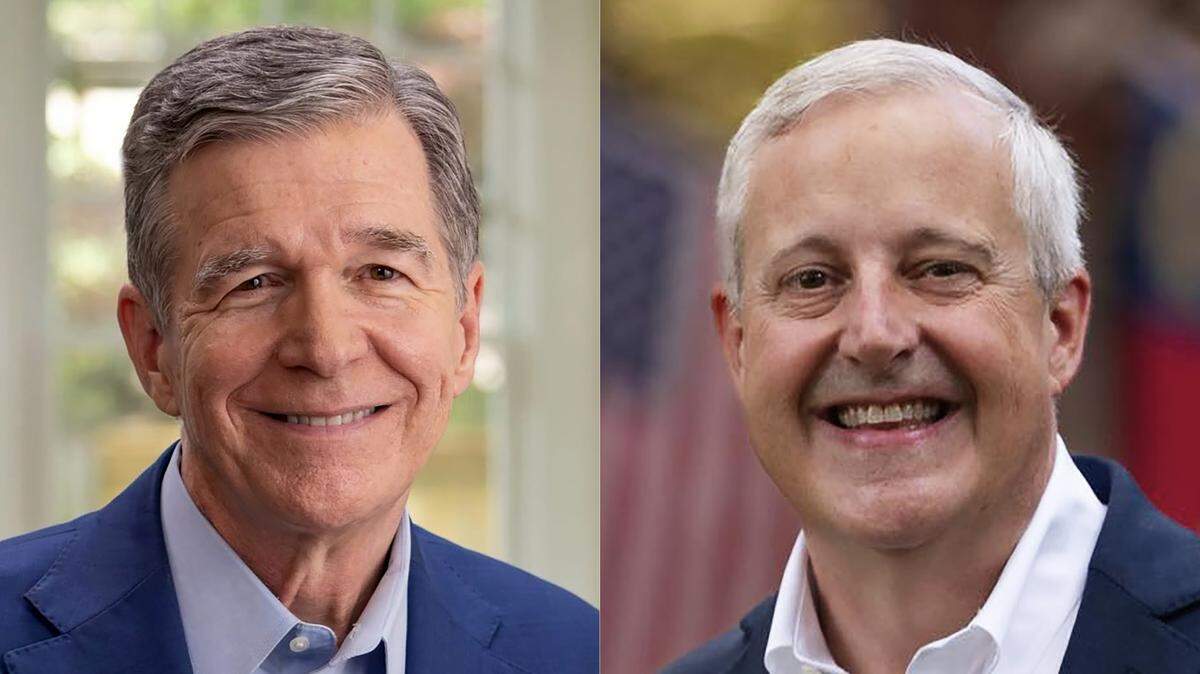
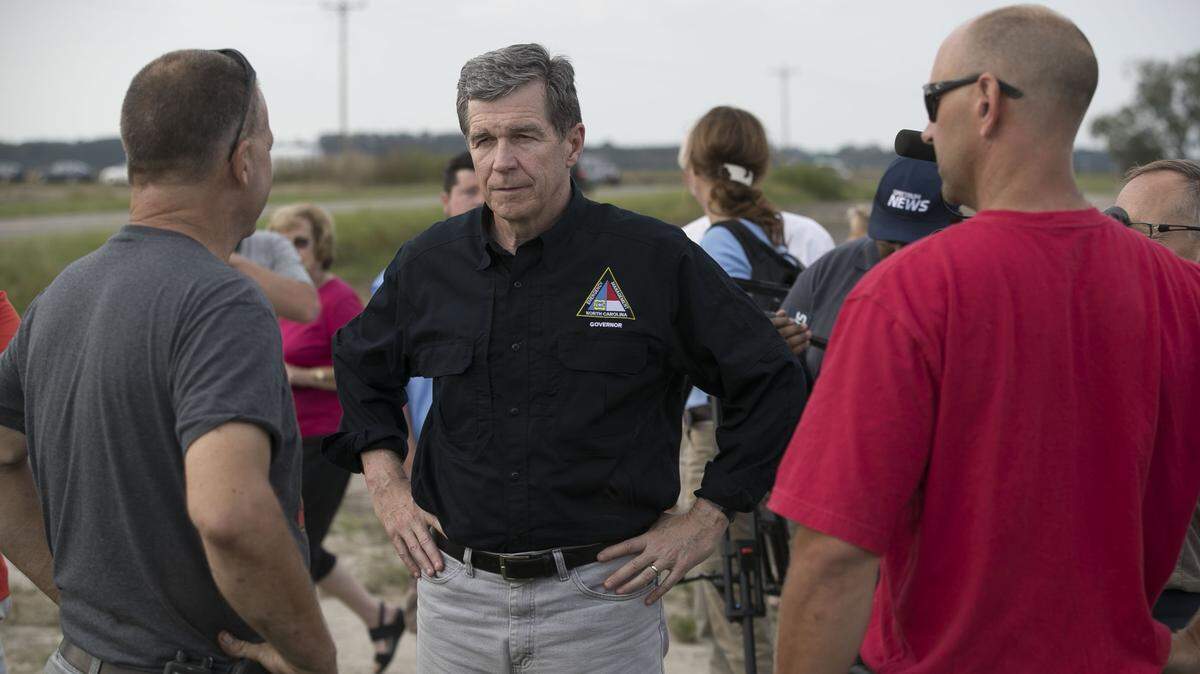
The closed-session vote kicked off a firestorm of controversy over its lack of transparency. There was a failed recall of then-Mayor Mary-Ann Baldwin, and former Gov. Roy Cooper declined to sign the bill over transparency concerns, allowing it to become law without his signature.
At the time, Baldwin said it was a “difficult decision” but one that was needed to increase voter participation.
In late 2021, the study group made multiple recommendations including moving to four-year, staggered terms, increasing the size of the City Council by one seat and increasing the pay for the council members.
It wouldn’t be until 2024 after multiple years of soliciting feedback and polling that city leaders acted on some of those recommendations and voted to move to the current election method.
This story was originally published February 10, 2026 at 12:59 PM.


.JPG)