How NC Central University plans to grow research, enrollment over next 5 years
AI-generated summary reviewed by our newsroom.
- NCCU released a 5-year strategic plan to boost research, enrollment and finances.
- The plan targets R2 status with new doctoral programs and expanded research centers.
- Leadership aims to reduce housing strain as enrollment grows by hundreds annually.
A lot can change in five years. At North Carolina Central University, that’s the goal.
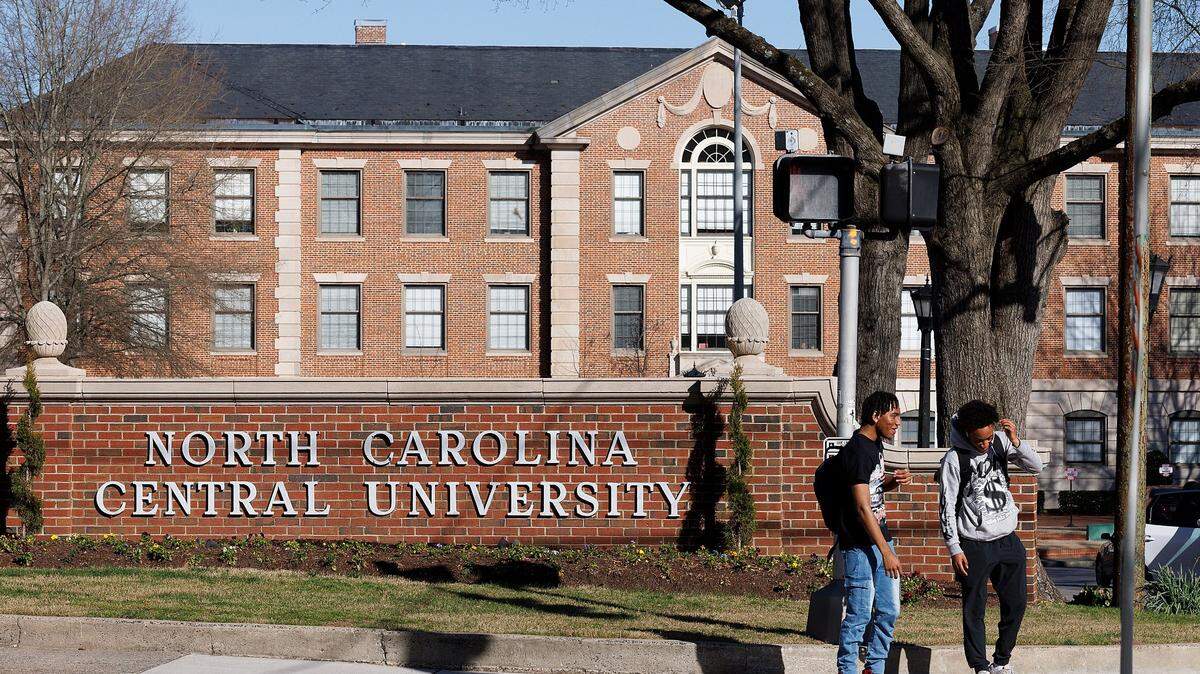
University leaders this month unveiled the historically Black college’s new strategic plan, outlining five overarching goals they hope NCCU will meet by 2030. The plan, which was developed using external consultants and input from across Durham, will “lead the university into a dynamic new era,” per university materials.
The plan comes at a time of major increased interest in the Durham campus from students, which has led the 16-university UNC System in enrollment growth for the past two years. But that growth has also led to some pain points, particularly around student housing and campus facilities. And the university faces a need to improve its financial reporting after an audit for the 2023-24 fiscal year showed significant inaccuracies.
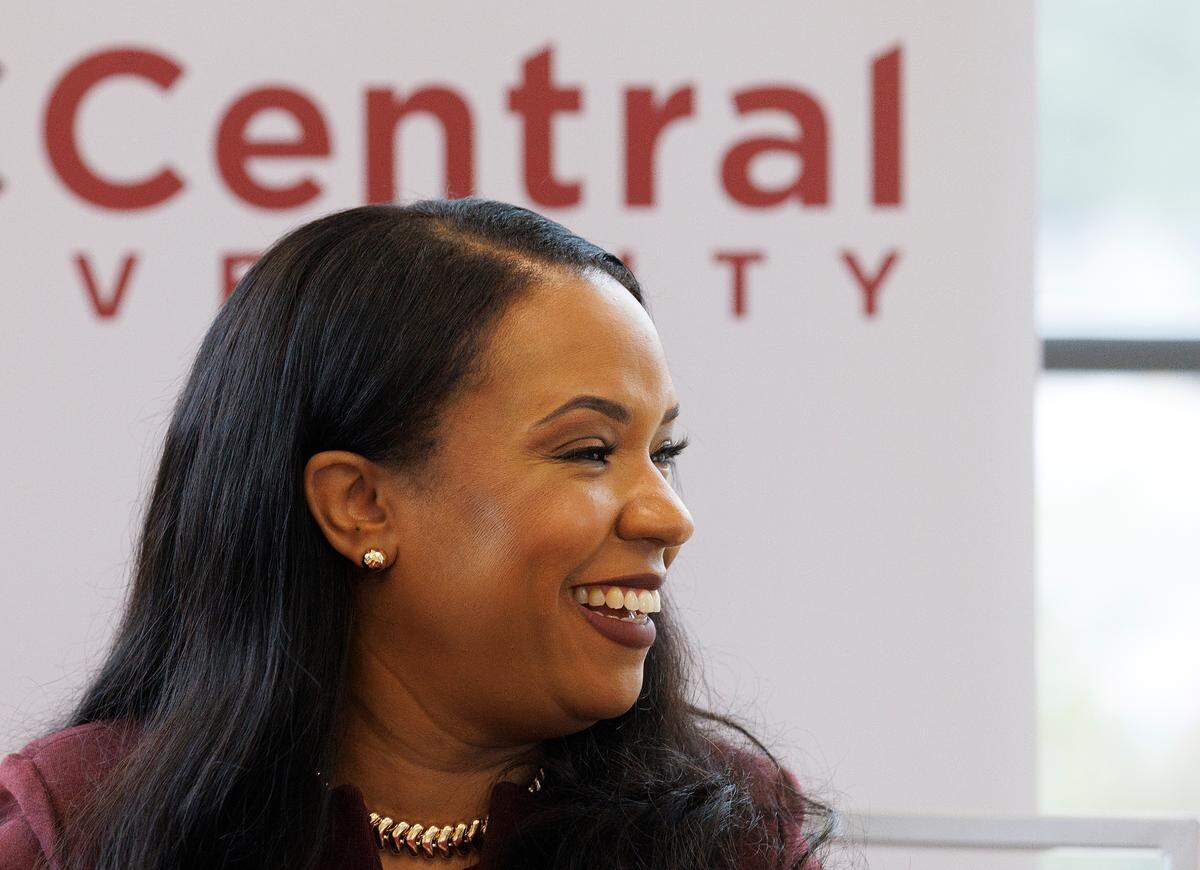
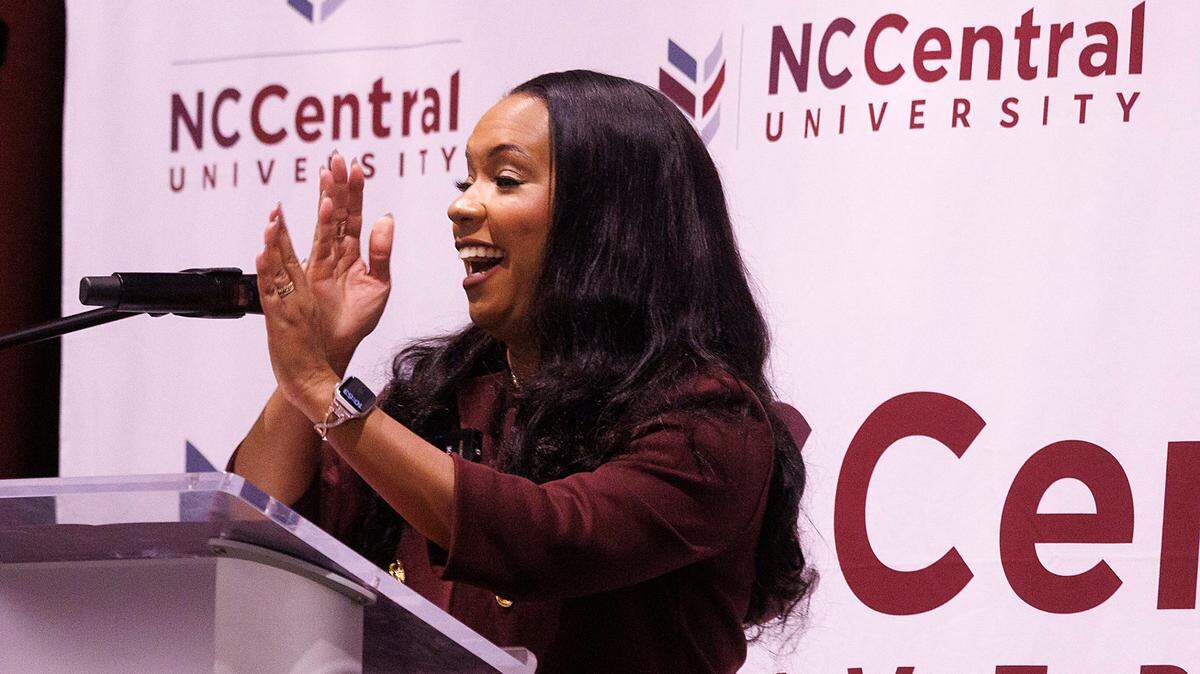
In an interview with The News & Observer, Chancellor Karrie Dixon, who took the helm at NCCU last summer after previously serving as chancellor of Elizabeth City State University, acknowledged the university’s recent challenges.
The new strategic plan, in Dixon’s eyes, will capitalize on NCCU’s successes and address pressing issues on campus.
Among the plan’s key goals are:
Continuing to increase the university’s enrollment by tapping into pipelines of nontraditional, adult learners;
Finding innovative ways to address a need for housing on or near campus as more students join the fold;
And expanding the university’s research portfolio to raise its profile in the national Carnegie Classification system and match the ranking currently held by schools like North Carolina A&T State University.
“As part of our strategic plan, we want to continue to position NCCU as a premier institution for the future,” Dixon said. “And we’re going to be focused on making sure that that happens.”
Strengthening a university
Dixon is no stranger to bolstering a university toward success.
When she entered the chancellorship at Elizabeth City State in 2018, the university faced significant financial challenges and enrollment had declined for years. It had been placed on warning status with its accreditor in 2016, after a UNC System audit found ECSU had misawarded financial aid and admitted unqualified students.
Under Dixon’s leadership, enrollment at the university grew nearly 70% — a significant accomplishment given that the campus had, at one point before Dixon’s arrival, been under threat of closing.
“Taking on the institution in a way that was providing leadership for transformation was something that, as I look back and I reflect on, I’m really proud that I was able to be a part of,” Dixon said. “Because … the way it is established now is like night and day from when I started there as chancellor.”
Since moving to NC Central last year, Dixon said, she’s noticed similarities between the two campuses — particularly when it comes to campus infrastructure.
Historically, HBCUs around the country have been underfunded compared to their predominately white counterparts.
North Carolina lawmakers have worked to increase support for the state’s HBCUs in recent years, giving historic amounts of state funding to ECSU — then under Dixon’s leadership — in 2021. In total, Dixon told The N&O, ECSU received hundreds of millions of dollars for capital projects and infrastructure improvements from the state during her time as chancellor.
She hopes to bring the same approach to NCCU.
“I’m very hopeful, very optimistic, that advocating, having a seat at the table and telling the story of the institution really goes far,” Dixon said.
But part of the plans to address the university’s needs — financial and otherwise — also comes from “making the tough decisions,” Dixon said.
Dixon said in October, a few months after becoming NCCU chancellor, she enacted a hiring freeze at the university, allowing only “essential” positions to be filled, and directed a reduction in spending across campus.
No one asked or directed Dixon to implement those measures, she said, but she “felt like it was the best thing to do.” That proved to be prudent as a state audit, released in March, found that, for the fiscal year prior to Dixon’s arrival, NCCU’s financial reporting contained more than $45 million in financial errors.
“Making sure that we were doing everything to instill our internal controls was really a big part of the audit finding,” Dixon said. “So I’m looking forward to a clean state audit as we move forward.”
Last month, UNC System President Peter Hans enacted systemwide restrictions on campuses’ hiring and spending amid the threat of funding cuts at the state and federal levels.
Dixon and other campus leaders will keep their eyes on finances under the new strategic plan, which includes a goal to “strengthen financial stewardship, accountability and transparency.”
Growing enrollment, improving housing
Some of the university’s infrastructure challenges came to light this spring, as students and others expressed concerns about the state and availability of on-campus housing. The issue escalated with a campus protest that saw police arrest five demonstrators.
Part of the housing issue stems from the university’s recent growth. NCCU’s enrollment dipped from 2018 to 2019, then grew only slightly before dropping again between 2020 and 2022.
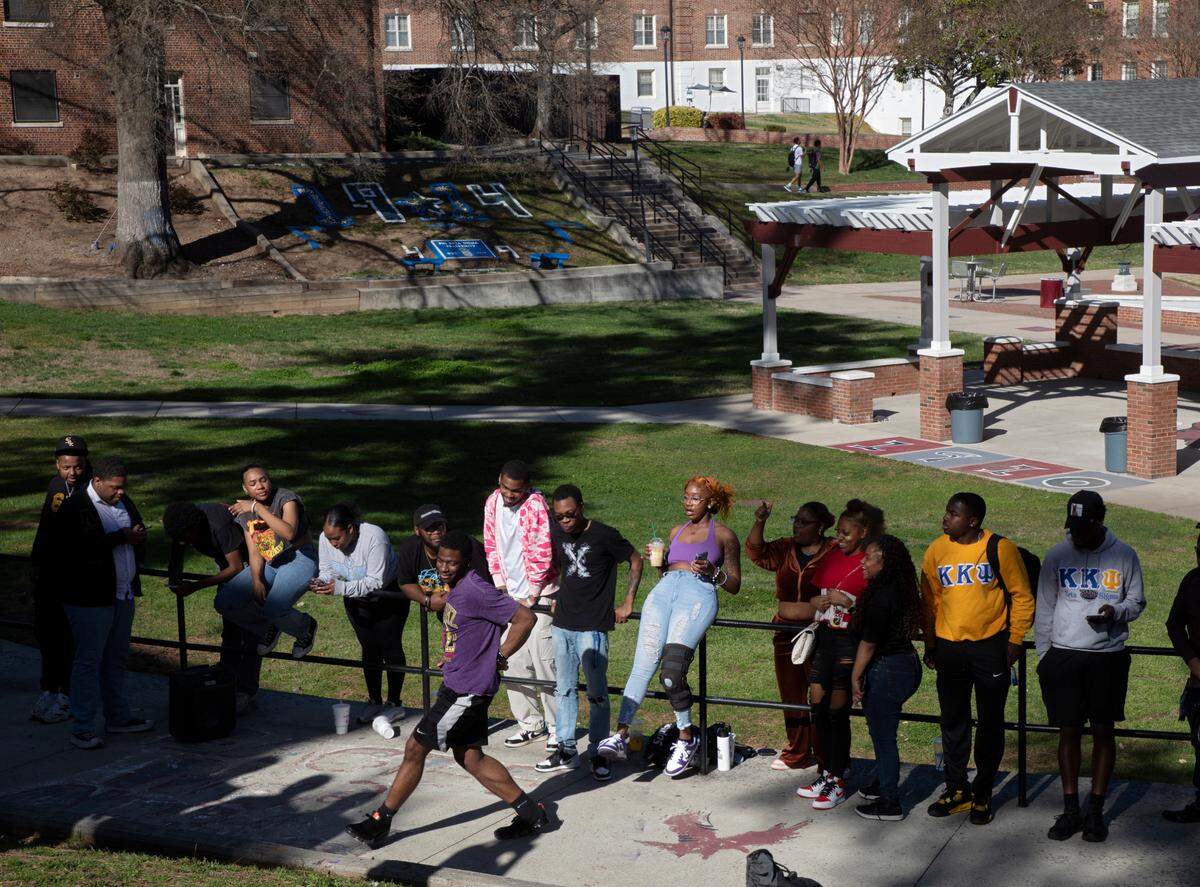
But now enrollment is rebounding, growing by nearly 8% — the most in the UNC System — and bringing in the university’s largest-ever first-year class last fall. Dixon said she expects 500 to 700 more students to enroll this fall.
That’s “a good thing,” Dixon said, “but it’s also a double-edged sword.”
According to UNC System data presented to the Board of Governors in January, 38% of NCCU students live on campus. That’s above the system average of 29% and above the national average of roughly 25%, according to the National Multifamily Housing Council.
The university requires first-year students to live on campus, a mandate Dixon said will remain in place to “give them a great start to the college experience.” Other students seeking on-campus housing do so on a first-come, first-served basis. (NCCU’s proportion of beds occupied, compared to the number available on campus, is 90% — the second-lowest in the system and below the system average of 96%.)
Dixon referred to the NCCU campus, south of downtown Durham, as “landlocked,” with little space to grow its footprint or add new buildings — like new student housing. While “housing is always going to be at the forefront” of conversations about the university’s infrastructure needs, Dixon said, campus leaders are hoping more immediately to improve the housing stock NCCU already has by making the residence halls “look better” and reducing the response time on maintenance requests.
The goal is reflected in the strategic plan, which says the university will “prioritize the enhancement of housing, athletics, recreational, instructional and research facilities.”
The university could give its housing stock some relief through another goal of the plan, which aims to increase enrollment of adult learners, military-affiliated and graduate students. With many in those groups likely opting to learn through online platforms — including the university’s partnership with Project Kitty Hawk, a private start-up that supports online courses at select UNC System campuses — “they’re not asking for housing,” Dixon noted.
Aiming for ‘R2’ classification
Soon, the new students who enroll at NCCU could have more degrees to choose from, with the strategic plan showing that the university hopes to establish programs in artificial intelligence, cybersecurity and public health, among other areas. The to-be-established programs will be driven by student demand and “emerging industries” in the Triangle and more broadly, Dixon said.
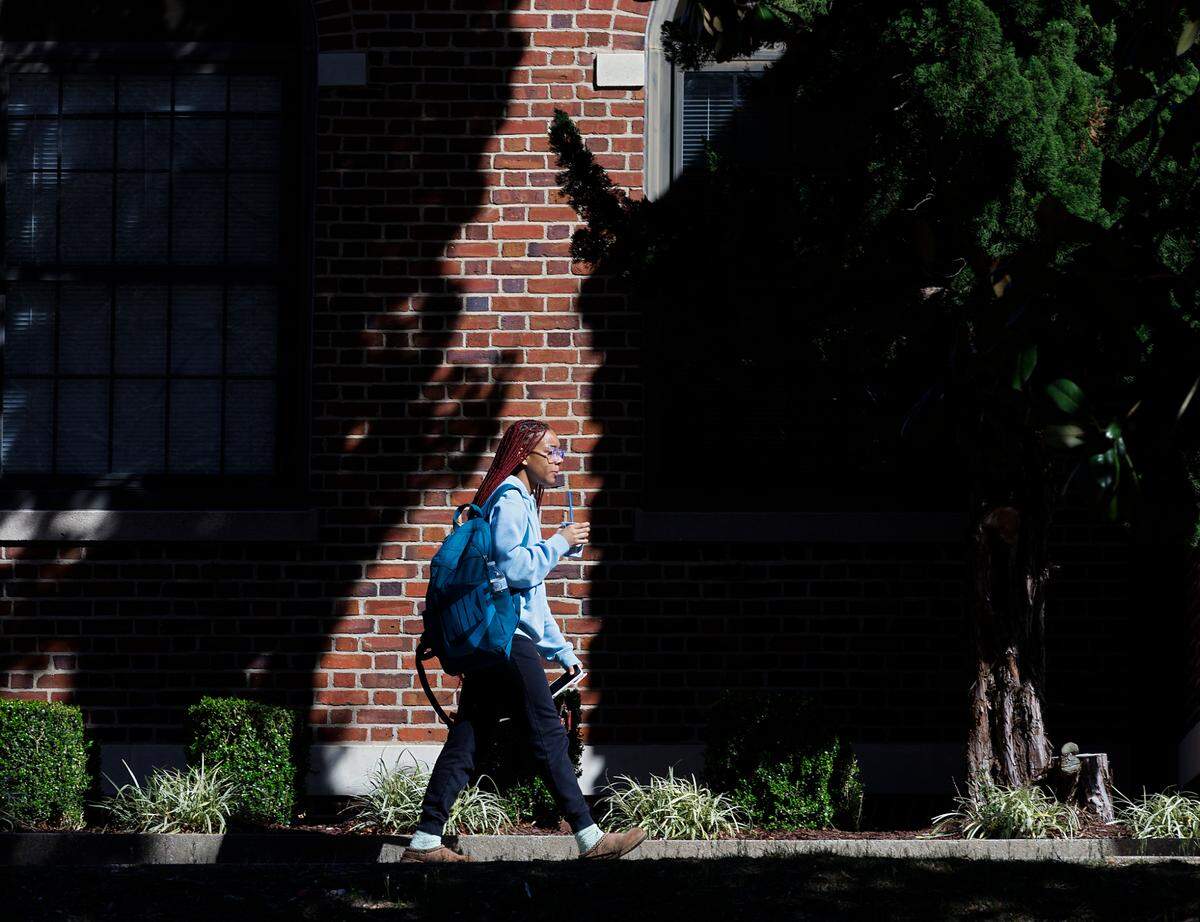
And the programs — particularly at the graduate and doctoral levels — are expected to help NCCU reach a new milestone: becoming a “Research 2,” or “R2,” university as designated by the Carnegie Classification system. The label is reserved for universities with “high research spending and doctorate production,” and is currently held by schools including NC A&T and Wake Forest University.
A key part of achieving the goal will come from adding more doctoral programs — something that’s already in motion, with the university this fall launching a doctorate in counseling, counselor education and supervision. And the university will continue to invest in its existing research centers, the Julius L. Chambers Biomedical and Biotechnology Research Institute and the Biomanufacturing Research Institute and Technology Enterprise.
Beyond the R2 label, though, Dixon said the vision for expanding research at NCCU stems from a desire to make the university — and its faculty and students — more competitive in its own backyard.
“Where we’re located in RTP, there’s no reason why NCCU should not have a seat at the table in talking about research and bringing research to the Triangle area,” Dixon said.
Looking back over her first year as chancellor, Dixon noted that NCCU’s location in the Triangle and the capacity it holds to expand research and business partnerships in the area were major factors in her seeking the job. As the university moves through the next five years, she hopes to see the university’s new vision come to fruition.
“The Eagles are ready to soar,” Dixon said. “We are positioned, and we are excited about taking NCCU to the next level.”
This story was originally published July 21, 2025 at 5:30 AM.