UNC System board to talk impact of stalled NC budget and possible cuts
Welcome to Dean’s List, a higher education newsletter from The News & Observer and me, Korie Dean.
The UNC System Board of Governors met for a one-day, virtual meeting on Thursday — a relatively abbreviated meeting compared to the usual two-day affairs.
The board’s brief agenda included a meeting of the budget and finance committee. The group was scheduled to receive several reports, including a look at campus budgets for the 2025-26 fiscal year and an update on the state budget, or the lack thereof.
Budget talks at the General Assembly broke down this spring, with the House and Senate mostly differing on issues like tax cuts, state employee raises and the planned state children’s hospital. July 1 — the start of the fiscal year — has come and gone with no agreement between the chambers.
The delay, as well as the potential cuts both chambers proposed in their respective spending plans, will impact the university system and other entities around the state.
In this week’s newsletter, I’ll share details about the Board of Governors’ plans to discuss some of those impacts, and likely take action on one, at their meeting.
And, as always, I’ll get you up-to-speed on headlines you might have missed last week, including:
- A look at North Carolina Central University’s new strategic plan;
- and a look at the history and present state of major research in the Triangle.
Here we go.
BOG to talk budget
Among many other functions, the state budget provides tens of millions of dollars in enrollment funding for the UNC System’s 17 campuses each year. The amount campuses receive depends “on the incremental change in student credit hours (SCHs) from one calendar year to the next,” per board materials, with schools receiving the funding “during the fiscal year that immediately follows the period of change.”
This year, the Board of Governors requested from the legislature $46.3 million in recurring state appropriations based on campuses’ enrollment from calendar year 2023 to 2024.
Fourteen campuses increased their in-state student credit hours, accounting for a total funding increase of roughly $51.7 million.
Three campuses decreased their in-state student credit hours, lowering their enrollment funding by a total of roughly $5.3 million.
Both the House and Senate version of the budget included the requested appropriation. But without a final agreement in place, the Board of Governors has the authority under state law to take action — which system staff is asking them to do this week.
- That law says that the state budget director may, with approval from the board, “authorize transfer of appropriated funds from one institution to another to provide adjustments for over or under enrollment or may make any other adjustments among institutions that would provide for the orderly and efficient operation of the institutions.”
Board materials state that the system wants to concentrate “realignment resources where financial resilience is most vulnerable,” or schools with fewer than 8,000 students. Those are “most reliant” on state funds, the materials state.
“With no enactment of the FY 2025-27 biennial State budget expected in the near future, delaying all enrollment-related budget adjustments poses financial management risks, particularly for the campuses with reduced enrollment adjustments,” the materials read.
Of course, the state budget funds much more than changes in enrollment.
- The lack of a budget also means that state employees won’t receive legislative raises and their salaries will remain at their current levels. And, per board materials, “vacant positions subject to proposed budget reductions in either or both versions of the bill cannot be filled.”
The board took a broad look at individual campus budgets, with staff reporting on common themes from the schools’ “all-funds budgets” for the 2025-26 fiscal year. Per materials, campuses are “planning for changes in state and federal funding.”
- If the legislature approves a budget in the coming months, it’s likely to include cuts for the UNC System, given that both chambers proposed various levels of funding reductions in their proposals.
Budgets are just one item for the board. Also on the agenda:
- Considering a system policy to implement discounted tuition for active-duty military students;
- Adopting a single, universal learning management system, like Canvas, for all campuses;
- Approval of new capital improvement projects at Fayetteville State University and UNC-Chapel Hill;
- Appointments to boards including UNC Press and UNC Health;
- and more.
You can find the agendas for the committee meetings and full-board meeting on the UNC System website.
ICYMI: Catch up on these headlines
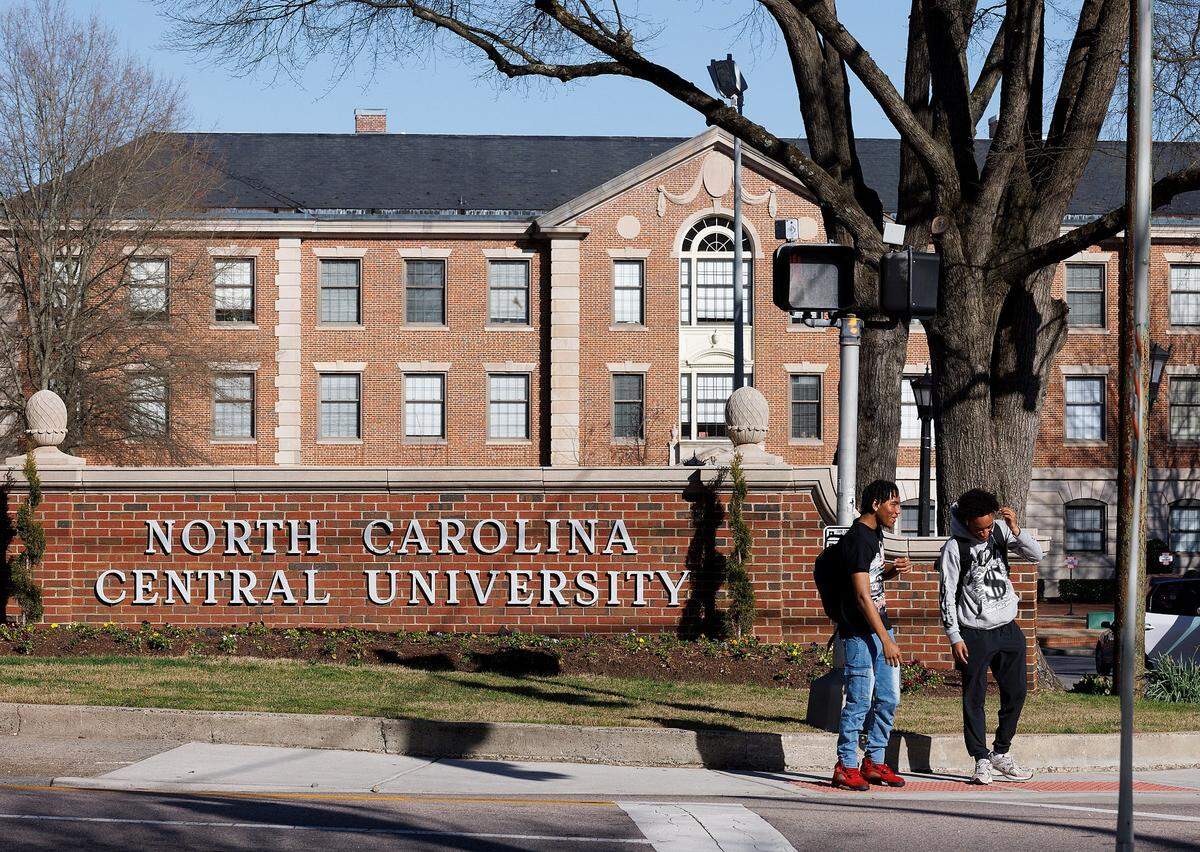
A lot can change in five years. At NC Central University, that’s the goal.
University leaders this month unveiled the historically Black college’s new strategic plan, outlining five overarching goals they hope NCCU will meet by 2030. The plan comes at a time of major increased interest in the Durham campus from students, which has led the 16-university UNC System in enrollment growth for the past two years.
Among the plan’s key goals are:
- Continuing to increase the university’s enrollment;
- Finding innovative ways to address a need for housing on or near campus;
- And expanding the university’s research portfolio to raise its profile in the national Carnegie Classification system.
To learn more about the university’s vision for the future, I spoke to Chancellor Karrie Dixon.
You can learn more about the plan in the full story: How NC Central University plans to grow research, enrollment over next 5 years
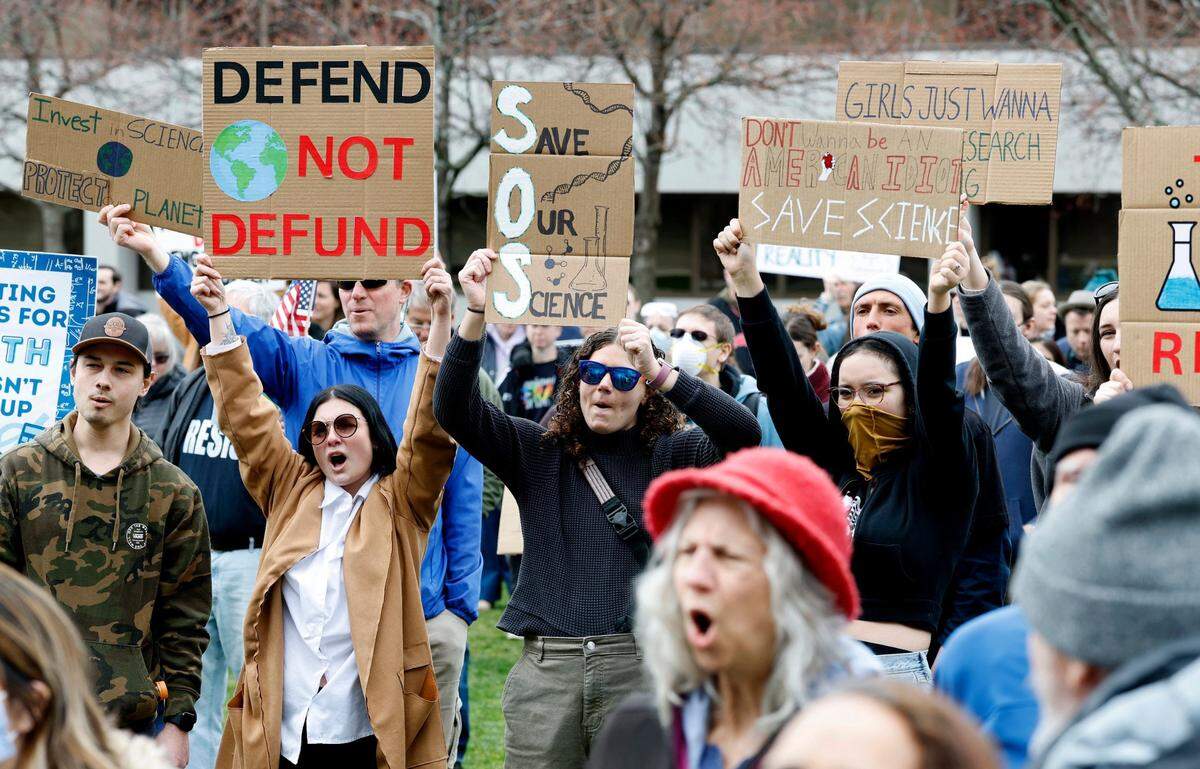
My colleague Brian Gordon published an in-depth look last week at the history of major research in the Triangle, and the impacts the industry is experiencing under the Trump administration.
Among other interesting points, Brian reports:
Over the first half of the year, UNC-Chapel Hill has received approximately $51.6 million less from the National Institutes of Health compared to the same period in 2024;
and NC State University received 110 fewer federal awards through July 1 compared to the same period in 2024, amounting to a dollar decrease of around $27 million.
For more, check out Brian’s full story: Funds cut, research ended, jobs lost: How Trump 2.0 has altered NC’s Research Triangle
Higher ed news I’m reading
- Even before the U.S. Supreme Court allowed mass firings at the Department of Education to go forward, reduced capacity at the agency under the Trump administration had created major issues for campus officials seeking assistance, Inside Higher Ed reports.
See you next time
Thanks for reading Dean’s List. The newsletter will be on a brief pause while I take some time off. I’ll be back in your inboxes in a couple of weeks.
Not a subscriber? Sign up on our website to receive Dean’s List in your inbox each week.
This story was originally published July 22, 2025 at 5:00 AM.