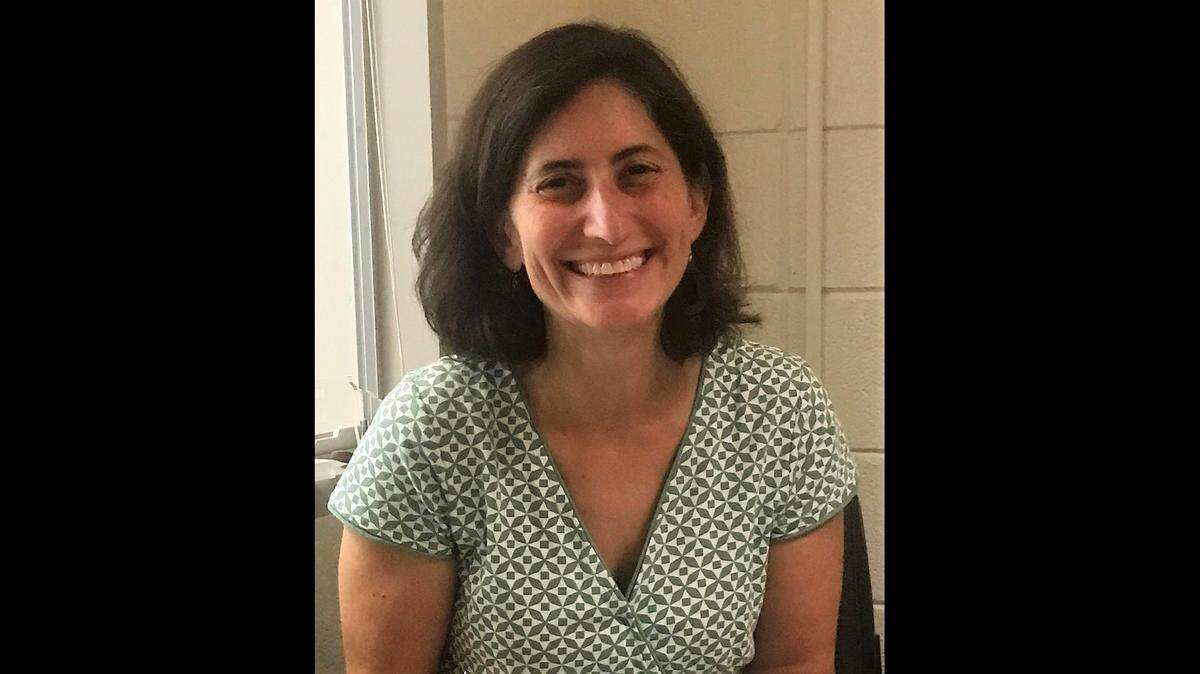
Pam Hemminger, incumbent candidate for mayor of Chapel Hill
READ MORE
Chapel Hill mayoral and Town Council candidates
Who are the candidates running for mayor and council in Chapel Hill? Get to know your candidates with our Voter Guide.
Expand All
Three people are hoping to win the Nov. 2 race to become Chapel Hill’s next mayor.
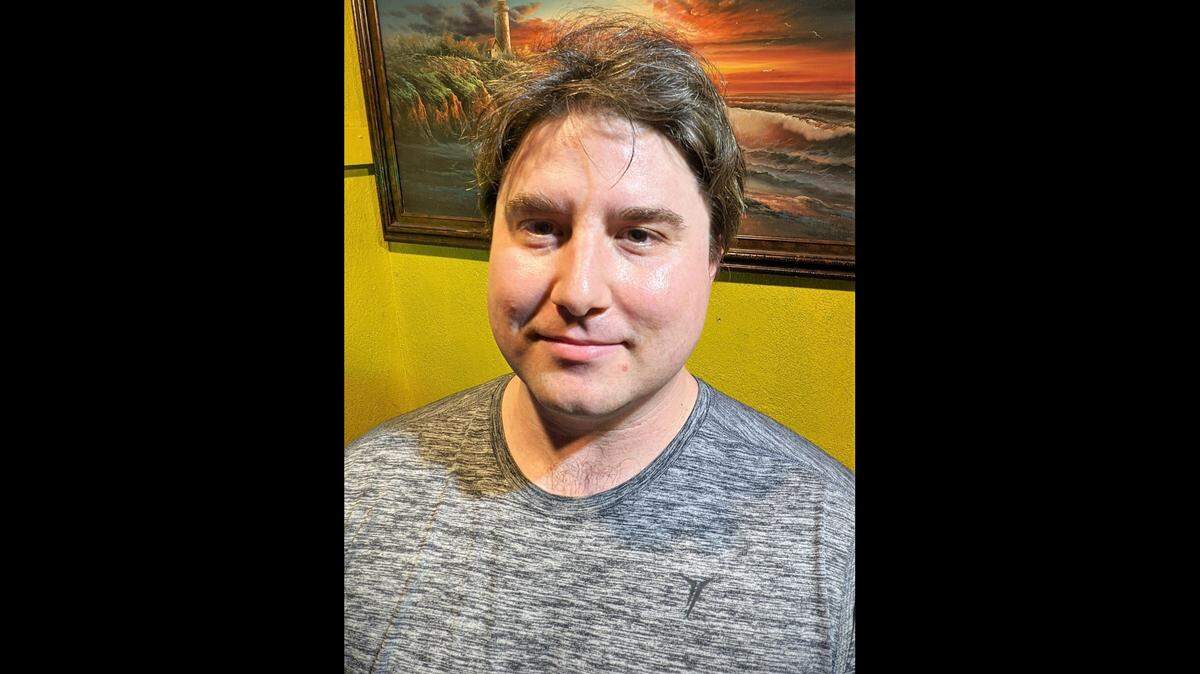
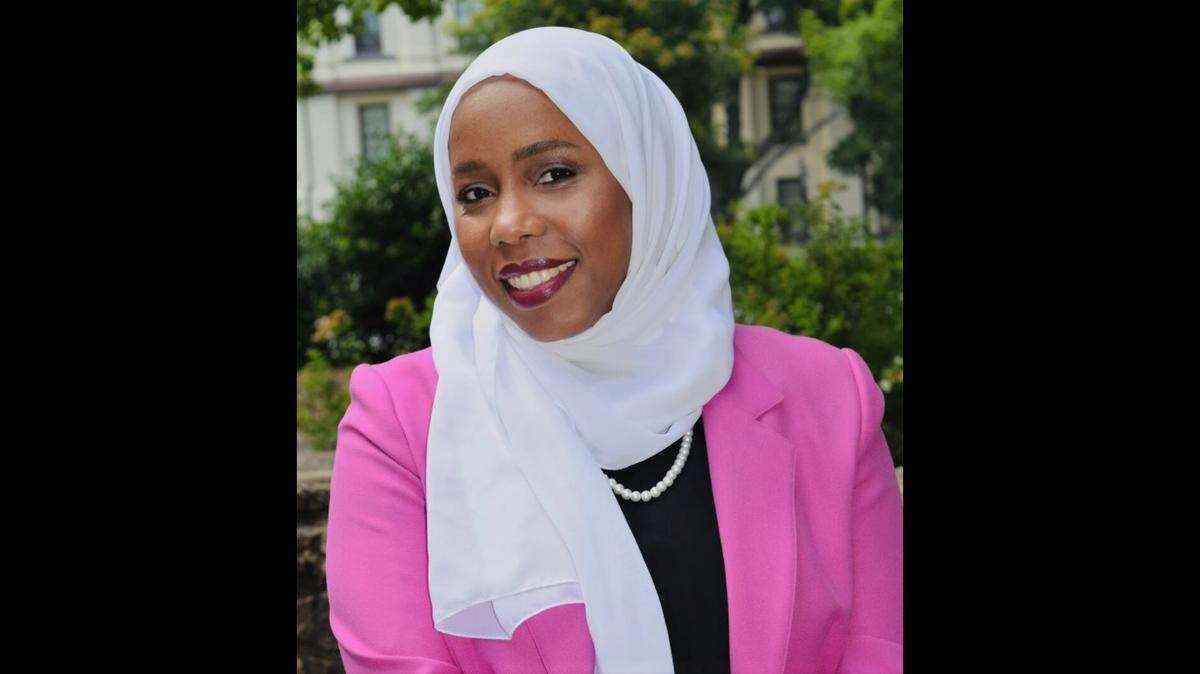
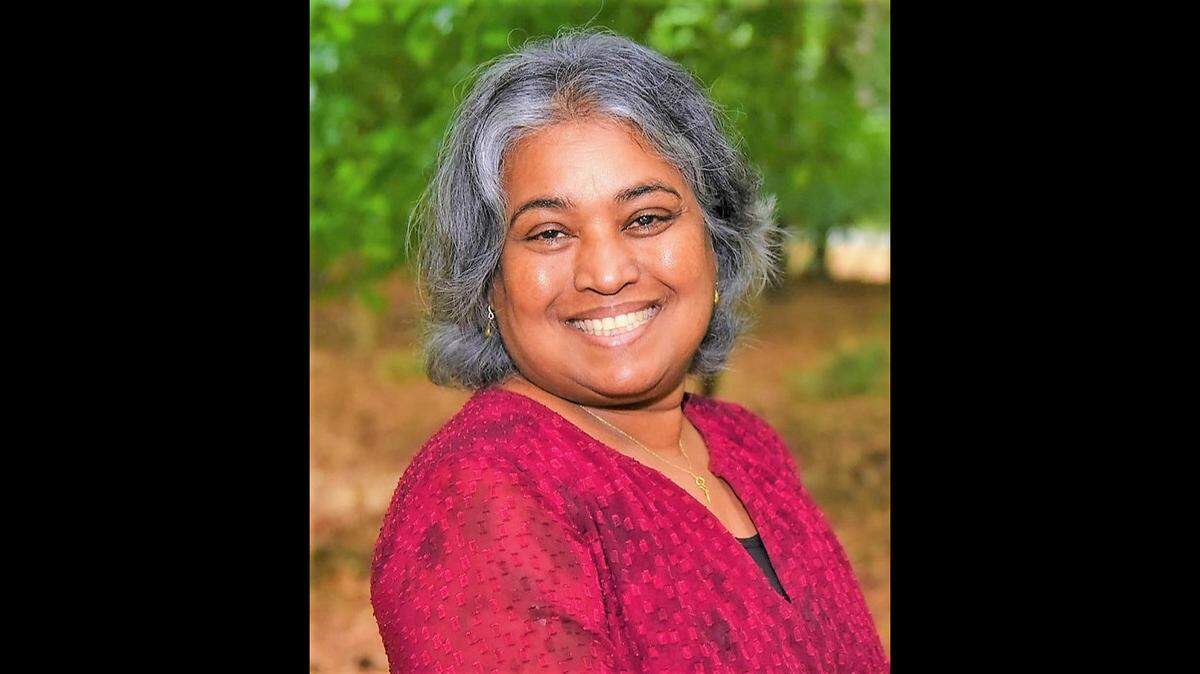
Incumbent Mayor Pam Hemminger is seeking a fourth term in office. She is facing challenges from first-term Chapel Hill Town Council member Hongbin Gu and UNC-Chapel Hill law student and legal assistant Zachary Boyce.
Early voting in the nonpartisan election begins Oct. 14 and runs through Oct. 30.
To find polling places and full details on early voting, visit co.orange.nc.us/1720/Elections or contact the Board of Elections at 919-245-2350 or vote@orangecountync.gov.
Name: Pam Hemminger
Age: 61
Residence: 108 Boxwood Place, Chapel Hill
Occupation: Mayor of Chapel Hill and small business owner
Education: Bachelor of Arts in economics, Vanderbilt University
Political or civic experience: Over the past 32 years, I have been engaged in our community in a variety of different roles: Currently serving as Chapel Hill mayor (6 years), Co-chair UNC-Chapel Hill Downtown Together board, Treasurer of NC Metro Mayors, Founding Member Jordan Lake One Water (JLOW). Previous service: Chapel Hill-Carrboro City School Board (Chair and Vice Chair), Orange County Board of County Commissioners, Orange-Chatham Sierra Club (Chair), Upper Neuse River Basin Authority (Chair), Triangle Land Conservancy (Vice Chair), Chapel Hill Greenways Commission (Chair), Chapel Hill Parks & Rec Commission (Chair), Southern Community Park Task Force (Chair), 2012 Historic Rogers Road Task Force, Orange Habitat board (Vice Chair), Community Home Trust board, Rainbow Soccer board
Campaign website: Pamhemminger.org
Endorsements: Sierra Club, Equality NC, NEXT Chapel Hill-Carrboro
What do you think the town’s top three priorities should be? Choose one and describe how you will work to address it.
▪ Building on the effectiveness of our COVID response and harnessing the momentum of the recovery to become a stronger, more equitable, innovative, and resilient community.
▪ Taking bold action to meet our ambitious climate goals of being an equitable, resilient and clean energy community by 2050.
▪ Diversify our tax base to become more affordable and resilient.
Chapel Hill is an amazing community and, over the last 18 months, I have been proud of how well we came together to follow the science and do what was needed — including getting vaccinated at the state’s highest levels — to keep case counts and deaths low.
I have also been grateful for the collaboration and unified leadership of the Orange County leaders group, along with our emergency management team and local partners. Together, we balanced the priorities of keeping our community healthy, businesses open, and life as normal as possible.
From the outset, the town has worked to make sure that people impacted by the pandemic were fed and safely housed. Food for Students provided almost 1.5 million meals and 11,000 free books to our community’s children, and our staff continues to serve hundreds of households through a weekly food bank distribution. To date, over $2.4 million in emergency housing assistance has been provided to more than 600 Chapel Hill families.
Chapel Hill is now poised for a strong recovery, supported by important steps the town has taken to allow us to harness the momentum of this recovery to become a stronger, more innovative, equitable and resilient town. We participated in creating the Orange County Long-Term Recovery Plan and have developed our own Chapel Hill ReVive Plan, which focuses on economic recovery and resiliency in Chapel Hill, with an emphasis on reaching out to our small businesses and BIPOC- and women-owned companies.
Work is already being done to implement these plans, and the Town Council voted in June to support the ReVive Plan with $650,000 to get started. And with American Rescue Plan and other federal funds coming our way, there will be opportunities in the coming years to do big, bold things for our town.
Additionally, we are making progress through the town-university Downtown Together partnership that is working to leverage the strength of the university to create new jobs and revitalize our downtown.
As we continue to navigate the delta variant, there is still a great deal of uncertainty about what lies ahead, but also a great deal of opportunity. As mayor, I will continue to lead our community by working closely with our partners, using science to guide our COVID response and, remaining focused on keeping the town moving forward.
What is the town doing right, and wrong, about development and growth?
It’s my goal for Chapel Hill to retain the warmth of a small town while creating a vibrant, welcoming, and sustainable community.
With the Triangle booming and communities under pressure to grow, we have work to do on clarifying our vision for the future and planning for ways to meet our comprehensive strategic goals.
I hear from many residents that they are unhappy with the apartment buildings going up in the Blue Hill District (I am too, and it’s one of the reasons I ran for mayor, and why I won, in 2015).
At the time, the town wanted to spur redevelopment in an aging commercial area near Fordham Boulevard and East Franklin which is something I supported. Unfortunately, the zoning and development rules that were approved didn’t match the character or scale of the town and failed to secure promised commercial opportunities or community benefits. Since property rights had been granted back in 2014, the new Town Council has had very little recourse under North Carolina law to course correct. Working hard with our planners and town attorney, we have passed a series of code updates that have brought some beneficial changes — such as requiring publicly accessible green space, reducing building size, requiring more commercial development, and incentivizing better stormwater management. We’re working hard to apply lessons learned in Blue Hill — about how to grow in ways that make better, more welcoming places and produce significant community benefits — to new projects coming forward.
One area where we have been very successful aligning growth and development plans with the town’s long-term goals has been our efforts toward diversifying our tax base. Since I took office, we have taken a number of strategic steps that are bringing new companies here, including:
▪ Working in public-private partnership to redevelop an underutilized part of Rosemary Street and create a biotech/innovation hub to keep UNC spin-offs in town.
▪ Creating a Millhouse Road Enterprise Zone that now houses Carolina Donor Services’ corporate headquarters.
▪ Recruiting Wegmans to take over the former Performance Auto brownfield site.
▪ Getting new Class A office space in walkable places — like downtown and Glen Lennox — so new and growing companies can stay in Chapel Hill.
▪ Working with the state and Orange County to bring Well (and 400 jobs) to Franklin Street.
▪ Bringing BioLabs, a life sciences co-working company, to locate downtown through our Downtown Together partnership with UNC.
I’m happy to report that there are even more projects and good news in the pipeline, so please stay tuned!
Since the beginning of my tenure as mayor, we have brought more than 1,000 good-paying jobs to Chapel Hill, creating year-round employees who will help support a more resilient downtown, and increasing tax revenues that the Town can use to pay for the quality amenities our community wants, and to help support our schools and county services as well.
Like all other places in the booming Triangle region, Chapel Hill is struggling to keep housing affordable for the people who want to live here.
The significant growth pressures in our region combined with limited developable land and rising land costs in Chapel Hill are taking a toll on our supply of affordable and moderate-priced housing, Last year we invested over $5 million to subsidize new lower-income and workforce housing units, but we’re looking at other solutions as well.
In the past year, we have been able to work with a few developers to bring forward townhome communities at lower price points. For instance, we have taken proactive steps to push for missing middle and middle income housing in the Chapel Hill North/Timberlyne area and, we continue to negotiate with developers to provide a significant number of affordable units in new development.
To be most effective, we have discussed the need for a more comprehensive, long-range housing plan along with policies and strategies to support our goal of making sure that people already living here can stay and that people who work here – ranging from young professionals and front-line workers to empty nesters ready to downsize – have an opportunity to live here as well. We need a wide mix of housing options and more opportunities for homeownership, not just luxury apartments.
Solving this problem is critical for our town socially, economically, and environmentally. It affects the future of the University as well. That’s why earlier this year, the town and the university partnered to commission a joint housing study to help us get started. I am looking forward to bringing the community together to talk about a path forward that allows Chapel Hill to be a diverse, inclusive, and resilient place with the amenities and opportunities of a bigger place.
What is special about Chapel Hill now that people don’t know or what you would like the town to be known for in the future?
Chapel Hill’s creative energy and innovative thinking have always allowed us to think outside of the box and be a leader for our state and the world in important areas from the arts to social change to the environment and beyond. Did you know:
▪ There are more artists, writers, and musicians living here than in Asheville.
▪ We were recently recognized as having the best Transportation Demand Management Program in the nation, encouraging people to walk, bike and bus to work and decreasing the climate effects of car commuting.
I have always loved the creativity and sense of mission in our community and the many forms it takes, from local art to Launch start-ups that promote social justice to UNC Health innovations that are changing the world.
It is often said that Chapel Hill is a small town that punches way above its weight. My hope for the future is that we continue to nurture this tradition and provide a place where people can do amazing things — in the arts, sciences, and business; in combating climate change and protecting the natural environment; and in building a more just world for us all.
What skill or life experience do you have that would bring diversity to local government?
It has been my experience over the years that having diverse voices and perspectives at the table always leads to better outcomes. As a result, one way I “bring diversity to local government” is through reaching out throughout our amazingly diverse community to solicit input on key issues and to ask people to take part on boards or committees.
I bring a unique mix of experience and skills to council discussions and decision-making which include:
▪ Significant leadership experience gained through service on a wide range of boards — including the CHCCS School Board, Orange County Board of County Commissioners, Orange-Habitat and others. As a result, I have a strong working knowledge of how the various levels of local government work which is extremely helpful as we work to strengthen partnership and collaboration in Orange County and our region. Through the years, I have also built strong relationships throughout our community, the region, and the state — relationships we can call on to solve hard problems and get things done.
▪ Deep knowledge of environmental issues acquired through a life-time of advocacy and bringing about change — including serving as chair of the Orange-Chatham Sierra Club, Vice Chair of the Triangle Land Conservancy and Chair of the Upper Neuse River Basin Authority.
▪ Real-world financial management expertise garnered as the owner of a small, woman-owned business in Chapel Hill, which I have employed to help boards and organizations become more financially sound and sustainable.
▪ Personal understanding of the challenges and needs that individuals and families with disabilities face, which is the result of growing up with a severely disabled sibling.
▪ A deeper understanding of the Inequities and treatment of people who are different, as the parent of a gay child.
This story was originally published September 28, 2021 at 11:54 AM with the headline "Pam Hemminger, incumbent candidate for mayor of Chapel Hill."
.jpeg)