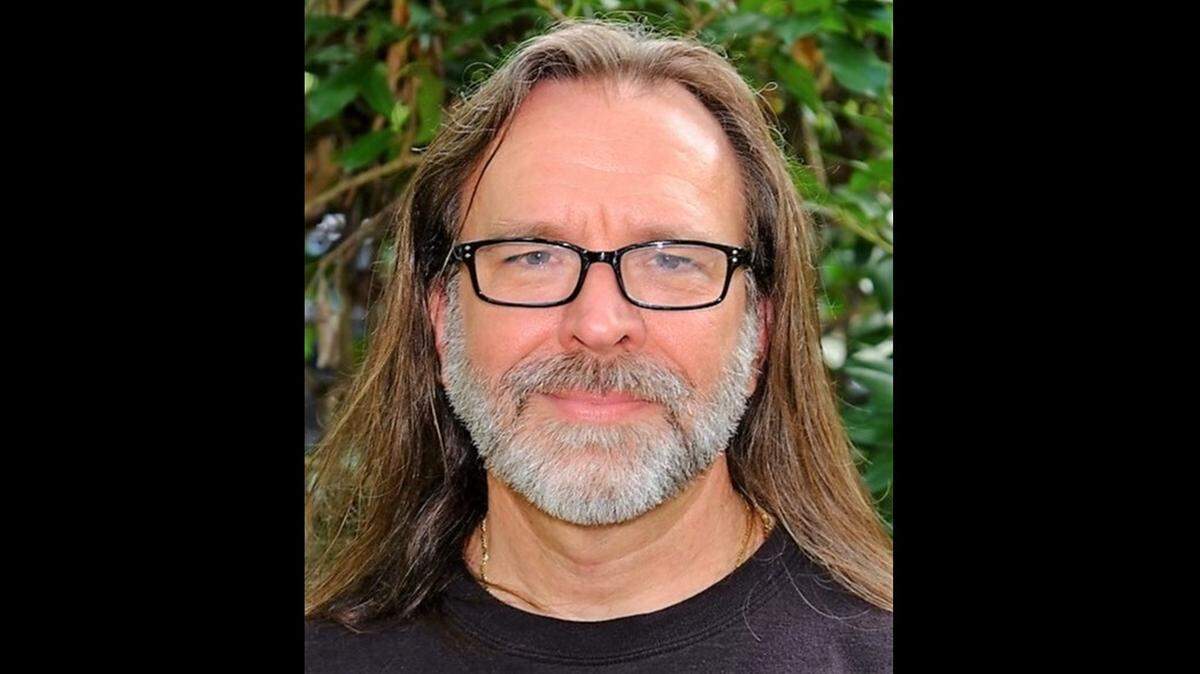
Robert Beasley, candidate for Chapel Hill Town Council
READ MORE
Chapel Hill mayoral and Town Council candidates
Who are the candidates running for mayor and council in Chapel Hill? Get to know your candidates with our Voter Guide.
Expand All
Seven people are competing in the November election for four seats on the Chapel Hill Town Council.
Robert Beasley, an information technology professional who moved back to Chapel Hill a few years ago, is running against incumbent Council member Karen Stegman and fellow newcomers Camille Berry, Jeffrey Hoagland, Paris Miller-Foushee, Vimala Rajendran and Adam Searing.
An eighth candidate, Andrew Creech, told The Daily Tar Heel last week that he’s dropping out of the race to focus on his business interests. He will still appear on the ballot. The News & Observer’s efforts to reach Creech were unsuccessful.
The council is guaranteed to get at least three new council members, since incumbent member Hongbin Gu passed on a second run to join this year’s Chapel Hill mayor’s race, and former Council member Rachel Schaevitz resigned last year, leaving her seat vacant.
Council member Allen Buansi announced this summer he would not seek a second term, freeing up a third seat. Buansi recently announced he’ll run for N.C. House District 56 when state Rep. Verla Insko retires next year.
Early voting in the nonpartisan election begins Oct. 14 and runs through Oct. 30.
To find polling places and full details on early voting, visit co.orange.nc.us/1720/Elections or contact the Board of Elections at 919-245-2350 or vote@orangecountync.gov.
Name: Robert Beasley
Age: 52
Residence: Village West, Chapel Hill
Occupation: Information Technology
Education: Bachelor of Arts, sociology, UNC-Chapel Hill
Political or civic experience: Limited
Campaign website: robertbeasley-nc.com
What do you think the town’s top three priorities should be? Choose one and describe how you will work to address it.
Fundamentally, I think the way the town government is running and making decisions is the biggest underlying issue. The town’s mode of operation is driving a set of policies and behaviors that is not prioritizing the needs of our residents over developers and outside investors. The town has no real strategy and plan for delivering on the priorities of affordable housing, adequate infrastructure for our current and future needs, and conservation and climate change. The town’s approach is actually undermining all of those priorities, and it is resulting in Chapel Hill’s identity and values being greatly diminished. Chapel Hill’s identity as a forward-thinking college town that values education, equity, local artists, music, businesses, outdoor recreation and open spaces, and environmental conservation is a core asset that distinguishes Chapel Hill from other towns and cities.
I will provide and press for leadership that will align town policies, ordinances, and plans with our residents’ principles, values, and goals as we address our challenges of affordable housing, land use and conservation, and health and safety. I will listen and respond to residents’ concerns, and act in accordance with community needs and values in an equitable manner. I will hold developers’ proposals and plans to the town’s Future Land Map and Land Use Ordinance standards and requirements as a mandatory condition for approval. The town government must prioritize the needs of residents — not developers. It must invest in Chapel Hill’s neglected infrastructure, and invest in it sufficiently for our town’s future. And the town must improve its operational procedures to ensure transparency, and informed data- and fact-based decision making.
What is the town doing right, and wrong, about development and growth?
I think commissioning the Housing Report that was presented in the Sept. 10, 2021, Town of Chapel Hill Council Economic Sustainability Committee meeting is one thing the town did right. Interestingly, the data and findings in that report illustrate what the town is doing wrong about development and growth. Housing, in particular affordable housing for several demographic groups, is not being provided by the town’s current approach of looking at each development as it comes along and driving development piecemeal. The town has no long-term strategy or plan for housing. Housing has a tremendous impact on what Chapel Hill’s identity, values, and economy will look like in the future. Chapel Hill has got to start thinking about housing strategically, with an understanding of the implications inadequate affordable housing brings for local town businesses, services, and the town’s identity and values. Otherwise, we face a future where fewer and fewer local businesses will be able to afford to operate in Chapel Hill. And the university (including its medical operations), town public services, and the surviving retail, hospitality and restaurant business (which will be non-local chains you can find in Anywhere, North Carolina) will have to pay more for workers. Workers, who will inevitably be daily commuters living in Orange, Chatham, Alamance, and Durham counties.
What is special about Chapel Hill now that people don’t know or what you would like the town to be known for in the future?
Looking to the future, I would like Chapel Hill to be known for being a socioeconomic and culturally diverse, forward-thinking, responsible community that values social equity, diversity, education, art, music, and environmental conservation.
What skill or life experience do you have that would bring diversity to local government?
I have worked in information technology for over 27 years, with much of that time spent on IT and business design, information management, strategy, policy, standards, regulations, compliance, governance, and organizational capability. I think my professional experience translates very well to the role and responsibilities of an effective Chapel Hill Town Council member.
This story was originally published September 28, 2021 at 1:40 PM with the headline "Robert Beasley, candidate for Chapel Hill Town Council."

.jpeg)