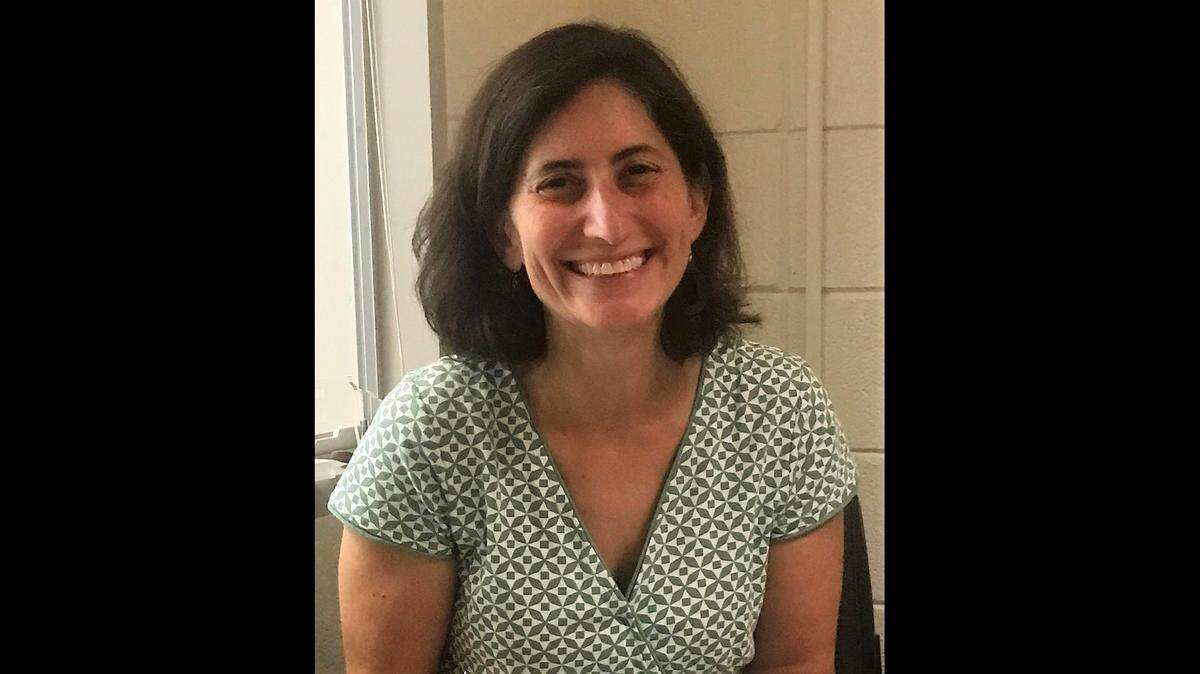
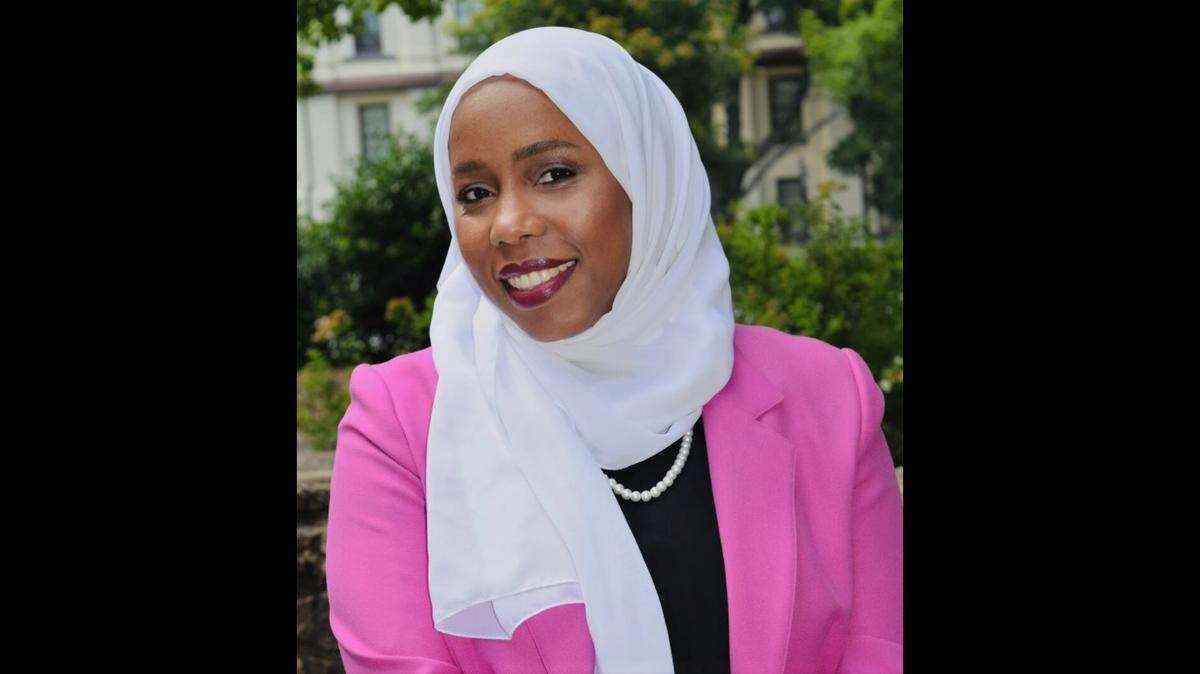
Camille Berry, candidate for Chapel Hill Town Council
 "Camille Berry")
READ MORE
Chapel Hill mayoral and Town Council candidates
Who are the candidates running for mayor and council in Chapel Hill? Get to know your candidates with our Voter Guide.
Expand All
Seven people are competing in the November election for four seats on the Chapel Hill Town Council.
Resource development consultant Camille Berry is running against incumbent Council member Karen Stegman and fellow newcomers Robert Beasley, Jeffrey Hoagland, Paris Miller-Foushee, Vimala Rajendran and Adam Searing.
An eighth candidate, Andrew Creech, told The Daily Tar Heel last week that he’s dropping out of the race to focus on his business interests. He will still appear on the ballot. The News & Observer’s efforts to reach Creech were unsuccessful.
The council is guaranteed to get at least three new council members, since incumbent member Hongbin Gu passed on a second run in order to join this year’s mayor’s race, and former Council member Rachel Schaevitz resigned last year, leaving her seat vacant.
Council member Allen Buansi announced this summer he would not seek a second term, freeing up a third seat. Buansi recently announced plans to run for N.C. House District 56 when state Rep. Verla Insko retires next year.
Early voting in the nonpartisan election begins Oct. 14 and runs through Oct. 30.
To find polling places and full details on early voting, visit co.orange.nc.us/1720/Elections or contact the Board of Elections at 919-245-2350 or vote@orangecountync.gov.
Name: Camille Berry
Age: 52
Residence: Erwin Road
Occupation: Principal, Camille Berry Consulting; former development and communications manager, Community Home Trust
Education: Alumna of Wellesley College; Exchange Student to Spelman College
Political or civic experience: Member and former president, Chapel Hill Sunrise Rotary Club; Leadership Fellow, The Chamber for a Greater Chapel Hill-Carrboro; membership chair and Diversity and Inclusion chair, N.C. Triangle chapter of the Association of Fundraising Professionals; board member, Piedmont Health; mentor, Chapel Hill-Carrboro City Schools Blue Ribbon Mentor-Advocate Program; board member, Hope Renovations; founding board member, Transplanting Traditions Community Farm; social chair and former precinct co-chair, Cedar Falls Democratic Precinct
Campaign website: camille4chapelhill.com
Endorsements: NEXT Chapel Hill-Carrboro
What do you think the town’s top three priorities should be? Choose one and describe how you will work to address it.
▪ Increase Affordable Housing
▪ Bolster Economic Development
▪ Green Space
Chapel Hill needs more housing — both for homeownership and rental. That housing needs to be affordable to lower income households, from the young professionals just starting out to the extremely vulnerable individuals whose annual income is less than $19,100 (30% AMI). As a Council Member, I would push to articulate and communicate the long-range growth plans of the town with the members of our community and partners — including developers. By being clear about the town’s vision and its goals for development, we can be intentional with how we incorporate additional housing that’s affordable to various segments of the population that have been underserved for too long. I would keep the need for growth with a variety of housing options that are affordable to far more people in the foreground so that significant progress can be made.
What is the town doing right, and wrong, about development and growth?
Chapel Hill is aiming to develop more housing units and grow our commercial base. While many residents can readily identify the luxury apartments that have been constructed in the past five years, they find it not as easy to do with new home construction and/or redevelopment that’s affordable to our lower-income families and individuals. Even more difficult is to name the options that exist for our 30% AMI households (individuals whose annual income is less than $19,100 — more than what minimum wage pays).
What the town is not doing well is conveying the long-range vision it has to the community so that residents and developers understand what the desired goals and expectations are. Too much of the development process is undefined. That ambiguity leads to inconsistent interpretations, cultivates distrust in the system, and favors those who have the resources to withstand the extended approval process.
What is special about Chapel Hill now that people don’t know or what you would like the town to be known for in the future?
“Chapel Hill values inclusivity, but for most of us we are not leading inclusive lives as individuals nor as a community on a daily basis.”
This statement was shared with me by a native Chapel Hill resident and business owner. I agree with the assertion. I believe that the desire is there — just as it has been for decades — but the execution is lacking. I also believe we have the capacity to realize this ideal if we were to intentionally practice inclusivity at all levels of governance and hold ourselves accountable. We need to measure this just as we do other goals and objectives.
What skill or life experience do you have that would bring diversity to local government?
I am a woman of color, and my ancestry is that of Asian, Black, Native American, and White. I am the granddaughter of immigrants and the great-granddaughter of slaves. My father was educated in a private school for Blacks in North Carolina in the 1940s and 1950s. He witnessed two schoolmates lynched for having the audacity to attend the school. While raising my three children, I faced housing, food, and transportation insecurities. I believe that my heritage and experiences would greatly increase the diversity currently found in our local government.
This story was originally published October 7, 2021 at 9:16 PM with the headline "Camille Berry, candidate for Chapel Hill Town Council."

.jpeg)