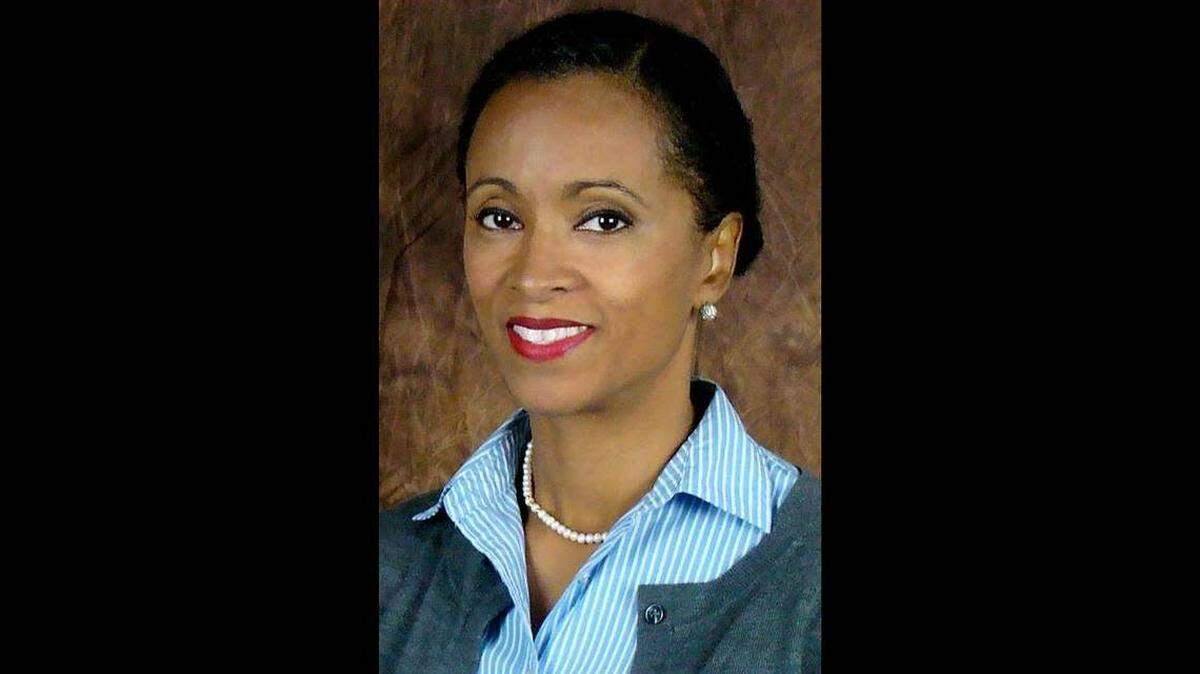
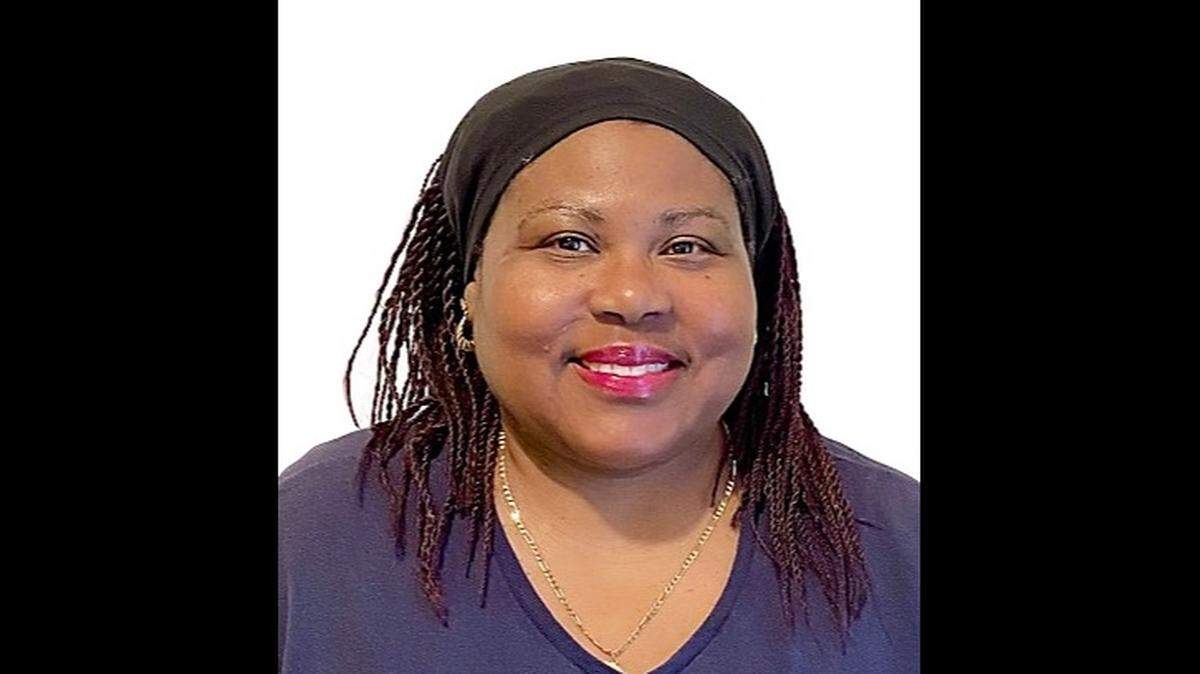
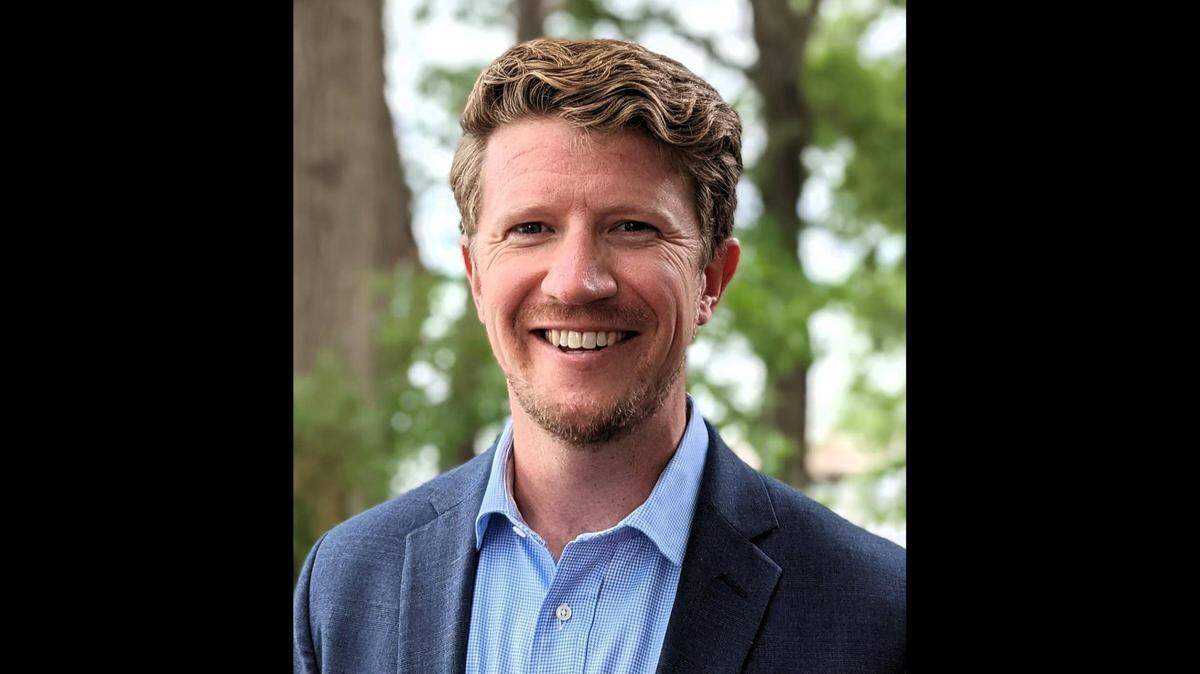
Deon Temne, candidate for Chapel Hill-Carrboro School Board
.jpeg "Deon Temne")
READ MORE
Chapel Hill-Carrboro City Schools Board of Education 2023 election
Voters in the Chapel Hill-Carrboro City Schools district will choose four school board members in the Nov. 7 election. There are 14 people on the ballot, including three incumbents. Early voting in the nonpartisan race runs Oct. 19-Nov. 4.
Three candidates did not respond to our questionnaire: Incumbent Ashton Powell, and challengers Michelle Rissling and Solomon Gibson III. A fourth candidate, Renee Peet, announced Oct. 10 she was dropping out of the race. Her name will remain on the ballot, however, because it was printed before her decision.
Expand All
Voters who live in the Chapel Hill-Carrboro City Schools district will fill four open seats on the Board of Education in November.
Incumbent board members Rani Dasi, Deon Temne and Ashton Powell are running against 10 challengers in the Nov. 7 general election.
The challengers are Meredith Ballew, Vickie Feaster Fornville, Barbara Fedders, Jane Gabin, Solomon Gibson III, Mariela Hernandez, Honoria Middough, Michelle Rissling, Taylor Tally and Allison Willis.
Another challenger, Renee Peet, announced Oct. 10 that she would be dropping out of the race. Peet’s name will remain on the ballot, however, because it was printed before she made her decision.
It may be one of the largest group of candidates to ever run in a Chapel Hill-Carrboro school board election. Five other candidates who filed in July, when the conservative Moms for Liberty group was said to be fielding potential candidates, withdrew before the November ballots were printed.
Board member Jillian La Serna is not running for re-election.
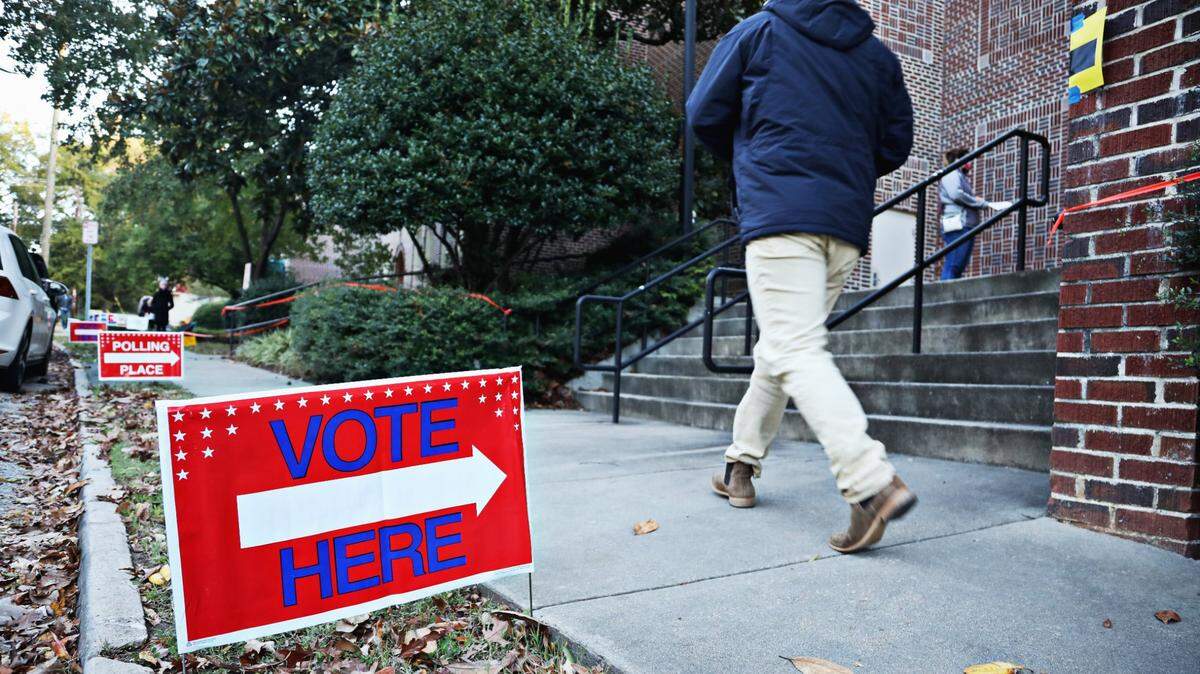
Early voting in the nonpartisan Nov. 7 election starts Oct. 19 and runs through Nov. 4.
To find polling places and full details on early voting, visit co.orange.nc.us/1720/Elections or contact the Board of Elections at 919-245-2350 or vote@orangecountync.gov.
Name: Deon Temne
Age: 51
Occupation: Cybersecurity professional
Education: Bachelor of Science in Computer Studies
Political or civic experience: CHCCS board member since 2019, vice chair 2021, chair 2022; vice chair and Steering Committee member, Equity Advisory Council; School Improvement Teams at Northside Elementary and Rashkis Elementary; Special Needs Advisory Council rep at Seawell Elementary; Title 1 and liaison for Northside Elementary; Orange County Community Remembrance Coalition; MOEMS instructor and tutor at Rashkis Elementary; Steering Committee, Summer Careers Academy; Temne A’bara Nation Executive Committee and Educational Programs chair; Steering Committee for Campaign for Racial Equity
Campaign website: deontemne4chccs.com
Why are you running for school board and what makes you the right candidate? Current board members: Please also explain the delay in announcing your re-election campaign this year.
After deep reflection and discussions with my family about the dedication and commitment required for another term, I sought re-election. My campaign announcement was delayed due to this introspection, weighing the profound commitment against my family’s needs. I bring a unique and often missing perspective to our discussions and decision-making. Unapologetically, I stand for students! With every vote and every decision, I will continue to mold our district to ensure that all students, regardless of background or circumstance, leave as independent, empowered, critically thinking, lifelong learners, poised to engage a global society confidently.
What are the three top challenges facing the Chapel Hill-Carrboro City Schools? Choose one and explain how you would address it.
Despite ongoing challenges with education funding and politicization of school instruction, the most pressing issue we face is the lack of an inclusive curriculum. As a staunch advocate for a culturally relevant curriculum, I’ve proudly supported our new strategic plan that champions this vision. It’s essential to recognize that a diverse curriculum enriches the educational experience for everyone. I’m committed to allocating resources for diverse materials, professional development, and fostering community ties to ensure inclusivity. Through continuous stakeholder feedback, we’ll provide an education respecting all backgrounds, truly “Empowering every student’s unique journey.”
What do you think about the state’s 2021 Science of Reading law and Language Essentials for Teachers of Reading and Spelling training, and how both initiatives are being implemented in the district? What would you do to improve student reading and literacy outcomes?
I support the Science of Reading and LETRS training for their evidence-based phonemic approach and dedication to individualized reading plans, aligning with my vision of “empowering every student’s unique journey.” Recognizing the implementation challenges and additional professional development required for educators, I commend the district’s efforts. While the Science of Reading and LETRS notably will enhance individual skills, they are integral to a broader, culturally relevant curriculum. I am committed to strategies that improve reading skills and foster Cognitive Enhancement and Critical Thinking while encouraging Personal Discovery, ensuring holistic student development.
What do you think about the district’s work to close the achievement gap? What would you do if elected?
The achievement gap and district discipline data reveal a poignant truth: Black and Brown students’ resistance to a non-inclusive curriculum and school environment. This isn’t merely academic disparity; it’s a stark and clear reminder of systemic racial norms and poor expectations. If re-elected, I will continue a student-first approach supported by our strategic plan. This plan champions cultural leadership and amplifies diverse voices, pivotal for crafting a unique, inclusive educational journey. To genuinely close gaps, we must ensure our curriculum and district reflect and actively celebrate diverse backgrounds, preparing an environment where every student is seen, heard, and empowered.
How can the school district bring people with different viewpoints together to find common ground and workable solutions?
I believe in transparent and inclusive governance. Transparency and consistent and equitable actions lay a foundation upon which trust can be built and nurtured among stakeholders. Ensuring every community member is aware of our actions, the rationale behind them, and the anticipated outcomes invites accountability and fosters a collective understanding. We also need to depoliticize education. Our children’s future shouldn’t be subject to political whims. If we prioritize an education system that values learning and development over politics, we will discover we desire the same outcomes for all our children.
This story was originally published October 10, 2023 at 12:06 PM.