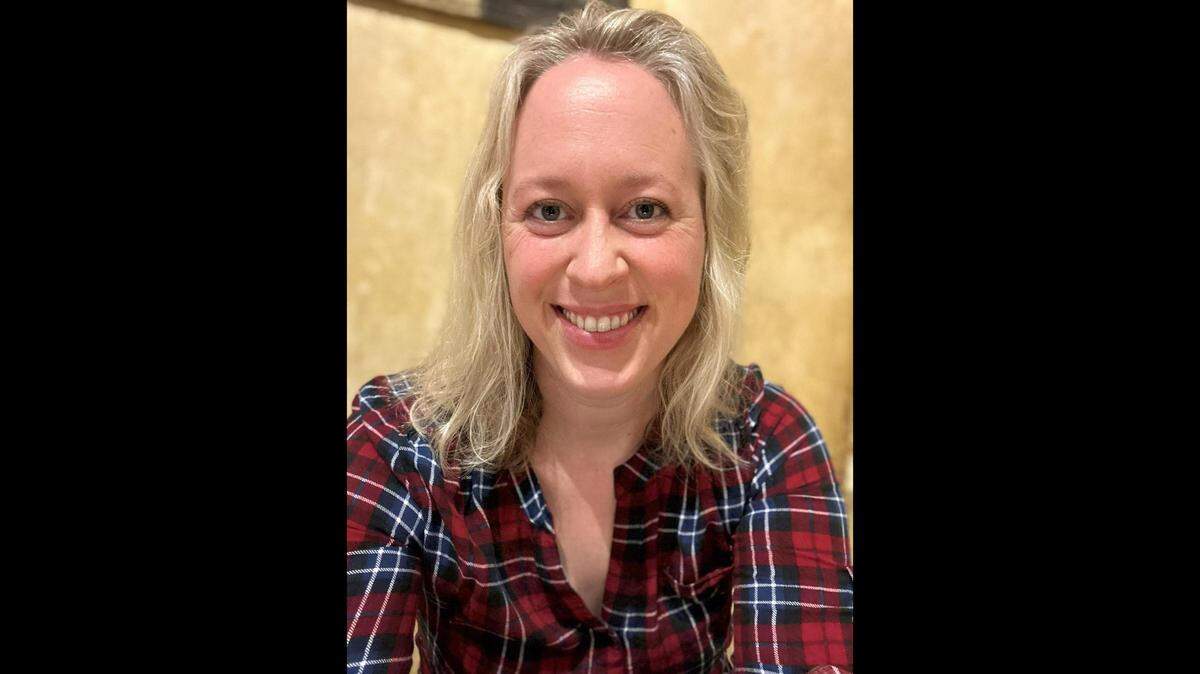
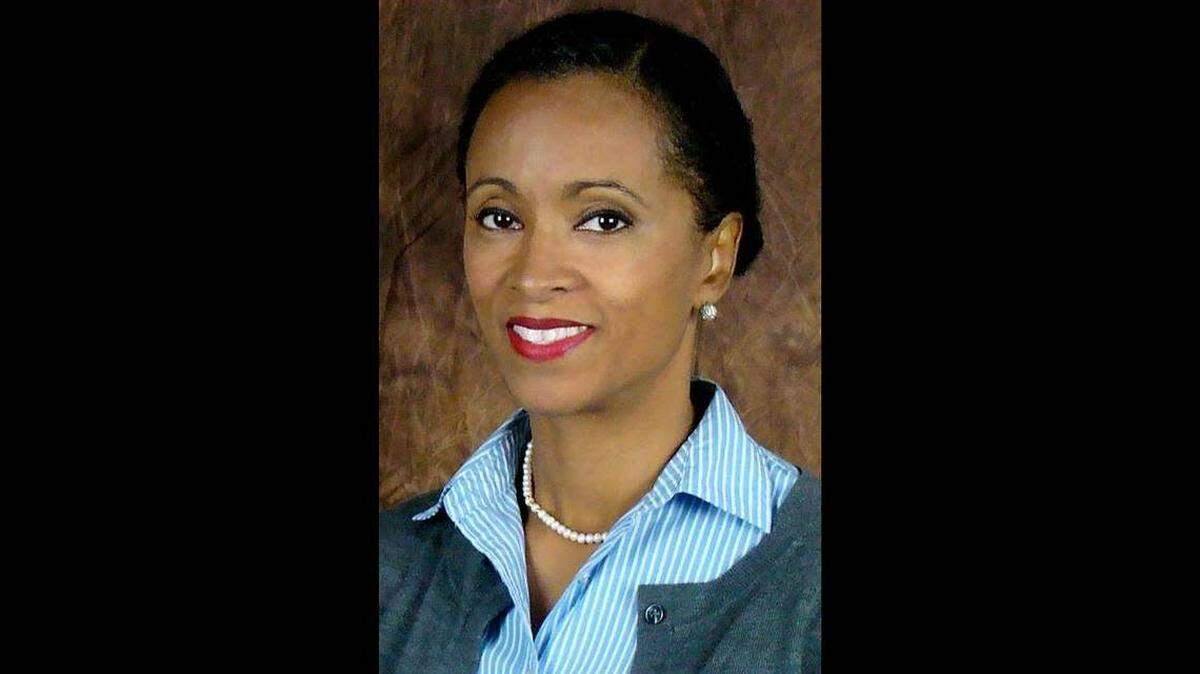
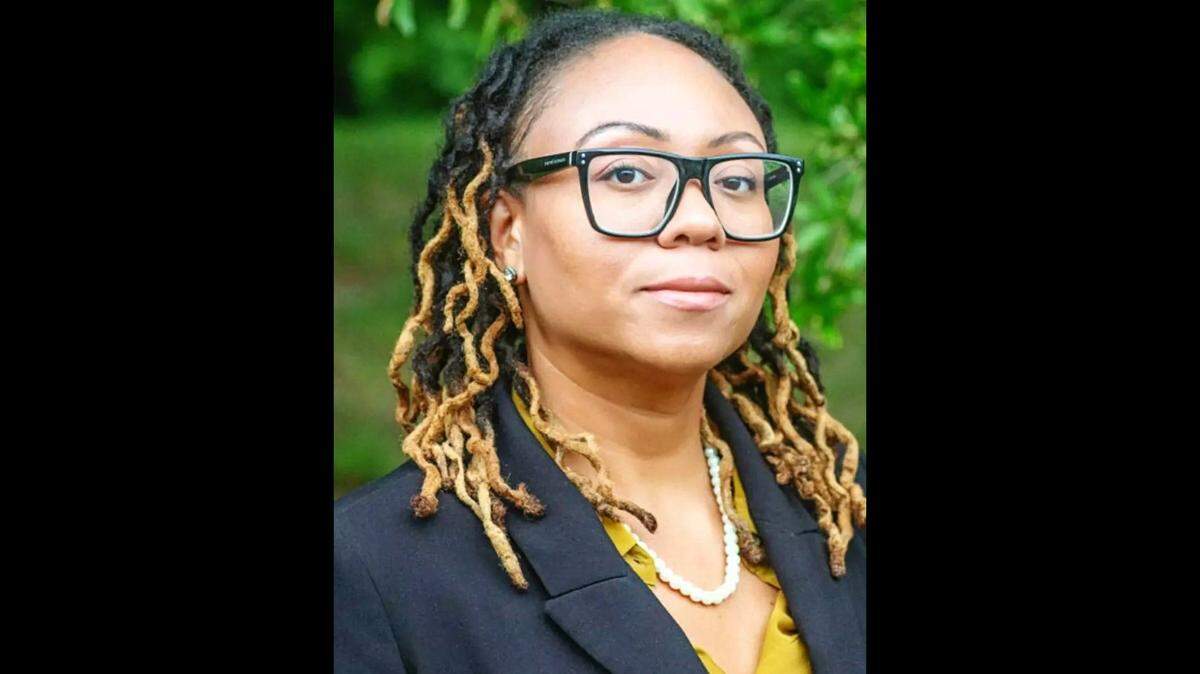
Vickie Feaster Fornville, candidate for Chapel Hill-Carrboro Board of Education
READ MORE
Chapel Hill-Carrboro City Schools Board of Education 2023 election
Voters in the Chapel Hill-Carrboro City Schools district will choose four school board members in the Nov. 7 election. There are 14 people on the ballot, including three incumbents. Early voting in the nonpartisan race runs Oct. 19-Nov. 4.
Three candidates did not respond to our questionnaire: Incumbent Ashton Powell, and challengers Michelle Rissling and Solomon Gibson III. A fourth candidate, Renee Peet, announced Oct. 10 she was dropping out of the race. Her name will remain on the ballot, however, because it was printed before her decision.
Expand All
Voters who live in the Chapel Hill-Carrboro City Schools district will fill four open seats on the Board of Education in November.
Incumbent board members Rani Dasi, Deon Temne and Ashton Powell are running against 10 challengers in the Nov. 7 general election.
The challengers are: Meredith Ballew, Vickie Feaster Fornville, Barbara Fedders, Jane Gabin, Solomon Gibson III, Mariela Hernandez, Honoria Middough, Michelle Rissling, Taylor Tally and Allison Willis.
Another challenger, Renee Peet, announced Oct. 10 that she would be dropping out of the race. Peet’s name will remain on the ballot, however, because it was printed before she made her decision.
It may be one of the largest group of candidates to ever run in a Chapel Hill-Carrboro school board election. Five other candidates who filed in July, when the conservative Moms for Liberty group was said to be fielding potential candidates, withdrew before the November ballots were printed.
Board member Jillian La Serna is not running for re-election.
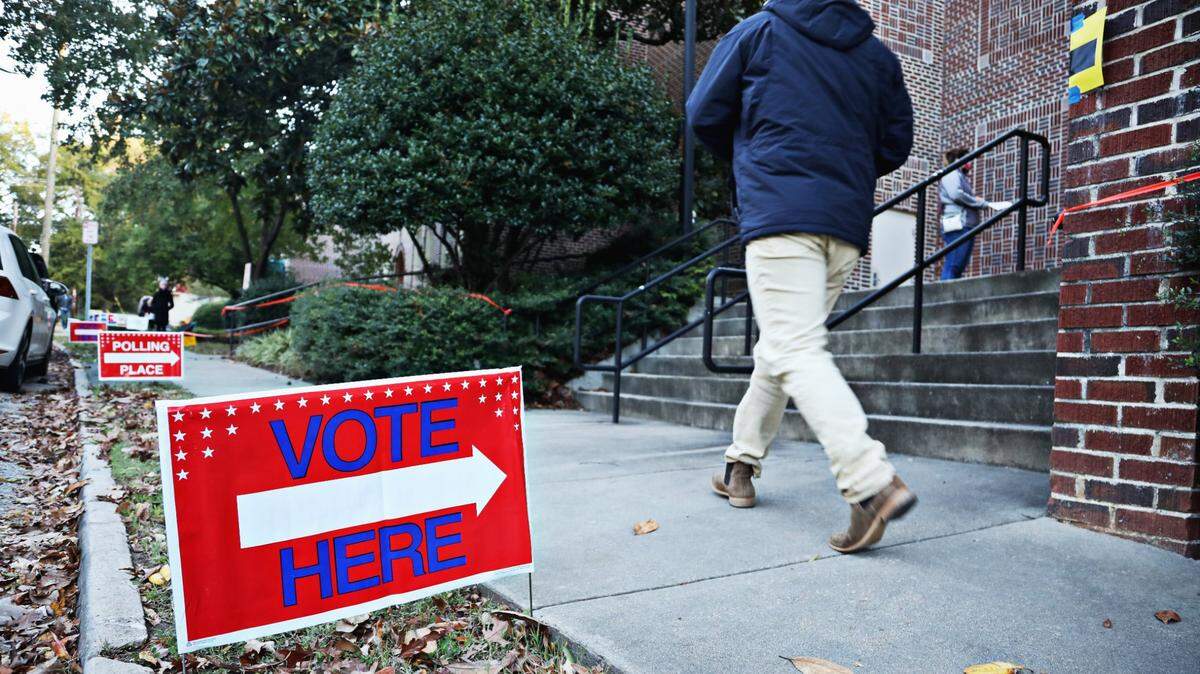
Early voting in the nonpartisan Nov. 7 election starts Oct. 19 and runs through Nov. 4..
To find polling places and full details on early voting, visit co.orange.nc.us/1720/Elections or contact the Board of Elections at 919-245-2350 or vote@orangecountync.gov.
Name: Vickie Feaster Fornville
Age: 53
Occupation: Orange County special programs coordinator
Education: Bachelor of Arts, UNC-Wilmington (1992); Chapel Hill Senior High School graduate (1988)
Political or civic experience: Former CHCCS Parent Ambassador; PTAs, including co-vice president at the middle school level; seven years of service on School Improvement Teams at the elementary and middle school level, including co-chair at McDougle Elementary and Middle schools; secretary of the Board of Directors for the Centre for Home Ownership and Economic Development; co-adviser, Chapel Hill-Carrboro NAACP Youth Council
Campaign website: vickieforschoolboard.com
Why are you running for school board and what makes you the right candidate? Current board members: Please also explain the delay in announcing your re-election campaign this year.
I am running for school board because Chapel Hill is my home, and I have a responsibility to help take care of it. I have been volunteering in CHCCS for over 30 years. I know what it is to be a student of this district. I want to take the local community’s voice back to the school board. I am the right candidate because I am Chapel Hill. I have served this community since I was delivering the Village Advocate as a child. I have worked with court-impacted students from all of our high schools. I will continue to listen to our community. I want to make sure their voices and needs are heard so that all students have the opportunity to succeed in this district.
What are the three top challenges facing the Chapel Hill-Carrboro City Schools? Choose one and explain how you would address it.
In my opinion, saying what things are the top three challenges is subjective. They will change depending on whose lens you are looking through. In my opinion, three challenges that are facing CHCCS are family and community engagement, centering holistic student achievement and student wellness. In addressing family and community engagement, I would want to partner with the local municipalities, families, students and teachers. I would want to make sure all voices are heard and students are centered. In order to address the issues we have, we must work together as a community. We need to get to know each other and build relationships that will foster success for all students.
What do you think about the state’s 2021 Science of Reading law and Language Essentials for Teachers of Reading and Spelling training, and how both initiatives are being implemented in the district? What would you do to improve student reading and literacy outcomes?
I believe the research behind the Science of Reading law outlines a great deal of useful information when it comes to literacy. The general statute itself can be improved upon. Nothing is perfect, including N.C. General Statutes. I am slightly familiar with the Language Essentials for Teachers of Reading and Spelling training (LETRS). I am not versed in how these initiatives are being implemented in our district. I would defer my response regarding both items until I am more familiar with the district’s policies on them. To improve reading outcomes, I would first start talking to families, teachers and students so that we could come up with a collective plan to serve the students.
What do you think about the district’s work to close the achievement gap? What would you do if elected?
When it comes to the district’s work to close the achievement gap, what work are you specifically referring to? The achievement gap has been a longstanding part of this district’s history. The numbers haven’t changed very much since the schools were desegregated. One needs to ask, why has nothing worked that has been tried? Who or what is the achievement gap serving? If elected, I would work to pass and enforce policies that provide opportunities for all students to succeed. We must be intentional with the educators in the classroom to make sure that they are prepared and willing to meet all students where they are. It is a problem that our community needs to work together to solve.
How can the school district bring people with different viewpoints together to find common ground and workable solutions?
Our school district needs to become an inviting place to different people. The best way to get different people to come together is to ask them what they need and what will bring them into the conversation. We can’t tell people what they need and continue to tell them how to solve such large problems. We need the input of all stakeholders. We need to be vested listeners. We can’t find common ground before we know where all the stakeholders are standing in the first place.
This story was originally published October 10, 2023 at 11:44 AM.
.jpeg)