
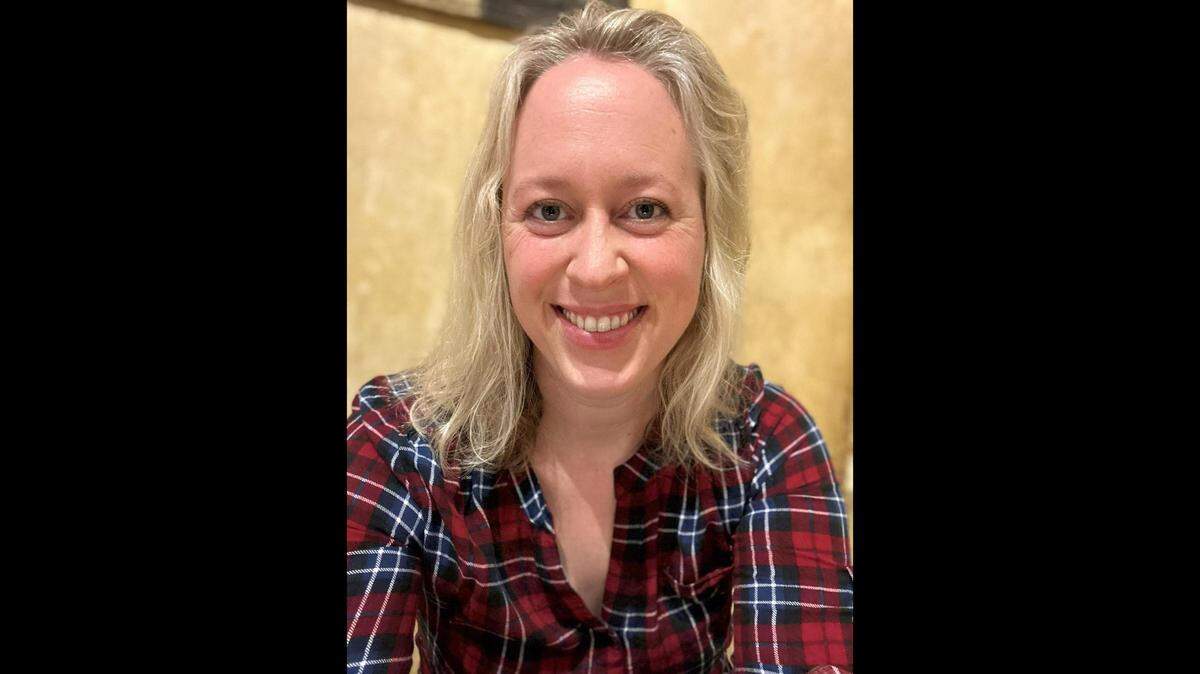
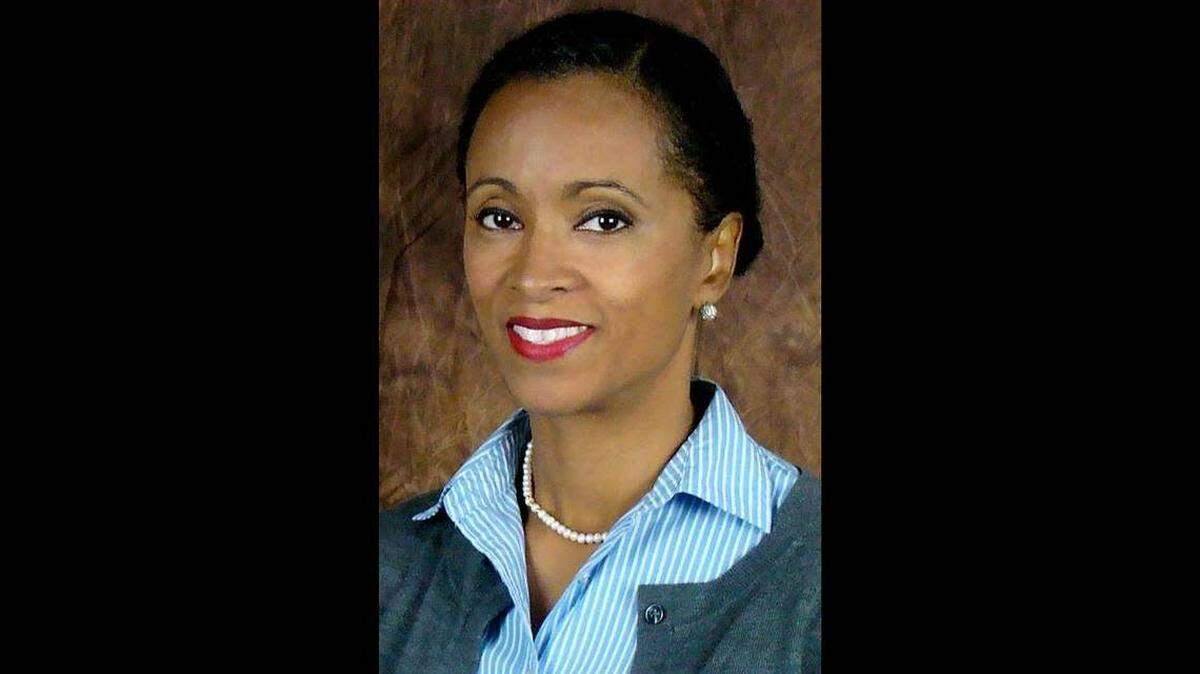
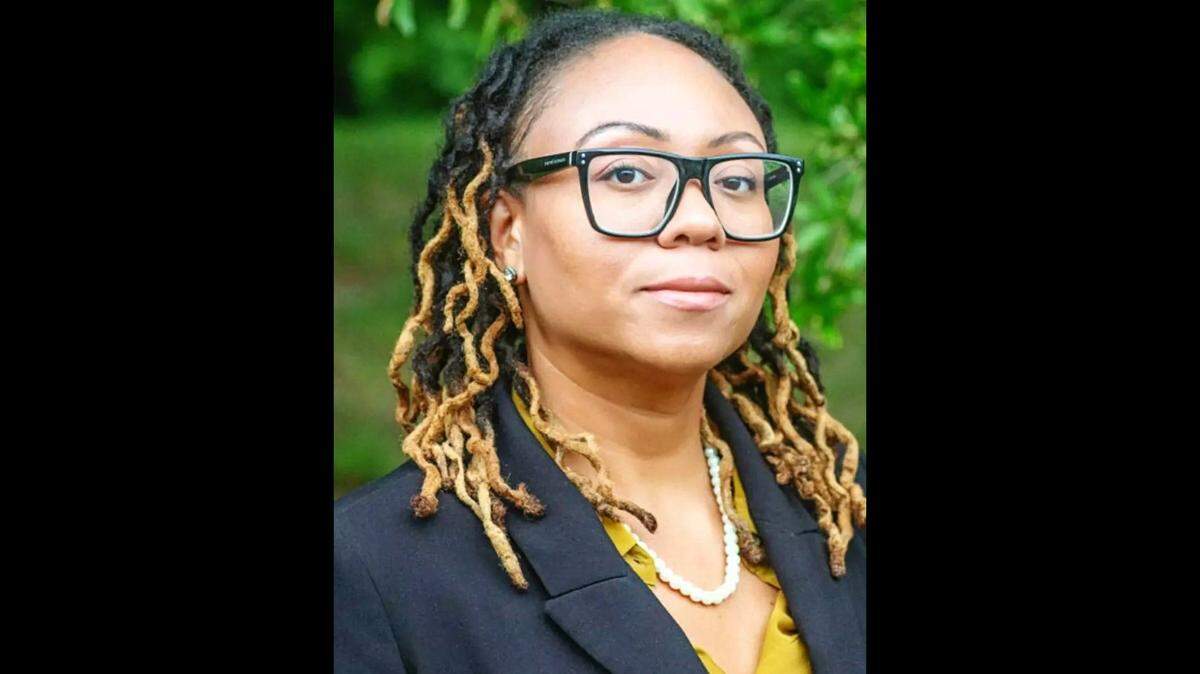
Allison Willis, candidate for Chapel Hill-Carrboro Board of Education
READ MORE
Chapel Hill-Carrboro City Schools Board of Education 2023 election
Voters in the Chapel Hill-Carrboro City Schools district will choose four school board members in the Nov. 7 election. There are 14 people on the ballot, including three incumbents. Early voting in the nonpartisan race runs Oct. 19-Nov. 4.
Three candidates did not respond to our questionnaire: Incumbent Ashton Powell, and challengers Michelle Rissling and Solomon Gibson III. A fourth candidate, Renee Peet, announced Oct. 10 she was dropping out of the race. Her name will remain on the ballot, however, because it was printed before her decision.
Expand All
Voters who live in the Chapel Hill-Carrboro City Schools district will fill four open seats on the Board of Education in November.
Incumbent board members Rani Dasi, Deon Temne and Ashton Powell are running against 10 challengers in the Nov. 7 general election.
The challengers are Meredith Ballew, Vickie Feaster Fornville, Barbara Fedders, Jane Gabin, Solomon Gibson III, Mariela Hernandez, Honoria Middough, Michelle Rissling, Taylor Tally and Allison Willis.
Another challenger, Renee Peet, announced Oct. 10 that she would be dropping out of the race. Peet’s name will remain on the ballot, however, because it was printed before she made her decision.
It may be one of the largest group of candidates to ever run in a Chapel Hill-Carrboro school board election. Five other candidates who filed in July, when the conservative Moms for Liberty group was said to be fielding potential candidates, withdrew before the November ballots were printed.
Board member Jillian La Serna is not running for re-election.
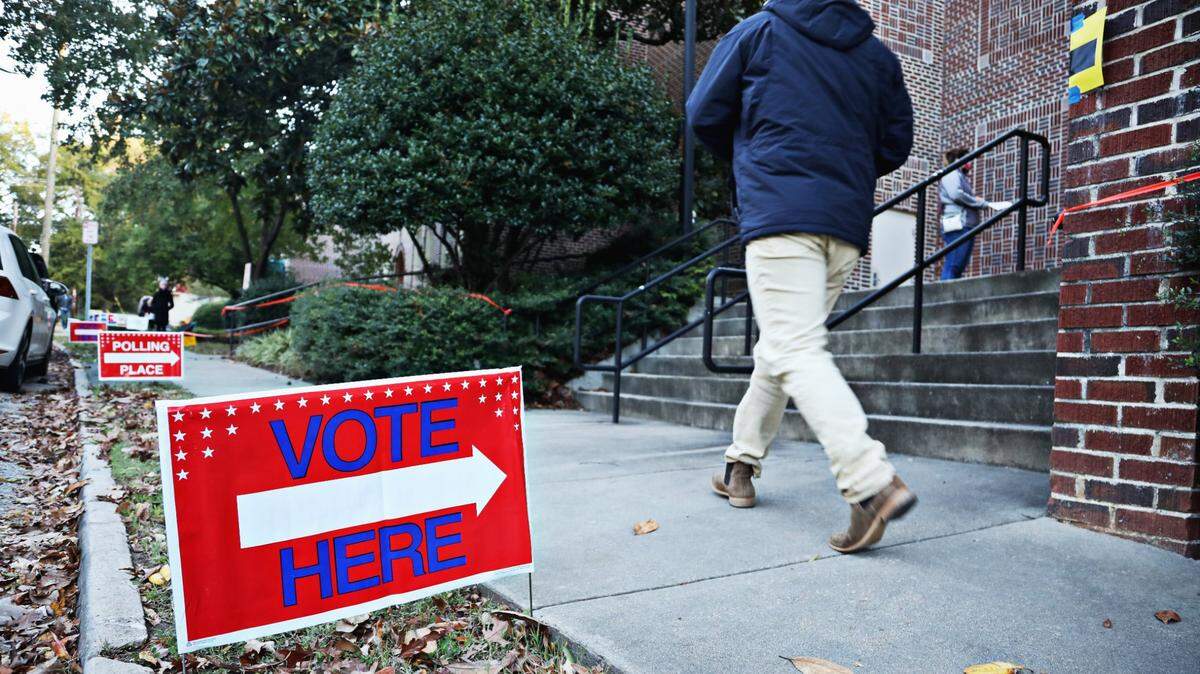
Early voting in the nonpartisan Nov. 7 election starts Oct. 19 and runs through Nov. 4..
To find polling places and full details on early voting, visit co.orange.nc.us/1720/Elections or contact the Board of Elections at 919-245-2350 or vote@orangecountync.gov.
Name: Allison Willis
Age: 41
Occupation: Independent education consultant
Education: Bachelor of Science in Magazine Journalism, Northwestern University; Master of Science for Teachers in Teaching Secondary English Language Arts, Pace University; Master’s of Education in Educational Leadership, Harvard University
Political or civic experience: None
Campaign website: allisonwillisholley.com
Why are you running for school board and what makes you the right candidate? Current board members: Please also explain the delay in announcing your re-election campaign this year.
I was inspired to join this race by fellow educators and parents in our community who intimately understood the work I have done in K-12 schools in the past and believed that I could make a meaningful contribution here. I was also inspired by my husband, an elementary school educator in the Chapel Hill-Carrboro schools and my four kids who are students at Frank Porter Graham Bilingüe. I have spent 20 years advocating for all kids as a teacher, principal, principal coach, and deputy superintendent, and I want to be a partner to our school district, an advocate for families, and a contributing member of our larger community.
What are the three top challenges facing the Chapel Hill-Carrboro City Schools? Choose one and explain how you would address it.
Recruiting, retaining and supporting our educators is a key challenge CHCCS is facing, as well as school districts across the country. Ensuring every classroom across our school system has an incredible educator is the No. 1 priority for any school district, and particularly at this time in North Carolina. A second challenge in need of continued prioritization is ensuring a long-term facilities plan is cemented for our district that ensures our physical space can continue to house and support our young people for generations to come. Finally, our ongoing work to embed specific, targeted strategies that address gaps in learning and propel growth for all learners is third challenge.
What do you think about the state’s 2021 Science of Reading law and Language Essentials for Teachers of Reading and Spelling training, and how both initiatives are being implemented in the district? What would you do to improve student reading and literacy outcomes?
The state’s reading law and the subsequent LETRS training are well-meaning policies that were meant to drive out false information about how children learn to read and create a common knowledge base among all educators. The policy is doing just that. The information in the LETRS training is high quality, and I appreciate that teachers are compensated upon completion, given its length. What was missing in implementation was applying a differentiation lens and clarity on its intended application for those who don’t teach early reading skills, the same expectation we have for our excellent teachers. Assessing staff knowledge before applying a one-size-fits-all approach is a change.
What do you think about the district’s work to close the achievement gap? What would you do if elected?
I think the district is on the right track. Assessing the current state of curriculum and assessment, bringing culturally relevant teaching practices to professional learning communities, building teacher pipelines that support a diversification of the teaching force, and continuing to build out varied and rigorous options for coursework are all meaningful strategies that address opportunity gaps between student groups. Holding high expectations for all kids, thoughtful class placement, and ongoing mentoring and support are additional strategies that help all kids succeed. If elected, I would like to review our Exceptional Children supports for inclusivity and access to grade-level content.
How can the school district bring people with different viewpoints together to find common ground and workable solutions?
In a community as engaged and invested in education as Chapel Hill and Carrboro, the more we can bring key issues to the community for comment, creative thinking and potential resource generation, the better. In New York City, we used the format of Working Groups with representatives from all stakeholder groups to collaboratively seek solutions on key issues with which our network was grappling. The diverse perspectives and idea generation that happened in those spaces proved to be really impactful for the district as a whole. While time is a constant constraint for us all, creating space for community participation could be one way to move forward as a team.
This story was originally published October 10, 2023 at 12:16 PM.
.jpeg)