NC judges weigh challenges to law allowing more child sex abuse survivor lawsuits
READ MORE
Where are the lawsuits?
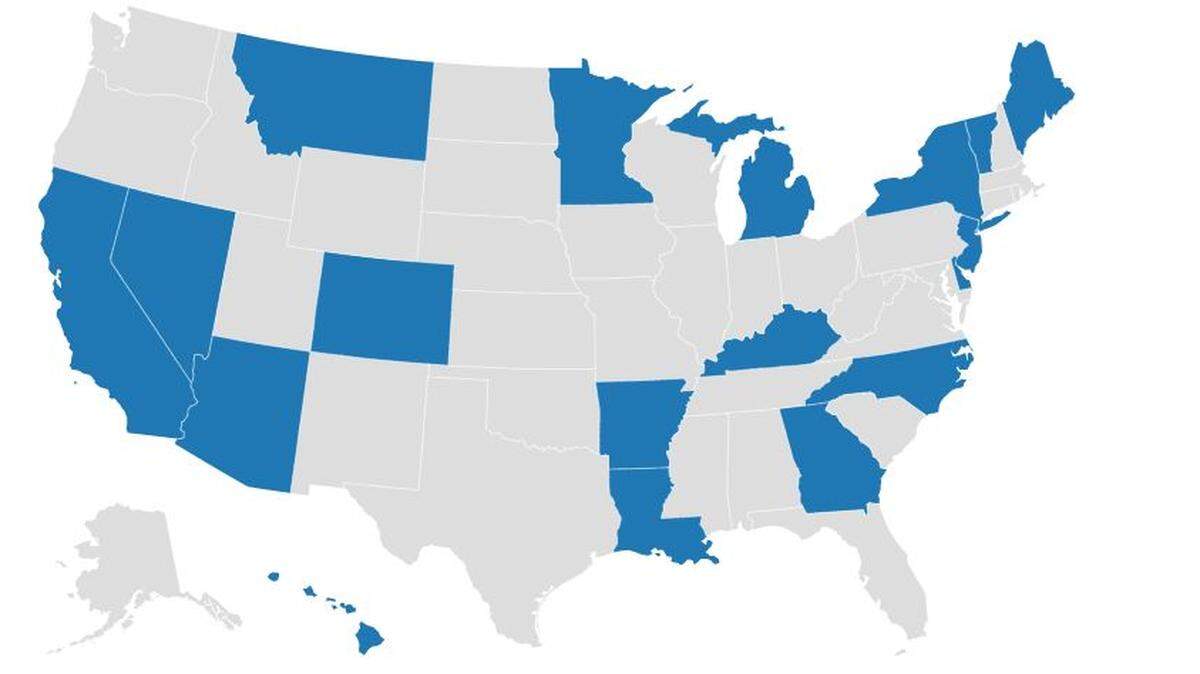
In 2020, NC became the first Southern state to open a temporary window for child sexual abuse survivors of any age to file civil lawsuits. But fewer are filed here than in other states. Here’s The News & Observer’s special report.
Expand All
Three North Carolina judges heard the first challenge to the 2019 SAFE Child Act on Thursday, a law that temporarily suspends the statute of limitations for child sex abuse lawsuits.
Their decision could affect lawsuits filed during a two-year window allowing child sex abuse survivors of any age to file civil lawsuits against abusers or those that enabled them. The North Carolina window snaps shut on Dec. 31.
Those trying to preserve that access to courts argued that the General Assembly championed safety when it unanimously changed previous state law that generally prevented child sex abuse survivors from filing lawsuits after they’d turned 21.
“I would urge you to see (the window) as a correction of a mistake based on newfound knowledge that was compelling enough to get the support of the entire legislature,” Special Deputy Attorney General Phillip Rubin said at hearing in the Wake County courthouse.
But opponents say the state constitution prevents lawmakers from stripping North Carolinians of their right to rely on legal deadlines.
“My client now has to defend itself when relevant evidence has been lost or destroyed, witnesses have died or otherwise become unavailable, and the memories for those witnesses that are around faded,” said attorney Christian Ferlan, who represents a volunteer fire department in one suit.
The cases
North Carolina was the first state in the South to open a so-called lookout window, allowing people previously deemed too old to file civil lawsuits against schools, churches and camps across the state.
Defendants in unresolved cases include the University of North Carolina School of the Arts, the Roman Catholic Diocese of Charlotte, multiple schools and others.
Each of the two cases challenged Thursday were filed by plaintiffs once deemed too old to sue institutions where they say predators sexually abused them.
In the first, a 39-year-old Walkertown man demanded damages from the Piney Grove Volunteer Fire and Rescue Department, saying a former firefighter sexually abused him on department property.
In 2019, Michael Todd Pegram pleaded guilty to 28 child sex abuse charges, admitting that he’d preyed upon eight boys aged 12 to 16, according to court records. Pegram, now 49, is serving a 24-to-30-year sentence at Alexander Correctional Institution in Taylorsville.
In a separate case, the plaintiff joined several other accusers to sue the Kernersville Family YMCA where Pegram worked for about a decade.
Pegram showed young boys pornography and sexually assaulted them in the bathrooms of the YMCA’s facilities, they said. Leaders there knew of complaints but continued to employ him until 2001, they said.
The second case was filed by three former East Gaston High School students against the Gaston County Board of Education.
They allege that the school failed to protect them from wrestling coach Gary Scott Goins, who sexually assaulted them during practices and team travel. In 2014, Goins was convicted of 17 criminal charges in the abuse case, according to court records.
Muddled precedent
A panel of three judges hear “facial” challenges to General Assembly acts -- cases where lawyers argue that state laws are unconstitutional.
Attorneys who bring arguments to the panel often sift through complicated legal theories and obscure precedent to persuade the judges.
That was the case Thursday, when Superior Court judges Martin McGee, Greg Horne and Imelda Pate heard testimony about two cases in which defendants challenged the window’s constitutionality.
Attorney Robert Jenkins, who represents plaintiffs in both cases in the spotlight on Thursday, presented a series of appeals in the windows’ defense, picking apart the case law in his opponents’ briefs. Previous decisions that found revival provisions unconstitutional weren’t specific about their reasoning, he said, adding that the state constitution leaves room for interpretation.
Rubin said that statutes of limitation are procedural rules and thus fair game for the legislature to change in its efforts to protect citizens.
“We’re here today to talk about constitutional rights, and we should,” Rubin told the panel. “But those children have rights too, and those rights include a remedy when they are harmed and those rights include the ability to pursue that remedy when it was taken away from them by generic statutes of limitations.”
Ferlan, representing the Piney Grove Volunteer Fire and Rescue Department, disagreed. The state constitution protects North Carolina’s people and institutions from litigation threats that have already expired, he said. It’s not legal for the legislature to strip away that right, he argued.
”The defendants have a vested substantive right to be free from the threat of civil liability once limitations and repose periods have expired,” he argued.
Next up: Wait
If the three judges decide that the state constitution does not allow legislators to resurrect expired claims, they can accept the two defendants’ requests to dismiss their cases. That could put all so-called window lawsuits at risk.
Some of these window cases have paused procedures until the panel publishes an opinion, which Jenkins said he hopes happens by Thanksgiving.
Either side can appeal the decision if they lose, which Jenkins said he would do if the panel disagreed with their argument. That process could take several months to resolve.
An appeal could mean that survivors rushing to file cases before the end of the year would do so uncertain whether higher courts will rule if the filings are valid.
Editor’s note: The Charlotte Observer and The News & Observer generally do not name people alleging they were sexually abused.
This story was originally published October 22, 2021 at 10:59 AM with the headline "NC judges weigh challenges to law allowing more child sex abuse survivor lawsuits."

.JPG)