We can look beyond the NC courts to handle sexual assault cases
READ MORE
Where are the lawsuits?
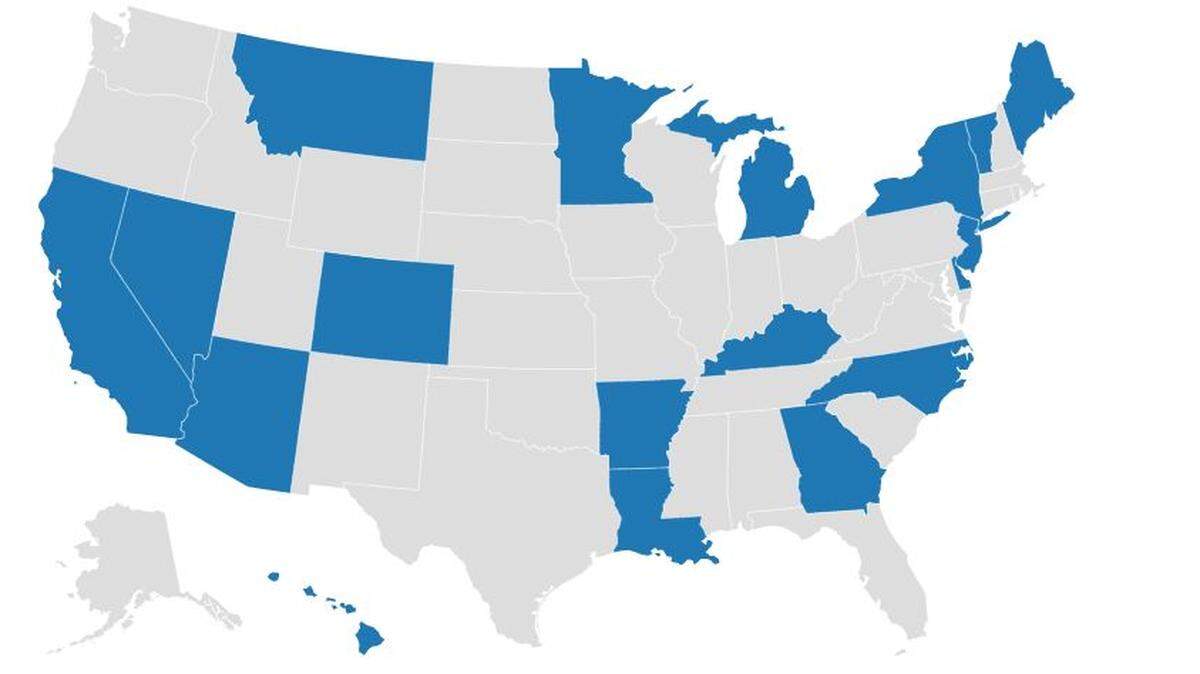
In 2020, NC became the first Southern state to open a temporary window for child sexual abuse survivors of any age to file civil lawsuits. But fewer are filed here than in other states. Here’s The News & Observer’s special report.
Expand All
Our culture is not kind to survivors of sexual assault.
Olympian McKayla Maroney was one of four Team USA gymnasts to testify in front of the Senate Judiciary Committee earlier this month about the abuse they experienced by team doctor Larry Nassar, who sexually abused more than 150 women and girls at USA Gymnastics and Michigan State University. After recounting multiple instances of the sexual abuse Nassar inflicted upon her as a teenager, Maroney informed the committee that the FBI agent assigned to her case did not report the abuse she described for 17 months; when they did, it included things she didn’t say.
“I began crying at the memory over the phone, and there was just dead silence,” Maroney told the committee. “I was so shocked at the agent’s silence and disregard for my trauma. After that minute of silence, he asked, ‘Is that all?’ Those words in itself was one of the worst moments of this entire process for me.”
Maroney’s experience is not the exception to the rule; it is indicative of the way the nation, at all levels, treats survivors of sexual assault.
The Centers for Disease Control and Prevention says that only 32% of sexual assaults are reported to law enforcement. Of that 32%, other data from the CDC shows that those reports confirm the unlikelihood of successful legal action: A 15-year study of sexual assaults among females published in 2013 found that police made a report on 86% of the rapes brought to them, pursued further information 48% of the time, collected evidence 19% of the time and charged someone 12% of the time.
In North Carolina, less than a quarter of defendants charged with rape are found guilty of that or a similar charge, according to a 2019 analysis from Carolina Public Press. The Rape, Abuse and Incest National Network estimates that less than 1% of sexual assaults actually lead to felony charges.
Despite recent legislation in North Carolina pushing for an extension in the statute of limitations for child sex abuse cases, there have been no drastic increases in lawsuits regarding sexual abuse. This may be less about the societal structure of the state and more about the way institutions don’t work for rape survivors, in spite of the new law.
“If there was legislation to increase protections for survivors who are coming forward, or to incentivize folks to provide corroboration, even if it goes against things that they said in the past, that would potentially help more,” says Rachel Valentine, executive director of the Orange County Rape Crisis Center.
OCRCC does not force anyone to seek legal action. Instead, survivors decide what they want or need. If someone wishes to pursue legal action, they speak with their case manager about the realities of doing so: the long list of steps before a case can go to court, the likeliness of a conviction, and the potential trauma that accompanies intense questioning and scrutiny from lawyers.
The nonprofit recently compared its 2020 reported case numbers to the number of sexual assault cases being handled by the Chapel Hill Police Department. The department told OCRCC and The News & Observer they saw only 20 reports of rape, sexual assault and sexual battery. The rape crisis center had more than 520 reports.
These numbers are startling, but looking at them as statistics ignores something simple: Every survivor is different. Every survivor, therefore, has a different way of finding justice.
Actress Ashley Judd, one of the women who accused entertainment mogul Harvey Weinstein of sexually assaulting her, said at the time of his sentencing that she would have preferred a restorative justice process where he came to terms with the abuse he inflicted. As of 2021, he has denied all allegations of sexual violence inflicted by him, despite being found guilty by a jury in New York.
In the 2013 CDC study, 30% of the self-reported sexual assaults from the National Crime Victimization Survey gave no reason or had multiple, equally-weighted reasons for not going to law enforcement. While 20% feared retaliation, 13% assumed it was a personal matter, and another 13% believed the police would not help them. Eight percent said it wasn’t important enough to them to report, another 8% reported to a different official, and 7% didn’t want their offender to get in trouble with the law.
Ninety-one percent of child survivors know their abusers, or their family knows them. They can be family members, school employees or other folks in their community. The act of saying you were sexually abused, even as a child, shouldn’t be divisive. But it is.
It may be hard to conceptualize not prosecuting sexual assault as harshly as possible, but we must remember that survivors have varied experiences with our legal system based on race, economic status and other factors. For those who want to pursue legal action, there should be trauma-informed education at every level of the judicial system so that they are not forced to relive their abuse. We shouldn’t prioritize what the justice system wants at the expense of victims.
Our culture is not kind to survivors of sexual assault. It is up to us to listen when they tell us how they want to heal.
This story was originally published October 3, 2021 at 6:00 AM.
.JPG)