Join a single mom and other experts for a live N&O discussion about NC families in need
READ MORE
Women and Children First?
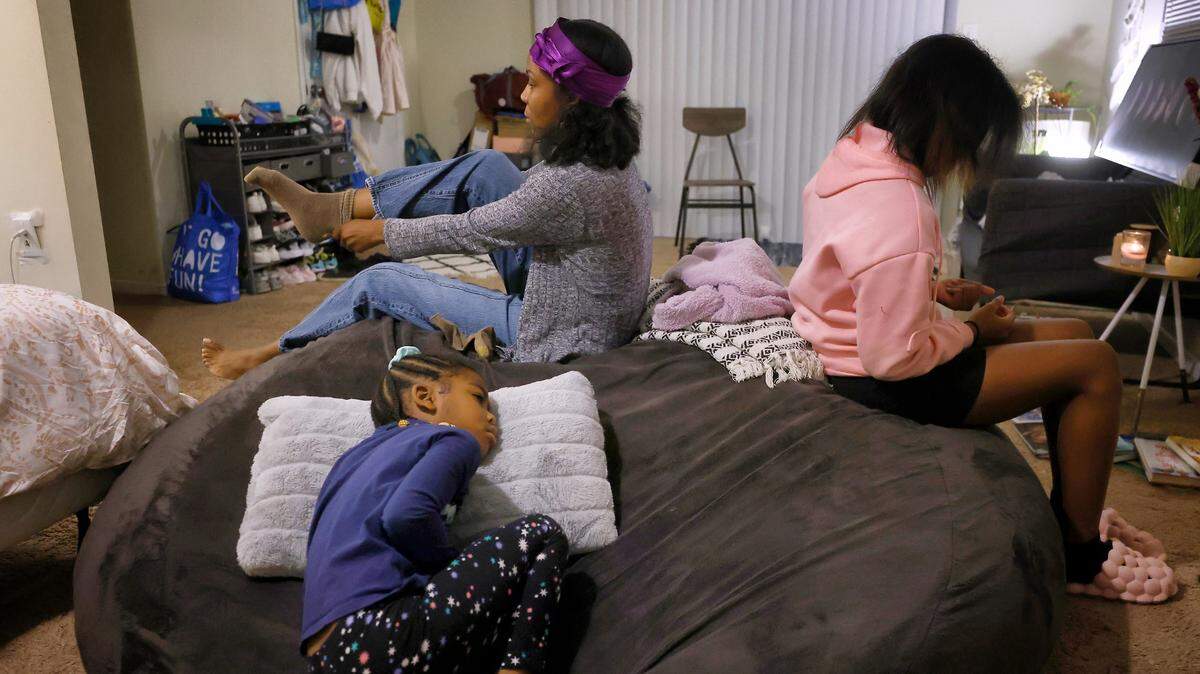
Single mothers raising children under the age of 18 make up more than a third of the families meeting the federal poverty definition in North Carolina. That’s $20,030 a year, before taxes, for a mother with two children working 40 hours a week. This new project brings together advocates, public policy experts and others, while giving moms across the state a platform to tell their stories. Over the coming months, we hope to identify policies that N.C. and local government can enact to help families in need, including those that the official poverty definitions miss.
Expand All
This live event has ended. Click on the video above to watch the replay, or watch on YouTube and Facebook.
It’s hard to raise children. But for single moms struggling financially in North Carolina, the stakes are especially high.
Not having enough to eat, losing your home and other adverse experiences can hurt a child’s future opportunity and health, including their potential to fall into addiction, crime and domestic violence. Who they become affects not just their family but society, which will either benefit from their economic and civic contribution or pay for their bad outcomes.
Over 1 in 3 of the state’s 1.2 million families are single mothers with children under age 18 living below the federal poverty line — the level at which they qualify for many federal welfare benefits, including the Supplemental Food Assistance Program, or SNAP.
The poverty rates for Black, Hispanic and American Indian women, however, are roughly twice the rate for white and Asian women, according to the N.C. Tax and Budget Center report, “Status of Women in North Carolina: Poverty & Opportunity.”
Join The News & Observer at 7 p.m. Thursday, Aug. 4, 2022, for a live, online conversation about the challenges facing single mothers and their families, and what the state and local communities can do to help.
Click here to register and reserve your spot, or visit aneveningofhope.eventbrite.com. On the day of the event, you will be able to watch live from this page, or on our YouTube and Facebook pages.
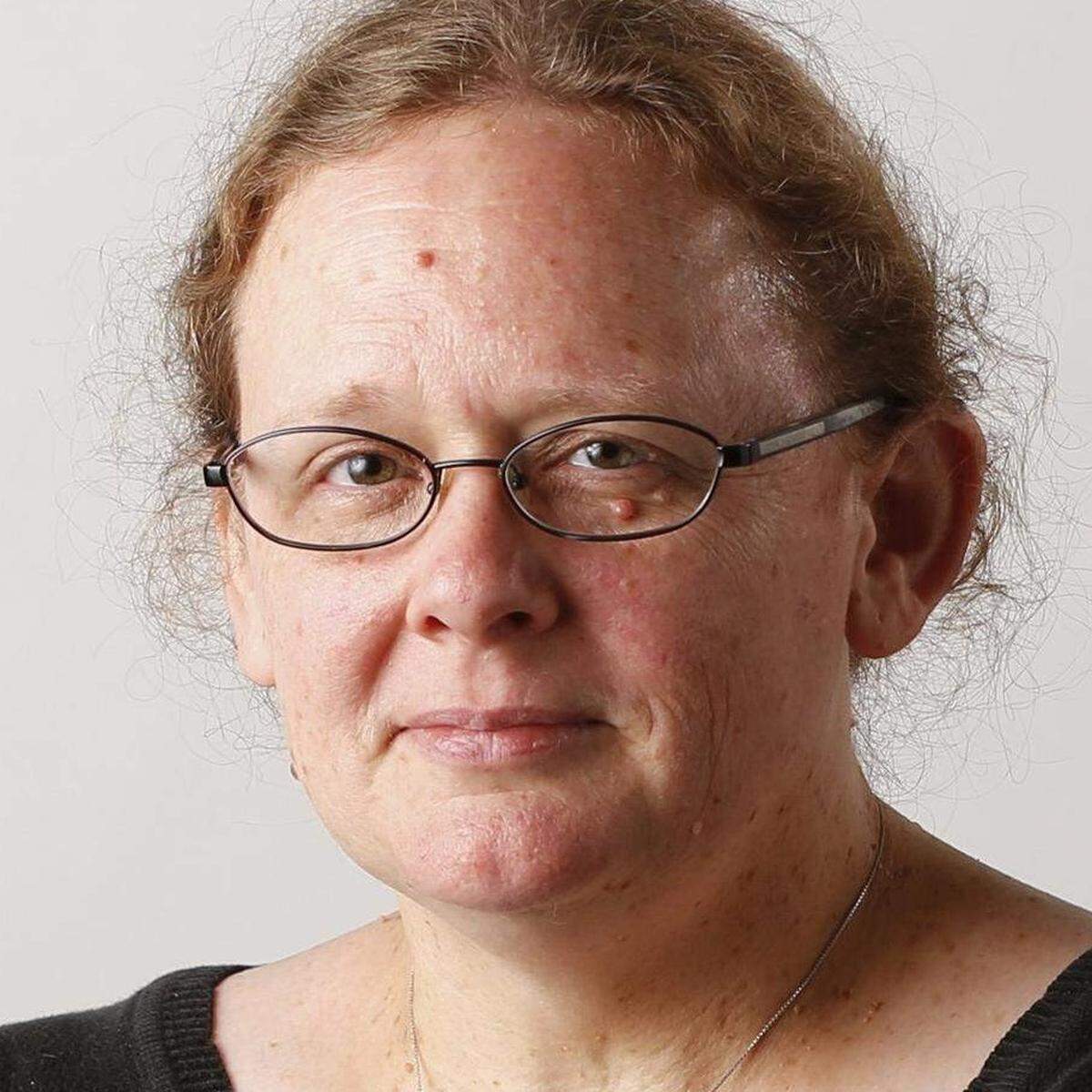
N&O reporter Tammy Grubb will host the free virtual event, with a chance to hear firsthand from a Raleigh mother, a policy advocate and a state lawmaker.
Meet the panelists
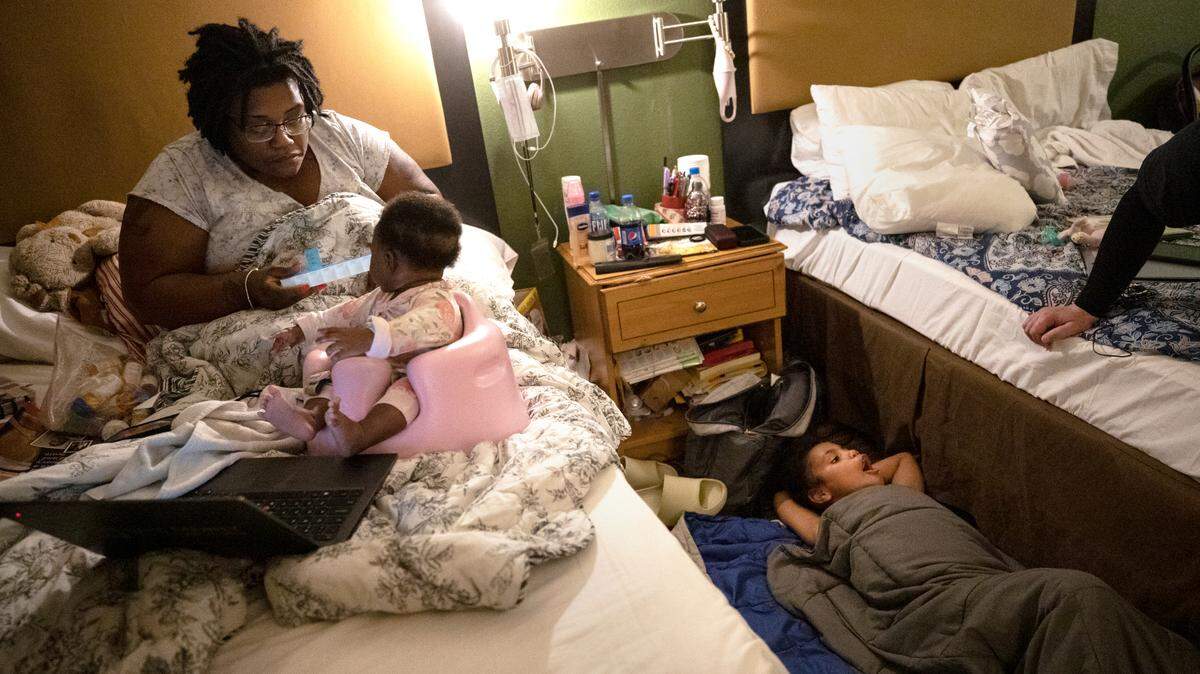
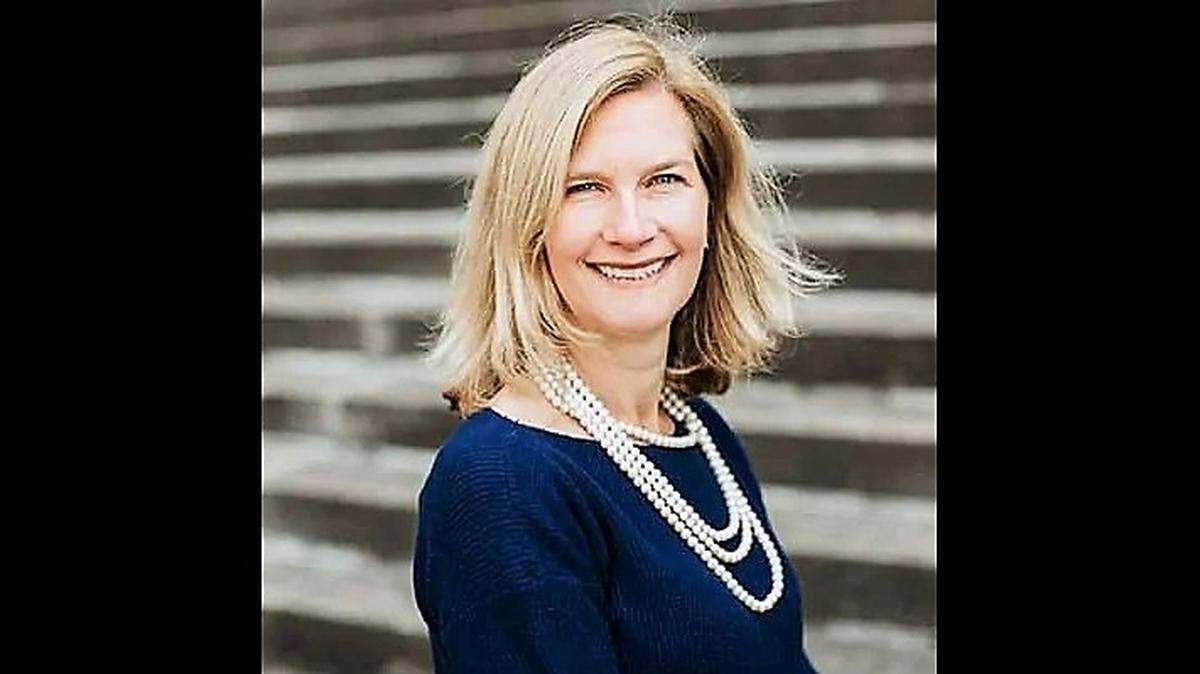
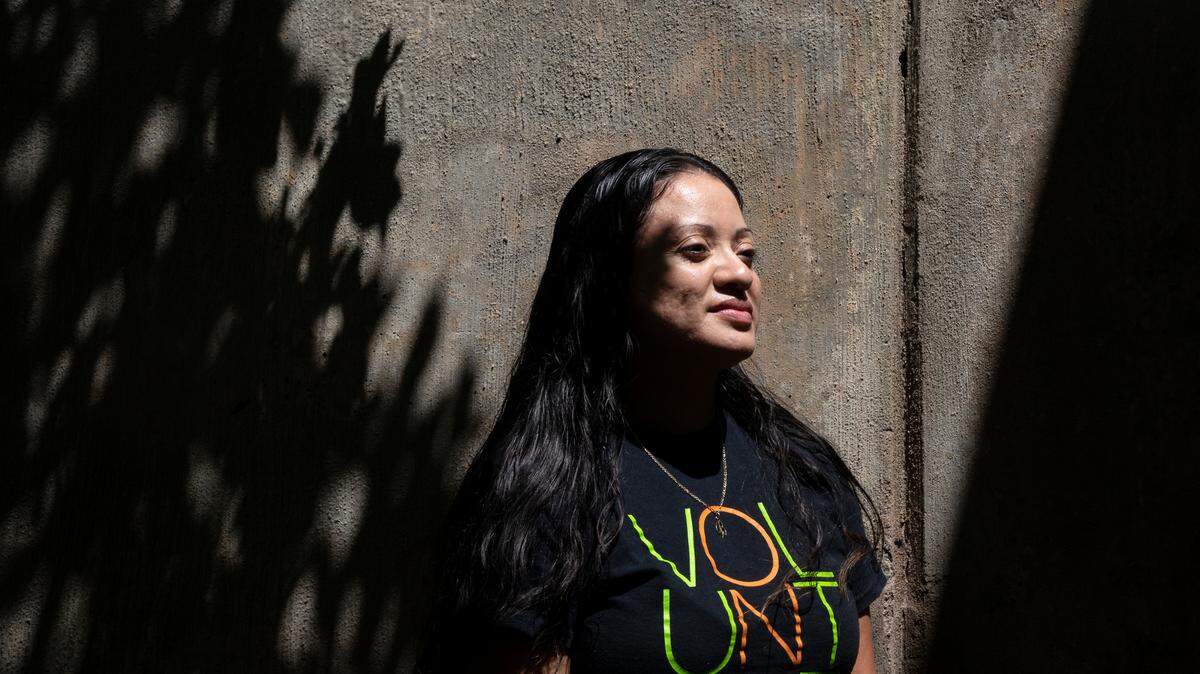
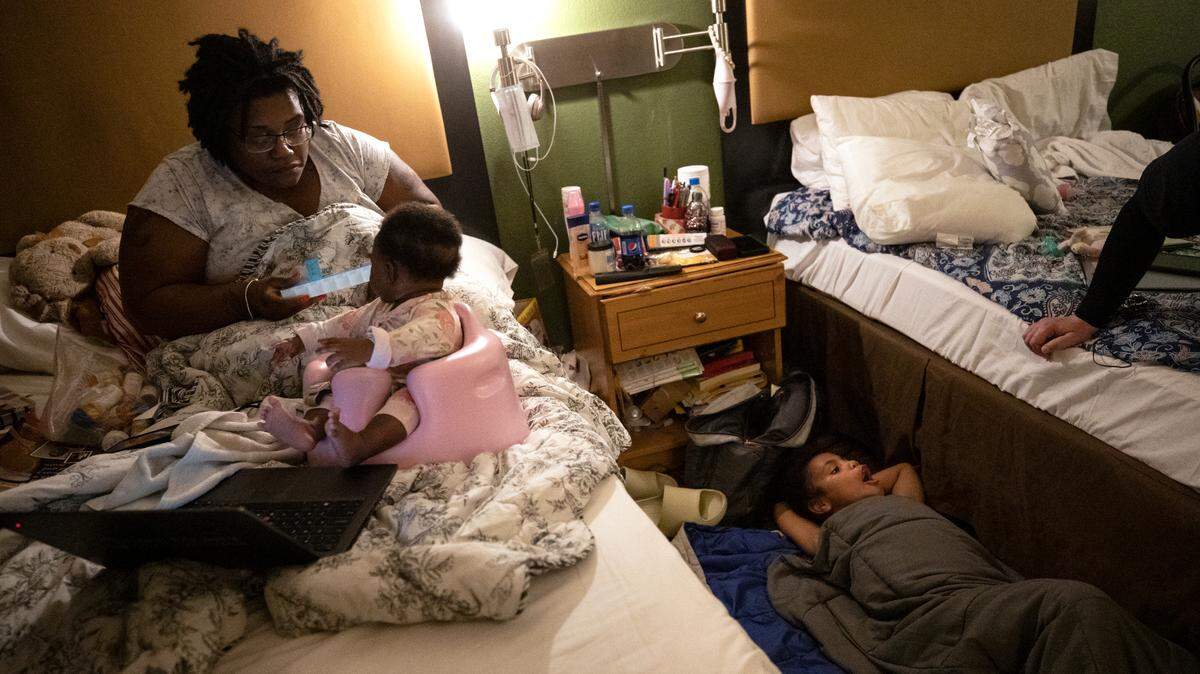
LaSherron Geddie is a 37-year-old single mother raising five children in Raleigh. They are homeless for the second time — living in an extended stay hotel, or their van when money is tight — and struggling to find safe, affordable housing in a hot seller’s market. Geddie had a good job until 2020, when she took an extended medical leave for cancer and was laid off during the pandemic.
Heba Atwa is an advocacy manager with the nonpartisan N.C. Budget and Tax Center, which tracks North Carolina’s economic and fiscal conditions, while working to advance racial equity and poverty solutions. In her role, Atwa works directly with people affected by public policy and mobilizes groups to advocate at the state level for change and better solutions.
N.C. House Rep. Ashton Wheeler Clemmons is a former teacher, principal and district administrator who was elected from Guilford County to the state House in 2018. She serves on the K-12 and community college education committees and was a sponsor of the Medicaid expansion bill, which could come back to a future legislative session. Clemmons started the Joint Early Childhood Caucus for lawmakers interested in advancing early childhood programs in the state.
This story was originally published July 27, 2022 at 5:00 AM.