Five takeaways from investigating pregnancy-related deaths in NC
READ MORE
When Birth Brings Death
In a country that has one of the worst maternal mortality rates among wealthy nations, pregnant women in North Carolina are particularly vulnerable. The troubling situation was exacerbated by the COVID-19 pandemic. While there’s been a slight decline in pregnancy-related deaths and severe injuries since their pandemic peak, health experts remain concerned. This News & Observer and The Charlotte Observer investigation explores the data and the emotional impact.
Expand All
The News & Observer and Charlotte Observer this week published a deep dive into the increasing number of North Carolina women dying from pregnancy complications – and the toll on families left behind.
The investigation revealed that pregnancy and childbirth is riskier in North Carolina than it is in the United States overall..
Here are five key takeaways from the series.
Pregnancy and childbirth are riskier in North Carolina
The United States has long had one of the worst maternal mortality rates among wealthy nations. But in North Carolina, pregnant women are particularly vulnerable.
Maternal deaths nearly doubled in NC from 2019 to 2021 as COVID-19 spread, an analysis of Centers of Disease Control and Prevention data by The News & Observer found.
But coronavirus wasn’t always to blame – deaths were rising even before the pandemic. And as outbreaks waned and vaccines became widely available, the gap between the U.S. and North Carolina death rate grew even larger.
Preliminary N.C. Department of Health and Human Services data shows the deaths in 2022 fell slightly from those mid-pandemic highs, but experts say they’re still concerned numbers that remain higher than in 2018 and 2019.
Lopsided dangers persist for Black North Carolinians
Black North Carolinians from 2018 to 2021 were more than twice as likely to die from pregnancy-related complications than white residents, according to an N&O analysis of CDC data.
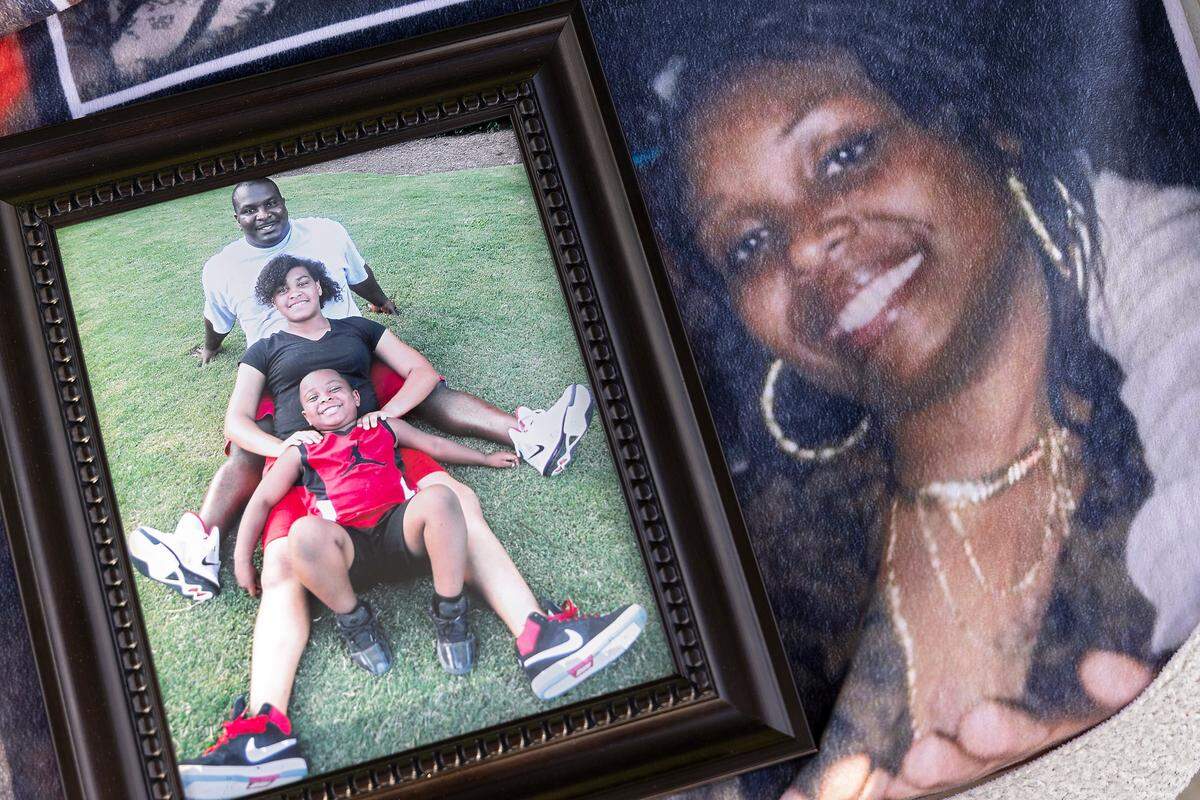
Health officials have noted similar disparities nationally.
The problem isn’t a new one. North Carolina health experts found that from 2001 to 2004, Black mothers died at a rate 6 times higher than white women. And although that disparity decreased, the death rate for Black women was still almost twice as high from 2013 to 2016.
But several groups across the state are combating the problem directly. In the Charlotte area, for example, advocates and nonprofits – many of them led by Black women – are working to expand access to doulas and services to aid with nutrition and breastfeeding.
‘Near misses’ for NC women are also up
There’s another signal that’s caused concern among health experts worried about the state of maternal health in North Carolina.
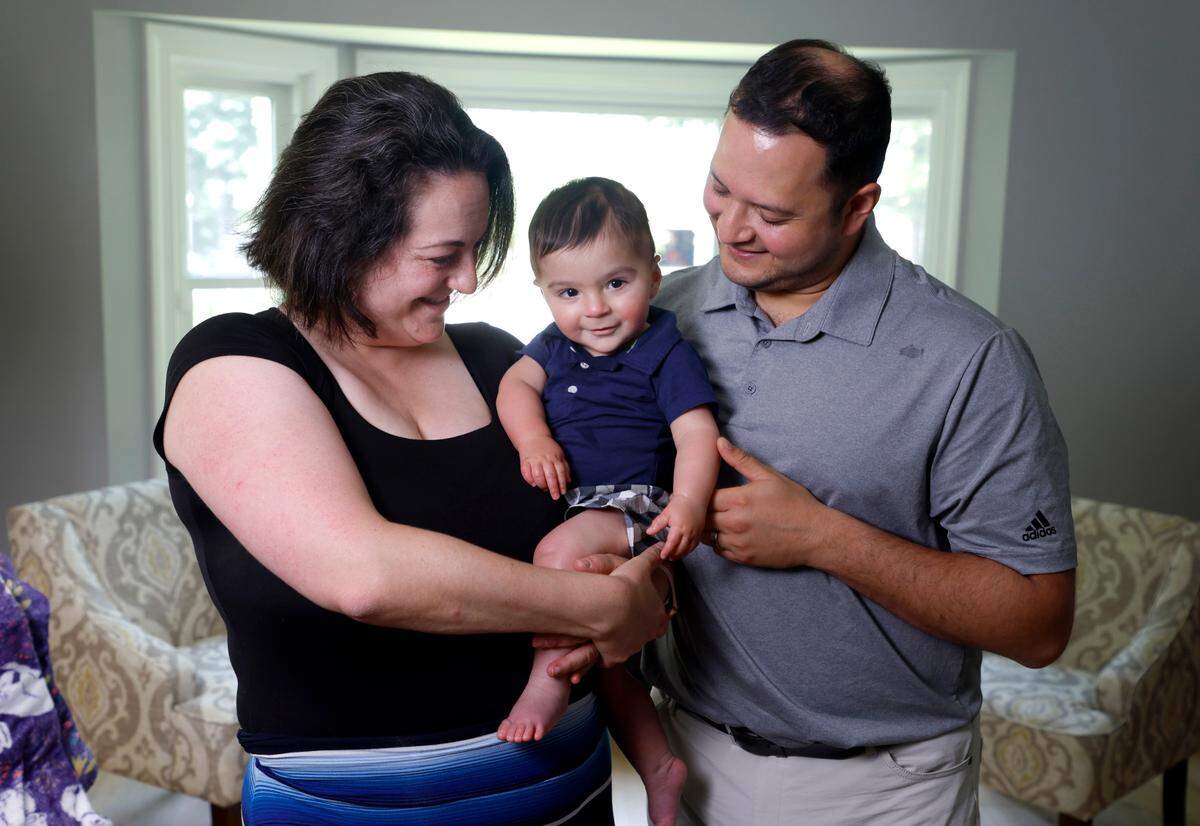
The number of women who experience “near misses,” serious complications like sepsis and organ failure from pregnancy complications, is also growing, according to data obtained by the N&O.
Although down slightly from a peak in 2021, preliminary data from hospital discharges shows more than 1,000 women in 2022 suffered from these life-threatening complications.
Experts say examining the trends in these near misses can help them understand some of the underlying problems with maternal health because there are so many more cases to analyze.
In 2021, for example, 1 out of every 100 deliveries in the state resulted in a close call that almost claimed a woman’s life.
North Carolina is behind on analyzing why
There is a group of experts that’s supposed to go beyond death certificate data, analyzing the circumstances of each death and whether it could have been avoided.
These maternal mortality review committees exist in some form in every U.S. state.
But an N&O analysis found that 40 other states have analyzed and published more recent data on women who die during and after pregnancy than North Carolina.
When the state’s maternal mortality review committee publishes its newest report later this year, the all-volunteer force will still fail to meet federal health guidelines to examine cases within two years of each death.
Members attribute that delay to the smaller size of the committee relative to other states – and the fact that it started its review with deaths dating all the way back to 2014, earlier than its peers.
Counting these deaths is harder than it seems
Not all deaths of pregnant and recently pregnant women are “pregnancy-related.” Car crashes, for example, normally wouldn’t count.
But determining which deaths are actually linked to pregnancy can sometimes be tricky – and methods vary slightly.
Experts generally examine death certificates for causes of death that indicate pregnancy-related conditions. But when researchers found this method vastly undercounted these deaths, the CDC in 2003 recommended that states add a checkbox to death certificates to show whether the person who died was pregnant or recently pregnant.
It took 15 years for every U.S. state to fully comply with that recommendation – one of the reasons why the data used for this reporting starts in 2018.
Even then, erroneously filled-out forms led to an overcount of pregnancy-related deaths in many cases.
Death certificate data – despite its flaws – still gives health officials the most up-to-date look at how often women die during or after pregnancy.
This story was originally published July 20, 2023 at 6:00 AM.