NC’s maternal mortality rate doubled in a 2-year stretch, data shows. Here’s why
READ MORE
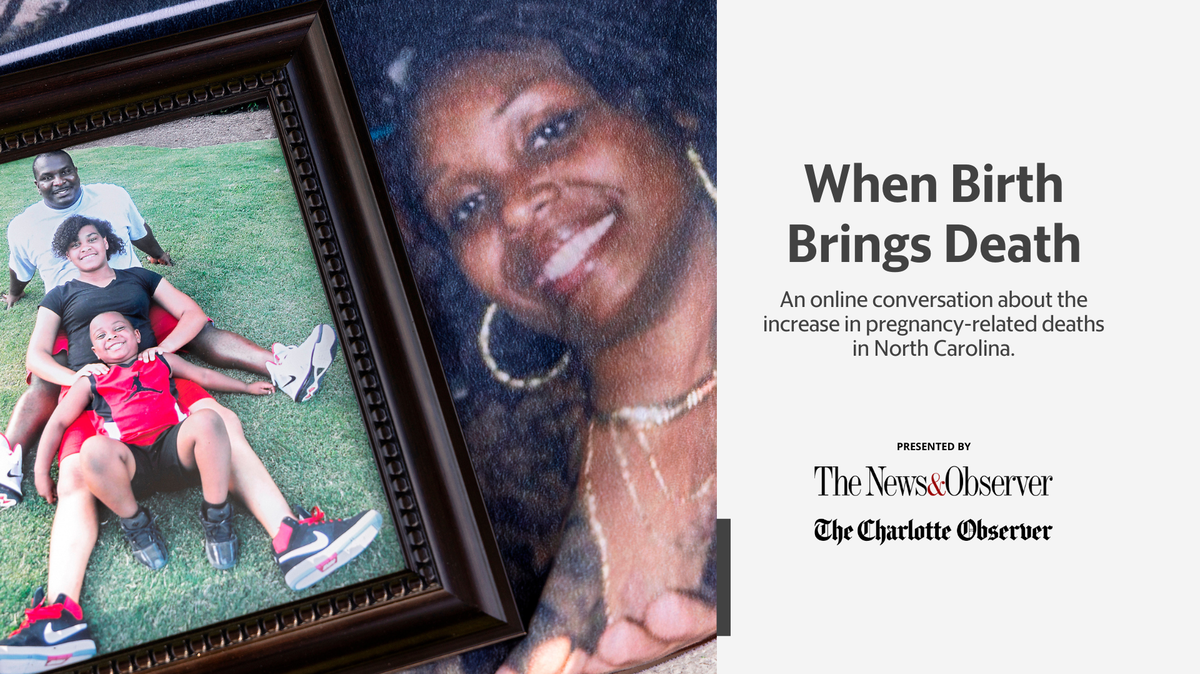
When Birth Brings Death
In a country that has one of the worst maternal mortality rates among wealthy nations, pregnant women in North Carolina are particularly vulnerable. The troubling situation was exacerbated by the COVID-19 pandemic. While there’s been a slight decline in pregnancy-related deaths and severe injuries since their pandemic peak, health experts remain concerned. This News & Observer and The Charlotte Observer investigation explores the data and the emotional impact.
Expand All
North Carolina’s maternal mortality rate saw a 100% increase from 2019 to 2021 during the peak of the COVID-19 pandemic, according to data from the Centers for Disease Control and Prevention.
The state’s maternal mortality rate peaked at 44 deaths per 100,000 live births in 2021. This was higher than the United States’ 32.9 deaths that year.
In October 2022, the U.S. Government Accountability Office published a report that found COVID-19 contributed to 25% of the country’s maternal deaths in 2020 and 2021. However, North Carolina’s maternal mortality rate has been rising since before the pandemic.
5 things to know about pregnancy-related deaths in NC
The News & Observer set out last spring to examine why more women in the U.S. and North Carolina are dying of pregnancy-related complications.
Here are five big takeaways from the investigation:
1. Pregnancy and childbirth are riskier in North Carolina.
Coronavirus wasn’t always to blame – deaths were rising even before the pandemic. And as outbreaks waned and vaccines became widely available, the gap between the U.S. and North Carolina death rate grew even larger.
2. Lopsided dangers persist for Black North Carolinians.
North Carolina health experts found that from 2001 to 2004, Black mothers died at a rate 6 times higher than white women. And although that disparity decreased, the death rate for Black women was still almost twice as high from 2013 to 2016.
3. ‘Near misses’ for NC women are also up.
The number of women who experience “near misses,” serious complications like sepsis and organ failure from pregnancy complications, is also growing, according to data obtained by The N&O.
4. North Carolina is behind on analyzing why.
There is a group of experts that’s supposed to analyze the circumstances of each death and whether it could have been avoided. These committees exist in some form in every U.S. state, but an N&O analysis found that 40 other states have analyzed and published more recent data on women who die during and after pregnancy.
5. Counting these deaths is harder than it seems.
Experts generally examine death certificates for causes of death that indicate pregnancy-related conditions. The CDC in 2003 recommended that states add a checkbox to death certificates to show whether the person who died was pregnant or recently pregnant. But even then, erroneously filled-out forms led to an overcount of pregnancy-related deaths in many cases.
Read The N&O’s full collection of maternal mortality stories:
Pregnancy can be risky in the US. In North Carolina, the threat of death is even higher.
Maternal deaths just ‘one part of the story’ in NC. Pregnancy complications are rising
Charlotte women strive for better outcomes amid NC’s high Black maternal death rate
Despite decline in pregnancy-related deaths in NC, numbers remain near 5-year high
Five takeaways from investigating pregnancy-related deaths in NC
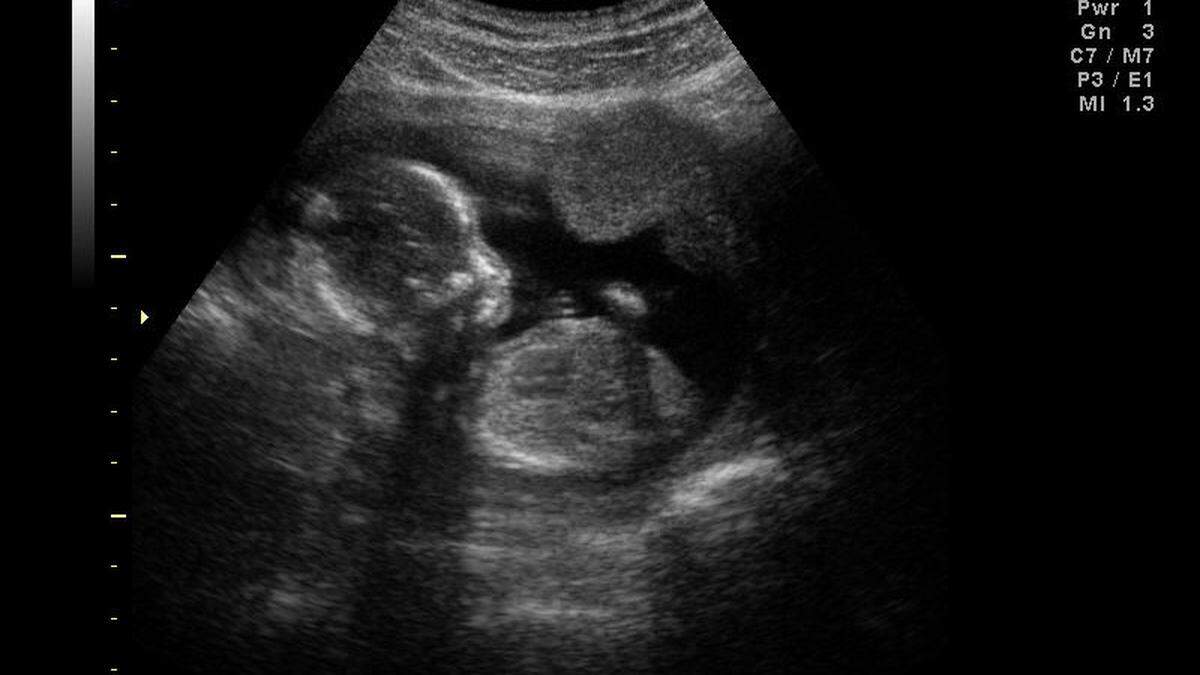
What is a pregnancy-related death?
The World Health Organization defines maternal deaths as the death of a woman while pregnant or within 42 days of the termination of pregnancy, from any cause related to or aggravated by the pregnancy or its management. It’s not from accidental or incidental causes, such as a car accident or drug overdose.
The N&O’s investigation (which used the same dataset as this story) defined pregnancy-related deaths as any deaths “from any cause related to or aggravated by the pregnancy” within a year of being pregnant.
The maternal mortality rate is the number of maternal deaths per 100,000 live births. But quantifying maternal mortality can be complicated, and not all experts agree on the best way to do it.
A 2024 study published in the American Journal of Obstetrics and Gynecology suggests a much lower national maternal mortality rate — 10.4 deaths per 100,000 live births from 2018 to 2021 — than the CDC’s 32.9 deaths in 2021.
The CDC’s potentially inflated number comes from the addition in 2003 of a pregnancy checkbox to the national death certificate. CDC analysts published a report in 2020 acknowledging that the checkbox may have led to the misclassification of some deaths as maternal deaths.
However, a CDC spokesperson told NPR in a written statement that the CDC disagrees with the study’s findings and believes that the methods used by the researchers led to a “substantial undercount of maternal mortality.”
Tyler Dukes, Teddy Rosenbluth and Lisa Vernon Sparks’ reporting contributed to this story.
This story was originally published August 19, 2024 at 6:00 AM.