What you should know about the new debt-relief plan for NC hospital patients
READ MORE
Confronting Medical Debt in North Carolina
Expand All
North Carolina’s 99 hospitals have signed on to an ambitious state plan designed to relieve and prevent medical debt for thousands of lower-income residents. In exchange, hospitals will receive billions more in federal Medicaid money.
Changes will be coming soon. Who will the program help? How will it work? And who gets left out?
Here are answers to many of the most pressing questions:
What are hospitals required to do?
▪ Forgive hospital debt for Medicaid patients dating back to 2014, as well as older debt for lower-income residents.
▪ Provide discounts on hospital care for many lower-income people.
▪ Stop reporting patients to credit bureaus. That would protect people from the sort of credit damage that can make it hard to borrow money for homes and cars, land some jobs or rent many apartments.
▪ Stop selling the unpaid balances of lower-income patients to debt collectors.
▪ Automatically qualify some patients — those who are homeless or are enrolled in Medicaid or public benefit programs such as WIC and SNAP — for charity care. Today, some patients are never made aware of such financial help, while others find it difficult to get approved, patient advocates say.
▪ Cap interest on hospital debt at 3%. State law now lets medical providers charge as much as 8%.

Who will the program help?
▪ Current or former hospital patients who are enrolled in Medicaid or have lower incomes. Those with debts that are more than two years old will be eligible for relief if their incomes are at or below 350% of the federal poverty level. For a single person, that amounts to $52,710. Those with debts that exceed 5% of their income will also be eligible, as long as those debts are more than two years old. Exceptions apply to those who have payment plan agreements with hospitals.
▪ Free hospital care will be offered to patients with incomes at or below 200% of the poverty level, or $30,120 for a single person. Discounts of 50 to 75% will be offered to those with incomes up to 300% of the poverty level, or $45,180 for a single person.
▪ The plan could help up to 2 million North Carolinians, state officials estimate. But precisely how many will get help isn’t yet clear, because there is no publicly available data on how many people in the state have hospital debt.
Who won’t be helped?
▪ Those with incomes above the 350% threshold — more than 4 million North Carolinians — won’t get debt relief, unless the money they owe amounts to more than 5% of their income.
▪ Those who owe money to medical providers or companies that aren’t owned by hospitals.
▪ The new program may not help some 1.4 million North Carolinians with medical debt, an Observer estimate based on the number of people the state expects to help with hospital debt and estimates of how many North Carolinians have medical debt of any kind.
What must I do to get help? And when will that help come?
▪ Those with hospital debt don’t need to do anything right now. Hospitals must soon start identifying which patients will be eligible for debt relief. Eliminating the eligible debt will likely take about two years.
▪ By Jan. 1, 2025, North Carolina hospitals must begin automatically qualifying people for charity care if they are homeless or are enrolled in Medicaid or a public benefit program like WIC or SNAP.
▪ By March 1, 2025 hospitals must begin working with third-party vendors to identify which current and former patients will be eligible for debt relief.
▪ By July 1, 2025, hospitals must stop reporting people to credit bureaus and curb aggressive collection practices, such as selling the unpaid bills of lower-income people to debt collectors. By then, they must also forgive the debt of all people now enrolled in Medicaid.
What about people who hospitals sued?
North Carolina’s debt relief plan is silent on that. But change is ahead for many.
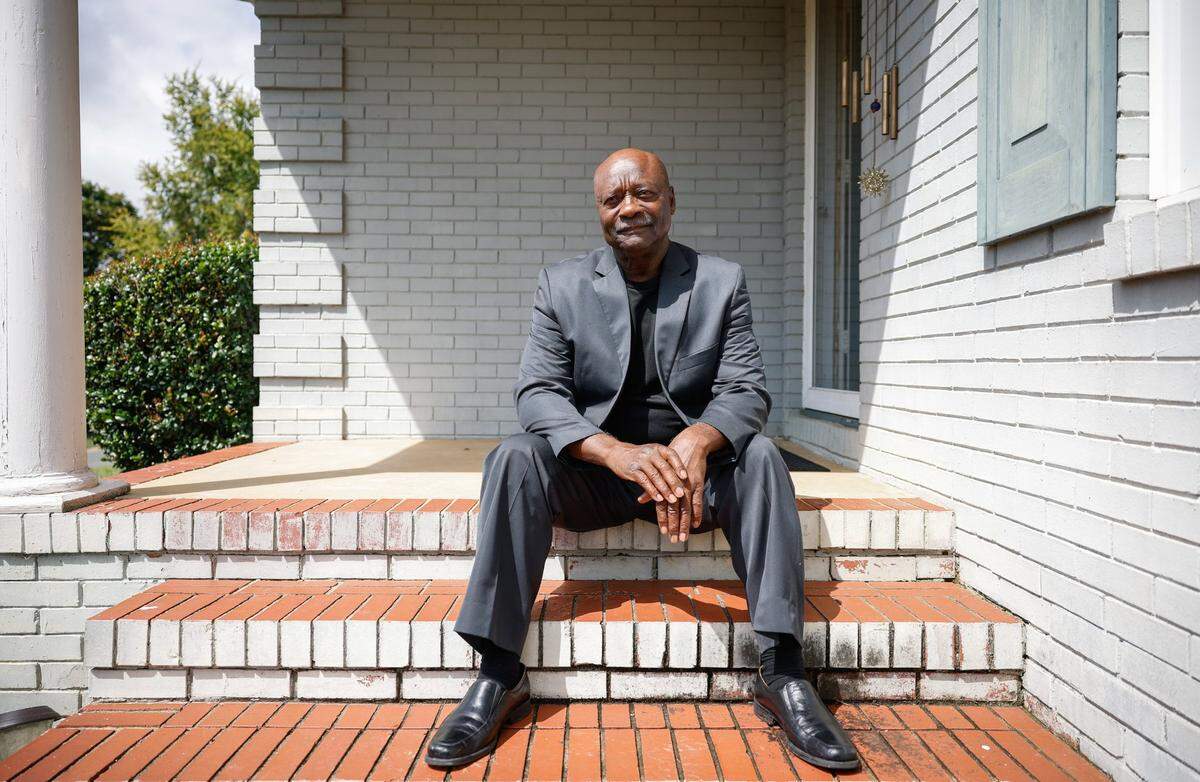
The parent organization of Atrium Health, the state’s largest hospital system, announced in September that it will forgive the medical debt and cancel the liens of more than 11,500 homeowners.
Gaston County-based CaroMont Health, which filed more than 1,700 debt-collection lawsuits from 2017 to June 2022, says it will also remove the liens on the homes of people it sued.
Removing liens will take several months, Atrium says. That health system intends to cancel its oldest liens first.
How long will the program remain in place?
The requirements of the debt-relief program are expected to remain in place through at least mid 2026 — and possibly much longer.
Democratic Attorney General Josh Stein, who leads the polls in the race for governor, has said that if he’s elected, he would “proudly continue this hospital debt relief program and explore further opportunities to lower health care costs for people across the state.”
His opponent, Republican Lt. Gov. Mark Robinson, did not respond to a reporter’s question about whether he’d continue the program.
Want more information?
Visit the state Department of Health and Human Services’ “Frequently Asked Questions” webpage on medical debt.
For more general information on how to get help with medical bills, visit www.usa.gov/help-with-medical-bills
Click here to read more from our Confronting Medical Debt series.
This story was originally published October 24, 2024 at 5:05 AM with the headline "What you should know about the new debt-relief plan for NC hospital patients."
.JPG)