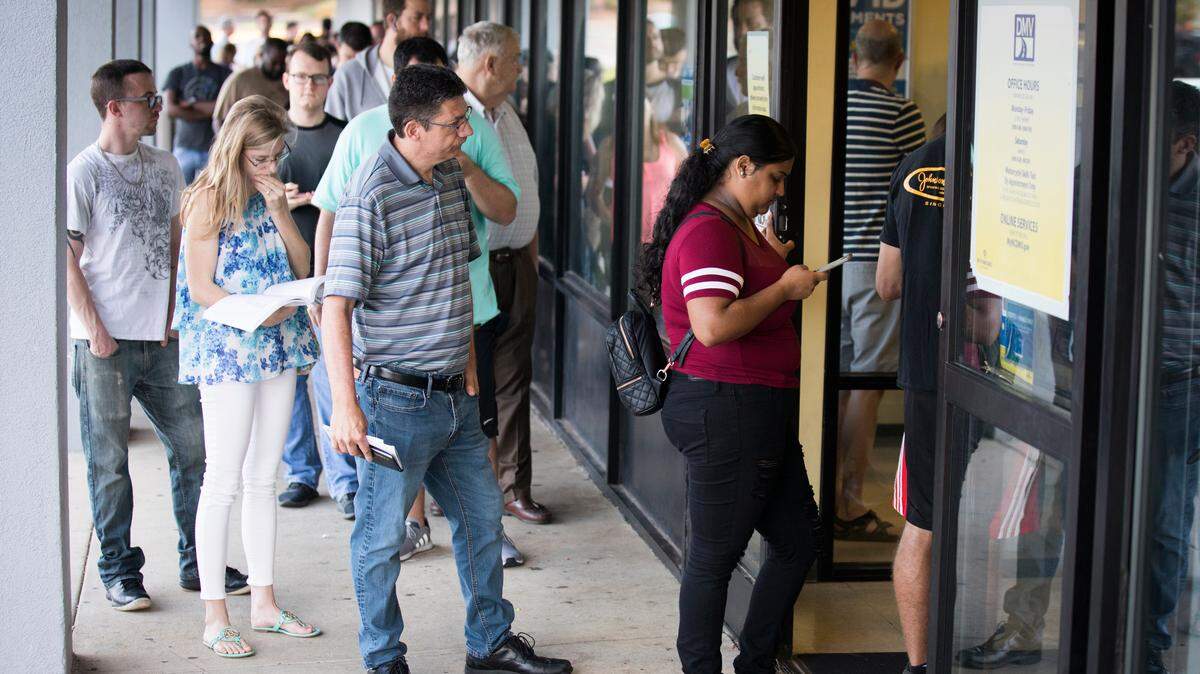
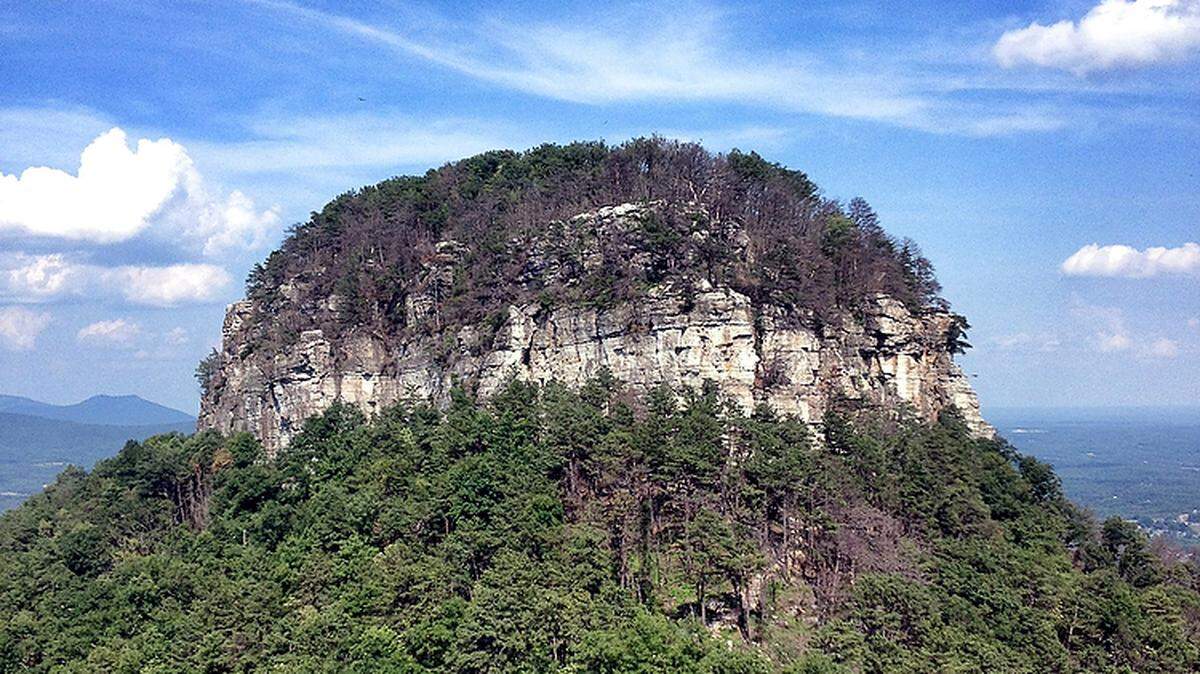
Welcome to North Carolina. Please bring your respect.
READ MORE
A newcomer’s guide to the Triangle
We want to help you navigate life in the Triangle, whether you’re new here or you’ve been here a bit and just need a refresher on some aspects. So we’ve compiled tips to navigate the area’s roads, survive the constantly changing weather (including the truly dangerous stuff), find the best food and entertainment, use our education system to excel, learn to respect our history (good and bad), pronounce local icons properly and — most importantly — understand just what “the Triangle” is, anyway.
Expand All
Editor’s note: This column did not run in full in the print edition of The News & Observer due to a production error.
For a long time, I wanted to live anywhere but North Carolina. In a haze of adolescent angst, I marked the state as “boring” and “backwoods” and a place that didn’t feel like home for someone who felt like an outsider.
When I went to college in Chapel Hill, my feelings on the state changed slightly. This part of North Carolina was so different from the one I grew up in, but as television and movies depicted it, it was only a state for high school drama and the “Mayberry” I’d grown up in, not an aspiring journalist. I needed to be where there was more happening. Then, I stayed.
Now, more people my age are coming here. There was a 9.5 percent increase in the state’s population over the decade between our last two census counts, enough for us to add another seat in the U.S. House of Representatives. Many of these people are moving from neighboring states, like Virginia, but others are coming from New York, California, and Florida. There’s still more people expected to move as we make room for companies like Apple to set up shop in the Triangle and other metropolitan areas of the state.
For folks stepping foot in North Carolina for the first time, or maybe coming to the South for the first time, I ask you quite humbly: respect the place you’re coming to.
North Carolina is more than just biscuits and bad politics. We are not just basketball and barbecue, though we have strong opinions on both. To live here is one thing; to be a North Carolinian is another.
North Carolina is deeply flawed. The national media attention we receive because of homophobic politicians, gerrymandering controversy, and confederate monuments will tell you as much. This is the North Carolina that lives in the national collective consciousness. It’s the North Carolina featured on The Daily Show, on CBS Sunday Morning, and alluded to in caricatures of southern people on sitcoms. But this is not all we are.
It’s a state with the largest indigenous population east of the Mississippi River, and eight state-recognized tribes. It’s a state where four HBCU students can catalyze non-violent protests across the country, and one that was home to greats like Nina Simone and Pauli Murray. It’s a state that passed the anti-trans bill H.B. 2, but also a state where LGBTQ groups consistently push back against hateful rhetoric and refuse to be diminished.
North Carolina is home to people who want this state to be better, who have been fighting the good fight for decades. It’s home to people who love this state, in spite of its flaws, because they see the place it could be. We’ve been working on our own to make this state better for decades, even though there is still work to be done.
This goes for in-state transplants, too. I wish I’d learned more about the history of Chapel Hill and its university, even the ugly parts, when I was an undergraduate. We, the newcomers, are not the main characters of these communities. We haven’t been the ones fighting for better schools, or cheaper housing, or reliable public transit. We don’t know the history of protest and struggle for a better place for all, only the scars these battles left behind.
This place is not perfect. I won’t pretend it is. But it is home for me and so many others, and we deserve a home where we are protected and loved. It’s not just our state, either — the same can be said about states like Virginia, Georgia, and the rest of the South.
I look at North Carolina and I see all that it can be. I see my neighbors — the folks I grew up around, but also the indigenous tribes that have protected the land, the Black elders who organized and continue fighting for Civil Rights, and the undocumented migrants who hold the state together. North Carolina cannot be improved by becoming a place it is not.
For those of you who are new, we are so happy you’re here. We just ask that, for a little while, you listen and learn to respect your home.
This story was originally published April 27, 2022 at 6:00 AM.