Gnats? Fruit flies? Here’s why you have ‘em (and how to get them out of your house)
READ MORE
Flying and crawling pests in NC
More stories about creepy-crawly (or buzzing) pests and what to do about them.
Expand All
Gnats and fruit flies are both small, bothersome insects that become abundant in our kitchens, porches and outside spaces during warm weather months.
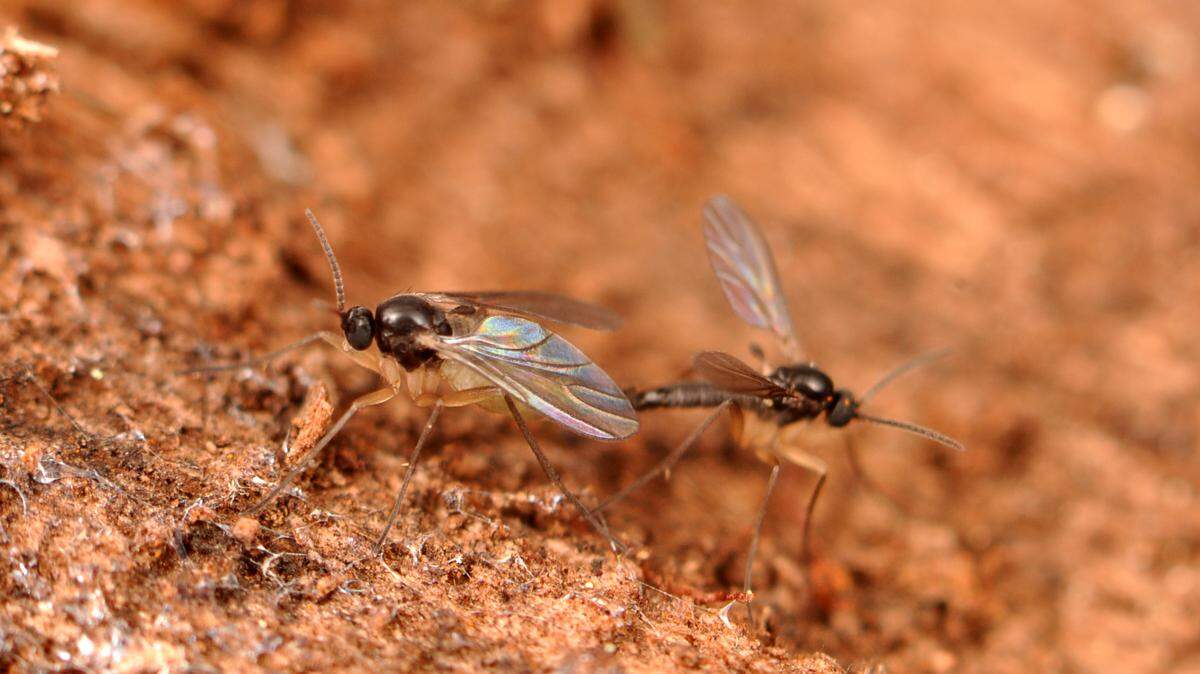
“True gnats in your house are typically going to be darked-winged fungus gnats that want wet potting soil. They’re more closely related to mosquitoes,” said Matt Bertone, director of the NC State Plant Disease and Insect Clinic.. “Fruit flies are more closely related to house flies.”
All of these flies are very important for our ecosystem, as they break down organic matter and serve as food for other insects. (If you compost, you really want gnats around.)
They don’t serve helpful purposes inside our homes, but they commonly get inside to munch on our ripe fruit and uncovered garbage, and dig around the soil of over-watered houseplants.
The good news: They’ll only stay inside if your living space gives them a reason to stick around.
“These insects have their own lives and are also enjoying the warm weather. Whether you like them or not, they are an important part of our ecosystem,” Bertone said.
Here’s how to keep them out of your homes.
Why are gnats and fruit flies in our homes?
If you see any type of small fly in your home, check these spots:
• Ripe fruit: “Fruit flies” are also called “vinegar flies,” as they look for rotting materials and fermentation. These are commonly seen in kitchens near the banana stand, where they feed on moist, organic matter. They differ in many ways from fungus gnats, but they are still pesky, small flies.
If your fruit becomes overripe and you see these flies in your kitchen, it’s best to get rid of the fruit entirely, Bertone said. The flies may have laid eggs on it, which hatch into maggots.
• Garbage pails: When trash is left out for too long, the bin is uncovered or bag isn’t properly tied, small flies can get into your treasure trove of rotting organic matter. The longer your trash stays out, the longer these gnats have time to breed and stick around.
• Houseplants: Over-watered houseplants will attract dark-winged fungus gnats, and they will breed in the potting soil.
“There, the worm-like larvae feed on the rotting organic matter, fungi and sometimes even the plants themselves, though this is uncommon in homes,” Bertone said.
These gnats can’t survive in drier soil, though, so give the plant just the amount of water it needs without saturating.
• Leaking faucets (and/or standing water): Some varieties of gnats live in water and need to be near a water source.
If ripe fruit, open trash and soaked plants aren’t the issue, you may have a water source in your home drawing in these flies.
• Bright porch lights: You can reduce the number of gnats that come from outdoors by limiting outdoor lighting near the home (such as porch lights) and by turning off the lights inside at night, Bertone said.
Light sources attract gnats, and they can end up coming indoors, though they typically die shortly after.
How to get rid of gnats and fruit flies
If these tiny flies are attracted to one fruit basket, one houseplant or one leaking faucet, you should be able to solve your problem relatively simply: Get rid of the problem-making agent, and you should see much fewer gnats (until there are none at all) over the coming days. It shouldn’t take too long for you to not notice them around anymore.
“If you see little gnats and you don’t have houseplants, you don’t have decaying fruit, you don’t have faucet leaks, you should look for another source of moisture or decaying matter,” Bertone said.
“It can be sewage, it can be garbage. Most of these flies require some moisture, so that gross, mucky, rotten stuff is where they want to be. When your space is dry, it reduces where they can breed.”
If you’ve tried eliminating the source and still need help, try some of these tips from these sites:
1. Deep clean your kitchen. Remove the overripe fruit on your counter, then get out the cleaning supplies.
“You’ll also want to flush your garbage disposal. Grind a handful of ice cubes to dislodge any stuck-on foods, then rinse with hot water,” Bon Appetit advises.
“Regularly wipe down counters to ensure the flies don’t find any food remnants, and generally keep your kitchen as clean as possible for at least a week to prevent female fruit flies from laying more eggs.”
2. Trap flies with apple cider vinegar. Fruit flies love the fermentation.
“Pour apple cider vinegar into a small bowl, then mix in a few drops of dish soap. Apple cider vinegar works better than white vinegar for fruit flies because it smells like fermenting fruit,” says Bon Appetit.
Microwave the mixture for about 20 seconds to enhance the vinegar smell, then place the bowl in an area with a lot of flies.
“The scent will draw the bugs in, and because the dish soap reduces the surface tension of the liquid, they’ll get stuck and drown. You’ll start to see results in just a few hours. Dump and refresh the solution when it starts to get saturated with dead flies.”
3. Cover with plastic wrap and secure with a rubber band.
After pouring apple cider vinegar in a bowl or glass, cover the top with plastic wrap and wrap a rubber band around it. Poke some holes in the top so the flies can get in, but it’ll make it difficult for them to get out, says Good Housekeeping.
4. Use a paper cone. This will make it harder for the flies to get out.
Add a little apple cider vinegar and a chunk of overripe fruit (like a banana) to a jar. Then roll a sheet of paper into a cone and put the narrow opening into the mouth of the jar, Good Housekeeping recommends.
If you’ve gone through the troubleshooting but still see pesky flies in your home, you may want to check in with an insect expert. It’s possible the flies have already started breeding in your home.
Call the NC State Plant Disease and Insect Clinic office for help identifying the source of the issue and the kind of small fly that’s inside your space. Learn more at pdic.ces.ncsu.edu.
“There are many flies and even other insects that people might call gnats. They all have different biologies, so correctly identifying the type will help folks like me give advice on what to do about them,” Bertone said.
“Here at the Insect Clinic, we can identify these pests for people.”
This story was originally published April 17, 2023 at 3:31 PM.