How to block ‘roach highways and hideaways’ and keep the pests from your home
READ MORE
Flying and crawling pests in NC
More stories about creepy-crawly (or buzzing) pests and what to do about them.
Expand All
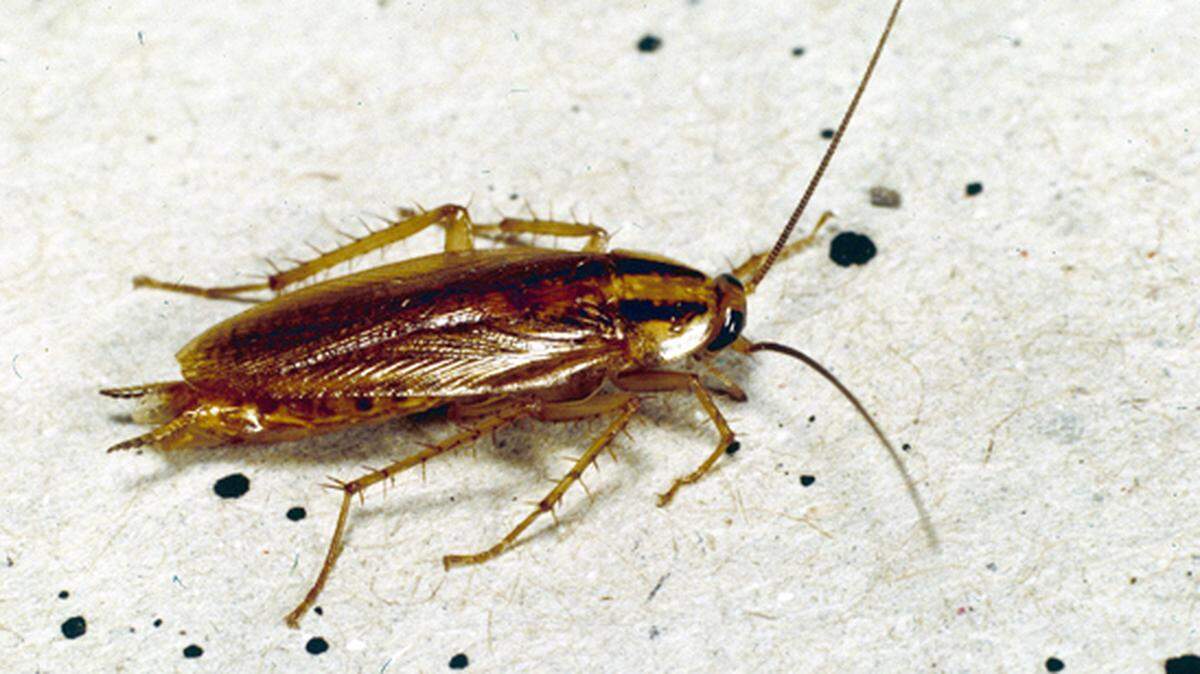
Are you seeing more cockroaches in or around your home lately?
Nobody wants to see those little — alright, let’s be honest: big and horrifying — insects, but as the warm summer weather kicks in, you could be more likely to see them roaming inside and scurrying about.
Thankfully, there are some tips and tricks to help you prevent cockroaches from entering your house and becoming a problem.
We’ve compiled some of those tips — plus some on how to treat infestations that are already in progress — from the N.C. Department of Agriculture and Consumer Services (NCDA&CS).
Here’s what to know about preventing a cockroach problem in your home or anywhere else.
How to prevent a roach infestation in your home
NCDA&CS outlines the following tips for preventing cockroaches from entering your home:
▪ Eliminate hiding spots for the roaches. The fewer places in your home that cockroaches can find to hide, the better, NCDA&CS says. Cockroaches are drawn to warm, dark spots, where they tend to hide before coming out for “feeding time” — generally at night — according to Terminix, a pest control company.
Those warm, dark spots can be created by clutter in your home, whether it’s cardboard boxes, paper bags or anything else on the floor. It’s best to remove clutter from inside your home by cleaning up and getting rid of anything, like boxes, that can be thrown away.
Cockroaches can find places to live outside your home, too. Keep your home’s outdoor areas clear of trash and leaves, and stack any woodpiles you have away from your house to keep roaches from finding hiding spots outside — and possibly getting inside later.
▪ Roach-proof your home. Want to make sure cockroaches don’t enter your home to find those indoor hiding places to begin with? NCDA&CS recommends caulking, weather-stripping and repairing holes around your home’s water pipes, baseboards, doors and windows to keep roaches from getting inside.
You should also put screens over windows, vents, floor drains and ducts, which can be “cockroach highways and hideaways.”
▪ Be aware of what you’re bringing inside. Before bringing in any packages you receive, check inside and outside of the box for roaches. They could hide inside the package, and you don’t want to let them hitch a ride inside your home. You should also inspect baskets, bags and food for roaches, NCDA&CS says.
▪ Don’t feed roaches. Sure, you’re probably not letting roaches eat out of your hand. But they could be finding food elsewhere in your home, especially if you’re not sealing opened packages or you’re leaving crumbs behind.
Make sure you’re storing food in tightly sealed containers, and make sure your trashcan has a tight-fitting lid, too. Don’t leave food, crumbs or trash uncovered anywhere in your home, and don’t leave dirty dishes out, either.
Take out your trash and recycling frequently, and rinse out any food or beverage containers before putting them in the bins.
These rules also apply to your pets: don’t leave uneaten pet food out overnight, and make sure you’re storing their food in tightly sealed containers as well.
▪ Don’t give roaches water. Some cockroach breeds are attracted to water, and they’ll be attracted to your home’s pipes. Make sure to fix any leaky pipes, faucets and drains.
Tips for treating cockroaches in your home
Even if you follow all of the preventative steps listed here, you could still end up with a few roaches, or even a larger infestation, in your home. If that happens, you may turn to pesticides to get rid of the roaches.
Here are some tips from NCDA&CS on finding and using pesticides to treat cockroaches in your home:
▪ Only buy pesticides from a store. You should only buy pesticides from credible stores, such as grocery stores, retail stores and garden supply stores. Don’t buy them secondhand or at a flea market.
▪ Only buy pesticides in original, labeled containers. Don’t buy pesticides that are being sold in suspicious or unmarked containers. The label should clearly state that the product is for cockroach control, and it should list the pesticide’s chemical name and ingredients, plus directions for use.
Note: If you see someone selling pesticides under suspicious conditions, such as selling them in unlabeled containers, contact the NCDA&CS Structural Pest Control and Pesticide Division at 919-733-3556.
▪ Follow the instructions on the pesticide label. Cockroach pesticides come in many forms, from sprays to dusts to baits. Regardless of which kind of pesticide you choose, you should always follow the instructions included on the label or other packaging to keep yourself and others safe.
▪ Keep the pesticides away from food, children and pets. It’s best to use pesticides in areas where cockroaches may be hiding, or where you’ve already seen them in your home — most likely in cracks in walls, behind baseboards, in cabinets or behind your stove or refrigerator. You should not apply pesticides near where you prepare food (that means kitchen counter tops) or areas where children or pets might easily come into contact with them.
▪ Stronger is not better. Some pesticides may come as concentrates and you may have to mix them with water to use them properly. Don’t add more pesticide to your mixture than the label recommends. It can be harmful to you or others in your home. Also, don’t mix the pesticide in something that could be mistaken for a drink, such as a plastic water bottle.
Advice for hiring pest control services
If you would rather hire someone to treat the cockroaches, instead of treating them yourself, keep this advice from NCDA&CS in mind:
▪ All individuals who perform structural pest control work for hire in North Carolina must have a license from the North Carolina Department of Agriculture & Consumer Services, Structural Pest Control Division (SPCD) or be employed by a licensee. The license ensures that pest control companies know how to safely use chemicals to get rid of cockroaches.
▪ When you hire a pest control company, ask for the name and license number of the individual who will be performing or supervising the work to verify that they are licensed. You should also ask if the company’s license permits household pest control work.
▪ When the pest control worker comes to your home, ask to see their identification card and check the ID to make sure the individual is working for a licensed pest control operator. An ID card is not the same as a business card.
▪ When the work is done, get a receipt for the pest control service that includes the company’s name, address and phone number, and a list of pesticides used at your home. Keep this information for your records.
Additional information
If you have additional questions about cockroaches in your home, you can find more information at ncagr.gov/SPCAP/structural/pubs/cockroaches.htm.
You can contact the NCDA&CS Structural Pest Control and Pesticide Division online at ncagr.gov/spcap/pesticides/index.htm or by phone at 919-733-3556.
This story was originally published June 10, 2022 at 9:30 AM.