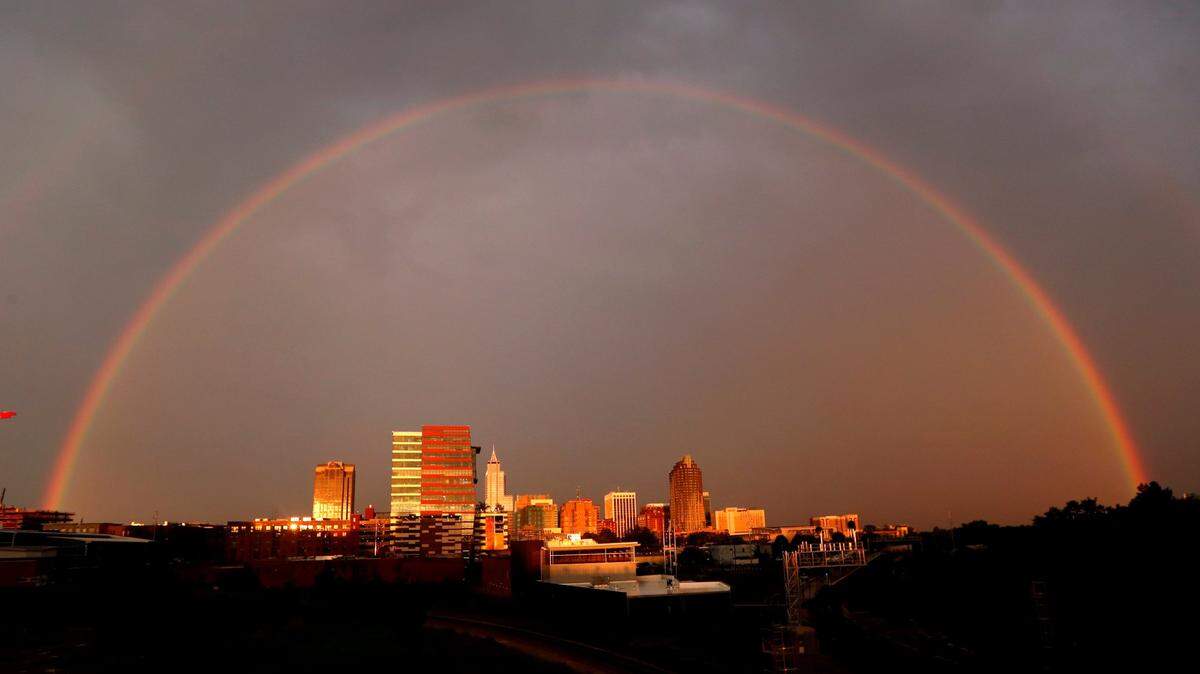
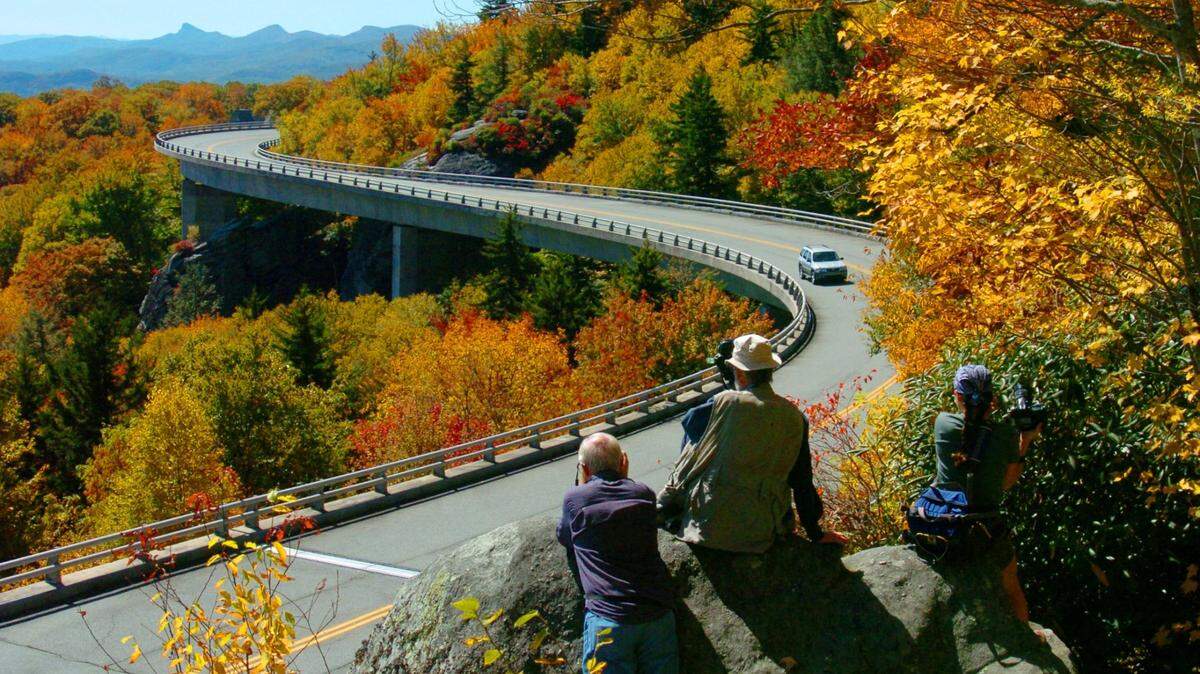
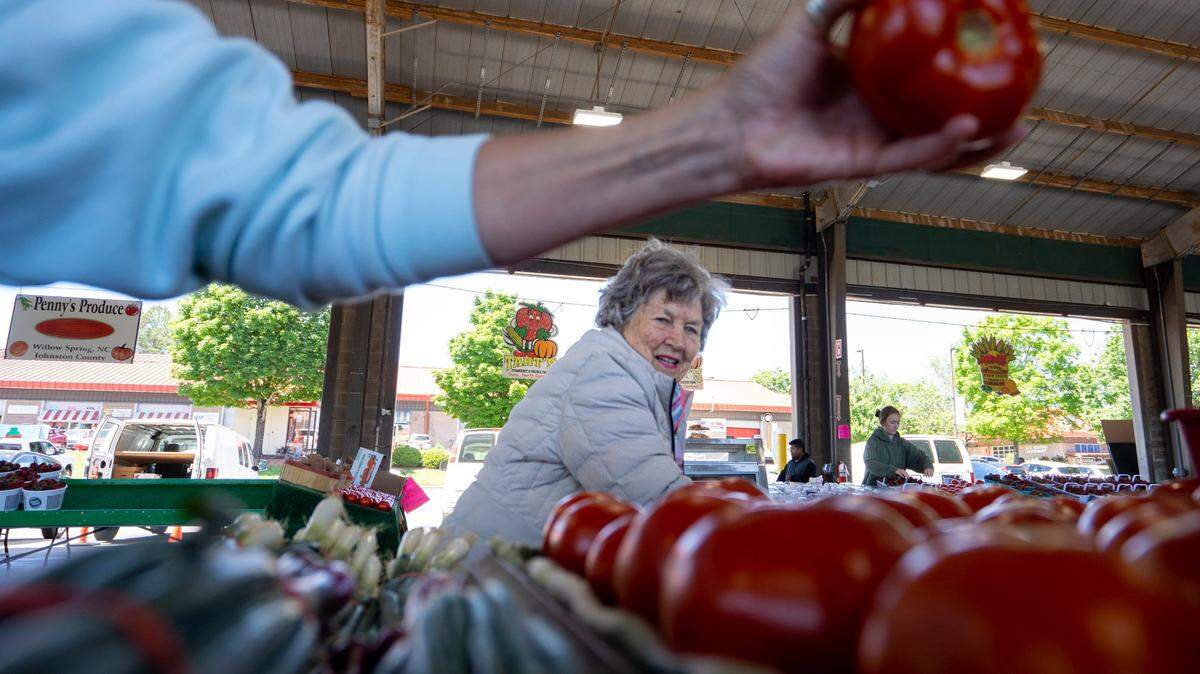
If you’re new here (or even if you’re not) a guide for living life in the Triangle
READ MORE
A newcomer’s guide to the Triangle
We want to help you navigate life in the Triangle, whether you’re new here or you’ve been here a bit and just need a refresher on some aspects. So we’ve compiled tips to navigate the area’s roads, survive the constantly changing weather (including the truly dangerous stuff), find the best food and entertainment, use our education system to excel, learn to respect our history (good and bad), pronounce local icons properly and — most importantly — understand just what “the Triangle” is, anyway.
Expand All
With the Triangle being one of the fastest-growing regions in the country, there’s a decent chance that some of you reading this might be fairly new to the area.
But even if you’re not — even if you’ve lived here all or most of your life — we hope you’ll still find our exploration of life in the Triangle both useful and fun: the college basketball fandom, the crazy road construction, the unpredictable weather, the delicious food, the critters (oh, our copperhead snake obsession!).
In this first package, we’ll give a general overview of life in the Triangle and talk a little about the geography of the place and getting around. In future installments, we’ll look at weather, food, things to do and getaways.
We want to be your source for navigating life in the Triangle and in North Carolina.
What’s the whole ‘Triangle’ thing about?
Traditionally, the area we meant when we’d say Triangle (and we’ll say it a lot) included all of the towns in Wake, Durham and Orange counties. But thanks to tremendous growth in recent years, that area now includes towns in Johnston and Chatham counties.
The term first came about because of Research Triangle Park (RTP), a research park founded in 1959 and named because of its location in the center of three major university towns: Raleigh, Durham and Chapel Hill (in Wake, Durham and Orange counties, respectively).
The 7,000-acre RTP is the largest research park in the United States, and home to hundreds of companies. It may even be why some of you moved here.

You know where you didn’t move to? Raleigh-Durham.
We can blame Raleigh-Durham International Airport (RDU) for training the world to call our area Raleigh-Durham, but we don’t like it. At all.
If you use that term with someone who lives in Raleigh or Durham, you’ll likely get a dead-eye stare and a reply along the lines of: “Oh you live at the airport, huh? Good for you.”
So remember, you can either live in Raleigh or Durham. You don’t live in Raleigh-Durham.
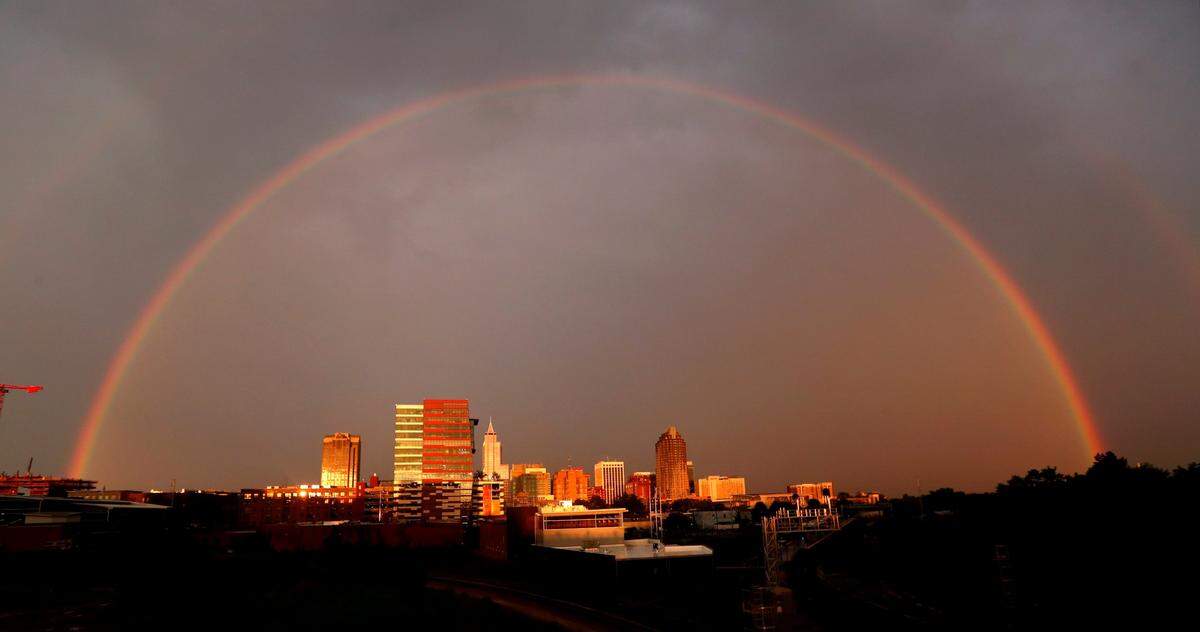
Know your neighbors
Wake County is the largest and most populous county in the Triangle. It has a lot of towns, so let’s get oriented.
Let’s imagine Wake County as being shaped (very roughly) like a bunny in profile, facing right.
Hear me out.
As we outline the bunny, the ears are Falls Lake, with Wake Forest on top of the head and Rolesville at the eyes. Zebulon is its nose. Wendell would be the bunny mouth, and Knightdale just west in its throat. Fuquay-Varina sits near the bunny’s back feet and Harris Lake at the fluffy tail. Along the back, about where you might pat the bunny, you’ll have Apex and Morrisville.
We’re going to say Cary is the bunny’s lungs and Garner is its stomach (I’m not a vet). We can argue later about exactly where Holly Springs sits (we’re so sorry, Holly Springs, this got away from us) – but Raleigh is at the heart.
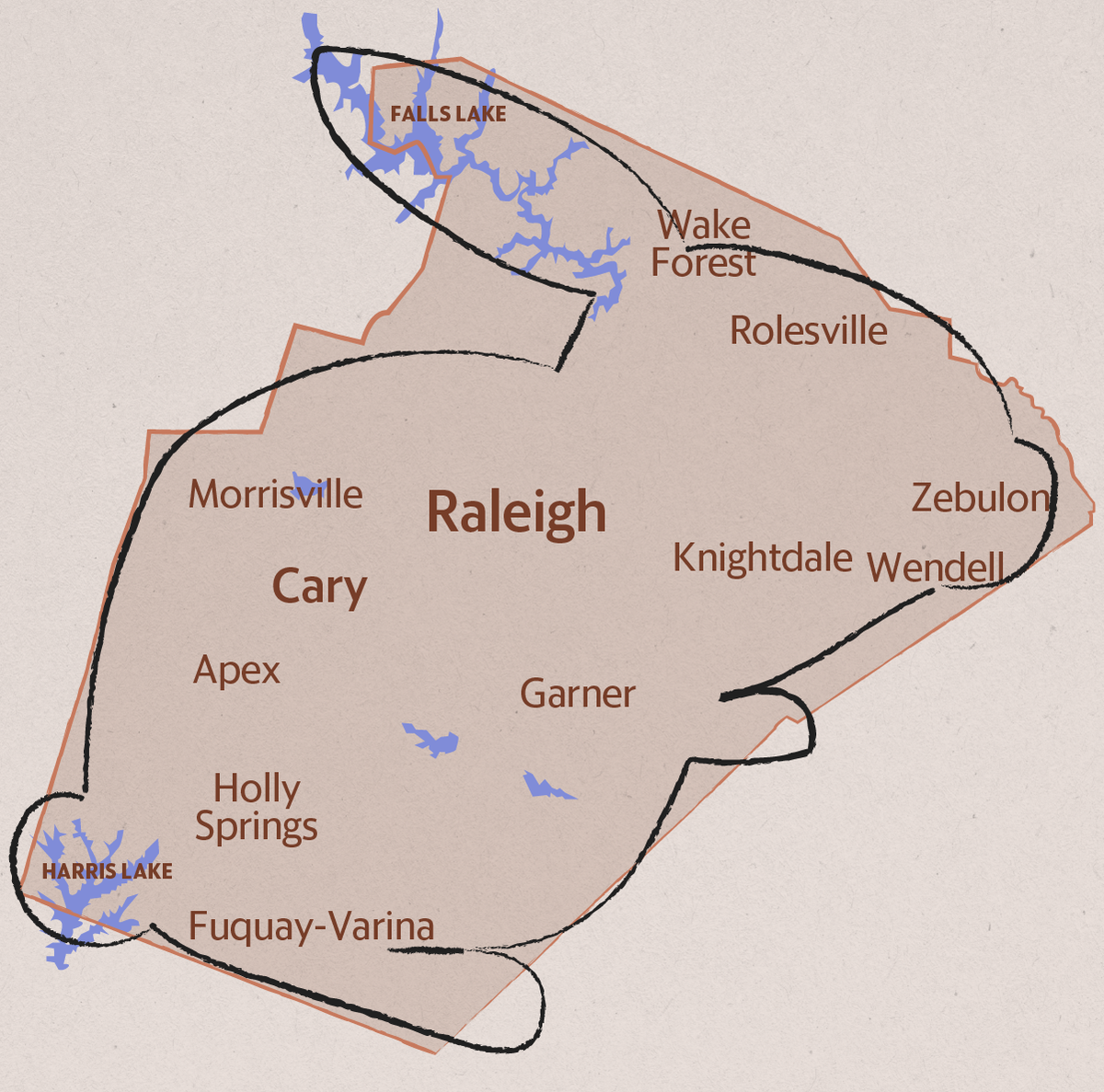
I could keep going with this, explaining how Durham sits behind the bunny’s ears, Chapel Hill at its back and Clayton just under its chest, but I’m sure by now everyone is begging me to stop (or begging me to seek help).
Here’s a quick look at the other counties:
Durham County is mostly the city of Durham, with a lot of unincorporated communities scattered about. The official Census places are Rougemont and Gorman.
Orange County has Hillsborough as its county seat, with Chapel Hill, Carrboro, Mebane and Efland.
South of Wake is Johnston County, where you’ll have Smithfield as the county seat and Clayton as the largest town. Other towns in JoCo are Archer Lodge, Benson, Four Oaks, Kenly, Micro, Pine Level, Princeton, Selma and Wilson’s Mills.
Chatham’s county seat is Pittsboro, but Siler City is the largest town there (this is also where you’ll find one of the best cheeseburgers in the state). Goldston is the other incorporated town in Chatham, but there are a number of smaller places of interest like Fearrington Village, Governor’s Club and Moncure.
Our hope is that wherever you live in the Triangle, you’ll branch out and get to know the other towns. They all have something interesting to offer.
On Twitter: Follow local reporters to keep track of city, county and state happenings:
Anna Johnson (Raleigh/Wake): @Anna_M_Johnson
Virginia Bridges (Durham): @VirginiaBridges
Tammy Grubb (Chapel Hill/Orange/Chatham): @TammyGrubb
Dawn Vaughan (NC legislature): @dawnbvaughan
Picking sides: Pig Edition
We’re sorry to introduce controversy so soon in our getting-to-know-you process, but the realities of life in the Triangle mean you’re gonna have to pick some teams.
Your first team will be pig-related.
In North Carolina, you must decide if you’re on the eastern NC barbecue team, or if you prefer western NC barbecue. Eastern NC barbecue is traditionally a whole-hog style of barbecue, with a vinegar-based sauce. Western NC barbecue has a ketchup-based sauce.
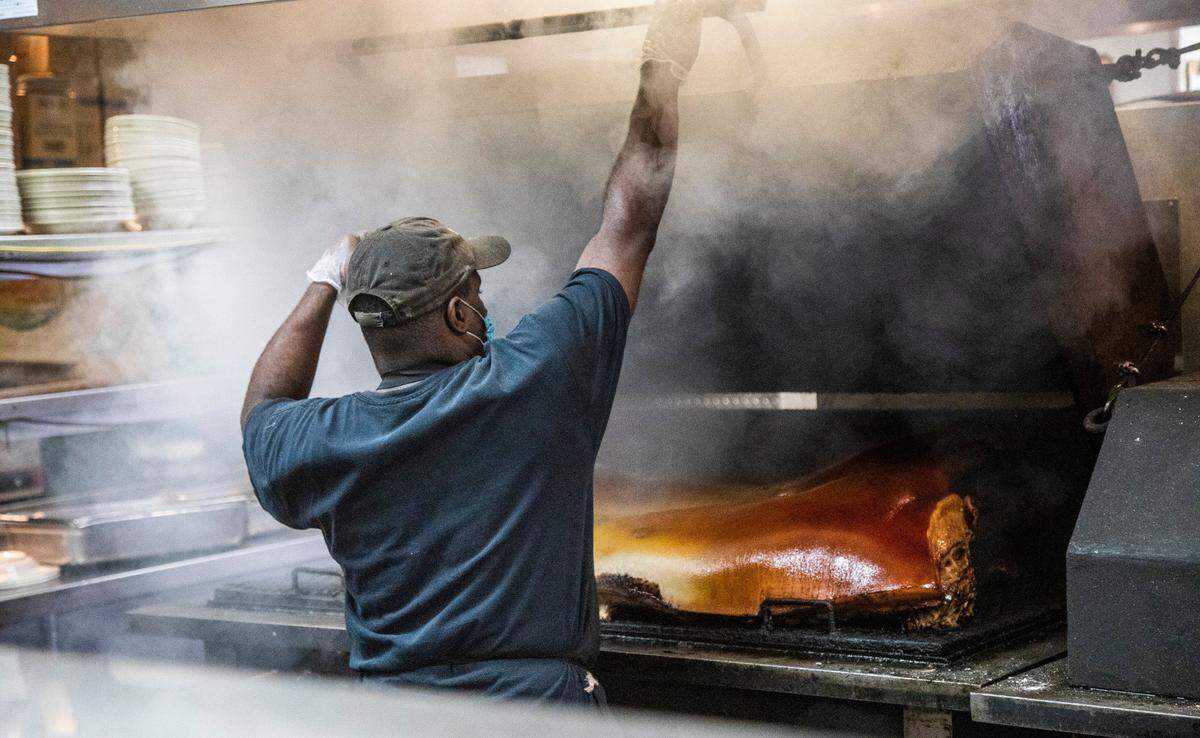
We’ll get much more into barbecue (and burgers and biscuits and breweries — all the best Bs) later, but for now, just know that it’s OK if, after all your research into North Carolina barbecue, you decide you like them both. We do.
Oh yes, if you’re vegan, our best advice is to turn down any invitations you receive with the words “pig-picking” in them.
Picking sides: Go team!
The next team you’ll need to pick will be an actual team.
The Triangle is home to some really amazing colleges — and some great college sports teams. At some point, you’ll have to decide if you’re going to pull for Duke, NC State or UNC.

If you didn’t attend one of these schools and you didn’t move here to work at one of them, you might pick your allegiance based on proximity. You might also get attached to a team because you like a coach’s personality, or you like to root for an underdog. Bandwagon-fanning is also OK.
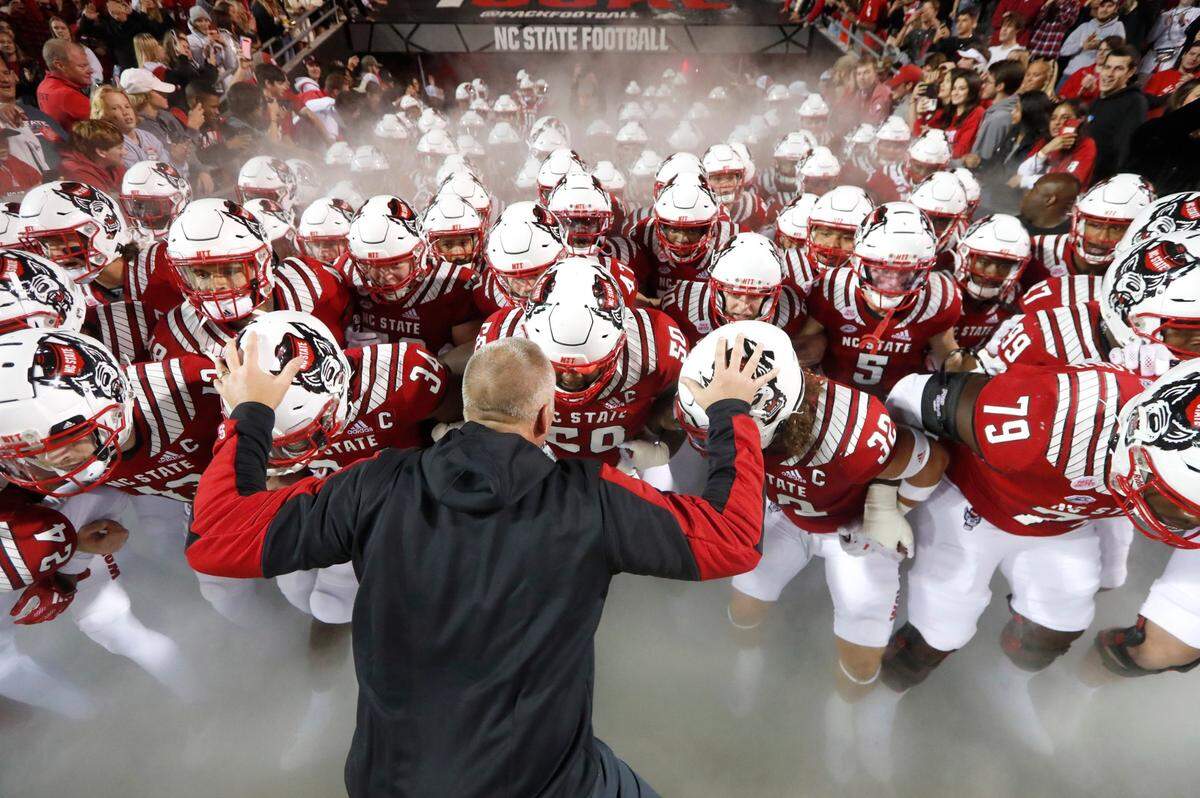
However you make your decision, make it. It may seem silly now, but when the ACC and NCAA tournaments roll around each March and the porch flags start flying, it will all make sense.

We have professional teams here, too – the Carolina Hurricanes (NHL), the NC Courage (professional women’s soccer) and the Durham Bulls (Triple A baseball) to name a few, but we all mostly agree to love those teams without fistfights. (Also, we’ll talk more about sports in another installment where we detail things to do in the Triangle.)
Say wut?
Depending on what area of the country or world you moved here from, it might take you a while to get accustomed to some Southern accents and sayings you’ll hear.
Some of it may already be familiar, like the word “y’all.”
“Y’all” is pretty well accepted all over now (it means “you all” and the contraction goes just after the y). It’s a brilliant and extremely useful word. It’s familiar, it’s friendly and it’s gender-inclusive. Use it often.
A very useful extension of “y’all” is “all y’all,” which means “every last one of you” — as in “All y’all can take that ketchup-y barbecue back to Lexington where it belongs!” Or “Are all y’all going to the Carolina game today?”
Also, if there’s a cold snap and someone tells you to put on your toboggan (pronounced TOE-boggan), don’t reach for a sled. They mean a knit cap (ski cap, beanie, what have you). Don’t argue about it, just accept it.
We’re also particular about how we pronounce place names around here.
It’s “Rah-lee,” not “Raw-lee” or “Rally.” It’s “Durm,” not “Dur-ham.”
The tiny community of Bahama, north of Durham, is pronounced Ba-HAY-ma. And the Raleigh neighborhood Mordecai is pronounced “Mor-da-KEY.”
And this might be controversial, but as a born-and-bred native North Carolinian, I can promise you that “bless your heart”/”bless their heart” is not always meant as a passive-aggressive insult. It’s all about context, folks, and it can mean a lot of things.
There are many times you’ll see a true Southerner receive sad news about a friend or neighbor and mutter “bless their heart” with genuine anguish in their soul. But because this truth is less funny than saying “bless your heart” is always a put-down, I expect exactly no one to believe this.

Know your critters
We need to talk about snakes.
You’re going to see them – in your yard, in your garden, on the sidewalk, in trees (hopefully not inside your house, but maybe) – and nearly all of them are totally harmless. (It’s hardly worth mentioning 2021’s escaped spitting zebra cobra, right? Right.)
In this part of North Carolina, the snake you’ll need to exercise caution around is the copperhead. It’s the most prevalent venomous snake in the state and we see a lot of them in this area. We’re kind of obsessed with them.
You can usually distinguish a copperhead because of its distinctive Hershey’s Kiss-shaped markings.
But herpetologists want to assure us that they won’t bite unless they feel threatened, so if you see one, just leave it alone. Walk away. Cede the space.
The bite, though painful (and sometimes expensive to treat), is almost never fatal to adult humans. But be extra careful walking your dog or taking out the garbage in flip-flops at night.
We could literally go on and on about copperheads, but instead, we’ll refer you to our big story on what to know about copperheads, and our guide to spotting all six of North Carolina’s venomous snakes.
While we’re talking critters you could encounter, you should familiarize yourself with coyotes and foxes, the occasional harmless (except to your garbage cans) black bear, and ticks and spiders. Oh, and there are a handful of poisonous plants that can make your life miserable.
And be nice to the squirrels.
More to come!
There’s more to come in our Triangle Living series. On May 11, we’ll continue our look at life in the Triangle with stories about food and weather. On June 1, we’ll look at things to do in the Triangle and the best day trips and getaways.
This story was originally published April 27, 2022 at 6:00 AM.