VinFast cars will be built in North Carolina. But will anyone buy them?
READ MORE
VinFast in NC
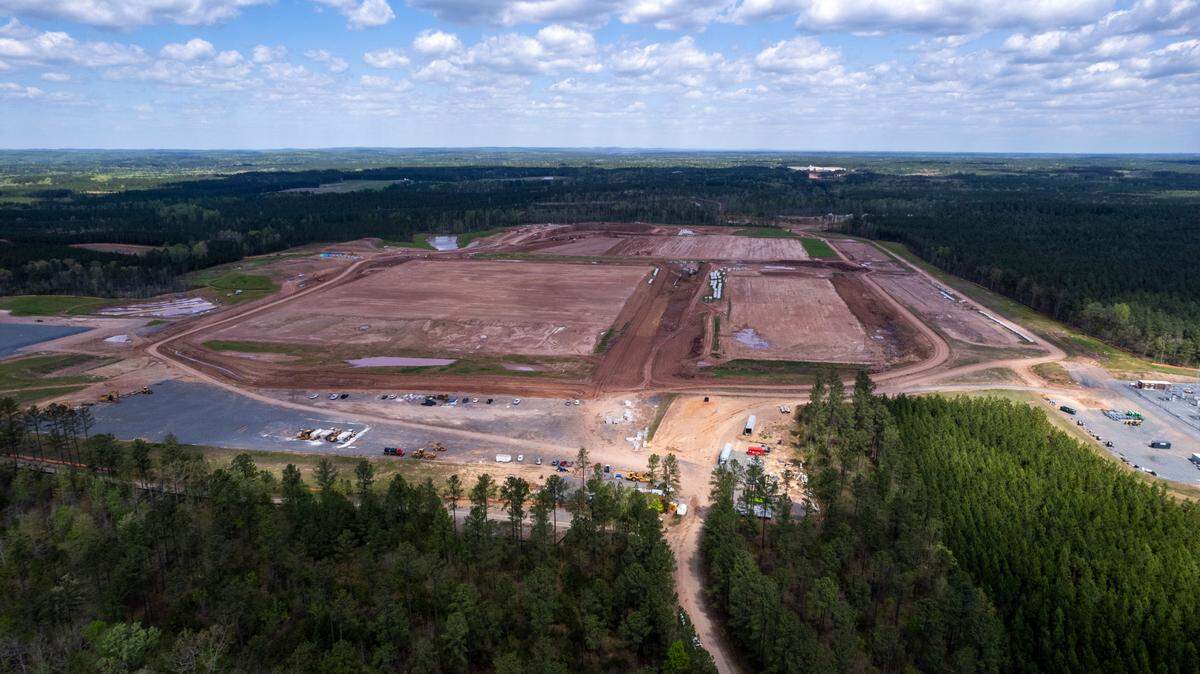
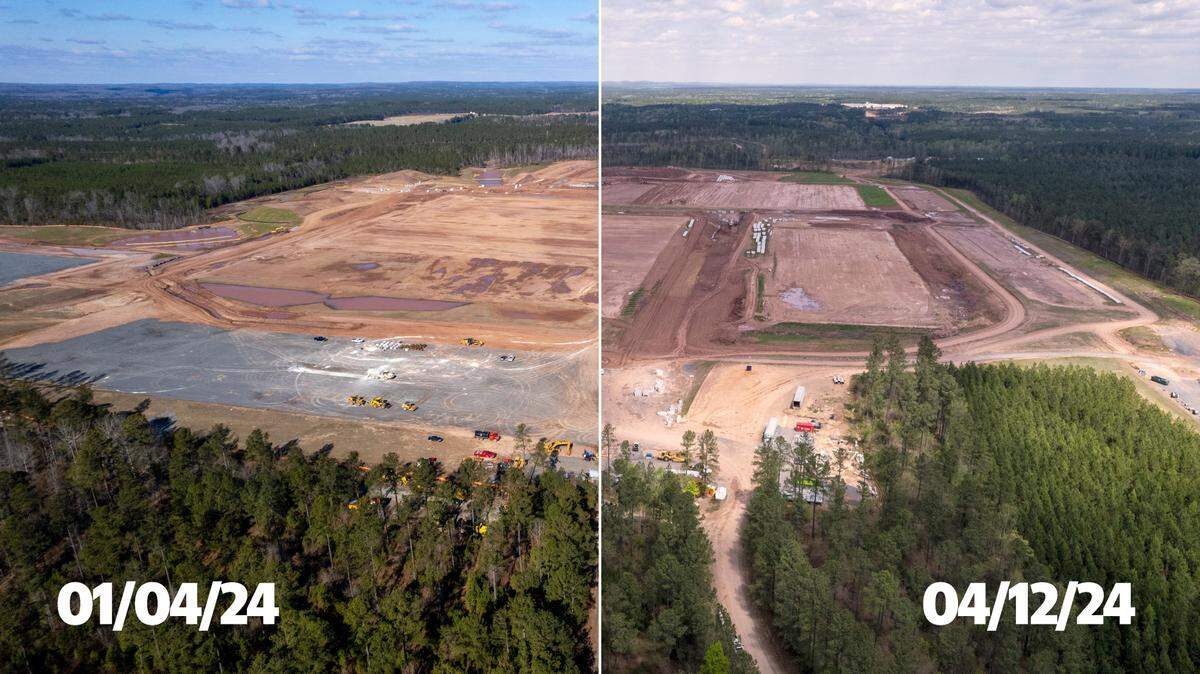
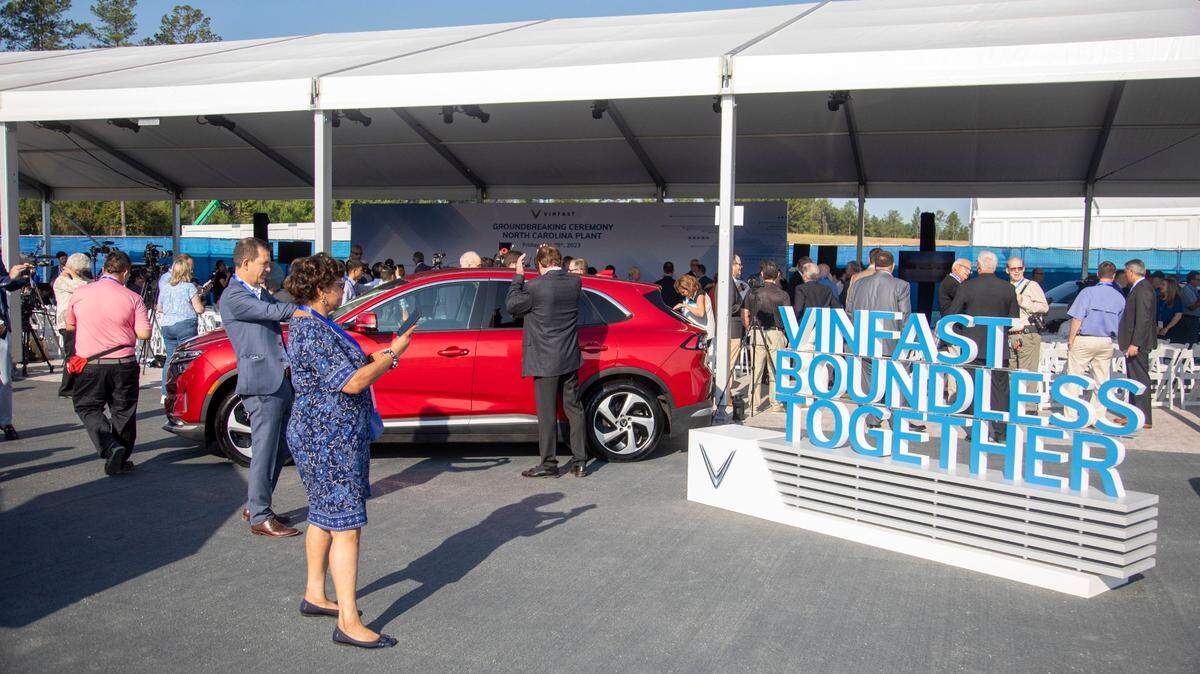
Vietnamese automaker VinFast announced in March 2022 that it would open an electric vehicle assembly plant in North Carolina. The battery manufacturing plant will be built in Chatham County and is expected to eventually create 7,500 jobs. It’s the largest economic development announcement in the state’s history. Here is coverage from The News & Observer about the plans.
Expand All
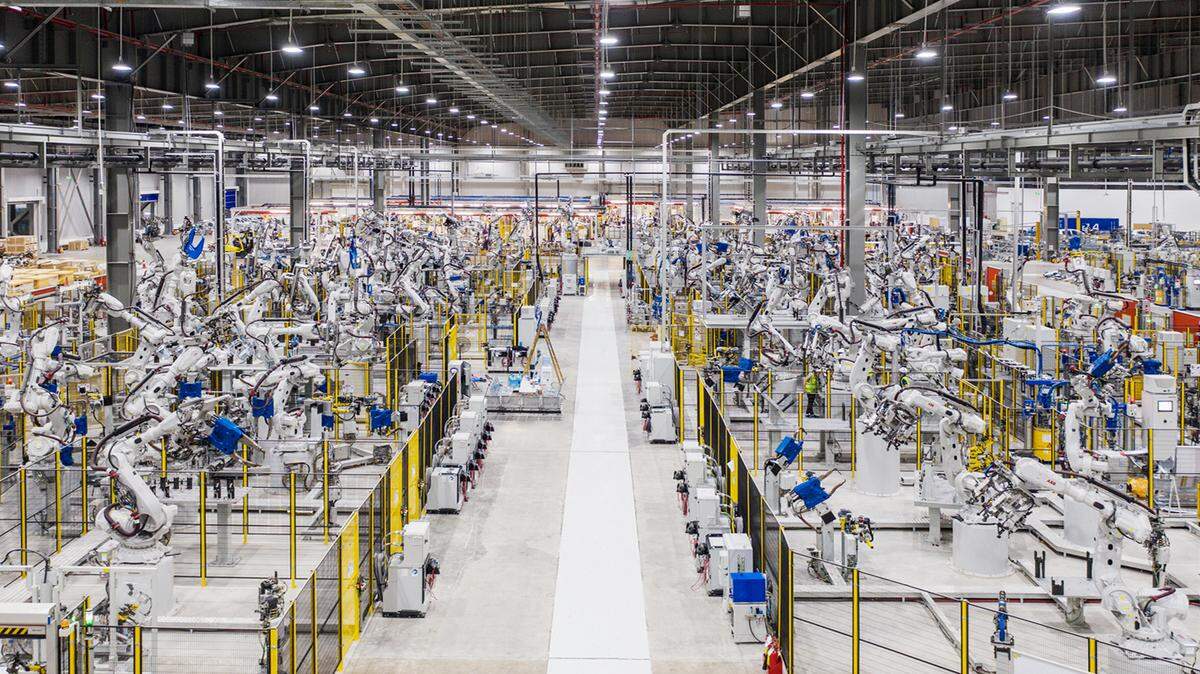
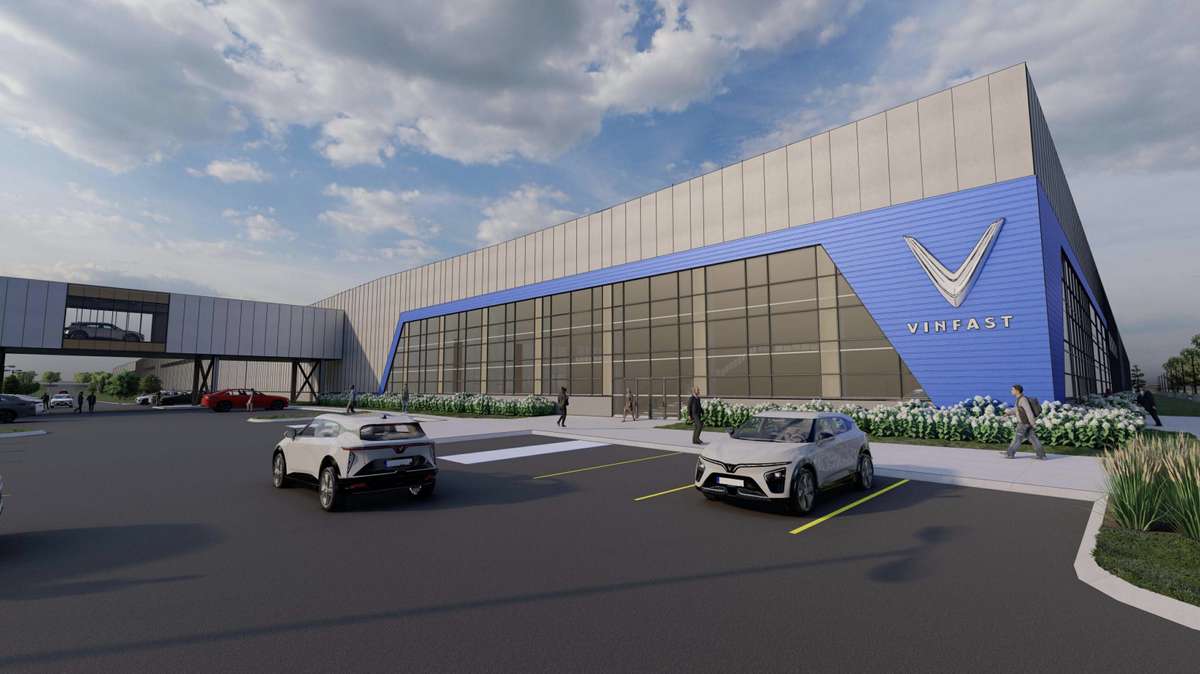
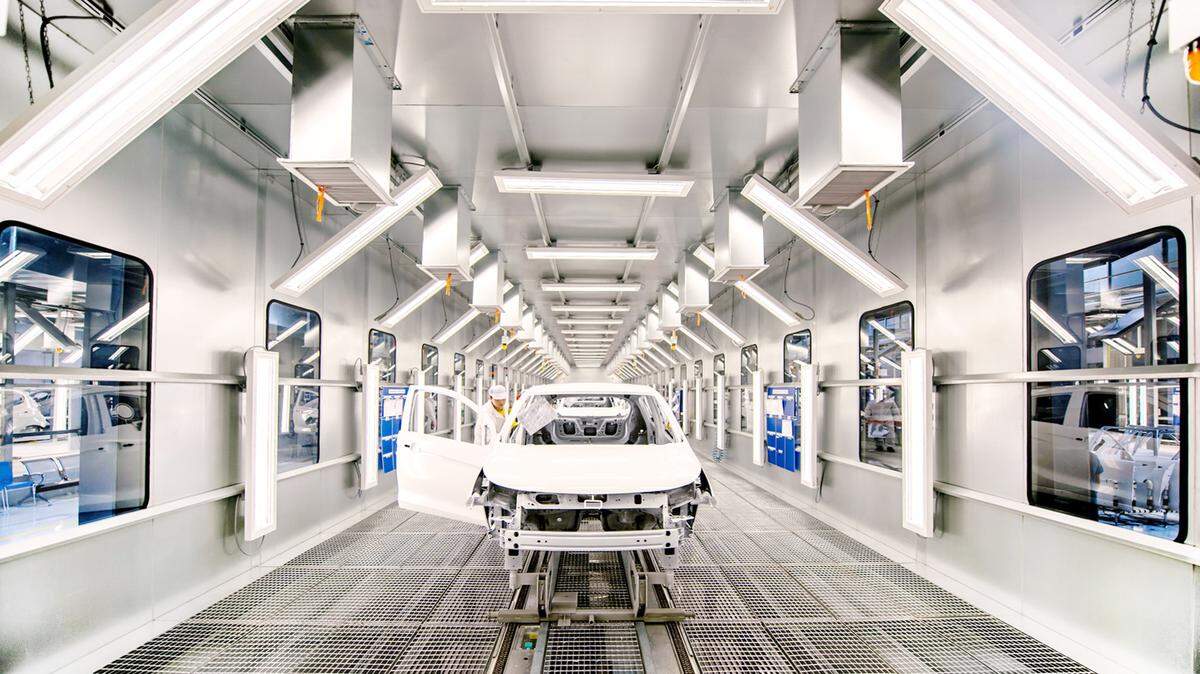
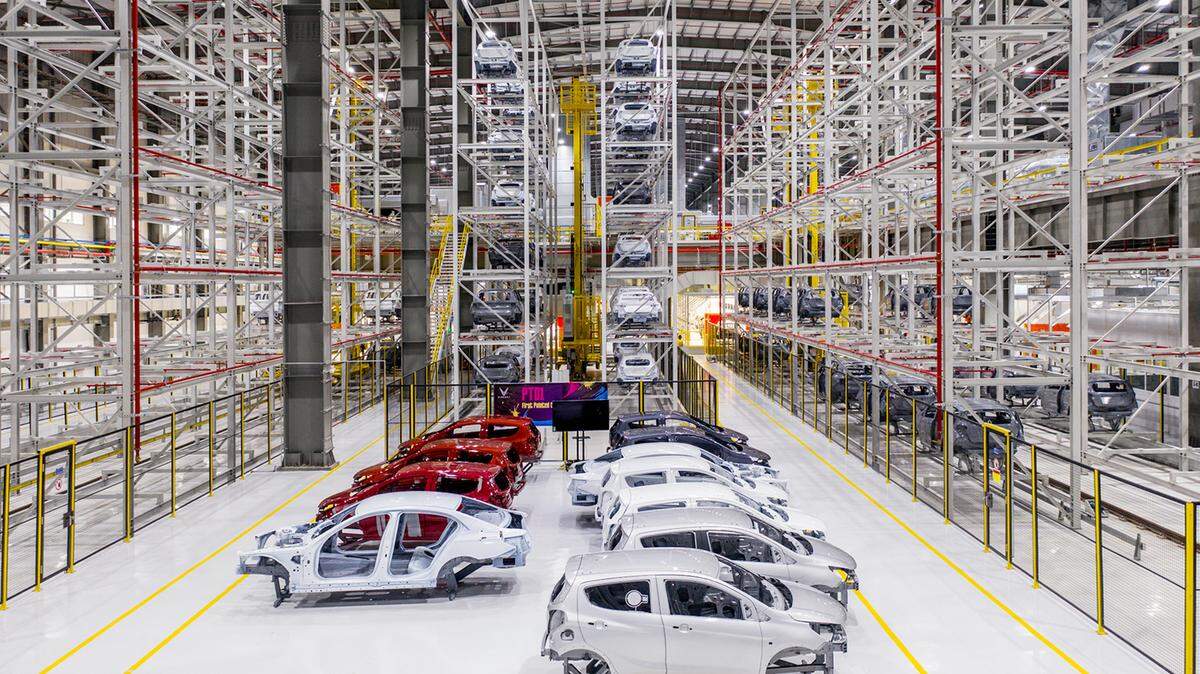
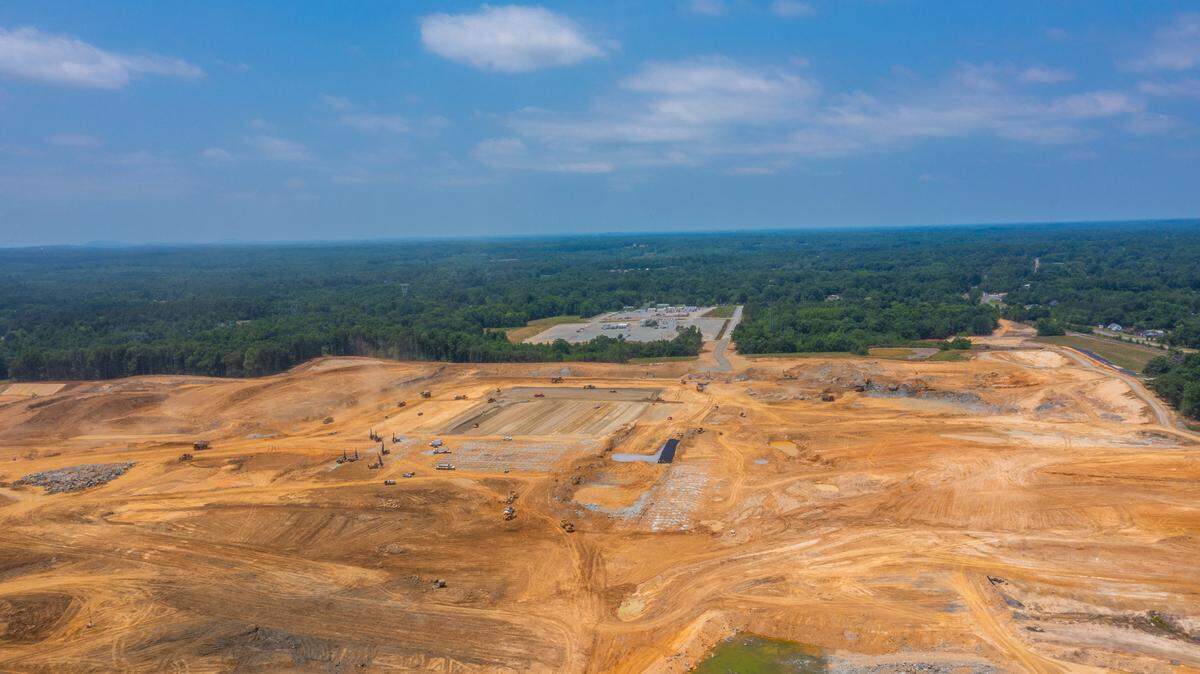
The plan is this: By 2027, the Vietnamese startup VinFast will produce 200,000 electric SUVs a year at its 7,500-worker assembly plant in southeastern Chatham County. By then, the company will have invested $4 billion in the site, more than justifying the combined $1.25 billion in tax and infrastructure incentives the state and county committed to the project.
But for this to materialize, something unprecedented must occur: Americans will have to start buying VinFast cars.
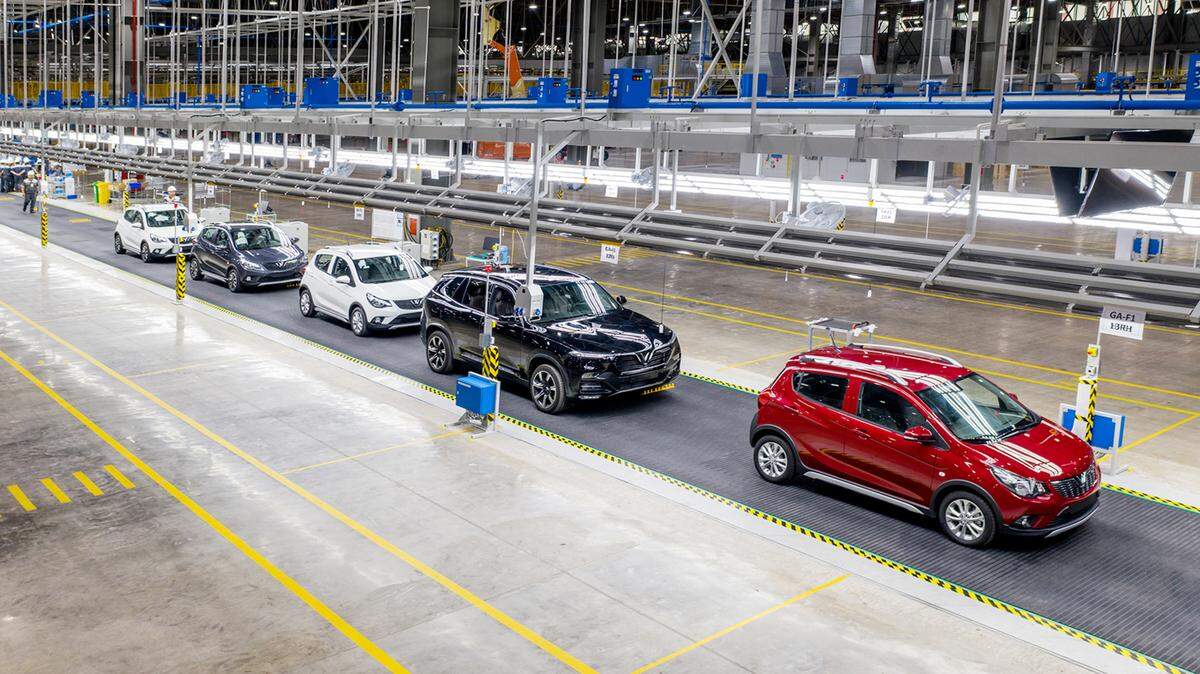
VinFast formed in 2017 as a subsidiary of VinGroup, one of the largest private conglomerates in Vietnam. It has already produced a modest number of gas-powered cars: Last year, VinFast sold around 36,000 vehicles. For comparison, Tesla delivered 936,000 in 2021 while Toyota sold more than 10 million.
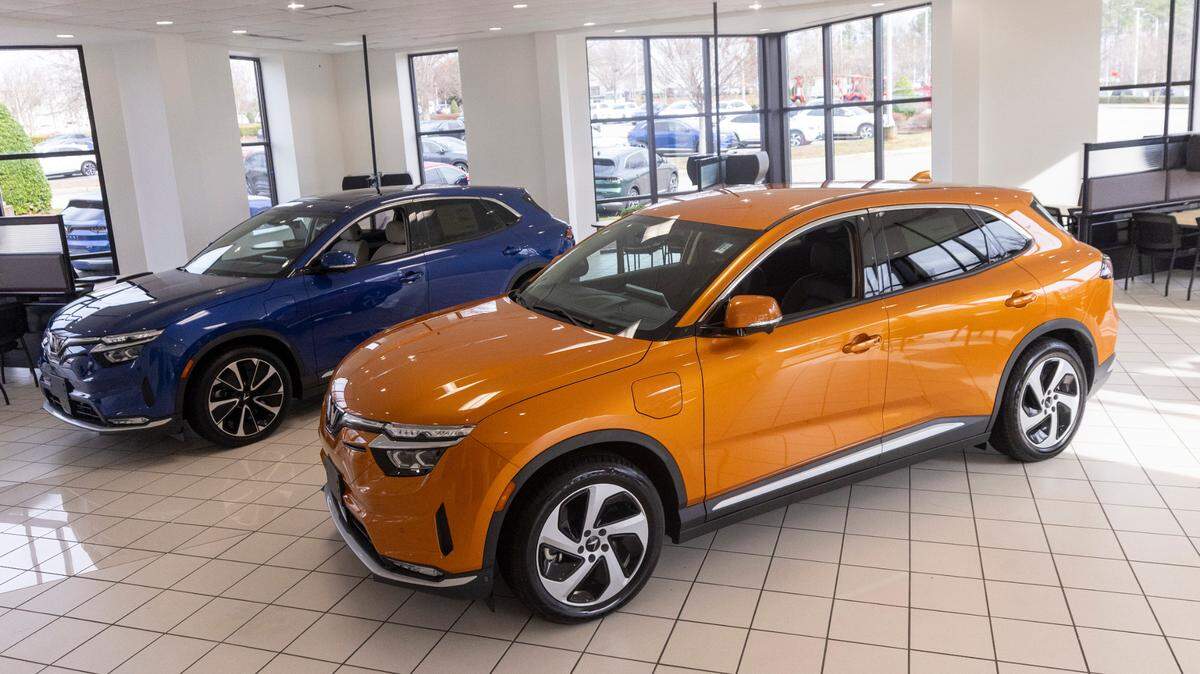
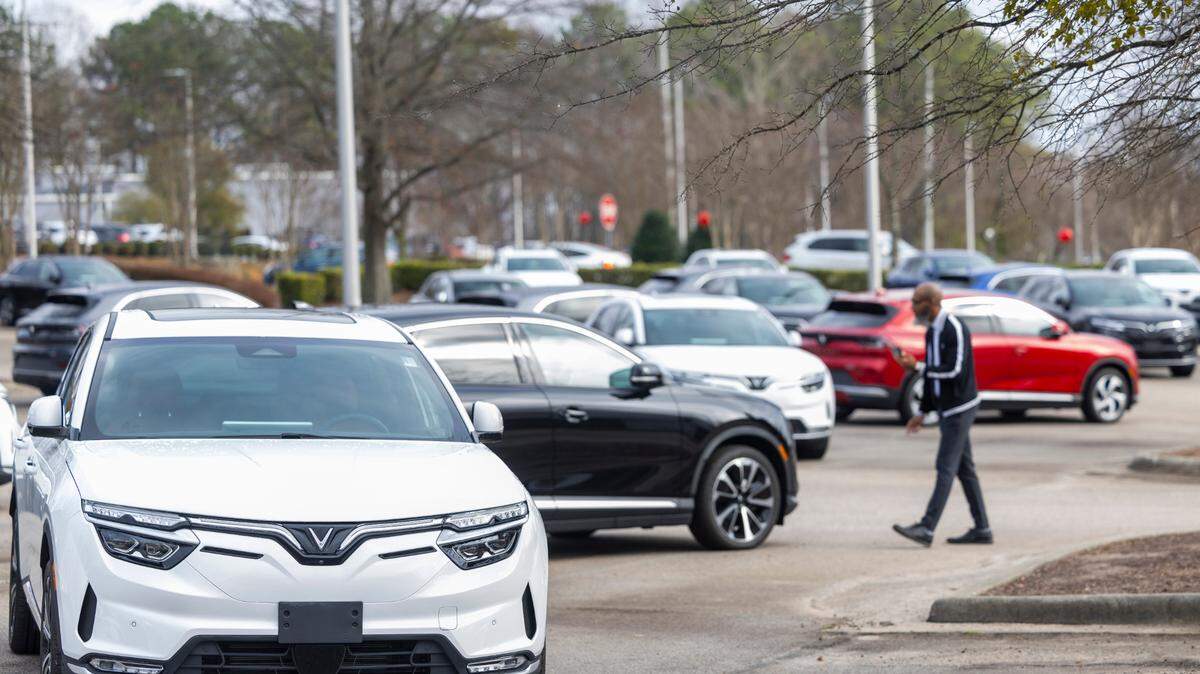
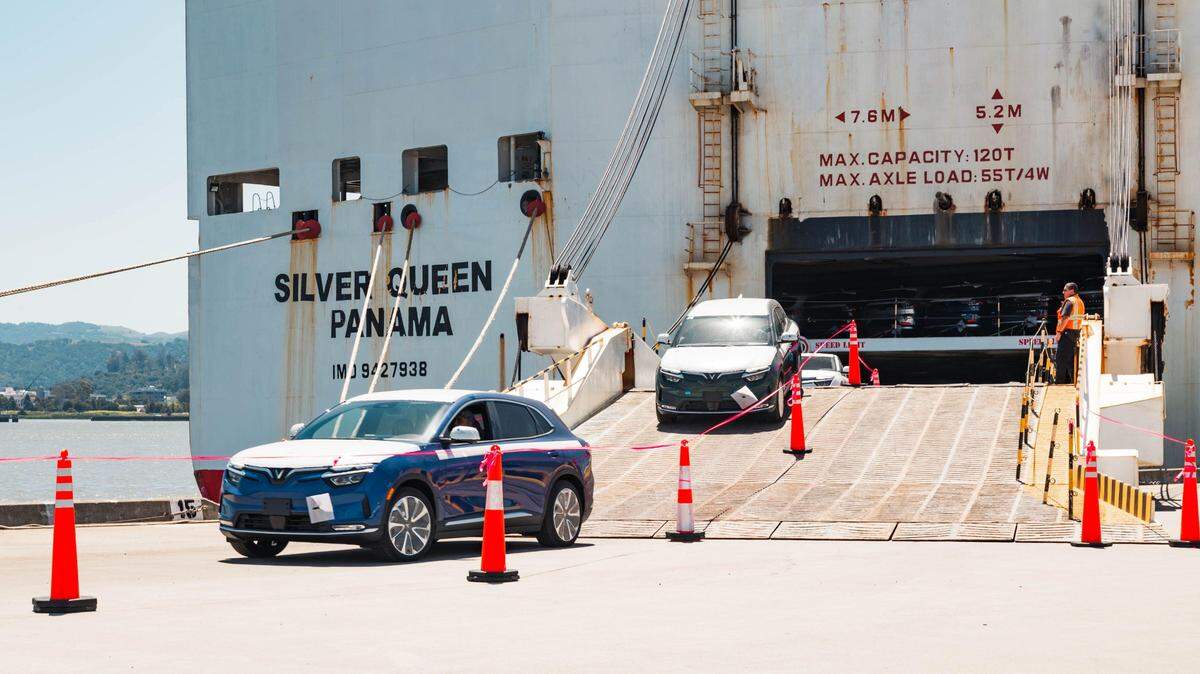
The car manufacturer is now making an aggressive electric vehicle (EV) play in the United States. This summer, VinFast opened six showrooms in California and intends to have 30 stores across that state by the end of this year. Customers can reserve VinFast cars online, with the company aiming to have one of its two SUV models delivered by November. VinFast will make all its cars in Vietnam until the North Carolina plant becomes operational in 2024.
There are currently around 65,000 global reservations for VinFast cars said Craig Westbrook, the chief service officer at VinFast US. Westbrook said the incoming Chatham factory shows VinFast is dedicated to growing “in its international markets in general and the US in particular.”
In July, VinFast borrowed $4 billion from Credit Suisse and Citigroup to help pay for its Chatham factory, the company’s first in North America.
But auto industry experts stress the challenges of getting drivers to buy new brands.
“It’s really hard making a new car company and most of them fail,” said Brett Smith of the Center for Automotive Research, an Ann Arbor, Michigan-based nonprofit that researches the industry. “That doesn’t mean VinFast will, but it’s an enormous undertaking.”
VinFast drivers won’t own their batteries
Numerous foreign car companies have made a name for themselves in North America, but for all the BMWs, Toyotas, and Hyundais, there are failures like Coda and Daewoo.
“The reason it’s a high hurdle is the investment required to create a product, then the investment required to build that product, then the investment required to sell that product,” Smith said. “All three are usually pretty high hurdles.”
Smith suggested the EV market may have lower barriers of entry because it’s an emerging space where established manufacturers are less entrenched. Still, traditional auto companies have a name-recognition edge over almost every startup, except for Tesla, which is owned by the world’s richest (and perhaps most eccentric) person.
To stand out in the crowded auto market, Smith stressed new car companies must show customers how they’re different from existing brands. One key way VinFast hopes to distinguish itself is through its battery leasing model.
The company currently markets two SUVs — a five-seat VF 8 and a seven-seat VF 9. But instead of having the car battery included with their purchases, customers must pay a monthly battery subscription. There is a flexible plan that covers 310 miles per month (then a charge for each extra mile) and a fixed plan with unlimited miles, but there is no option to buy the battery outright.
No other car manufacturer in North America has such a model.
Leasing the battery helps lower the list price, Westbrook explained. “The battery subscription program also helps eliminate concerns about battery lifespan, repair and replacement fees because VinFast bears all the costs and replaces batteries free of charge when charging capacity dips below 70%,” he said in an email to The News & Observer.
Without the battery, the VF 8 starts at $40,700 while the VF 9 starts at $55,500, though VinFast states the prices are subject to change. VinFast is offering introductory monthly rates of $110 to $160 to lease the VF 8 and VF 9 batteries under its fixed plan and $35 to $44 under its flex plan.
Battery subscriptions have the potential to earn VinFast loyal customers said Brian Larson, a marketing professor at Widener University in Pennsylvania.
“By decoupling the car from the battery and then leasing the batteries to drivers, VinFast produces a continuous revenue stream,” he said. “Money from their customers keeps coming back to the company monthly whereas in traditional car sales, the car company sells the automobile, including the battery, and the customer basically drives away without any real future connection to the company.”
Larson said this model is known as razors-and-blades pricing, named after Gillette began selling its razors and blades separately to promote a long-term relationship with its customers.
What if VinFast doesn’t pan out?
Now imagine this, even if North Carolina leaders would rather you didn’t: VinFast electric SUVs never find a foothold in the American market. Drivers don’t like paying battery subscriptions, or perhaps they don’t want to buy a car that’s unfamiliar. The company scales back its North Carolina operations. Where does this leave Chatham County and the state as a whole?
First, VinFast is confident none of this will happen.
“VinFast’s competitive advantages are high-quality products, reasonable prices and excellent services, along with creative and flexible sales policies,” Westbrook said. “These are factors that make VinFast EVs accessible to the mass market.”
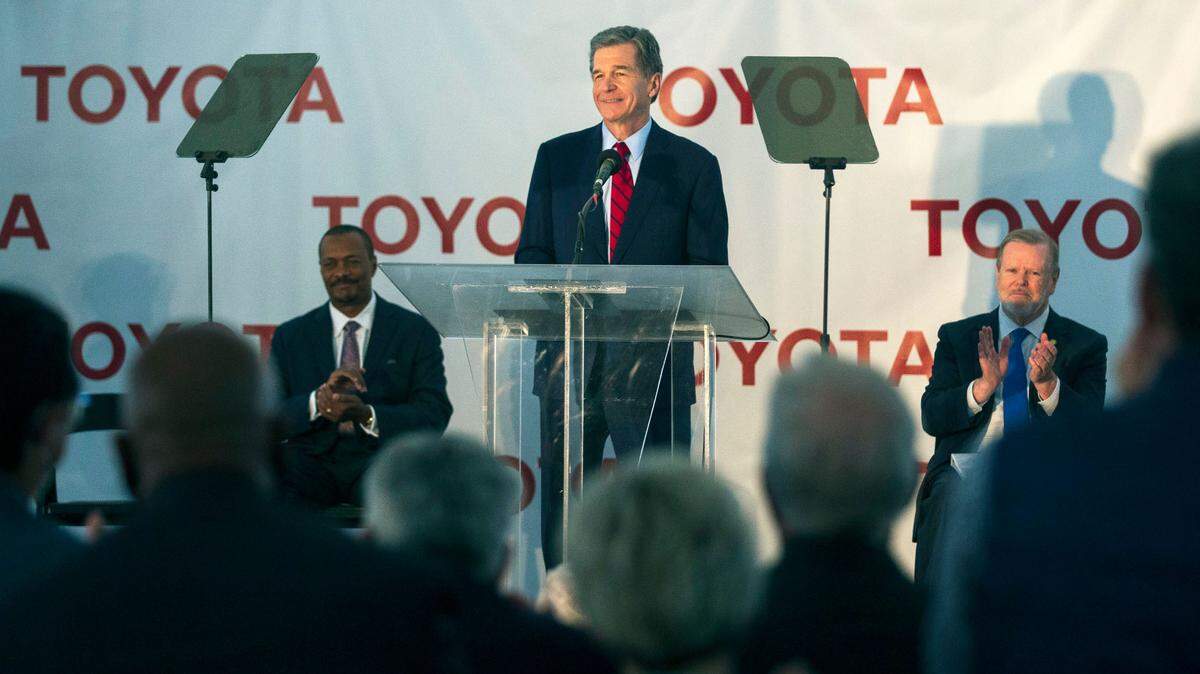
Gov. Roy Cooper also expressed confidence about the incoming carmaker’s long-term prospects. “VinFast will be successful because its aim is to make a more affordable electric vehicle,” he said during an Aug. 16 press conference. “And there’s going to be a large market for that, not only in the United States but across the world.”
Still, many new car companies don’t make it. If VinFast were to fail or scale back in the next few years, it wouldn’t benefit from the entire $1.25 billion incentive package, particularly the $316 million Job Development Investment Grant it received in March.
This money is paid through state payroll tax rebates which are dependent on grant recipients hitting yearly hiring targets. Chatham County also gave VinFast $400 million in incentives, part of which will be prorated down if VinFast hires fewer workers than anticipated.
Along with tax breaks, VinFast’s incentive package includes funding for infrastructure, including for roadwork, wetland management and site construction. Part of this funding is also tied to VinFast reaching certain employment thresholds.
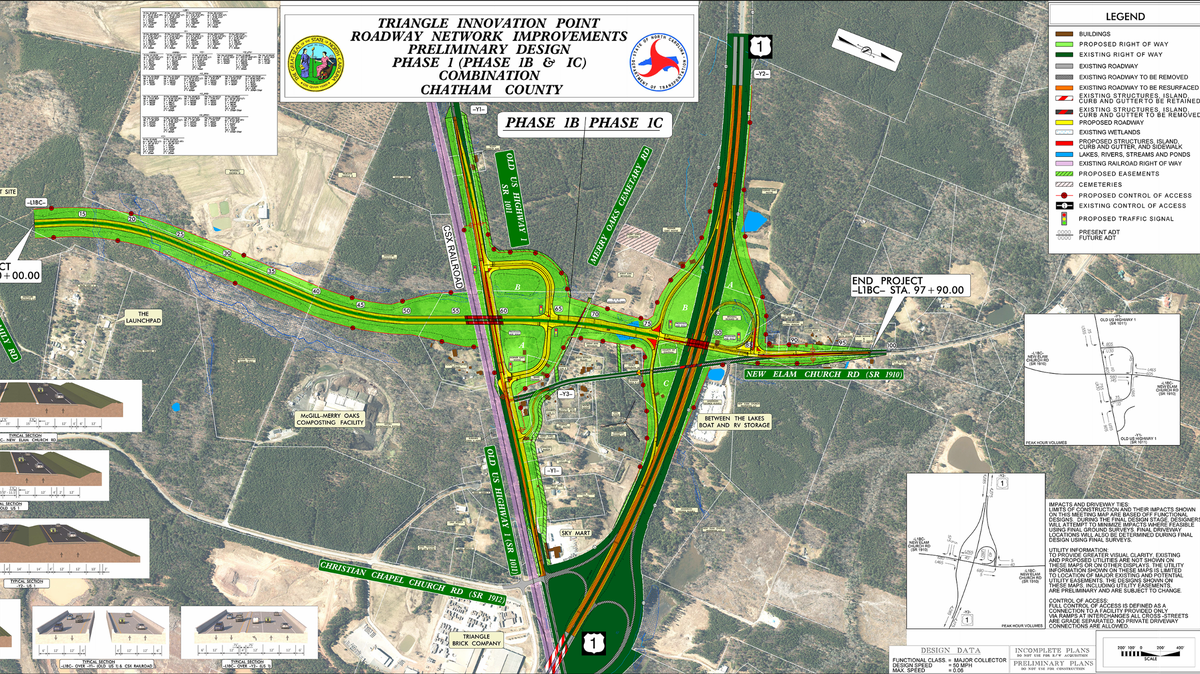
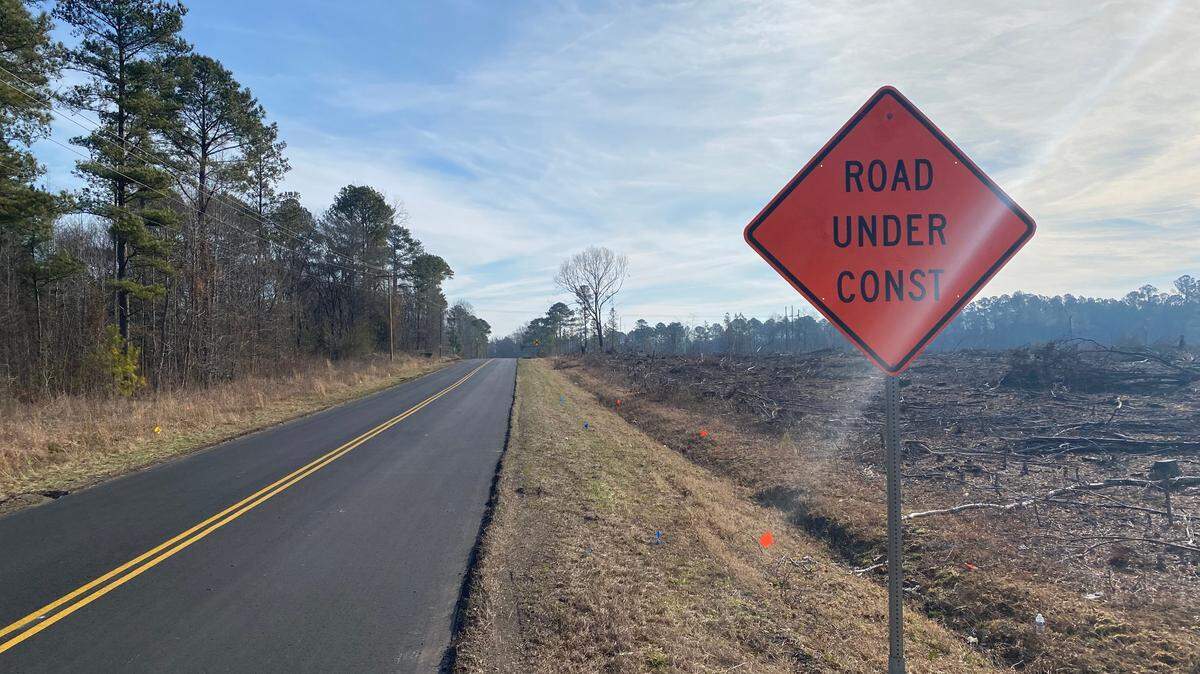
But some of the infrastructure funding will be spent imminently. Earlier this month, the North Carolina Department of Transportation proposed a new network of roads near the future VinFast facility. The state has appropriated $250 million for rail and road improvements in and around the 2,150-acre site.
Beth Friedrich, an economic development adviser for House Speaker Tim Moore, said the public will benefit from the funding even if VinFast’s goals aren’t achieved. While she is optimistic VinFast will thrive, Friedrich noted the improved infrastructure would allow other companies to enter the site if need be.
“When you’re looking at water and sewer, that’s the type of thing that every company is going to need,” she said. “When you’re looking at roads and road improvements, any company that’s going to be there, it’s going to need roads.”
This story was produced with financial support from a coalition of partners led by Innovate Raleigh as part of an independent journalism fellowship program. The N&O maintains full editorial control of the work.
Enjoy Triangle tech news? Subscribe to the N&O’s Open Source weekly tech newsletter here.
This story was originally published August 24, 2022 at 5:45 AM.