Beyond the headlines: Most companies that get NC incentives miss job, investment goals
READ MORE
VinFast in NC
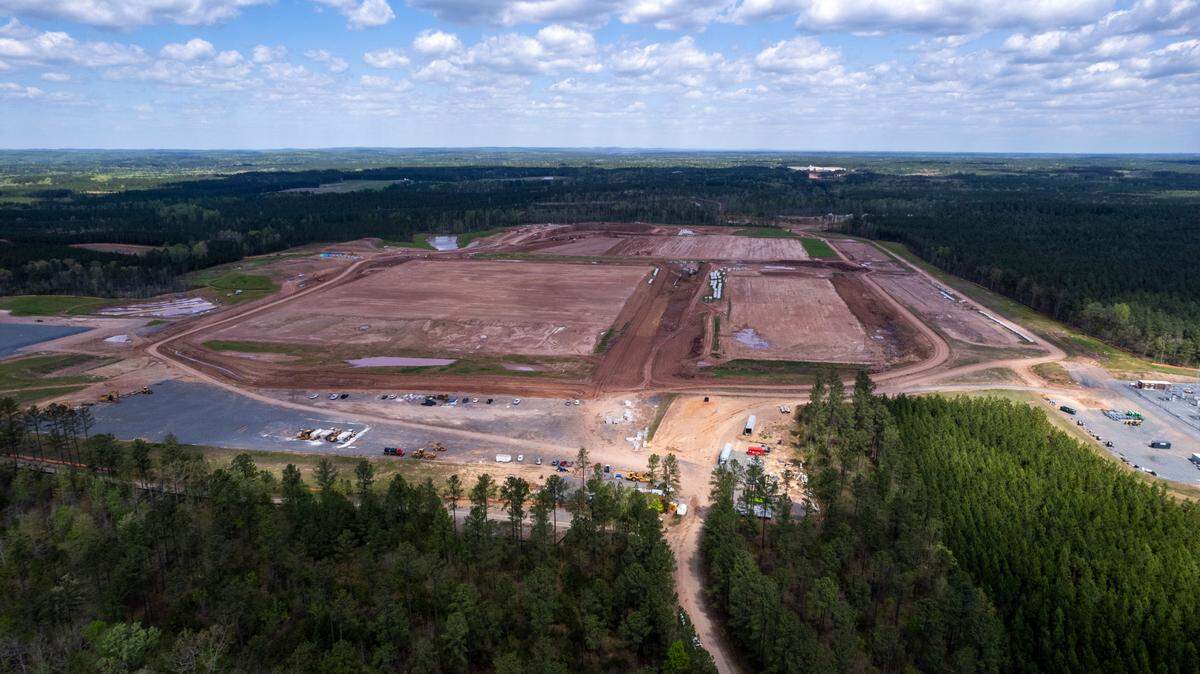
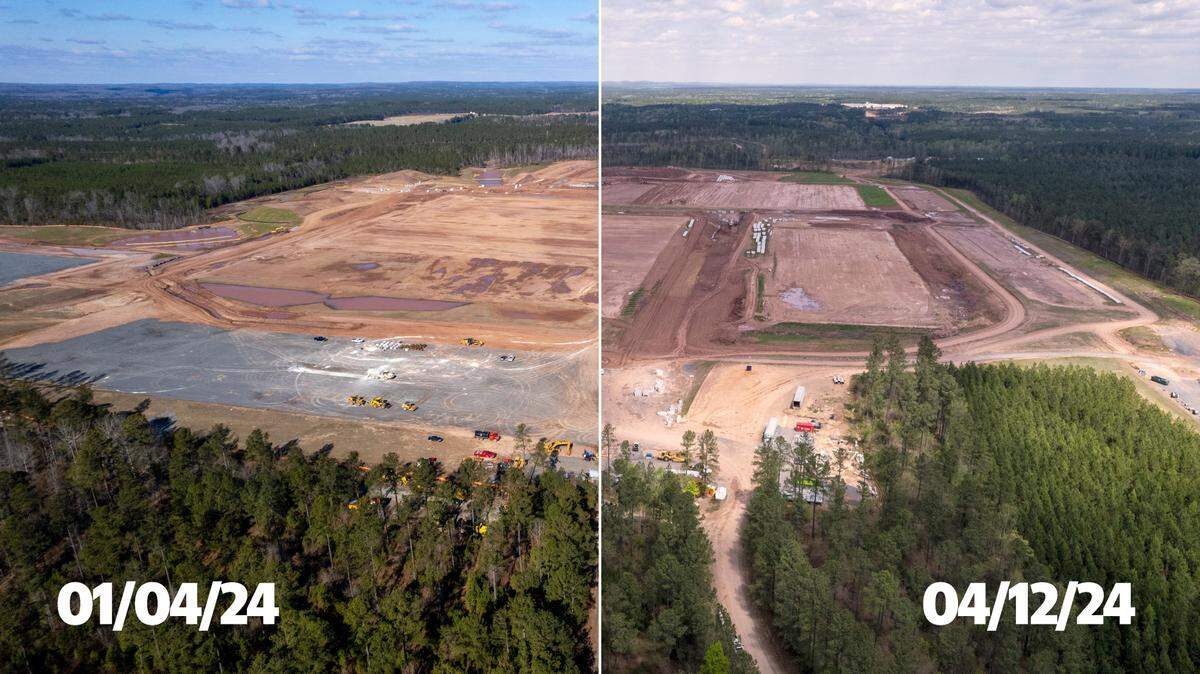
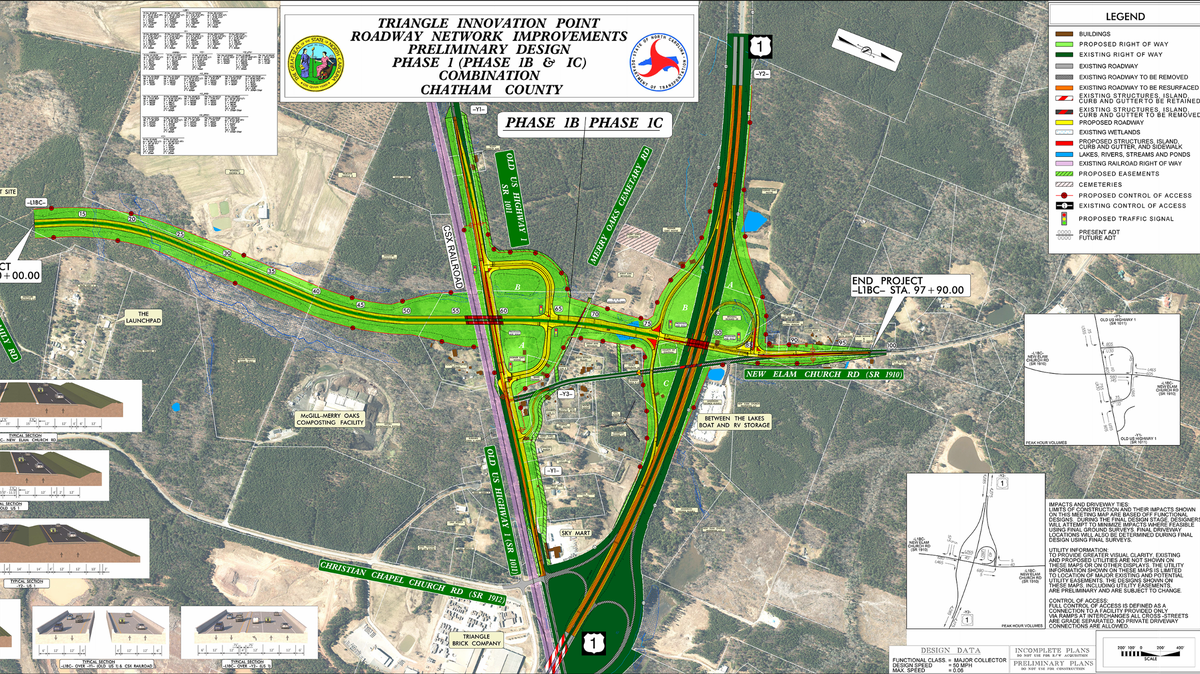
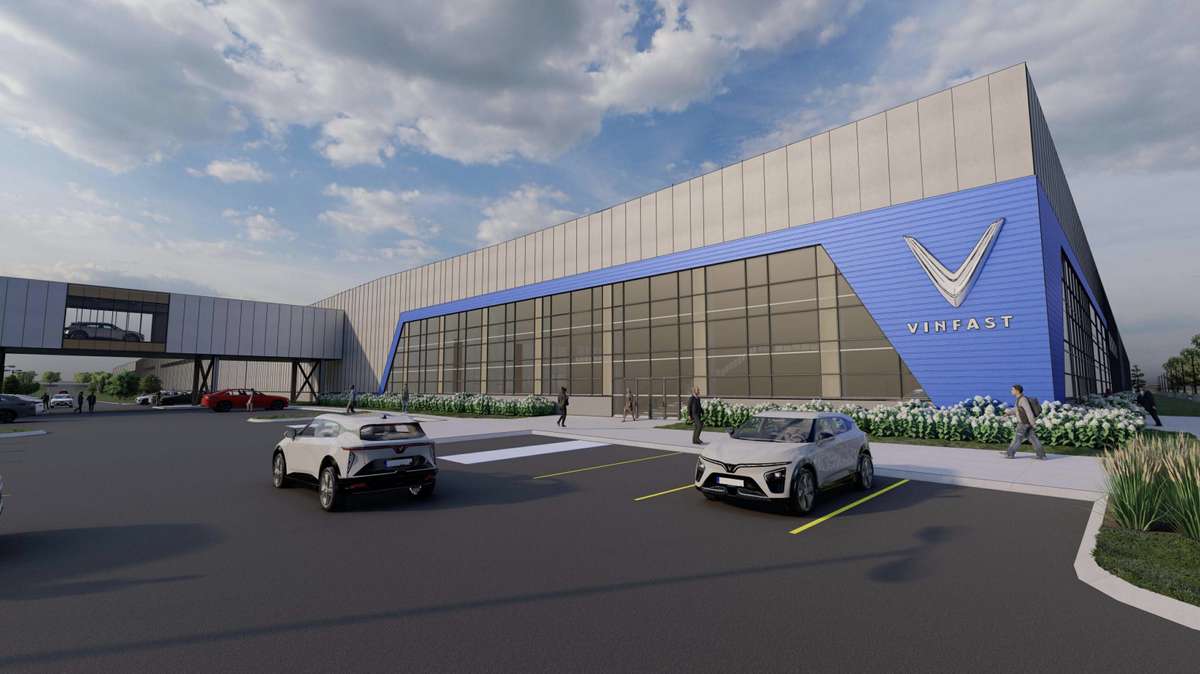
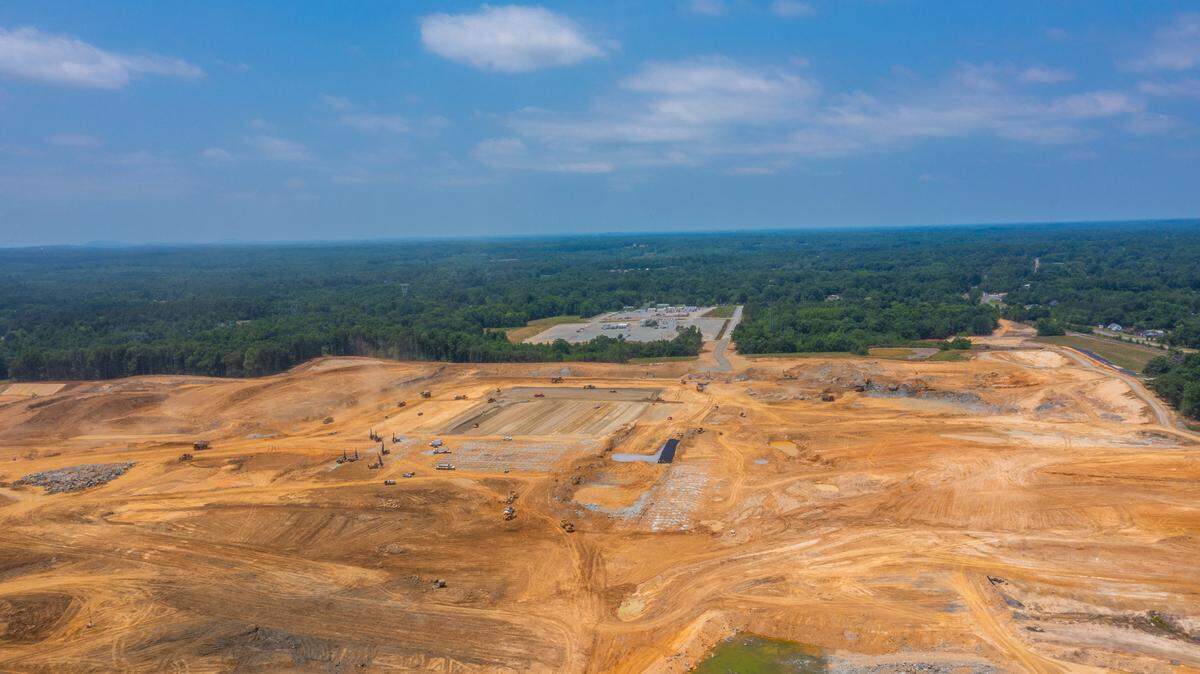
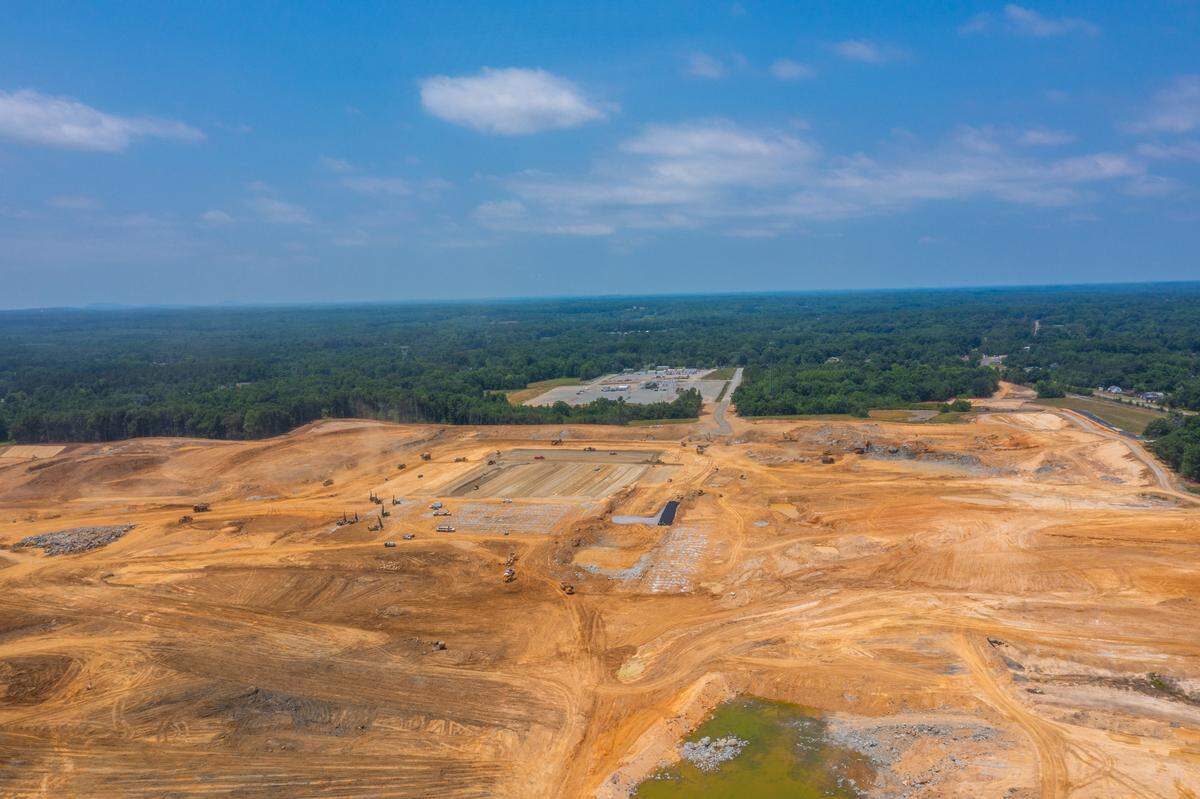
Vietnamese automaker VinFast announced in March 2022 that it would open an electric vehicle assembly plant in North Carolina. The battery manufacturing plant will be built in Chatham County and is expected to eventually create 7,500 jobs. It’s the largest economic development announcement in the state’s history. Here is coverage from The News & Observer about the plans.
Expand All
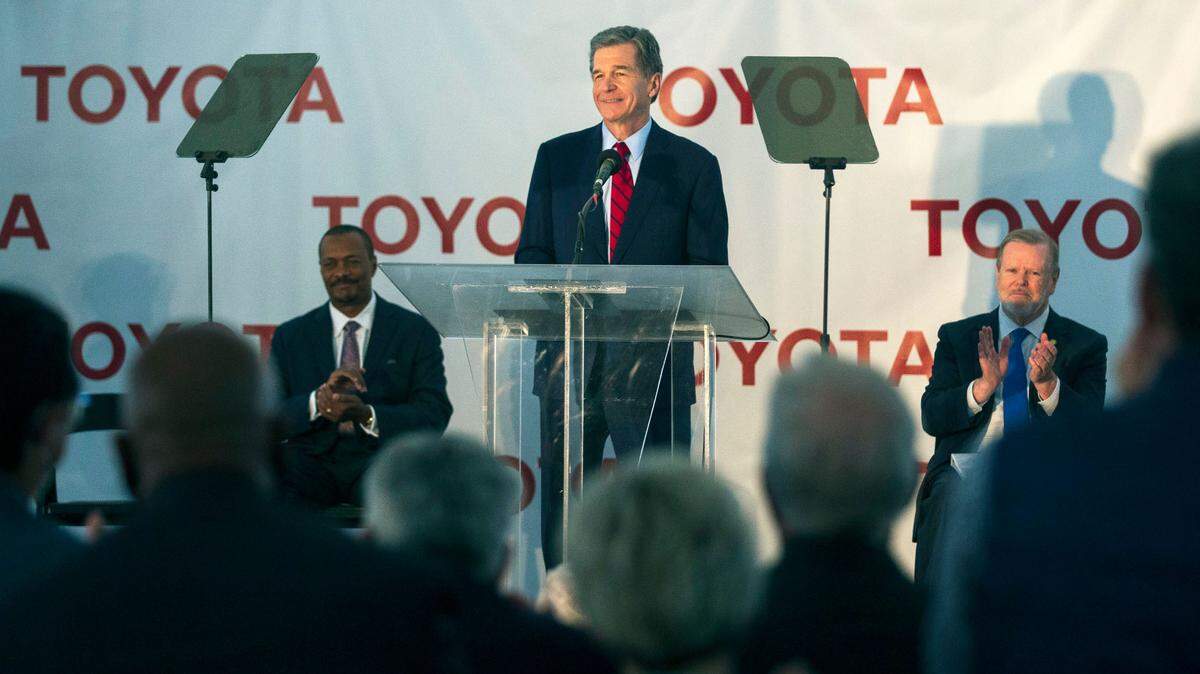
The news alerts tell one story. Apple to create 3,000 jobs in the Triangle. Toyota to invest almost $1.3 billion in the Piedmont. There’s also Vinfast, Boom Supersonic, Wolfspeed — the list of companies pledging new jobs and investments across North Carolina is ever expanding.
And working behind each of these major announcements, and dozens of smaller economic commitments, is the state’s main incentive engine: the job development investment grant, or JDIG.
JDIGs are the carrot the state dangles to entice new businesses to move to North Carolina and existing companies to expand here. The grants are largely realized through payroll tax rebates, allowing recipients to lower their tax bill so long as they meet annual hiring and investment targets mutually agreed upon with the state.
Yet historically, most companies never achieve their economic commitments.
Since the state began awarding JDIGs in 2003, 164 companies have exited their agreements early. This compares to 37 companies that have completed their agreements, according to the latest annual Economic Development Grant Report released Oct. 1 by the North Carolina Department of Commerce.
The report showed 183 agreements remain active, which means they could still meet their original goals, and that the average term for a grant is more than 10 years. Yet a look at the performance of JDIGs awarded more than a decade ago suggests many, if not most, of the active incentive agreements will also end early.
Between 2003 and 2015, in all but one year, the majority of JDIGs awarded eventually ended prematurely, a News & Observer analysis of state incentive performance data found. For example, 10 of the 11 companies that entered grant agreements in 2005 never reached their minimum job and investment promises. Of the 22 awardees in 2011, 16 left their agreements early, one completed, and five remain active.
Even in more recent years, a sizable portion of companies have departed their JDIG agreements — more than a third of JDIGs awarded by the state between 2016 and 2018 having already collapsed.
No harm, no foul?
That the rate of uncompleted incentive agreements is high is both expected and not cause for concern, argued Tony Copeland, who served as the state’s secretary of commerce from 2017 through early 2021.
“The basic JDIG (term) is 12 years,” he said. “12 years for a company in today’s world is an eternity.”
Copeland believes companies enter their agreements “in good faith” but that external factors may alter their plans. Business cycles fluctuate. Company leaders retire or die, and their successors want to take the company in other directions. Technological developments make some industries obsolete and others rise.
Even geopolitics have disrupted JDIGs. In 2017, Triangle Tyre received incentive packages worth more than $152 million in state and local grants to build a pair of tire plants for a combined $580 million in Edgecombe County. The project promised to create at least 800 jobs around the Eastern North Carolina city of Kingsboro.
But Triangle Tyre is owned by a Chinese company, and the subsequent trade war between China and the United States delayed the facilities’ construction. Earlier this year, the company announced it was abandoning the project.
Commerce Department data shows Triangle Tyre received no public funding from its agreement with the state, making it one of 68 companies to have their JDIGs terminated with no funds disbursed.
“The State of North Carolina is held harmless by this,” Copeland said. “You don’t get the money until the jobs are created.”
Copeland was speaking specifically about state incentives, but most economic projects also involve local incentives. In the past decade, some JDIG recipients have still received county or city benefits despite not creating new jobs.
For example, in 2014, the manufacturer Patheon was awarded a JDIG to expand in Pitt County with a promise to create at least 439 new jobs. The grant was terminated with the state paying out no money, yet public data shows the project received $2 million in tax grants from local sources. The records do not show any jobs being created from this project.
The decision makers
Deciding which businesses gets state incentives is left to the North Carolina Economic Investment Committee (EIC), a five-member body within the Department of Commerce.
State statute spells out who sits on the committee: the secretary of commerce, the secretary of revenue, the director of the office of state budget and management, one member recommended by the speaker of the house and a fifth member recommended by the president pro tempore of the State Senate. To guide their choices, EIC members rely on a cost-benefit model first developed in 2002 by Michael Walden, an economist at North Carolina State University.
Some find it peculiar that a single, relatively small body like the EIC is tasked with awarding billions in state incentives.
“I do think in a way that it is extraordinary that this group of folks has the ability to spend public money despite not being elected in and of themselves,” said John Quinterno, a visiting professor at the Duke University Sanford School of Public Policy.
Quinterno also questioned whether incentives achieve their ultimate goal: to convince companies to pick North Carolina over other states. Under North Carolina law, state tax incentives can only go to businesses that are considering at least one other state for their projects.
But would companies come to the Tar Heel State absent the lucrative tax breaks? It’s hard to prove so, but Quinterno says it’s an important question as the amounts of money in state and local incentive packages continue to “get bigger and bigger and bigger.”
“We keep turbo-charging,” he said. “I think a lot of firms are getting more and more sophisticated over the years on how to take advantage of playing states off each other.”
A more forceful incentive
But the state says its incentive programs are working as designed, even when companies don’t finish their agreements.
Over the last two decades, 85 companies have gotten some tax relief for creating or retaining jobs before their JDIG agreements fell apart. Such partial awards still benefit local communities, said David Rhoades, spokesperson for the Department of Commerce.
Rhoades noted in an email that when a company leaves its agreement, “the state no longer pays the amount initially announced on those grants.”
For example, in 2015, the Cary-based software company DB Global Technology was awarded a $4.5 million grant, which included roughly $3.4 million in potential tax breaks. DB Global announced it would bring 225 new jobs to Wake County while retaining 750 existing positions and investing $8.1 million in its local facilities. But after DB Global made layoffs in 2020, the state terminated its incentives.
DB Global ended up creating no new jobs but did retain 725 existing positions while investing a reported $8.4 million in its local facilities. For this, the state disbursed $141,750 in JDIG funds. State data also shows local governments also spent an additional $1.5 million on the project.
While many state leaders praise JDIGs for only distributing money after jobs materialize, the state has had occasion to “claw back” portions of its public funding. Since 2003, North Carolina demanded the return of more than $4 million, with Rhoades explaining these repayments typically become necessary if a business “completely discontinued operations at the particular project site.”
In recent years, the state has approached its incentive process more aggressively.
The number of JDIGs approved has risen— from six in 2003 to 32 last year — and to lure bigger companies with bigger economic goals like Apple, Toyota and VinFast, North Carolina has extended the length of select JDIGs to allow companies longer periods to enjoy tax breaks.
Rhoades said these unique grants “have enabled the state to remain competitive for projects involving extraordinary levels of job creation and investment.”
This includes Apple’s 3,000 new jobs, Vinfast’s 7,500 new jobs, and Toyota’s $1.3 billion investment.
But those are just headlines. What will actually happen may differ.
This story was produced with financial support from a coalition of partners led by Innovate Raleigh as part of an independent journalism fellowship program. The N&O maintains full editorial control of the work.
This story was originally published October 12, 2022 at 1:51 PM.