VinFast to ‘move forward’ with Chatham County project as automaker clears permit hurdle
READ MORE
VinFast in NC
Vietnamese automaker VinFast announced in March 2022 that it would open an electric vehicle assembly plant in North Carolina. The battery manufacturing plant will be built in Chatham County and is expected to eventually create 7,500 jobs. It’s the largest economic development announcement in the state’s history. Here is coverage from The News & Observer about the plans.
Expand All
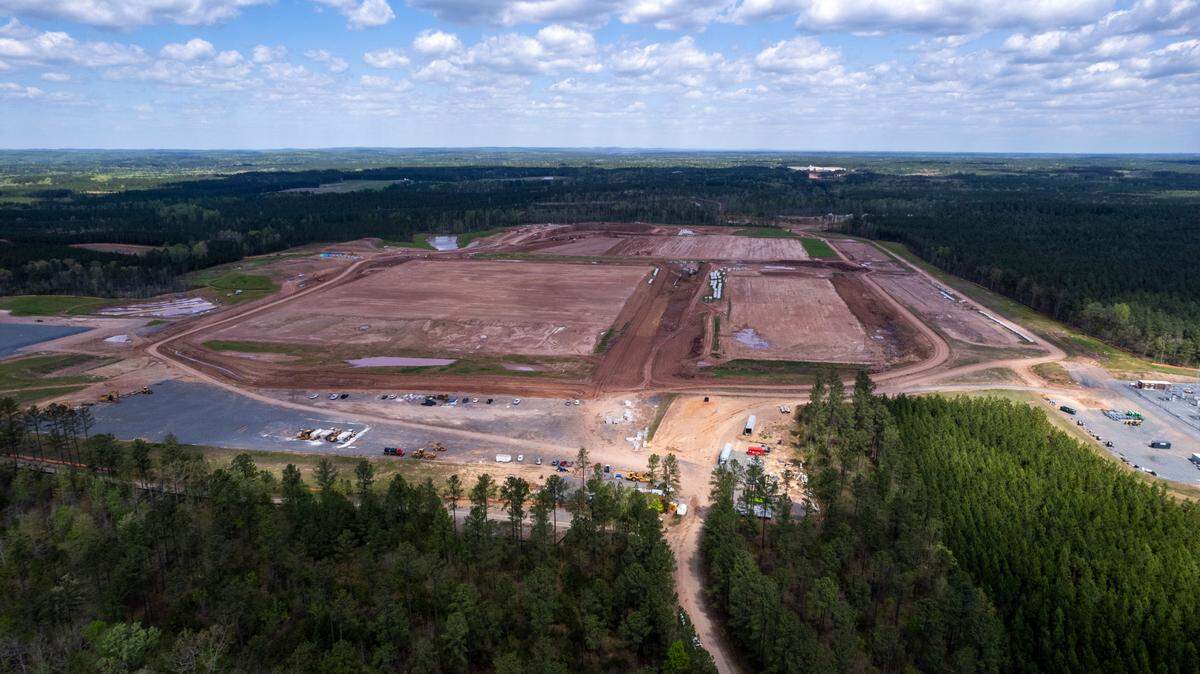
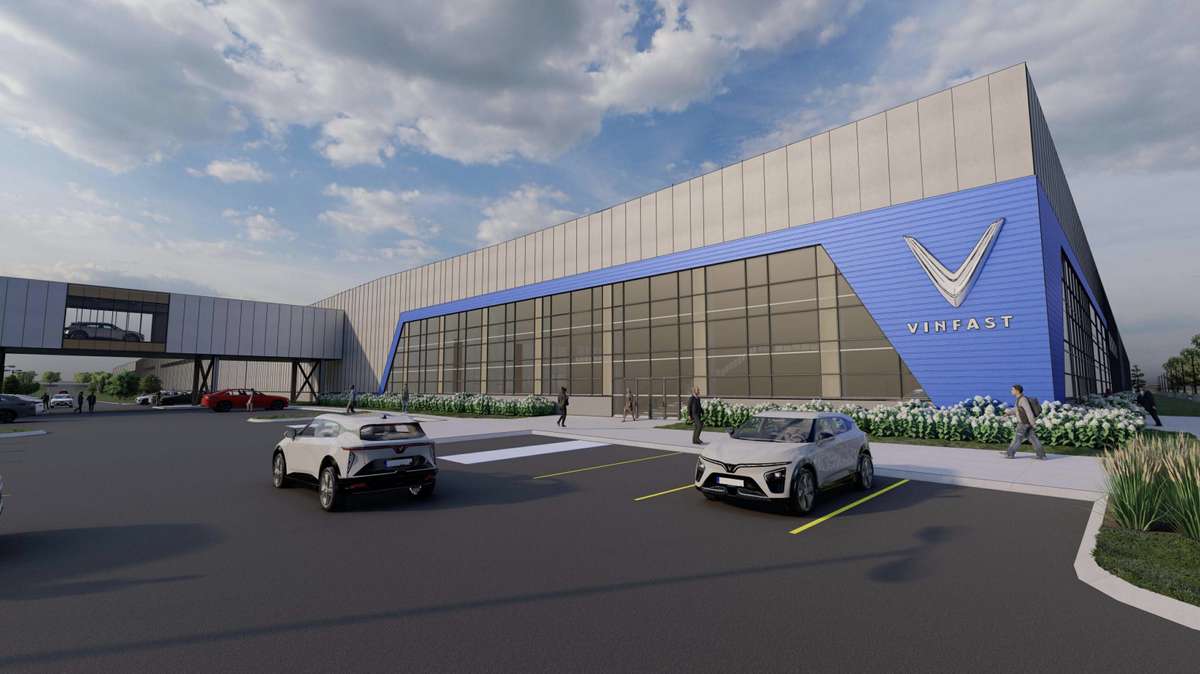
After receiving a key permit last week, the electric car startup VinFast says it can “move forward” with initial construction of its $4 billion assembly plant in Chatham County.
On Feb. 9, the North Carolina Department of Environmental Quality issued the company an air quality permit, which paves the way for the company to begin building its planned facility about 30 miles southwest of Raleigh near the town of Moncure. VinFast still awaits a permit from the U.S. Army Corps of Engineers designed to minimize damage to water quality and wetlands, but company officials say it won’t hold them up.
“VinFast can now move forward with the Phase 1 construction plan which was designed to specifically avoid any impact to wetlands,” said Nguyen Thi Van Anh, CEO of VinFast North America, in a statement to The News & Observer.
Nguyen did not share when the first shovel will be put in the ground, saying “we are preparing for subcontractors bidding and will start construction soon. Further details will be shared shortly.”
Formed in 2017, the Vietnam-based VinFast is making a major push into foreign auto markets. Last March, the company selected Chatham County as the site of its first manufacturing plant in North America and said it hoped to begin producing electric vehicles there by the end of 2024.
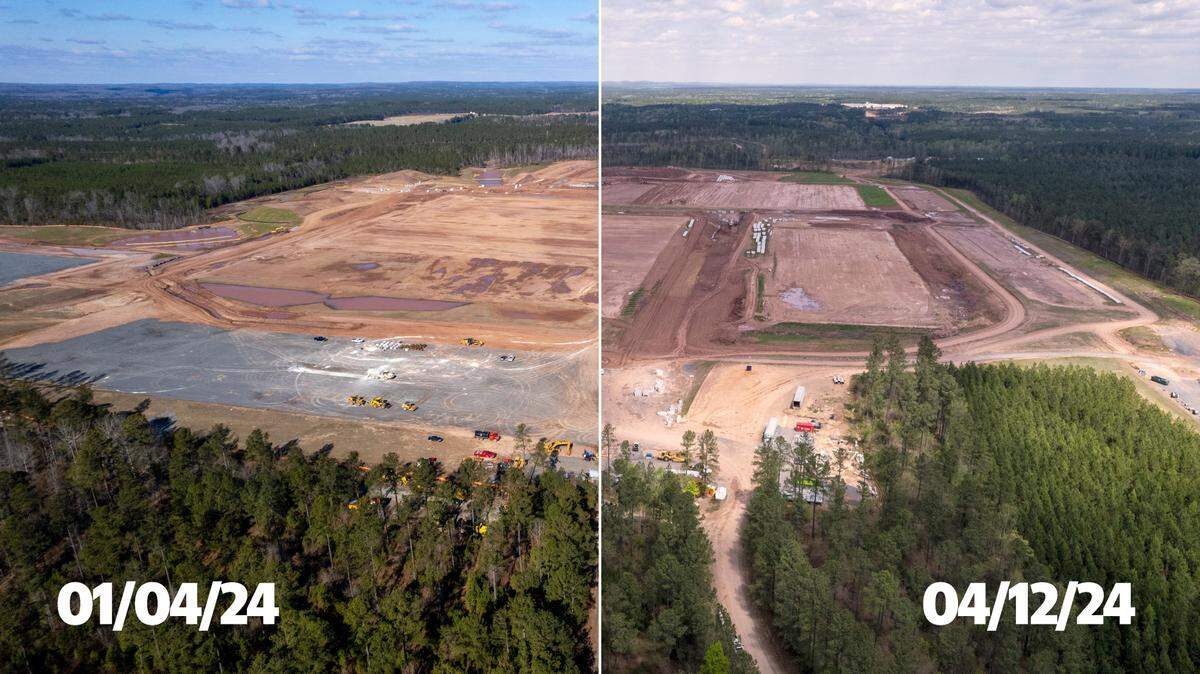
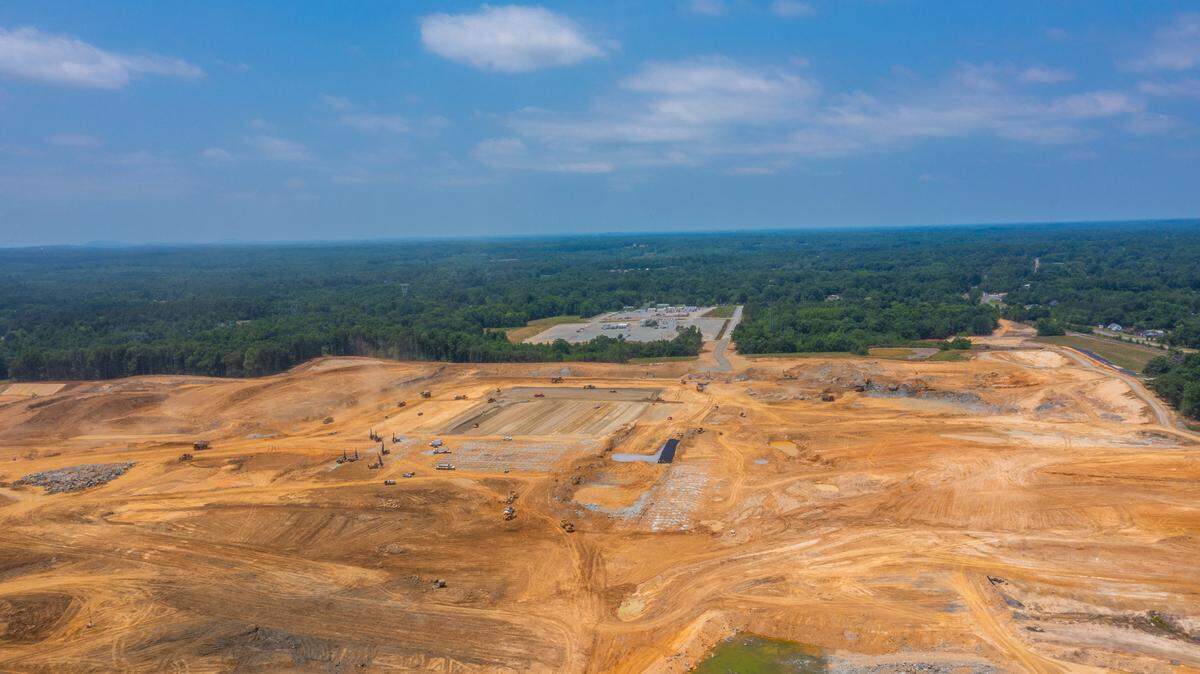
Nearly a year since the project was announced, the site remains undeveloped.
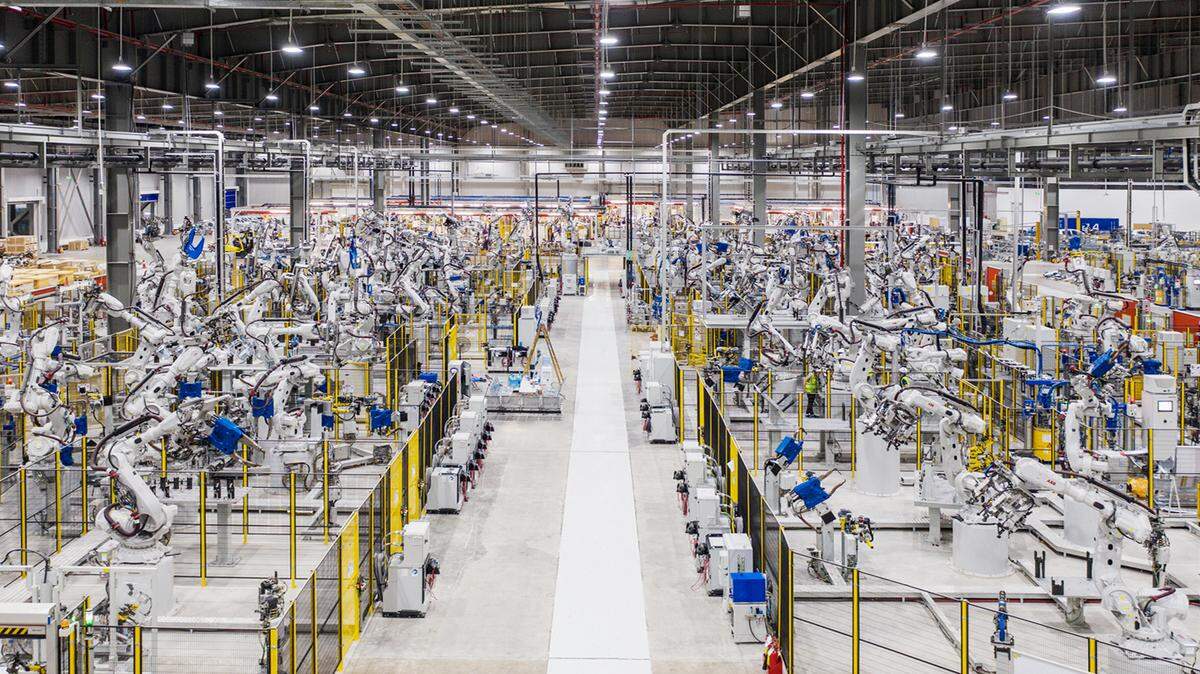
Phase 1 of VinFast’s Chatham project includes investing $2 billion in a factory capable of producing 150,000 vehicles a year. The company’s second phase will focus on battery production.
VinFast officials did not share when site construction will begin. On Monday, Nguyen reiterated her company’s intention to start producing cars in Chatham County by the middle of next year. By 2028, VinFast aims to employ 7,500 people in the county.
Chatham County and the state offered the company $1.25 billion in tax and other incentives to locate here, including about $250 million for road and rail improvements in and around the site.
Work on new roads and highway interchanges still to come
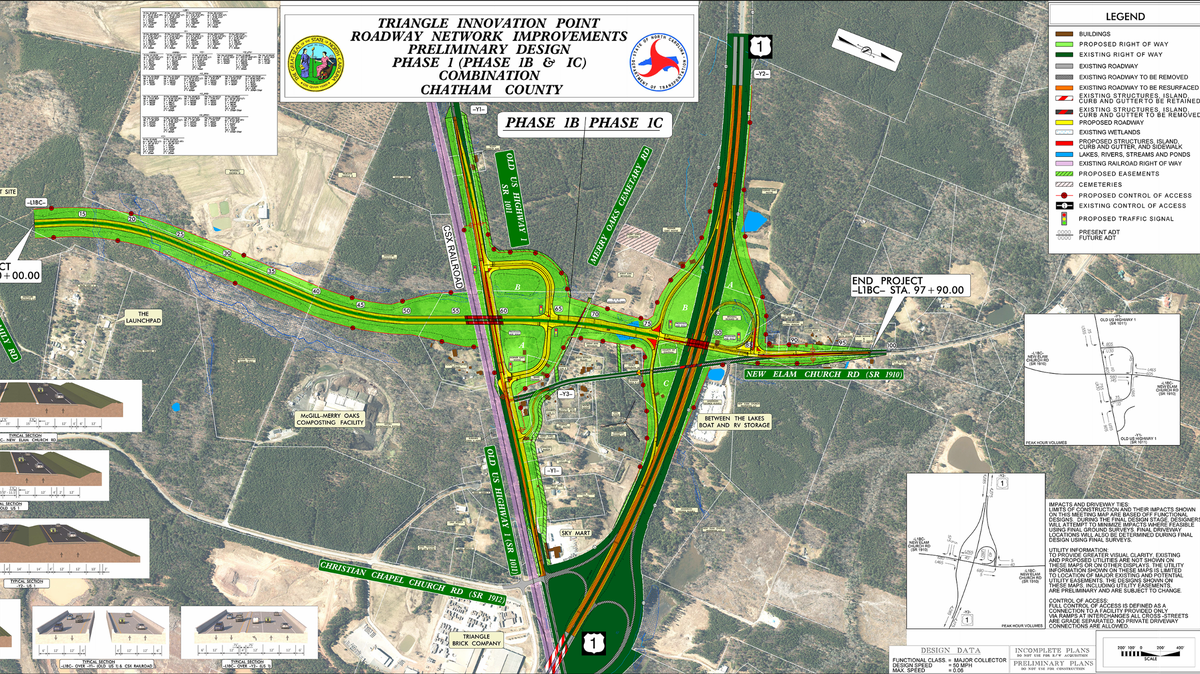
The N.C. Department of Transportation plans new access roads and two new interchanges off U.S. 1 to ease the flow of workers and supplies to the plant. NCDOT is awaiting environmental permits from the state and the Army Corps of Engineers before it begins acquiring land it needs for the first interchange, at New Elam Church Road, which would replace existing Exit 84 at old U.S. 1.
NCDOT hopes to begin construction on the interchange by the end of the summer, said spokesman Jamie Kritzer.
Under the aid package approved by state legislators, NCDOT will start working on the second interchange once VinFast has hired 3,875 workers at the plant. It would entail a new interchange at Exit 81 and the overhaul and extension of Pea Ridge Road to the VinFast site.
Last week’s permit was the third NCDEQ has issued for the site. In June, the state gave VinFast a certificate of coverage for 205 acres of land disturbance under an erosion and sediment control plan, an area that NCDEQ increased to 230 acres last month. The department also issued the company a stormwater construction permit in July.
Having secured these permits from NCDEQ, VinFast must receive additional permits from local agencies before it can make its Moncure site operational. According to Nguyen, these permits include foundations building as well as storm water and sewer.
This story was produced with financial support from a coalition of partners led by Innovate Raleigh as part of an independent journalism fellowship program. The N&O maintains full editorial control of the work.
This story was originally published February 16, 2023 at 8:30 AM.