Part 1: Inside Epic Games’ Cary HQ, a small team of developers and artists fought to save Fortnite — again and again
It started with a sketch book
Gears of War is visceral. Humanity hangs by a thread as metal-clad protagonists blast their way through a dark, smoldering planet in this hit video game series. “Very gritty and very sort of dude-bro, blood, gore, guns, that kind of thing,” said Matt Tonks, a former developer on the franchise.
Released in 2006, the original Gears of War sold more than 3 million copies within its first three months and racked up Game of the Year honors. Its 2008 sequel sold even better. By the time Gears of War 3 shipped in 2011, the franchise had come to define the company behind it.
In the early 2010s, Cary, North Carolina’s Epic Games was best known for two things: a popular 3D creation platform called Unreal Engine, and Gears. But after a decade developing the latter, many Epic employees were ready for something, anything new. Some executives were, too.
Creating a successful game was getting costlier as advanced graphics technology meant players expected big-budget releases to feature better (and thus more expensive) visuals. While Gears 3 topped its predecessors in sales, Epic’s margins on the series were shrinking.
The studio sought a new intellectual property, or more than one. Enter one of the most consequential game jams ever.
In his 2022 book “Control Freak,” former Epic executive Cliff Bleszinski compares a “game jam” to “a drum circle for development.” Ideas are voiced, workshopped and, if inspiration strikes, further explored. As with improv, most concepts are fleeting.
“We offered anyone in the company the chance to pitch their game idea, and then if they could get at least five people to join their team, they got a week or so to work on it,” said Mike Capps, then the president of Epic.
A few months before the company’s game jam in the summer of 2011, a Gears designer named Lee Perry had begun to outline a game he code-named Fortress. In Perry’s vision, players would gather materials and construct forts during the day, then fend off zombie hordes at night. His concept linked to the zeitgeist; brain-eaters were trendy a year after “The Walking Dead” premiered, and one of the most popular video games at the time, Minecraft, centered on players building out their own universes.
While other Epic developers focused on shipping Gears 3, Perry recruited a team to flesh out Fortress.
“He approached me with a sketchbook about how the building system would work,” Tonks said.
“There were around 10 of us,” artist Aaron Smith said. “We (initially) had the game really gritty and dark, and I can’t remember who it was, but someone said, ‘Hey, why don’t we do something different that stands out a bit?’ So someone suggested us doing a more cartoon-looking game.”

A pivot from realism had technical advantages, too; in the gameplay Perry desired, characters could quickly destroy and erect walls. Such processes were best portrayed stylized.
Fortress would remain post-apocalyptic, set in an abandoned suburban landscape, but dark was replaced with bright, earnest and grim swapped for silly and irreverent. Night-time skies suddenly had rolling purple clouds. Artist Mikey Spano added a fictional fast-food chain called Durr Burger. Its mascot, a googly-eyed burger with its tongue sticking out, was included solely for aesthetics.
“Some of the influences were ‘80s and ‘90s movies like ‘The Toxic Avenger’ and fun, campy movies,” Spano said.
“Every time we would show any of (Fortress) to anybody, they were more excited by the sillier things than anything that was more constrained,” Smith said.
Fortress was one of three ideas Mike Capps green-lighted from the game jam to advance into production. Now a solidified project, it needed a more permanent name. During a team brainstorming session, Spano suggested they echo the title structure of Minecraft and call it Fortnight.
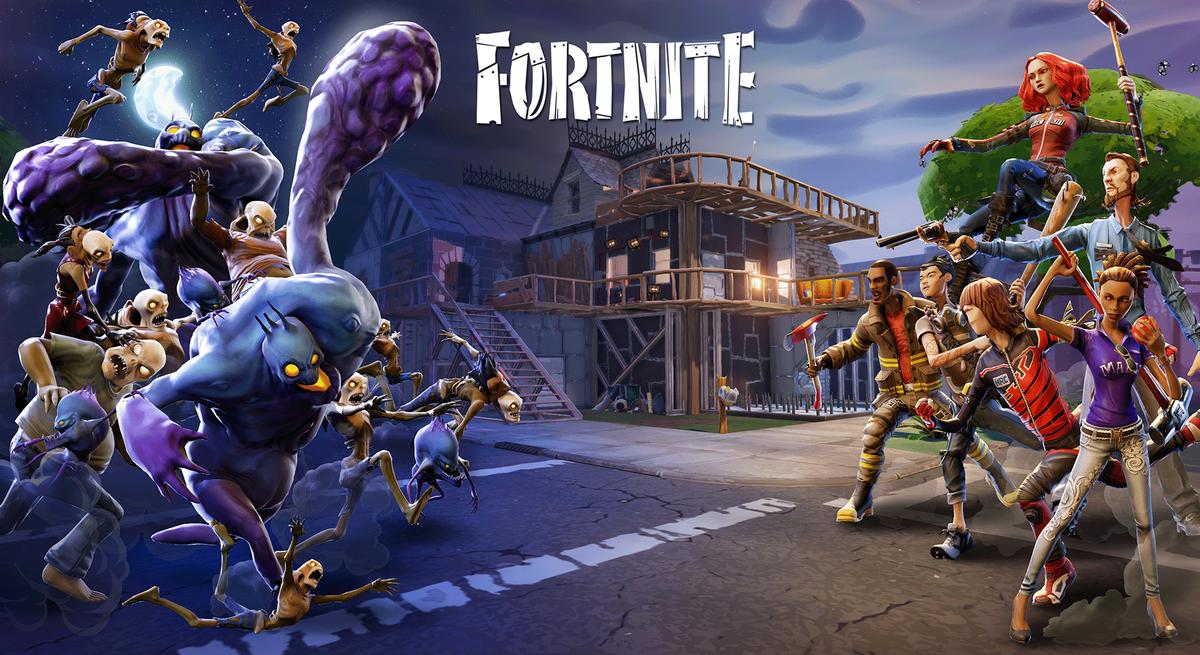
Memories differ on how the title morphed into “Fortnite.” Spano credits Tanya Watson, then an Epic executive producer, with recommending the altered spelling because it would help players search for the game online. But both Capps and Bleszinski remember the final spelling was settled on for legal reasons — “Fortnight” was a real word the company could not easily trademark.
With its final name set, production gained momentum. Perry’s original group doubled in size. “We slowly recruited more and more people because people were resonating with the idea,” Tonks said.
“I was previously working on the Gears games but wanted to try something new,” said senior character artist Chris Wells, who joined Fortnite development in 2012. “It was cool because it was tongue in cheek, didn’t take itself seriously.”
“I think early on, we were sort of ignored,” Smith said. “We’re all in one room, and because we were ignored, it freed us up to develop the game. It was super fun to work on. ‘Hey, I got this idea. I think we can probably get it in (the game) in the next couple of hours for playtests.’ So super-fast iteration.”
Fortnite’s first fight
Not everyone supported the concept. Rod Fergusson, then Epic’s head of production, was perhaps the project’s most high-profile opponent. Fortnite represented a departure from Gears, long a money-maker at Epic, and more resources for the cartoon zombie game meant fewer for the next Gears sequel.
In the early 2010s, Epic Games was a major studio in reputation but lacked the size of developers like Activision Blizzard and Electronic Arts. Tim Sweeney had started the company from the basement of his parents’ house in Potomac, Maryland, at age 20, initially calling it Potomac Computer Systems, then Epic MegaGames, before settling on Epic Games. He relocated Epic to the North Carolina Triangle in late 1998, drawn to the area not by its rich video game roots (it had practically none) but by Greater Raleigh’s weather, convenient airport and housing prices.
“Coming to North Carolina, for me, was a tough sell,” said Nick Cooper, who joined Epic in 2008 as a programmer. “I was in California at the time. And what was nice there is, this industry is incredibly unstable, so the idea of, ‘Oh if things go bad at this studio, there’s plenty of other developers within a commute I could potentially work for and not have to pack up and move somewhere else.’ Whereas in North Carolina, there wasn’t a whole lot. You’re making a gamble to come to Epic that Epic’s going to work out because otherwise you’re probably moving again.”
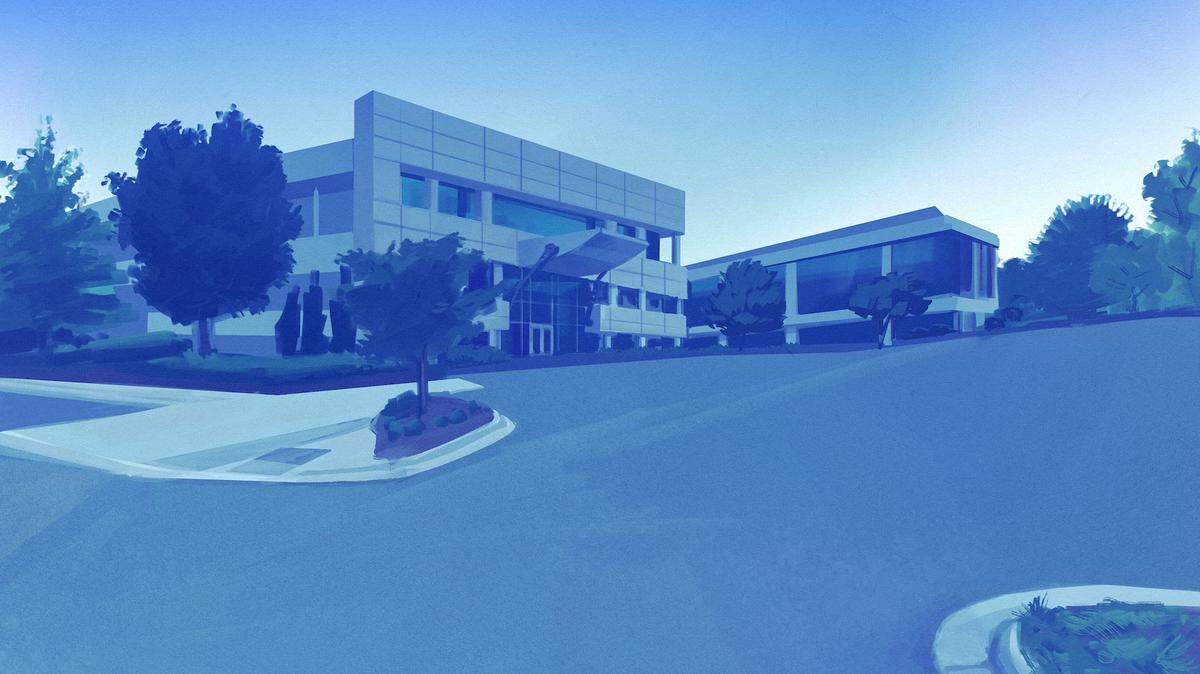
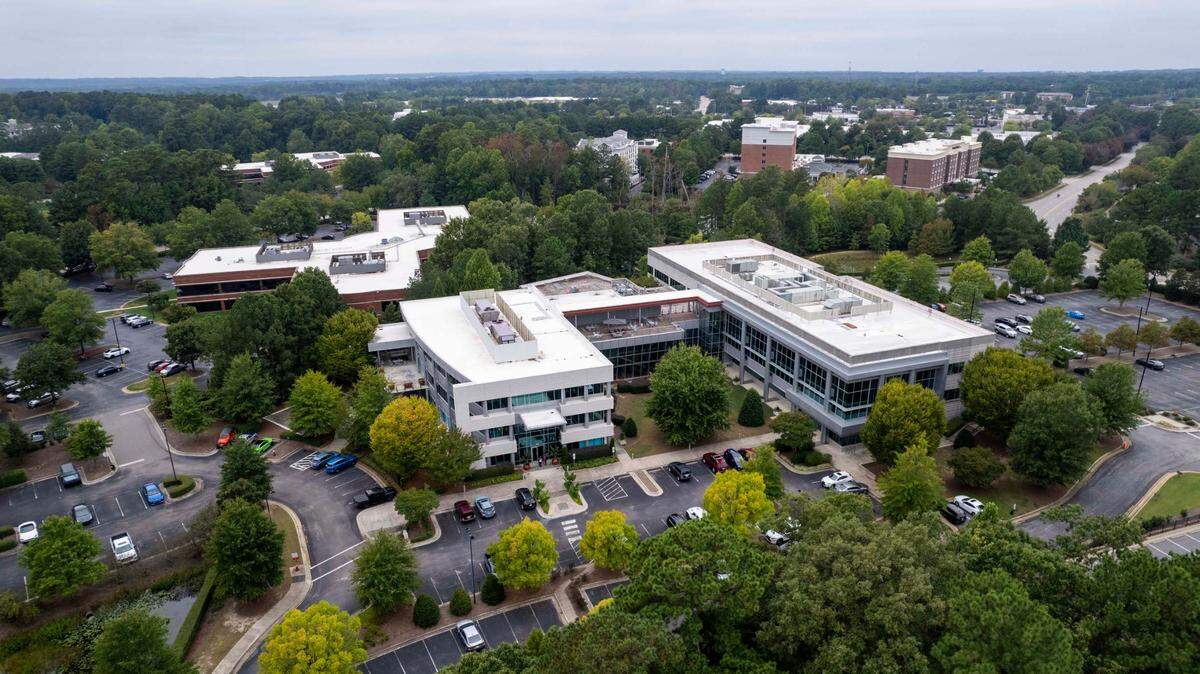
In 2011, around 140 Epic employees were based at the company’s Cary headquarters. A slide ran between floors and gaming consoles were never far away. “It was very much a playful, welcoming attitude, and we had a good time,” Tonks said.
The studio, however, was small, and the question of how many game developers, if any, should be committed to Fortnite divided leadership.
“There were a couple of meetings where they brought us into the meeting room and basically told us, ‘OK, we’re done working on (Fortnite). We’re going to go off and work on Gears of War 4,’” Tonks said. “And the peasants sort of revolted. We were all like, ‘No, we’re going to keep working on this, man. This is where it’s at. We need to keep doing this.’”
The split played out between two executives. On one side, Fergusson wanted to nix the emerging project and stick to Gears, which he had produced.
“I was in the room when he tried to cancel (Fortnite),” Bleszinski said. “And he said, ‘This could be big. This could actually be too big.’”
“They had an idea of what they wanted the company to be making and this wasn’t it,” Tonks said. “The feeling always was that they’re just going to pull the rug out at any time. So we were working 16-hour days and weekends, as fast as we possibly could to try and get as much in the game — to make it as cool as possible so that they didn’t cancel it on us.”
In a 2019 interview with the video game magazine Game Informer, Fergusson acknowledged he would have canceled Fortnite had he stayed at Epic beyond 2012. But “I’m super happy for their success,” he said.
If Fergusson was the top Fortnite detractor, the game’s most powerful advocate was Mark Rein, Epic’s vice president who alongside Sweeney is considered a company cofounder.
“Mark was really into the concept and thought it was going to be a huge success,” Spano said.
“So long as (Rein) was in the office, Fortnite was protected,” Smith said. “But I do recall, he had left for about a month to travel to do some sales work, and it was during that period that the contingent that was not happy with Fortnite’s existence pushed to have it canned and have everyone involved on it moved to Gears of War.”
“Mark came back to our offices looking for updates on Fortnite and we told him that we had been canceled,” Smith continued. “He was very perplexed by this and then someone explained it to him. He just stormed off down the hall to go find whomever and then a few hours later he comes back and says, ‘No, Fortnite’s back on.’”
On Dec. 11, 2011, Epic Games introduced Fortnite to the world at the 2011 Spike Video Game Awards in Las Vegas. Bleszinski did the honors, airing a 60-second trailer featuring animated characters salvaging supplies ahead of a long, monster-filled night.
Not easy looking back
It would be six more years before Fortnite became a cultural sensation. Before then, the game moved through multiple phases, sidestepping further cancellation efforts and ultimately making a fateful adjustment to its gameplay that turned a fine product into a phenomenon.
Yet many on the original team who knew Fortnite back when it was Fortress weren’t around for this journey.
With the game’s survival still uncertain in early 2012, Lee Perry and several of the game jam members itched for a new challenge. That February, he, Matt Tonks and Aaron Smith exited Epic with three other coworkers to start their own indie studio called BitMonster.
In many ways, the Fortnite they created is far from the one that eventually went blockbuster. But essential elements endured. The name. The cartoony, family-friendly aesthetic, and that every wall can be knocked down and rebuilt.
“To some extent, it stings because we sort of sacrificed our political capital as the original group to get them to not cancel it,” Tonks said. “And then, of course, we left the company before we realized the fruits of any of those labors.”
After Fortnite took off, Spano struggled to think about the game without feeling anxiety.
“I tried to avoid looking at it, because it was just such a stressful thing for me at the time,” he said. “Feeling like I kind of missed out on something.”
But in the late 2010s, Fortnite was inescapable. His family and friends brought it up. Media covered the game daily. It took time, Spano says, but today he has a better relationship with the game he shaped.
To be fair, few foresaw what Fortnite would eventually become. And that wasn’t only true back in 2011 or 2012. Just weeks before its eventual release in 2017, serious doubts swirled.
Next: Epic races against a rival to turn Fortnite into the world’s biggest game.
This story was originally published October 16, 2024 at 5:00 AM.