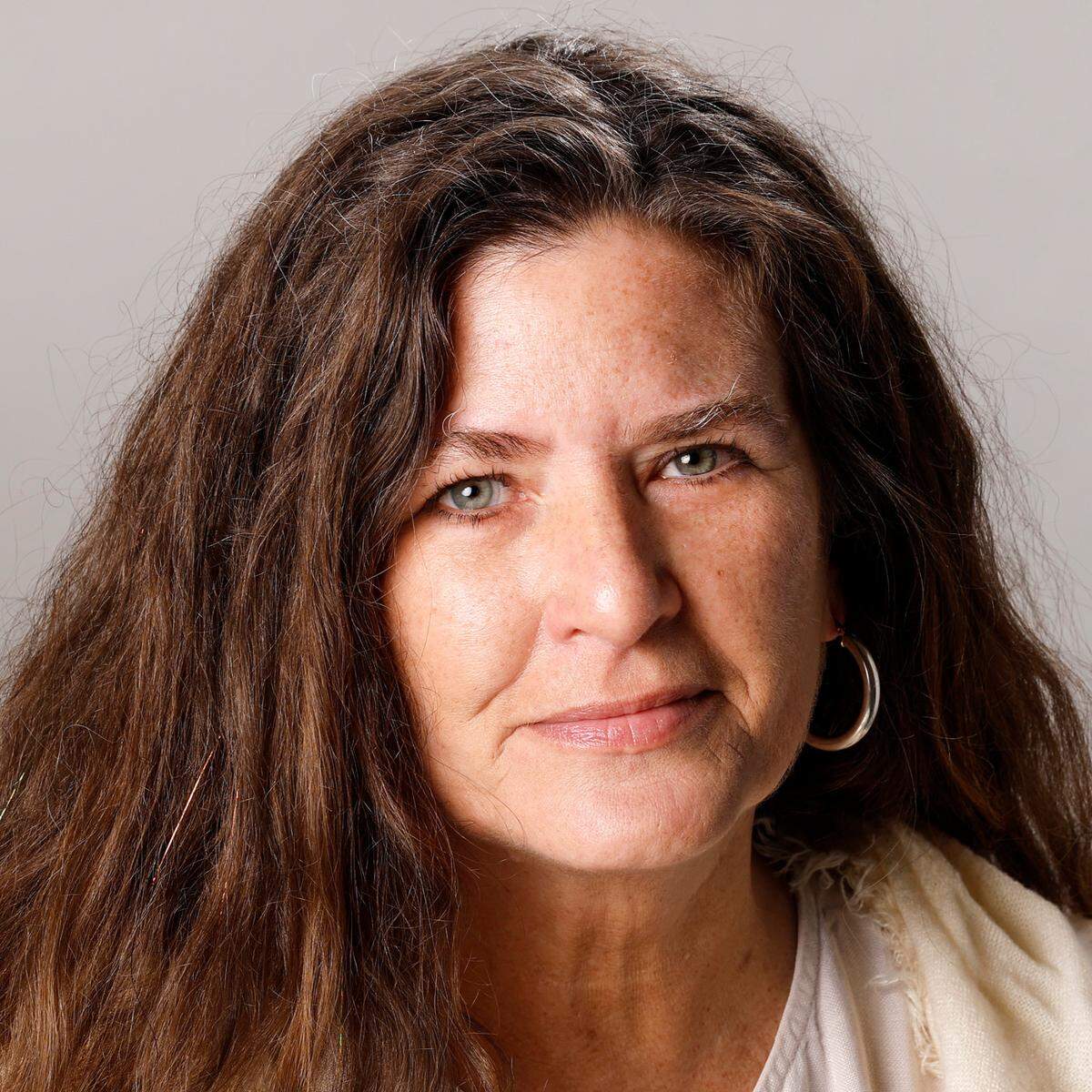
She works to make sure that Oberlin Village and its Raleigh legacy are never forgotten
READ MORE
The News & Observer Tar Heel of the Month
The News & Observer’s Tar Heel of the Month honors residents who have made significant contributions to the Triangle, North Carolina and beyond. At the end of the year, a Tar Heel of the Year is named. Do you want to nominate someone? Email metroeds@newsobserver.com.
Expand All
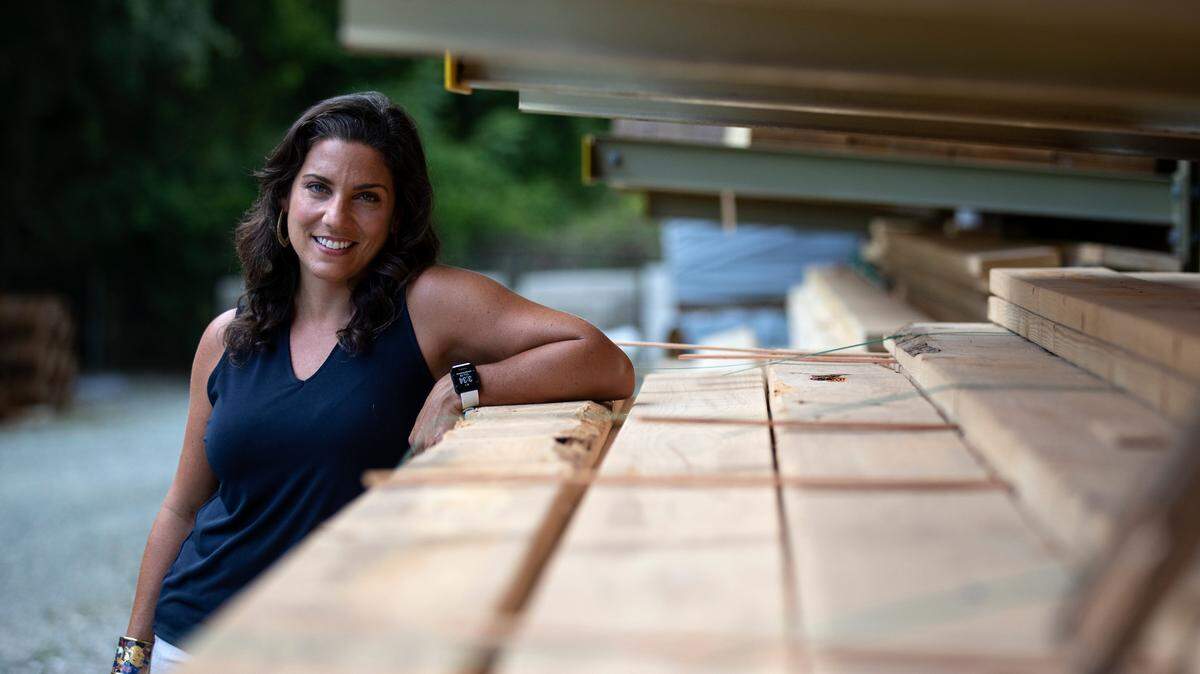
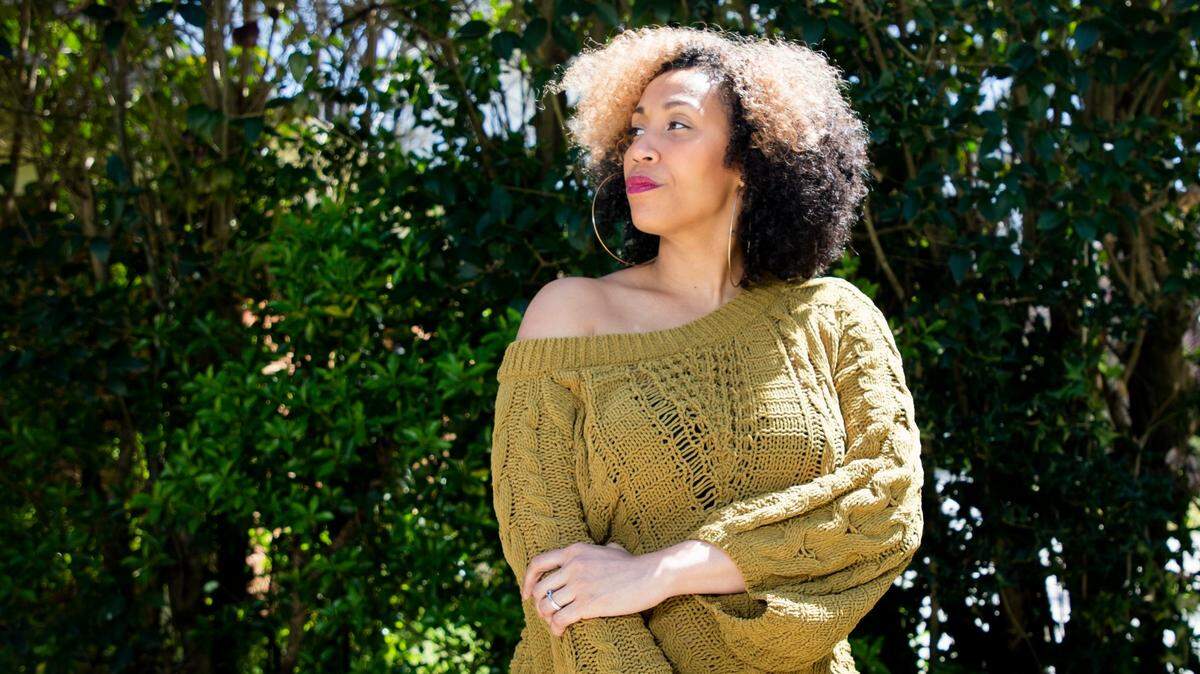
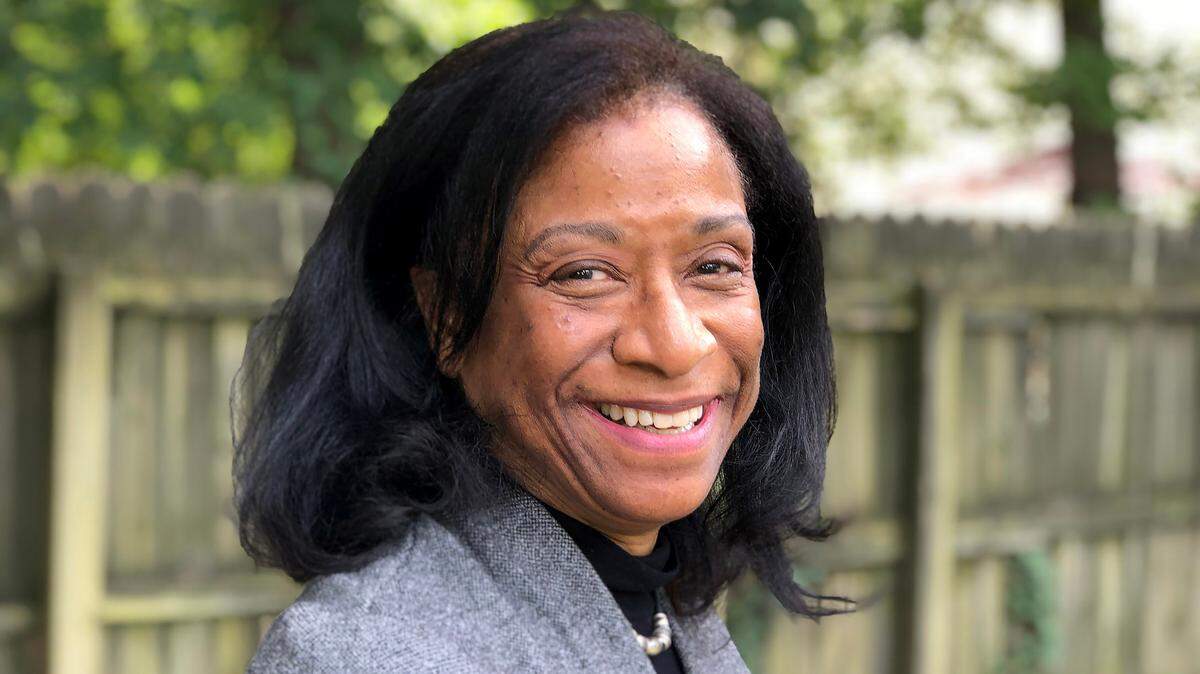
Sabrina Goode wants students at Oberlin Magnet Middle School to know that the name gracing their newly re-christened building is not a reference to its street address on Oberlin Road.
It’s an acknowledgment of the contributions of a historic neighborhood a mile away that gave birth to generations of Black educators, doctors, lawyers, tradespeople and other professionals starting immediately after Emancipation.
“Their contributions literally helped build Raleigh,” Goode said.
Those early settlers of Oberlin Village had reasons to be bitter: their treatment as slaves, many of them in the service of the Cameron and Mordecai families, and the fact that they had to pay nearly nine times the late 1800s rate of acreage to buy land for their freedmen’s village.
But instead of lashing out, they built up.
They built five churches. They built shops and stores. They built a public school and an orphanage.
“Oberlin Village wasn’t a neighborhood,” Goode said. “It was a community, a family, where people looked after one another.”
Goode’s great-great-grandfather was one of the first settlers in the village, and her parents grew up there. She remembers visiting her grandparents’ houses as a child. She knew, she says, that if she left one grandmother’s home and misbehaved on the way to the other’s house, reports of her mischief would arrive there before she did.
In its heyday, Oberlin Village had 150 modest homes just on the outskirts of Raleigh in a 12-block area that ran from Hillsborough Street to the other side of what is now Wade Avenue. Starting in 1949, with the construction of Cameron Village Shopping Center, construction and urban renewal altered or erased much of the original character of Oberlin Village.
Owners and renters of infilled houses and apartments often have no idea of the connection the area has to the early life of Raleigh’s African American community.
Goode, an interior designer by trade, has worked for years to get the word out.
She is The News & Observer’s Tar Heel of the Month for September. The Tar Heel of the Month honors people who have made significant contributions to North Carolina and the region.
A longtime advocate of Oberlin
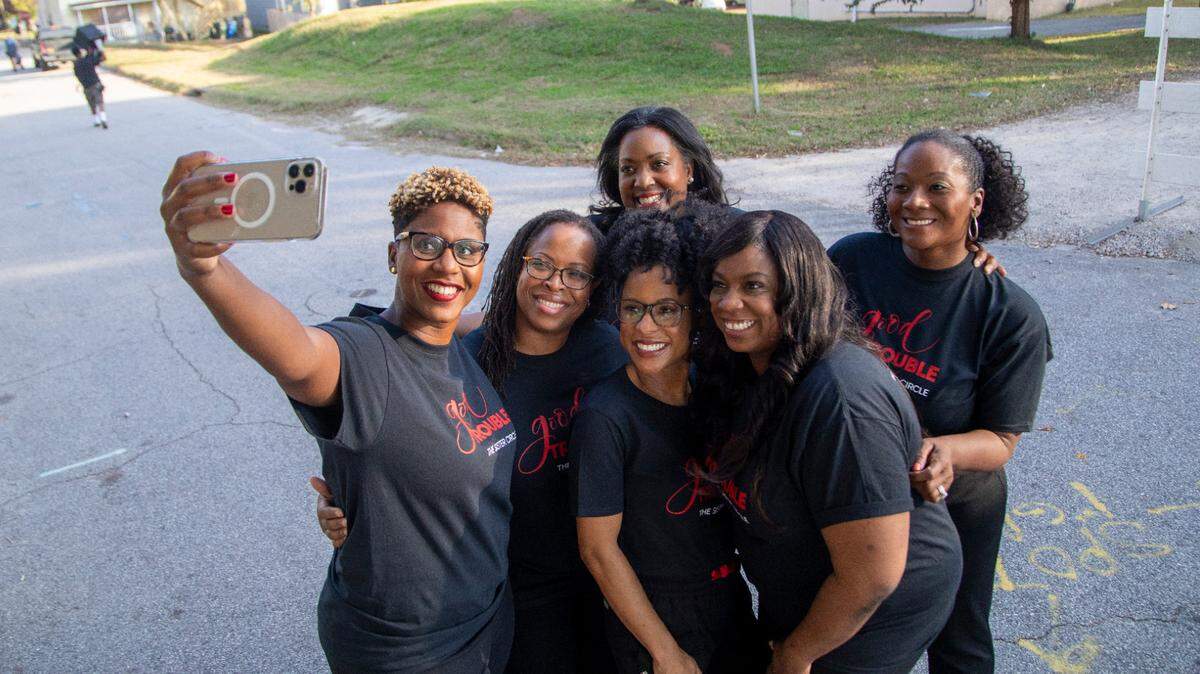
Goode, a founding member of The Friends of Oberlin Village, began by helping organize cleanup days in Oberlin Cemetery, the final resting place of about 600 former slaves and their descendants starting in 1873.
The cemetery, a hidden and once-forgotten, thorn-infested nearly 3-acre plot now accessible only from behind a business on Oberlin Road, has become the subject of study of university students and historians. The community itself was the subject of a public-TV documentary called “Oberlin: A Village Rooted in Freedom.”
More recently, Goode has been frustrated by developers who have bought land squarely inside the original boundaries of Oberlin Village and market it as part of Cameron Village.
On the website for 904 Oberlin, potential buyers of townhomes starting at nearly $1 million each are invited to “Experience a new level of sophistication and elegance ... where luxury meets location. Here, residents enjoy an intimate community setting nestled in the heart of Cameron Village …” the promo promises.
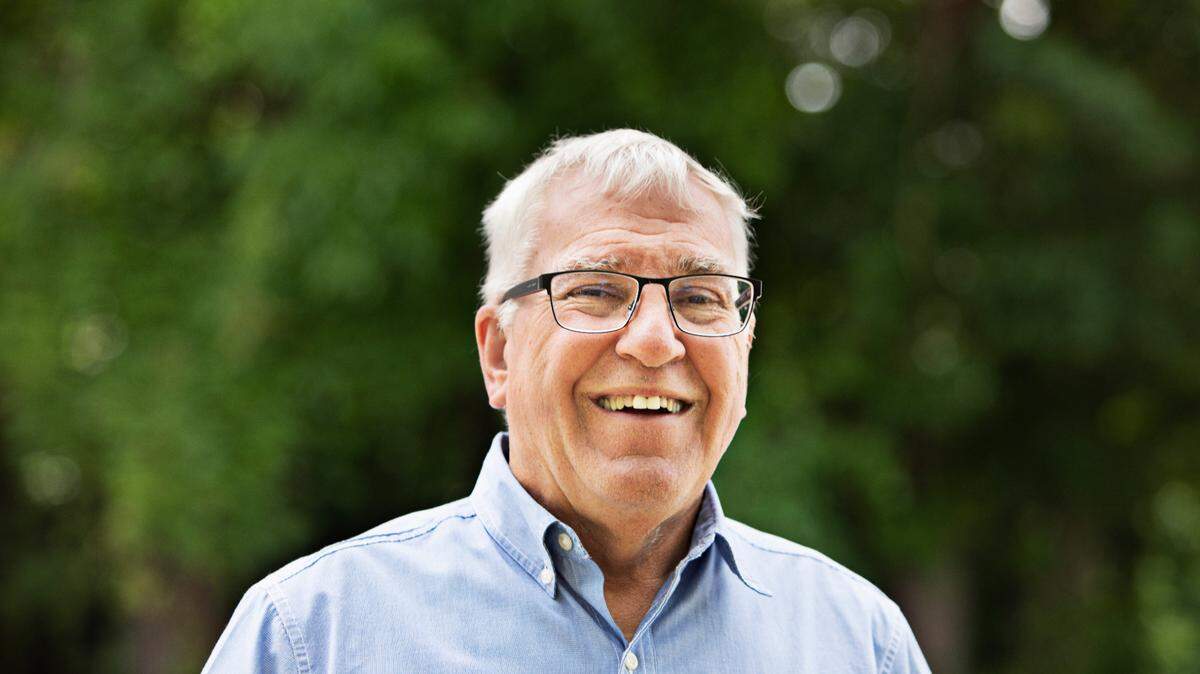
“That’s not Cameron Village. That’s Oberlin,” said Joe Holt, 77, who grew up in Oberlin and remembers when whites would have chastised a Black child from Oberlin who claimed to be from Cameron Village.
Names are important, Holt and Goode say, for who and what they honor and for the history to which they connect.
The name Josephus Daniels had been attached to the junior high school built nearby in 1956 to honor the former Navy secretary, News & Observer publisher and public education advocate.
But that name began to chafe in recent years as newspaper reports and books, including the New York Times editor’s pick “Wilmington’s Lie” by longtime reporter David Zucchino, revealed Daniels’ role in inciting the 1898 massacre of elected Black leaders and residents of the coastal town by a white mob.
‘To uplift an entire community’
Descendants of Josephus Daniels quietly removed a statue of him in June that had stood in a Raleigh city park for 35 years, saying his stance as a white supremacist tainted any good he had later done.
Later the same day, the Wake County Board of Education announced it had approved stripping Daniels’ name from the middle school and replacing it with Oberlin.
School board Chairman Keith Sutton had called Goode before the announcement to ask what she thought of the change. Sutton said board member Chris Heagarty proposed the idea earlier this year when protesters were in the streets in Raleigh and across the country after the death of George Floyd, a Black man, while being detained by Minneapolis Police.
Sutton said he didn’t know much about Oberlin Village at the time, and made a trip to Oberlin Cemetery to walk around and take in the history, which is described in interpretive materials at the entrance to the burial ground. After that, he said, he became convinced that Oberlin should be the name on the school.
“It was a way to honor just one individual,” Sutton said, “but to uplift an entire community.”
Though the school doesn’t sit inside Oberlin Village’s original footprint or on the site of the school that served the area’s Black students, Goode said she liked it, in part because the property was once owned by a Black woman farmer named Mattie Curtis who had been a slave in service of the Mordecai family.
Having the Oberlin name on the school is especially fitting, Goode said.
“Education meant a lot to the people here. They emphasized it in everything they did.”
Sabrina Ginnette Goode
Born: 1959, France
Residence: Raleigh
Career: Interior designer; director, Friends of Oberlin Village
Education: B.S. in clothing and textiles and marketing, UNC-Greensboro
This story was originally published September 25, 2020 at 8:00 AM.