Why are millipedes in my house? How do I get them out?
READ MORE
Flying and crawling pests in NC
More stories about creepy-crawly (or buzzing) pests and what to do about them.
Expand All
You might have noticed: Millipedes are moving indoors again. That explains the unwelcome sightings in living rooms, kitchens and everywhere that people are griping about on social media.
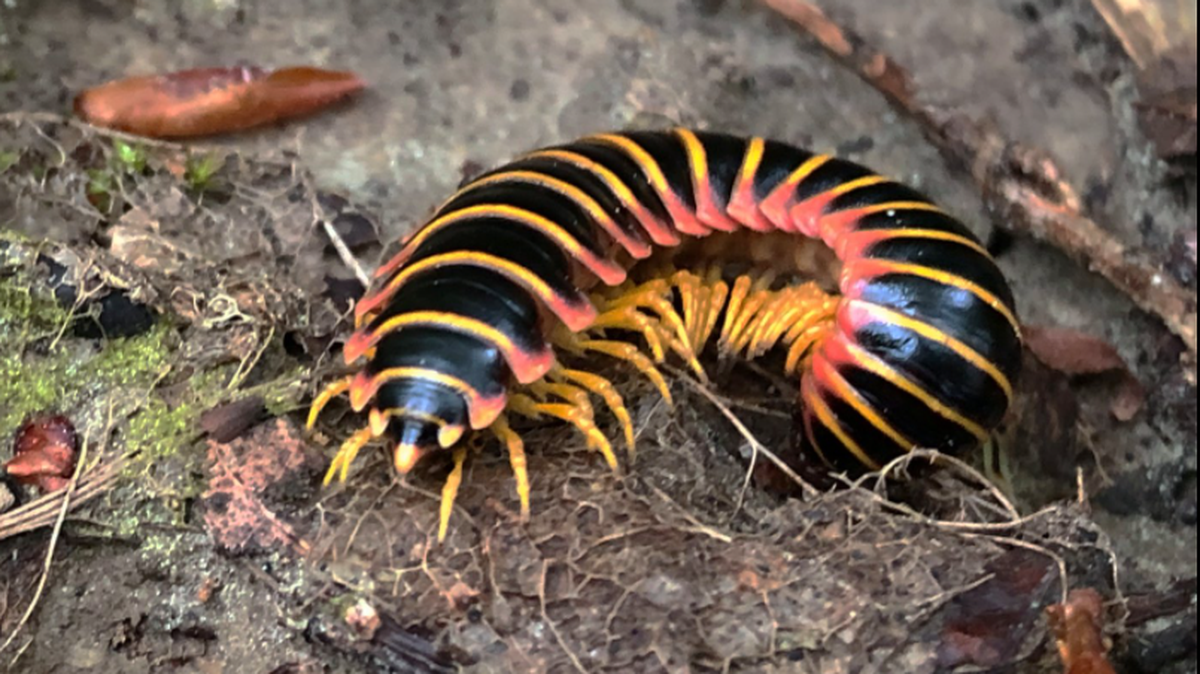
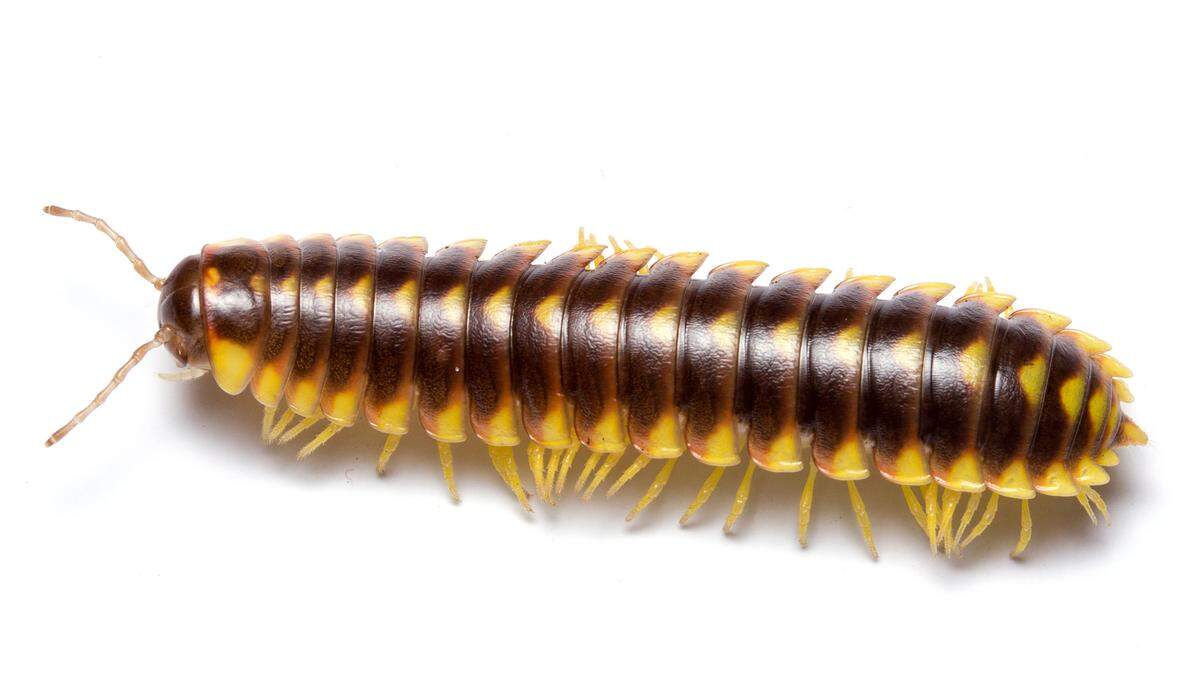
The garden millipede, which is a dark brown color and about one inch in length, is the type most likely to invade your home. But don’t fret: Millipedes do not bite, sting or transmit disease, and they don’t harm clothing, food or wood.
Love them or hate them, it’s best to understand them to know what to do when they’re underfoot.
Why are millipedes inside my house?
One answer can be recent rain. While millipedes are typically content to stay under rocks or logs and eat decaying matter, heavy rains saturate their living spaces, prompting them to come to the surface for air, said Matt Bertone, director of the North Carolina State University Plant Disease and Insect Clinic. Millipedes require some moisture to thrive but waterlogged soil can drown them.
On the other hand, the drought conditions expanding across much of North Carolina can play a role in millipede infestations too. Millipedes don’t like overly dry soil either. When they find themselves surrounded by it, they can be driven to find environments with more moisture, said Bertone.
Where do millipedes come from?
While it may seem like millipedes appear out of nowhere, the truth is that they live underfoot all the time. Millipedes typically live in dark, cool habitats such as mulch or underneath logs and stones.
They may be small, but they are big contributors to local ecosystems. Millipedes are soil dwelling creatures that do the hard work of decomposing plant material, helping unlock nutrients in soil, said Bertone.
“When they’re happy, you don’t see them because they’re doing their thing.”
How long will millipedes live? Why do they smell bad?
Take comfort: They won’t be there for long. They don’t know it when they enter, but our habitats are too dry for them. They can live up to 11 years where they belong. But indoors they are very likely to shrivel into a ball and die. “It would be like us getting stuck in the desert without any water or food,” Bertone said.
Warning: millipedes are known to have a very strong odor. As a defense mechanism, they secrete a cyanide-like compound which smells like bitter almonds. To keep that off your skin, it’s best to vacuum or sweep them up once they’ve dried up.
How do I prevent millipedes from coming inside?
Pest control companies sometimes market pesticides to eliminate them. But chemical treatments are only a temporary solution, said Bertone. They are also expensive and some can be hazardous if used indoors due to the toxic chemicals they contain.
Instead, Bertone suggests sealing up the spots they use to get indoors. Millipedes crawl through gaps only slightly larger than themselves, about one-eighth to one-fourth inches wide. Putting weatherstripping around doors and windows to fill gaps can help block their way
Are millipedes harmfrul to pets?
While their odor is usually strong enough to repel house pets, it is possible for a pet to get sick if they eat enough millipedes, said Bertone.
He suggests cleaning up millipedes quickly if you are concerned.
Do millipedes lay eggs indoors?
The good news is that these many-legged creatures won’t start families where you live.
Millipedes do not lay eggs indoors since it is not their preferred habitat, said Bertone.
When will the millipede invasion end?
That depends on the weather and you know how much control we have over that.
Rather than stressing out, Bertone suggests empathizing with their plight.
“They’re pretty cool critters except for when there’s too many of them around and they get a little bit annoying,” he said.
Are millipedes insects?
Nope! Millipedes (and centipedes too) are arthropods related to insects, but they aren’t insects.
Millipedes vs. centipedes
▪ Millipedes have body segments with two pairs of short legs. They often curl into a “C” shape when disturbed and remain still. They crawl slowly.
▪ Centipedes have only one pair of legs per body segment, and their legs are typically longer than millipedes’. They usually move quicker than millipedes, too.
Sources:
Centipedes and Millipedes Management Guidelines--UC IPM
Controlling Millipedes in and Around Homes | NC State Extension Publications
Current US Drought Monitor Conditions for North Carolina
ADW: Narceus americanus: INFORMATION
Sowbugs, millipedes and centipedes | University of Minnesota Extension
This story was originally published June 17, 2021 at 5:00 AM.