A month after Raleigh mass shooting, experts tackle issue of gun violence, solutions
READ MORE
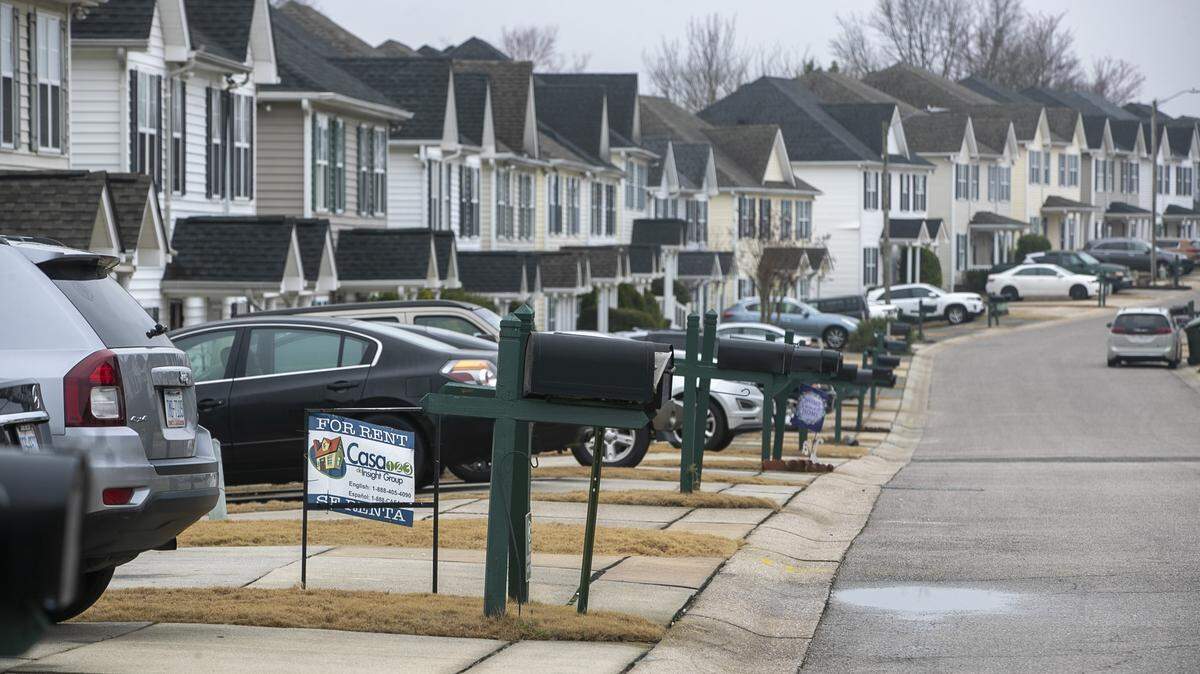
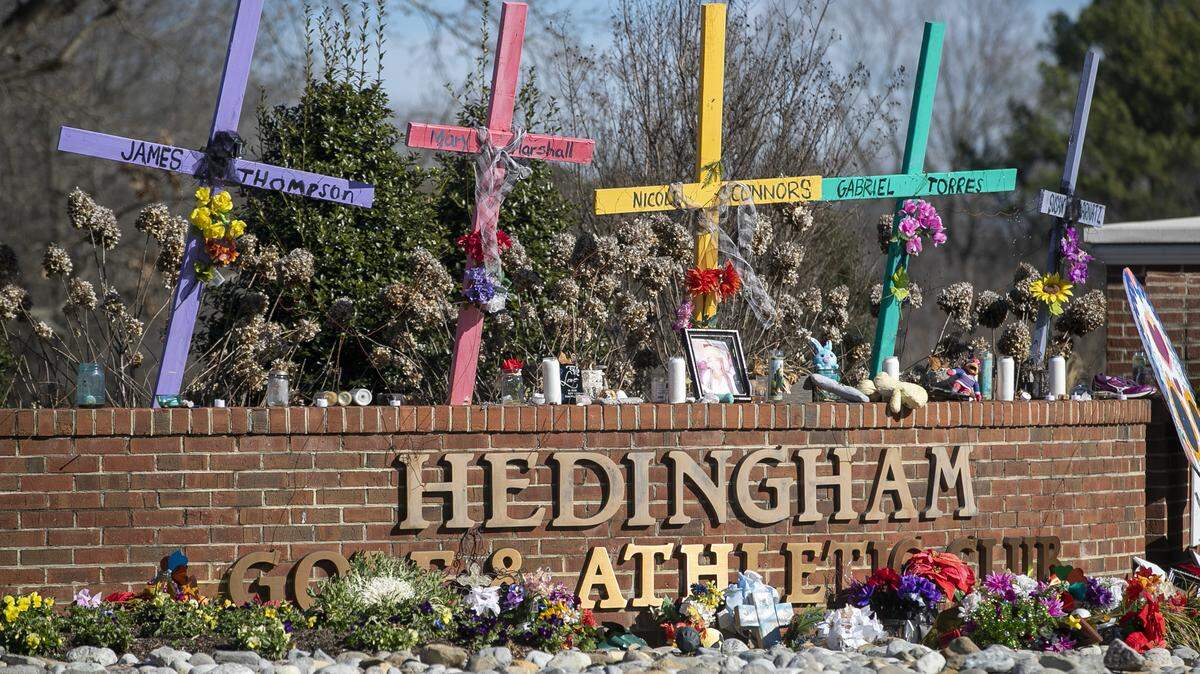
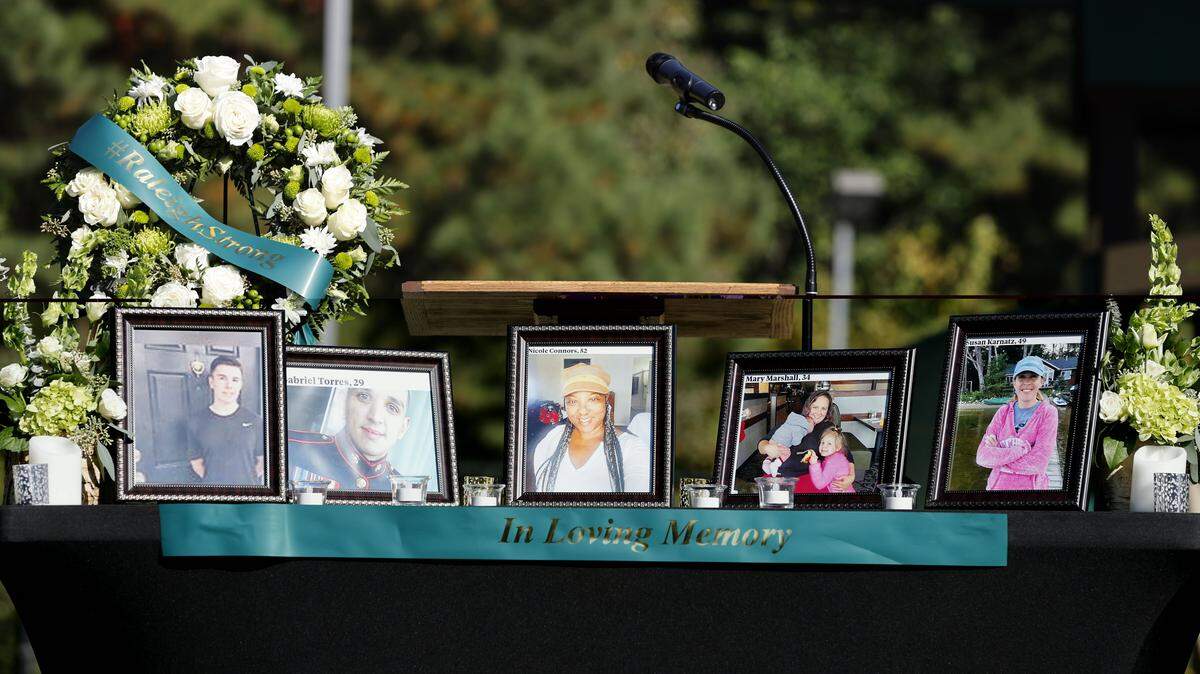
Raleigh mass shooting in Hedingham neighborhood
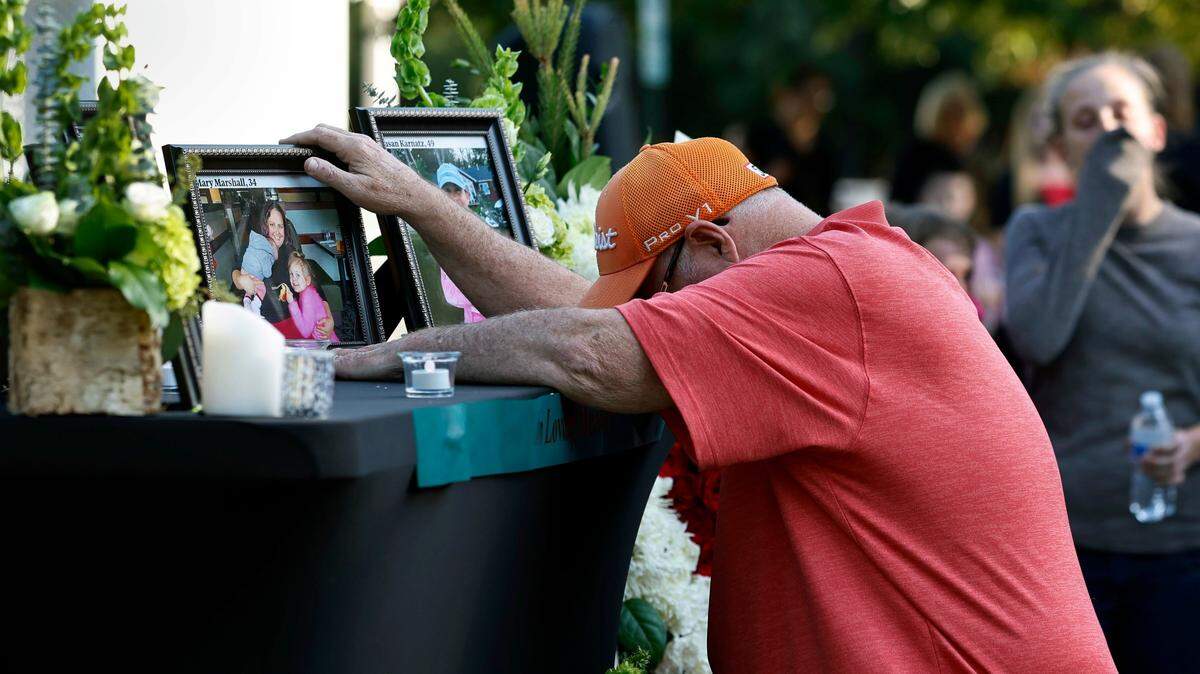
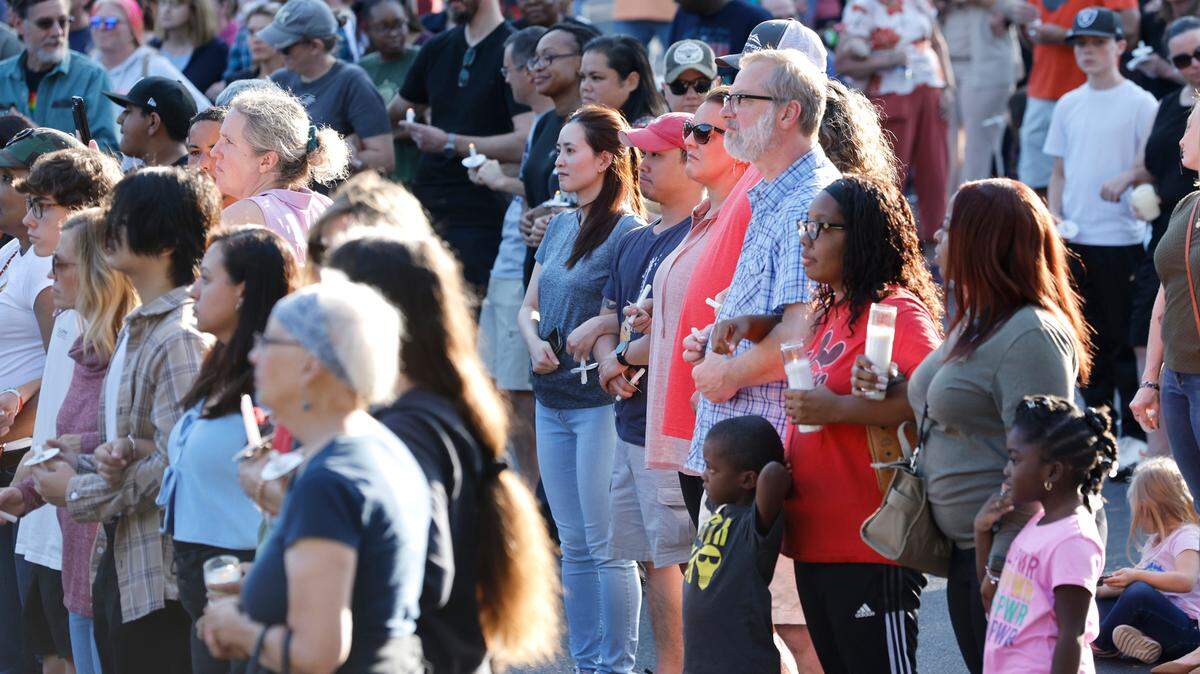
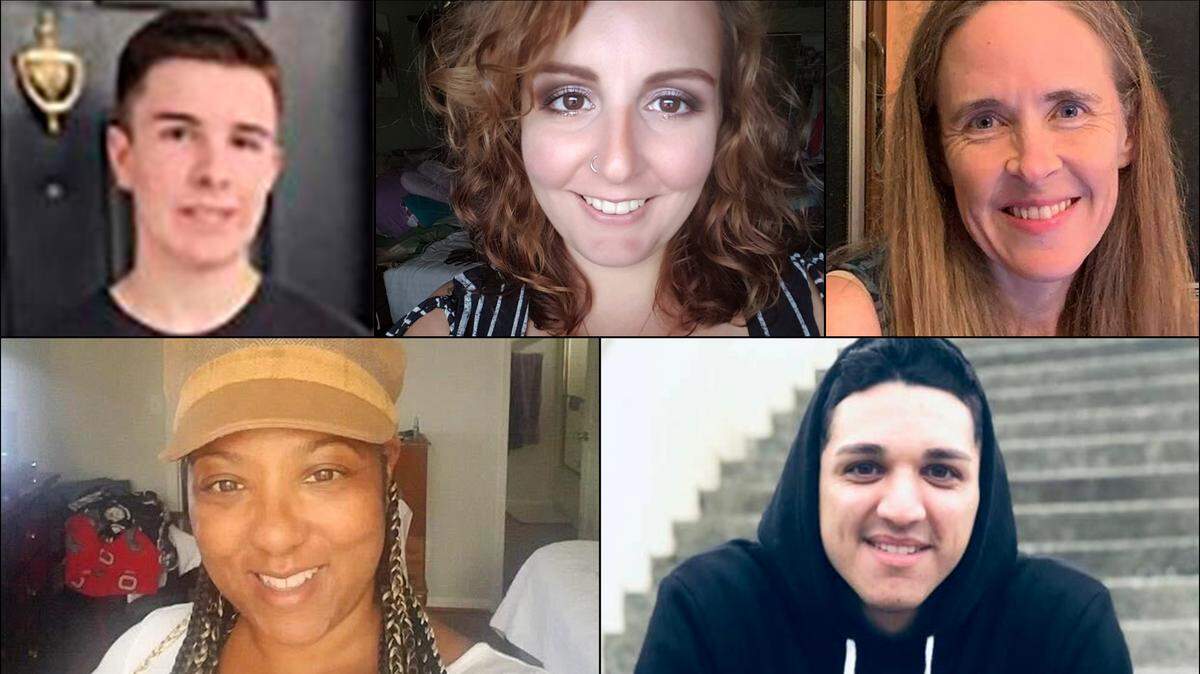
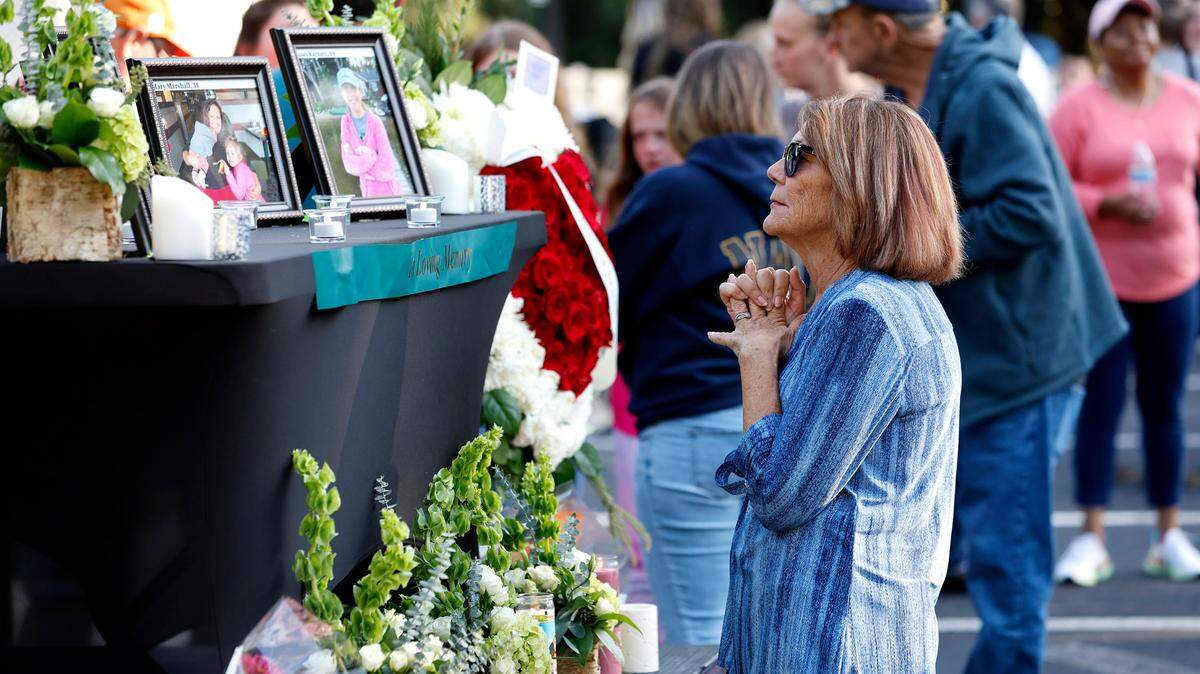
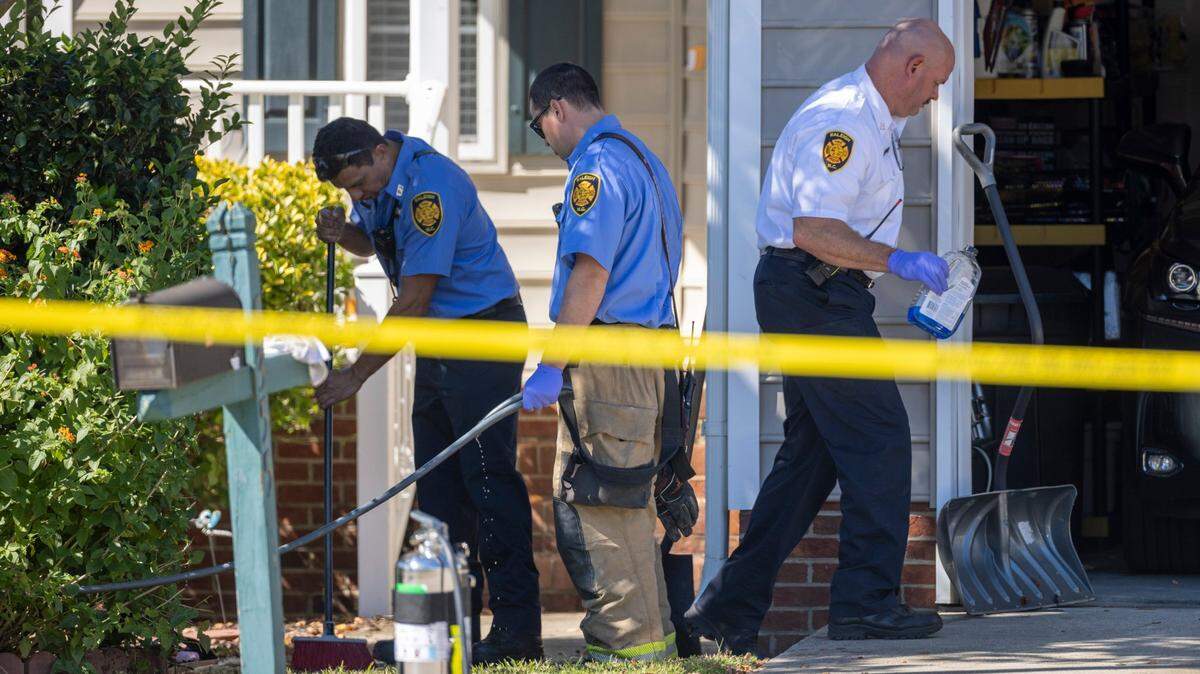
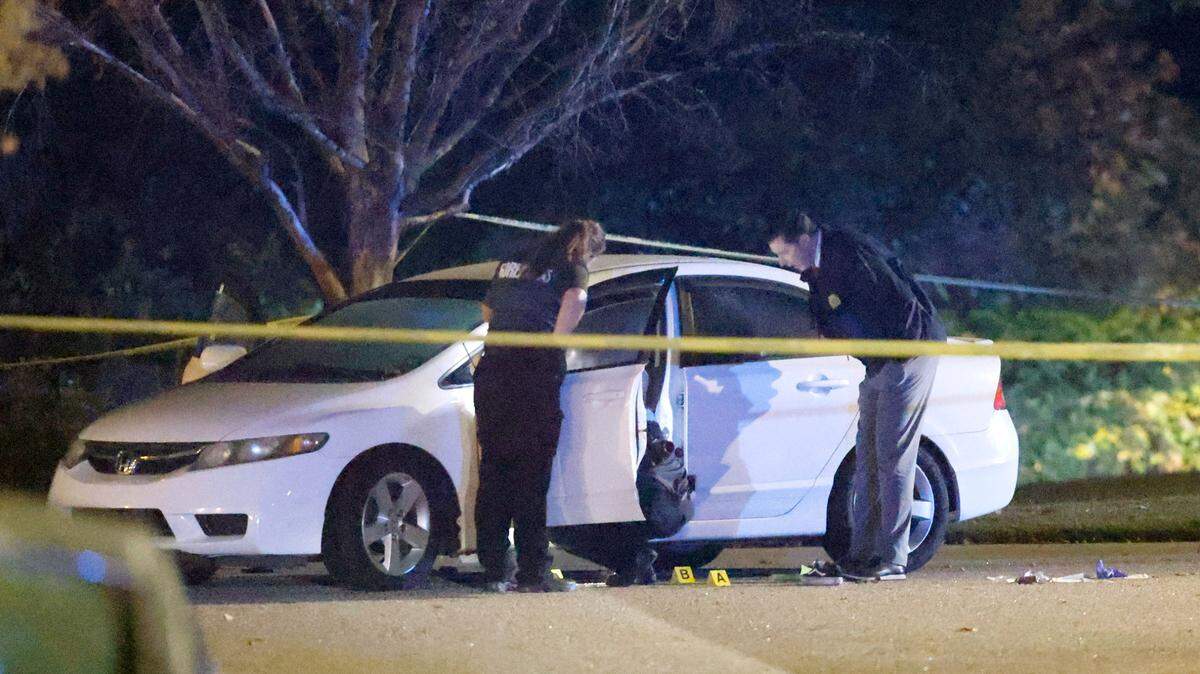
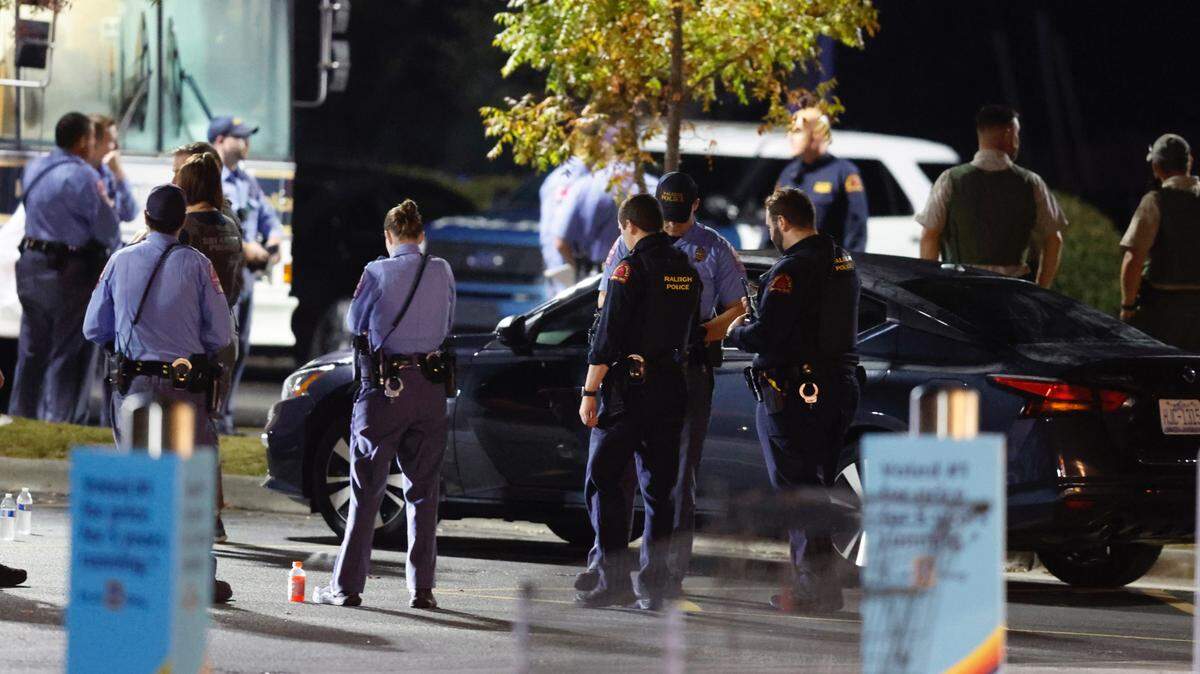
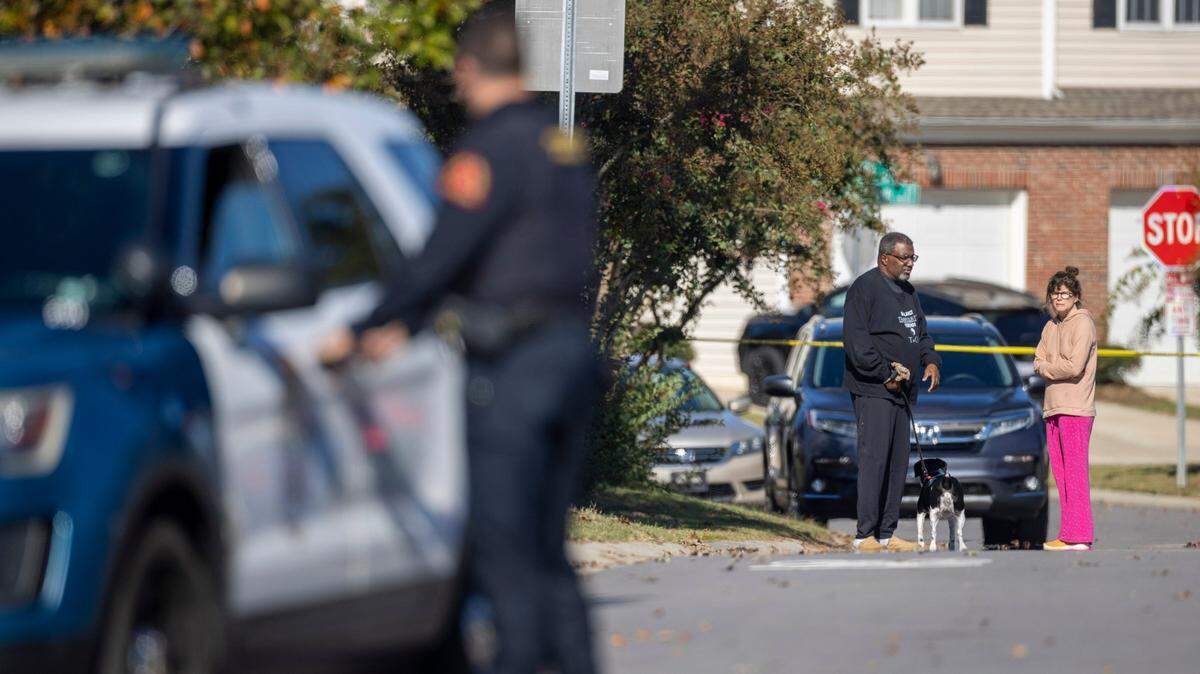
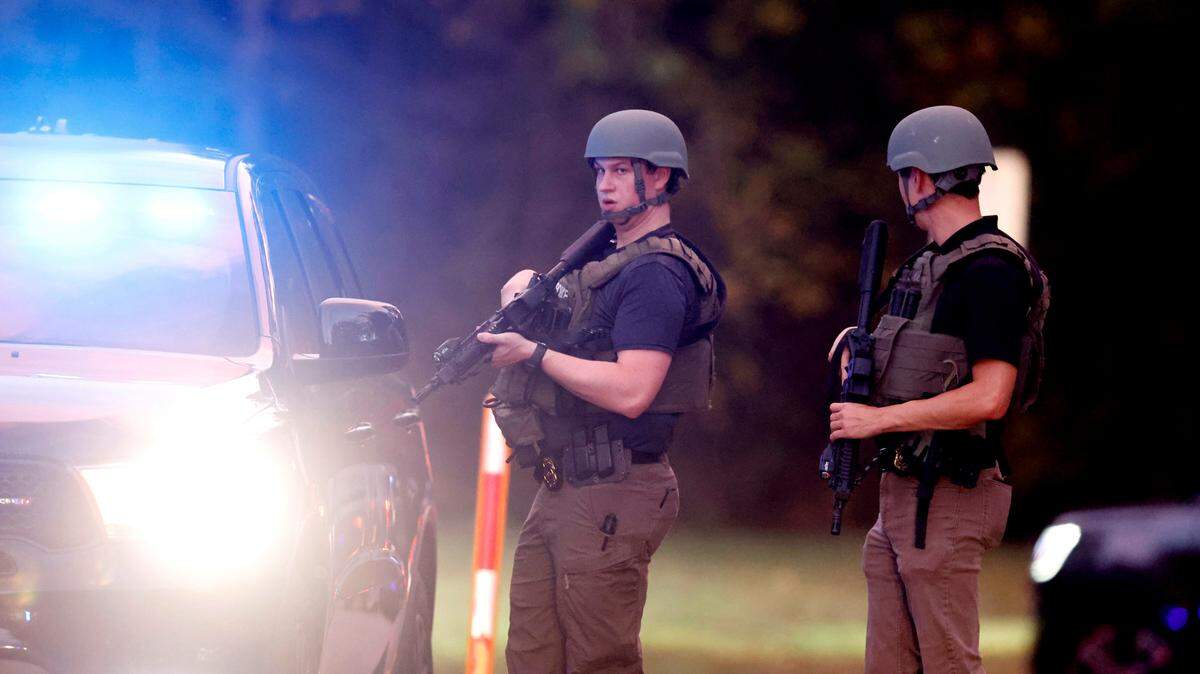
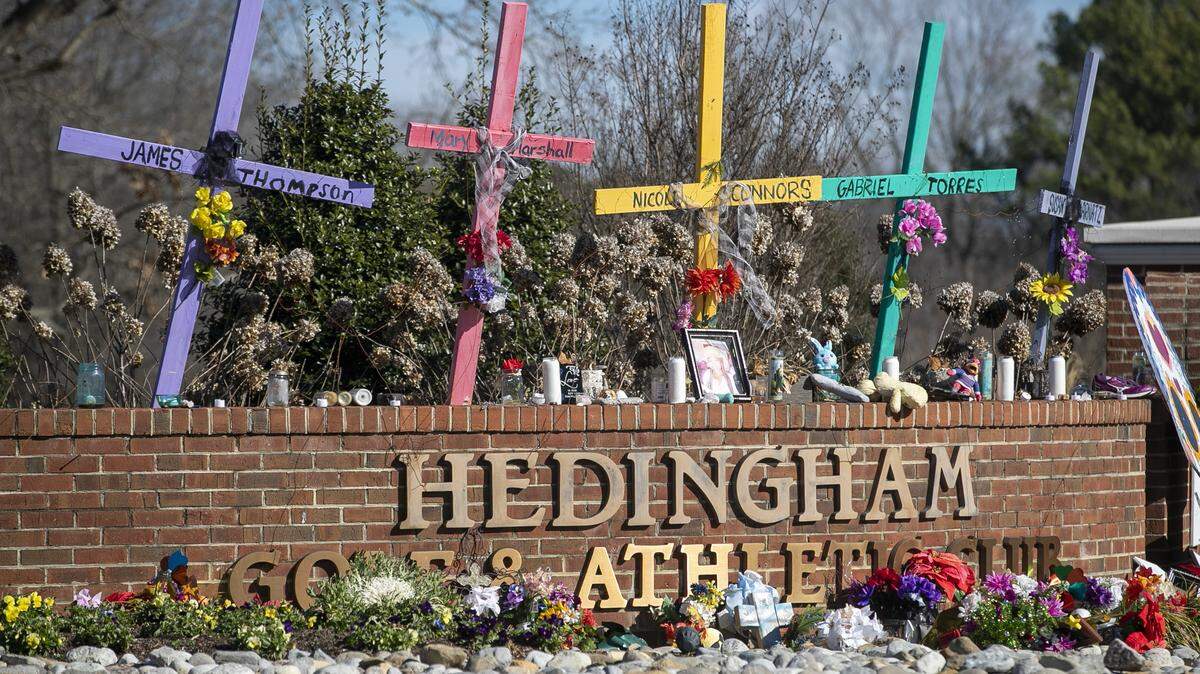
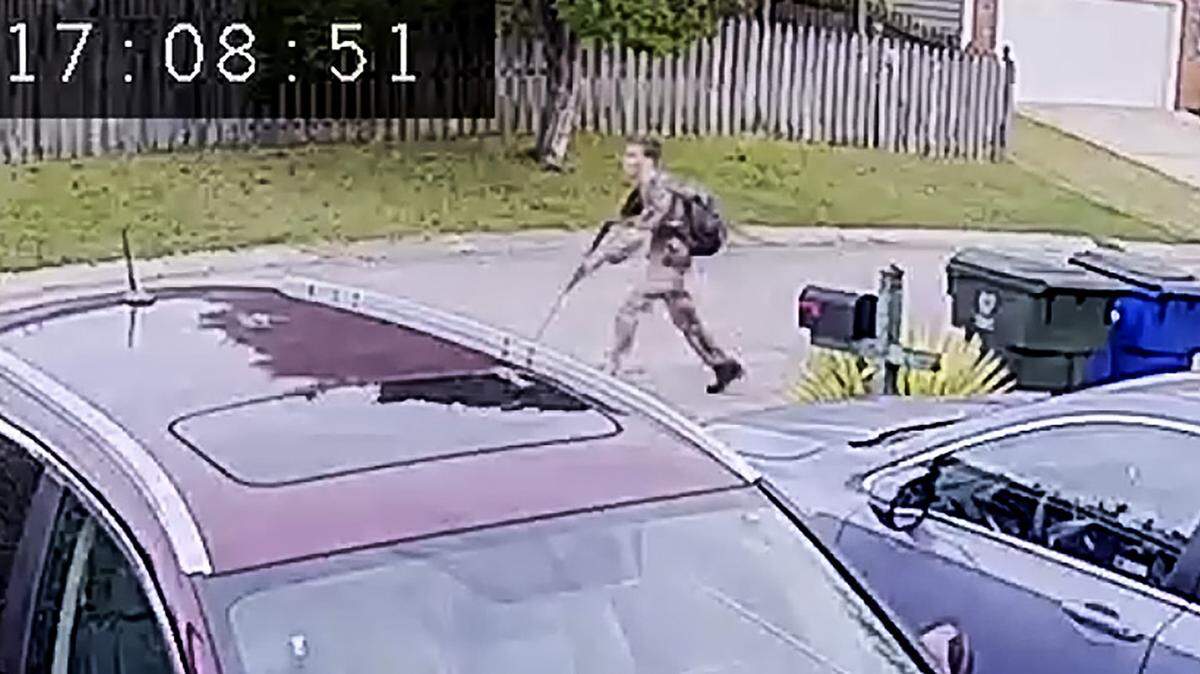
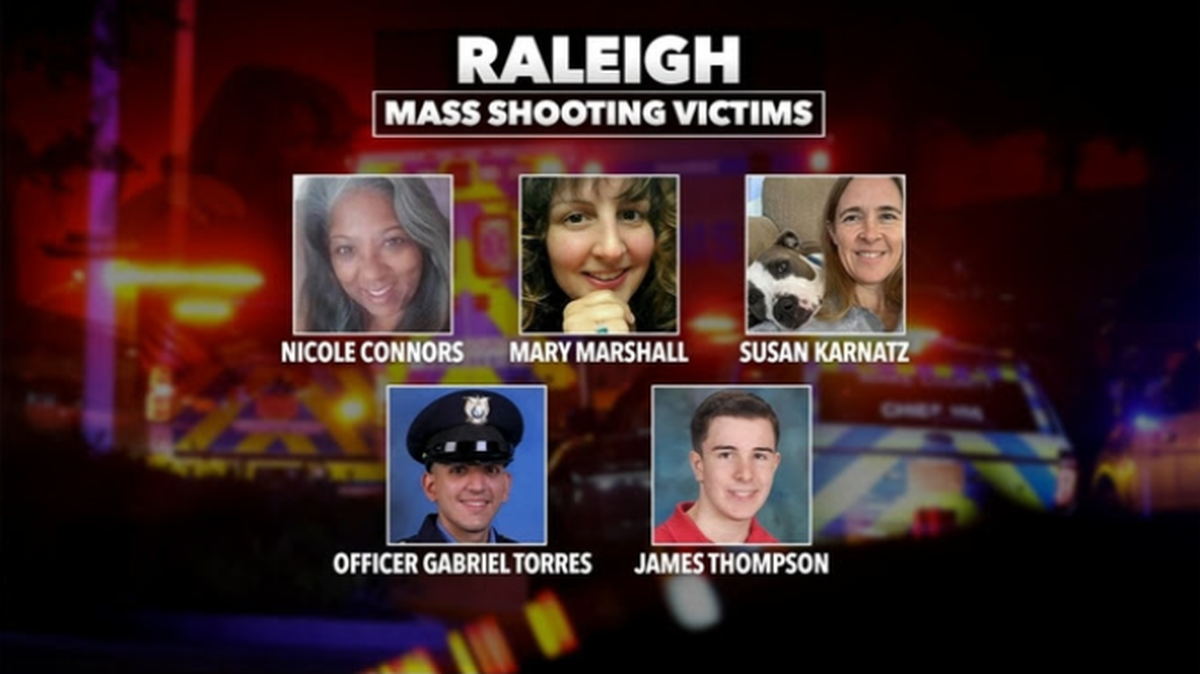
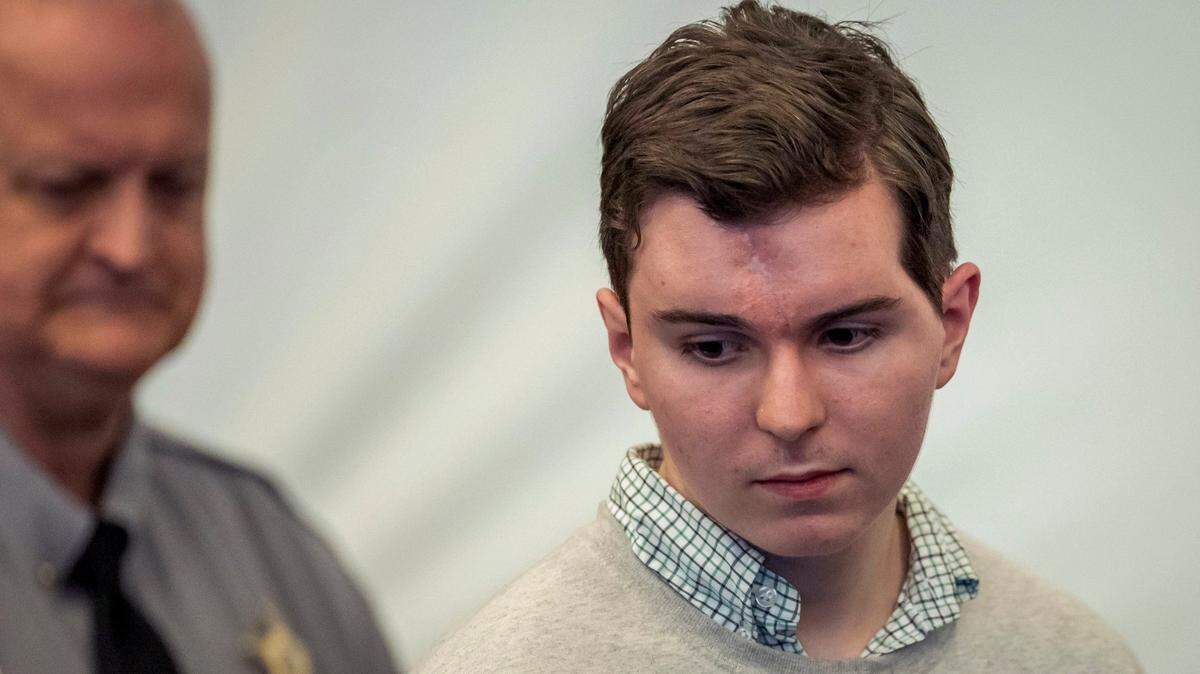
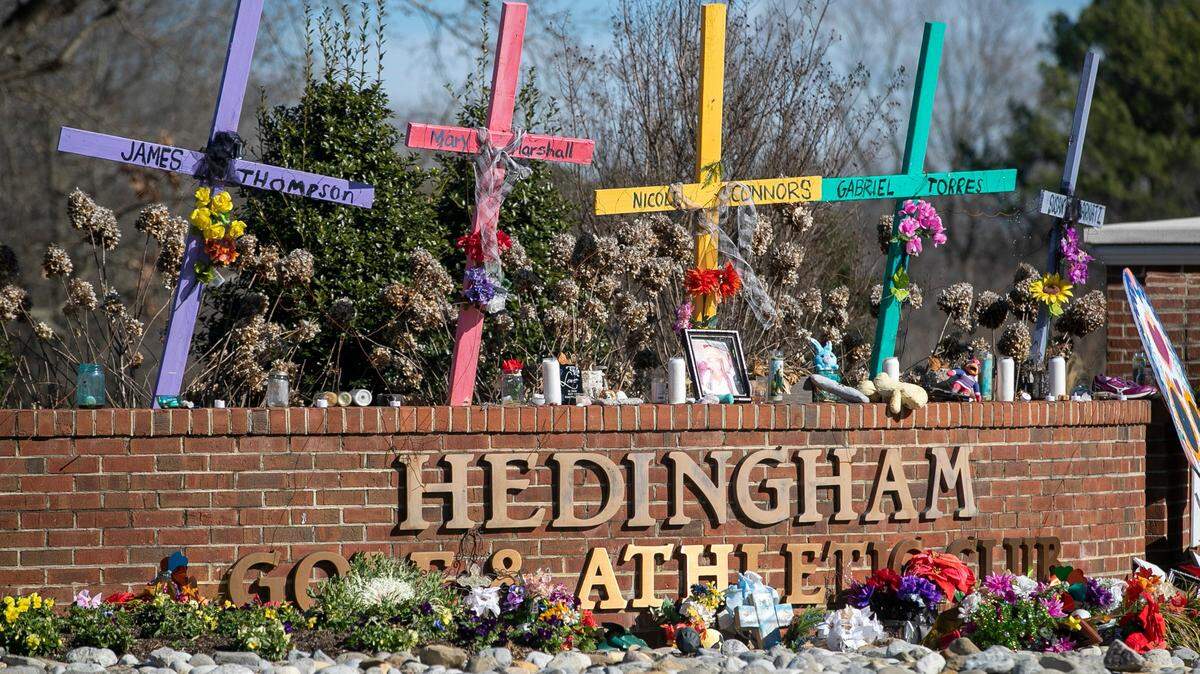
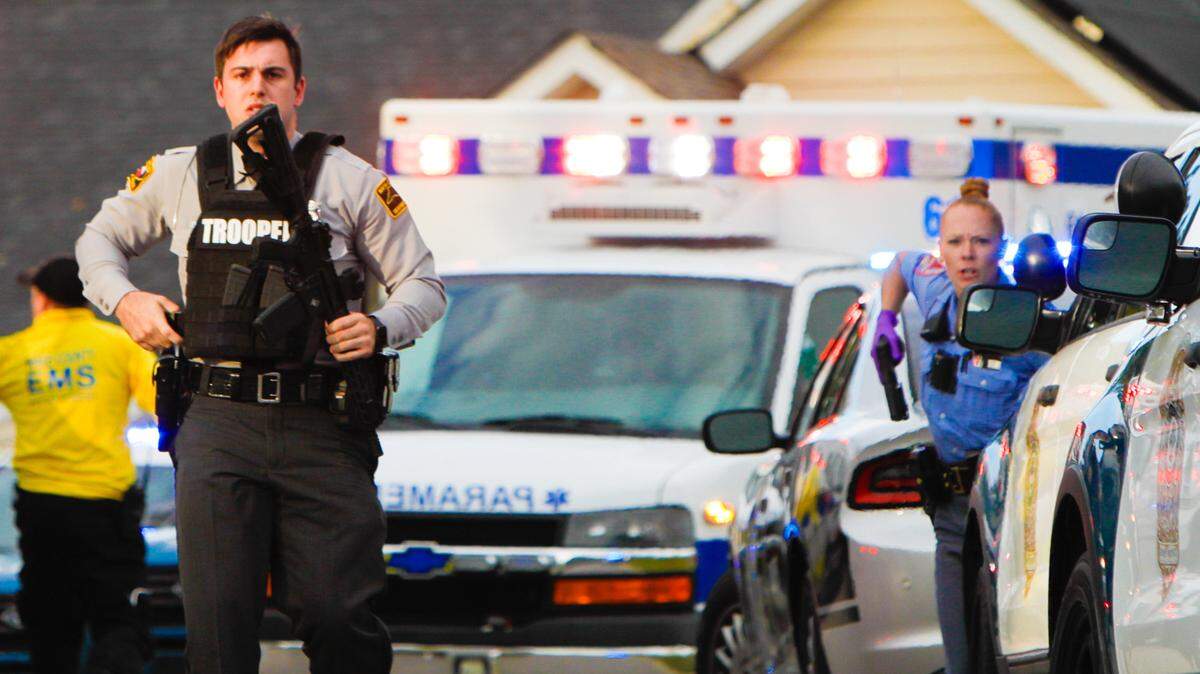
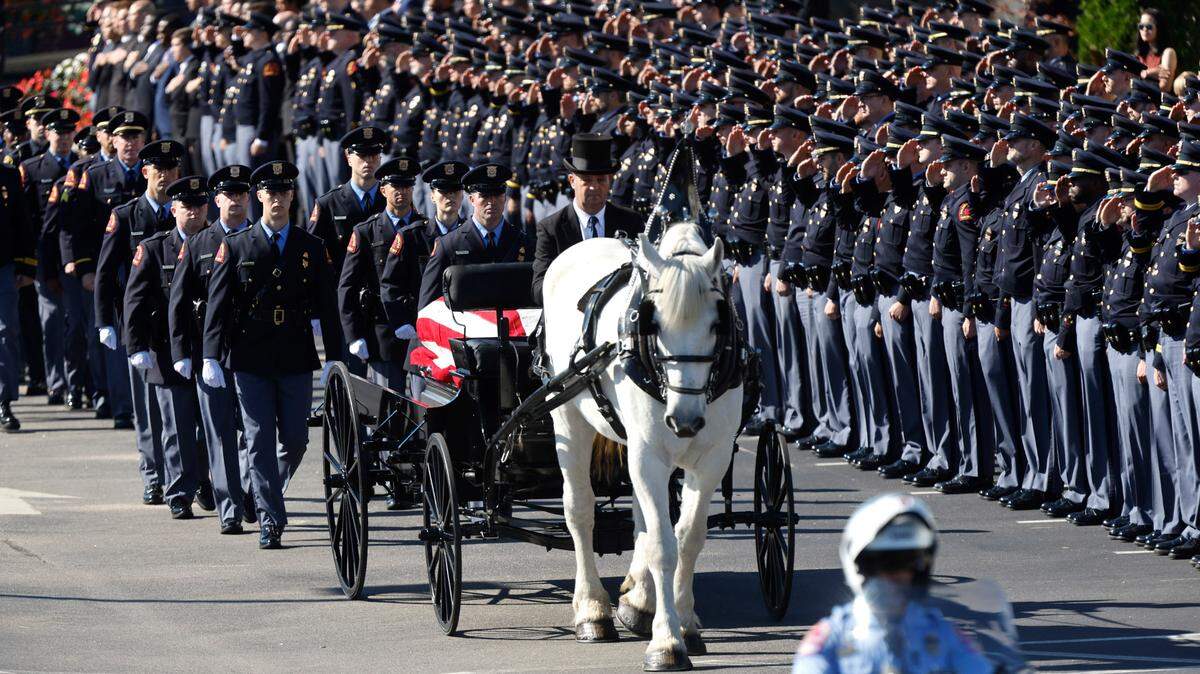
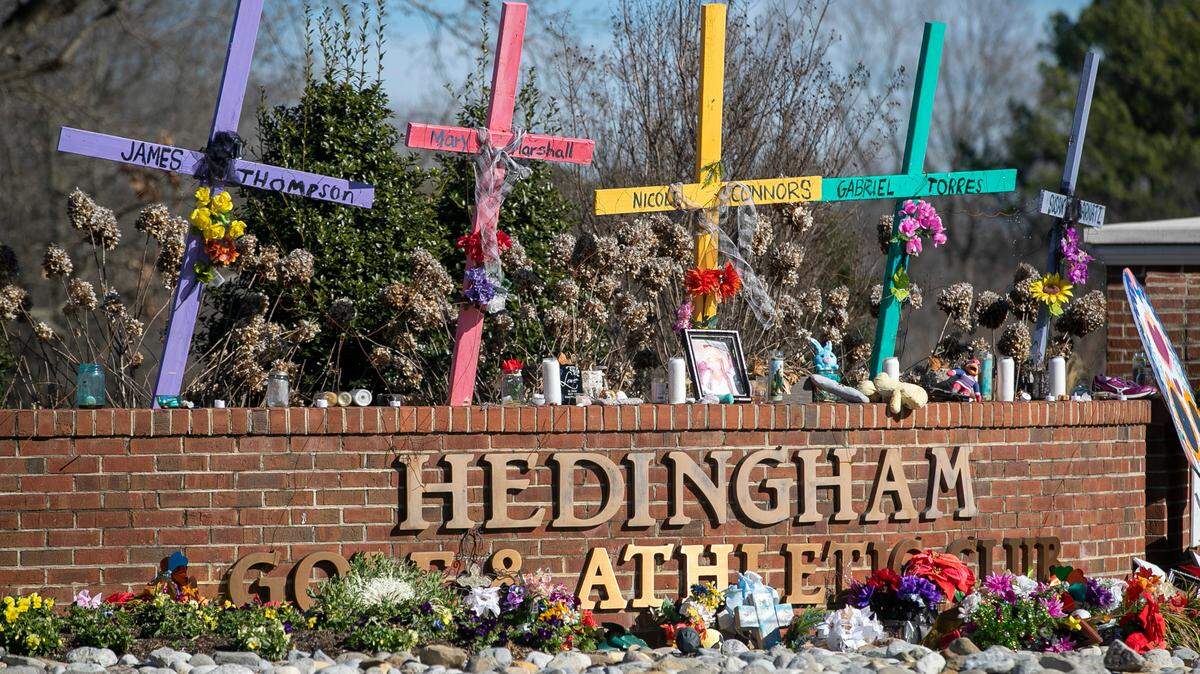
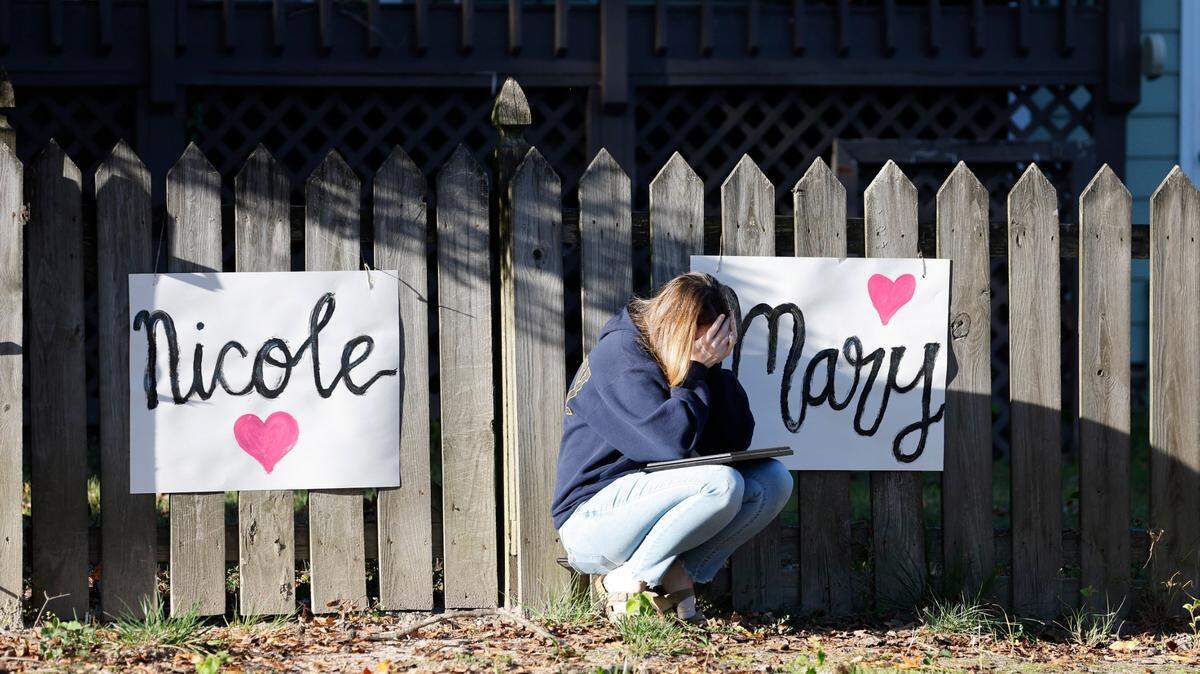
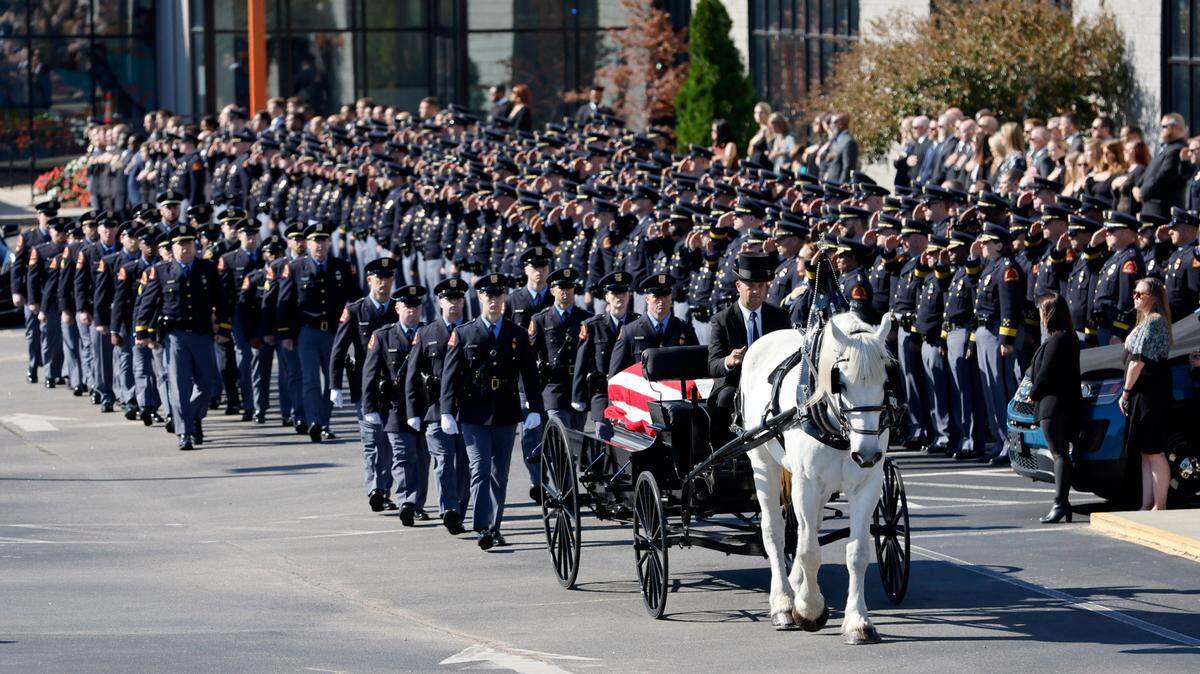
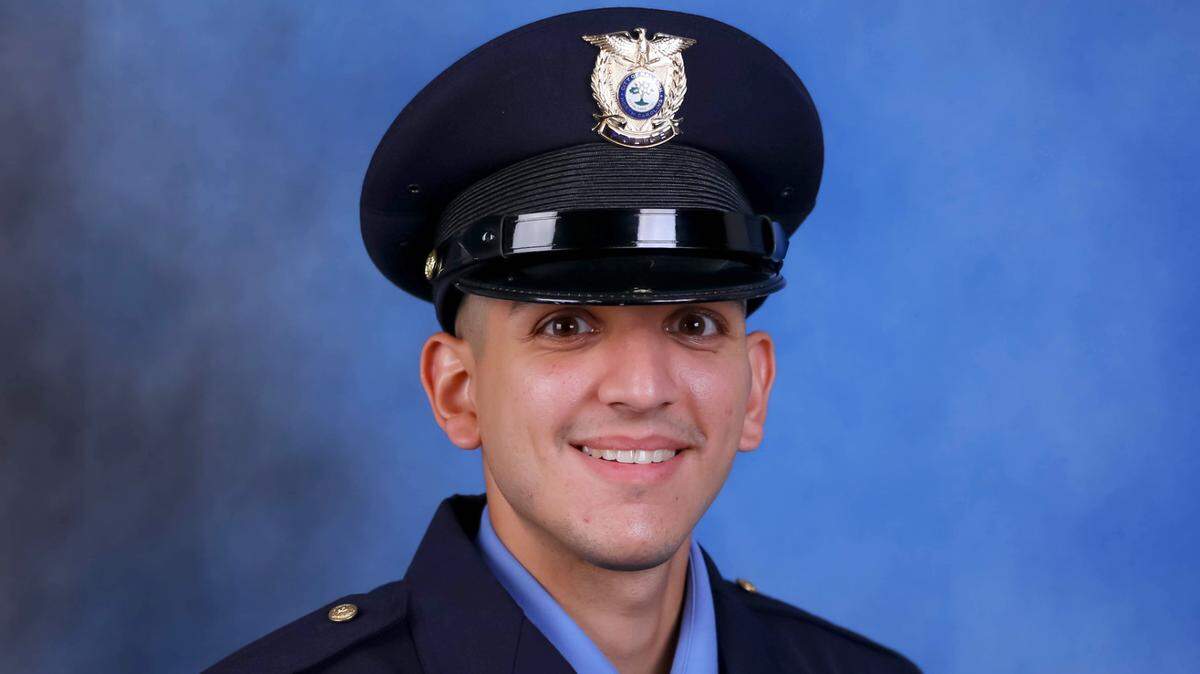
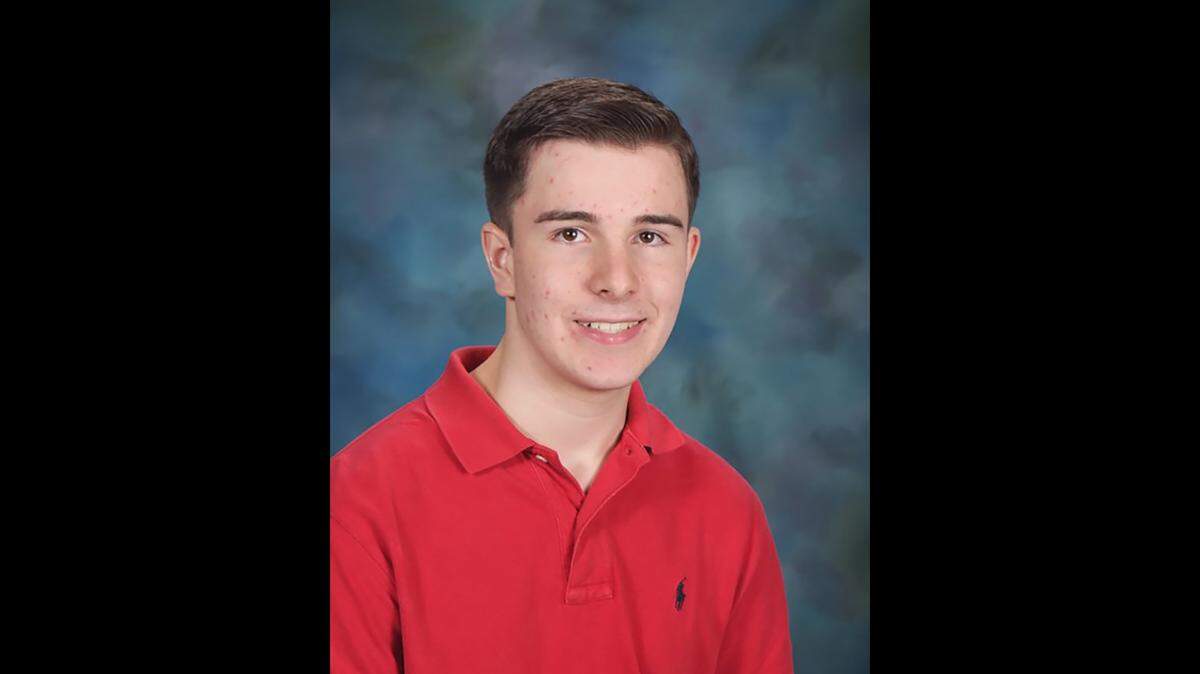
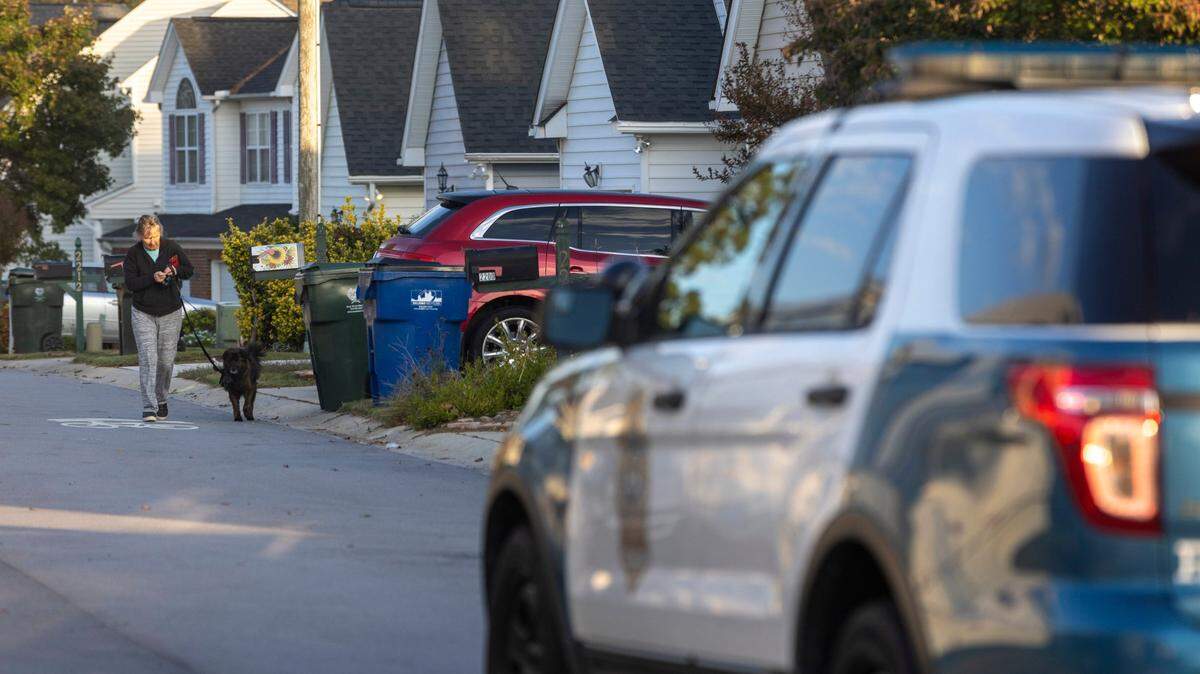
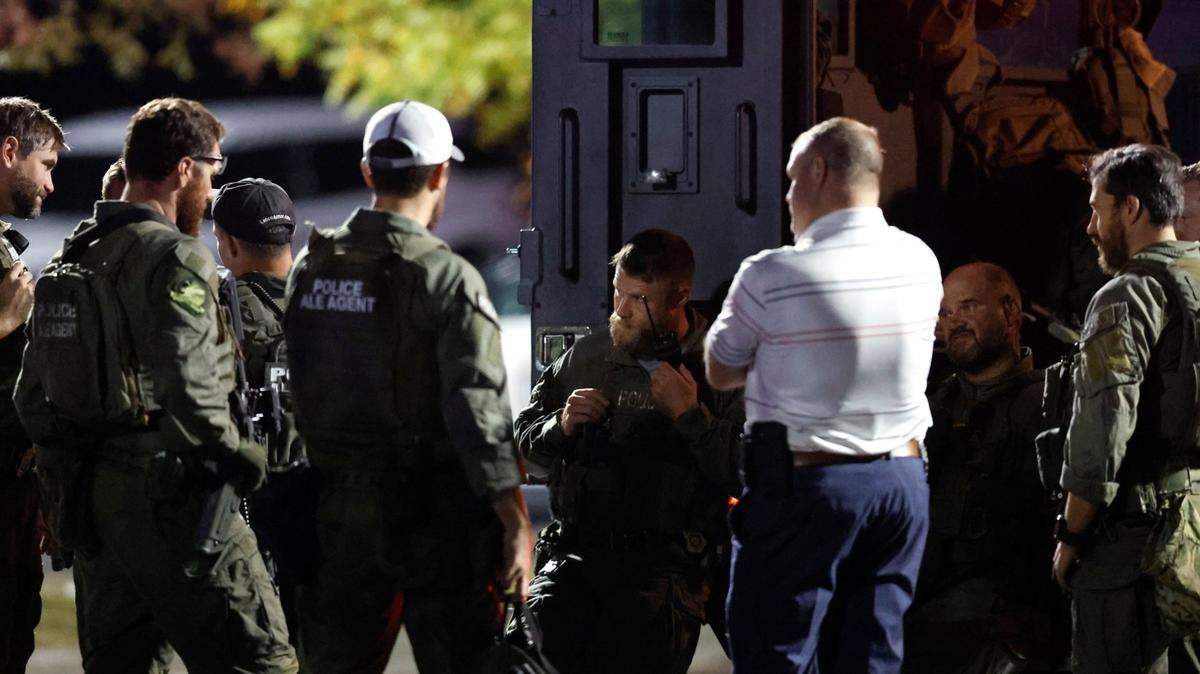
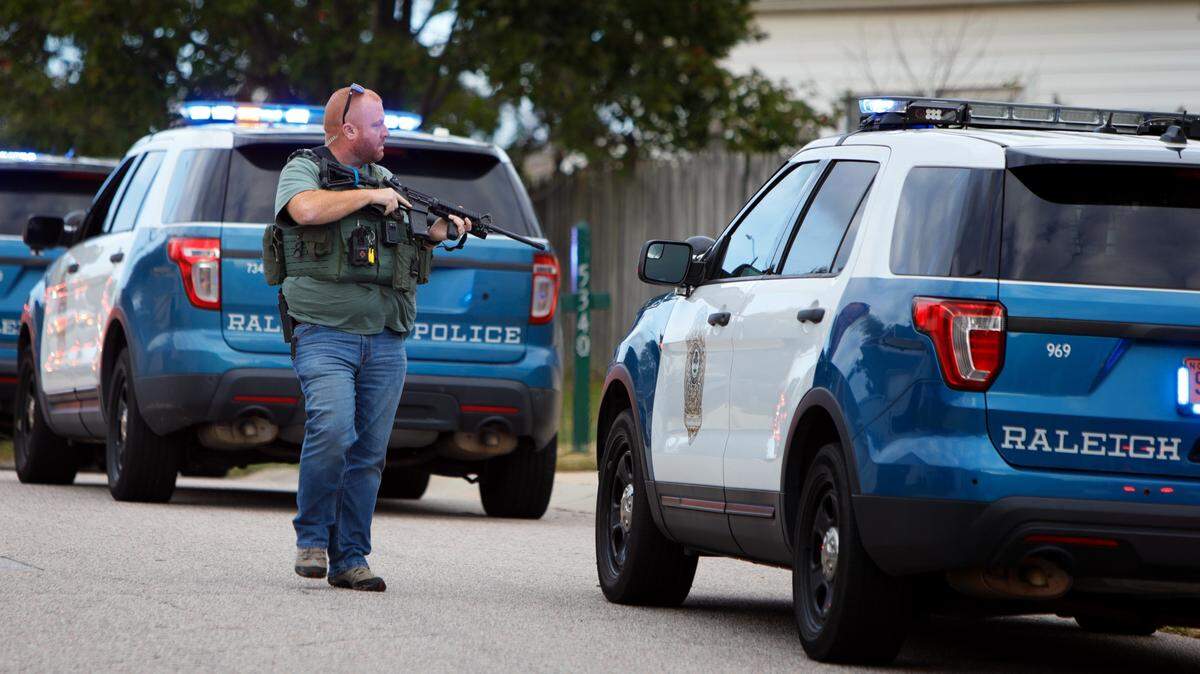
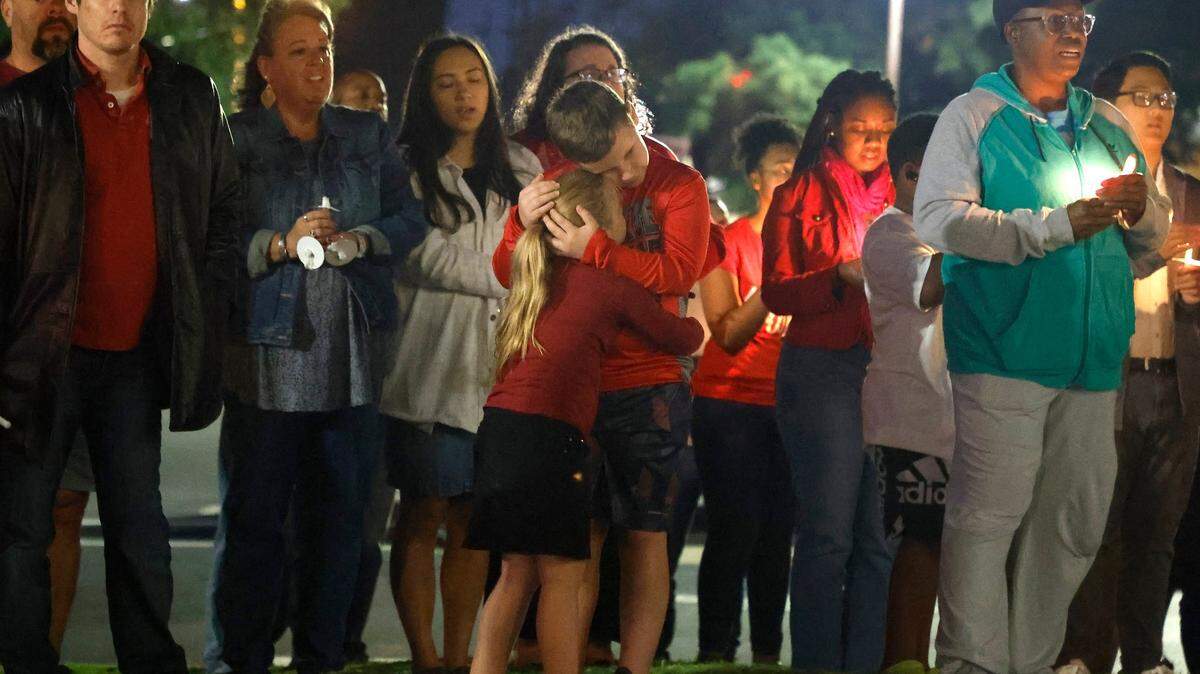
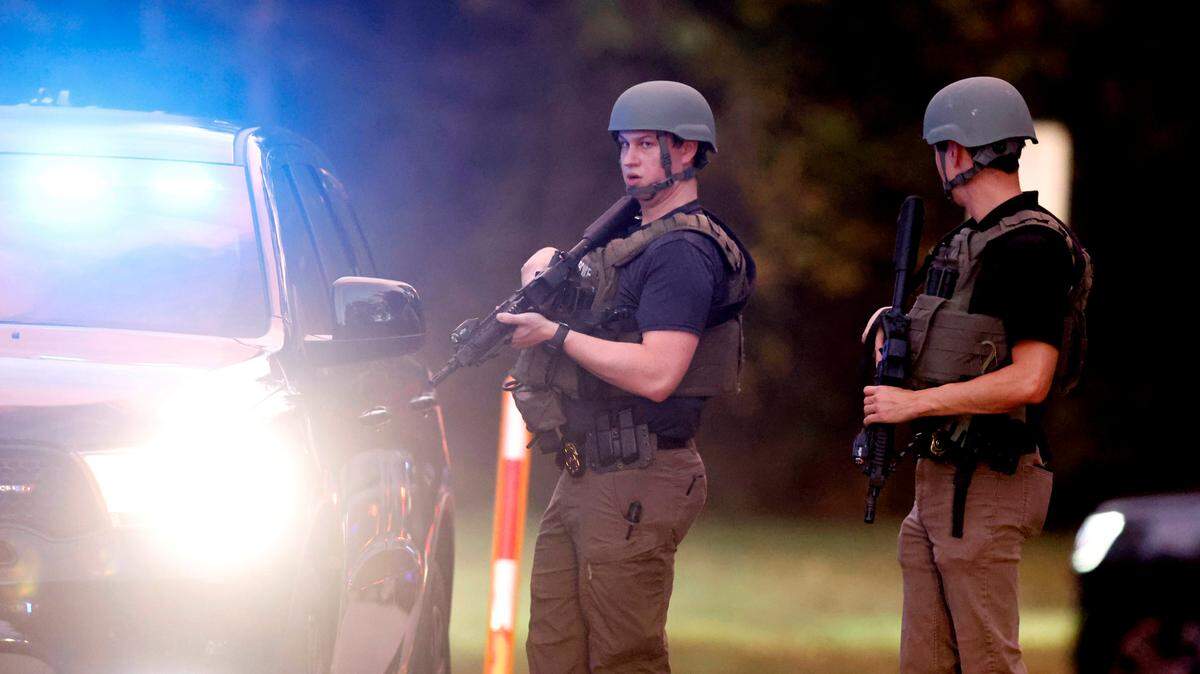
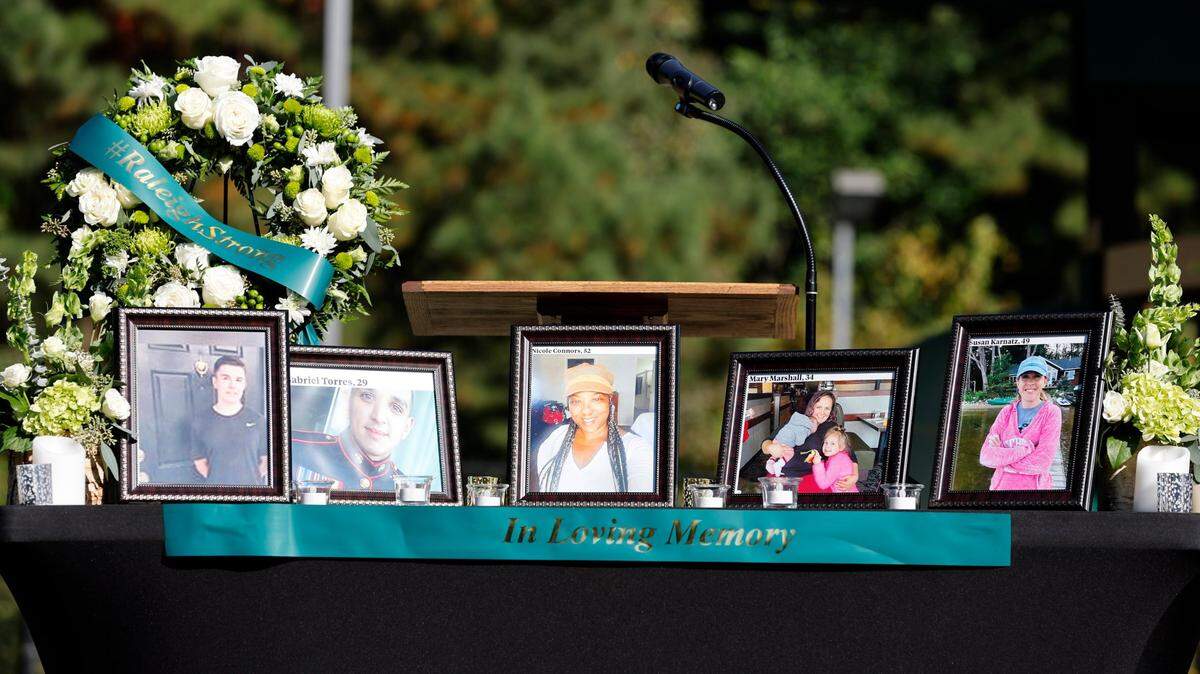
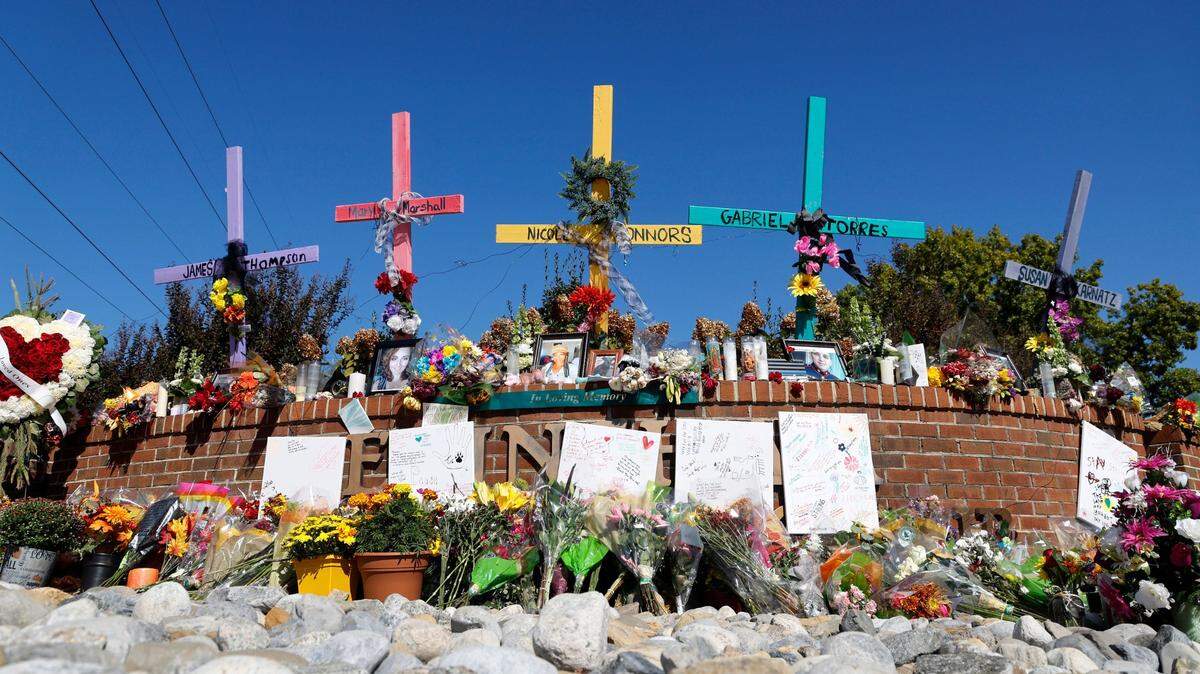
On Oct. 13, 2022, seven people were shot in Raleigh, NC, in the Hedingham neighborhood near the Neuse River Greenway Trail. Five were killed, including a Raleigh police officer. High school student Austin Thompson was charged with their murders. Read The News & Observer’s ongoing coverage of the mass shooting, Thompson’s guilty plea and ongoing civil lawsuit.
Expand All
The issue of gun violence is not a “one-thing problem,” nor is it a “one-thing solution,” a gun violence expert said Tuesday night.
Making a dent in “this terrible scourge” takes a multi-prong approach through science, policy, mental health interventions and the law, he said.
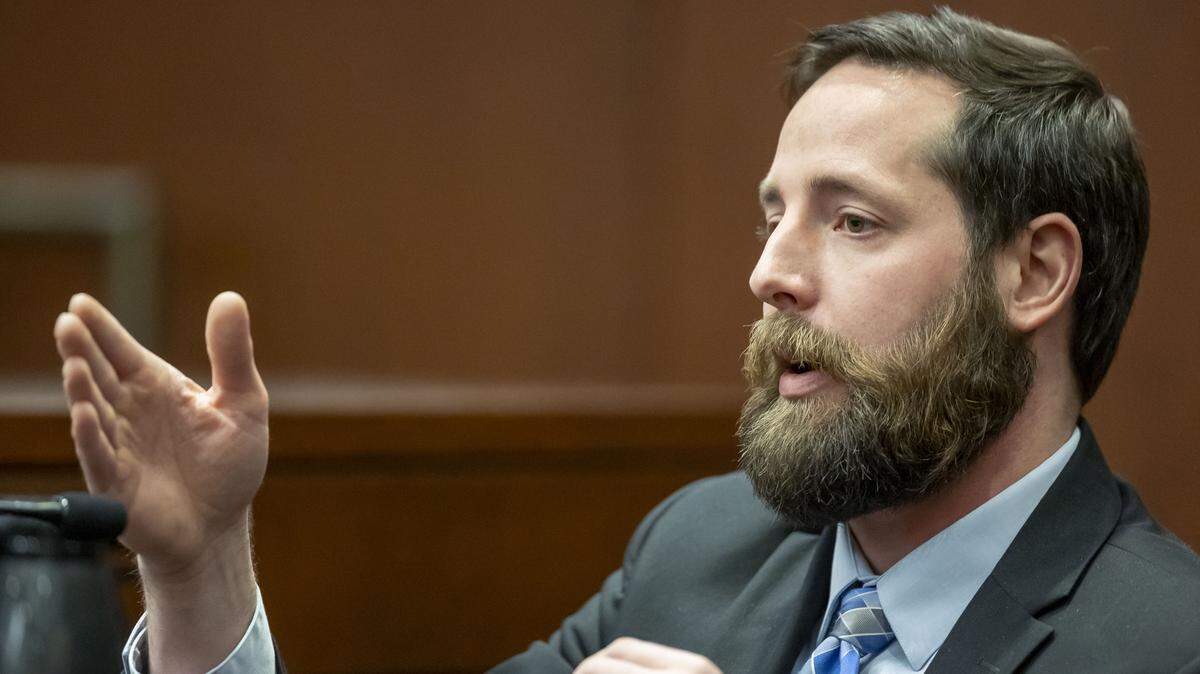
“To me, you have to break this down like a puzzle piece,” said Jeffrey Swanson, a professor in psychiatry and behavioral sciences at Duke University School of Medicine.
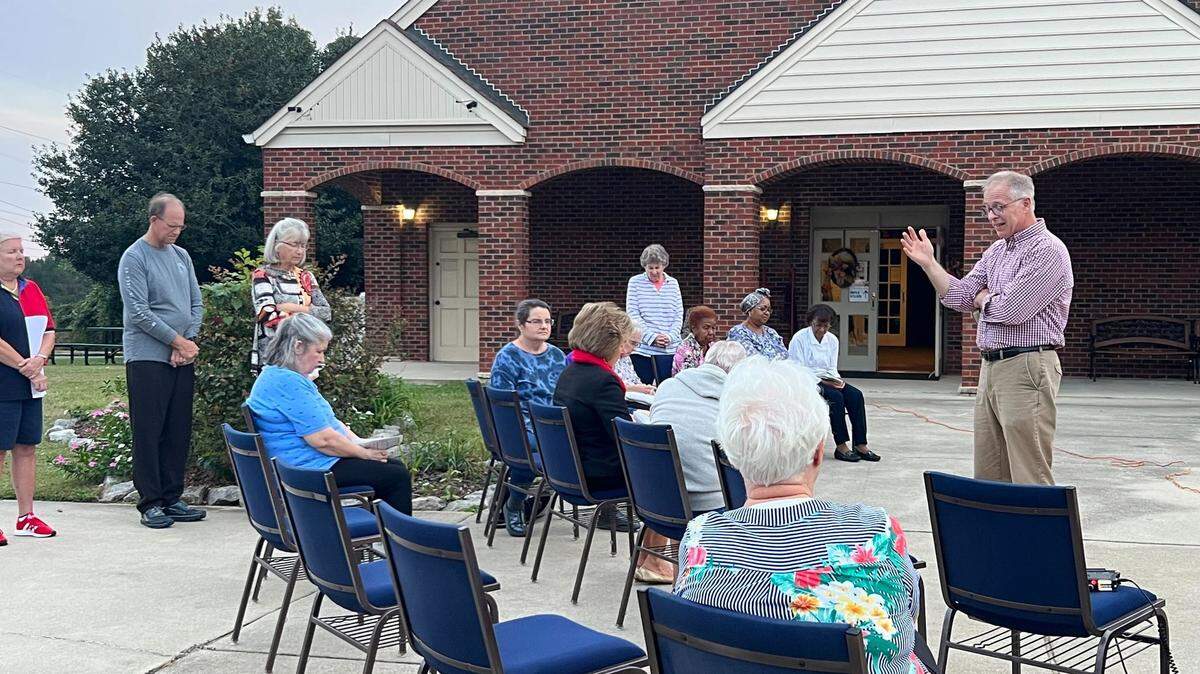
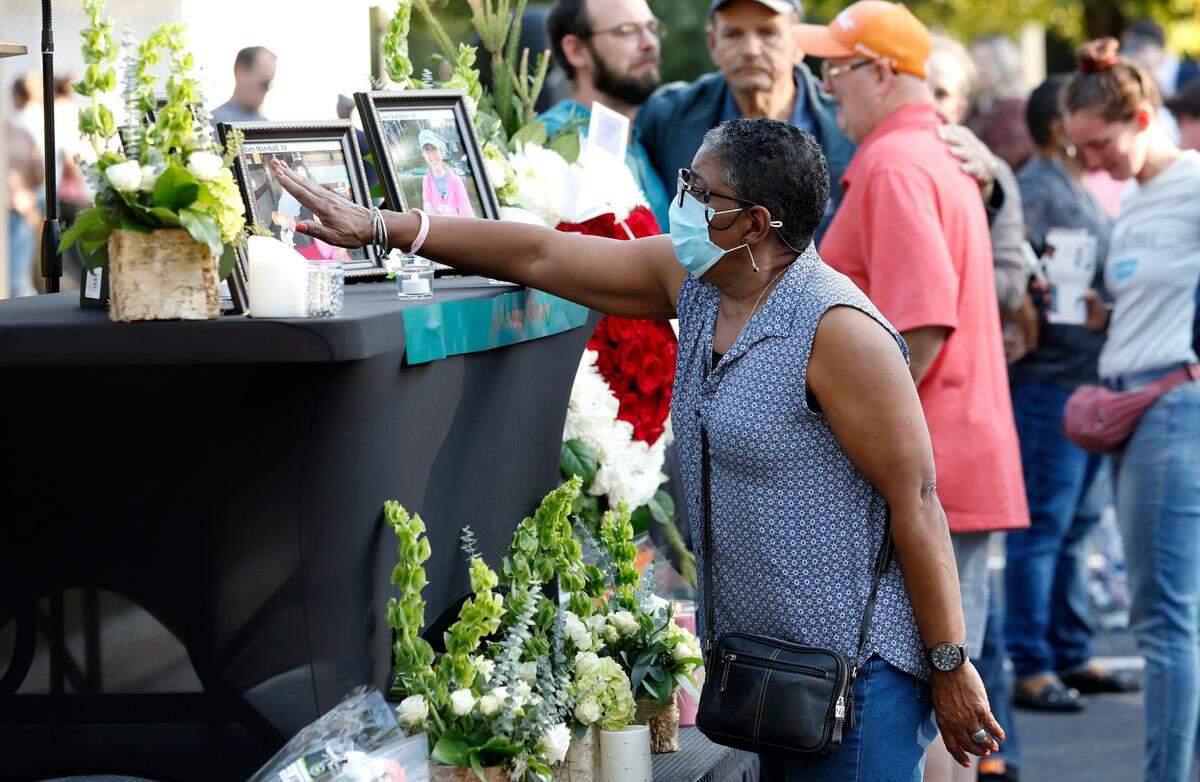
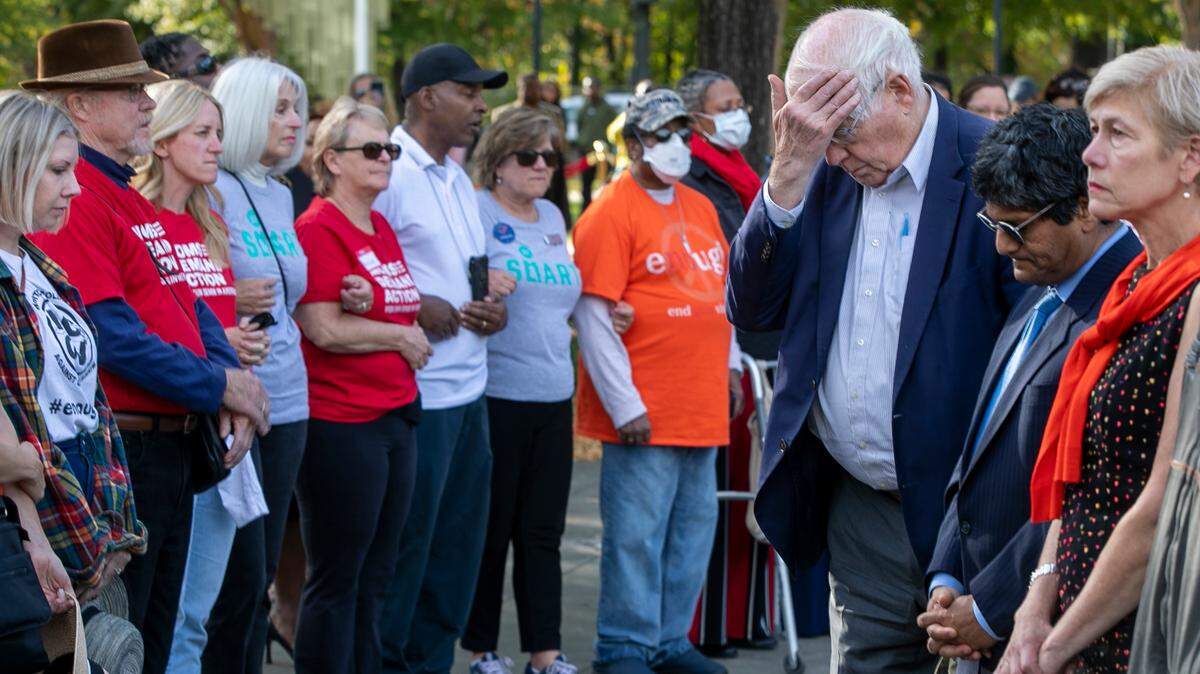
Swanson was one of three experts Tuesday night who tackled the issues of mass shooting and gun violence at a forum called, “Taking Action: A Community Conversation.” The event, hosted by NC Insider and The News & Observer, was born out of a tragedy.
It’s been just over a month since the Oct. 13 mass shooting in Raleigh that left five people dead. Since then, there have been a flurry of other mass shootings around the country, including one at the University of Virginia Sunday night in which three football players were killed and two other students were injured.
At the forum at the N.C. Museum of History, Insider editor Lars Dolder moderated a conversation on the complex issue and possible solutions. Members of the public also addressed questions to the panel.
There’s an urgency to implementing strategies to prevent guns from hurting others, the experts said.
Every shooting, Swanson said, “is a story of a life cut short, a loved one left behind that ripples through families and communities and across the generations, and they’re preventable.”
In addition to Swanson, the event’s panelists were:
▪ Dr. Elizabeth Cuervo Tilson, North Carolina’s state health director and chief medical officer for the N.C. Department of Health and Human Services.
▪ Karen Fairley, executive director of the N.C. Department of Public Instruction’s Center for Safer Schools.
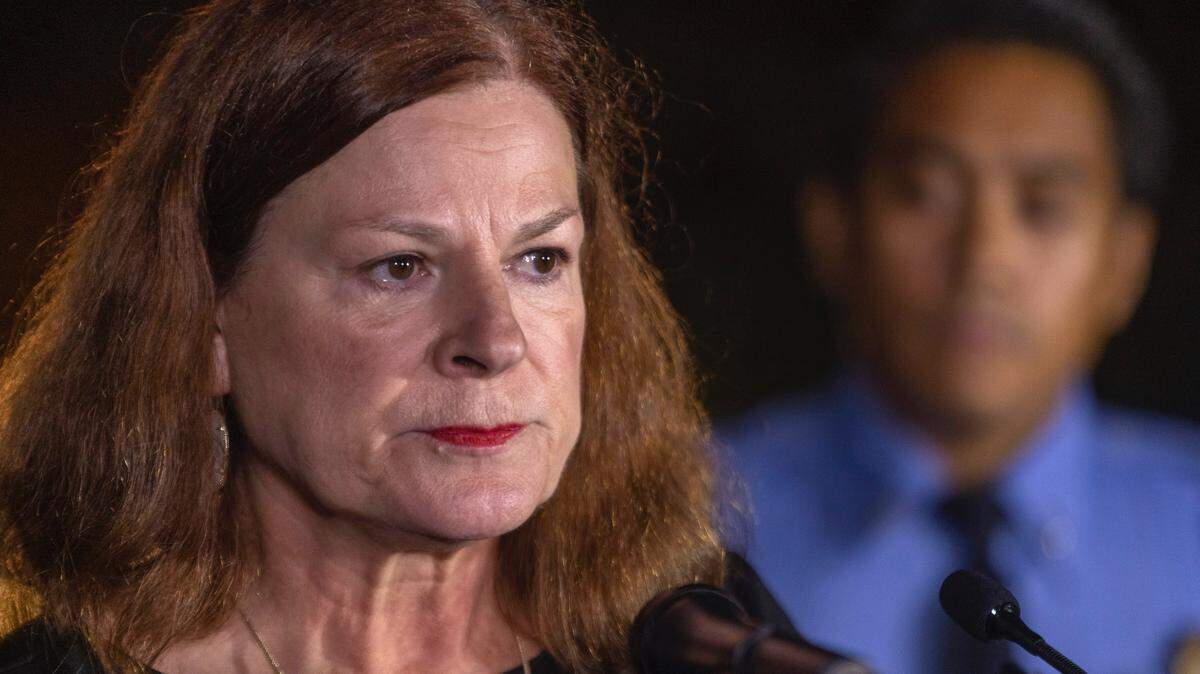
Raleigh Mayor Mary-Ann Baldwin was scheduled to be a panelist, but was not able to attend due to a City Council meeting Tuesday night.
Here are some of the major takeaways and topics discussed at the forum.
A public health issue
Swanson said the United States should have “sensible rules” to make sure that guns don’t end up in the wrong hands.
“We can’t broadly limit legal access to guns in our country, that’s not the country we live in,” said Swanson. “But we should have sensible rules to make sure that guns aren’t in the hands of dangerous people. And we could do a lot better than that. Because the rules we have now are too broad and too narrow.”
But that’s not always easy to do when someone who doesn’t have a record obtains a gun to do harm — either to others or themselves, Swanson and others said.
Swanson said mental health intersects with gun violence, particularly when it comes to suicide. More than half the gun deaths in the U.S. are suicides, Swanson said.
“There’s a huge public health opportunity there, because many, many people at risk of suicide could walk into a licensed gun store and pass a background check,” he said. “And we need to think about that.”
But, Swanson said, the majority of people with mental health issues are not violent. He said there is an inaccurate public stigma of mental illness being linked to violence and shootings, a topic he’s researched for years. Solving mental health issues would not eradicate gun violence, he said.
Tilson agreed that gun violence prevention should be treated as a public health issue. Just like road safety laws, there must be “multilayered prevention strategies” around gun violence, she said.
“It means using our data,” Tilson said. “We have great surveillance, we have great data to really understand what are the trends and who’s at risk, and where’s the geographic hot spots.”
There also needs to be an understanding of the risk factors of gun violence, Tilson said, whether that’s an unintentional shooting or something more deliberate.
“There are different risk and protective factors that we have to understand,” she said. “Then, the third piece is designing, implementing and evaluating programs, with the population most affected by that program.”
Tilson said the state is examining extreme risk protective orders, in which legal firearm access can temporarily be restricted from someone against whom a protective order is filed.
“Mental health as a whole, it’s not a risk factor,” said Tilson. “But people who are in crisis ... having temporary removal of access to lethal means when people are in crisis. That’s a great strategy that is not currently in our toolbox, but could be in our toolbox that we’re continuing to research and evaluate.”
Safety approaches in NC schools
Fairley looked at the Oct. 13 shooting in the Hedingham neighborhood from the perspective of someone who identifies risks for violence in schools. The suspected shooter who shot at seven people — five fatally — is 15 years old.
“It is important for me to look at what could the (Center for Safer Schools) do to support the school that that child attended? Did we miss something?”
Fairley said her department gets reports daily from parents about their children being bullied and a sense of “hopelessness” in their environments at home.
“They carry that over into the school,” she said. “What I know is and what we know is what happens in the community goes over into the schools.”
The N.C. Center for Safer Schools directed around $74 million in school safety funding from the state to provide school resource officers, or SROs, to schools. SROs are employed by county sheriff’s offices or police departments and provide support for students. They can also help with identifying youth at-risk of perpetrating violence, Fairley said.
The Center for Safer Schools is helping North Carolina schools develop “threat assessment teams” to identify children who need support without being punitive, she said.
Schools are struggling to hire people like officers and school psychologists who could help with gun violence prevention.
The N.C. Department of Instruction launched the Say Something Anonymous Reporting System in 2019, in which school staff triage calls and work with at-risk children.
Fairley compared school safety to flying a plane. Boarding a plane requires safety checks, training and experts to make sure the planes are safe.
Approaching gun violence prevention and safety in schools is akin to asking people, in this case students and parents, to do things for their own safety before boarding a plane.
“When a plane crash is a horrific, massive loss of life, everybody tries to figure out what happened. So they pull out the little black box to see what happened,” Fairley said.
‘A uniquely American problem’
Hedingham resident Colin Wilson asked the panelists why mass shootings have become a “uniquely American problem.”
The U.S. has average general crime rates, when compared to 14 other high-income and highly developed countries, including Canada, the United Kingdom, Australia, Japan and other western European countries, said Swanson.
“But you take those same 15 countries ... and you look at one particular type of crime, homicide, where there’s a assault and somebody dies — now, we’re way, way out of line with the others. Our homicide rate, even though it’s come way down, it’s several times higher than all those other countries.”
Swanson cited that about 67% of homicides in the U.S. involve firearms, while that rate is about 17% among the other countries.
“With our country, we have to figure out ways of figuring out who are the people who are at such a high risk, that it’s justified to limit their Second Amendment right,” said Swanson.
Swanson referred to red flag gun laws, which exists in 19 states and can allow a judge to rule that a person should legally not be allowed to own a firearm.
Citing his previous research on gun violence, he explained that studies show that about 25 percent of mass shooters have an identified mental illness, but the majority do not.
The recent increase in mass shootings in the last decade is a result of people following “an incredibly deviant cultural script,” said Swanson.
“Everybody here came in a car,” he said. “Did you put your seatbelt on because there’s a law against it? No, you did that because it’s part of our normal behavior now. And I think we need to somehow think about how we change our culture, thinking about not only firearms, but this type of a response.”
This story was originally published November 16, 2022 at 5:55 AM.











_474_fitted.jpeg)