What judge’s new sentencing order means for Hedingham shooter Austin Thompson
AI-generated summary reviewed by our newsroom.
- A judge filed a new order in the Hedingham shooting case Tuesday.
- Because the shooter, Austin Thompson, was 15, he may be eligible for life with parole.
- His sentencing hearing will begin Monday, Feb. 2.
READ MORE
Raleigh mass shooting in Hedingham neighborhood
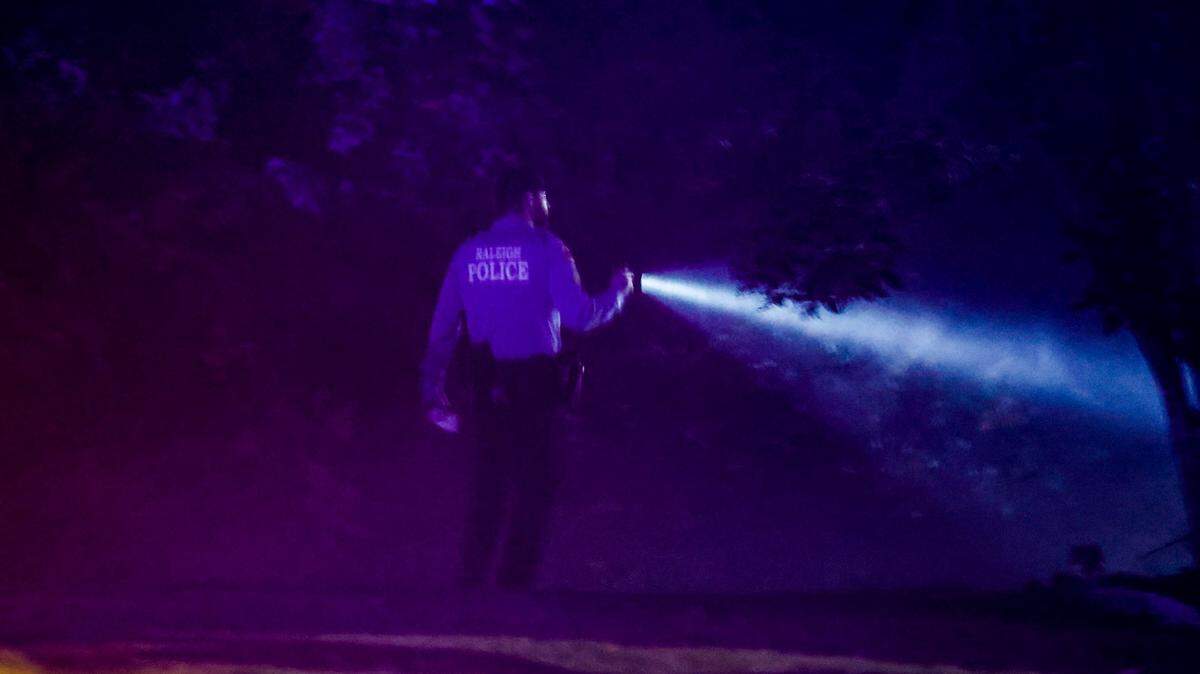
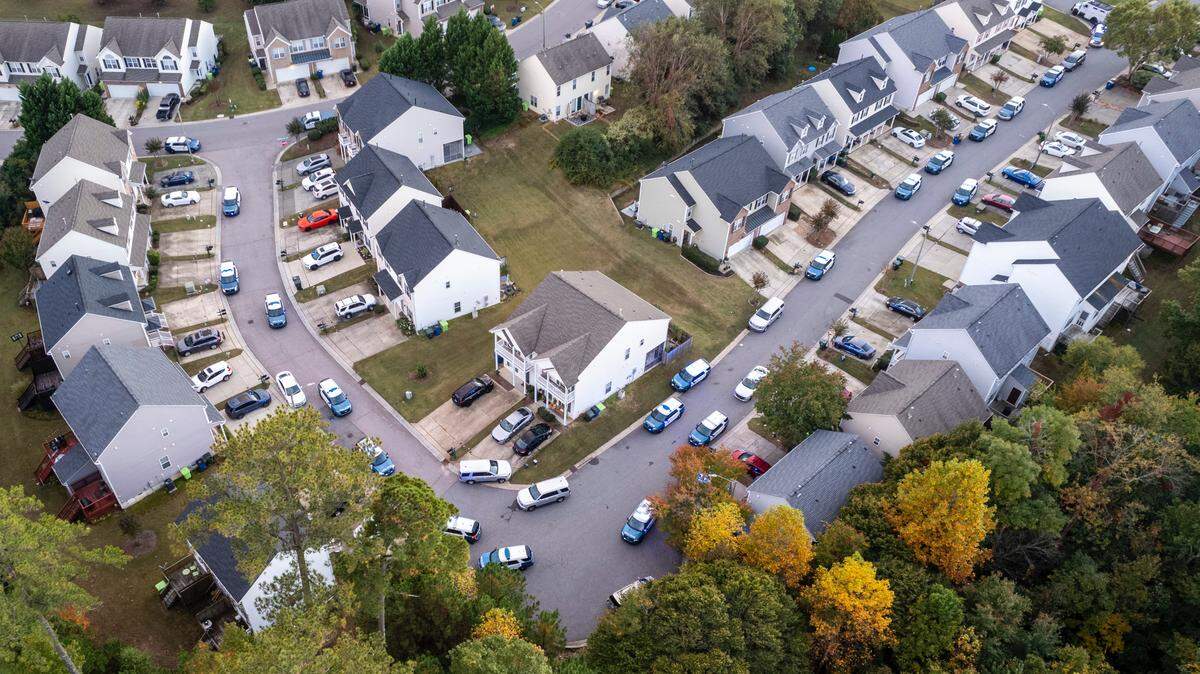
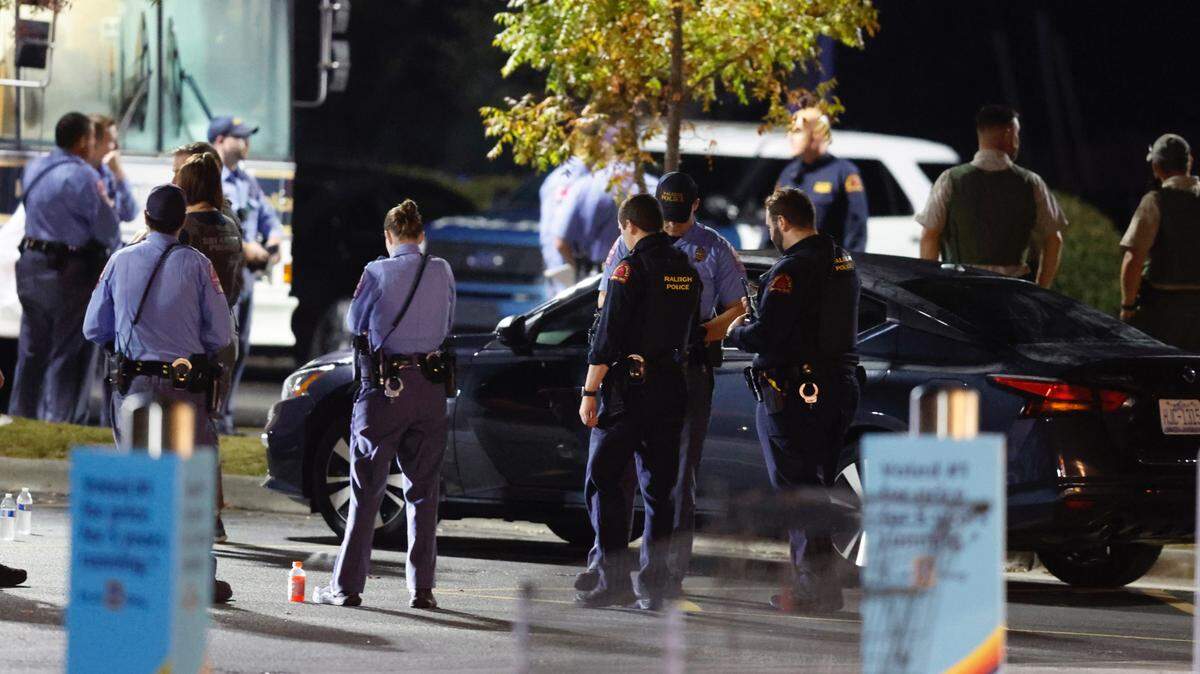
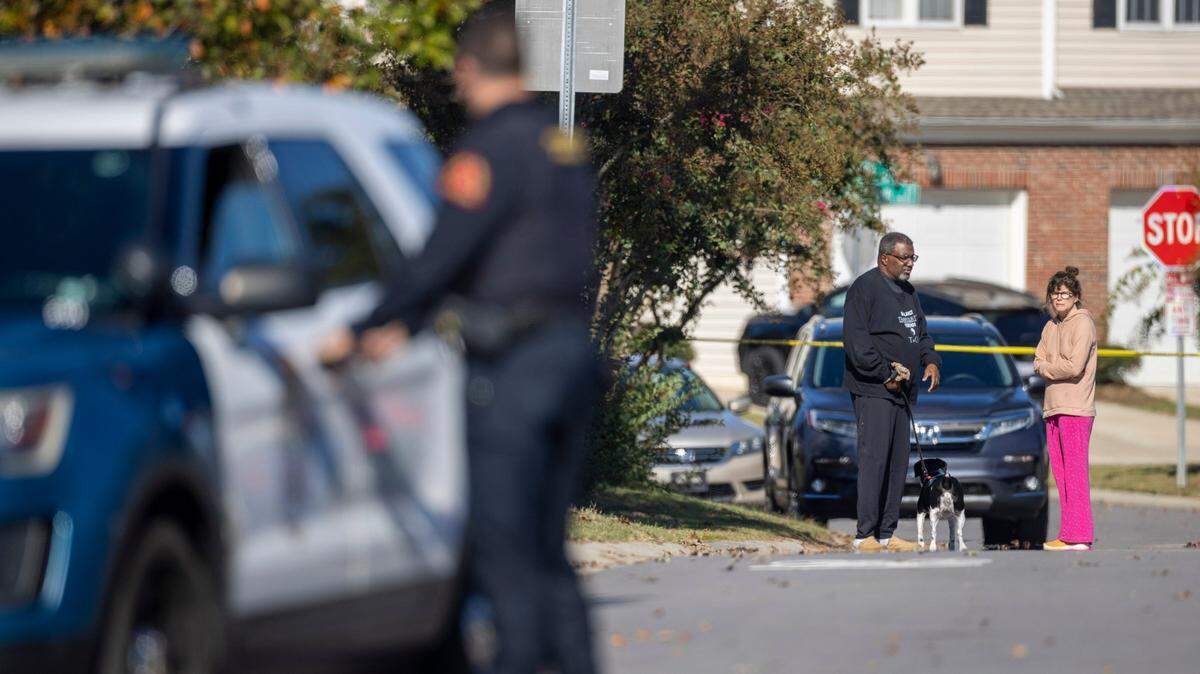
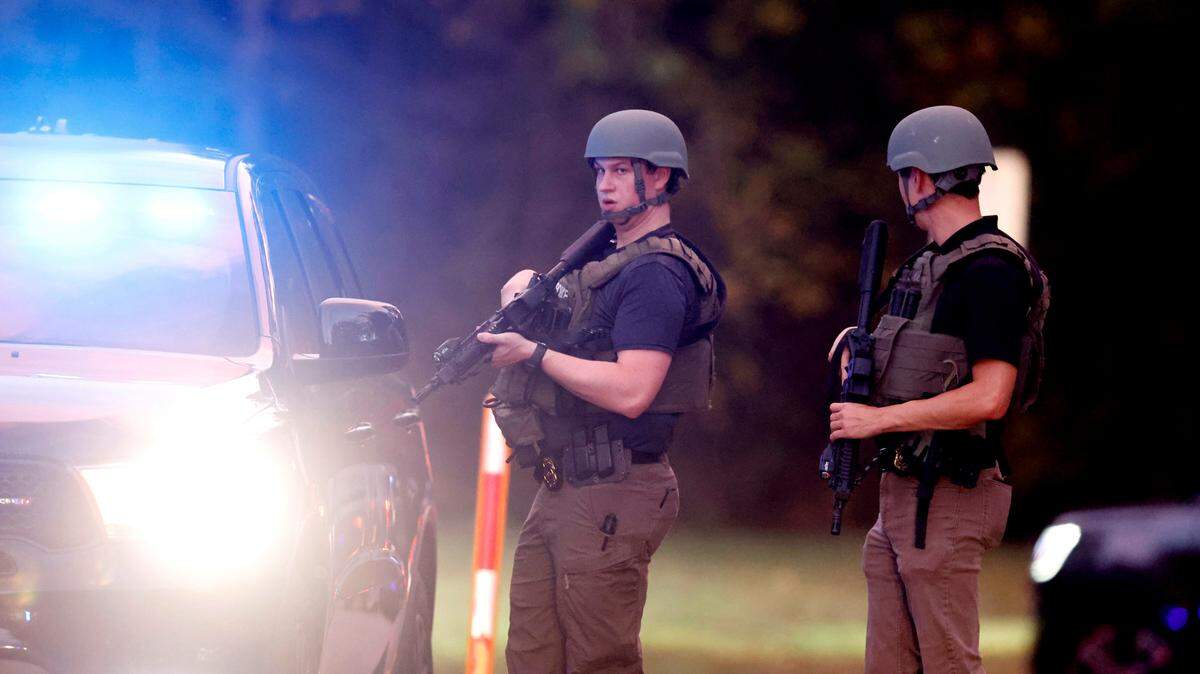
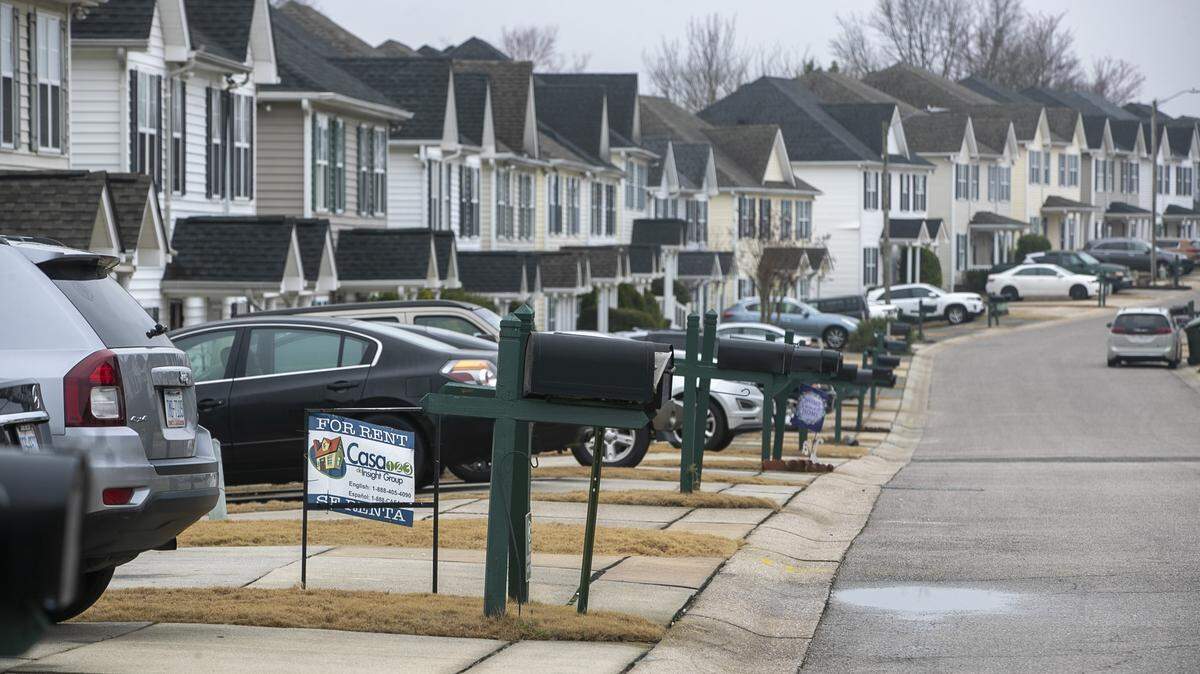
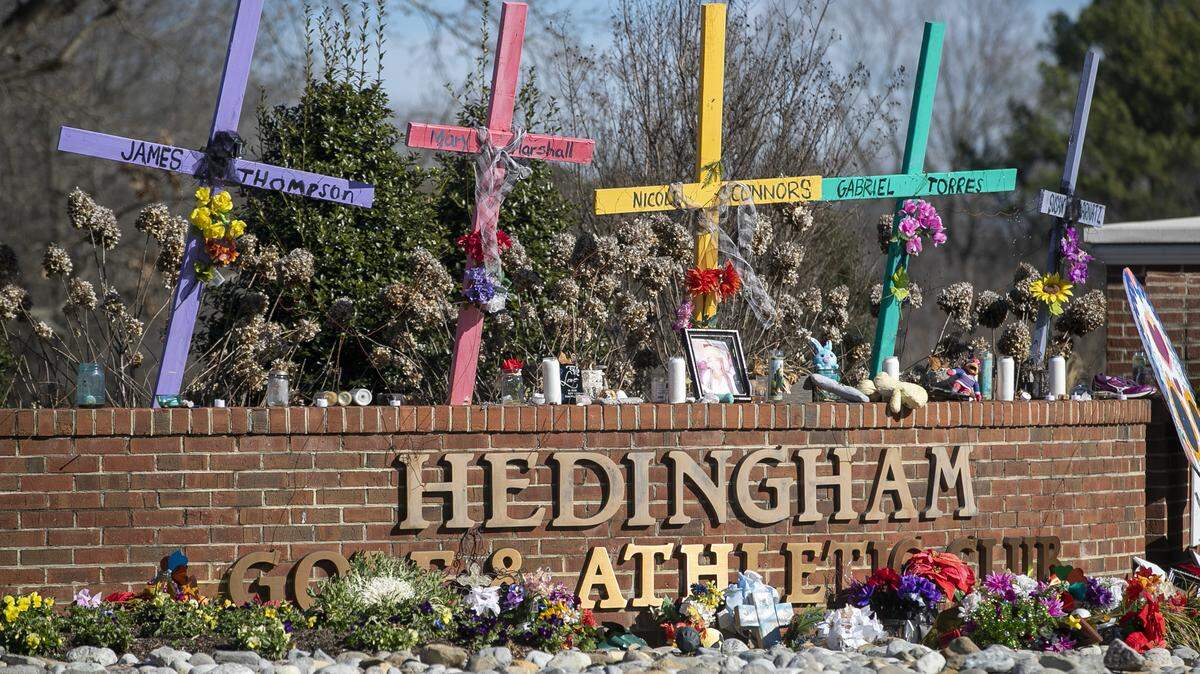
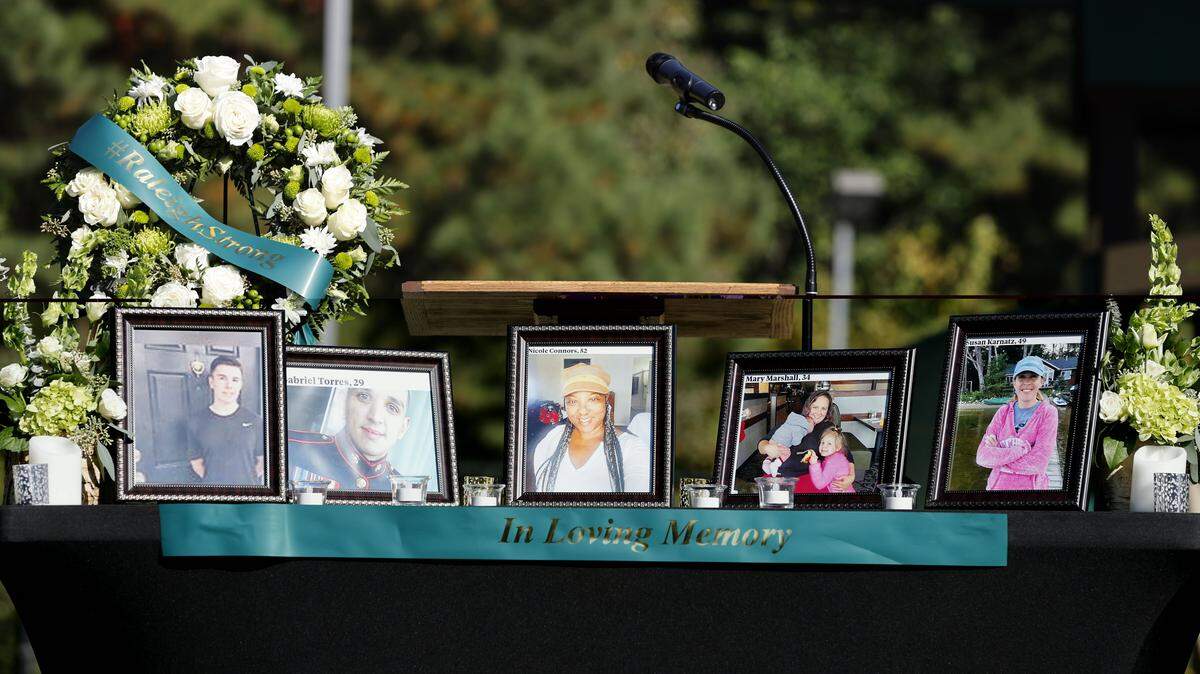
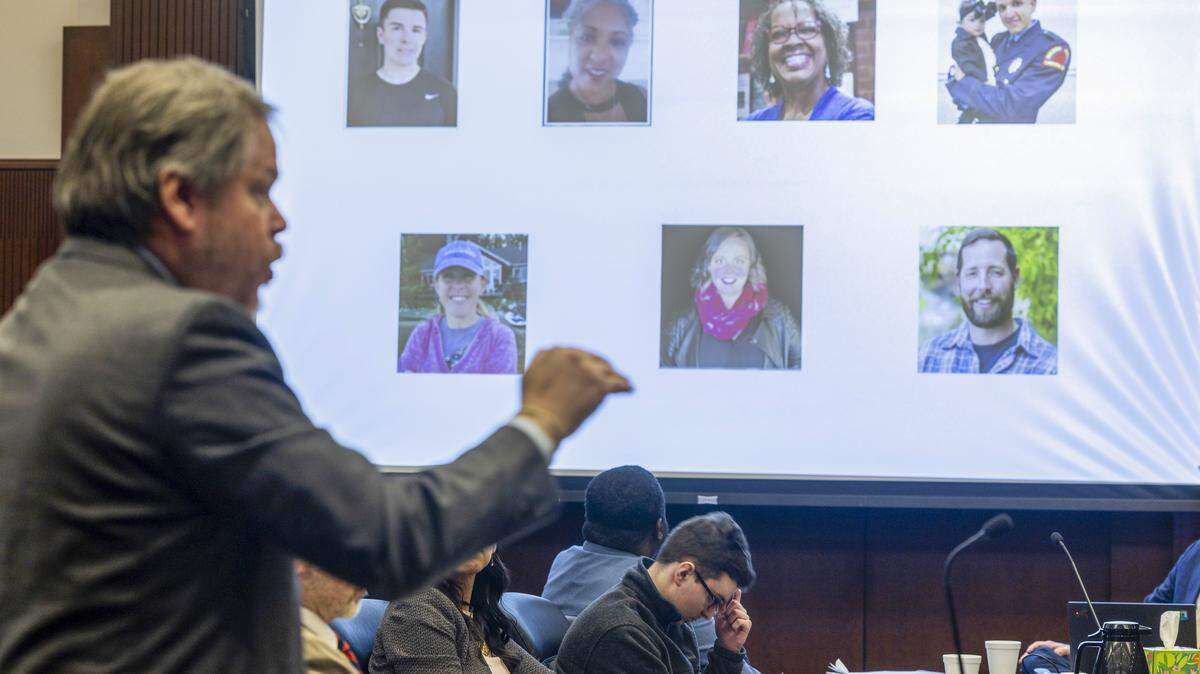
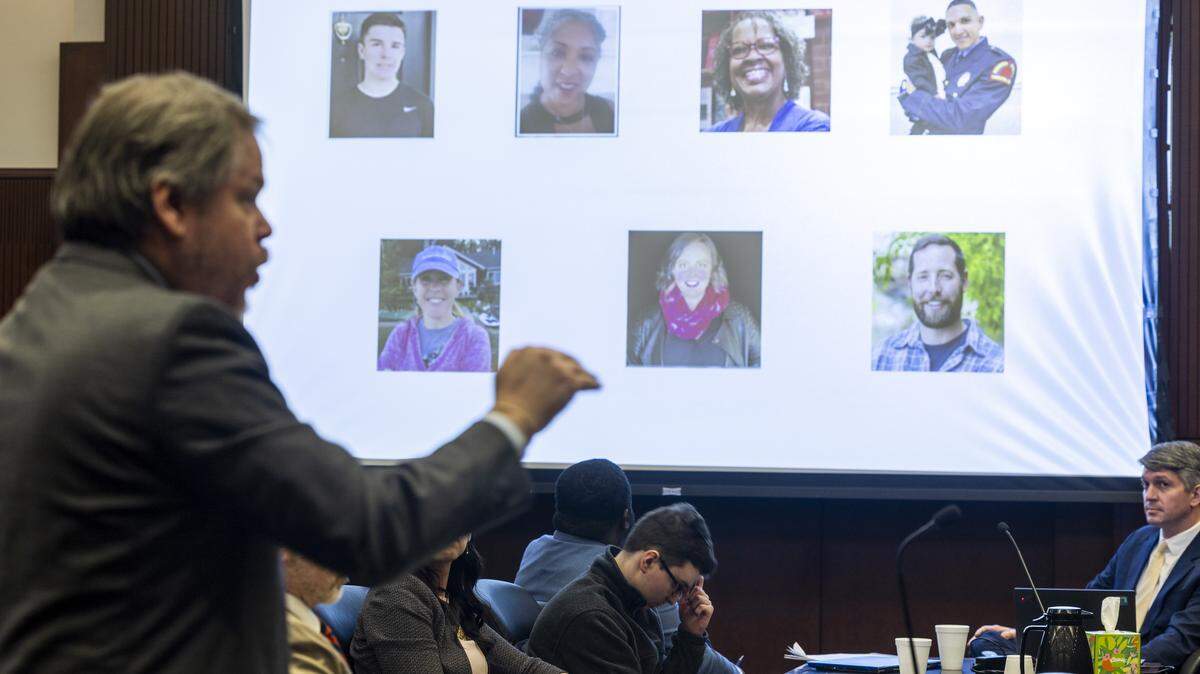
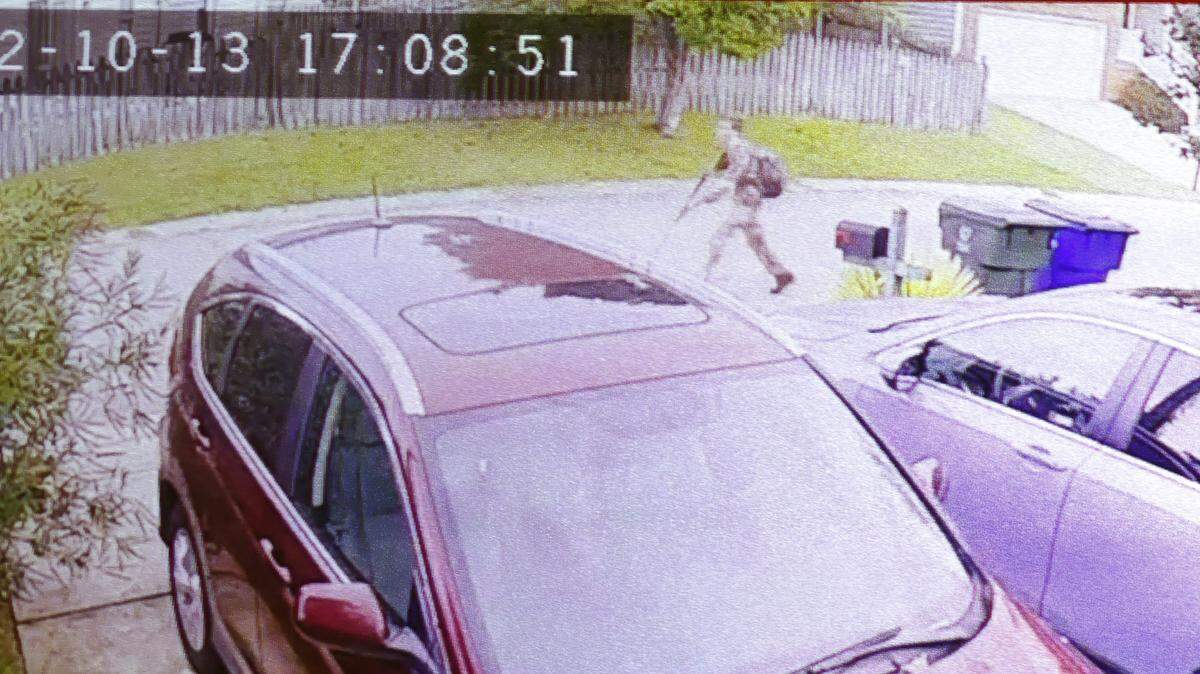
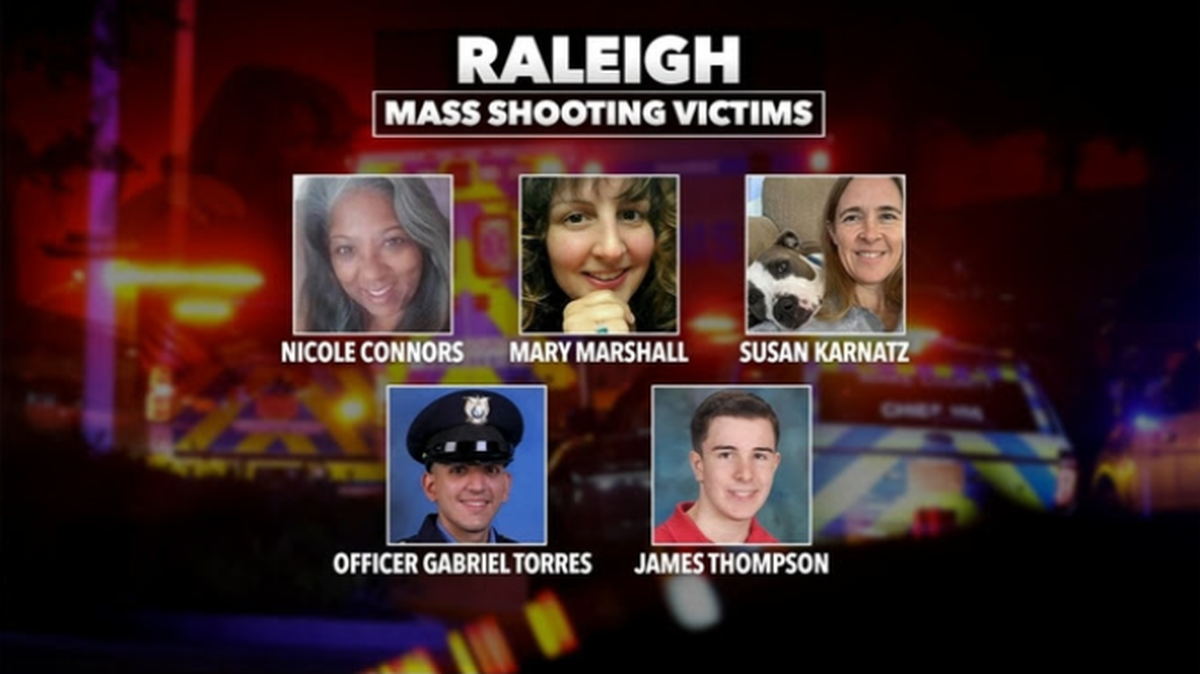
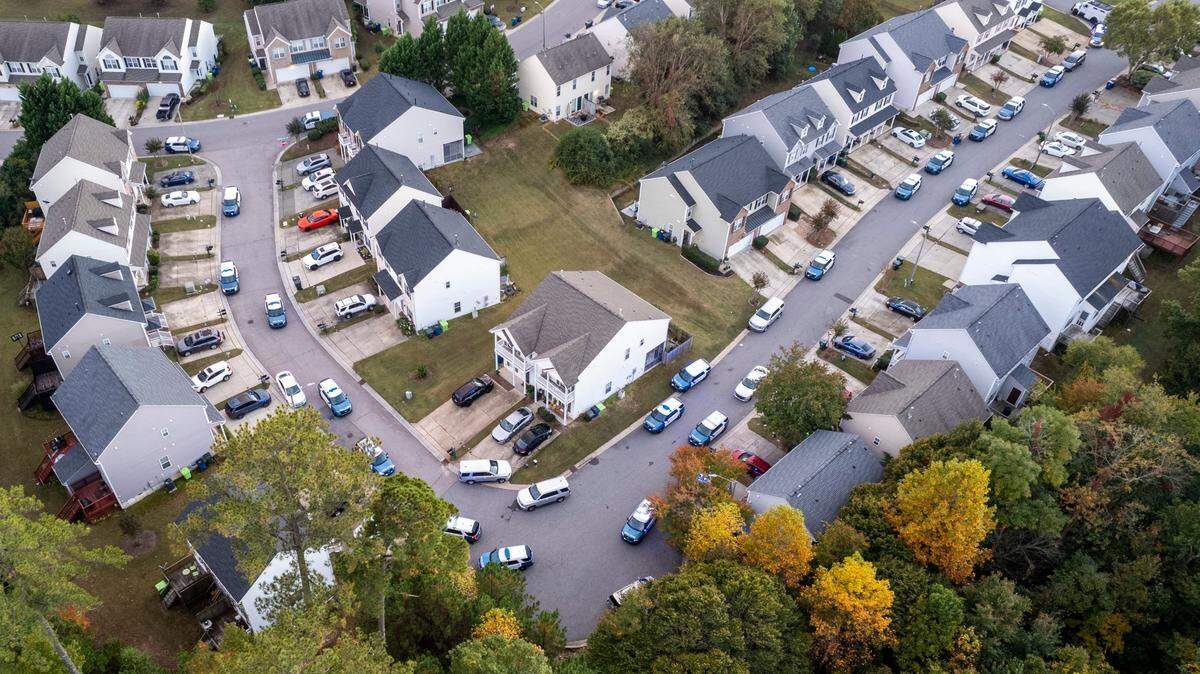
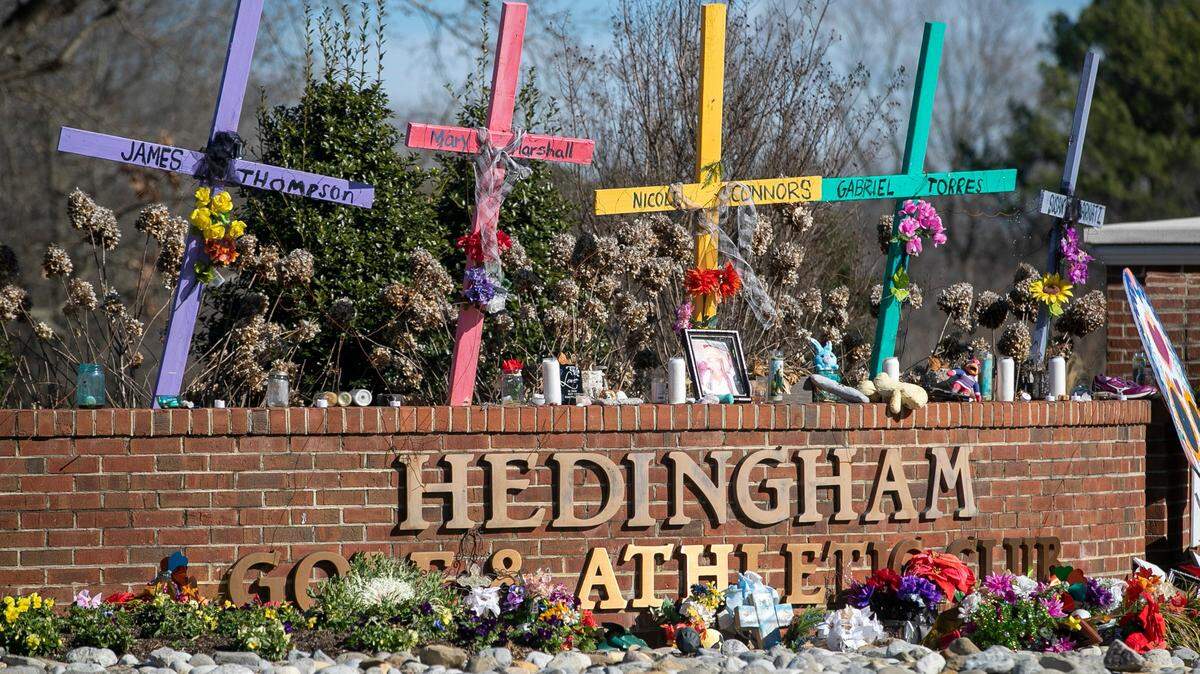
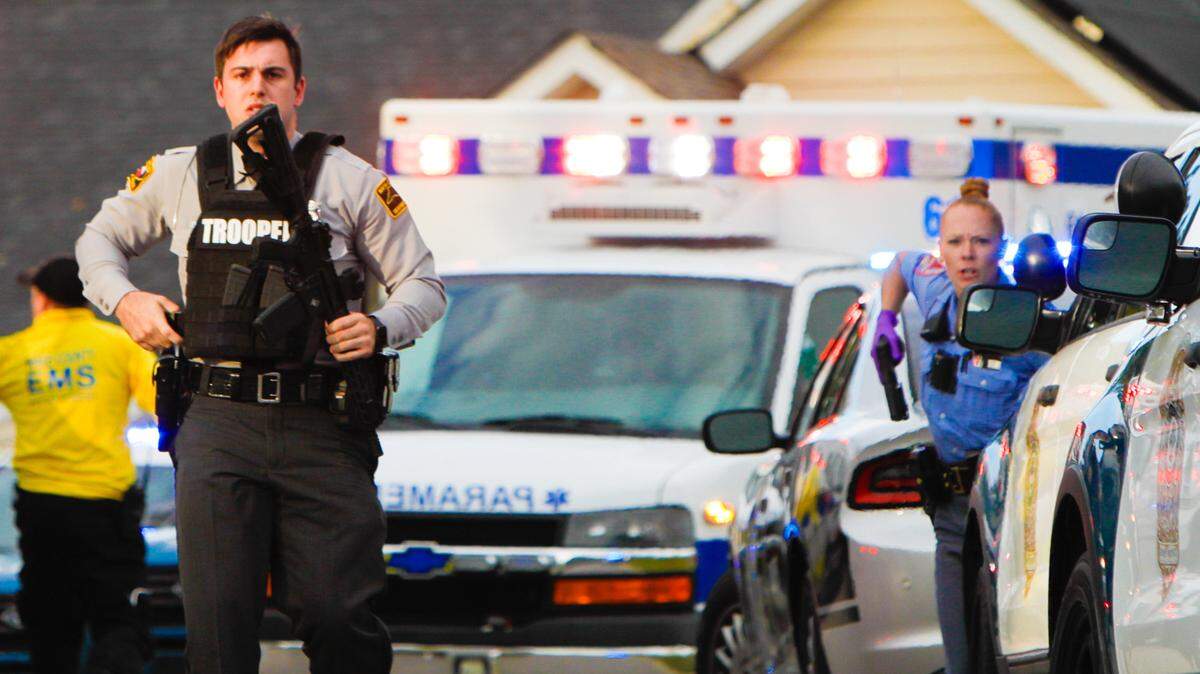
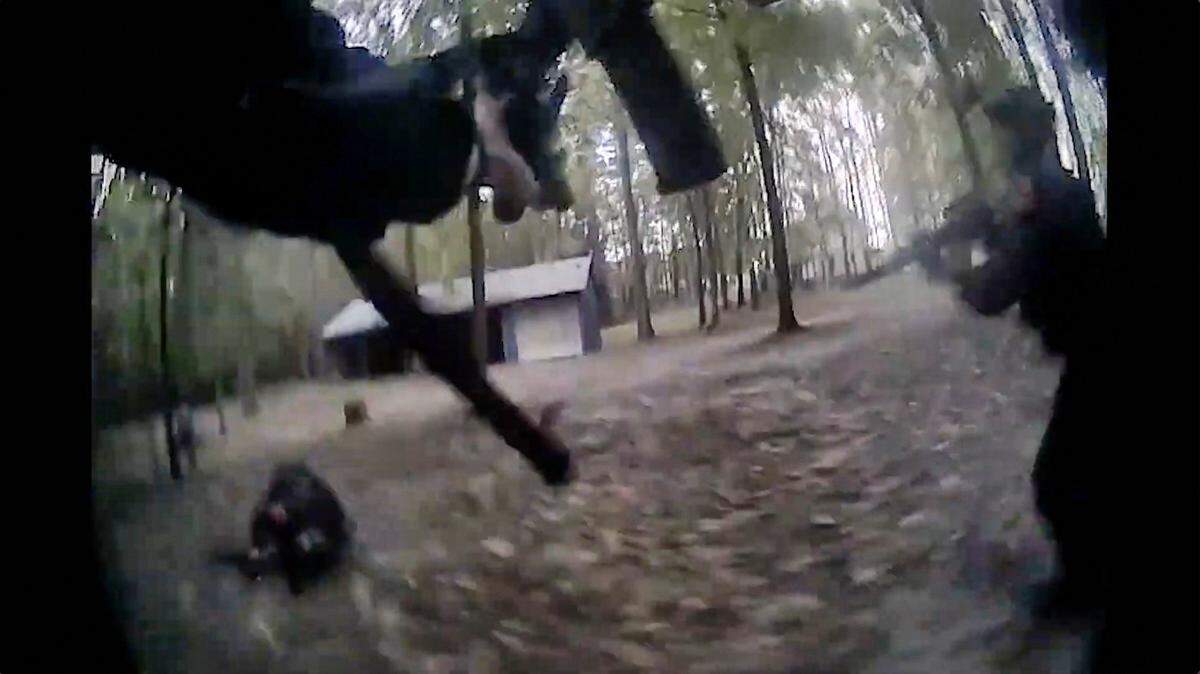
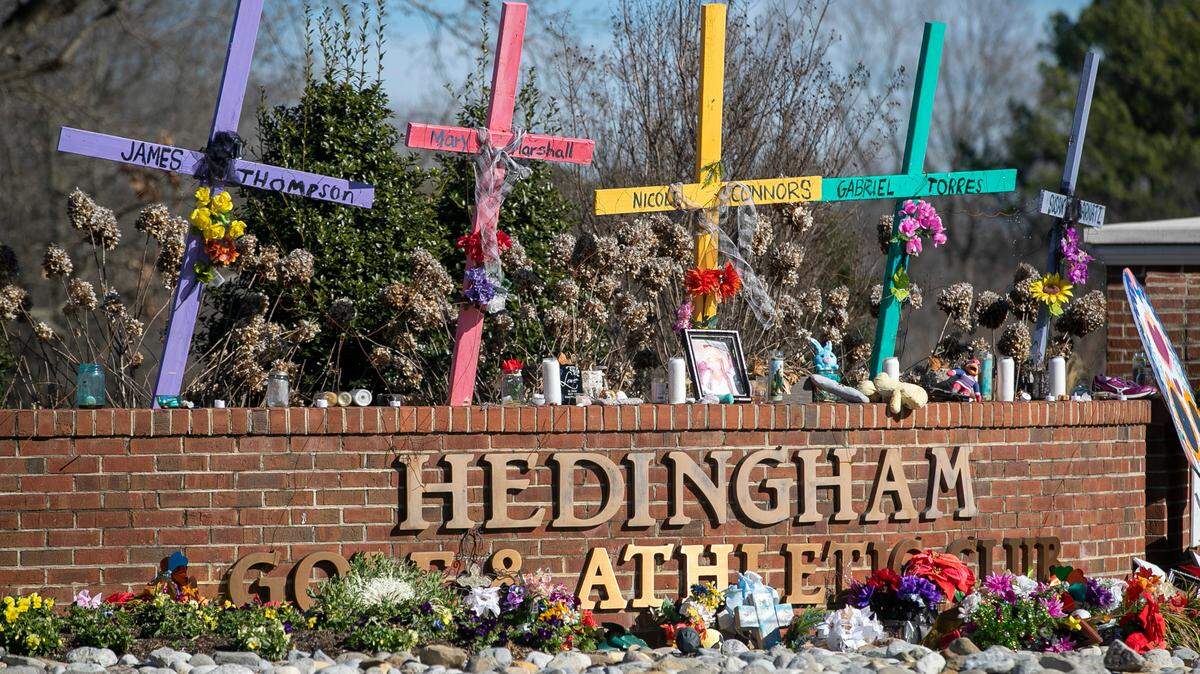
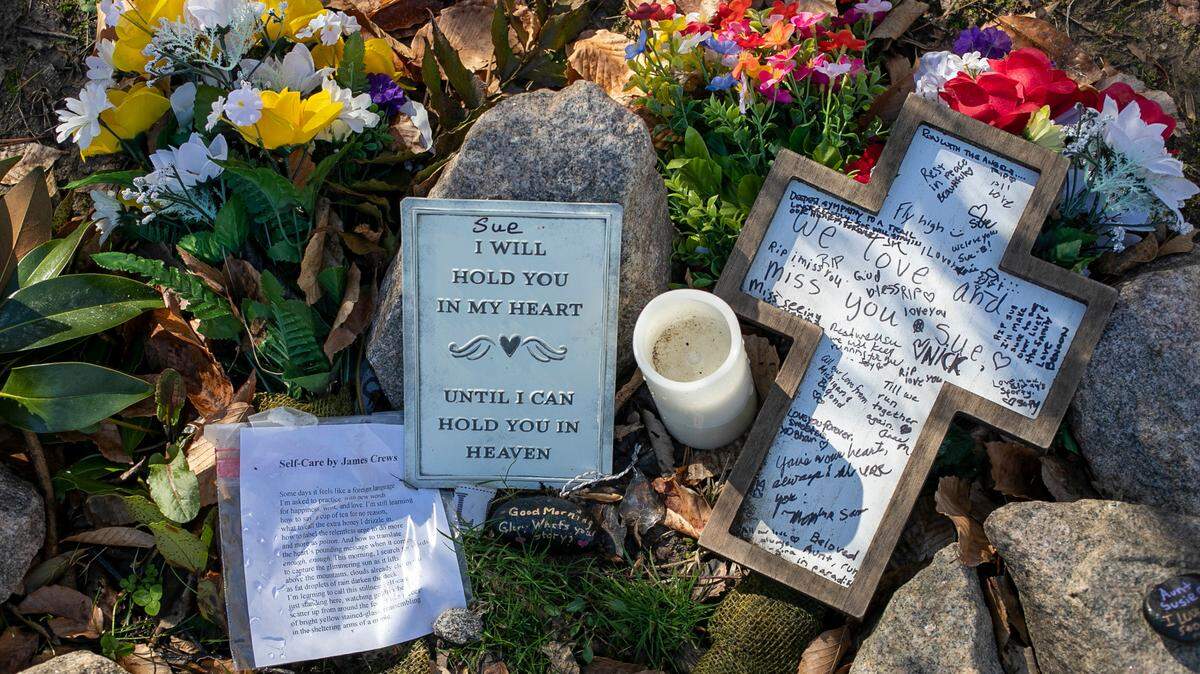
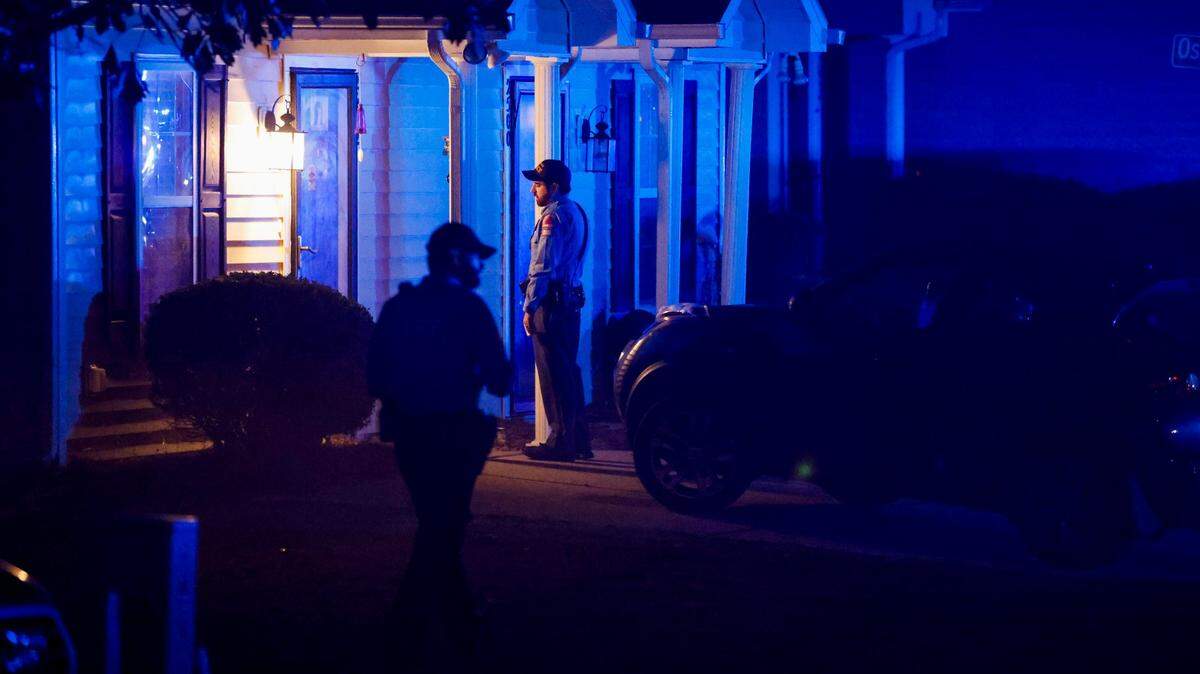
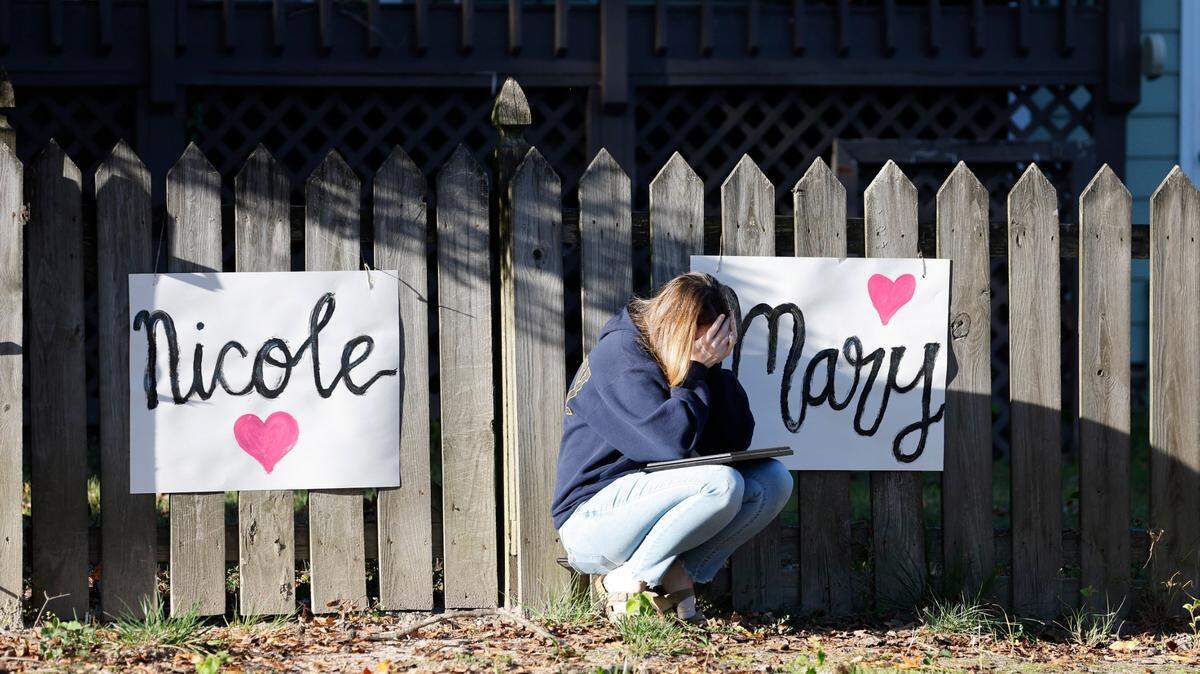
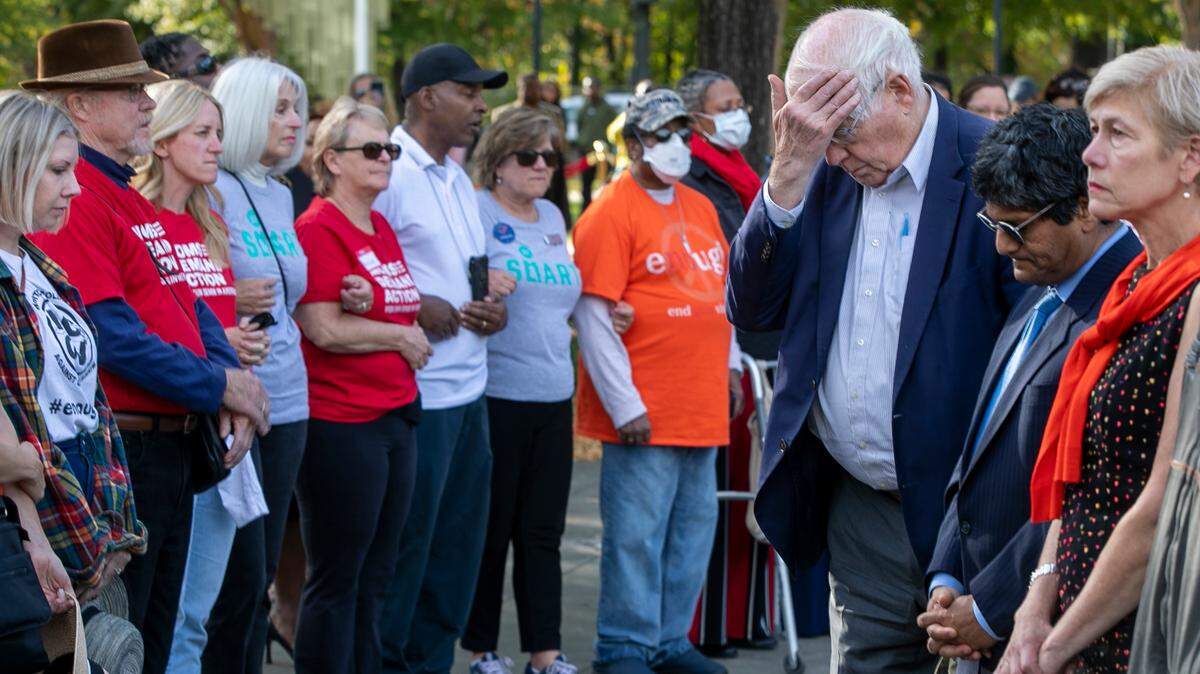
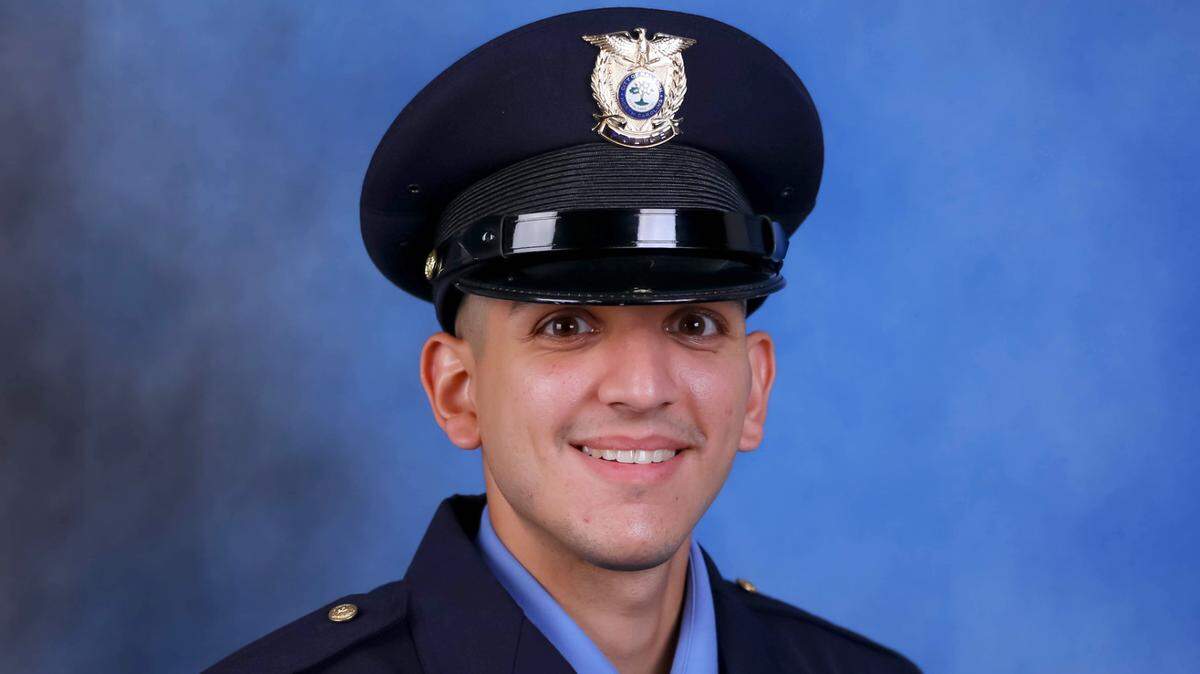
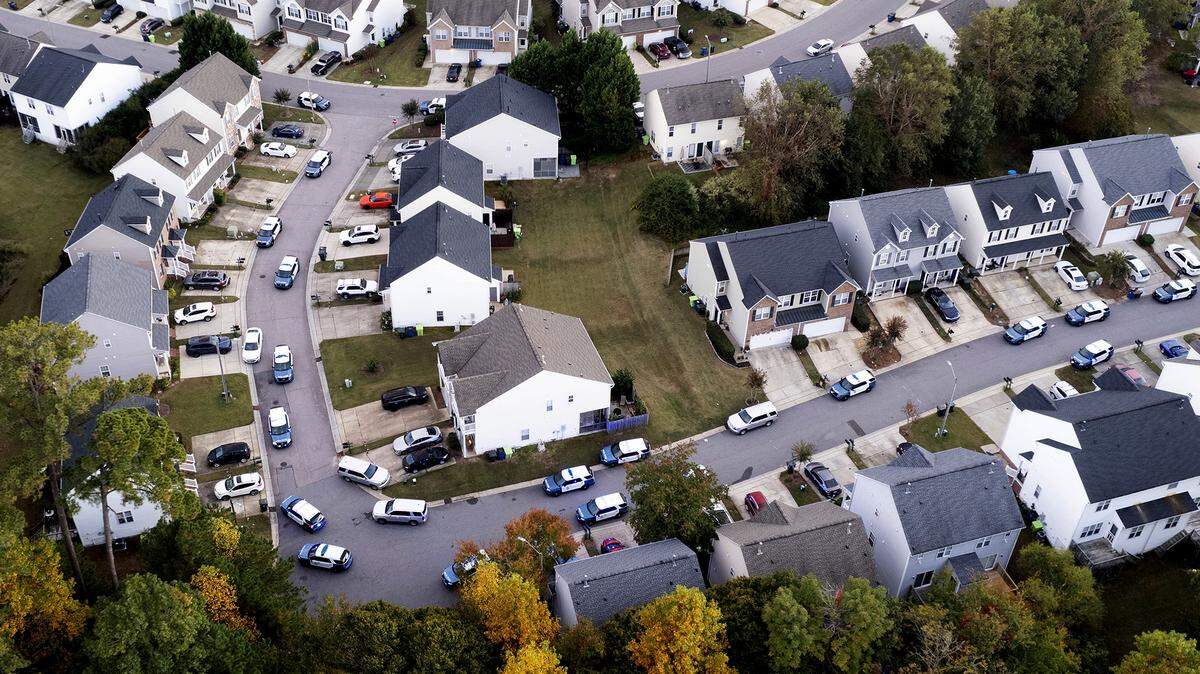
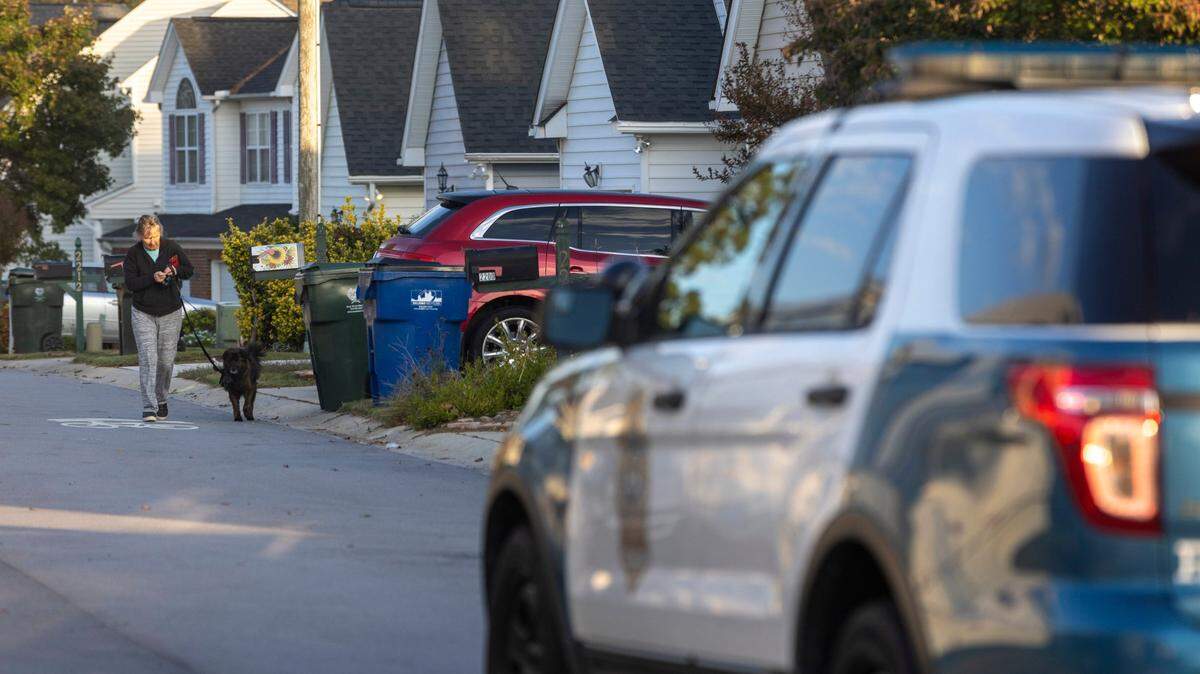
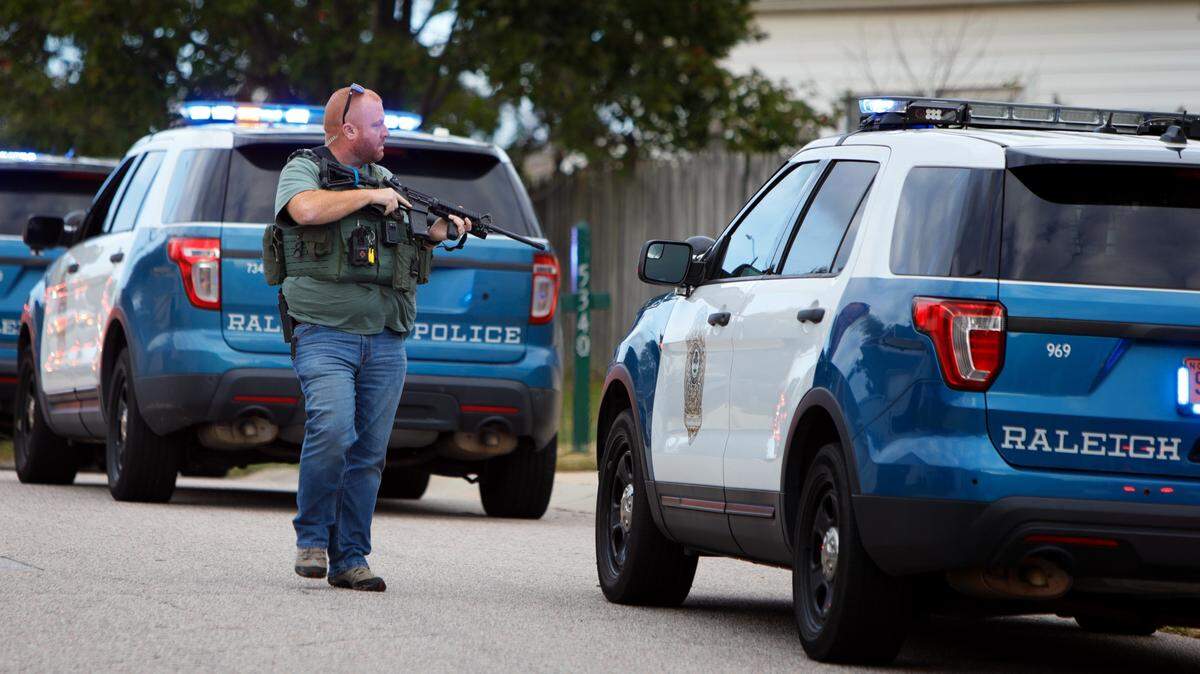
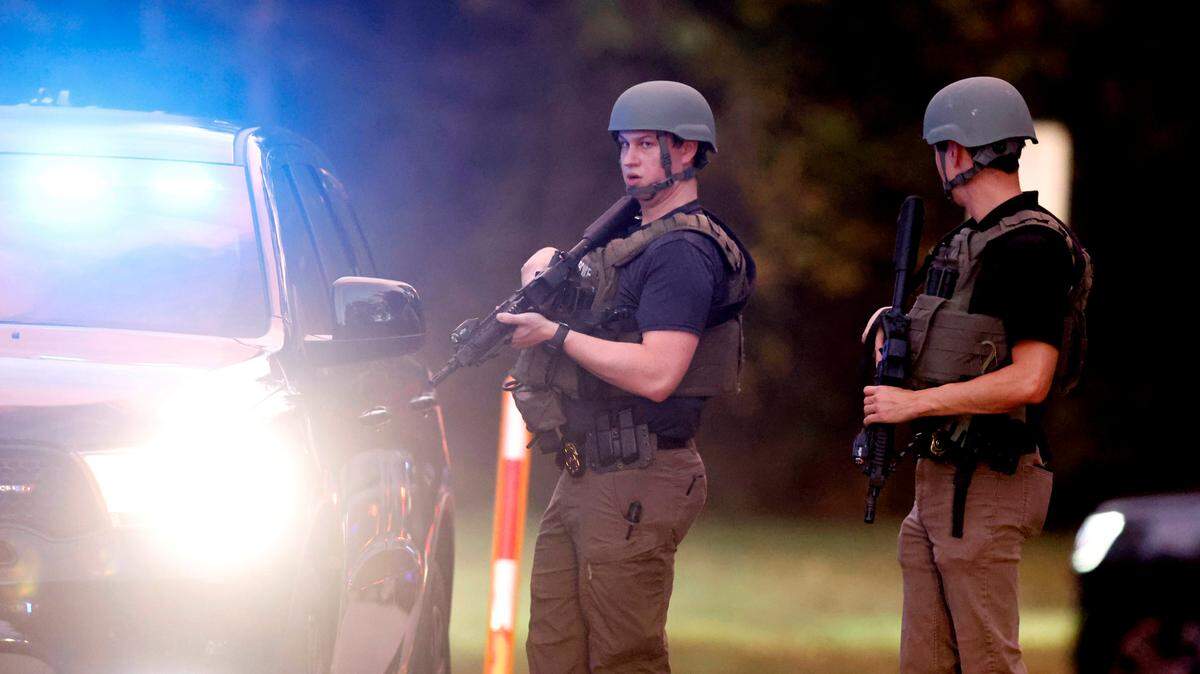
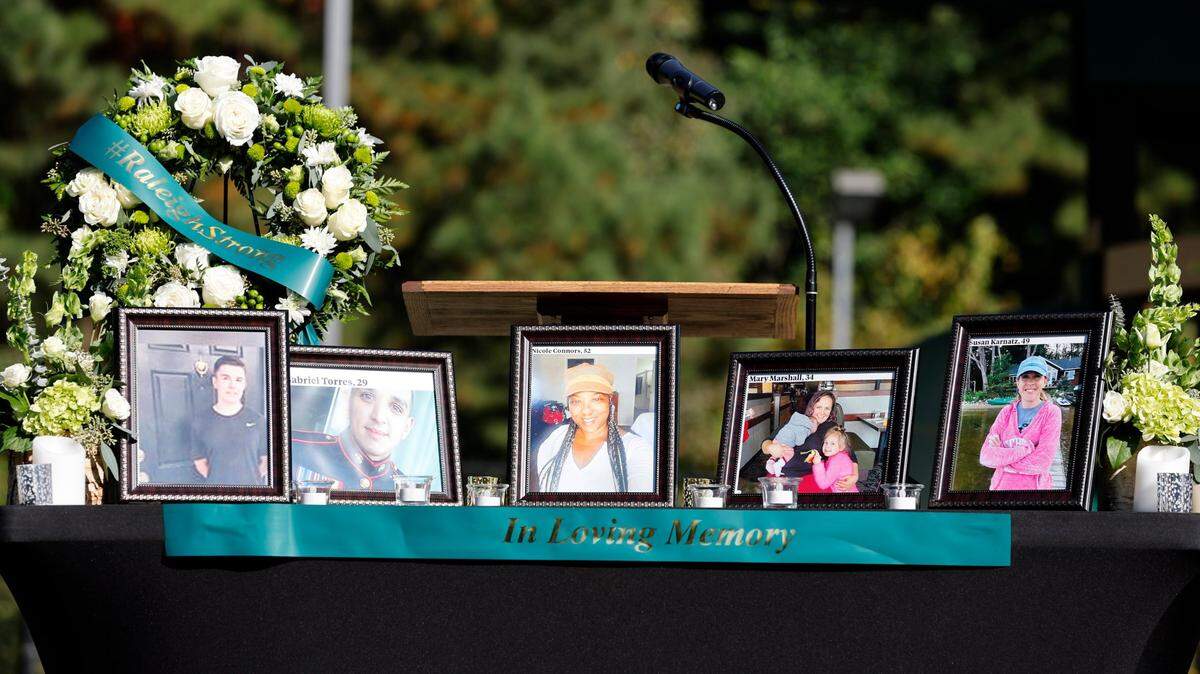
On Oct. 13, 2022, seven people were shot in Raleigh, NC, in the Hedingham neighborhood near the Neuse River Greenway Trail. Five were killed, including a Raleigh police officer. High school student Austin Thompson was charged with their murders. Read The News & Observer’s ongoing coverage of the mass shooting, Thompson’s guilty plea and ongoing civil lawsuit.
Expand All
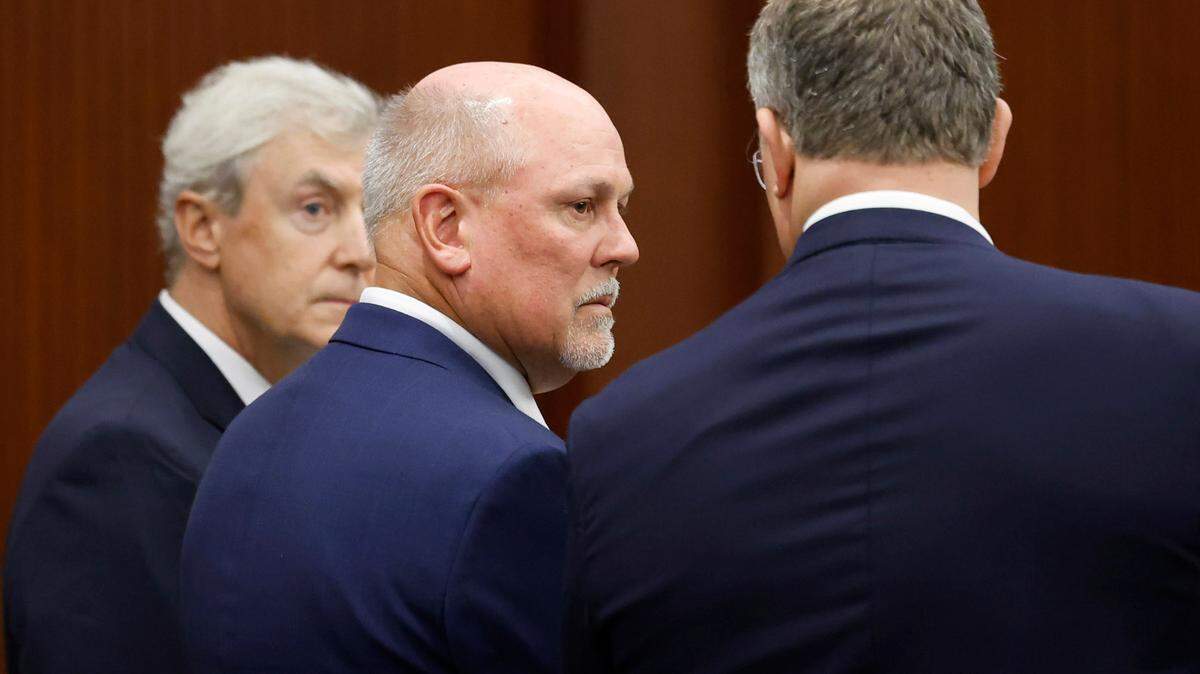
The judge presiding over the Hedingham shooter’s criminal case filed a new order Monday outlining the possible sentences the teen could face.
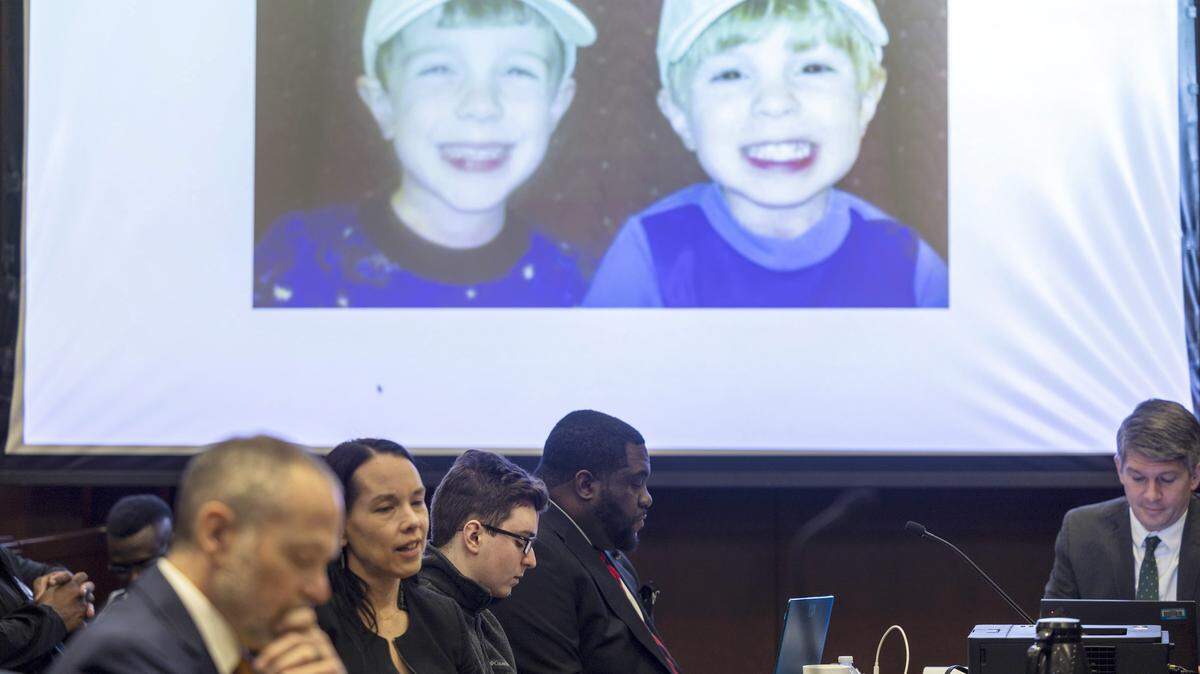
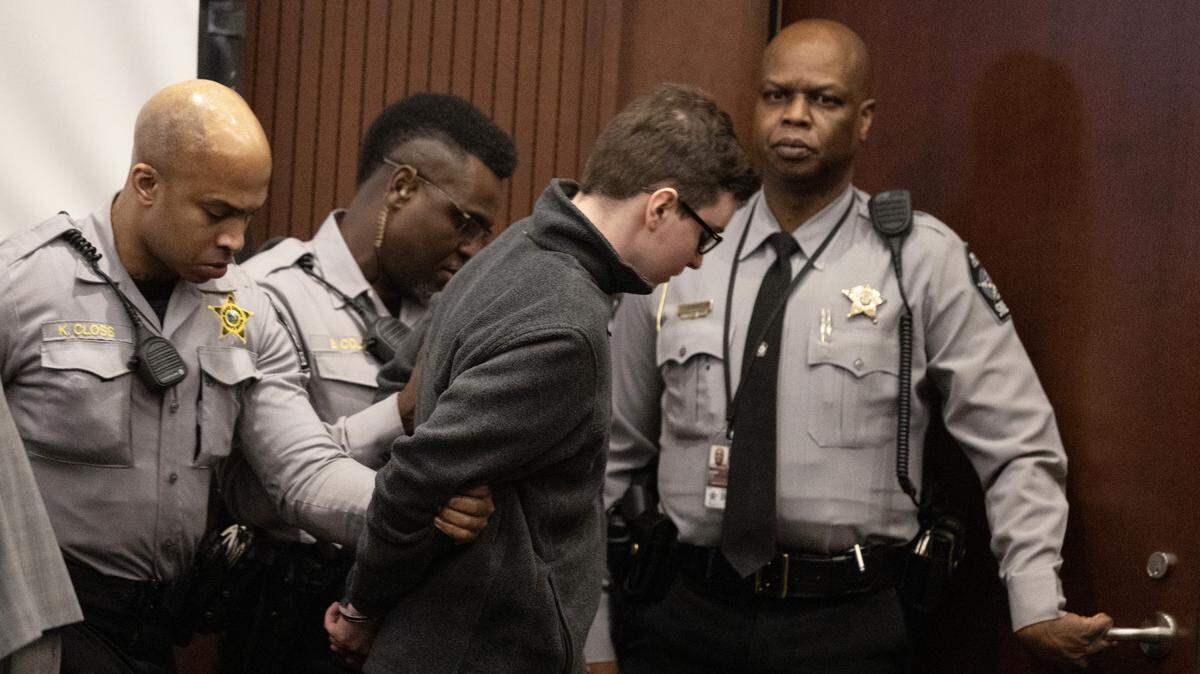
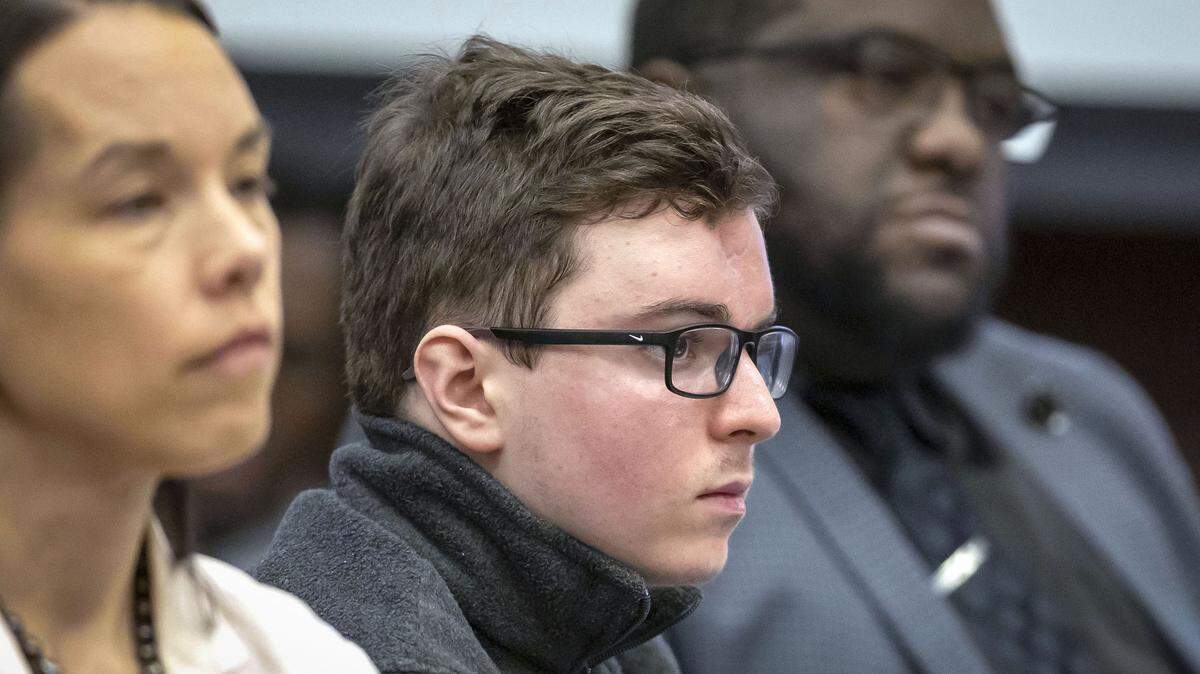
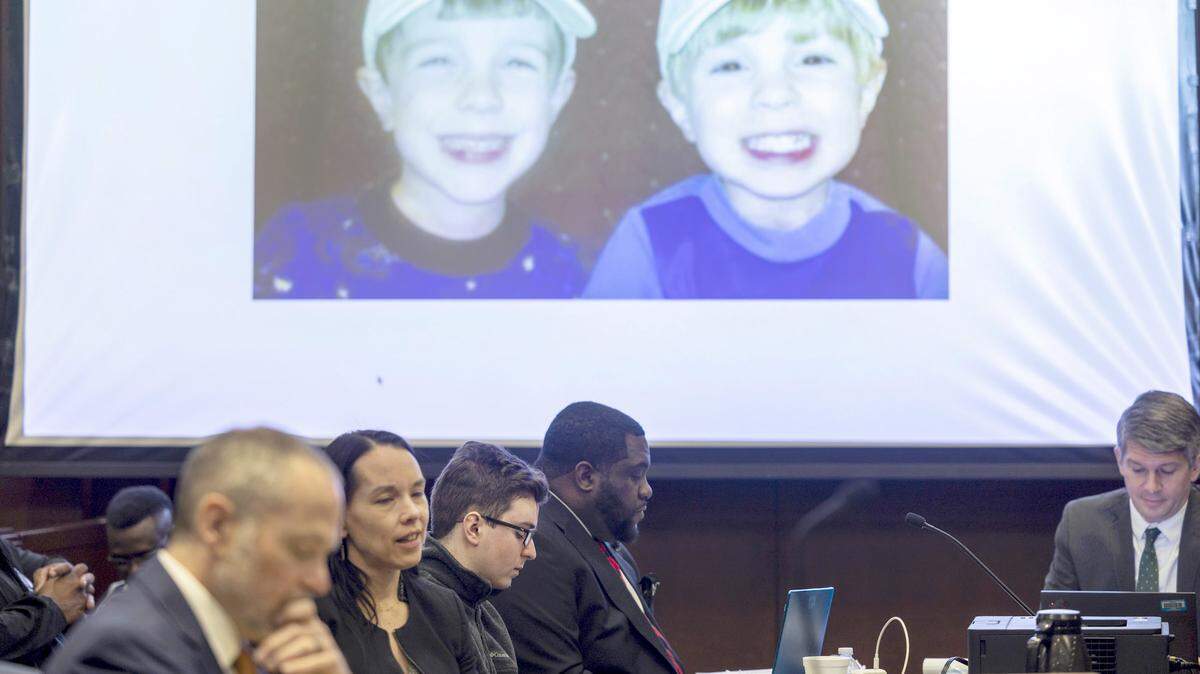
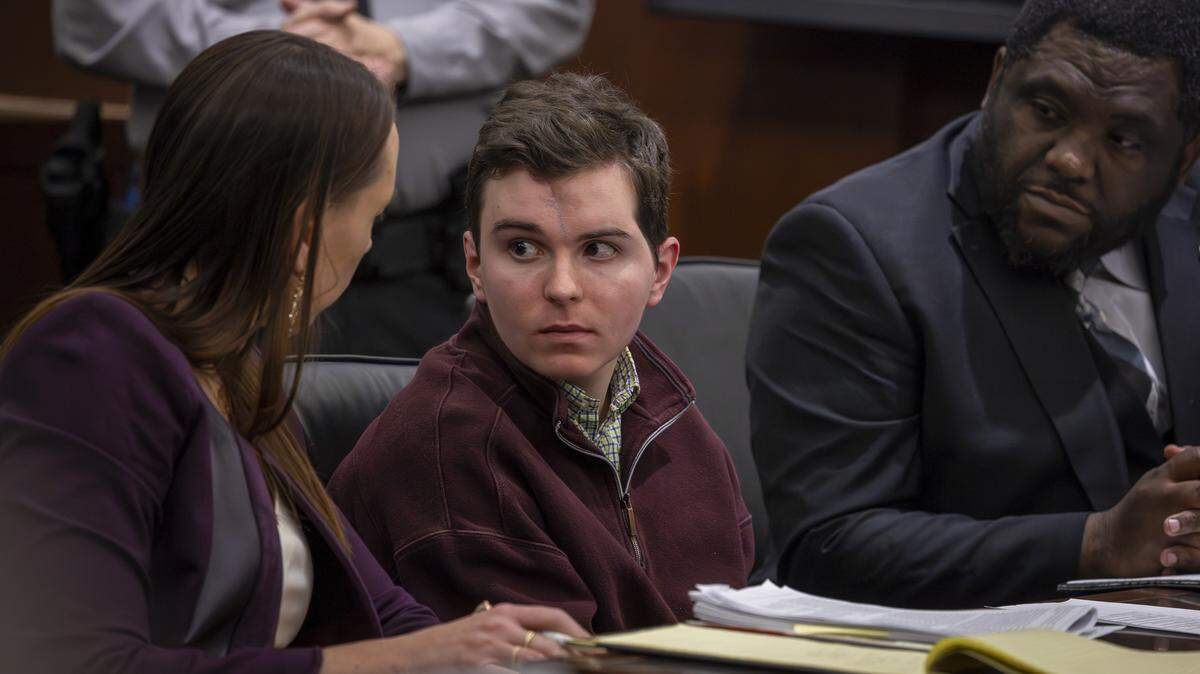
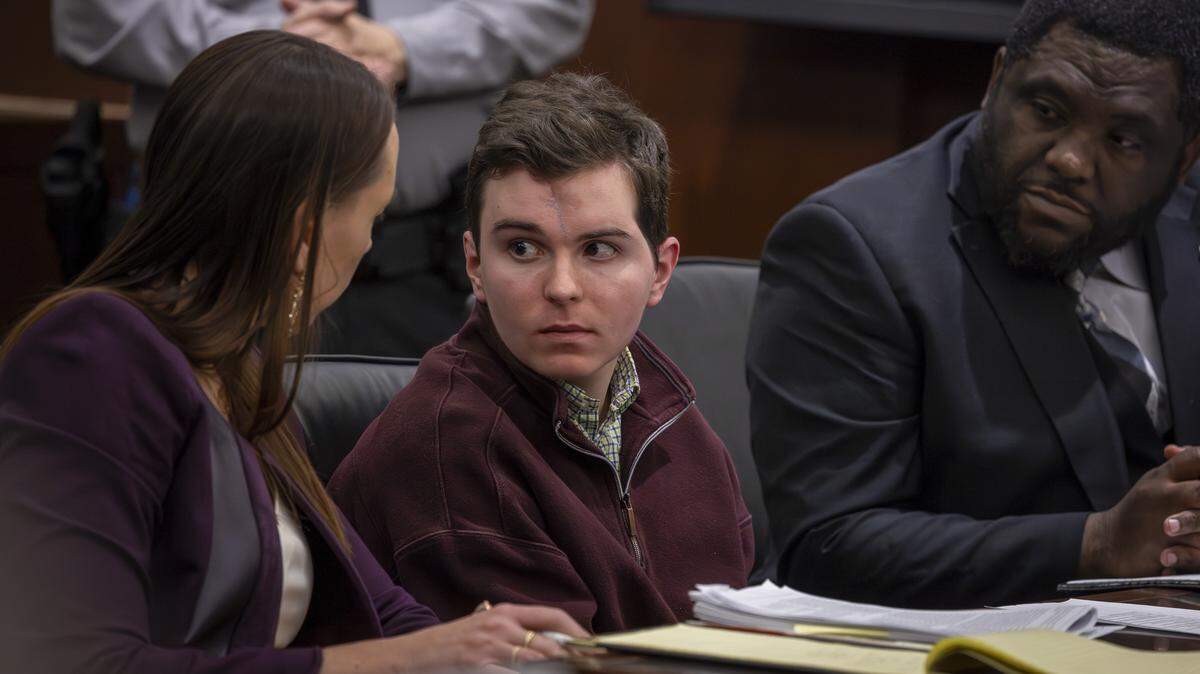
Austin Thompson, 18, pleaded guilty last week to five counts of murder and other charges in the October 2022 shooting that left five people dead and two injured. One of the victims was his brother, who Thompson shot and stabbed dozens of times before his shooting spree through the Northeast Raleigh neighborhood.
In Monday’s order, Superior Court Judge Paul Ridgeway found Thompson acted with malice, premeditation and deliberation in carrying out the killings.
“Specifically, the Court concludes that Defendant acted with hatred, ill will and spite and acted with a condition of mind that prompted him to intentionally inflict lethal harm without just cause, excuse or justification,” Ridgeway wrote. “The circumstantial evidence of malice is supported by direct evidence found in Defendant’s written statement and the reasonable inferences that may be drawn therefrom.”
Ridgeway’s reference to a written statement refers to a note Thompson left at his home after killing his brother, reportedly admitting to the killing and the circumstances of the mass shooting, The N&O previously reported. The note remained under seal Tuesday afternoon but is thought to discuss a possible motive for the shooting; none has been publicly established.
The order is part of a statutory requirement established by the North Carolina General Assembly in 2012. That law was a response to the U.S. Supreme Court’s finding that mandatory life sentences without parole for juvenile offenders were unconstitutional, according to the UNC School of Government.
Under the law, if a defendant who was a juvenile at the time of a murder is solely convicted on the basis of a felony murder — meaning they are only charged with murder because someone died as a result of another felony that defendant committed — then they must be sentenced to life with the possibility of parole. That means a defendant could be eligible for parole after serving at least 25 years, according to the law.
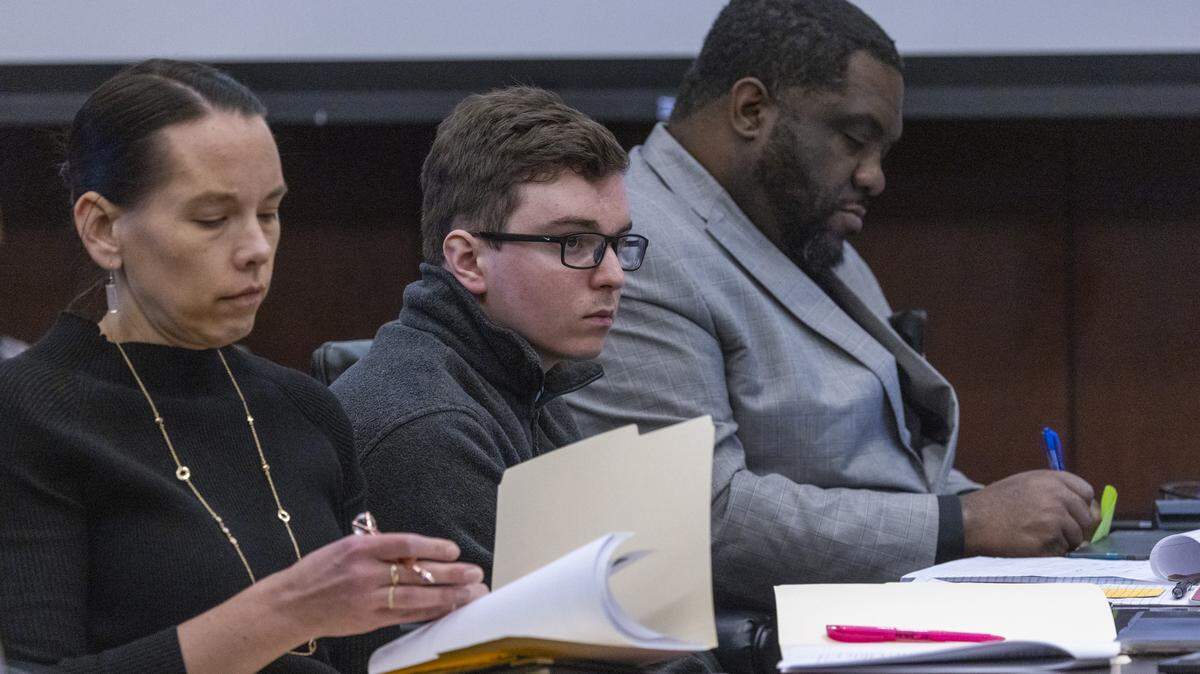
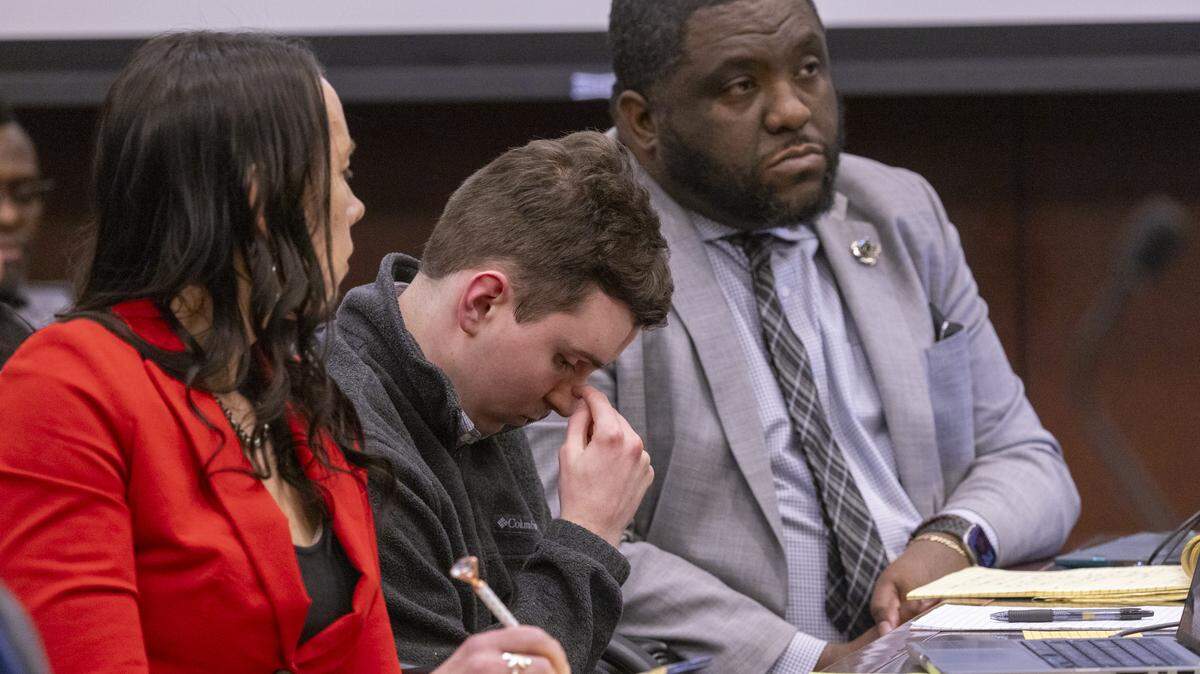
Thompson was 15 at the time of the shootings and pleaded guilty to five counts of first-degree murder, among other charges. Because Ridgeway found the murders involved malice, premeditation and deliberation, Thompson is entitled under state law to a Miller hearing in which both sides can present evidence as to whether he should be eligible for parole.
During that hearing, Thompson’s defense attorneys and Assistant District Attorney Patrick Latour will be able to present evidence and call witnesses; Thompson’s attorneys are allowed to have the final argument, according to the UNC School of Government.
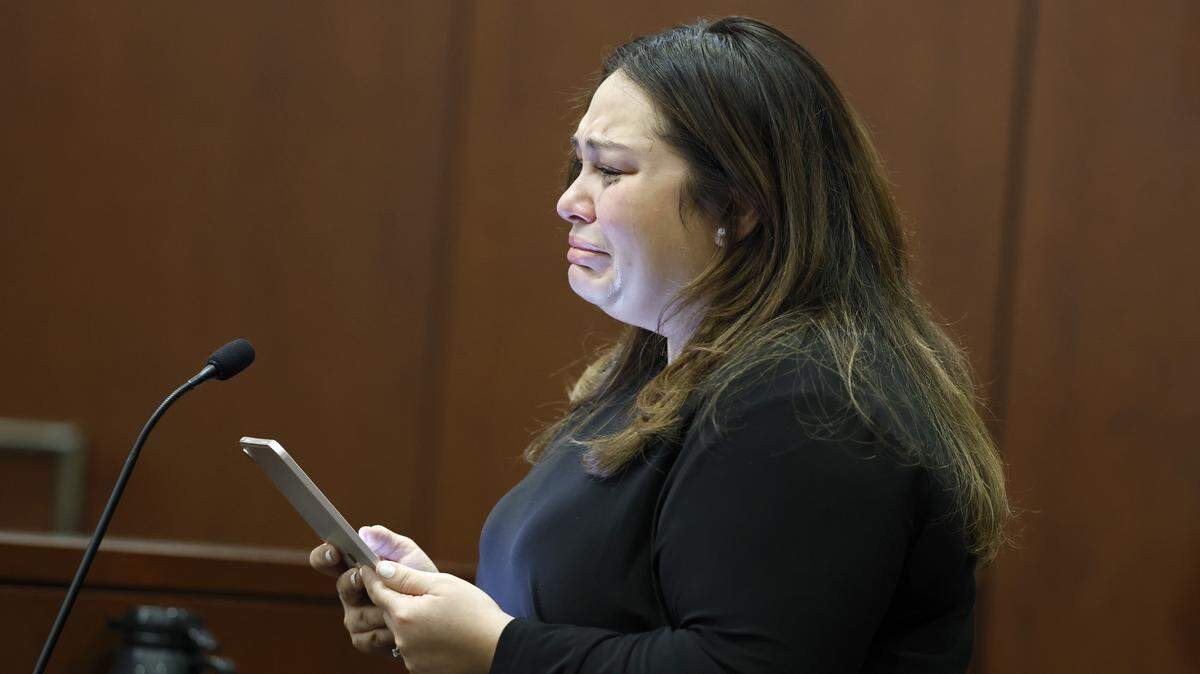
Thompson’s sentencing hearing is set to begin Monday, Feb. 2. It’s unclear how long the hearing will last, though Ridgeway alluded to the possibility of it stretching on for several weeks during last week’s plea hearing.
This story was originally published January 27, 2026 at 2:42 PM.





















_474_fitted.jpeg)