Where the case against the alleged Hedingham shooter stands
READ MORE
Raleigh mass shooting in Hedingham neighborhood
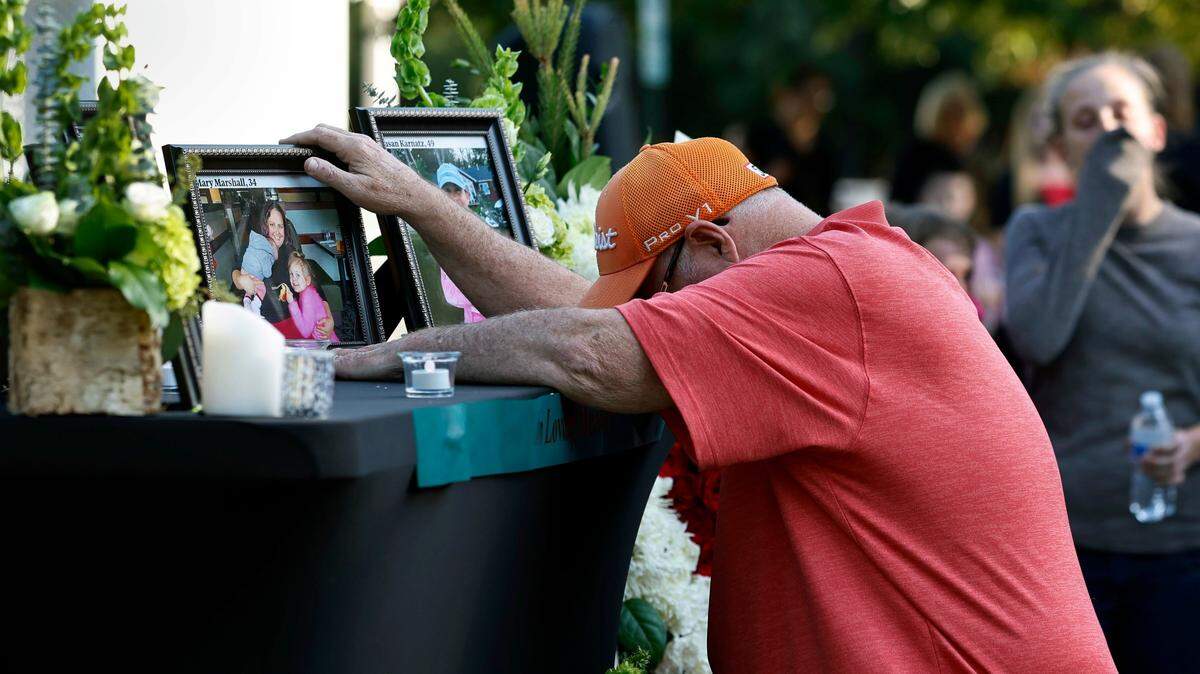
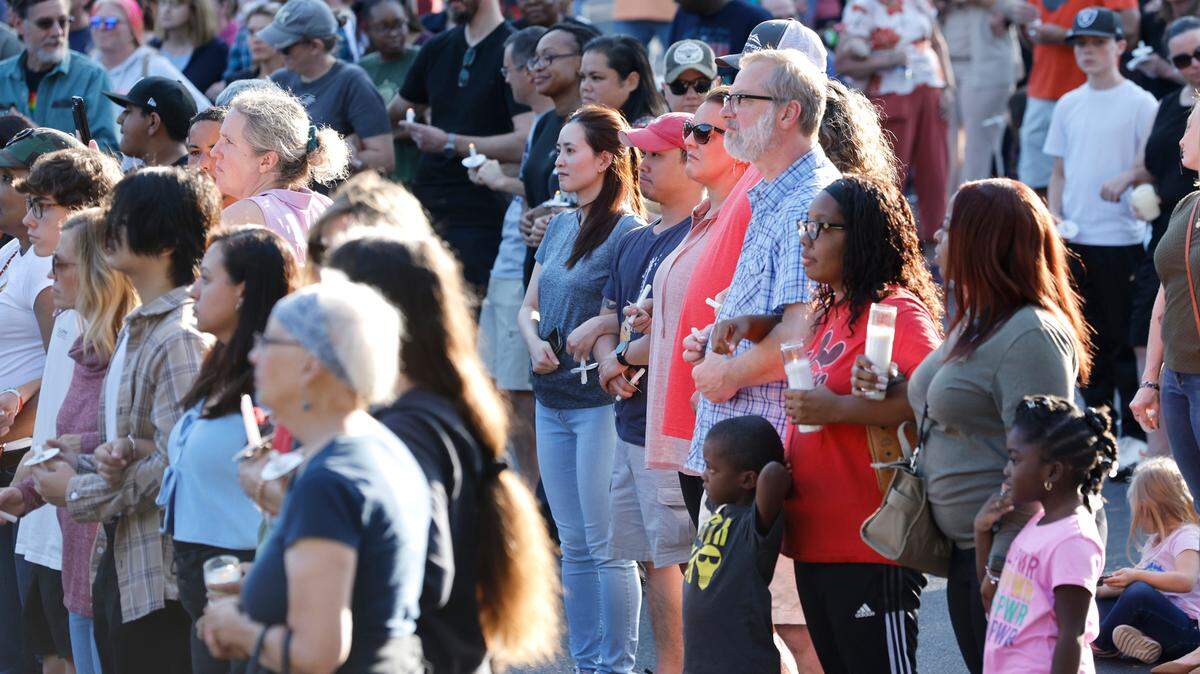
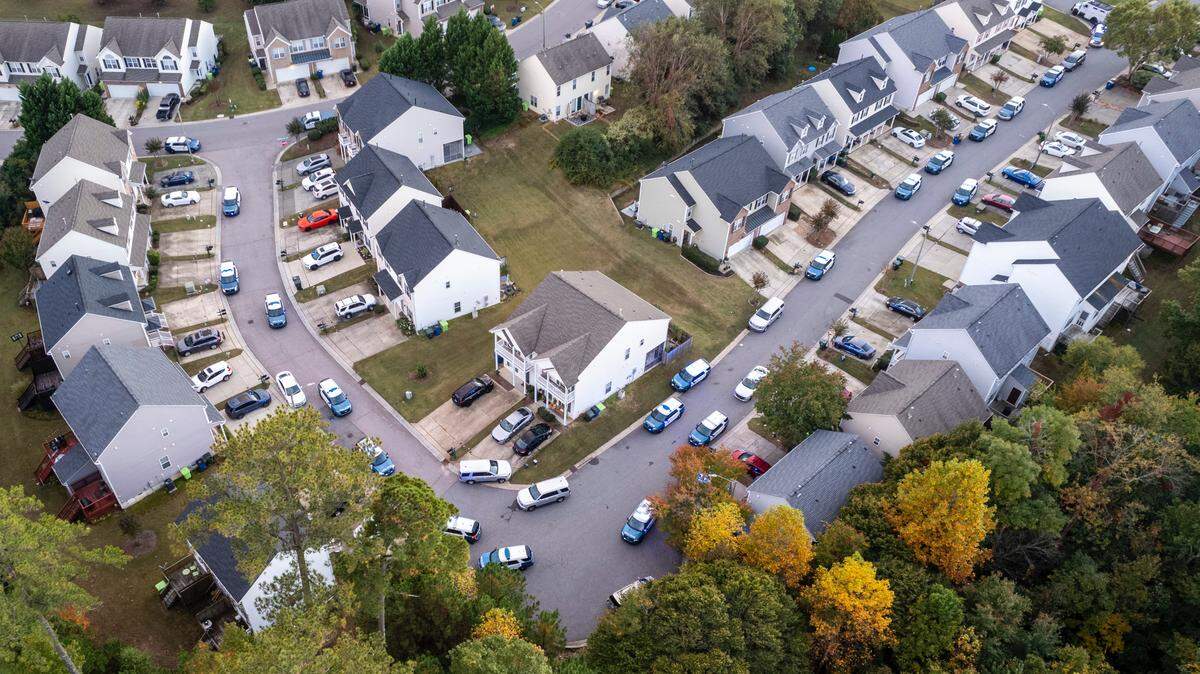
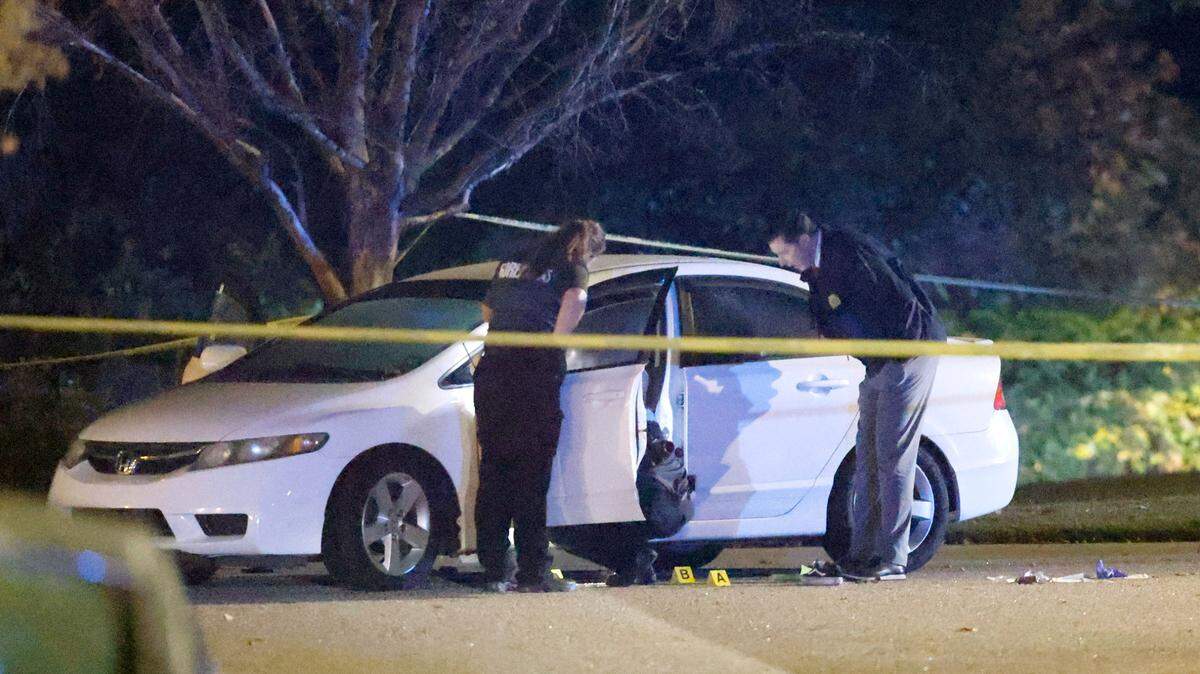
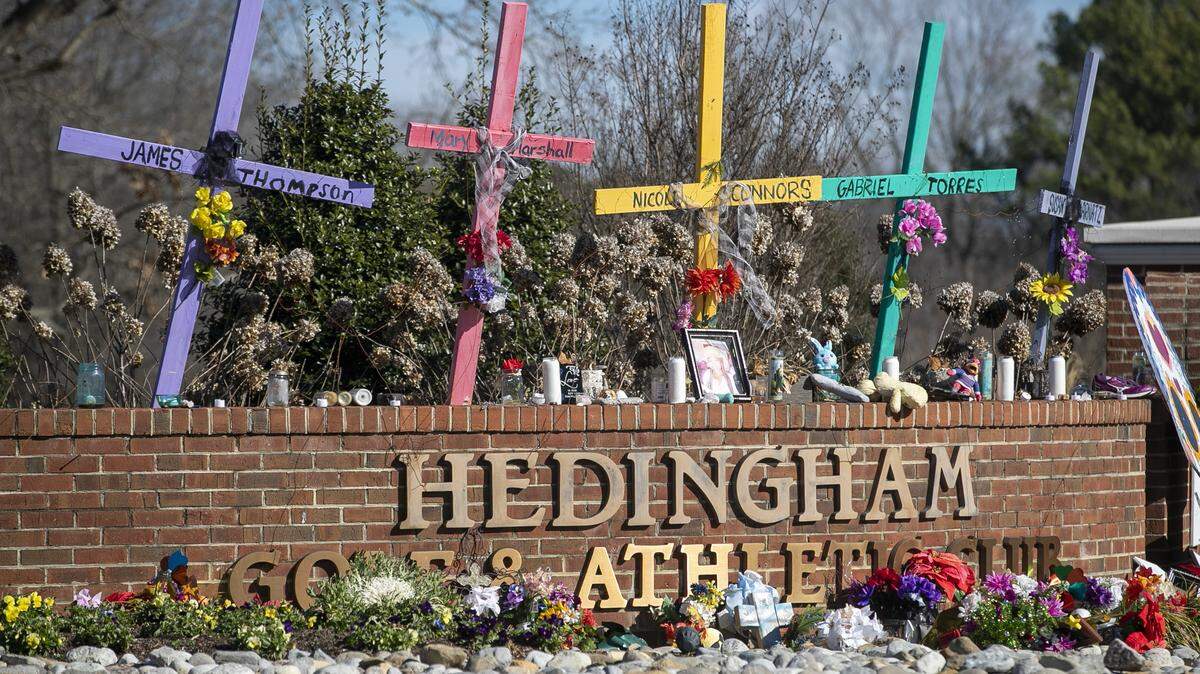
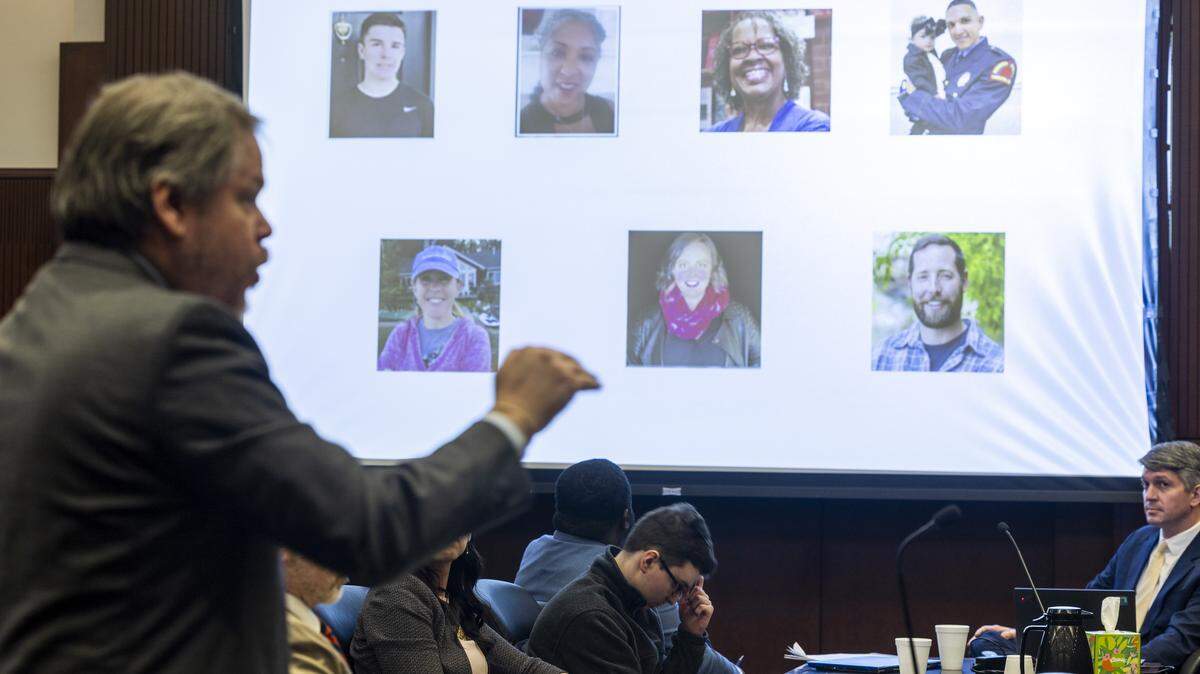
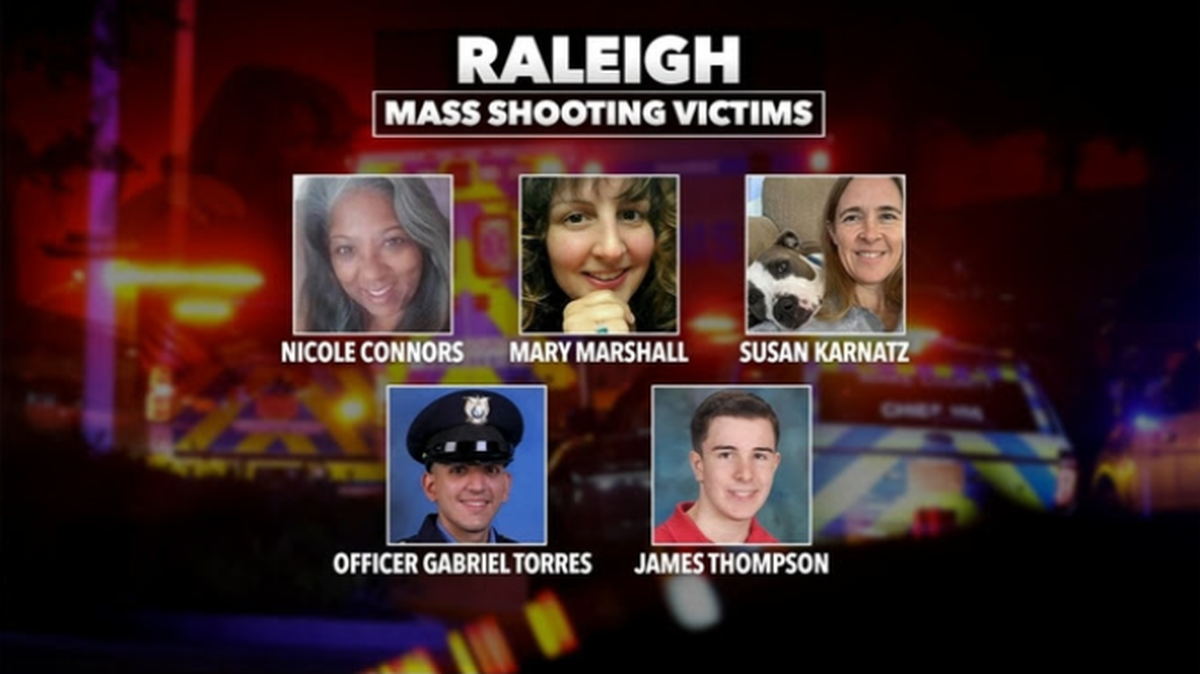
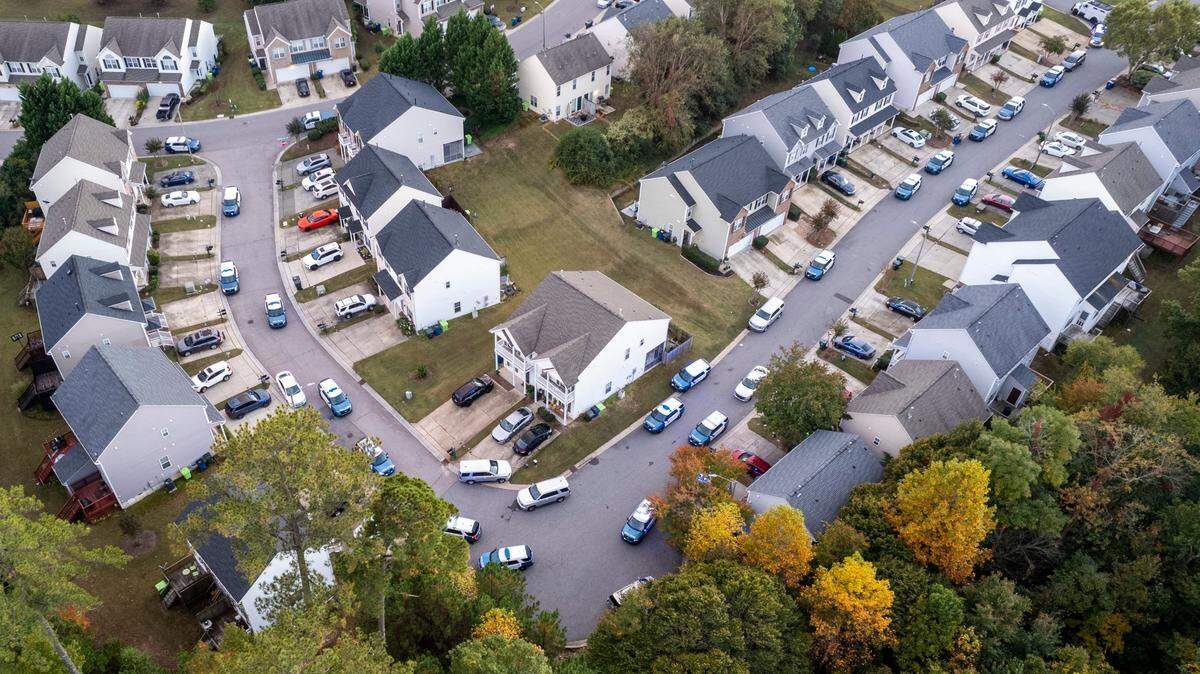
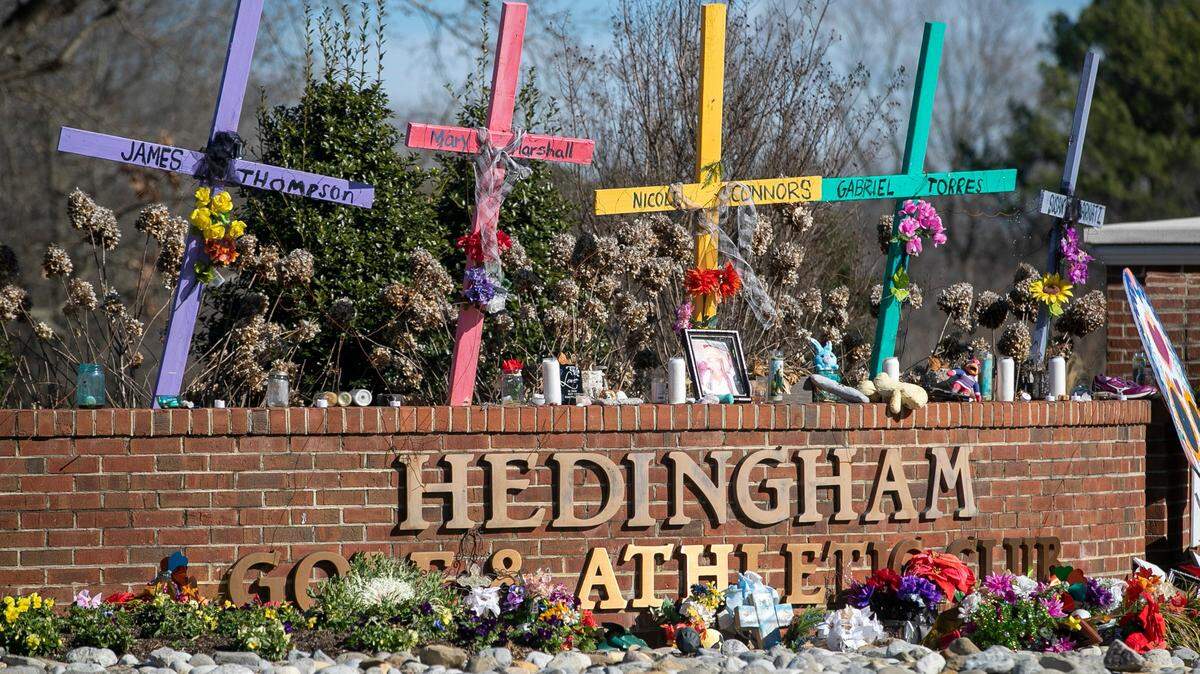
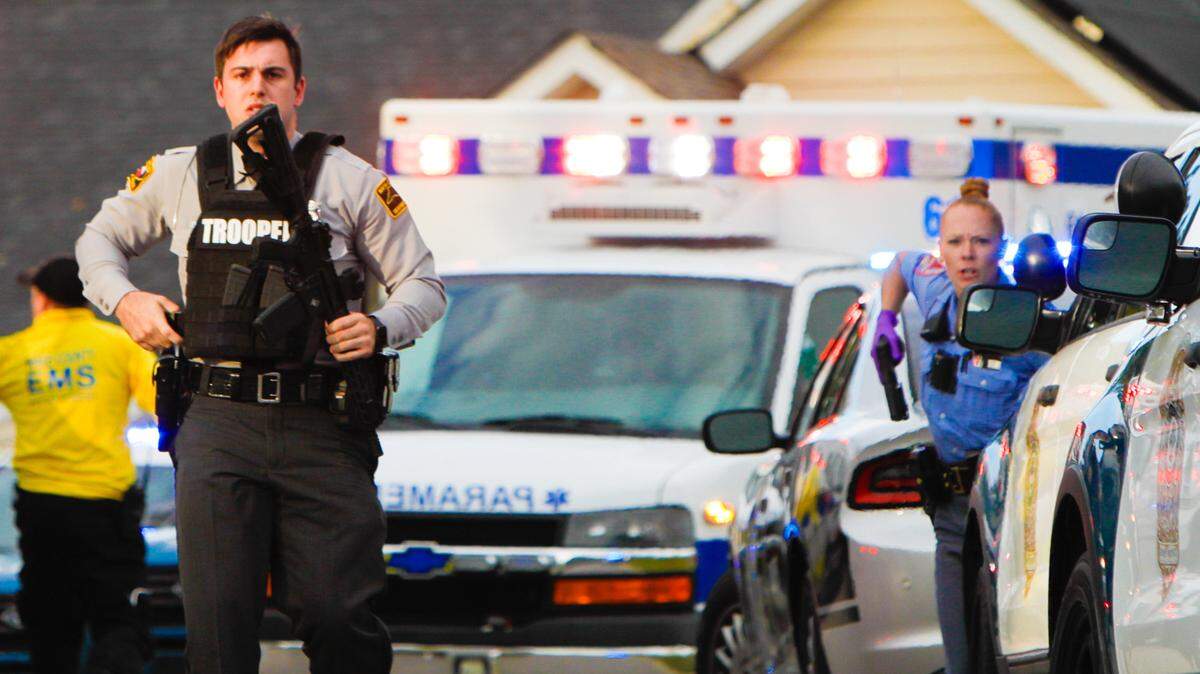
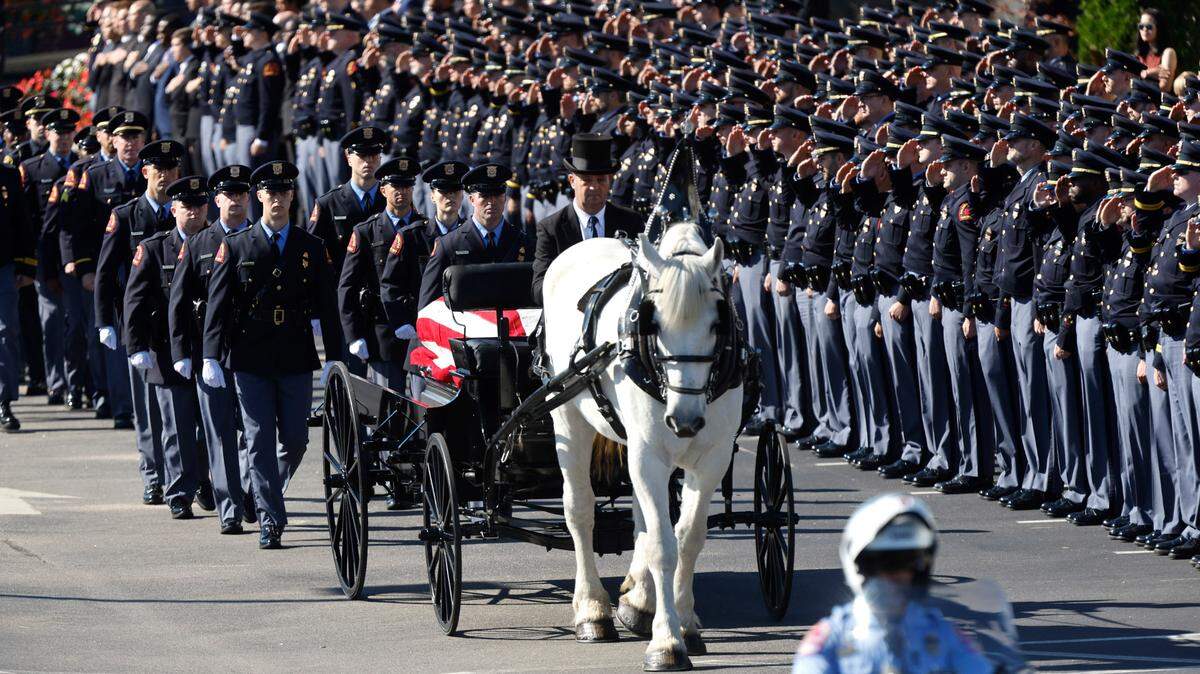
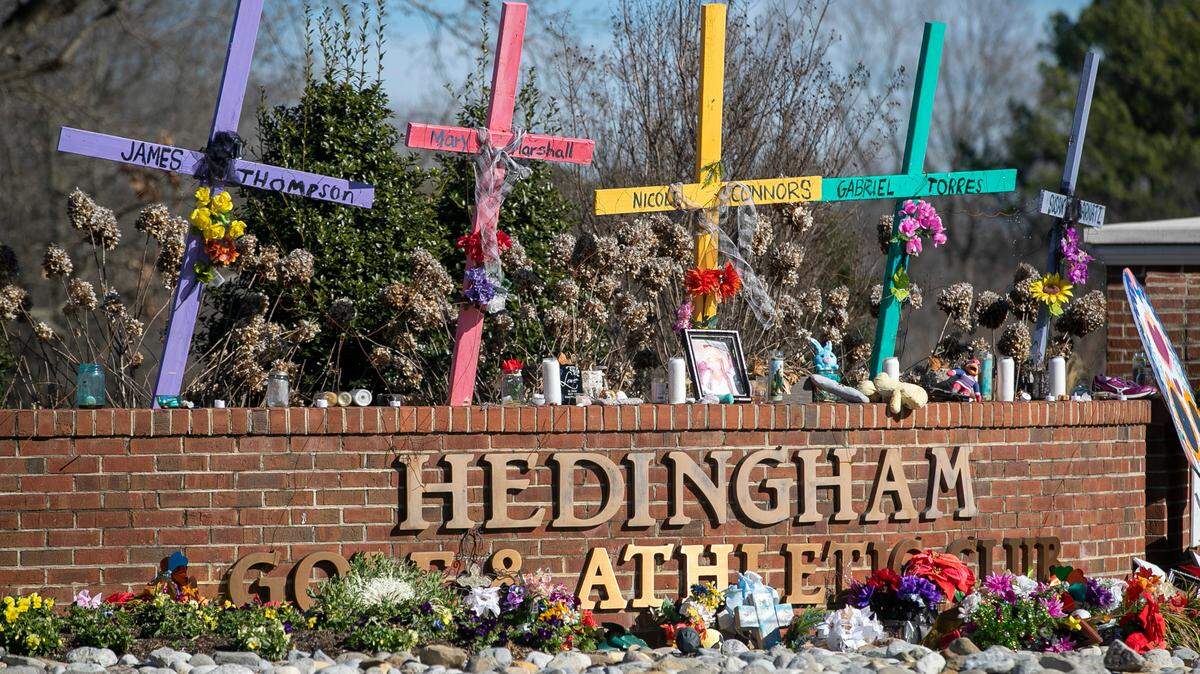
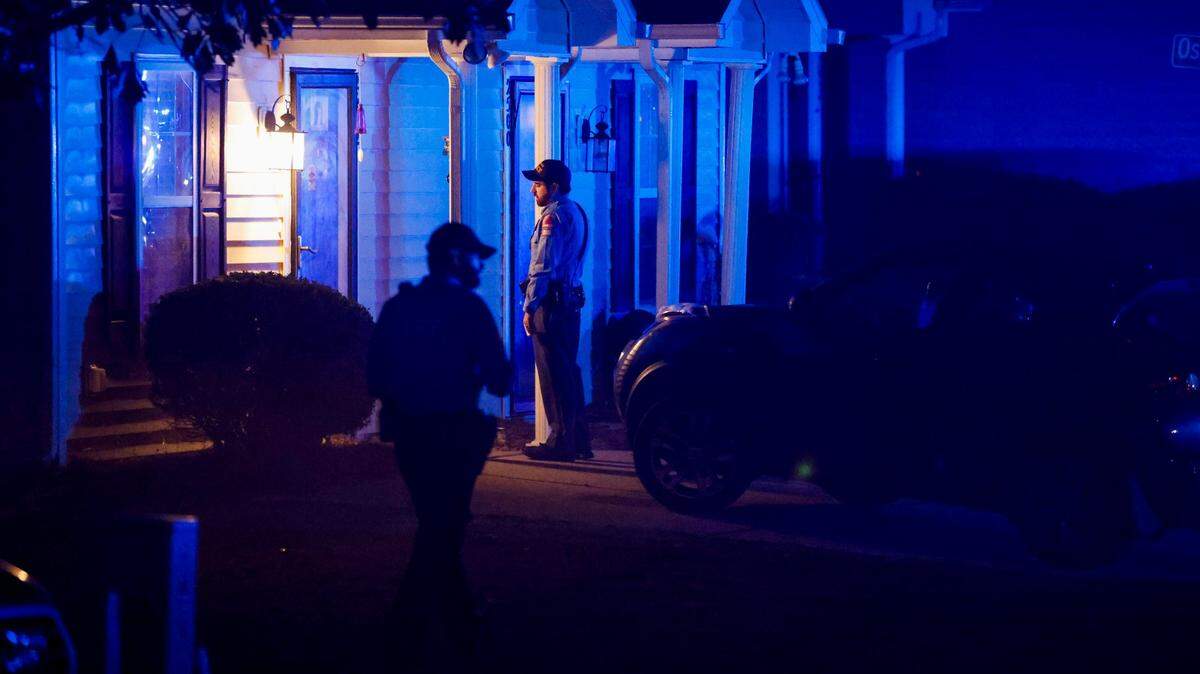
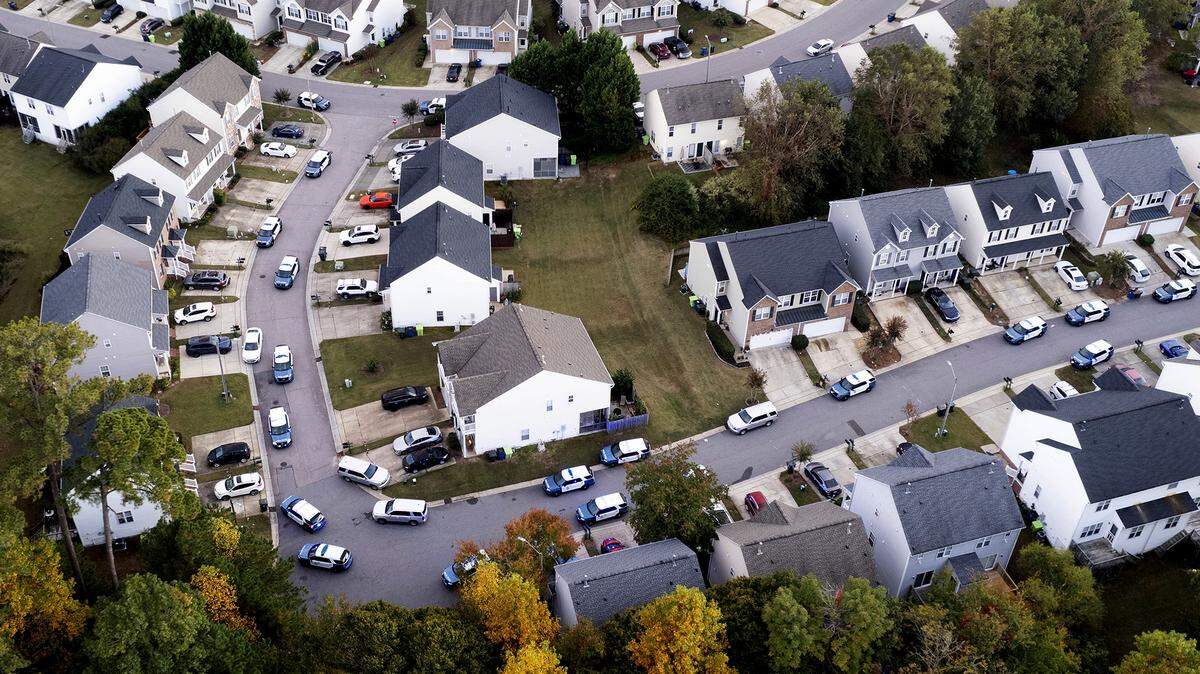
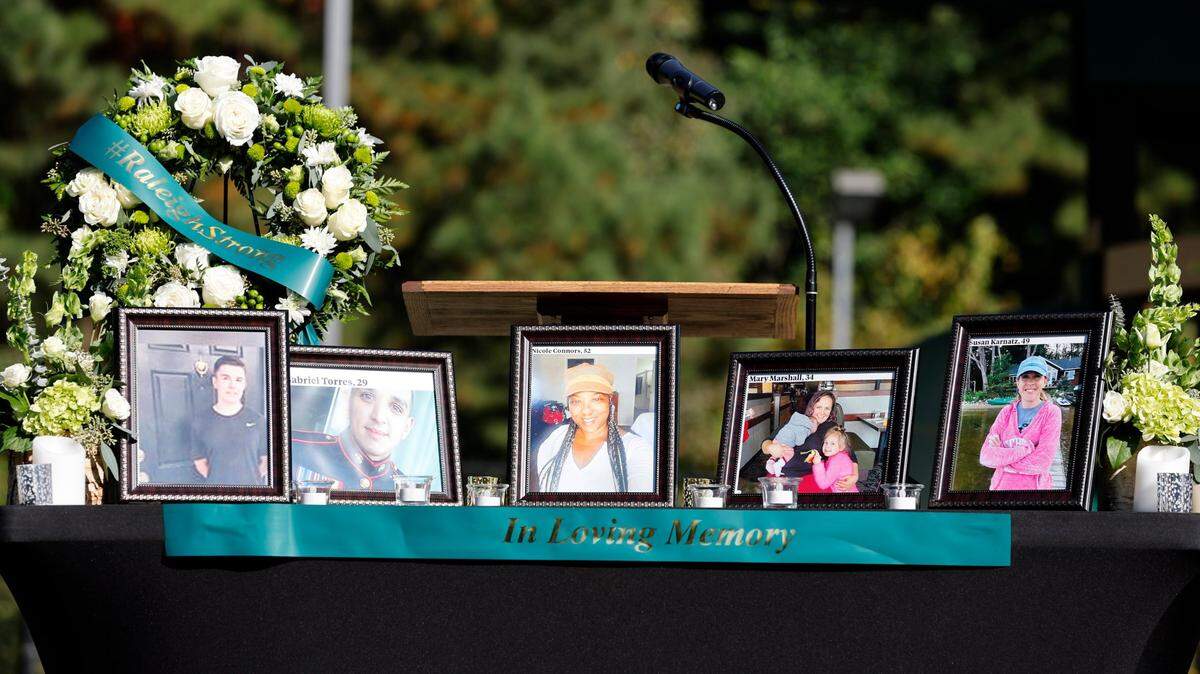
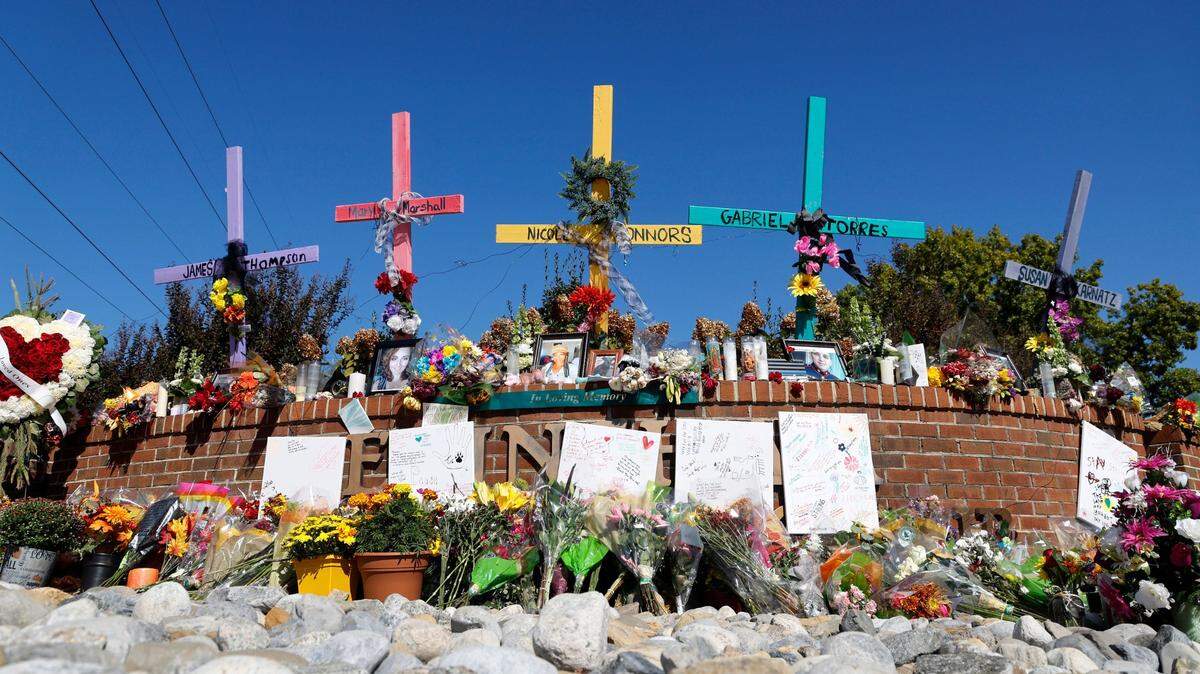
On Oct. 13, 2022, seven people were shot in Raleigh, NC, in the Hedingham neighborhood near the Neuse River Greenway Trail. Five were killed, including a Raleigh police officer. High school student Austin Thompson was charged with their murders. Read The News & Observer’s ongoing coverage of the mass shooting, Thompson’s guilty plea and ongoing civil lawsuit.
Expand All
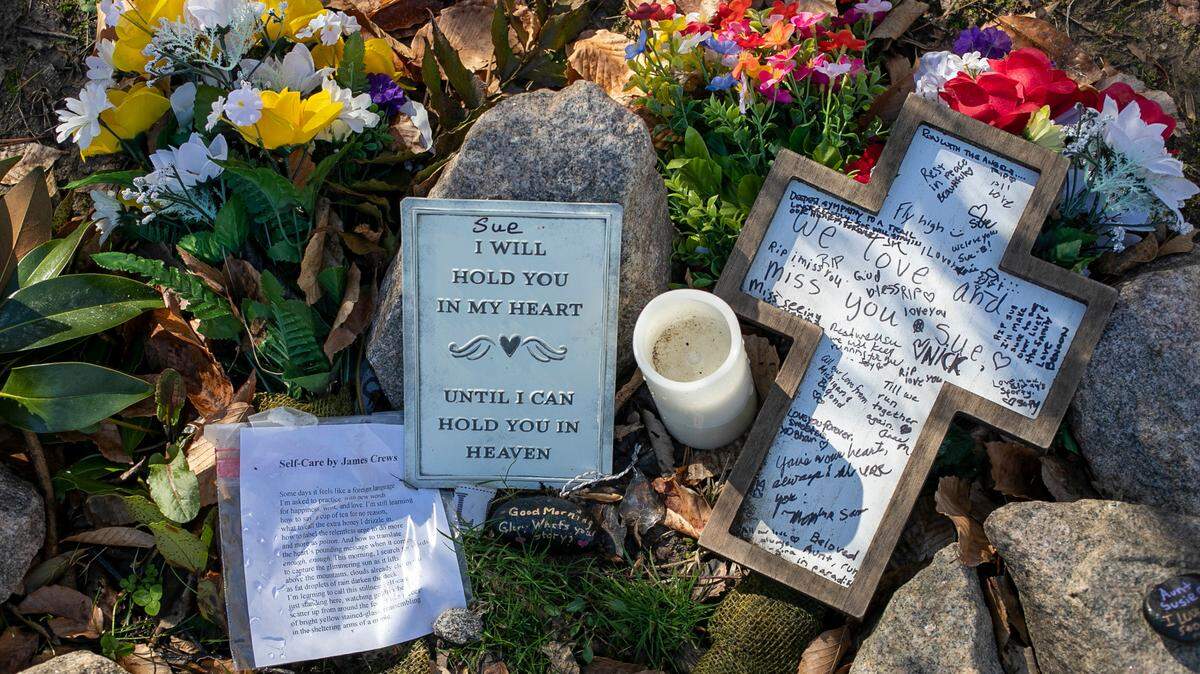
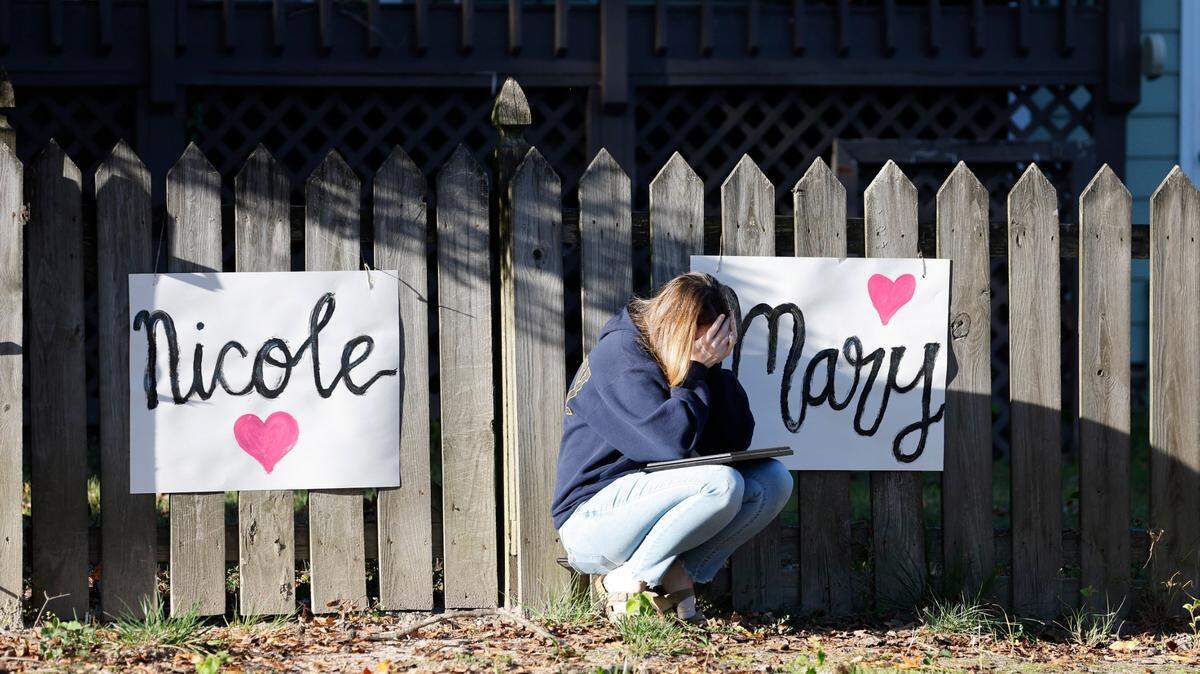
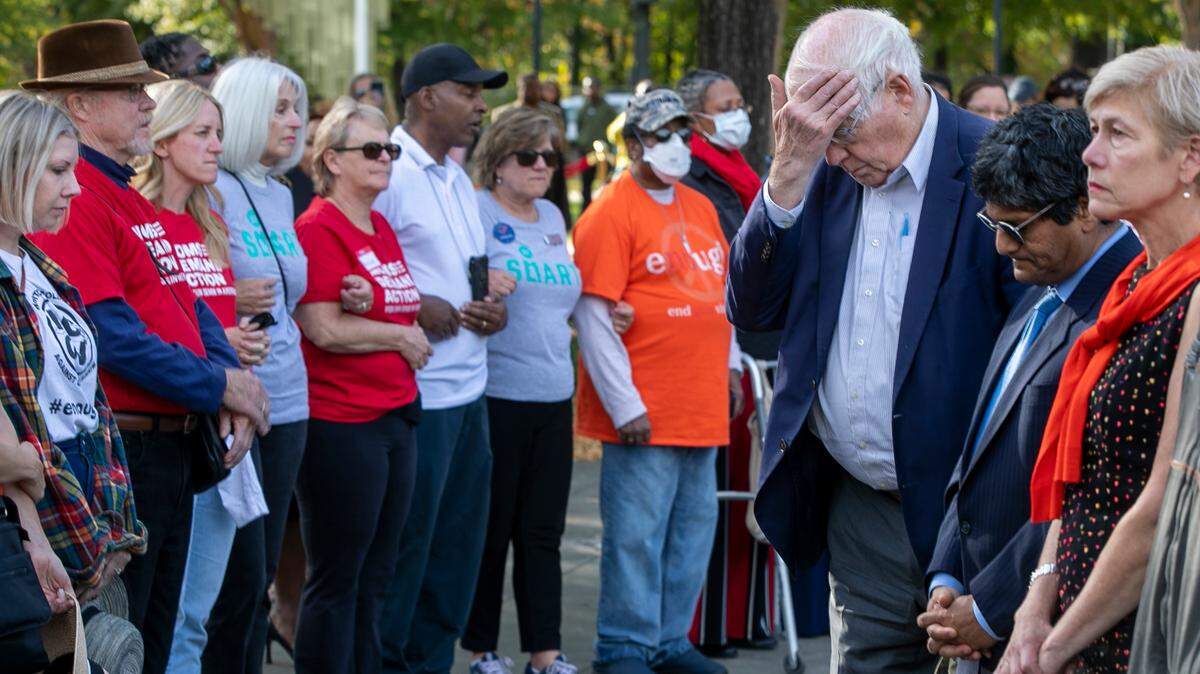
It’s been nearly four months since the Hedingham mass shooting that killed five and left three injured, including the alleged shooter.
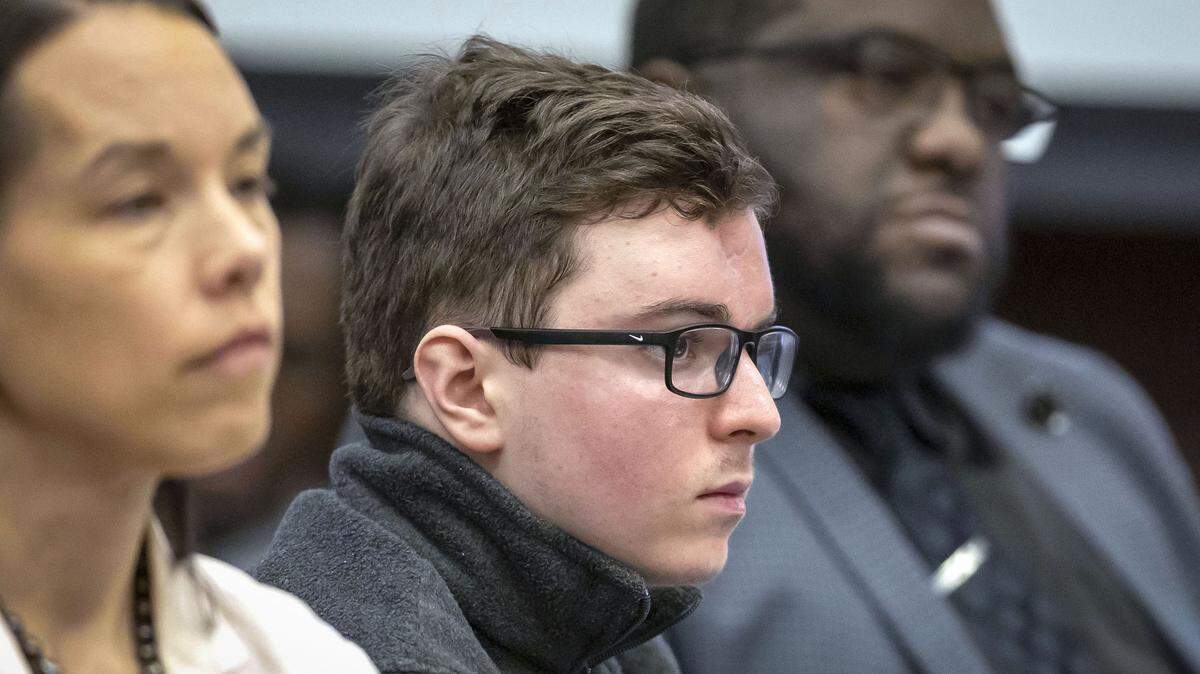
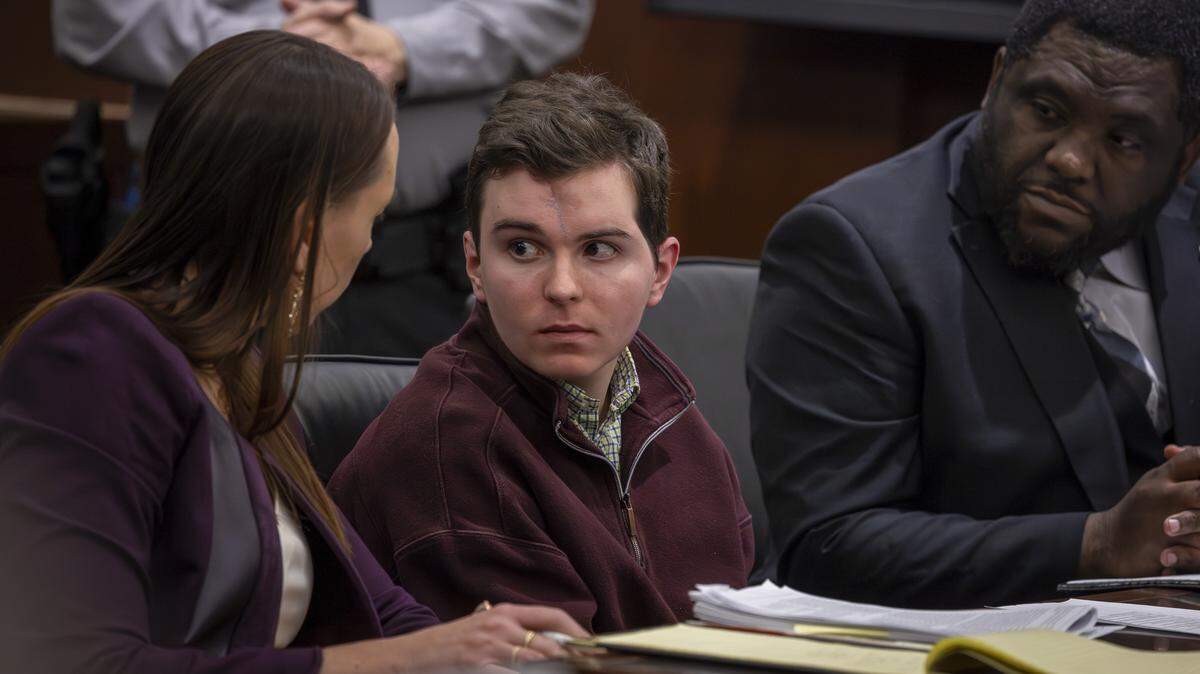
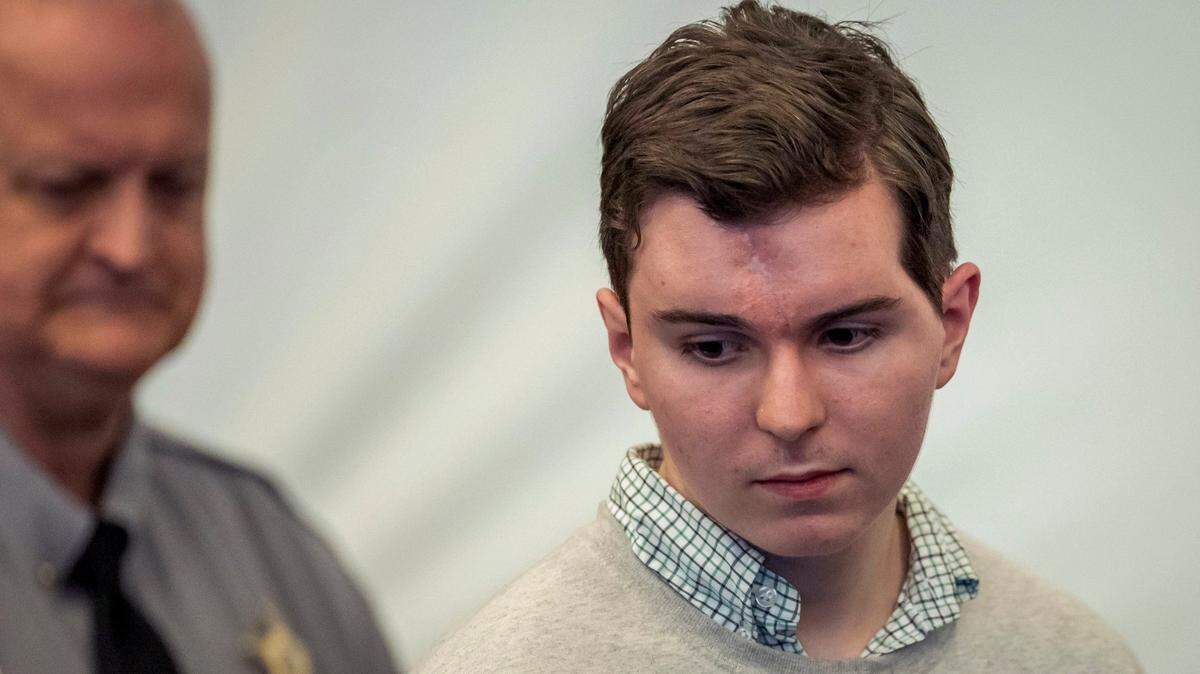
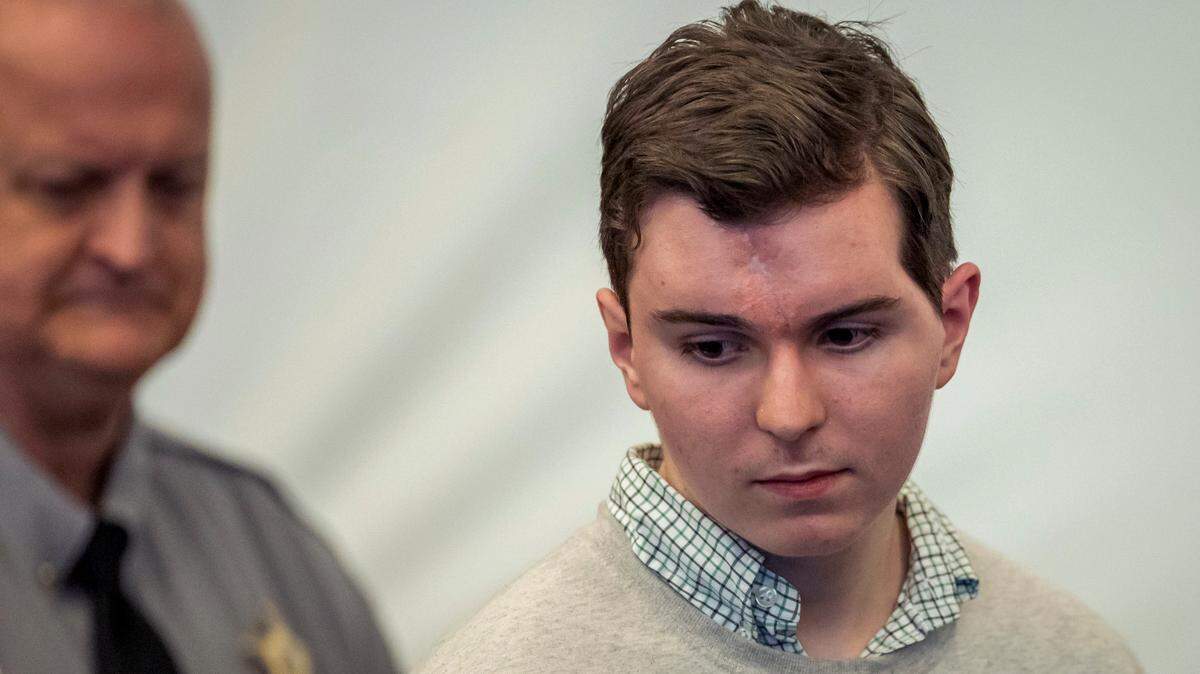
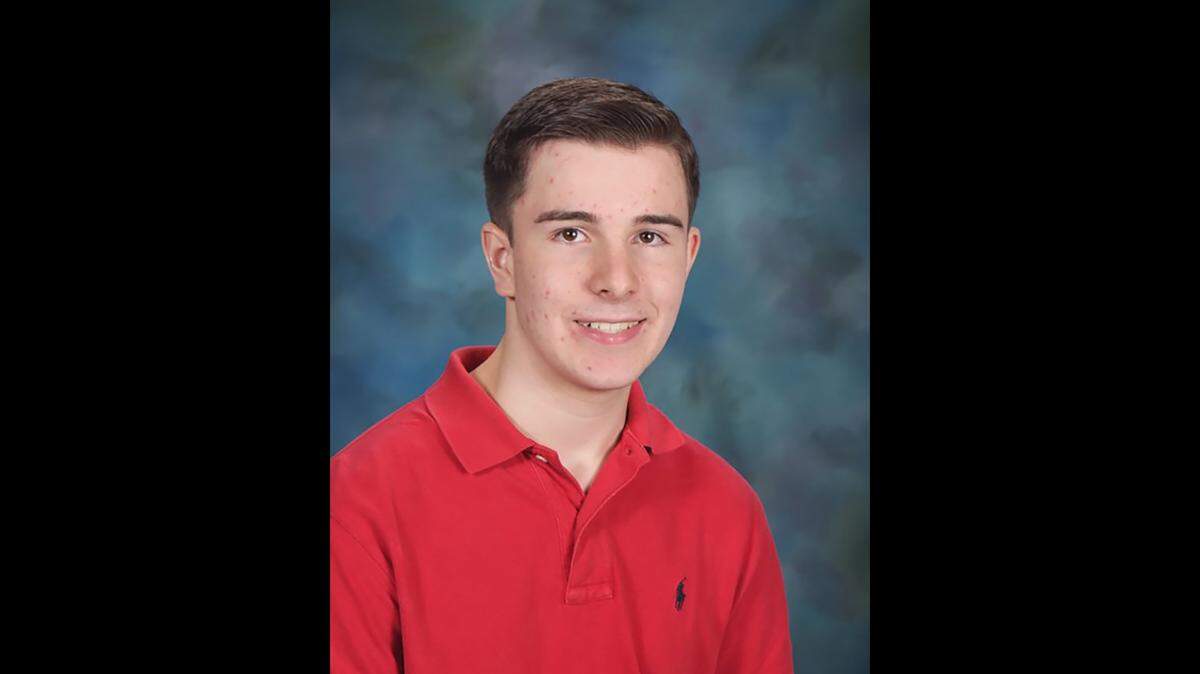
As the city of Raleigh continues to grapple with the aftermath of the tragedy, many questions remain about the status of the suspected shooter, Austin Thompson, who was 15 at the time of the shootings.
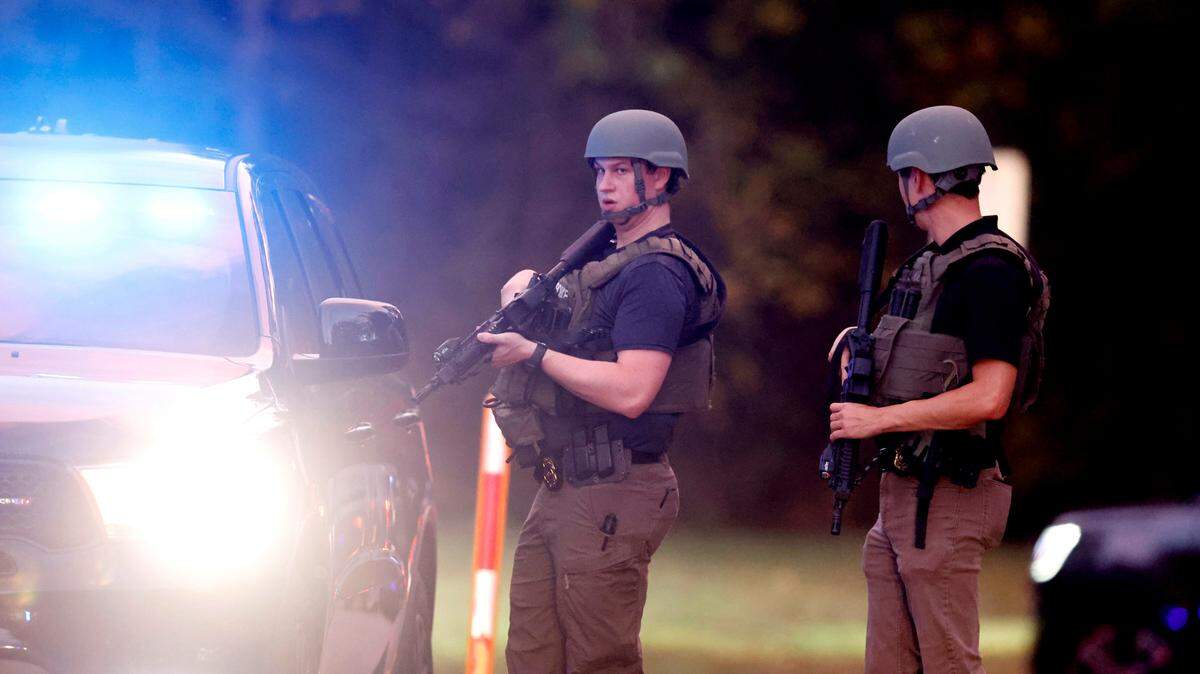
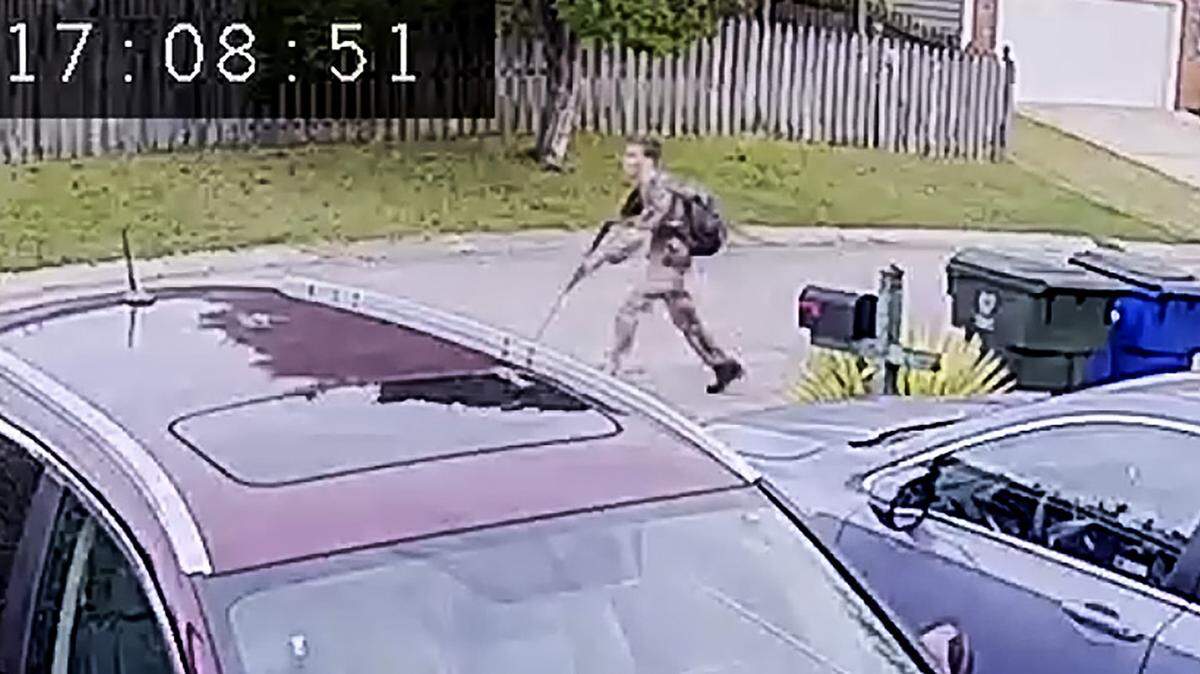
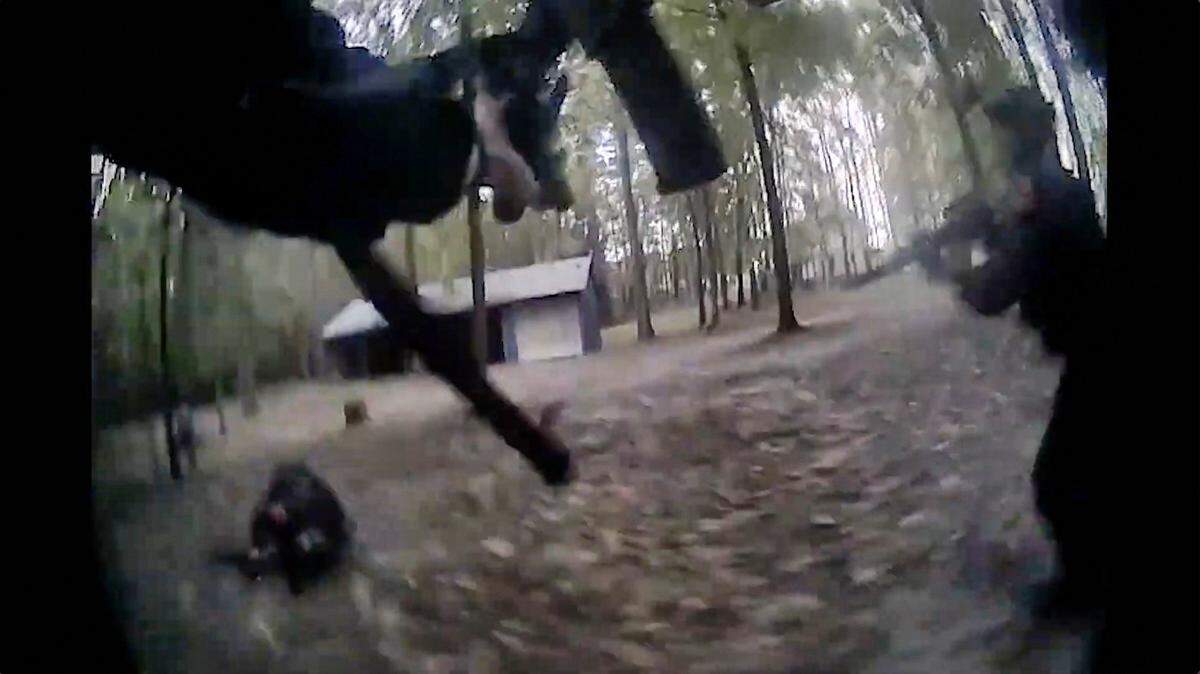
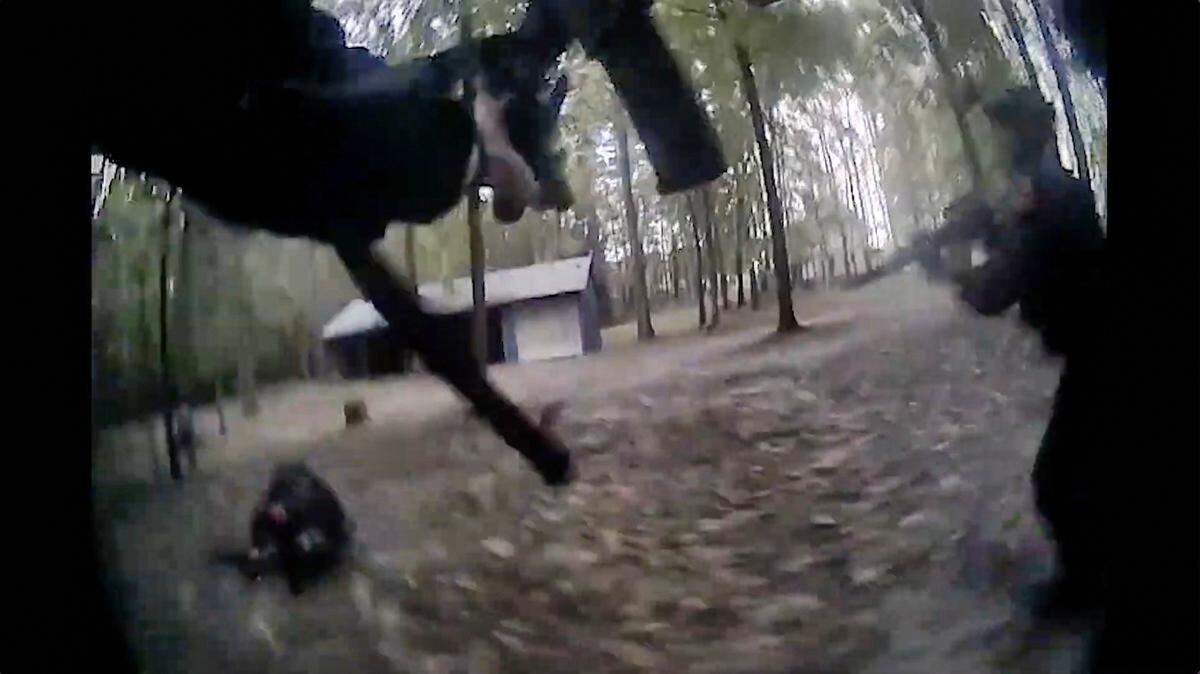
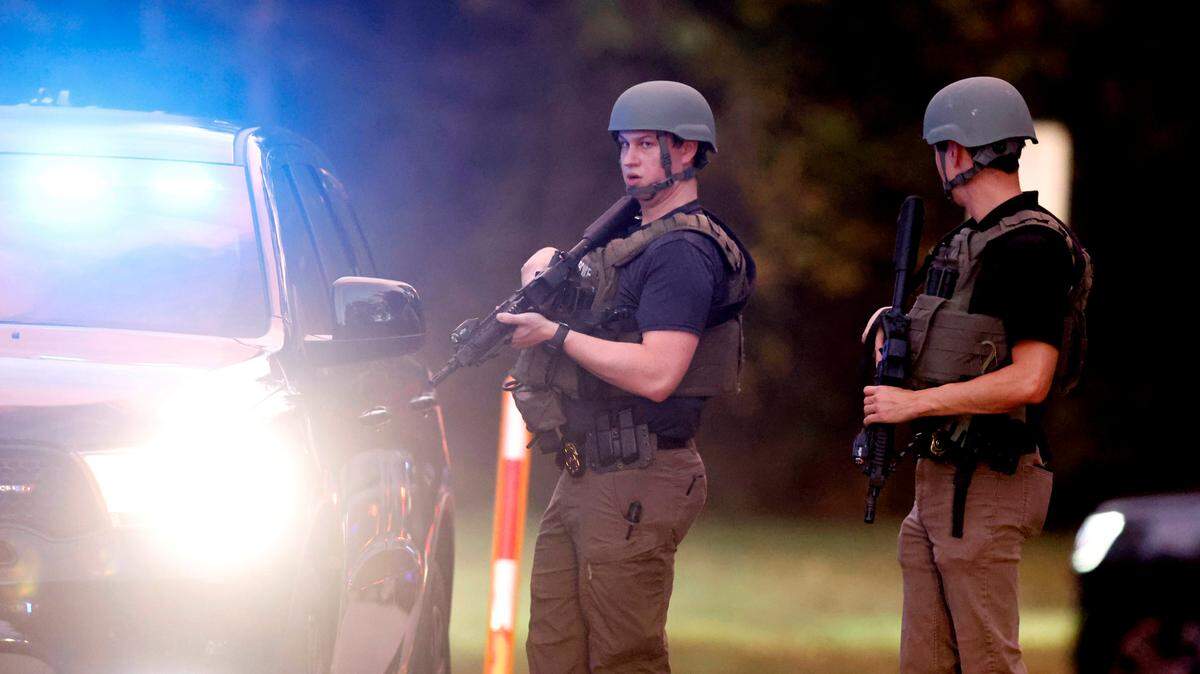
After the suspect shot six residents in the Hedingham neighborhood, he fled on foot to a barn-like structure off of McConnell Oliver Drive — about a mile northeast of the neighborhood.
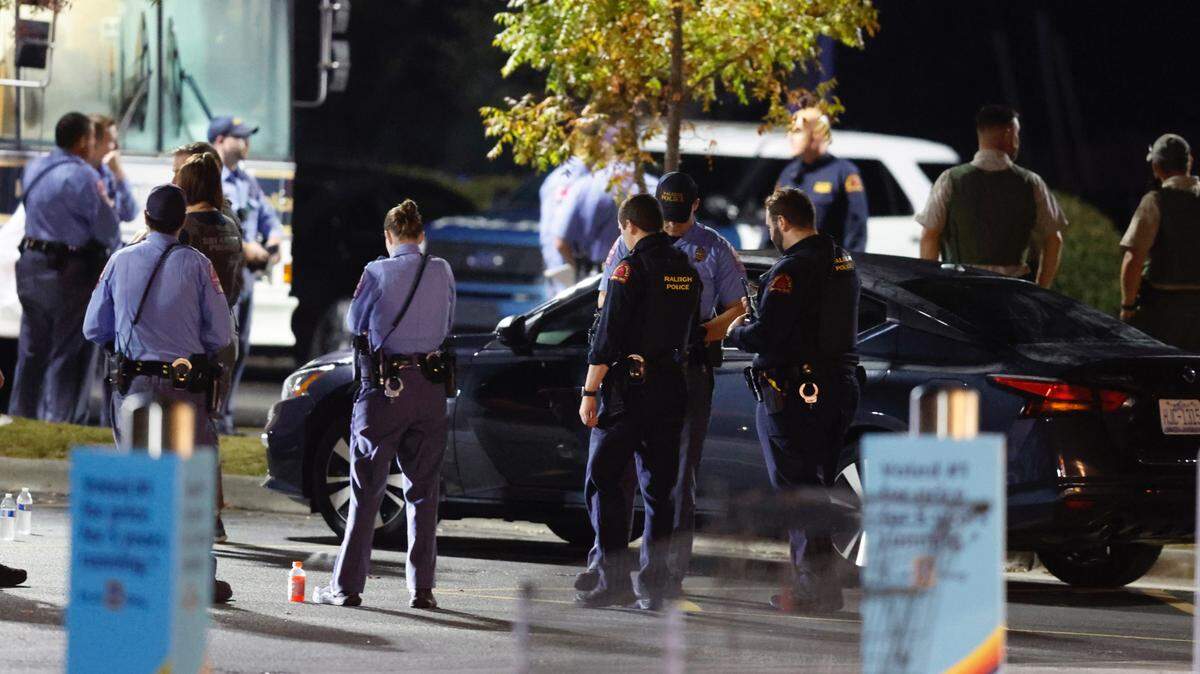
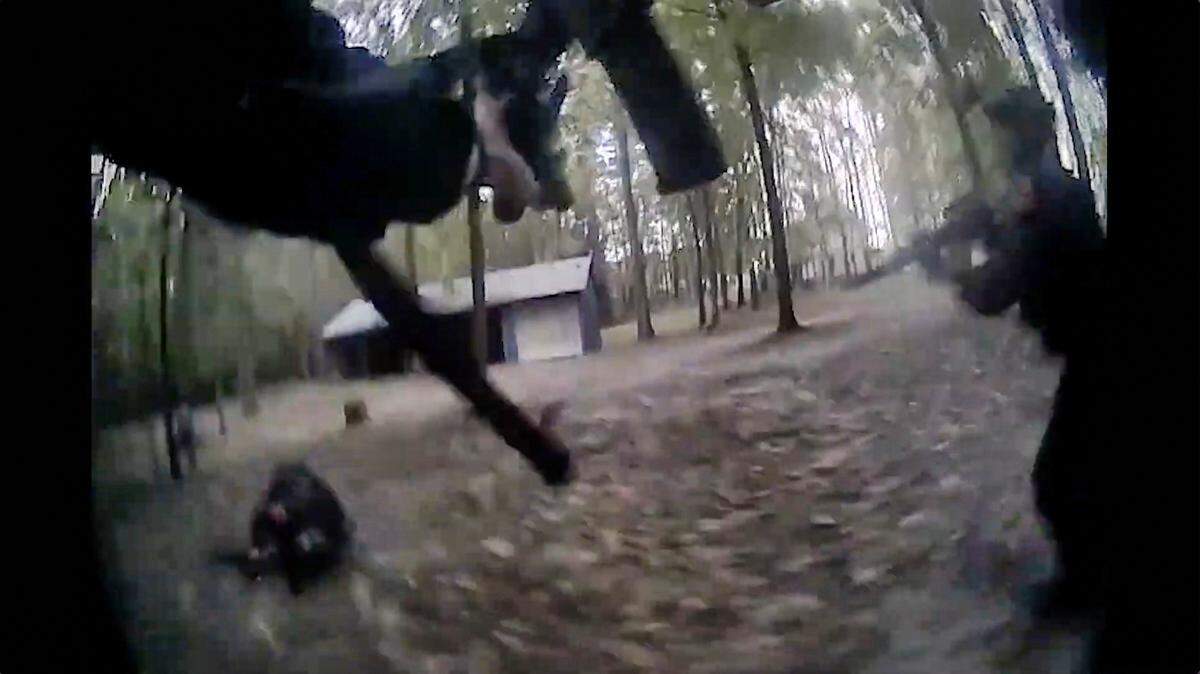
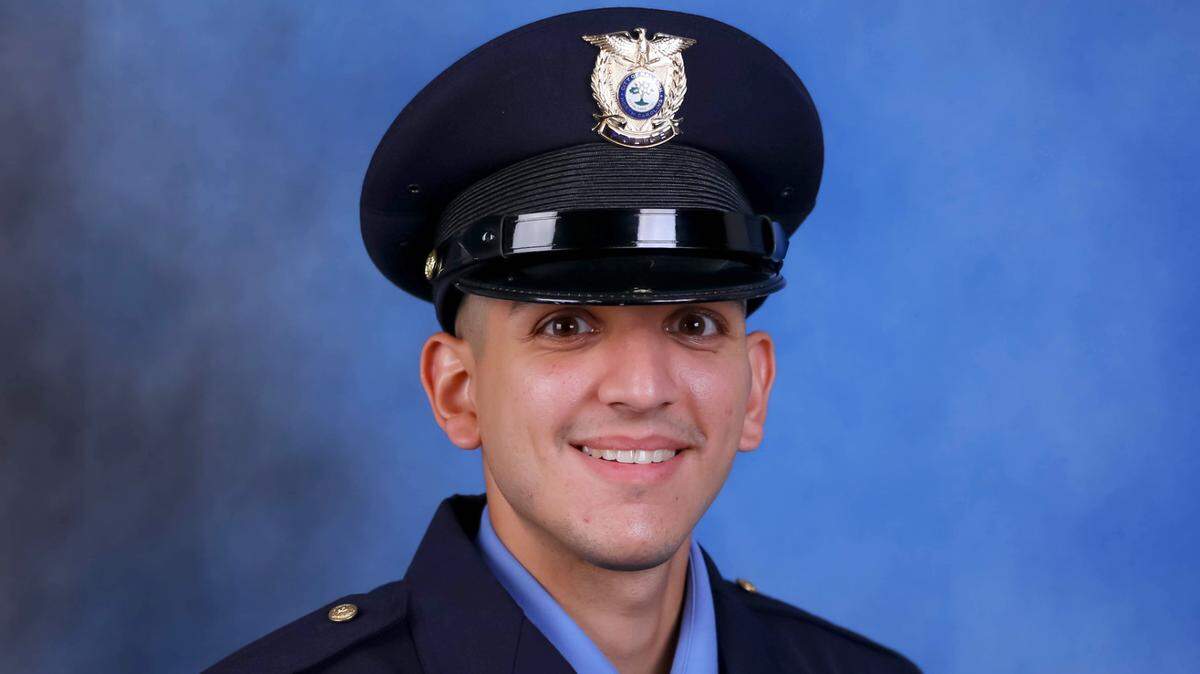
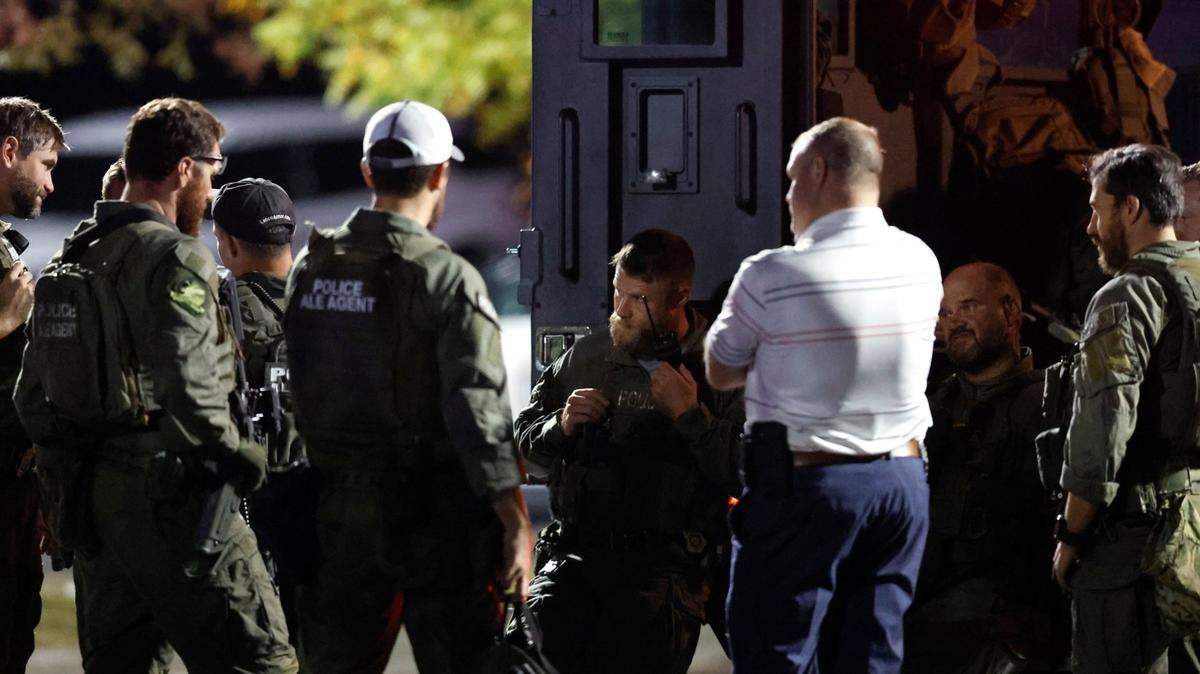
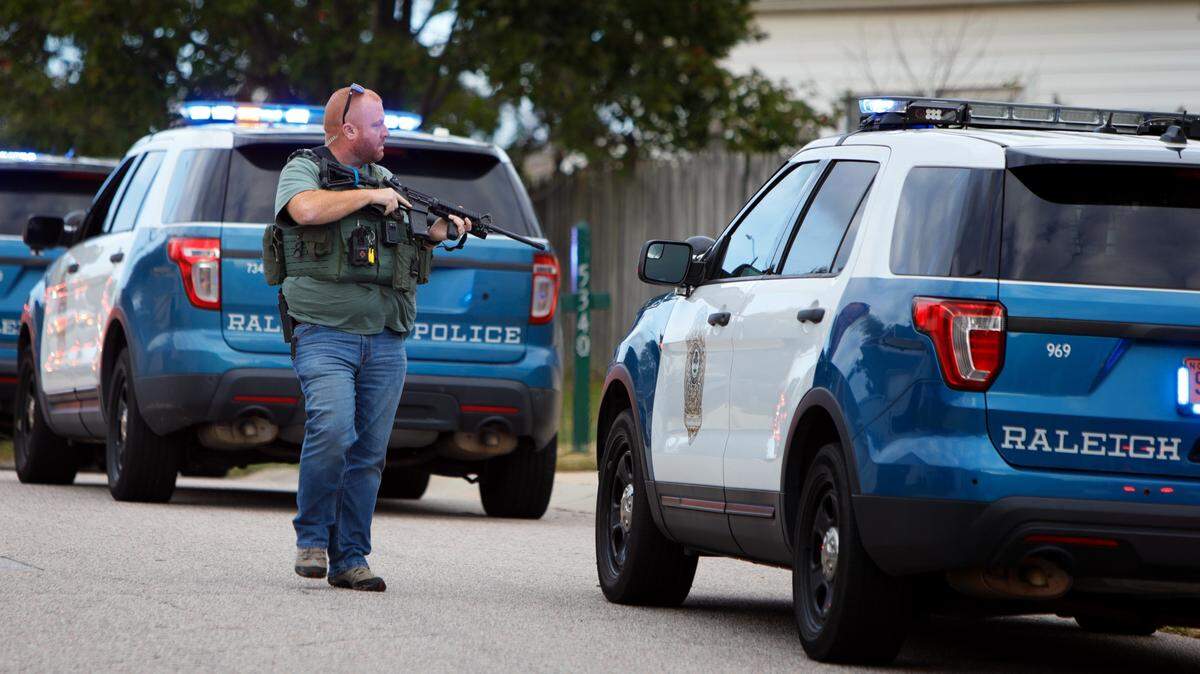
The suspect then exchanged fire with law enforcement, injuring Officer Casey Clark.
When Thompson was taken into custody just after 9:30 p.m., he was suffering from a single gunshot wound. He was taken to WakeMed for treatment and remained in critical condition for several days.
Months later, officials still have not commented on Thompson’s physical condition or where he is being held.
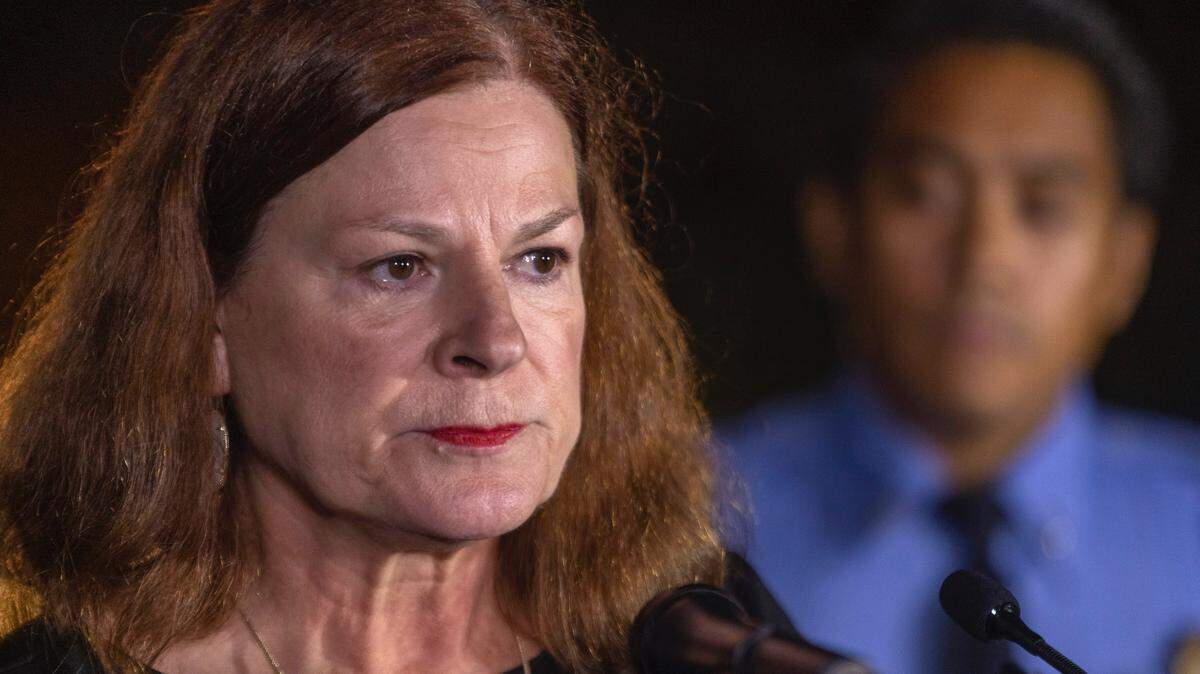
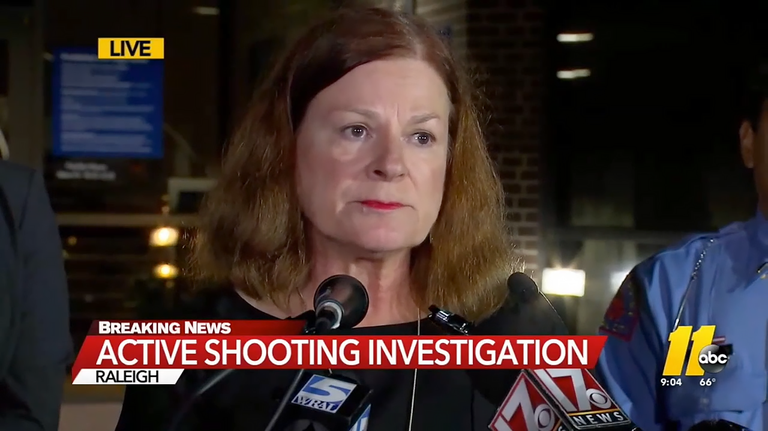
But Wake County District Attorney Lorrin Freeman said that is to be expected in a case like this since Thompson is a juvenile.
Although Freeman is in the process of elevating Thompson’s charges to superior court, his current status prevents nearly all information on him from being released by her office.
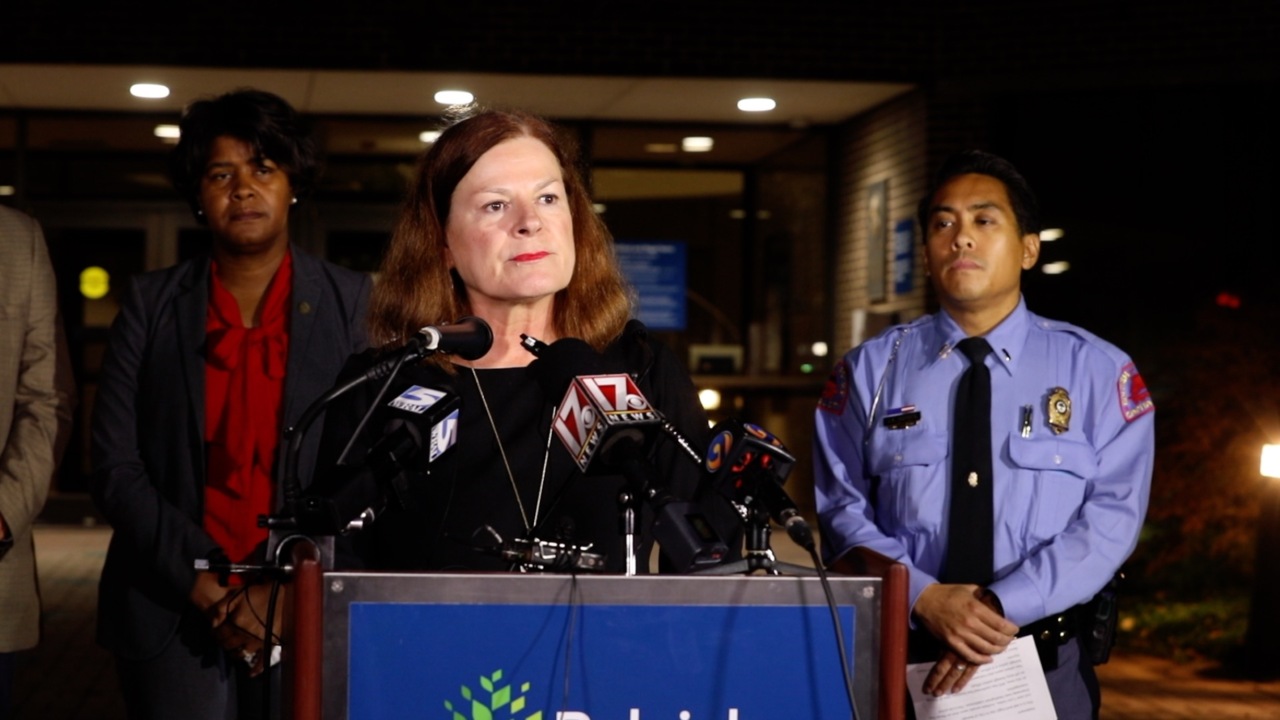
“While this case remains in juvenile court, the law prohibits us from discussing it,” Freeman said.
Freeman said she understands the public’s frustration at the lack of information but that these laws exist to uphold the justice system.
“These rules are in place to preserve the general presumption of innocence. It is not some desire to hide information. These rules are in place to protect the integrity of the court,” Freeman said.
Understanding juvenile justice
While Freeman could not provide specific information about Thompson’s case, she did outline the juvenile justice process, which can dramatically differ from superior court.
Once a juvenile is placed in custody, Freeman said, their case follows one of two paths: regular reevaluation or a transfer to superior court.
Freeman has confirmed to The News & Observer numerous times that she plans to have Thompson tried as an adult.
In the aftermath of the shooting, Freeman filed a petition for a probable cause hearing, a court proceeding that would put Thompson on track to being tried as an adult.
At this hearing, the state has to provide its reasoning for why the case should be elevated to superior court.
Under normal circumstances, a probable cause hearing usually occurs within 15 days of the juvenile being taken into custody, Freeman said.
However, Freeman said, there are two primary hurdles that can slow this process.
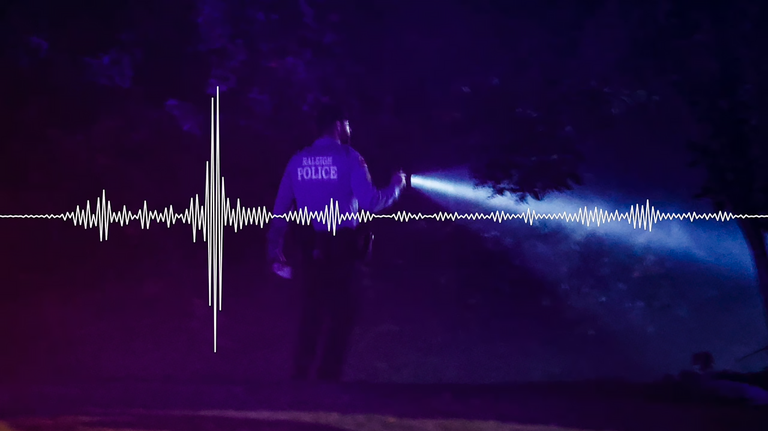
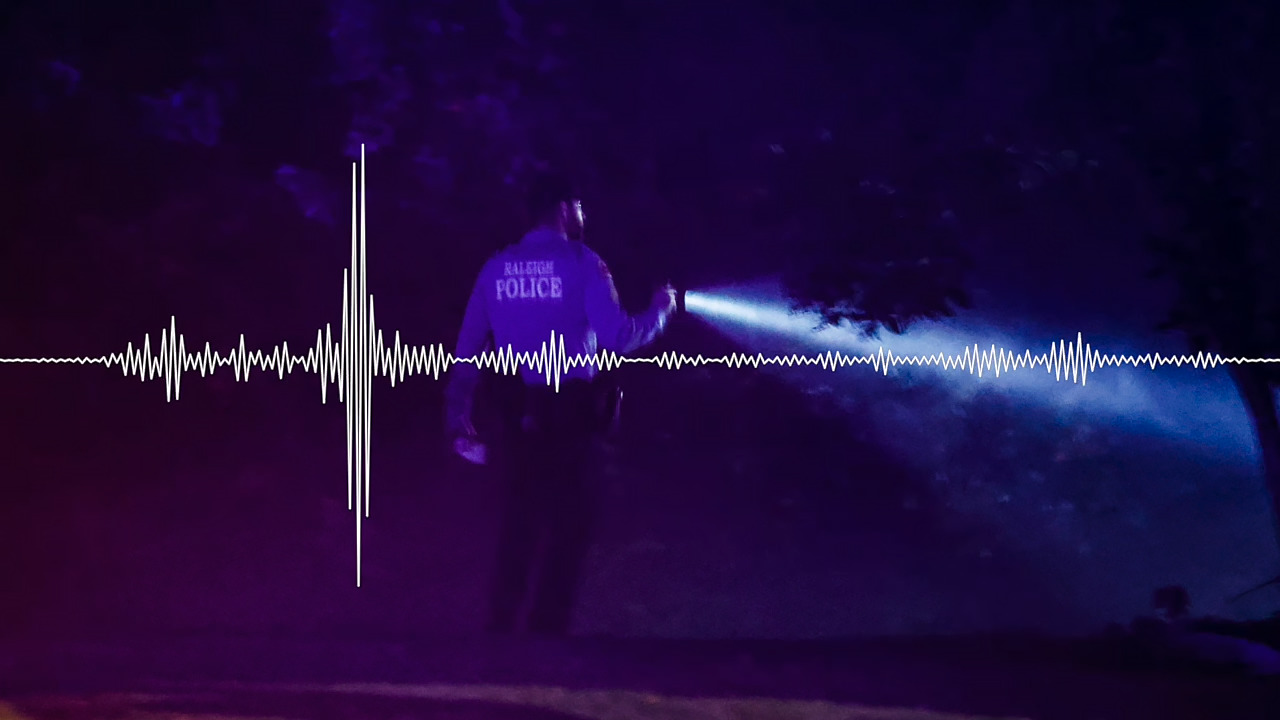
First, prosecutors must present substantial evidence that the charges should be elevated. This means a large amount of evidence must be collected, and in a case involving multiple deaths, that can take time. Forensic evaluations, adequate autopsy reports and going through hundreds of hours of body camera footage and audio recordings can all lead the legal process to drag on.
Second, the accused has to be physically and mentally able to appear in court.
“The juvenile has to be competent to go through certain hearings,” Freeman said.
Freeman could not comment on Thompson’s condition. But because Thompson sustained a gunshot wound during the standoff with police and remained in critical condition for some time after the shooting, it is possible that issues of competency could be slowing the elevation of charges.
Freeman also could not comment on where Thompson is being held.
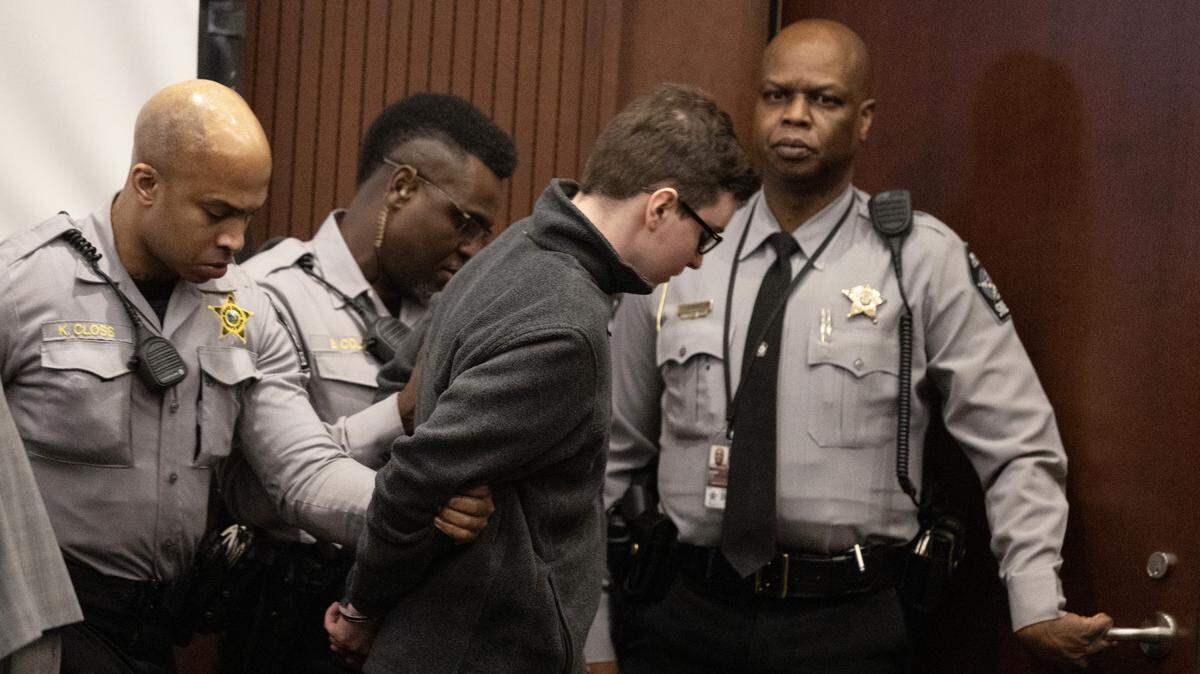
Even if Thompson is eventually tried as an adult, he will not be housed in an adult correctional facility until he is 18. Under North Carolina law, juveniles are not placed with adults when incarcerated.
“We understand this is a case of great community interest,” Freeman said. “It is still our intent to push forward with this case.”
At this time, Freeman could not provide a time frame for Thompson’s transfer to superior court.
Parental charges possible
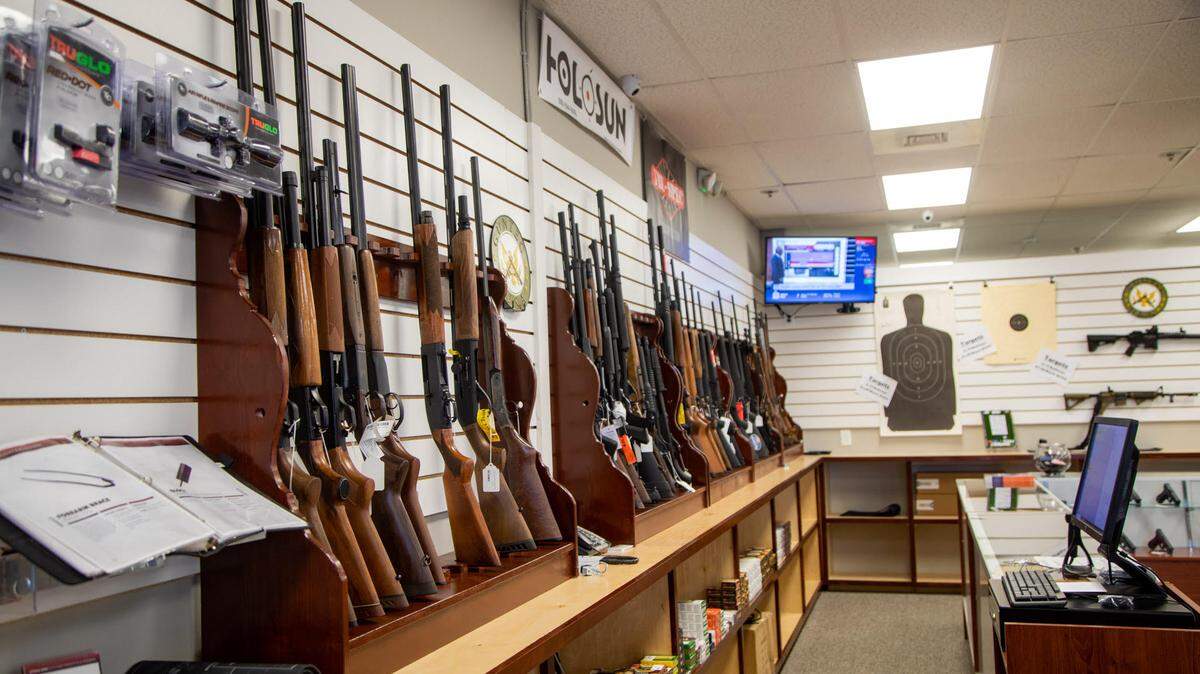
Because Thompson is a juvenile, he could not have purchased the weapons used legally on his own, leaving many wondering how he obtained the shotgun and pistol used in the shooting.
Freeman could not comment on the origin of the weapons or whether Thompson had obtained them through his parents, Alan and Elise Thompson.
However, if the investigation reveals the weapons were not properly stored, the parents could face charges.
According to North Carolina statute 14-315.1., people who possess firearms and live with minors have a responsibility to store firearms in a way that unsupervised minors cannot access them. The penalty for not doing this is a Class 1 misdemeanor — but only under certain circumstances: if that firearm is obtained without permission and the minor exhibits the weapon in a public place or in a threatening manner, carries it onto an “educational property,” causes injury or death (not in self-defense) or uses it in the commission of a crime.
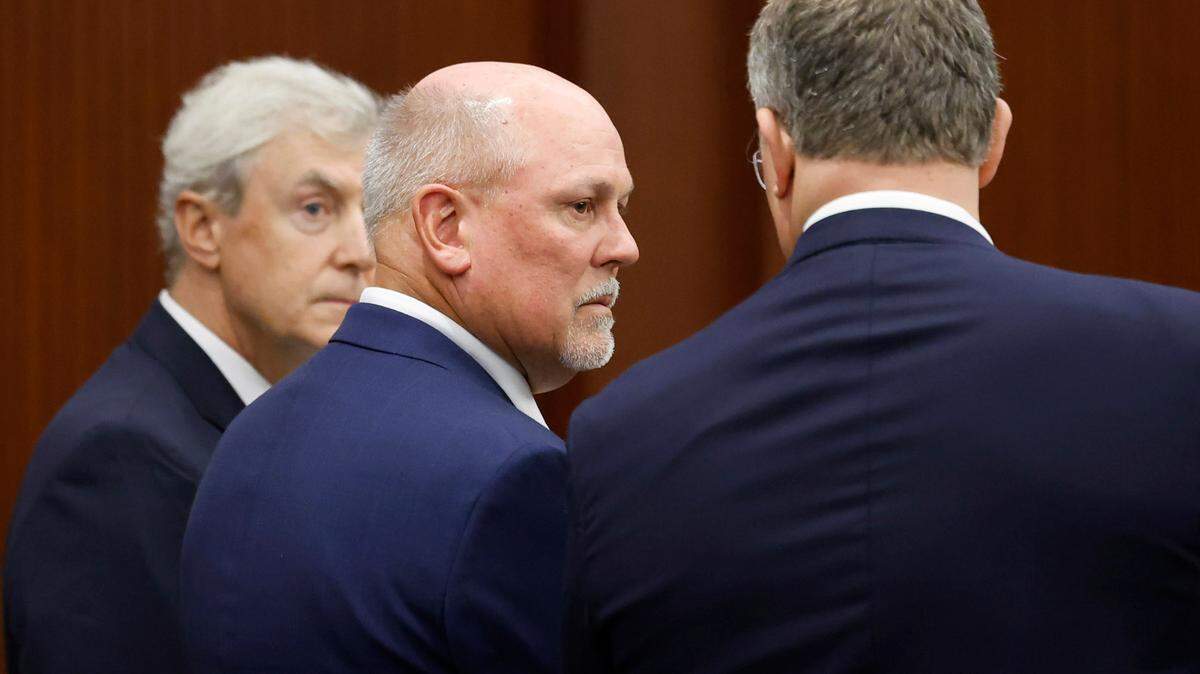
Freeman said that Thompson’s parents have retained legal counsel through the Tharrington Smith law firm and have been cooperating with law enforcement throughout this investigation.
At this time, no charges have been filed against Thompson’s parents. As the investigation progresses, Freeman and her office could decide to bring charges, although the full extent of what those charges could be is unclear.
This story was originally published February 10, 2023 at 6:00 AM.





_474_fitted.jpeg)